
Freshwater Shrimp Genetics 101: Understanding Inheritance, Mutations & Strains

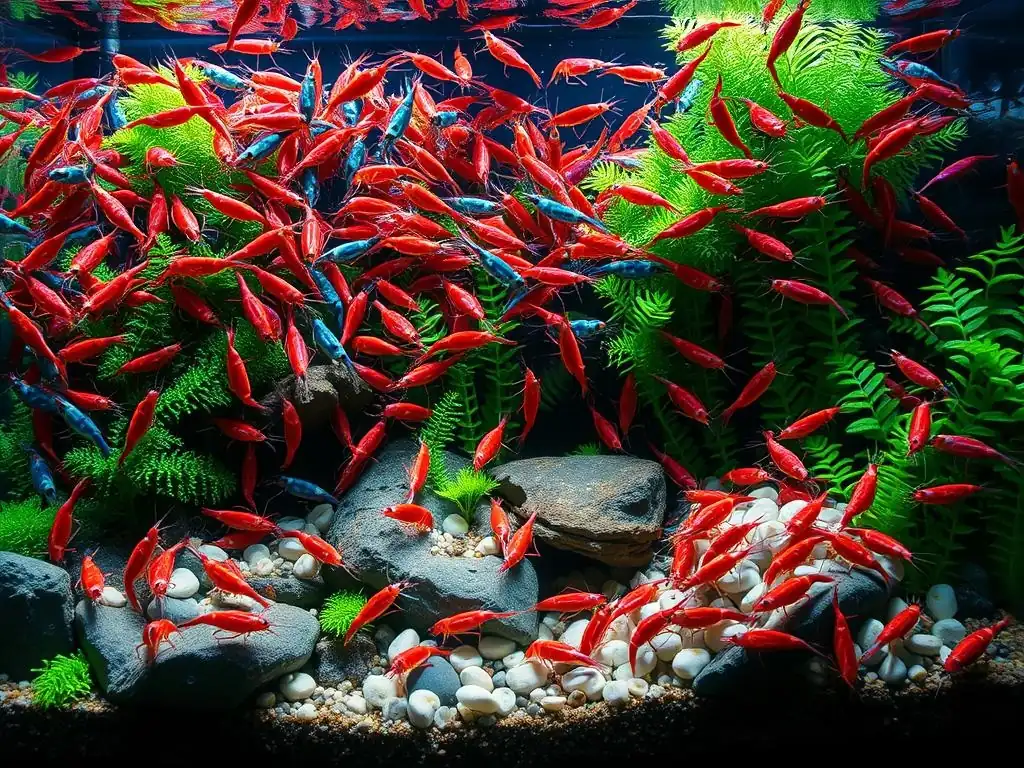
Welcome to Aquarium Mastery, fellow aquarist!
Ever wondered how breeders create those stunning, vibrantly colored freshwater shrimp? Dive into the fascinating world of freshwater shrimp genetics explained and unlock the secrets behind selective breeding, mutations, and the incredible diversity of shrimp strains. Ready to understand the building blocks of these miniature marvels? Let's get started!
- Understanding Freshwater Shrimp Genetics: An Introduction for Aquarists
- The Basics of Inheritance in Freshwater Shrimp
- Mutations in Freshwater Shrimp: The Source of New Colors and Patterns
- Exploring Freshwater Shrimp Strains: A Genetic Perspective
- Freshwater Shrimp Color Genetics: A Deeper Dive
- Selective Breeding Techniques for Freshwater Shrimp
- Freshwater Shrimp Genetic Disorders and Health Issues
- Advanced Topics in Freshwater Shrimp Genetics
- Conclusion: Mastering Freshwater Shrimp Genetics for a Vibrant Aquarium
-
Frequently Asked Questions
- What is the significance of understanding genetics when keeping freshwater shrimp?
- How can I identify different strains of freshwater shrimp based on their genetics?
- What are common mutations that occur in freshwater shrimp, and how do they affect their offspring?
- How does selective breeding work in freshwater shrimp, and what are its goals?
- What role does water chemistry play in the expression of genes in freshwater shrimp?
- Final Reflection: Unlocking the Secrets of Shrimp
- Unleash Your Inner Shrimp Geneticist!
Understanding Freshwater Shrimp Genetics: An Introduction for Aquarists
Why Freshwater Shrimp Genetics Matter for Aquarium Keepers
Understanding freshwater shrimp genetics is crucial for any serious aquarist, moving beyond simple care to truly master shrimp keeping. Genetic knowledge allows hobbyists to predict the traits of offspring, maintain the purity of desired strains, and even develop new color morphs. Without this understanding, breeders might inadvertently dilute desirable traits, leading to "wild-type" reversion where vibrant colors fade back to the drab, camouflaged appearance of their ancestors, diminishing the aesthetic appeal and value of their colonies.
Furthermore, a grasp of freshwater shrimp genetics aids in maintaining the overall health and vigor of a colony. By understanding how traits are passed down, breeders can identify and address potential genetic weaknesses, such as susceptibility to disease or deformities. This proactive approach helps prevent issues like inbreeding depression, ensuring that shrimp populations remain robust, fertile, and display their best characteristics for generations. The principles of freshwater shrimp genetics explained here will empower aquarists to make informed breeding decisions.
Key Genetic Terms for Freshwater Shrimp Breeding
To delve into the fascinating world of freshwater shrimp genetics, it's essential to familiarize oneself with fundamental genetic terminology. A gene is a basic unit of heredity that determines a specific characteristic, such as color or pattern. An allele is a variant form of a gene; for instance, a gene for color might have an allele for red and another for clear. When an allele is dominant, it expresses its trait even if only one copy is present, whereas a recessive allele only expresses its trait when two copies are present.
A shrimp's genotype refers to its unique genetic makeup (e.g., the specific combination of alleles it possesses for a trait), while its phenotype is the observable physical expression of those genes (e.g., its red coloration). An individual is homozygous for a trait if it has two identical alleles (e.g., two red alleles), and heterozygous if it has two different alleles (e.g., one red and one clear allele). Understanding these terms provides the foundation for comprehending how freshwater shrimp genetics operate in a breeding context.
The Basics of Inheritance in Freshwater Shrimp
Mendelian Genetics and Shrimp Coloration
The principles of Mendelian genetics, first proposed by Gregor Mendel, apply broadly to the inheritance of many traits in freshwater shrimp, particularly coloration. These principles, including the law of segregation and the law of independent assortment, help explain how specific color genes are passed from parent to offspring. For example, if a specific gene controls the presence or absence of a certain pigment, and one allele for that pigment is dominant while another is recessive, we can predict the approximate ratios of offspring colors based on the parents' genetic makeup.
Consider a simplified scenario where a dominant allele 'R' confers red coloration and a recessive allele 'r' results in a clear or wild-type appearance. If two heterozygous red shrimp (Rr) are bred, their offspring would theoretically follow a 3:1 phenotypic ratio, meaning about 75% would be red and 25% clear. This is because the genotypes would be approximately 25% RR (homozygous red), 50% Rr (heterozygous red), and 25% rr (clear). This fundamental aspect of freshwater shrimp genetics explained through Mendelian principles provides a powerful predictive tool for breeders.
Understanding Genotypes and Phenotypes in Shrimp
As previously defined, a shrimp's genotype is its specific genetic code for a trait, while its phenotype is the visible characteristic. The distinction is critical because different genotypes can sometimes lead to the same phenotype. For instance, a "Fire Red" Neocaridina davidi shrimp might have a homozygous dominant genotype (e.g., RR) for intense red coloration, or it might be heterozygous (Rr) if the 'R' allele is dominant and 'r' represents a less intense or wild-type color. Both could appear outwardly red.
Conversely, a single genotype can sometimes produce varying phenotypes depending on environmental factors, a concept explored further in later sections. However, in core Mendelian traits, the genotype dictates the potential phenotype. For example, a shrimp with the genotype 'rr' for a specific color gene will invariably display the recessive phenotype, such as a clear body, regardless of other factors. Grasping this genotype-phenotype relationship is fundamental to mastering freshwater shrimp genetics.
How to Predict Offspring Color in Shrimp Breeding
Predicting offspring color in freshwater shrimp breeding largely relies on understanding the genotypes of the parent shrimp and applying tools like Punnett squares. A Punnett square is a simple graphical way to determine the probability of an offspring having a particular genotype. For a single trait, you list the alleles from one parent along the top and the alleles from the other parent down the side, then fill in the squares with the resulting allele combinations.
For example, if you breed a homozygous dominant red shrimp (RR) with a homozygous recessive clear shrimp (rr), all offspring will be heterozygous (Rr) and phenotypically red (assuming red is dominant). If you then breed two of these heterozygous red offspring (Rr x Rr), a Punnett square reveals an expected genotypic ratio of 1 RR : 2 Rr : 1 rr, translating to a phenotypic ratio of 3 red : 1 clear. While real-world results may vary slightly due to chance, these predictions based on freshwater shrimp genetics provide a strong guideline for breeding programs aimed at specific colors.
Mutations in Freshwater Shrimp: The Source of New Colors and Patterns
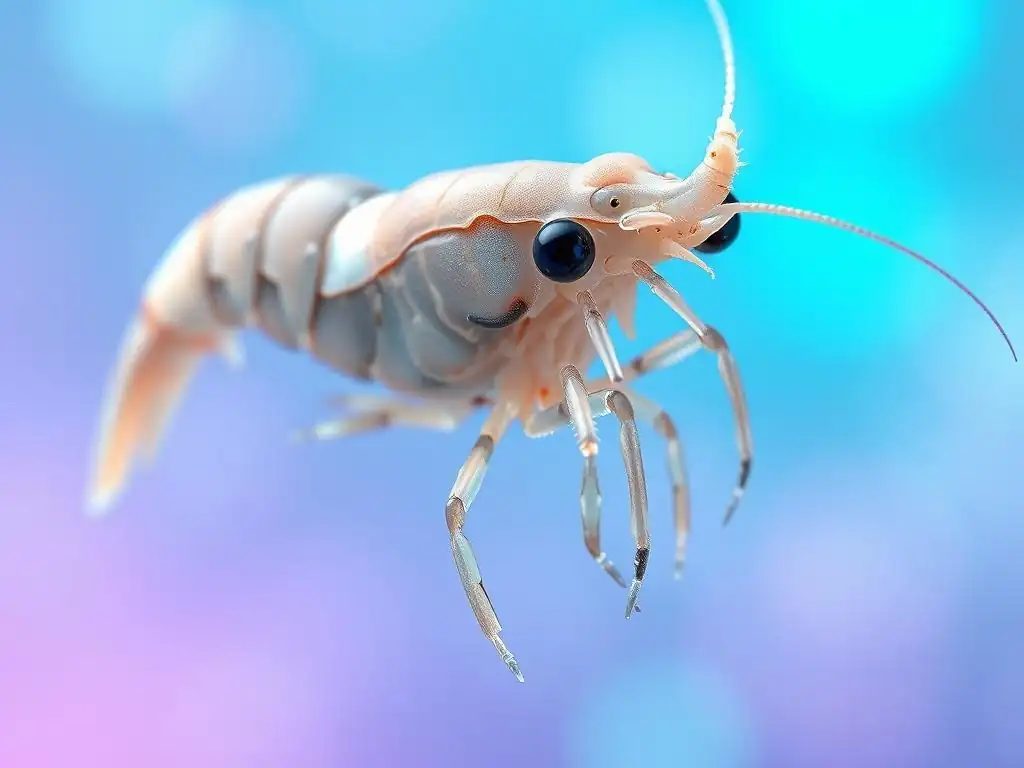
Spontaneous Mutations in Neocaridina and Caridina Shrimp
Spontaneous mutations are the driving force behind the incredible diversity of freshwater shrimp strains seen in the aquarium hobby today. These are random, unpredictable changes in the DNA sequence of an individual shrimp, occurring naturally during cell division. For instance, the original wild-type Neocaridina davidi shrimp, typically a dull brown or green, underwent a spontaneous mutation that led to the development of the vibrant red coloration now known as the Red Cherry shrimp. This was likely a single genetic change that altered pigment production or distribution.
Similarly, the initial Caridina cantonensis forms like Crystal Red Shrimp (CRS) and Crystal Black Shrimp (CBS) also arose from spontaneous mutations in their wild ancestors, likely affecting genes related to the white and red/black pigments. These mutations are rare events, occurring perhaps once in tens of thousands or even hundreds of thousands of individuals. However, when a desirable mutation appears, dedicated breeders can isolate and selectively breed these individuals to fix the new trait, demonstrating the dynamic nature of freshwater shrimp genetics.
Identifying and Isolating Desirable Shrimp Mutations
Identifying a desirable mutation requires keen observation from the breeder. Often, a single shrimp in a large colony will suddenly display an unusual color, pattern, or body shape not seen before. For example, a hobbyist might notice a shrimp with an unusually intense blue hue in a tank of standard Red Cherries, or a shrimp with a novel white pattern among Crystal Reds. This anomaly is the first sign of a potential new mutation.
Once identified, the crucial next step is isolation. The mutated shrimp must be carefully separated from the main colony to prevent it from breeding with others and diluting the new trait. It is then bred with itself (if hermaphroditic, though shrimp are not typically so) or with closely related individuals from the original colony that do not carry the mutation, to test if the trait is heritable and to begin the process of fixing it within a new line. This meticulous process is how novel forms, vital to the ongoing evolution of freshwater shrimp genetics, are established.
The Role of Mutations in Creating New Shrimp Strains
Mutations serve as the raw material for the creation of all new freshwater shrimp strains. Without these spontaneous genetic changes, the hobby would be limited to the original wild-type forms. Each distinct color or pattern, from the deep blue of Blue Dream shrimp to the intricate patterns of Pinto shrimp, can be traced back to one or more initial mutations that altered how pigments are produced, organized, or expressed.
Once a beneficial mutation arises and is isolated, breeders then engage in intensive selective breeding over many generations. This involves breeding only those individuals that express the desired mutated trait most strongly and consistently, gradually enhancing the characteristic and stabilizing it within a new strain. For instance, the progression from Red Cherry to Sakura to Fire Red to Painted Fire Red Neocaridina shrimp represents successive rounds of selective breeding to intensify the red pigmentation, each step building upon the initial mutation. This iterative process highlights the fundamental role of mutations in shaping freshwater shrimp genetics and diversity.
Exploring Freshwater Shrimp Strains: A Genetic Perspective
Neocaridina davidi Strains: Genetics of Red Cherry, Yellow Golden Back, and More
Neocaridina davidi is perhaps the most popular freshwater shrimp species in the hobby, renowned for its wide array of vibrant color strains. These strains, including the iconic Red Cherry, Yellow Golden Back, Blue Dream, Sunkist Orange, and Green Jade, all originate from the same wild-type ancestor but have been developed through selective breeding of spontaneous mutations. For example, the Red Cherry strain likely stems from a mutation affecting the production or deposition of red carotenoid pigments, which was then intensified over generations.
The genetic basis for many Neocaridina strains is often relatively simple, involving one or a few genes with dominant or recessive alleles. The "Golden Back" trait in yellow shrimp, for instance, is a genetic variation where a stripe of denser pigment appears along the dorsal line. Breeders meticulously select shrimp with the most intense and consistent coloration, culling those that revert to wild type or display undesirable traits. This ongoing process of selective breeding, guided by an understanding of freshwater shrimp genetics, ensures the purity and vibrancy of these beloved strains.
Caridina cantonensis Strains: Understanding Crystal Red, Black Bee, and Pinto Genetics
Caridina cantonensis encompasses some of the most highly prized and genetically complex freshwater shrimp strains, such as Crystal Red Shrimp (CRS), Crystal Black Shrimp (CBS), and the intricate Pinto and Boa patterns. CRS and CBS are believed to have originated from a single recessive mutation in a wild Bee Shrimp that resulted in the loss of dark pigment in certain areas, creating the striking white and red (or black) patterns. Subsequent selective breeding focused on intensifying the white and solidifying the red/black.
Pinto shrimp, on the other hand, represent a more advanced genetic lineage, often derived from crosses between Tiger shrimp and Bee shrimp lines, followed by extensive selective breeding. Their complex patterns, such as "Galaxy," "Zebra," or "Spotted Head," are thought to involve multiple genes or polygenic traits, making their inheritance patterns more challenging to predict than simple Mendelian traits. Understanding the sophisticated freshwater shrimp genetics behind these Caridina strains is key to successful breeding and development of new patterns.
Breeding for Specific Traits: Maintaining Strain Integrity
Maintaining the integrity of specific freshwater shrimp strains is a continuous effort that relies heavily on disciplined selective breeding. Once a desired trait, whether it's a specific color, pattern, or body shape, has been established through initial mutations and breeding, breeders must actively work to preserve and enhance it. This involves regularly evaluating the entire colony and identifying individuals that best exemplify the strain's characteristics.
Shrimp that deviate from the desired standard, such as those with faded colors, inconsistent patterns, or undesirable genetic traits (like deformities), are typically removed from the breeding pool through a process called culling. This ensures that only the strongest and most representative individuals are allowed to reproduce, thereby concentrating the genes responsible for the desired traits. This rigorous approach, central to freshwater shrimp genetics explained through practical application, prevents the dilution of genetic purity and helps maintain the high quality of established strains over many generations.
Freshwater Shrimp Color Genetics: A Deeper Dive
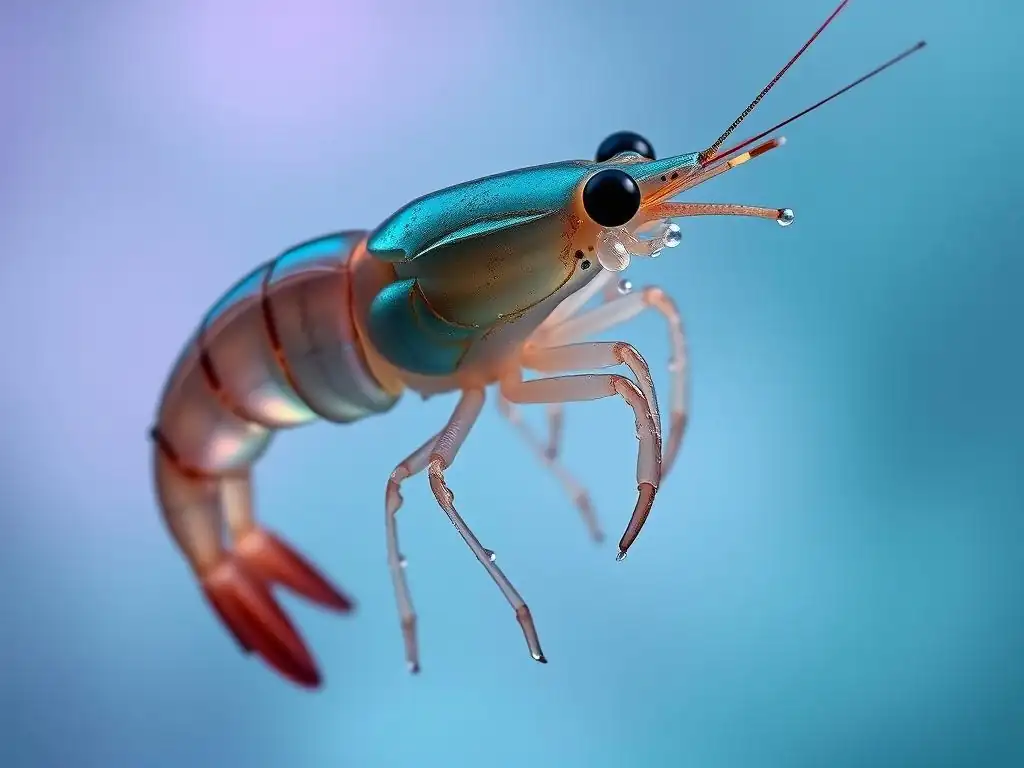
The Pigments Responsible for Shrimp Coloration
The vibrant and diverse colors seen in freshwater shrimp are primarily due to the presence and distribution of various pigments within their exoskeletons and tissues. The most prominent pigments include carotenoids, which are responsible for red, orange, and yellow hues. These pigments, like astaxanthin, are typically acquired through the shrimp's diet from sources like algae and biofilm. For instance, the intense red of a Painted Fire Red Neocaridina largely depends on its ability to synthesize and deposit carotenoids effectively.
Another key group of pigments is melanins, which produce black and brown colors. The black bands on a Black Bee Shrimp, for example, are due to melanin deposition. Additionally, guanine crystals can contribute to iridescence, opacity, and blue coloration by reflecting light in specific ways. The interplay and distribution of these pigments within specialized cells called chromatophores determine the final color and pattern of a shrimp, illustrating the intricate nature of freshwater shrimp genetics.
How Genes Control Pigment Production in Shrimp
Genes play a pivotal role in controlling the production, transport, and deposition of these pigments, thereby dictating a shrimp's color. Each pigment requires specific enzymes for its synthesis, and the genes that encode these enzymes are critical. A mutation in one of these genes can lead to a complete absence of a pigment (e.g., resulting in a "clear" or "white" shrimp if the gene for all color production is affected) or an overproduction, leading to intensified coloration.
For example, a gene might regulate the pathway for astaxanthin synthesis; a dominant allele could lead to robust production and vivid red, while a recessive allele might result in impaired production and a paler shrimp. Similarly, genes control the development and function of chromatophores, influencing how pigments are concentrated or dispersed, which can change a shrimp's perceived color. The complex interplay of these genetic mechanisms is central to understanding freshwater shrimp genetics and the vast array of color morphs.
Environmental Factors Influencing Shrimp Color Expression
While genetics lay the foundation for a shrimp's potential coloration, environmental factors can significantly influence the expression and vibrancy of those colors. Diet is a primary factor; for carotenoid-based colors (reds, oranges, yellows), a diet rich in astaxanthin and other carotenoids is essential. Shrimp fed a poor diet may appear duller, even if they possess the genetic potential for brilliant color.
Water parameters also play a role; stable, optimal water conditions reduce stress, which in turn helps shrimp display their best colors. Stress, whether from poor water quality, overcrowding, or aggressive tank mates, can cause shrimp to pale. Furthermore, the color of the substrate and background can influence a shrimp's perceived color, as they often adjust their chromatophores to blend in with their surroundings, appearing darker on a dark substrate and lighter on a light one. These environmental influences highlight that while freshwater shrimp genetics provide the blueprint, proper care is vital for full color expression.
Selective Breeding Techniques for Freshwater Shrimp
Line Breeding for Color Intensity and Pattern Refinement
Line breeding is a powerful selective breeding technique employed by aquarists to fix and enhance desirable traits, such as intense coloration or intricate patterns, within a freshwater shrimp colony. It involves breeding closely related individuals over several generations, often focusing on a specific lineage that exhibits the desired characteristics most strongly. For example, a breeder aiming for a "Painted Fire Red" Neocaridina will consistently select the reddest, most opaque shrimp from each generation to breed, gradually concentrating the genes responsible for that intense red hue.
The primary benefit of line breeding is its effectiveness in consolidating specific genes, leading to a higher percentage of offspring expressing the desired trait with increased consistency and quality. However, it also carries the risk of increasing homozygosity across the entire genome, not just for the desired trait. This means that recessive undesirable genes, including those for genetic weaknesses or deformities, can also become fixed. Careful observation and judicious culling are essential to mitigate these risks and maintain healthy lines, an important consideration in freshwater shrimp genetics.
Culling Techniques to Eliminate Undesirable Traits
Culling is a critical, albeit sometimes controversial, practice in selective breeding programs for freshwater shrimp. It involves systematically removing individuals that do not meet the desired standards of the strain or exhibit undesirable traits such as faded colors, deformities, poor growth, or weak health. The purpose of culling is to prevent these less desirable genes from being passed on to future generations, thereby improving the overall quality, consistency, and health of the breeding line.
The method of culling can vary; some breeders move culled shrimp to a separate "cull tank" where they live out their lives, or they may be sold as lower-grade shrimp. Others may use more direct methods to humanely euthanize them. While it can seem harsh, culling is often considered indispensable for maintaining the genetic integrity and vigor of high-quality shrimp strains, ensuring that the efforts in understanding freshwater shrimp genetics translate into thriving, aesthetically pleasing colonies.
Avoiding Inbreeding Depression in Shrimp Breeding Programs
While line breeding is effective for fixing traits, excessive inbreeding—the continuous breeding of very closely related individuals—can lead to a phenomenon known as inbreeding depression. This genetic issue manifests as a reduction in the fitness of a population, characterized by decreased fertility, smaller adult size, slower growth rates, increased susceptibility to disease, weakened immune systems, and a higher incidence of deformities. These problems arise because inbreeding increases the likelihood of offspring inheriting two copies of harmful recessive alleles.
To counteract inbreeding depression, breeders must implement strategies to maintain genetic diversity within their lines. This can involve periodically introducing "new blood" by outcrossing with unrelated individuals of the same strain, or carefully selecting individuals from different sub-lines within a larger breeding program. Maintaining a sufficiently large breeding population (e.g., several dozen individuals) also helps to preserve a broader gene pool. Balancing the need to fix desired traits with the imperative to avoid inbreeding depression is a constant challenge for those mastering freshwater shrimp genetics.
Freshwater Shrimp Genetic Disorders and Health Issues
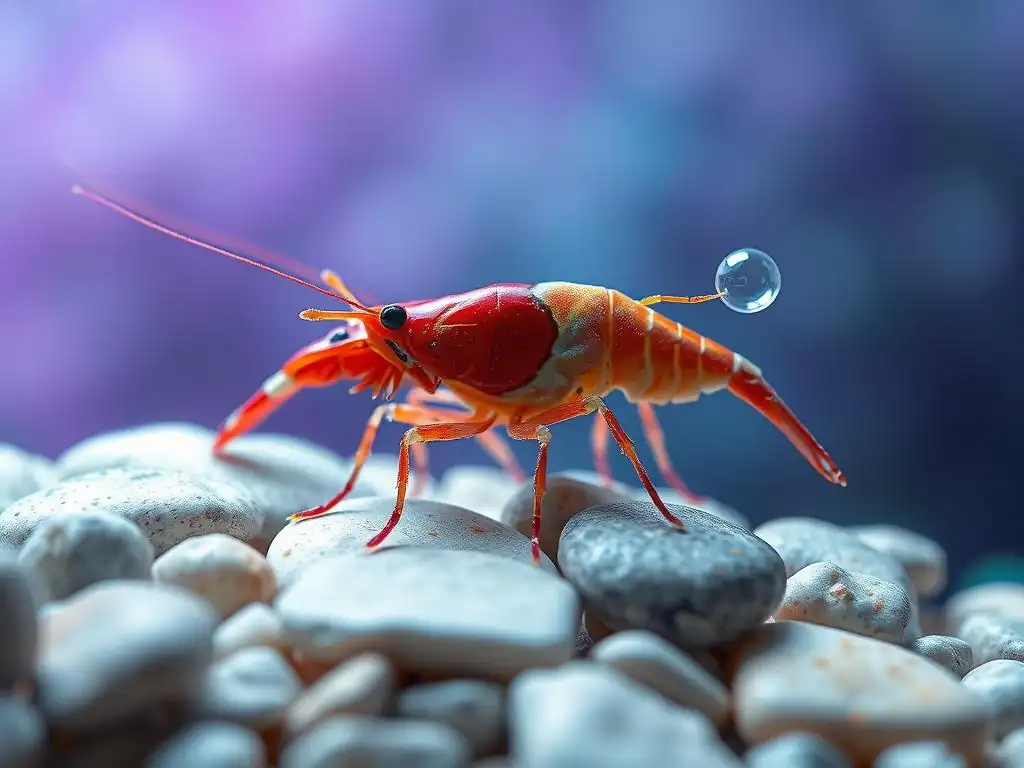
Identifying Genetic Health Problems in Shrimp
Genetic health problems in freshwater shrimp can manifest in various ways, often impacting their growth, reproduction, and overall vitality. Identifying these issues early is crucial for preventing their spread throughout a colony. Common signs of genetic disorders include stunted growth despite adequate nutrition, consistent deformities such as bent rostrums (the pointed projection from the head), twisted bodies, or malformed swimmerets. Reduced fertility, frequent failed molts, and inexplicably high mortality rates, particularly among juveniles, can also point towards underlying genetic weaknesses.
It's important to distinguish genetic problems from environmental ones, as similar symptoms can arise from poor water quality or inadequate diet. However, if multiple generations consistently display the same non-environmental issues, or if specific physical deformities are common within a particular lineage, it strongly suggests a genetic predisposition. A thorough understanding of freshwater shrimp genetics helps breeders recognize these patterns and take appropriate action.
Preventing the Spread of Genetic Diseases
Once a genetic health problem is identified within a freshwater shrimp line, preventing its spread is paramount to maintaining a healthy colony. The most effective method is rigorous culling of all affected individuals, and potentially their direct parents and siblings, from the breeding pool. This prevents the problematic genes from being passed on to future generations. For example, if a specific line consistently produces shrimp with noticeable shell deformities, removing those individuals and their immediate lineage from breeding can help eliminate the trait over time.
Additionally, responsible breeders practice strict quarantine protocols for any new shrimp introduced to their tanks. While primarily for preventing infectious diseases, quarantine also allows observation for any signs of genetic issues before new shrimp are integrated into the main breeding stock. Maintaining optimal water parameters and providing a high-quality diet also supports overall shrimp health, potentially mitigating the expression of some milder genetic predispositions and strengthening the colony's resilience, reinforcing the importance of freshwater shrimp genetics in health management.
Ethical Considerations in Shrimp Breeding
The practice of selective breeding for specific aesthetic traits in freshwater shrimp raises several ethical considerations. Breeders often strive for extreme coloration or unique patterns, which can sometimes inadvertently lead to reduced genetic diversity or an increased prevalence of genetic disorders within a line due to intense inbreeding. The pursuit of "perfect" traits might, in some cases, compromise the shrimp's overall health, fertility, or lifespan.
Ethical breeders prioritize the health and well-being of their shrimp alongside aesthetic goals. This involves a commitment to avoiding extreme inbreeding that leads to severe inbreeding depression and associated health issues. It also entails responsible culling practices—ensuring that culled shrimp are either humanely euthanized or provided a suitable environment where they can live out their lives without contributing to the breeding pool. Balancing the desire for beautiful and unique strains with a responsibility to maintain robust and healthy populations is a core aspect of ethical freshwater shrimp genetics.
Advanced Topics in Freshwater Shrimp Genetics
Understanding Epigenetics in Shrimp Development
Beyond the direct inheritance of genes, epigenetics offers a fascinating layer of complexity to freshwater shrimp genetics. Epigenetics refers to heritable changes in gene expression that do not involve alterations to the underlying DNA sequence itself. Instead, these changes are often influenced by environmental factors that "turn on" or "turn off" genes through mechanisms like DNA methylation or histone modification. For example, a shrimp's diet, water parameters, or even stress levels might influence how certain genes related to pigment production are expressed, affecting its final coloration.
While research on epigenetics in ornamental shrimp is still emerging, it suggests that environmental conditions during a shrimp's development or even in the parental generation could subtly influence traits like growth rate, resilience, or the vibrancy of color, without changing the shrimp's core genetic code. This means that even genetically identical shrimp might display slight phenotypic differences due to epigenetic modifications. Understanding these nuances adds another dimension to the comprehensive study of freshwater shrimp genetics.
The Potential for Genetic Modification in Shrimp (Future Considerations)
The realm of genetic modification (GM) in aquatic organisms, including shrimp, is a rapidly advancing field, though primarily focused on aquaculture for food production rather than ornamental species. Techniques like CRISPR-Cas9 allow for precise editing of an organism's genome, theoretically enabling the introduction of entirely new traits or the precise alteration of existing ones. For ornamental shrimp, this could hypothetically mean creating novel colors, patterns, or even enhancing disease resistance with unprecedented precision.
However, the application of genetic modification to hobbyist freshwater shrimp remains largely theoretical and faces significant ethical, regulatory, and practical hurdles. Concerns regarding the long-term ecological impact if genetically modified organisms were to enter natural waterways, public acceptance, and the high cost of such research make it an unlikely development for the aquarium hobby in the near future. Nevertheless, it represents a potential, albeit distant, frontier in the evolution of freshwater shrimp genetics.
Resources for Further Learning About Freshwater Shrimp Genetics
For those passionate about delving deeper into freshwater shrimp genetics, a wealth of resources exists beyond introductory guides. Scientific literature, including peer-reviewed articles on crustacean genetics and aquaculture, can provide detailed insights into specific genetic pathways and research methodologies. While often technical, these papers offer the most precise and up-to-date information.
Specialized online forums and communities dedicated to shrimp breeding are invaluable for practical knowledge, where experienced breeders share insights from their own selective breeding programs and discuss observed genetic phenomena. Reputable breeders' websites and blogs often contain detailed information on specific strain lineages and breeding strategies. Additionally, books focused on invertebrate biology or aquaculture genetics can provide a broader scientific context. Continuously seeking out and engaging with these resources will significantly enhance one's understanding of freshwater shrimp genetics explained through both theory and practice.
Conclusion: Mastering Freshwater Shrimp Genetics for a Vibrant Aquarium
Frequently Asked Questions
What is the significance of understanding genetics when keeping freshwater shrimp?
Understanding genetics is crucial for predicting offspring appearance, preventing undesirable traits from becoming dominant, and selectively breeding for specific colors or patterns.
How can I identify different strains of freshwater shrimp based on their genetics?
Strain identification relies heavily on visual characteristics linked to specific genetic traits. Observation of coloration, patterns, and body shape is key, but can be complicated by crossbreeding.
What are common mutations that occur in freshwater shrimp, and how do they affect their offspring?
Common mutations include color variations and pattern changes. These mutations can be passed on to offspring, potentially creating new strains if selectively bred.
How does selective breeding work in freshwater shrimp, and what are its goals?
Selective breeding involves choosing shrimp with desirable traits to breed together. The goal is to strengthen those traits in future generations and create stable lines of specific colors or patterns.
What role does water chemistry play in the expression of genes in freshwater shrimp?
While genetics determine the potential, water chemistry significantly impacts gene expression. Maintaining optimal water parameters is crucial for shrimp to display their full genetic potential and thrive.
Final Reflection: Unlocking the Secrets of Shrimp
The journey into freshwater shrimp genetics reveals more than just the mechanics of inheritance; it unveils a world of hidden potential and breathtaking diversity right in our aquariums. Understanding these genetic principles allows us to appreciate the intricate dance of traits, the subtle variations that define each strain, and the power of mutations to shape the future of these captivating creatures. This knowledge empowers us to become more responsible and informed aquarists, fostering healthier and more vibrant shrimp populations.
This exploration of shrimp genetics has profoundly impacted the way we perceive these tiny invertebrates. It’s shifted the focus from simply admiring their beauty to understanding the complex biological processes that underpin it. This deeper understanding fosters a greater appreciation for the delicate balance of nature and the responsibility we have as custodians of these fascinating creatures. The beauty of life is, while we cannot undo what is done, we can see it and learn from it and change so that every new life we meet may be touched by transcendence.
- Sharon Salzberg. This quote encapsulates the transformative power of understanding genetics, allowing us to shape a brighter future for these shrimp.
Now, armed with this newfound knowledge of freshwater shrimp genetics, I encourage you to reflect on your own role in shaping the future of these creatures. Consider how you can apply these principles in your own aquarium, whether through selective breeding, responsible sourcing, or simply a deeper appreciation for the genetic diversity that exists. Embrace the opportunity to become a more informed and conscientious aquarist, contributing to the health and vitality of these captivating shrimp for generations to come.
Unleash Your Inner Shrimp Geneticist!
Thank you for diving into the fascinating world of freshwater shrimp genetics! We hope you've gained valuable insights into inheritance, mutations, and the diverse strains that make shrimp keeping so rewarding. Ready to take your knowledge to the next level?
Here are a few things you can do right now:
- Start planning your own selective breeding experiment! Identify a desirable trait in your shrimp colony and map out a strategy to enhance it over generations.
- Delve deeper into specific shrimp strains by researching breeders' logs and community forums. Share your findings with fellow shrimp enthusiasts to spark collaborative learning.
- Consider documenting your own shrimp keeping journey – even the unexpected mutations! Your experiences could become invaluable to others.
What's the first genetic trait you're most excited to explore in your shrimp tank, and how will you track its inheritance?