
MontiporaEating Nudibranchs: Your Definitive Action Plan for Detection & Eradication

Welcome to Aquarium Mastery!
Intrigued by the vibrant world of corals but battling unwanted guests? Dive in! Montipora-eating nudibranchs can quickly devastate your prized reef. Fear not, aquarist! We're unveiling your definitive action plan for detection and eradication in this guide. Discover the secrets to a thriving coral reef and learn how to implement a Montipora nudibranch control plan that actually works. Ready to reclaim your reef's health and beauty? Let's get started!
- Understanding Montipora Nudibranchs: A Threat to SPS Corals
- Detecting Montipora Nudibranchs: Early Signs & Inspection Techniques
- Implementing Your Montipora Nudibranch Control Plan: A Multi-Pronged Approach
- Advanced Eradication Strategies for Severe Infestations
- Preventing Future Infestations: Long-Term Montipora Nudibranch Control
- Montipora Nudibranch Control Plan: Step-by-Step Summary
- Conclusion: Protecting Your Montipora Corals from Nudibranchs
-
Frequently Asked Questions
- What are Montipora-eating nudibranchs, and why are they a problem in reef aquariums?
- How can I detect Montipora-eating nudibranchs in my aquarium early?
- What are the key components of a Montipora nudibranch control plan?
- What are some effective coral dips I can use to eliminate Montipora nudibranchs?
- Can I prevent Montipora nudibranchs from entering my aquarium in the first place?
- Final Reflection: Safeguarding Coral's Vibrant Future
- Unleash Your Reef’s Potential: Take Action Now!
Understanding Montipora Nudibranchs: A Threat to SPS Corals
Identifying Montipora-Eating Nudibranchs: Visual Cues & Characteristics
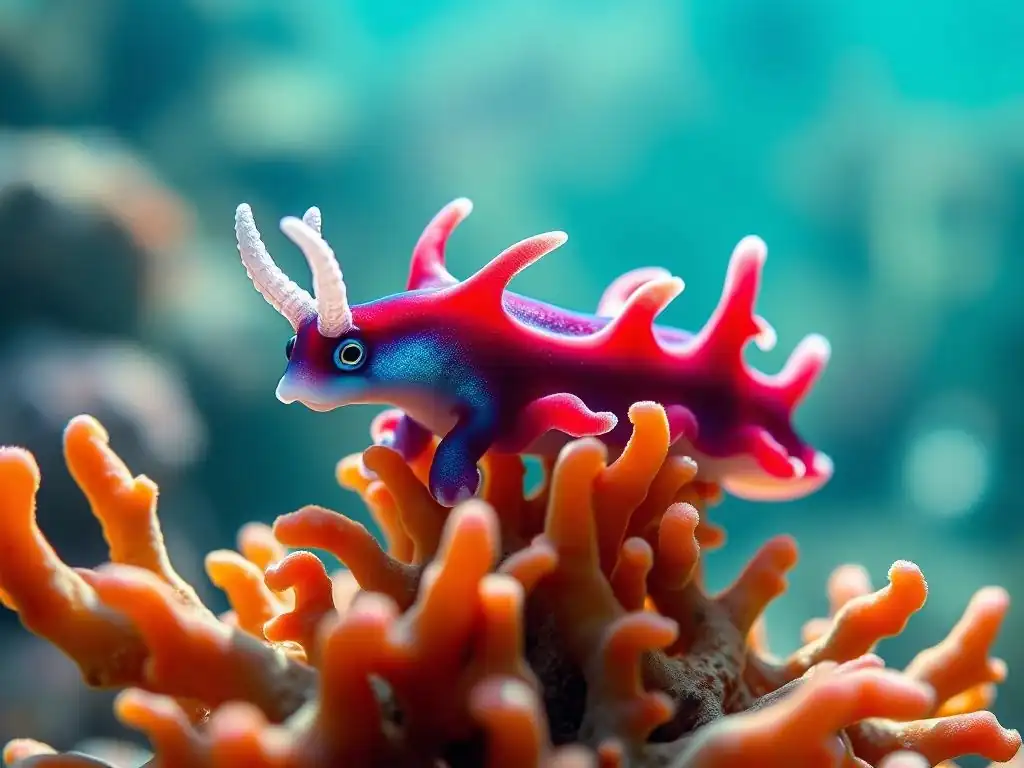
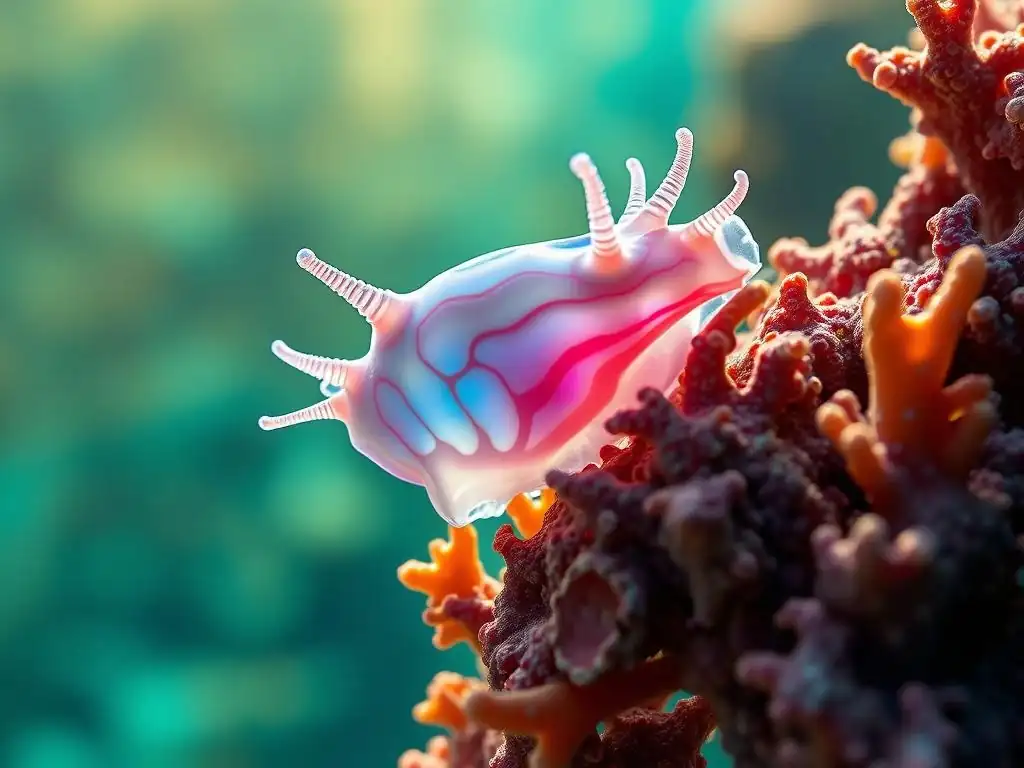
Montipora-eating nudibranchs, primarily Phestilla spp., are highly specialized marine slugs that exclusively prey on Montipora corals. These elusive pests typically range in size from a mere 3 millimeters up to 15 millimeters, making them incredibly difficult to spot with the naked eye, especially in a bustling reef tank. Their most cunning characteristic is their remarkable camouflage; their bodies often mimic the coloration of the Montipora coral they infest, appearing in shades of brown, green, pink, or purple, blending seamlessly with the host tissue.
Beyond their size and color, Phestilla spp. nudibranchs possess distinctive cerata – finger-like dorsal appendages – that further help them blend into the Montipora's polyp structure, making them appear like extended coral polyps or small irregularities on the coral surface. They are most frequently found on the undersides or in shadowed crevices of Montipora colonies, particularly near areas where tissue recession has begun.
A tell-tale sign of their presence, often easier to spot than the nudibranchs themselves, are their distinctive white, coiled egg masses. These spirals, resembling a miniature spring, are usually laid on the exposed coral skeleton or adjacent rockwork and can contain hundreds of eggs, signaling a rapidly growing population.
The Life Cycle of Montipora Nudibranchs: Breeding and Spread in Reef Tanks
The life cycle of Montipora nudibranchs is alarmingly rapid, contributing significantly to their ability to quickly overwhelm a reef tank if left unchecked. A single adult nudibranch can lay an egg spiral every few days, each containing numerous individual eggs. The incubation period for these eggs is relatively short, typically ranging from 5 to 10 days, depending largely on the aquarium's water temperature. For instance, in a common reef tank temperature of 25-27°C (77-80°F), hatching can occur within a week.
Upon hatching, the juvenile nudibranchs are already capable of crawling and feeding on Montipora tissue, bypassing a prolonged larval stage that might otherwise allow for wider dispersal. They reach sexual maturity swiftly, often within just 2 to 3 weeks after hatching.
This compressed life cycle, combined with their continuous reproductive capability, means that a small initial population can explode into a severe infestation within a matter of weeks. The primary method of introduction into a closed reef system is through hitchhiking on new Montipora coral fragments (frags), underscoring the critical importance of a robust Montipora nudibranch control plan that emphasizes strict quarantine procedures.
Why Montipora Nudibranchs are Harmful to Your SPS Corals
Montipora nudibranchs pose a severe and direct threat to Montipora corals because they are obligate corallivores, meaning Montipora tissue is their sole food source. They use specialized rasping mouthparts to feed on the coral's polyps and tissue, causing irreversible damage. The immediate visual impact on the coral includes patches of bare, white skeleton, often starting at the base or in shaded areas and progressively moving upwards. This tissue recession can also manifest as irregular, patchy areas of loss across the coral's surface.
Beyond the physical damage, the constant feeding activity stresses the coral, making it more susceptible to other opportunistic diseases, bacterial infections, or encroachment by nuisance algae. Infested Montipora colonies often lose their vibrant coloration, appearing dull, pale, or bleached, even when water parameters are otherwise optimal.
In severe cases, where the infestation is left unaddressed, the continuous tissue loss inhibits the coral's ability to grow and photosynthesize, leading to complete colony death within a few weeks or months. Research published in journals like Marine Ecology Progress Series has documented significant growth reduction and mortality rates in Montipora corals subjected to sustained nudibranch predation, highlighting the devastating impact these pests can have on your SPS collection.
Detecting Montipora Nudibranchs: Early Signs & Inspection Techniques
Visual Inspection of Montipora Colonies: What to Look For
Effective detection of Montipora nudibranchs requires a keen eye and a systematic approach. The best time for a thorough visual inspection is often at night, or during times when the coral polyps are retracted, as this makes the nudibranchs and their egg masses more visible against the coral skeleton or tissue. Using a strong flashlight, or even better, a blue light combined with yellow viewing glasses, can significantly enhance visibility by making the often camouflaged nudibranchs stand out.
When inspecting, focus on the undersides of Montipora colonies, areas of lower flow, and any crevices or shaded spots where these pests prefer to hide. Look for the small, slug-like creatures themselves, which, as previously mentioned, often match the coral's color. Even more critical is the search for their distinctive white, spiral-shaped egg masses. These are typically laid on exposed skeleton, particularly where tissue recession has occurred, or on nearby rockwork. Regular, meticulous inspection, perhaps weekly for established colonies and daily for new additions, is a cornerstone of any proactive Montipora nudibranch control plan.
Recognizing Montipora Nudibranch Damage: Tissue Recession & Color Changes
The damage inflicted by Montipora nudibranchs presents specific visual cues that differentiate it from other coral ailments like rapid tissue necrosis (RTN), slow tissue necrosis (STN), or general bleaching. The most common sign is localized tissue recession, appearing as patches of stark white skeleton where coral tissue once thrived. This damage often begins at the base of the coral colony or in shaded, less accessible areas, gradually spreading upwards or outwards in irregular patterns. Unlike general bleaching caused by light or water chemistry issues, nudibranch damage is typically patchy and specifically targets Montipora corals.
Another key indicator is a noticeable loss of vibrant coloration in the affected Montipora. A healthy, bright green Montipora digitata, for example, might develop pale green or brownish patches. While the coral may still extend some polyps, those in damaged areas will often fail to extend fully, even under optimal conditions. It's crucial to distinguish this specific pattern of damage from other problems; for instance, RTN usually progresses much faster and affects larger areas, while STN is slower but generally more uniform. Recognizing these precise symptoms is vital for early intervention in your Montipora nudibranch control plan.
Quarantine Procedures for New Montipora Frags: Preventing Introduction
The single most effective preventative measure against Montipora nudibranch infestations is implementing stringent quarantine procedures for all new Montipora frags. A dedicated quarantine tank (QT) should be established, even a simple 10-gallon setup, with stable temperature, moderate flow, and appropriate lighting. All new Montipora corals, regardless of their source or apparent cleanliness, should undergo a minimum 4 to 6-week quarantine period in this separate system.
Upon arrival, every new frag should be subjected to a preventative dip, even if no pests are immediately visible. This initial dip, typically lasting 10-15 minutes in a commercial coral dip or iodine-based solution, helps dislodge any hitchhiking nudibranchs or other pests. During the quarantine period, the corals should be visually inspected daily for the first week, then weekly thereafter, specifically looking for any newly hatched nudibranchs or their distinctive egg spirals.
The extended quarantine duration allows time for any dormant eggs to hatch and for the subsequent juveniles to be spotted and removed, thereby preventing their introduction into the main display tank. This proactive quarantine is an absolutely critical first line of defense in any effective Montipora nudibranch control plan.
Implementing Your Montipora Nudibranch Control Plan: A Multi-Pronged Approach
Manual Removal of Nudibranchs: Effective Techniques and Tools
Manual removal is a fundamental and often the first step in any Montipora nudibranch control plan, especially for mild to moderate infestations. This technique is most effectively performed outside the display tank to prevent dislodged nudibranchs from finding refuge elsewhere in the system. Carefully remove the affected Montipora colony from the aquarium and place it in a separate container filled with water from the display tank.
Using fine-tipped tweezers, a soft-bristled brush (like a new, clean toothbrush), or even a strong stream of water from a turkey baster, gently dislodge any visible nudibranchs and their egg masses. Pay meticulous attention to the undersides, crevices, and areas of tissue recession where these pests typically hide.
After removal, thoroughly rinse the coral in a separate container of clean tank water to wash away any remaining dislodged pests before returning it to the main display or, ideally, a hospital tank. This process should be repeated every 2-3 days for several weeks (e.g., 4-6 weeks) to target newly hatched nudibranchs, as manual removal does not eliminate eggs.
Chemical Dips for Montipora: Iodine-Based Dips and Application
Chemical dips are a powerful tool in the arsenal of a Montipora nudibranch control plan, particularly effective at dislodging and killing adult nudibranchs. Widely used options include iodine-based solutions like Lugol's solution, or various commercial coral dips such as Coral Rx, Revive, or products containing pyrethroids like Bayer Advanced Complete Insect Killer (ensure it's the unadulterated version without added fertilizers). Always follow the manufacturer's instructions precisely regarding dilution and contact time.
A typical application involves preparing a separate dip container with tank water and the recommended amount of dip solution (e.g., 5-10 drops of Lugol's per gallon). Submerge the affected Montipora frag in this solution for 10-15 minutes, gently agitating it to help dislodge the nudibranchs. Observe the bottom of the container for any pests that detach.
Crucially, never dip corals directly in the display tank, as the chemicals can harm other inhabitants. After the dip, thoroughly rinse the coral in clean, temperature-matched tank water before returning it to the display or hospital tank. Remember, dips do not kill eggs, so repeated dips every 3-5 days for several weeks (e.g., 4-6 weeks) are essential to catch newly hatched individuals and break the nudibranch's life cycle.
Biological Control Options: Natural Predators of Montipora Nudibranchs
While not a standalone solution for severe infestations, biological control can serve as a supplementary, long-term strategy within a comprehensive Montipora nudibranch control plan. Certain species of wrasses are known to prey on various small invertebrates, including nudibranchs. Notable examples include the Six-Line Wrasse ( Pseudocheilinus hexataenia), Yellow Coris Wrasse ( Halichoeres chrysus), and Melanurus Wrasse ( Halichoeres melanurus). These fish actively patrol the rockwork and corals, picking at small organisms.
The effectiveness of wrasses as nudibranch predators can vary significantly between individual fish; some may be avid hunters, while others might ignore the pests. They are generally more effective at keeping small populations in check or preventing re-infestation rather than eradicating a widespread problem. When considering a wrasse, evaluate your tank size and existing inhabitants.
For instance, a Six-Line Wrasse requires at least a 30-gallon tank, while a Melanurus Wrasse needs 70 gallons or more. Always introduce new fish with care, monitoring their behavior and ensuring they do not harass other tank mates or pose a jumping risk. This biological approach complements manual removal and chemical dips, contributing to a more resilient reef system.
Advanced Eradication Strategies for Severe Infestations
Coral Quarantine and Hospital Tank Setup: Isolating Infected Montipora
For severe or persistent Montipora nudibranch infestations, isolating all affected Montipora colonies in a dedicated hospital tank (HT) becomes an indispensable part of your Montipora nudibranch control plan. This strategy allows for more aggressive and frequent treatment without impacting the delicate balance of your main display tank or stressing its other inhabitants.
A hospital tank can be a simple 10-20 gallon aquarium, equipped with a heater to maintain stable temperatures (e.g., 26°C or 79°F), a small powerhead for moderate flow, and basic lighting suitable for SPS corals. It's advisable to avoid a sand bed to simplify cleaning and prevent pests from hiding.
Once corals are moved to the HT, they can undergo a rigorous treatment regimen. This typically involves weekly or bi-weekly chemical dips combined with meticulous manual removal, as described previously. The controlled environment of the HT allows for close observation and targeted treatment.
Corals should remain in the hospital tank for a minimum of 6-8 weeks, or until no nudibranchs or egg masses have been observed for at least three consecutive weeks. This extended period ensures that all life stages of the nudibranch are accounted for, from egg to adult, before the coral is deemed clean and safe to return to the main display.
Preventing Future Infestations: Long-Term Montipora Nudibranch Control
Maintaining Optimal Water Parameters: Reducing Stress on SPS Corals
A robust Montipora nudibranch control plan extends beyond immediate eradication to encompass long-term prevention, and a critical component of this is maintaining impeccable water parameters. Healthy, unstressed corals are inherently more resilient to pests and diseases, and they also recover more effectively from any damage sustained. For Montipora and other SPS corals, consistent water chemistry is paramount.
Key parameters to monitor and maintain within their optimal ranges include alkalinity (dKH), calcium (Ca), and magnesium (Mg). Aim for alkalinity between 7.5-8.5 dKH (many successful SPS keepers target 8.0-8.2 dKH), calcium levels between 400-450 ppm, and magnesium between 1250-1350 ppm. Temperature stability is also crucial, ideally maintained within a narrow range of 25-27°C (77-80°F). While Montipora nudibranchs directly consume coral tissue, corals stressed by fluctuating or suboptimal parameters are more vulnerable to infestation and less able to fight back, making consistent water quality a foundational element of prevention.
Regular Coral Inspection and Quarantine Protocols: A Proactive Approach
Proactive vigilance is the cornerstone of a successful long-term Montipora nudibranch control plan. This involves two key strategies: routine visual inspections of your existing corals and strict adherence to quarantine protocols for all new additions. Make it a habit to perform quick visual spot checks of your Montipora colonies daily or several times a week, especially during feeding times or when polyps are retracted. Pay particular attention to the undersides, shadowed areas, and any signs of tissue recession or discoloration. Occasionally, a more thorough inspection with a flashlight can reveal early signs of trouble.
Beyond routine checks, the most effective preventative measure is the unwavering commitment to quarantining every single new coral frag before it enters your display tank. As detailed previously, a dedicated quarantine tank for a minimum of 4-6 weeks allows ample time for any hidden pests, including Montipora nudibranchs and their eggs, to reveal themselves. This strict protocol, combined with regular inspections of your established colonies, creates a robust defense against future infestations, minimizing the risk of a widespread outbreak in your prized reef system.
Introducing New Corals Safely: Dip and Observation Procedures
The safe introduction of new corals is paramount to preventing future Montipora nudibranch infestations and is a non-negotiable step in any effective Montipora nudibranch control plan. The process begins immediately upon receiving a new Montipora frag. The first step is to perform a thorough preventative dip. Prepare a separate container with tank water and an appropriate commercial coral dip or iodine-based solution, following the manufacturer's instructions for dilution and soak time, typically 10-15 minutes. During the dip, gently agitate the frag to help dislodge any hidden pests or eggs.
After the dip, thoroughly rinse the frag in a separate container of clean, temperature-matched saltwater before placing it into your dedicated quarantine tank. The quarantine period is critical; allow the coral to reside in this isolated environment for at least 4-6 weeks. During this time, conduct daily visual observations for the first week, then weekly thereafter, specifically looking for any signs of Montipora nudibranchs, their distinctive white egg masses, or any other unwanted hitchhikers.
If any pests are observed, repeat dipping and extend the quarantine period. This multi-layered approach of dipping followed by an extended observation period in quarantine significantly reduces the risk of introducing pests into your main display tank.
Montipora Nudibranch Control Plan: Step-by-Step Summary
Step 1: Identifying the Problem and Assessing the Infestation
The initial phase of your Montipora nudibranch control plan involves meticulous observation. Begin by performing a detailed visual inspection of all your Montipora colonies, paying close attention to their undersides, crevices, and areas of tissue recession. Look for the small, camouflaged nudibranchs themselves, which often match the coral's color, and their distinctive white, spiral-shaped egg masses, usually laid on exposed skeleton. Simultaneously, assess the extent of the damage: are there just a few localized patches of tissue loss, or is the infestation widespread across multiple colonies? This initial assessment will guide the intensity of your subsequent actions.
Step 2: Implementing Immediate Control Measures (Manual Removal & Dips)
Once an infestation is confirmed, immediate action is crucial. Carefully remove all affected Montipora colonies from the display tank. In a separate container of tank water, manually remove all visible nudibranchs and their egg masses using fine tweezers or a soft brush. Following manual removal, perform a chemical dip using an appropriate commercial coral dip or iodine-based solution for 10-15 minutes, ensuring gentle agitation.
After rinsing the coral thoroughly, place it into a dedicated hospital tank for ongoing treatment and observation. For severe cases, this hospital tank is essential. Repeat these dips and manual removals every 3-5 days for 4-6 weeks to break the nudibranch's life cycle by targeting newly hatched individuals. This aggressive phase is the core of your Montipora nudibranch control plan.
Step 3: Long-Term Prevention and Monitoring Strategies
The final, but equally critical, step in your Montipora nudibranch control plan focuses on preventing future outbreaks. Maintain stable and optimal water parameters to ensure your Montipora corals are healthy and resilient. Implement strict quarantine protocols for all new coral introductions, housing them in a dedicated quarantine tank for a minimum of 4-6 weeks, complete with initial dips and regular observation.
Continuously conduct routine visual inspections of all Montipora colonies in your display tank to catch any potential re-infestations early. As a supplementary measure, consider introducing natural predators like certain wrasse species, understanding their variable effectiveness as a long-term population control measure rather than an eradication tool. This continuous vigilance and proactive approach will safeguard your Montipora collection.
Conclusion: Protecting Your Montipora Corals from Nudibranchs
Montipora-eating nudibranchs represent a significant threat to the health and vibrancy of Montipora corals in a reef aquarium. However, with a comprehensive and proactive Montipora nudibranch control plan, aquarists can effectively detect, eradicate, and prevent these destructive pests. The key lies in unwavering vigilance, understanding the life cycle and visual cues of these elusive creatures, and implementing a multi-pronged approach that combines diligent manual removal, strategic chemical dips, and, where appropriate, biological control.
Above all, strict adherence to quarantine protocols for all new coral introductions is the single most impactful preventative measure, significantly reducing the risk of introducing these pests into your established system. By maintaining optimal water parameters and conducting regular, thorough inspections, you empower your Montipora corals to thrive. Protecting your Montipora corals from nudibranchs requires patience, persistence, and a commitment to these detailed strategies, ultimately ensuring a healthy and flourishing SPS reef.
Frequently Asked Questions
What are Montipora-eating nudibranchs, and why are they a problem in reef aquariums?
Montipora-eating nudibranchs are tiny sea slugs that specifically feed on Montipora corals. They are a problem because they can decimate entire colonies, causing significant damage and even death to your corals. They are often difficult to spot due to their size and camouflage.
How can I detect Montipora-eating nudibranchs in my aquarium early?
Early detection is crucial. Look for small, white or tan nudibranchs on your Montipora corals, especially at night with a flashlight. Also, watch for bare patches or tissue recession on the coral, which can indicate nudibranch feeding.
What are the key components of a Montipora nudibranch control plan?
A comprehensive control plan involves a combination of methods. This includes manual removal (picking them off), coral dips (using solutions like iodine or commercial dips), and potentially introducing natural predators (though this is less common and can be risky).
What are some effective coral dips I can use to eliminate Montipora nudibranchs?
Several coral dips are effective. Options include dips containing iodine compounds, such as Lugol's solution, or commercially available coral dips specifically designed to kill pests. Always follow the manufacturer's instructions carefully.
Can I prevent Montipora nudibranchs from entering my aquarium in the first place?
Yes, quarantine all new Montipora corals in a separate tank for several weeks. During quarantine, inspect the corals regularly and treat with appropriate dips as a preventative measure. This is the best way to prevent these pests from infesting your main display tank.
Final Reflection: Safeguarding Coral's Vibrant Future
The detailed strategies outlined in this article, focused on Montipora nudibranch control, are not merely academic exercises; they represent a crucial defense against a threat that is actively impacting coral reefs worldwide. The ability to effectively detect and eradicate these pests is becoming increasingly vital for reef tank enthusiasts and professionals alike, as the health of our captive ecosystems directly reflects the health of the oceans they represent. The urgency of this issue cannot be overstated.
This battle against Montipora-eating nudibranchs highlights a larger truth: our actions, however small, have profound consequences for the delicate balance of marine life. The dedication and diligence required to maintain a healthy reef aquarium mirrors the responsibility we all share in protecting our planet's natural wonders. We are tied to the ocean. And when we go back to the sea, whether it is to sail or to watch it, we are going back from whence we came.
- John F. Kennedy. This quote reminds us of our intrinsic connection to the ocean and the imperative to safeguard its future.
Now, armed with the knowledge and techniques presented here, I urge you to become active stewards of your reef aquariums and ambassadors for coral conservation. Reflect on the interconnectedness of all living things and consider how your choices can contribute to a healthier, more vibrant future for our oceans. Let us all commit to vigilance, proactive care, and a deep respect for the delicate ecosystems we are privileged to observe and nurture.
Unleash Your Reef’s Potential: Take Action Now!
Thanks for exploring the world of Montipora-eating nudibranchs with us! We hope this guide has empowered you with the knowledge to protect your beloved corals. Now, let's put that knowledge into action.
Here's how to safeguard your reef and ensure its thriving beauty:
- Immediately inspect your Montipora corals for signs of nudibranchs, eggs, or tissue damage. Early detection is key!
- Share this guide with fellow reef keepers to spread awareness and prevent the spread of these pests.
- Consider setting up a temporary quarantine tank for new Montipora additions, allowing you to observe them closely for any signs of nudibranchs before introducing them to your main display tank.
What's the first step you'll take today to ensure your Montipora's health and happiness?