
Fragging Favia Corals: StepbyStep Guide for Successful Propagation

Welcome to Aquarium Mastery!
Ever wondered how to expand your coral collection without breaking the bank? Dive into the fascinating world of coral propagation and discover the secrets to creating thriving coral colonies. In this article, we'll unravel the mysteries of successful coral propagation techniques, focusing specifically on fragging Favia corals. Ready to learn the simple steps to multiply your beautiful Favias and create a stunning reefscape? Let's get started!
- Fragging Favites Corals: A Guide to Successful Propagation
- Introduction to Favites Coral Fragging
- Preparing for Favites Coral Fragging
-
Step-by-Step Guide to Fragging Favites Corals
- Step 1: Selecting a Healthy Favites Coral Colony
- Step 2: Preparing the Favites Coral for Cutting: Identifying Break Points
- Step 3: Cutting the Favites Coral: Techniques for Precise Cuts
- Step 4: Mounting the Favites Coral Frag: Securing the Frag
- Step 5: Healing and Recovery: Providing Optimal Conditions
- Post-Fragging Care
- Troubleshooting Common Issues
- Advanced Favites Coral Propagation Techniques
- Conclusion: Mastering Favites Coral Propagation
-
Frequently Asked Questions
- How difficult is it to propagate Favia corals compared to other coral species?
- What are the essential tools needed for successful Favia coral fragging?
- What is the best method to ensure the newly fragged Favia coral attaches to the plug?
- How long does it typically take for a fragged Favia coral to start showing growth?
- What water parameters are most critical for the successful propagation and growth of Favia corals?
- Final Reflection: Cultivating Resilience in Our Reefs
- Ignite Your Reef: Propagate Favia Like a Pro!
Fragging Favites Corals: A Guide to Successful Propagation
Introduction to Favites Coral Fragging
Benefits of Fragging Favites Corals
Fragging Favites corals, also known as Favia, offers a multitude of advantages for both the individual aquarist and the broader marine aquarium hobby. One of the primary benefits is the promotion of sustainable aquaculture practices. By propagating corals within a controlled aquarium environment, hobbyists can reduce the demand for wild-collected specimens, thereby alleviating pressure on natural coral reefs. This approach not only supports conservation efforts but also ensures a more resilient and ethically sourced supply of corals for the trade, contributing significantly to successful coral propagation techniques.
Furthermore, fragging provides economic benefits and enhances the health of existing colonies. For hobbyists, it offers a cost-effective method to expand their coral collection, trade with others, or even generate a modest income. From a coral health perspective, fragmentation can rejuvenate a mature colony, encourage new growth, and allow for the removal of any diseased or damaged sections, preventing further spread. For instance, a healthy Favites colony can often yield several viable frags every 6-12 months, with new tissue growth on the mother colony often observed within weeks, demonstrating a robust capacity for regeneration and successful coral propagation.
Understanding Favites Coral Growth and Structure
Favites corals are a popular genus of Large Polyp Stony (LPS) corals, characterized by their massive, encrusting, or submassive growth forms. They are colonial organisms, meaning they consist of numerous individual polyps that share a common skeleton. A key structural feature of Favites is their cerioid or plocoid corallites, where the walls of adjacent polyps are fused, creating a distinct honeycomb-like or brain-like appearance. This shared-wall structure is crucial for understanding how to approach successful coral propagation techniques for this species.
Their growth pattern, which often involves forming domes or encrusting over rockwork, makes them particularly amenable to fragmentation. The calcified skeleton, composed primarily of calcium carbonate, requires specific tools for clean and precise division. Unlike some softer corals, Favites do not readily detach, necessitating mechanical intervention. Understanding the internal skeletal structure and the arrangement of polyps allows aquarists to identify optimal cutting points that minimize stress to the coral and maximize the viability of the resulting frags, leading to more consistent and successful coral propagation outcomes.
Preparing for Favites Coral Fragging
Essential Tools: Diamond Blade Saw, Safety Glasses, and Gloves
Successful coral propagation of Favites begins with the right tools, and a diamond blade saw is paramount for clean and efficient cuts through their dense calcified skeleton. Unlike bone cutters or scalpels, which can crush or tear tissue on hard corals, a diamond blade saw provides a smooth, precise cut, minimizing stress and damage to the coral polyps and skeleton. This precision is vital for the rapid healing and survival of the frag. Investing in a quality saw designed for aquarium use, often featuring a small, water-cooled blade, is a critical step.
Equally important are safety glasses and gloves. When fragging, small coral fragments, skeletal dust, and saltwater can be ejected, posing a risk to your eyes. Safety glasses protect against these hazards. Gloves, preferably nitrile, are essential for protecting your hands from the coral's slime coat, which can cause skin irritation in some individuals, and from potential bacteria. They also provide a better grip on the coral, reducing the risk of accidental slips during the cutting process, ensuring a safer and more successful coral propagation experience.
Setting Up a Clean Fragging Station
Establishing a clean fragging station is a crucial step in preventing infection and ensuring the health of your Favites frags. A dedicated workspace, isolated from your main display tank, is highly recommended. This station should include a large, shallow container filled with saltwater from the display tank, allowing the coral to remain submerged throughout the process, minimizing air exposure which can stress the polyps. Good lighting over the station is also beneficial for clear visibility of the coral's structure and potential cutting lines.
Sterility is key to successful coral propagation techniques. All tools—the diamond blade saw, any brushes, or holding devices—should be thoroughly cleaned before and after use. A common practice is to rinse tools with fresh water, then soak them in a dilute bleach solution (e.g., 1 part bleach to 10 parts water) for 15-20 minutes, followed by a thorough rinse in RO/DI water to remove all traces of bleach. This meticulous cleaning protocol significantly reduces the risk of introducing pathogens to the freshly cut coral tissue, which is highly vulnerable to bacterial infections.
Preparing a Quarantine Tank for New Favites Frags
A dedicated quarantine tank is an indispensable component for successful coral propagation, especially when dealing with freshly fragged Favites. The primary purpose of this tank is to provide a stable, controlled environment for the frags to heal and acclimate without the added stressors or potential threats present in a mature display tank. Typically, a small 10-20 gallon aquarium equipped with a heater, a gentle powerhead for water circulation, and moderate lighting is sufficient.
Maintaining pristine and stable water parameters in the quarantine tank is paramount for healing. This includes a stable temperature of 76-78°F (24.4-25.6°C), salinity at 1.025-1.026, alkalinity between 8-10 dKH, calcium at 400-450 ppm, and magnesium at 1300-1400 ppm. The gentle flow and moderate lighting prevent further stress on the compromised tissue. Frags should remain in this tank for at least 2-4 weeks, or until clear signs of tissue regrowth over the cut edges are visible, ensuring a robust foundation for their long-term survival in the main display.
Step-by-Step Guide to Fragging Favites Corals
Step 1: Selecting a Healthy Favites Coral Colony
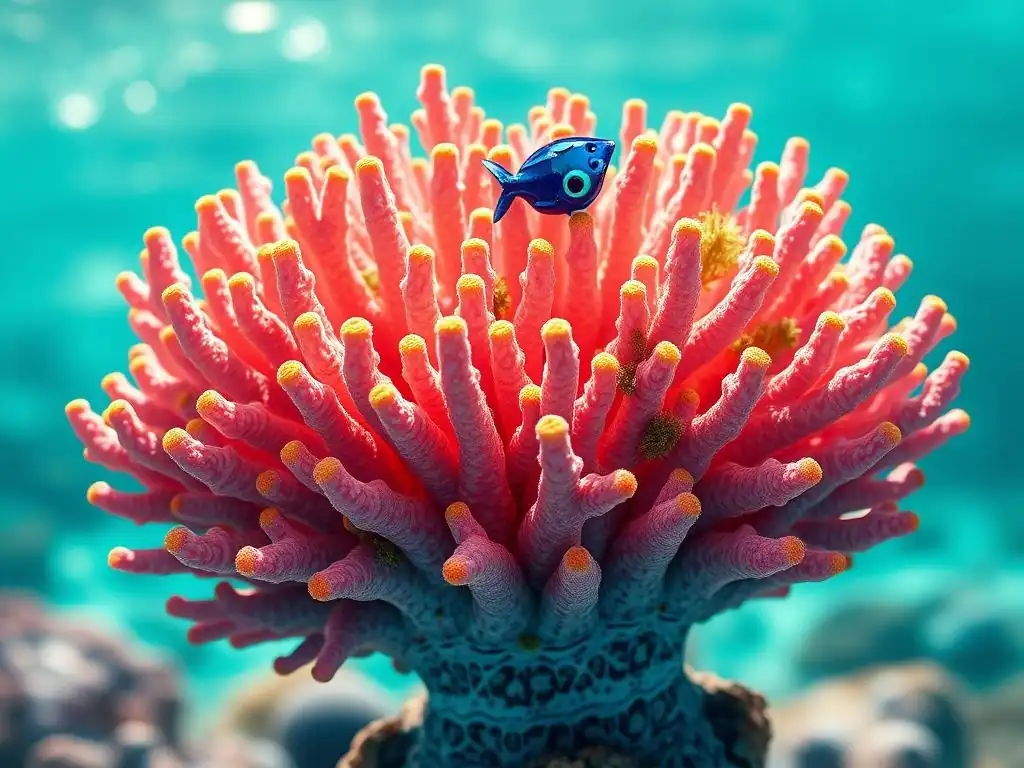
The foundation of successful coral propagation lies in selecting a robust and healthy Favites coral colony. Before any cutting begins, thoroughly inspect the mother colony for any signs of stress, disease, tissue recession, or pests. A healthy colony will exhibit full polyp extension, vibrant coloration, and no visible patches of white, brown, or green algae over its tissue. Avoid fragging corals that have recently been introduced to the tank, are showing signs of stress from environmental changes, or are actively battling pests.
Ideally, choose a colony that has shown significant growth and has well-defined sections or lobes that can be separated without compromising the overall integrity and health of the main colony. Allowing a new Favites coral to acclimate and grow for at least 3-6 months in your display tank before attempting to frag it provides the best chance for successful propagation. A strong, established colony has the resilience needed to recover quickly from the fragging process, ensuring higher success rates for the new frags.
Step 2: Preparing the Favites Coral for Cutting: Identifying Break Points
Once a healthy Favites colony is selected, the next critical step for successful coral propagation is to carefully prepare it for cutting by identifying optimal break points. Submerge the coral in a shallow container of tank water to keep it hydrated and minimize stress during the examination. Visually inspect the coral's structure, looking for natural divisions, seams, or areas where the polyps are clearly separated by a skeletal wall. Favites corals often have distinct corallite structures that can guide your cuts.
The goal is to create frags that contain multiple polyps, ideally at least 3-5, to ensure sufficient tissue and energy reserves for survival and growth. Plan your cuts to minimize damage to individual polyps, aiming to cut through the skeletal matrix between polyps rather than directly through their tissue. If necessary, use a non-toxic marker to lightly draw your intended cut lines on the coral while it's submerged, providing a clear guide for the next step and enhancing the precision required for successful coral propagation techniques.
Step 3: Cutting the Favites Coral: Techniques for Precise Cuts
With the break points identified, the actual cutting of the Favites coral requires precision and a steady hand to ensure successful coral propagation. Keep the coral submerged in the fragging container as much as possible throughout this step. Position the coral securely, ensuring it won't shift during the cut. For Favites, especially larger colonies, a diamond blade saw is the most effective tool for creating clean and decisive cuts through their dense skeleton.
When operating the saw, allow the blade to do the work; avoid forcing the coral through. Apply gentle, consistent pressure, guiding the coral slowly into the spinning blade. Make a single, confident cut along your predetermined lines rather than multiple small passes, which can create more jagged edges and increase stress on the coral. Minimizing the time the coral spends out of the water during the cutting process is also crucial for its well-being and successful recovery.
Using a Diamond Blade Saw for Skeleton Division
A diamond blade saw is the preferred tool for dividing the dense calcium carbonate skeleton of Favites corals, ensuring clean cuts vital for successful coral propagation. These saws utilize a high-speed rotating blade embedded with industrial diamonds, which effectively grind through the hard skeletal material without crushing or shattering it, as might happen with bone cutters on thicker sections. This method results in a smooth cut edge, which promotes faster healing and reduces the risk of infection for the new frag.
When using a diamond blade saw, always prioritize safety. Wear appropriate eye protection and gloves. Most coral fragging saws are designed to be used with water, either by submerging the blade or having a water reservoir that feeds the blade, which helps to cool the blade, reduce friction, and contain coral dust. Position the Favites coral firmly against a stable surface or jig, and carefully guide it into the blade. Let the saw's speed and the diamond grit perform the cut, avoiding excessive pressure that could cause the coral to slip or the blade to bind.
Step 4: Mounting the Favites Coral Frag: Securing the Frag
Once the Favites coral has been successfully cut, the next critical step in successful coral propagation is securing the new frag onto a frag plug or a piece of live rock. Proper mounting is essential for the frag's stability, allowing it to heal and grow without being dislodged by water flow or tank inhabitants. Begin by ensuring the base of the frag and the surface of the frag plug are clean and free of any debris or tissue that might hinder adhesion.
There are two primary methods for securing Favites frags: using cyanoacrylate glue or epoxy putty. The choice often depends on the size and weight of the frag, as well as personal preference. Regardless of the method chosen, ensuring proper placement and a strong bond will significantly contribute to the frag's successful healing and integration into its new environment, ultimately leading to a thriving new colony.
Using Cyanoacrylate Glue or Epoxy Putty
For mounting Favites frags, cyanoacrylate glue (super glue gel) and epoxy putty are the most common and effective adhesives. Cyanoacrylate gel is ideal for smaller, lighter frags due to its rapid curing time. To use, apply a generous bead of the gel to the base of the frag or directly to the frag plug. Then, firmly press the frag onto the plug for 10-30 seconds. This can be done briefly out of water, or some glues are formulated to cure underwater, minimizing air exposure for the coral.
Epoxy putty, on the other hand, is excellent for larger, heavier Favites frags or those with irregular shapes that require more structural support. It typically comes in two parts that must be kneaded together until they form a uniform color and pliable consistency. Mold the putty around the base of the frag and press it firmly onto the desired surface, such as a frag plug or a piece of live rock.
Epoxy cures underwater and provides a very strong, permanent bond. For added security, some aquarists combine both: apply epoxy for structural support, then a small dab of cyanoacrylate glue on top for instant adhesion while the epoxy cures fully.
Ensuring Proper Placement and Adhesion
Ensuring proper placement and strong adhesion is vital for the long-term success of your Favites frags. After applying the adhesive, firmly press the frag onto the chosen frag plug or rock, holding it in place for the recommended curing time. The goal is to create a secure bond that will withstand the tank's water flow and prevent the frag from tumbling. A dislodged frag can become stressed, damaged, or even lost in the aquarium, hindering successful coral propagation.
Consider the intended final location for the frag when mounting. Position the frag so that its polyps will face upwards and have optimal exposure to light and flow once placed in the display or quarantine tank. Avoid positioning it too close to other corals to prevent stinging. Once mounted, gently place the frag back into the quarantine tank, ensuring it remains stable and upright. A well-secured frag is less prone to stress and can focus its energy on healing and growth, leading to a much higher rate of successful coral propagation.
Step 5: Healing and Recovery: Providing Optimal Conditions
The period immediately following fragging is critical for the Favites coral's healing and recovery, making optimal conditions paramount for successful coral propagation. Once mounted, carefully transfer the new frags to a dedicated quarantine tank. This environment should be meticulously maintained with stable water parameters: temperature at 76-78°F (24.4-25.6°C), salinity at 1.025, pH between 8.1-8.4, alkalinity at 8-10 dKH, calcium at 400-450 ppm, and magnesium at 1300-1400 ppm. Any significant fluctuations can impede healing and increase stress.
Initially, place the frags in an area with gentle, indirect water flow and moderate lighting. High flow can prevent polyps from extending and feeding, while overly intense lighting can cause bleaching on newly cut tissue. Over several days to a week, gradually increase the light intensity and flow to match the conditions the mother colony thrives in.
Closely observe the frags for signs of healing, such as new tissue growth over the cut edges, which typically begins within 1-4 weeks depending on the frag's size and overall health. Consistent monitoring and a stable environment are key to successful coral propagation.
Post-Fragging Care
Water Parameter Management: Maintaining Stability
Maintaining stable water parameters is arguably the single most important factor for successful coral propagation and the long-term health of Favites frags. Immediately after fragging, the coral is vulnerable, and any fluctuations can cause significant stress. Regular testing of key parameters—alkalinity, calcium, magnesium, salinity, and temperature—is essential. For the first week post-fragging, consider testing daily or every other day, then shifting to 2-3 times per week as the frags stabilize.
Consistent parameters allow the coral to dedicate its energy to healing and calcification. Aim for alkalinity between 8-10 dKH, calcium 400-450 ppm, and magnesium 1300-1400 ppm, with salinity at 1.025-1.026. Performing small, frequent water changes (e.g., 5-10% twice a week) in the quarantine tank helps to replenish trace elements and remove any waste products, further supporting a healthy healing environment. Dosing alkalinity and calcium might be necessary if consumption is high in a dedicated frag tank.
Lighting and Flow: Providing Optimal Conditions
Providing optimal lighting and flow conditions is crucial for the successful coral propagation and growth of Favites frags. Favites corals are photosynthetic and thrive under moderate to strong lighting, typically requiring PAR levels between 150-250 once established. However, freshly fragged corals are sensitive. Initially, place frags in a lower light area of the quarantine tank and gradually acclimate them to higher intensities over a period of 1-2 weeks. This slow acclimation prevents light shock and bleaching of the new tissue.
Water flow is equally important. Favites frags require moderate, indirect flow. Too much direct flow can prevent the polyps from extending, hindering feeding and oxygen exchange, while too little flow can lead to detritus accumulation around the frag, promoting algae growth or infection. The ideal flow will cause the coral polyps to gently sway, indicating good water movement without being blasted. Ensure all parts of the frag receive adequate flow to facilitate nutrient uptake and waste removal, which are vital for successful coral propagation.
Feeding Favites Coral Frags: Supplemental Feeding
While Favites corals are primarily photosynthetic, deriving much of their energy from symbiotic zooxanthellae, providing supplemental feeding to frags can significantly accelerate their healing and growth, contributing to successful coral propagation. Freshly fragged corals are expending considerable energy on tissue repair and calcification, and direct feeding can provide an immediate energy boost.
Offer small, particulate foods such as mysis shrimp, enriched brine shrimp, or specialized coral foods designed for LPS corals (e.g., Reef Roids, Polyp Lab's Reef-Roids) 2-3 times per week. Target feeding using a coral feeder or pipette ensures the food reaches the frags directly, rather than being dispersed throughout the tank. Feed when the polyps are extended, which is often after the main aquarium lights have dimmed or turned off, as this is when Favites corals typically extend their feeding tentacles. Consistent, targeted nutrition helps build the necessary energy reserves for robust recovery and growth.
Monitoring for Stress or Infection
Vigilant monitoring for signs of stress or infection is a critical aspect of post-fragging care for Favites corals, directly impacting successful coral propagation rates. Daily observation of your frags in the quarantine tank is highly recommended. Look for any changes in appearance such as tissue recession (the coral tissue pulling away from the skeleton), bleaching (loss of color indicating zooxanthellae expulsion), failure to extend polyps, excessive sliming, or a browning out of the tissue. These are all indicators of stress that require immediate attention.
Signs of infection can include white patches, fuzzy growths, or rapid tissue necrosis (RTN) where tissue rapidly peels off the skeleton, or slow tissue necrosis (STN). If an infection is suspected, carefully remove the affected frag and consider a coral dip designed for bacterial infections (e.g., Coral Rx, Revive Coral Cleaner) according to the manufacturer's instructions. Isolate any infected frags further to prevent potential spread to other healthy frags. Early detection and intervention are paramount for successful coral propagation and preventing losses.
Troubleshooting Common Issues
Addressing Algae Growth
Algae growth on freshly fragged Favites corals is a common issue that can hinder successful coral propagation and recovery. It is often a symptom of excess nutrients (nitrates and phosphates) in the water and/or insufficient water flow around the frag. Algae can quickly smother delicate new tissue, preventing it from healing and growing.
To address algae, first test your water parameters for elevated nitrates and phosphates. Implement regular, small water changes in the quarantine tank to export these nutrients, or consider using chemical filtration media like GFO (granular ferric oxide) or biopellets if nutrient levels are consistently high. Increase water flow around the frag to deter algae from settling and allow the polyps to extend more freely.
If the algae is persistent, gently brush it off the frag plug and exposed skeleton with a soft toothbrush. Introducing small, reef-safe herbivorous snails (e.g., Trochus, Nerite) to the quarantine tank can also help manage minor algae issues, contributing to a cleaner environment for successful coral propagation.
Dealing with Bleaching or Tissue Recession
Bleaching and tissue recession are significant stressors for Favites frags and can severely impede successful coral propagation. Bleaching, characterized by the coral losing its vibrant color and appearing white or pale, is typically caused by sudden changes in light intensity, temperature swings, or prolonged stress. If a frag bleaches, gradually reduce the light it receives and ensure stable temperatures (76-78°F) and salinity. Slowly re-acclimate it to higher light levels over several weeks.
Tissue recession, where the coral tissue pulls away from its skeleton, can be caused by poor water quality, bacterial infections, aggression from other corals, or pests. First, meticulously check all water parameters to ensure they are optimal and stable. If water quality is confirmed, inspect the frag closely for any signs of pests like nudibranchs or flatworms, which can cause tissue damage.
If no pests are found and water quality is good, a coral dip may be considered if a bacterial infection is suspected. Ensure the frag is not in direct contact with other corals that might sting it. Addressing these issues promptly is vital for the frag's survival and successful coral propagation.
Preventing Infections
Preventing infections is paramount for successful coral propagation, as freshly cut Favites frags are highly susceptible to bacterial and fungal pathogens. The most effective preventative measure is to maintain a sterile fragging environment. Always use tools that have been thoroughly cleaned and disinfected before and after each fragging session, ideally by soaking in a dilute bleach solution followed by a thorough rinse. This minimizes the introduction of harmful microorganisms from external sources.
Beyond sterile tools, maintaining pristine water quality in both the fragging station and the quarantine tank is crucial. Stable water parameters and low nutrient levels strengthen the coral's natural immune system, making it more resilient to potential pathogens. Some aquarists also opt for a prophylactic coral dip (e.g., using iodine-based solutions or specialized coral cleaners) for 5-10 minutes immediately after fragging, or before introducing frags to the main display.
This can help eliminate external parasites and bacteria before they can establish themselves. Regular, close observation of frags allows for early detection and intervention if any signs of infection begin to appear.
Advanced Favites Coral Propagation Techniques
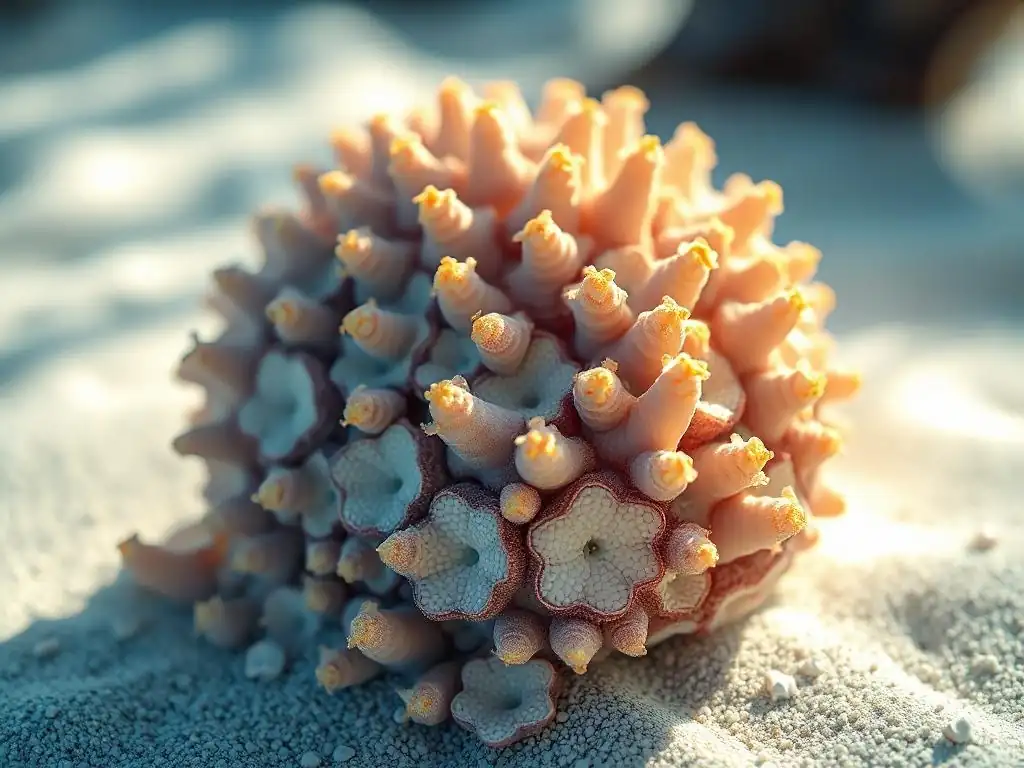
Beyond basic fragmentation, advanced successful coral propagation techniques for Favites often involve more systematic approaches, particularly relevant for larger-scale aquaculture or restoration efforts. One such technique is meticulous broodstock management, where specific, highly resilient, and vibrant Favites colonies are maintained solely for the purpose of consistent frag production. These "mother colonies" are given optimal conditions and regular feeding to ensure they are robust and can recover quickly from repeated fragging, maximizing their yield.
Another advanced aspect is the development of dedicated aquaculture systems. These might include large, flow-through systems or sophisticated recirculating aquaculture systems (RAS) designed to efficiently produce hundreds or thousands of frags. Such setups often incorporate automated dosing, precise environmental controls, and specialized grow-out trays to optimize growth rates and minimize losses. Furthermore, understanding the genetic diversity of Favites strains and selectively propagating frags from various distinct parent colonies contributes to maintaining a healthier and more resilient gene pool, which is crucial for both commercial successful coral propagation and future reef restoration projects.
Conclusion: Mastering Favites Coral Propagation
Mastering Favites coral propagation is a rewarding endeavor that contributes significantly to the sustainability and accessibility of these beautiful LPS corals. The journey begins with a thorough understanding of the coral's structure and growth, followed by meticulous preparation of a sterile fragging environment and essential tools. The step-by-step process, from selecting a healthy colony and identifying precise cut points to carefully cutting, mounting, and providing optimal healing conditions, forms the backbone of successful coral propagation techniques.
Post-fragging care, encompassing vigilant water parameter management, appropriate lighting and flow, supplemental feeding, and diligent monitoring for stress or infection, is equally critical for the frags' survival and long-term health. While challenges like algae growth or tissue recession may arise, effective troubleshooting strategies can mitigate these issues.
Ultimately, successful coral propagation for Favites corals is a testament to patience, observation, and a commitment to maintaining stable, pristine aquarium conditions. By embracing these practices, hobbyists not only expand their own collections but also actively participate in the vital effort of sustainable aquaculture, reducing reliance on wild-collected specimens and fostering a healthier future for marine ecosystems.
Frequently Asked Questions
How difficult is it to propagate Favia corals compared to other coral species?
Favia corals are generally considered moderately easy to propagate. They are more forgiving than some of the more delicate SPS corals, making them a good choice for beginners.
What are the essential tools needed for successful Favia coral fragging?
You'll need a coral fragging kit which typically includes bone cutters or a coral saw, safety glasses, gloves, coral glue or gel, and frag plugs or discs. Proper hygiene is also crucial to prevent infection.
What is the best method to ensure the newly fragged Favia coral attaches to the plug?
Use a small amount of coral glue or gel on the frag plug and gently press the frag onto it. Ensure the frag is securely attached before returning it to the aquarium.
How long does it typically take for a fragged Favia coral to start showing growth?
Expect to see initial signs of growth, such as polyp extension and encrusting, within a few weeks to a couple of months, depending on water quality and lighting. Consistent water parameters are key.
What water parameters are most critical for the successful propagation and growth of Favia corals?
Maintaining stable calcium, alkalinity, and magnesium levels is crucial. Also, keep nitrates and phosphates within acceptable ranges to prevent algae overgrowth and promote healthy coral growth.
Final Reflection: Cultivating Resilience in Our Reefs
The journey of fragging Favia corals, as we've explored, is more than just a technical process; it's a testament to the power of proactive conservation in the face of a changing ocean. The techniques outlined are not merely instructions, but rather a roadmap for fostering resilience within our reef ecosystems, one carefully cultivated fragment at a time.
This practice, while seemingly small-scale, has profound implications. It allows us to actively participate in the preservation of these vital marine habitats, fostering a deeper understanding and appreciation for the delicate balance of life within them. As Sylvia Earle so eloquently stated: Even if you never have the chance to see or touch the ocean, the ocean touches you with every breath you take, every drop of water you drink, every bite you consume. Everyone, everywhere is inextricably connected to and utterly dependent upon the existence of the sea.
Now, consider how you can translate this spirit of careful cultivation and proactive engagement into your own life. Whether you're a seasoned aquarist or simply someone who cares about the health of our planet, let the principles of successful coral propagation – patience, precision, and a deep respect for the interconnectedness of life – guide your actions. Embrace the opportunity to nurture growth and resilience, not just in the aquarium, but in every aspect of your world.
Ignite Your Reef: Propagate Favia Like a Pro!
Thanks for diving into the fascinating world of Favia propagation! Now that you're armed with the knowledge, it's time to put it into practice and expand your vibrant reef. Ready to take the plunge?
- Start fragging! Carefully select a healthy Favia colony and use your newfound knowledge to create new coral babies.
- Share your success! Post pictures of your fragging process and new Favia colonies on social media using #AquariumMasteryFavia.
- Explore advanced coral propagation techniques on AquariumMastery.com and unlock even more reef-building secrets.
What unique pattern or color morph are you hoping to propagate first?