
Feeding Your Nano Gobies: A Comprehensive Guide to a Diverse & Healthy Diet

Welcome to Aquarium Mastery!
Ever wondered how to keep your vibrant nano gobies thriving in their miniature underwater world? Unlocking the secrets to their optimal diet is key! Dive into our comprehensive Nano Goby Diet Guide and discover the diverse and healthy feeding strategies that will ensure your tiny treasures flourish. Let's explore the delicious details together!
- Understanding the Dietary Needs of Nano Gobies
- Identifying Suitable Food Sources for Nano Gobies
- Feeding Techniques for Nano Gobies
- Addressing Common Feeding Challenges with Nano Gobies
- Creating a Balanced Nano Goby Feeding Schedule
- Maintaining Water Quality During Feeding
- Potential Food-Related Health Issues in Nano Gobies
- Conclusion: The Key to a Healthy and Vibrant Nano Goby
-
Frequently Asked Questions
- What is the ideal diet for a nano goby in a saltwater aquarium?
- How often should I feed my nano gobies?
- What types of live food are best for nano gobies?
- Are there any foods I should avoid feeding my nano gobies?
- How can I ensure my nano gobies are getting enough to eat, especially in a community tank?
- Final Reflection: Nourishing the Tiny Wonders
- Nurture Your Nano Gobies: Watch Them Thrive!
Understanding the Dietary Needs of Nano Gobies
Why a Specific Nano Goby Diet Guide is Crucial
Nano gobies, such as the popular Trimma or Elacatinus species, possess unique metabolic rates and small physical sizes that differentiate their dietary requirements from larger marine fish. Their often high activity levels, even within the confines of a small nano aquarium, demand a consistent energy supply. A generic marine fish food, typically designed for larger species, often fails to meet these specific needs due to inappropriate particle size, insufficient nutritional density, or an unsuitable protein-to-fat ratio.
Furthermore, many nano gobies are micro-predators by nature, sifting through sand for tiny invertebrates or meticulously picking copepods from live rock in their natural reef habitats. This specialized feeding behavior necessitates a nano goby diet guide that emphasizes small, varied, and often live or frozen prey items. Providing food that mimics their natural diet not only ensures proper nutrition but also encourages natural hunting instincts, contributing to their overall well-being and reducing stress in the aquarium environment.
The Importance of Variety in a Nano Goby's Diet
A monochromatic diet, relying on just one or two food types, inevitably leads to nutritional deficiencies over time, regardless of how "complete" a single food claims to be. Just like humans, fish require a broad spectrum of nutrients—including various proteins, lipids, vitamins, and minerals—that are rarely found in optimal proportions within a single food source. Offering a diverse range of foods stimulates their appetite, prevents boredom, and ensures they receive all the essential building blocks for long-term health.
For instance, while adult brine shrimp are readily accepted by many gobies, they are notoriously low in essential fatty acids, particularly Highly Unsaturated Fatty Acids (HUFAs) like DHA and EPA, which are critical for immune function, vibrant coloration, and reproductive health. A comprehensive nano goby diet guide will stress the importance of combining various food types, such as nutrient-rich frozen Mysis shrimp, live copepods, and high-quality micro-pellets, to prevent these deficiencies and bolster the fish's natural defenses against disease.
Key Nutrients for Optimal Nano Goby Health and Coloration
For optimal health and vibrant coloration in nano gobies, specific nutrients are paramount. Proteins are the cornerstone of their diet, crucial for growth, tissue repair, and enzyme production, typically comprising 40-55% of a marine fish's nutritional intake. High-quality marine proteins, found in foods like Mysis shrimp or finely ground fish meal, provide the necessary amino acids. Fats, particularly HUFAs, are vital energy sources and play a critical role in cellular function, nerve transmission, and the absorption of fat-soluble vitamins.
Beyond macronutrients, vitamins and minerals are indispensable. Vitamin C, for example, is essential for immune system function and wound healing, while Vitamin A is crucial for vision and the health of mucous membranes. Carotenoids, naturally occurring pigments found in foods like spirulina or certain copepods, are directly responsible for enhancing the brilliant yellows, reds, and blues seen in species like the Yellow Watchman Goby or the Neon Goby. A well-designed nano goby diet guide will prioritize foods rich in these specific nutrients to ensure your gobies not only survive but thrive and display their full natural beauty.
Identifying Suitable Food Sources for Nano Gobies
Live Foods for Nano Gobies: A Natural and Stimulating Option
Live foods are arguably the most natural and stimulating dietary option for nano gobies, closely mimicking their wild feeding behaviors. The movement of live prey triggers their natural hunting instincts, encouraging even the most finicky eaters to feed. Beyond the behavioral benefits, live foods, when properly gut-loaded, can offer superior nutritional value, providing a fresh and bioavailable source of proteins, essential fatty acids, and vitamins.
However, it is crucial to source live foods from reputable suppliers or to culture them yourself to mitigate the risk of introducing parasites or unwanted bacteria into your aquarium. The practice of "gut-loading" live foods—feeding them nutrient-rich phytoplankton or spirulina before offering them to your gobies—is highly recommended. This process significantly enhances their nutritional profile, transforming them into miniature, nutrient-dense packages perfectly suited for a comprehensive nano goby diet guide.
Brine Shrimp: A Staple Live Food for Nano Gobies
Adult brine shrimp ( Artemia salina) are a widely available and readily accepted live food for many marine fish, including nano gobies. Their erratic swimming motion makes them an irresistible target, often eliciting an immediate feeding response. While adult brine shrimp are generally low in nutritional value unless specifically gut-loaded, their palatability makes them an excellent appetite stimulant for new or stressed gobies.
They serve as an effective delivery mechanism for essential supplements. By gut-loading brine shrimp with liquid vitamin complexes, specialized fatty acid enrichments, or even certain medications, aquarists can ensure that these vital substances are ingested by their gobies. This makes them a versatile component within a diverse nano goby diet guide, particularly for encouraging feeding or administering health treatments.
Copepods and Amphipods: Microscopic Delights
Copepods and amphipods are arguably the most natural and nutritionally complete live food sources for nano gobies, closely replicating their primary diet in the wild reef environment. These tiny crustaceans are rich in highly unsaturated fatty acids (HUFAs), proteins, and carotenoids, making them ideal for conditioning breeding pairs, bolstering the immune system, and enhancing the vibrant coloration of species like the Trimma gobies.
Many aquarists cultivate species like Tisbe or Apocyclops copepods in a refugium connected to their display tank, providing a continuous, sustainable supply of live food. This allows nano gobies to graze naturally throughout the day, mirroring their continuous feeding habits in the wild. Their small size makes them perfect for even the most diminutive goby mouths, making them an indispensable part of any detailed nano goby diet guide.
Baby Brine Shrimp (BBS): Ideal for Small Gobies
Newly hatched baby brine shrimp (BBS) are an exceptional live food, particularly for the smallest nano gobies, juvenile fish, or species with very diminutive mouths, such as some Elacatinus or Trimma species. At approximately 400-500 microns (0.4-0.5 mm) in size, they are perfectly proportioned for tiny mouths that might struggle with larger food particles.
Immediately after hatching, baby brine shrimp are packed with nutrition from their yolk sac, offering a high protein content that is crucial for rapid growth in young fish. While their nutritional value diminishes quickly once the yolk sac is depleted (within 24-48 hours), their small size and high palatability make them an invaluable, temporary dietary staple. Many aquarists hatch small batches daily to ensure a constant supply of fresh, nutrient-rich BBS for their nano gobies.
Culturing Live Foods: A Sustainable Approach
Culturing live foods at home offers a sustainable and highly beneficial approach to providing a consistent, high-quality nano goby diet guide. By culturing organisms like copepods, rotifers, or even small batches of brine shrimp, aquarists gain complete control over the nutritional content of the food through gut-loading. This ensures the food offered is fresh, free of pathogens, and optimally enriched for the specific needs of their gobies.
The process typically involves maintaining a separate culture vessel with appropriate water parameters and feeding the live food culture with nutrient-rich phytoplankton. While it requires a dedicated effort and some initial setup, the long-term benefits include a reliable food source, reduced reliance on commercial suppliers, and the ability to provide live, stimulating prey that promotes natural behaviors and superior health in your nano gobies.
Frozen Foods: Convenient and Nutritious Choices
Frozen foods represent a cornerstone of a varied and nutritious nano goby diet guide, offering both convenience and a generally good nutritional profile. They boast a significantly longer shelf life than live foods and eliminate the concern of introducing parasites or diseases, as the freezing process typically renders most pathogens inert. This makes them a safe and readily available option for daily feeding.
When preparing frozen foods, it is crucial to thaw them thoroughly in a small amount of tank water before feeding. This prevents temperature shock to your fish and ensures the food is palatable and easily digestible. Never refreeze thawed food, as this degrades its nutritional value and can promote bacterial growth. Discard any unused thawed portions to maintain water quality and fish health.
Frozen Mysis Shrimp: A Popular Choice
Frozen Mysis shrimp ( Mysidacea species, often Mysis relicta) are one of the most popular and highly recommended frozen food choices for marine fish, including a wide array of nano gobies. They are exceptionally nutritious, packed with high-quality protein, essential fatty acids (particularly HUFAs), and natural digestive enzymes. Their appealing texture and size make them readily accepted by most gobies, often becoming a staple in their diet.
Mysis shrimp are available in various sizes; selecting a brand that offers smaller Mysis (e.g., Hikari Bio-Pure Frozen Mysis) is important to ensure the particles are appropriate for the relatively small mouths of nano gobies. Their superior nutritional profile supports vibrant coloration, robust growth, and overall vitality, making them a foundational component of any comprehensive nano goby diet guide.
Frozen Cyclops: Excellent for Small-Mouthed Gobies
Frozen cyclops, such as Cyclop-eeze, are an excellent, fine-particle food source specifically well-suited for the most diminutive nano gobies or those that primarily feed on zooplankton. Their microscopic size (often less than 1mm) makes them perfect for species with very small mouths that might struggle with larger frozen foods.
Despite their tiny size, frozen cyclops are surprisingly nutrient-dense, particularly rich in beneficial lipids and carotenoids. They are an ideal supplement to a nano goby diet guide to ensure even the pickiest or smallest individuals receive adequate nutrition. Their high palatability often encourages feeding responses from newly introduced or shy gobies, making them a valuable addition to the feeding regimen.
Variety Packs: Ensuring Dietary Diversity
Frozen food variety packs are an excellent strategy for easily introducing a broad spectrum of food types into your nano goby's diet, thereby ensuring a wide range of nutrients. These packs often contain a mix of different marine organisms, such as Mysis shrimp, brine shrimp, various plankton, and sometimes even chopped seafood, pre-portioned into convenient cubes.
By rotating through the different cubes in a variety pack, aquarists can effortlessly provide dietary diversity without having to purchase multiple individual frozen food blisters. This simplifies the process of offering a well-rounded nano goby diet guide, ensuring your fish receive a comprehensive array of vitamins, minerals, and amino acids crucial for their long-term health and vitality.
Prepared Foods: Pellets and Flakes for Nano Gobies
Prepared foods, in the form of pellets and flakes, offer convenience and a relatively long shelf life, making them useful as a supplemental food source for nano gobies. However, they should rarely, if ever, constitute the sole diet for these specialized fish. The quality and suitability of prepared foods vary significantly, and careful selection is paramount to ensure they meet the specific needs of your gobies.
For nano gobies, the particle size of prepared foods is critically important. Small-mouthed species cannot effectively consume large pellets or flakes. Furthermore, prepared foods can quickly degrade water quality if not consumed promptly, leading to nutrient spikes. Therefore, they should be used judiciously and in conjunction with more natural live or frozen options as part of a balanced nano goby diet guide.
High-Quality Marine Pellets: Size Matters
When selecting marine pellets for nano gobies, size is the absolute most critical factor. Pellets must be specifically designed for marine fish and, ideally, be sinking micro-pellets, typically ranging from 0.5mm to 1.0mm in diameter. Larger pellets will simply be ignored or spat out, leading to waste and water pollution. Look for formulations with high marine protein content and natural attractants to increase palatability.
It's important to note that some nano gobies, particularly sand-sifting species like the Diamond Watchman Goby, may show little interest in pellets, as their natural feeding behavior involves sifting substrate for prey. However, species that actively feed in the water column or from live rock may readily accept them. Brands like New Life Spectrum (NLS) Thera+A Small Fish Formula (0.5mm) or TDO Chroma Boost pellets are often well-received due to their appropriate size and nutritional profile, making them a practical addition to a diverse nano goby diet guide.
Flake Food Considerations: Supplement, Not a Sole Source
While flake foods are ubiquitous in the aquarium hobby, they should generally be considered a supplemental rather than a primary food source for nano gobies. Flakes tend to have a larger surface area, which can lead to rapid degradation in water, contributing to higher nitrate and phosphate levels if not consumed immediately. Additionally, their nutritional density is often lower compared to high-quality frozen or live foods.
If using flake food, ensure it is a high-quality marine-specific formulation and crumble it finely to a size appropriate for your goby's mouth. It can be offered occasionally to add variety, but relying solely on flakes will likely lead to nutritional deficiencies over time. A robust nano goby diet guide prioritizes live and frozen options, using flakes merely as a convenient occasional addition.
Specific Brands and Formulations Recommended for Nano Gobies
For aquarists seeking reliable prepared food options for their nano gobies, several brands and specific formulations consistently receive high recommendations. New Life Spectrum (NLS) is widely regarded for its high-quality, dense pellets; their Thera+A Small Fish Formula (0.5mm) is particularly suitable due to its small size and inclusion of garlic for palatability and immune support. Another excellent choice is TDO Chroma Boost, which offers very fine pellets that are easy for small gobies to consume and are designed to enhance coloration.
Beyond pellets, specialty frozen blends and fine-particle dry foods from brands like Rod's Food (e.g., Rod's Food Original Blend, often finely chopped or rinsed) or Reef Nutrition (e.g., PhytoPlan, Oyster-Feast for filter feeders that some gobies might graze on) provide nutrient-dense alternatives. These products offer superior ingredients and appropriate particle sizes, making them valuable components of a well-rounded nano goby diet guide.
Feeding Techniques for Nano Gobies
Target Feeding: Ensuring Every Goby Gets Enough
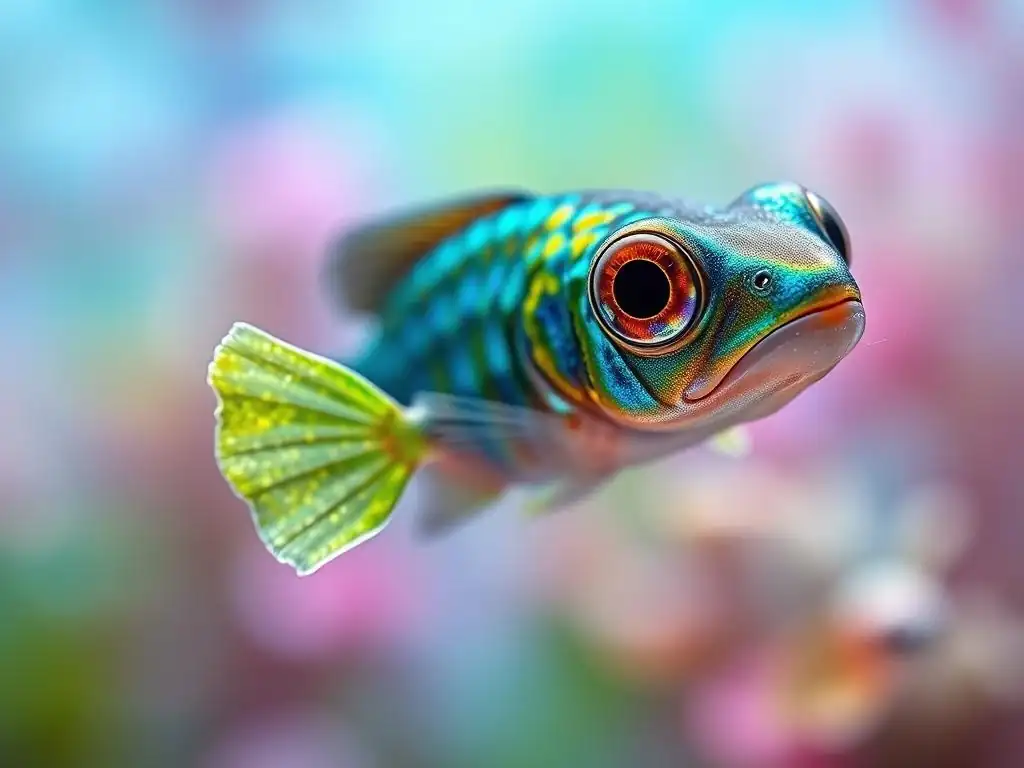
Target feeding is an indispensable technique for ensuring that nano gobies, especially in a community tank setting, receive adequate nutrition. This method involves using a pipette or a turkey baster to deliver food directly to the vicinity of the goby, or to their specific hiding spot. This precision feeding is crucial because larger, faster-moving tank mates can easily outcompete slow-feeding or shy nano gobies for food, leading to malnutrition.
By target feeding, you minimize the dispersal of food throughout the tank, which in turn reduces wasted food and helps maintain pristine water quality. More importantly, it ensures that even the most timid or reclusive gobies, such as those that prefer to stay hidden within rockwork or sand, get their fair share of the meal. This direct approach is a cornerstone of any effective nano goby diet guide for mixed reef aquariums.
Feeding Frequency: How Often to Feed Your Nano Gobies
Due to their small size and relatively high metabolic rate, nano gobies benefit significantly from frequent, small feedings rather than one large meal. Their tiny stomachs have limited capacity, making it difficult for them to consume enough food in a single sitting to sustain them for an entire day. Offering food two to three times a day is generally ideal for optimal growth, energy levels, and overall health.
For younger gobies, newly acquired specimens, or those in active breeding or growth phases, even more frequent feedings—up to four times daily—may be beneficial to meet their elevated energy demands. Consistent, small meals throughout the day help maintain stable blood sugar levels and ensure a continuous supply of nutrients, contributing to a robust and healthy population, as outlined in this nano goby diet guide.
Portion Control: Avoiding Overfeeding and Water Pollution
Portion control is paramount when feeding nano gobies to prevent common issues such as overfeeding, which can rapidly degrade water quality and lead to health problems for your fish. The general rule of thumb is to offer only as much food as your gobies can consume within two to three minutes. Any food left uneaten beyond this timeframe is likely to decay, releasing ammonia, nitrite, and ultimately nitrates into the water.
Excessive feeding contributes to higher nitrate and phosphate levels, fostering nuisance algae growth and stressing the aquarium inhabitants. It can also lead to digestive issues and fatty liver disease in the fish themselves. Therefore, it is always better to slightly underfeed than to overfeed, and promptly removing any uneaten food after the feeding period is a critical step in maintaining a healthy nano reef environment, a key aspect of a responsible nano goby diet guide.
Utilizing Feeding Tools: Pipettes and Basters
The use of specific feeding tools, such as long-handled pipettes or turkey basters, is highly recommended for precise food delivery to nano gobies. These tools allow aquarists to accurately place food directly into the goby's vicinity, whether they are perched on live rock, sifting sand, or hiding within crevices. This direct delivery minimizes food waste and ensures that shy or slow-moving gobies receive their portion without being outcompeted.
Pipettes and basters are particularly effective for delivering thawed frozen foods like Mysis shrimp or cyclops, or live foods such as copepods, preventing them from scattering too widely in the water column. By controlling where the food lands, these tools help to replicate the natural hunting environment for gobies and are an essential accessory for anyone following a detailed nano goby diet guide.
Addressing Common Feeding Challenges with Nano Gobies
Finicky Eaters: Tips for Encouraging Feeding
Some nano gobies, especially wild-caught specimens or those newly introduced to an aquarium, can be notoriously finicky eaters. They may initially refuse prepared or frozen foods, preferring only live prey. To encourage feeding, start by offering live foods such as copepods, amphipods, or newly hatched baby brine shrimp, which stimulate their natural hunting instincts and are often irresistible.
Once the goby is consistently feeding on live foods, gradually introduce frozen alternatives by mixing small amounts with the live food. Over time, increase the proportion of frozen food while reducing the live component. Consistency in offering varied foods at the same time each day can also help establish a routine and acclimate them to new food types, a crucial tip in any practical nano goby diet guide.
In a mixed reef aquarium, nano gobies are often outcompeted for food by larger, faster-moving, or more aggressive tank mates. This competition can lead to malnutrition and stress for the smaller gobies. To counteract this, target feeding is paramount, as discussed earlier. Directly delivering food to the goby's location ensures they receive their share.
Another effective strategy is to feed the main tank with a more dispersive food (e.g., flakes or larger pellets) first, occupying the attention of the more dominant fish. Immediately afterward, target feed the nano gobies with their preferred, smaller-particle foods in their specific areas. This two-stage feeding approach ensures that every fish, regardless of size or speed, gets adequate nutrition, a vital consideration for a comprehensive nano goby diet guide.
Identifying Signs of Malnutrition in Nano Gobies
Recognizing the signs of malnutrition in nano gobies is crucial for timely intervention and preventing irreversible health issues. Common symptoms include faded coloration, which indicates a lack of essential pigments and overall poor health. A pinched or sunken belly, especially noticeable behind the gills, is a clear indicator of insufficient food intake or malabsorption.
Other signs include lethargy, reduced activity, reluctance to explore their environment, and increased susceptibility to common diseases. A healthy goby should appear alert, have a full, rounded belly after feeding, and exhibit its species-specific natural behaviors. Regular observation of your gobies' physical condition and behavior is the best way to determine if their current nano goby diet guide is meeting their nutritional needs.
Creating a Balanced Nano Goby Feeding Schedule
Sample Feeding Schedule for a Week
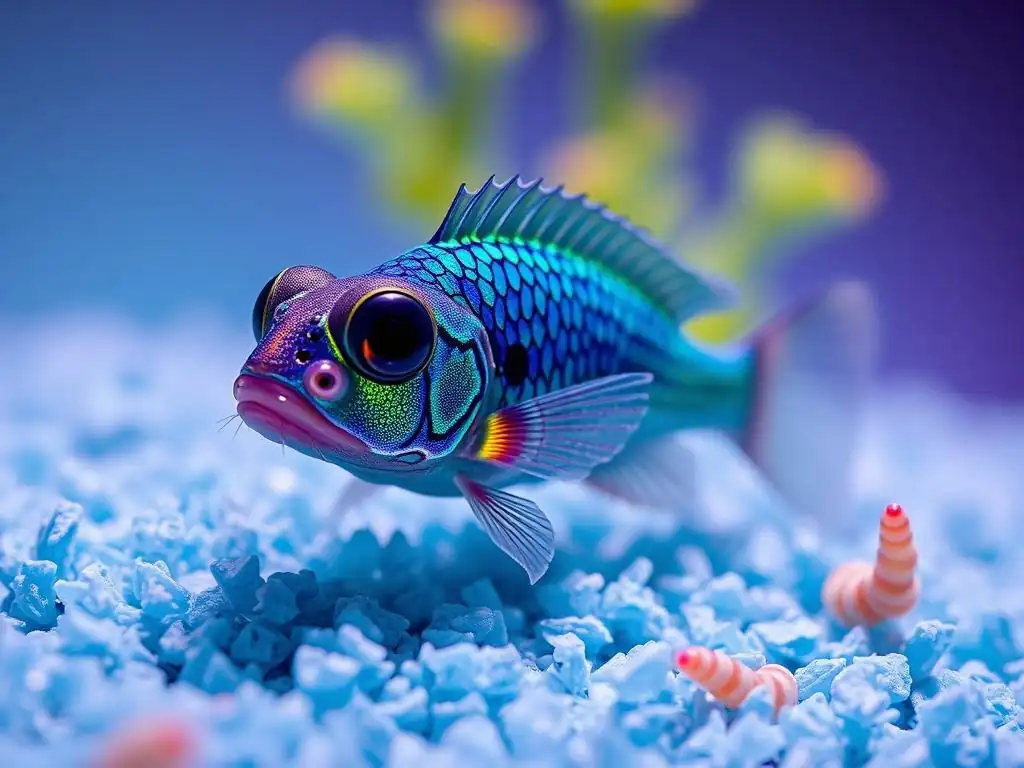
Creating a structured feeding schedule helps ensure dietary variety and consistency for your nano gobies. A sample weekly schedule might look like this:
- Monday, Wednesday, Friday: Morning feeding of thawed frozen Mysis shrimp, followed by a smaller evening feeding of thawed frozen Cyclops.
- Tuesday, Thursday: Morning feeding of live Copepods (if cultured or readily available), followed by a small evening feeding of high-quality marine micro-pellets (e.g., 0.5mm NLS Thera+A).
- Saturday: Morning feeding of newly hatched Baby Brine Shrimp (BBS) for maximum protein, followed by a small portion of a frozen variety mix in the evening.
- Sunday: A very light feeding, perhaps a small portion of target-fed pellets, or a "fasting" day to allow their digestive systems to clear and reduce nutrient accumulation.
This schedule emphasizes rotation between different food types, providing a broad spectrum of nutrients and keeping the gobies engaged. The specific timing of feedings should align with your personal routine, but consistency is key for the gobies to anticipate meals.
Adjusting the Schedule Based on Goby Species and Activity Level
While a sample schedule provides a good starting point, it's essential to adjust it based on the specific goby species you keep and their observed activity levels. For instance, a highly active, sand-sifting goby like a Diamond Watchman Goby, which constantly sifts substrate, may require more frequent feedings of fine-particle foods to sustain its energy output compared to a more sedentary perching goby.
Similarly, gobies that are actively breeding or those that are still growing may require an increased frequency or quantity of protein-rich foods to support their demanding physiological processes. Observe your individual gobies: are they always appearing hungry? Do they look thin despite feeding? Are they displaying full, vibrant colors? These observations should guide adjustments to both the quantity and frequency of their meals, fine-tuning this nano goby diet guide to their specific needs.
Maintaining Water Quality During Feeding
The Impact of Feeding on Nitrate Levels
Feeding, while essential for your nano gobies' survival, is a significant contributor to the nutrient load in your aquarium, particularly nitrate levels. Uneaten food, along with fish waste (feces and metabolic byproducts), breaks down through the nitrogen cycle, first into ammonia, then nitrite, and finally into nitrate. High nitrate levels, typically exceeding 20 ppm in a reef tank, are detrimental to corals and can stress fish, making them more susceptible to disease.
Even with meticulous portion control and prompt removal of uneaten food, some organic waste will inevitably accumulate. Therefore, regular monitoring of nitrate levels using a reliable test kit is crucial. Maintaining nitrates below 10 ppm, and ideally closer to 0-5 ppm for sensitive nano reef systems, is vital for the long-term health of all inhabitants, complementing the best practices of a nano goby diet guide.
Regular Water Changes: Counteracting Nutrient Build-up
Regular water changes are the most fundamental and effective method for counteracting the nutrient build-up that results from feeding. By removing a portion of the old tank water and replacing it with fresh, properly mixed saltwater, you physically export accumulated nitrates, phosphates, and other dissolved organic compounds (DOCs) from the system. This directly reduces the overall nutrient load in the aquarium.
For a nano reef tank with gobies, a weekly water change of 10-20% is often recommended, depending on stocking density and feeding habits. Consistent water changes not only help maintain stable water parameters but also replenish essential trace elements that are consumed by corals and other invertebrates, ensuring a healthy and balanced environment alongside a well-managed nano goby diet guide.
Protein Skimmers: Reducing Organic Waste
Protein skimmers are highly effective filtration devices specifically designed for saltwater aquariums to remove dissolved organic waste before it can break down into nitrates and phosphates. They work by creating a column of fine air bubbles that attract and bind to organic compounds, forming a foam that is collected and removed from the system. This proactive removal of organic matter significantly reduces the bioload on the biological filter.
While not strictly necessary for every lightly stocked nano tank, a well-sized and efficient protein skimmer can dramatically enhance water quality, especially in more heavily stocked nano reefs or those where a robust feeding regimen is employed. By keeping nutrient levels consistently low, protein skimmers create a cleaner, healthier environment for nano gobies and their reef companions, further supporting the goals of a comprehensive nano goby diet guide.
Bloat and Constipation: Causes and Prevention
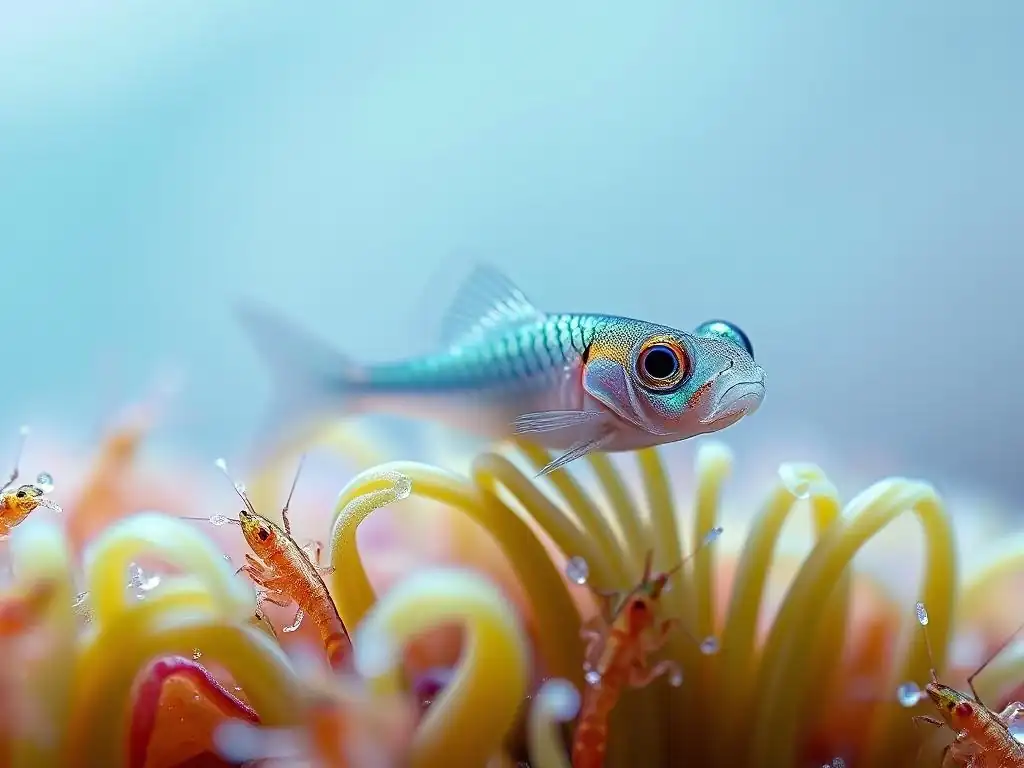
Bloat and constipation are common food-related health issues that can affect nano gobies. Bloat, characterized by a distended belly, can be caused by overfeeding, feeding overly dry foods that expand excessively in the gut, or a lack of sufficient fiber in the diet. Constipation often stems from similar causes, leading to difficulty passing waste and discomfort for the fish.
Prevention involves a multi-faceted approach. Ensure you are not overfeeding and that dry foods (like pellets) are pre-soaked briefly in tank water before feeding to prevent expansion in the stomach. Offering a varied diet that includes foods with natural fiber, such as spirulina-enriched brine shrimp or small amounts of marine algae (if accepted), can aid digestion. Occasional "fasting" days can also help clear the digestive system, an important consideration for any nano goby diet guide.
Parasites and Bacteria: Ensuring Food Safety
The introduction of parasites and harmful bacteria through food is a legitimate concern, particularly with live food sources. If live foods are not sourced from reputable culturists or cultured under stringent hygienic conditions, they can carry external or internal parasites (e.g., flukes, intestinal worms) or pathogenic bacteria that can infect your nano gobies.
Frozen foods are generally safer in this regard, as the freezing process typically kills most parasites and bacteria. Always thaw frozen foods thoroughly in RO/DI water and rinse them before feeding. Avoid feeding expired or improperly stored foods, as these can harbor bacterial growth. For live foods, consider quarantining new cultures or ensuring their origin is disease-free to minimize risks, a crucial safety measure in any nano goby diet guide.
Avoiding Overfeeding: A Key to Preventing Health Problems
Overfeeding is arguably the most pervasive and detrimental mistake aquarists make, leading to a cascade of health problems for nano gobies and other aquarium inhabitants. Excess food not only pollutes the water, causing spikes in ammonia, nitrite, and nitrate, but also directly impacts the fish's health. It can lead to digestive issues, fatty liver disease, internal organ damage, and a weakened immune system, ultimately shortening their lifespan.
The simple act of feeding small, frequent meals that are entirely consumed within a few minutes, coupled with promptly removing any uneaten food, is the most effective preventative measure against these issues. Observing your gobies' body condition and behavior after feeding is the best indicator of whether you are providing the appropriate amount of food, reinforcing the core principles of a healthy nano goby diet guide.
Conclusion: The Key to a Healthy and Vibrant Nano Goby
Recap of Essential Feeding Guidelines
Providing a comprehensive and balanced diet is the cornerstone of ensuring the long-term health, vibrant coloration, and natural behaviors of your nano gobies. The essential feeding guidelines can be summarized as prioritizing variety in food sources, offering small, frequent meals throughout the day, and meticulously employing target feeding techniques to ensure every goby receives its share. Simultaneously, maintaining pristine water quality through diligent portion control, regular water changes, and effective filtration is non-negotiable, as feeding directly impacts the aquarium's nutrient load.
By adhering to these principles, you not only provide optimal nutrition but also create a stable and healthy environment that minimizes stress and disease. A well-executed nano goby diet guide transforms your aquarium from a mere enclosure into a thriving ecosystem where your gobies can flourish and display their full, fascinating personalities.
Continuing Education: Staying Up-to-Date on Nano Goby Nutrition
The field of marine biology and aquaculture is continuously evolving, with new research constantly emerging on fish nutrition, dietary requirements, and innovative food products. Therefore, the journey of providing the best possible nano goby diet guide is an ongoing process of learning and adaptation. Staying informed about the latest advancements is crucial for optimizing the care of your beloved nano gobies.
Actively consult reputable scientific articles, participate in knowledgeable online forums, and engage with experienced aquarists to expand your understanding. As new insights into specific goby species' needs or more nutritionally complete food formulations become available, integrating this knowledge will allow you to continually refine your feeding practices, ensuring your nano gobies receive the most accurate and beneficial nutrition possible throughout their lives.
Frequently Asked Questions
What is the ideal diet for a nano goby in a saltwater aquarium?
A healthy nano goby diet should be diverse, consisting of small, meaty foods such as copepods, rotifers, and high-quality frozen foods. Supplementing with appropriate-sized flake food can also be beneficial.
How often should I feed my nano gobies?
Nano gobies typically require frequent feedings due to their small size and high metabolism. Offer small portions 2-3 times per day to ensure they receive enough nutrients.
What types of live food are best for nano gobies?
The best live foods for nano gobies are small invertebrates such as copepods, rotifers, and newly hatched brine shrimp. These provide essential nutrients and stimulate their natural hunting behavior.
Are there any foods I should avoid feeding my nano gobies?
Avoid feeding nano gobies large pieces of food that they cannot easily consume. Also, limit foods high in fillers or low in nutritional value, as these can lead to health problems in the long run.
How can I ensure my nano gobies are getting enough to eat, especially in a community tank?
Monitor your nano gobies closely during feeding to ensure they are getting their share. You might need to target feed them using a pipette or syringe to ensure they receive sufficient nutrition in a community setting.
Final Reflection: Nourishing the Tiny Wonders
The journey of understanding the dietary needs of nano gobies, as detailed in this guide, underscores a larger truth: even the smallest creatures deserve the most thoughtful care. This commitment to providing optimal nutrition directly translates to the health, vibrancy, and longevity of these miniature marvels, transforming a simple aquarium into a thriving ecosystem.
This exploration into the nano goby diet has not only deepened our understanding of their specific needs but also highlighted the profound responsibility we bear as aquarists. It's a reminder that even seemingly insignificant details, like the right food and feeding schedule, can have a monumental impact on the well-being of these delicate fish. The greatness of a nation and its moral progress can be judged by the way its animals are treated.
- Mahatma Gandhi. This quote, while often applied to larger animals, resonates deeply here, urging us to extend our compassion and diligence to every living being under our care.
As you embark on or continue your journey of caring for nano gobies, remember that knowledge is power. Armed with the insights from this guide, you have the opportunity to create a truly enriching environment for these tiny wonders. Consider how you can further refine your approach to feeding, observing their behavior, and adapting to their individual needs. By embracing this ongoing learning process, you not only ensure the health of your nano gobies but also contribute to a deeper appreciation for the intricate beauty of the natural world.
Nurture Your Nano Gobies: Watch Them Thrive!
Thanks for diving deep into the world of nano goby nutrition! We hope you've gained valuable insights into keeping these tiny treasures happy and healthy. Now, let's turn that knowledge into action!
Here are some actionable steps you can take right now:
- Implement a diverse feeding schedule this week, incorporating at least three different food types to mimic their natural diet.
- Share this guide with fellow nano aquarium enthusiasts on your favorite forum or social media group to spread the knowledge.
- Observe your gobies' feeding behavior closely. Are they eagerly accepting new foods, or showing preferences? Document your observation and research the species!
What exciting new food will you introduce to your nano gobies first?