
Freshwater Spider Crabs (Amarinus lacustris): Delicate Denizens for Specialized Setups

Welcome to Aquarium Mastery!
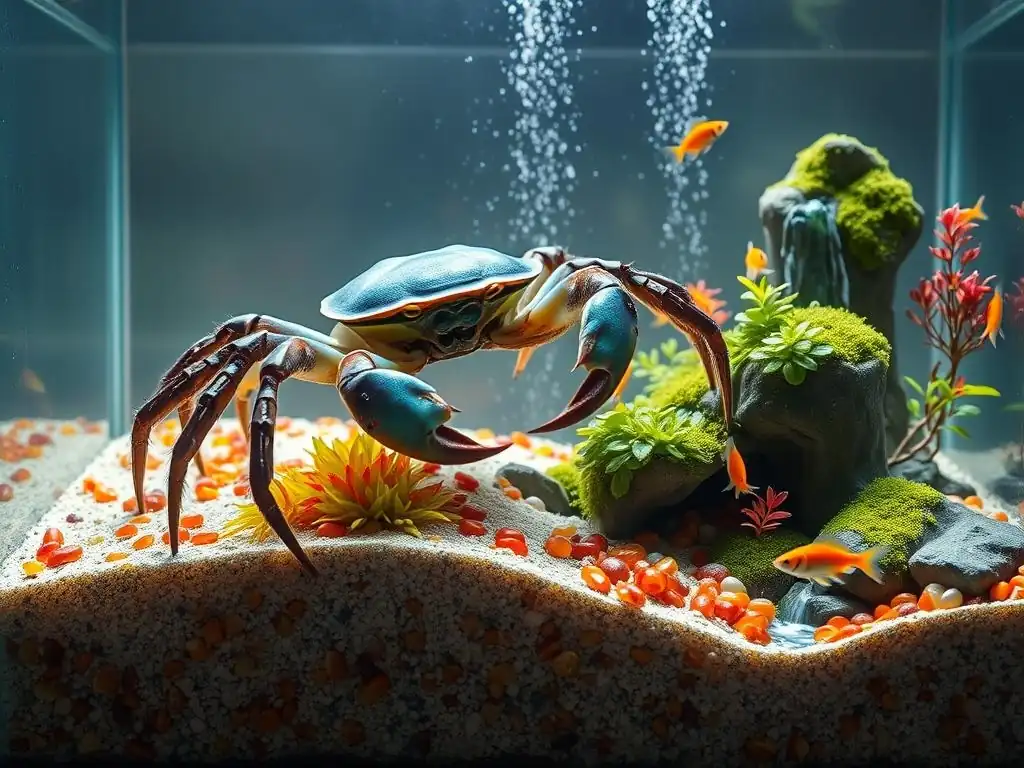
Curious about adding a unique and captivating crustacean to your freshwater aquarium? Dive in and discover the secrets to successful Spider crab aquarium care. These delicate denizens require specialized setups, and we're here to guide you through every step, from habitat creation to ensuring their long-term health and well-being. Eager to learn more? Let's unravel the mysteries of Amarinus lacustris together!
- Introduction to Amarinus lacustris: The Freshwater Spider Crab
- Spider Crab Aquarium Care: Essential Considerations
- Identifying and Selecting Healthy Freshwater Spider Crabs
- Freshwater Spider Crab Tank Mates: Compatibility and Considerations
- Breeding Freshwater Spider Crabs (Amarinus lacustris)
- Common Health Issues in Freshwater Spider Crabs and Their Treatment
- The Joys and Challenges of Keeping Freshwater Spider Crabs
- Conclusion: Mastering Spider Crab Aquarium Care
-
Frequently Asked Questions
- What is the ideal aquarium setup for Freshwater Spider Crabs ( Amarinus lacustris)?
- What are the key water parameters to maintain for successful Amarinus lacustris care?
- What do Freshwater Spider Crabs eat, and how often should they be fed?
- Are Freshwater Spider Crabs compatible with other aquarium inhabitants?
- What are some common health issues that can affect Freshwater Spider Crabs, and how can they be prevented?
- Final Reflection: Appreciating the Miniature Marvels
- Unleash Your Inner Aquarist: Create a Mini-Marvel!
Introduction to Amarinus lacustris: The Freshwater Spider Crab
Understanding the Unique Appeal of Freshwater Spider Crabs in Aquariums
Amarinus lacustris, commonly known as the Freshwater Spider Crab, presents a unique and captivating addition to the freshwater aquarium. Unlike their larger marine counterparts, these delicate crustaceans are true freshwater inhabitants, offering a fascinating glimpse into the world of aquatic invertebrates. Their small size, typically reaching a carapace width of only 1 to 2 centimeters (approximately 0.4 to 0.8 inches), makes them ideal for nano tanks or specialized community setups where their subtle beauty can be appreciated.
These crabs possess an intriguing, almost ethereal appearance, characterized by their long, slender legs and often translucent bodies, allowing them to blend seamlessly into their environment. Native to Australia and New Zealand, where they inhabit slow-moving rivers, estuaries, and even brackish waters, their adaptability to pure freshwater conditions in captivity makes them a sought-after, albeit niche, species for advanced aquarists. Mastering spider crab aquarium care is essential to ensure these delicate creatures thrive and display their natural behaviors, such as scavenging and cryptic hiding.
Why Choose Freshwater Spider Crabs for Your Invertebrate Tank?
Choosing Amarinus lacustris for your invertebrate tank offers a distinct aesthetic and behavioral dynamic not found with more common aquatic inhabitants. Unlike many larger, more aggressive freshwater crabs such as the Red Claw Crab ( Perisesarma bidens) or even some Fiddler Crab species ( Uca spp.) that require brackish conditions or are prone to aggression, Amarinus lacustris is remarkably peaceful. This allows for harmonious coexistence with other small, non-aggressive species, enriching the biodiversity of your aquarium.
For the dedicated aquarist, the challenge and reward of successfully keeping these sensitive invertebrates are significant. Their low bioload and intriguing scavenging habits contribute to a cleaner tank environment, as they diligently search for detritus and biofilm. While they demand precise spider crab aquarium care, particularly concerning water parameters and tank setup, their unique appearance and serene demeanor make them a truly rewarding species for those seeking something beyond the ordinary.
Spider Crab Aquarium Care: Essential Considerations
Optimal Tank Setup for Freshwater Spider Crabs
Tank Size Recommendations for Amarinus lacustris
Despite their diminutive size, Amarinus lacustris benefits significantly from stable water parameters, which are more easily maintained in appropriately sized aquariums. For a single Freshwater Spider Crab or a small group of 2-3 individuals, a minimum tank size of 5 gallons (approximately 19 liters) is recommended. This volume provides sufficient space for exploration and helps buffer against rapid fluctuations in water chemistry.
For a larger group of 5-6 individuals, a 10-gallon (approximately 38 liters) tank offers ample territory, reducing potential stress and promoting natural behaviors. While these crabs are small, overcrowding can lead to increased competition for resources and higher stress levels, ultimately impacting their health and lifespan. Adequate space is a foundational aspect of successful spider crab aquarium care.
Substrate and Decor: Creating a Natural Habitat for Spider Crabs
The choice of substrate is critical for Amarinus lacustris, as they are natural burrowers and foragers. A fine sand substrate or smooth, small-grained gravel is ideal, allowing them to safely dig and sift through particles without damaging their delicate legs or carapace. It is advisable to provide a substrate depth of at least 2-3 inches (5-7.5 cm) to facilitate their natural burrowing behaviors and provide secure hiding spots.
Beyond the substrate, providing ample decor is paramount for creating a natural and stress-free environment. Incorporate elements such as driftwood, smooth river rocks, ceramic caves, and dense live plants like Java moss ( Taxiphyllum barbieri), Anubias species ( Anubias barteri), or Bucephalandra. These elements not only mimic their natural habitat but also offer numerous hiding places, which are crucial for the crabs, especially during vulnerable molting periods. A well-decorated tank significantly enhances overall spider crab aquarium care.
Water Parameters for Successful Spider Crab Keeping
Temperature and pH Levels for Amarinus lacustris
Maintaining stable and appropriate water parameters is the cornerstone of successful Amarinus lacustris keeping. These freshwater spider crabs thrive in consistent water temperatures ranging from 68-75°F (20-24°C). Temperatures outside this optimal range can induce stress, weaken their immune system, and lead to molting complications. A reliable aquarium heater with a thermostat is essential to prevent temperature fluctuations.
Regarding pH, Amarinus lacustris generally prefers a slightly neutral to alkaline environment, with a recommended pH range of 6.8-7.8. While they can tolerate minor deviations, sudden or drastic shifts in pH are highly detrimental. Regular monitoring of both temperature and pH with accurate testing kits is vital to ensure stable conditions and prevent health issues, forming a critical component of diligent spider crab aquarium care.
Maintaining Water Quality in a Spider Crab Tank
Pristine water quality is non-negotiable for Amarinus lacustris. Ammonia and nitrite levels must consistently remain at 0 ppm, as even trace amounts can be highly toxic to invertebrates. Nitrate levels should be kept below 20 ppm, ideally much lower. A well-established biological filter, such as a gentle sponge filter or a low-flow hang-on-back filter, is crucial for maintaining a healthy nitrogen cycle.
Regular partial water changes are indispensable for diluting nitrates and replenishing essential minerals. Weekly water changes of 10-20% are generally recommended, depending on the tank's bioload and nitrate readings. Always use a high-quality water conditioner to neutralize chlorine and chloramines from tap water. It is imperative to remember that copper-based medications are highly toxic to all invertebrates, and their use must be strictly avoided in any tank housing Amarinus lacustris. This stringent attention to water quality defines effective spider crab aquarium care.
Freshwater Spider Crab Diet and Feeding
What Do Freshwater Spider Crabs Eat? A Nutritional Guide
Amarinus lacustris are omnivorous scavengers by nature, constantly sifting through the substrate and decor in search of food. In their natural habitat, their diet consists primarily of detritus, biofilm, microscopic organisms, and decaying plant matter. In the aquarium, a varied and balanced diet is essential for their health and successful molting. They readily accept high-quality sinking invertebrate pellets or wafers as a staple.
To supplement their diet, offer blanched vegetables such such as zucchini, spinach, or kale, which can be offered a few times a week. Small, finely crushed pieces of protein-rich foods like frozen or freeze-dried bloodworms, brine shrimp, or daphnia are also excellent additions. A diverse diet ensures they receive all necessary nutrients, including essential minerals crucial for shell development, which is a cornerstone of comprehensive spider crab aquarium care.
Feeding Frequency and Amount for Optimal Health
When feeding Amarinus lacustris, moderation is key to preventing water quality issues. It is best to offer small amounts of food once daily, or every other day, ensuring that all food is consumed within a few hours. Overfeeding can quickly lead to an accumulation of uneaten food, which decomposes and degrades water quality, posing a significant threat to your crabs.
Observe your crabs during feeding times to gauge their appetite and adjust the quantity accordingly. For a small group of 3-4 crabs, a single small invertebrate pellet (e.g., 2-3mm in diameter) or a tiny pinch of crushed flakes might be sufficient. If food remains after 2-3 hours, reduce the portion size for the next feeding. Careful feeding practices are an integral part of successful spider crab aquarium care.
Supplementing the Diet of Your Amarinus lacustris
Beyond a varied staple diet, occasional supplementation can significantly benefit the long-term health and successful molting of Amarinus lacustris. Calcium is particularly vital for their exoskeleton development. Adding calcium-rich supplements to the tank, such as calcium carbonate blocks, cuttlebone pieces (boiled and sunk), or specialized liquid calcium supplements designed for invertebrates, can provide essential minerals.
Some aquarists also utilize specialized invertebrate foods formulated to enhance shell strength and promote successful molting, which are often enriched with additional vitamins and minerals. Always ensure any supplements used are safe for all invertebrates and do not negatively impact water parameters. Proactive dietary supplementation is a sophisticated aspect of advanced spider crab aquarium care.
Identifying and Selecting Healthy Freshwater Spider Crabs
Recognizing Signs of a Healthy Amarinus lacustris
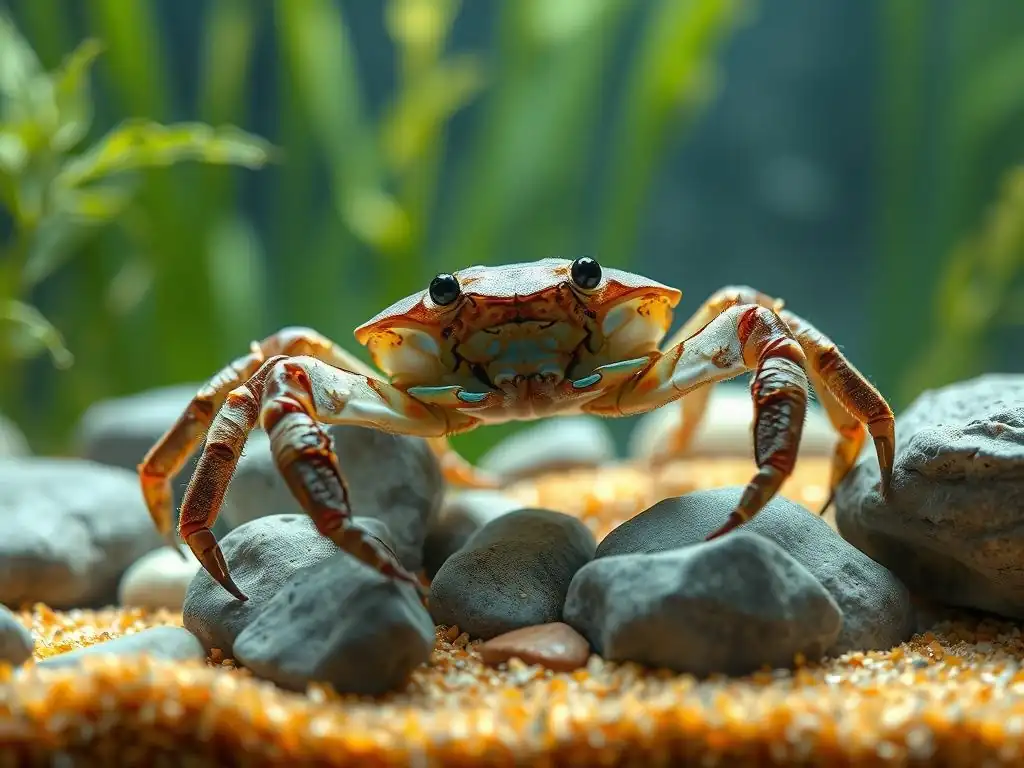
When selecting Amarinus lacustris for your aquarium, it's crucial to identify healthy individuals to ensure a successful start to your spider crab aquarium care journey. A healthy crab will exhibit active behavior, constantly foraging, exploring its surroundings, or sifting through the substrate. Its carapace should be intact, free from visible lesions, discoloration, or fungal growths.
All legs should be present and move fluidly, indicating no signs of injury or molting issues. The crab's eyes should be clear and responsive, and it should react to its environment, perhaps by attempting to hide when approached. Avoid individuals that appear lethargic, are missing multiple limbs (a single missing limb can regenerate, but multiple suggest stress or injury), have cloudy eyes, or show any signs of abnormal growths.
Where to Purchase Freshwater Spider Crabs: Ethical Sourcing
Due to their specialized nature and relatively niche appeal, Amarinus lacustris are not typically found in large chain pet stores. Reputable online aquatic retailers or specialized local fish stores are the most reliable sources for these delicate invertebrates. When purchasing online, select sellers with strong reputations for ethical sourcing and excellent live animal shipping practices.
It is always advisable to inquire about the seller's sourcing methods; ideally, the crabs should be captive-bred or responsibly wild-caught to minimize environmental impact. Ask about their acclimation procedures and quarantine protocols to reduce the risk of introducing diseases or parasites into your established aquarium. Supporting ethical suppliers contributes to sustainable spider crab aquarium care and the well-being of the species.
Freshwater Spider Crab Tank Mates: Compatibility and Considerations
Choosing Suitable Tank Mates for Your Spider Crabs
Amarinus lacustris are exceptionally peaceful and delicate creatures, making careful tank mate selection paramount for their long-term well-being. Ideal tank mates include small, non-aggressive fish species that occupy different water columns and pose no predatory threat. Excellent choices include celestial pearl Danios ( Danio margaritatus), chili rasboras ( Boraras brigittae), or pygmy corydoras ( Corydoras pygmaeus). These fish are too small to harm the crabs and generally ignore them.
Other suitable invertebrate tank mates include peaceful dwarf shrimp species, such as various Neocaridina (e.g., Cherry shrimp, Blue Dream shrimp) or Caridina (e.g., Crystal Red shrimp), and most freshwater snails like Nerite snails ( Neritina natalensis) or Malaysian trumpet snails ( Melanoides tuberculata). These invertebrates share similar care requirements and will not compete aggressively for food or territory, fostering a harmonious environment crucial for effective spider crab aquarium care.
Avoiding Aggressive or Predatory Tank Mates
It is absolutely crucial to avoid any large, aggressive, or predatory fish species when keeping Amarinus lacustris. This includes most cichlids, larger tetras (e.g., Serpae tetras, Black Skirt tetras), most Gouramis, and any fish known to nip fins or be territorial. Even seemingly docile fish can become opportunistic predators if the crabs are small or during vulnerable molting periods.
Similarly, steer clear of other aggressive or highly competitive invertebrate species. This includes larger crayfish, aggressive freshwater crab species (e.g., certain Potamon species), or even some larger, more boisterous snail species that might outcompete the delicate spider crabs for food. Compatibility is a non-negotiable factor in ensuring successful and stress-free spider crab aquarium care.
Invertebrate Community Tank Dynamics: Shrimp, Snails, and Spider Crabs
A well-planned invertebrate community tank can be a truly captivating display, allowing different species to thrive together. For instance, a 10-gallon tank could comfortably house a small group of 3-4 Amarinus lacustris alongside 10-15 Neocaridina shrimp and 2-3 Nerite snails. This setup allows each species to exhibit its natural behaviors without undue competition or stress, as they often occupy different niches within the tank.
Ensure that ample hiding spots are available for all inhabitants, especially for crabs and shrimp during their vulnerable molting phases. The diverse scavenging habits of snails and crabs can also contribute to a cleaner tank environment by consuming detritus and uneaten food. Understanding these inter-species dynamics is key to creating a balanced and thriving ecosystem, representing an advanced level of spider crab aquarium care.
Breeding Freshwater Spider Crabs (Amarinus lacustris)
Creating Breeding Conditions for Spider Crabs
Breeding Amarinus lacustris in a home aquarium is considered challenging but achievable for dedicated aquarists. Success hinges on providing exceptionally stable, pristine water conditions, a rich and varied diet, and an abundance of appropriate hiding spots. A dedicated breeding tank, typically 5-10 gallons, without any fish predators, significantly increases the chances of successful reproduction.
Slightly elevating the water temperature to the upper end of their preferred range, around 74-75°F (23-24°C), and ensuring a consistent supply of high-quality food, can help trigger breeding behaviors. Maintaining all water parameters within their optimal ranges precisely is crucial, as any fluctuations can deter breeding or lead to egg loss. This meticulous approach to environmental control is fundamental for spider crab aquarium care geared towards reproduction.
Identifying Mating Behaviors in Amarinus lacustris
Observing mating behaviors in Amarinus lacustris requires patience and a keen eye. Mating typically occurs shortly after a female molts, when her new exoskeleton is still soft and pliable. The male will often "guard" the female during this vulnerable period, positioning himself to deter other crabs or potential threats. Once the female has successfully molted, the male will then mate with her.
Following successful mating, the female will carry the fertilized eggs under her abdomen, securely tucked between her pleopods (swimmerets). The eggs are initially small and dark, gradually lightening in color as they develop over several weeks. A single female can carry anywhere from a few dozen to over a hundred eggs, depending on her size and health. Witnessing these delicate processes is a unique aspect of dedicated spider crab aquarium care.
Raising Freshwater Spider Crab Larvae: Challenges and Solutions
The most significant hurdle in breeding Amarinus lacustris is the successful rearing of their zoea larvae. Unlike some other freshwater invertebrates that produce fully formed miniature versions of the adults, Amarinus lacustris larvae are planktonic, meaning they drift in the water column and require microscopic food sources. They are extremely sensitive to water quality and require very specific conditions.
A separate rearing tank with gentle aeration and daily, small (5-10%) water changes is often necessary. The larvae require microscopic live foods such as rotifers or newly hatched brine shrimp nauplii for their initial stages. The larval stage can last several weeks, during which they undergo multiple molts before metamorphosing into tiny, benthic spider crabs. Achieving success in raising these delicate larvae is a testament to advanced spider crab aquarium care.
Common Health Issues in Freshwater Spider Crabs and Their Treatment
Recognizing Signs of Illness in Your Spider Crab
Early detection of illness is vital for effective spider crab aquarium care. Signs of an unhealthy Amarinus lacustris include lethargy, loss of appetite, discoloration (e.g., unusual cloudiness or dark spots), missing limbs (not due to a recent molt), or difficulty in molting. A common issue, often termed "molt death," occurs when a crab struggles to shed its old exoskeleton, frequently indicating poor water quality or a lack of essential minerals.
Observe your crabs daily for any changes in behavior. A healthy crab will be active, constantly foraging, and responsive to its environment. If a crab remains still for extended periods, exhibits erratic movements, or appears to have difficulty breathing, it's a strong indication that something is wrong and immediate action may be required.
Addressing Common Diseases and Parasites
Freshwater spider crabs are generally robust if kept in optimal conditions. However, like all aquatic invertebrates, they can be susceptible to bacterial or fungal infections, often as secondary issues stemming from poor water quality, stress, or injury. These infections may manifest as fuzzy patches on the exoskeleton, discoloration, or localized lesions.
Treatment for these conditions often begins with a rigorous improvement of water quality, including increased water changes and ensuring proper filtration. In some cases, invertebrate-safe medications may be considered, but never use copper-based treatments, as copper is highly toxic to all crustaceans. For external fungal issues, short-duration salt baths using aquarium salt (not table salt) at very low concentrations can sometimes be beneficial, but always research thoroughly and proceed with extreme caution. This delicate balance highlights the intricacies of spider crab aquarium care.
Preventing Health Problems in Amarinus lacustris
Prevention is always the most effective strategy in spider crab aquarium care. The primary defense against health issues is the consistent maintenance of pristine water quality, including zero ammonia and nitrites, and low nitrates. A stable environment with appropriate temperature and pH levels significantly reduces stress and bolsters the crabs' natural immune systems.
Providing a consistent and nutritious diet, rich in calcium and other essential minerals, supports healthy molting, which is a critical process for their growth and survival. Quarantining any new tank additions—be they fish, plants, or other invertebrates—for at least 2-3 weeks in a separate tank before introducing them to the main aquarium is an essential proactive measure to prevent the introduction of pathogens.
The Joys and Challenges of Keeping Freshwater Spider Crabs
The Rewarding Experience of Observing Amarinus lacustris
Despite their small stature, Amarinus lacustris offers a truly rewarding and captivating observation experience for the dedicated aquarist. Their delicate movements, constant sifting through the substrate, and interaction with their meticulously crafted environment provide endless fascination. Watching a successful molt, where the crab carefully extracts itself from its old exoskeleton, is a particularly impressive and satisfying moment, signifying healthy growth.
These crabs add a unique and subtle dimension to a peaceful community tank, showcasing natural behaviors not commonly observed with fish or shrimp alone. Their often cryptic nature means that discovering them hidden among dense plants or decor can be a delightful surprise, making the effort invested in precise spider crab aquarium care profoundly worthwhile.
Potential Challenges in Spider Crab Aquarium Management
While rewarding, keeping Amarinus lacustris does present a few potential challenges. Their extreme sensitivity to water quality fluctuations means that even minor inconsistencies can lead to stress, illness, or molting complications. Their small size also makes them vulnerable to aggressive tank mates, necessitating very careful selection of companions. Sourcing healthy specimens can also be a challenge due to their specialized nature and limited availability.
Furthermore, their reclusive habits mean they may not always be prominently on display, which might be a consideration for aquarists seeking highly active or visible inhabitants. However, for those committed to the meticulous requirements of spider crab aquarium care, these challenges are manageable and lead to a deeper appreciation and understanding of these unique aquatic invertebrates.
Conclusion: Mastering Spider Crab Aquarium Care
Ensuring a Thriving Environment for Your Freshwater Spider Crabs
Mastering spider crab aquarium care is a rewarding endeavor that hinges on meticulous attention to detail. By providing a stable, pristine, and enriched environment—characterized by precise water parameters, a suitable substrate and ample hiding spots, and a varied, nutritious diet—aquarists can ensure that these delicate creatures not only survive but truly thrive. Their unique charm and peaceful demeanor make them an exceptional addition to the specialized freshwater invertebrate tank.
Remember that Amarinus lacustris is a sensitive and specialized inhabitant, best suited for dedicated aquarists who are willing to invest the time and effort required to meet their specific needs. The commitment to their well-being will be repaid with the quiet, captivating presence of these unique denizens.
Further Resources for Amarinus lacustris Keepers
For those looking to delve deeper into the intricacies of Amarinus lacustris care, a wealth of information can be found in various resources. Engaging with online forums dedicated to freshwater invertebrates and specialized crustacean keeping can provide valuable insights from experienced aquarists. Consulting scientific papers or academic resources on the species' natural habitat and biology can also offer a deeper understanding of their environmental requirements.
Reputable aquatic websites, such as Aquarium Mastery, continually update their species profiles and care guides, serving as a dynamic and accessible resource for continuous learning. Utilizing these resources will empower you to refine your spider crab aquarium care practices and ensure the long-term health and prosperity of your Freshwater Spider Crabs.
Frequently Asked Questions
What is the ideal aquarium setup for Freshwater Spider Crabs ( Amarinus lacustris)?
These crabs require a specialized setup mimicking their natural habitat. This includes a well-established freshwater aquarium with plenty of hiding places like rocks and plants.
What are the key water parameters to maintain for successful Amarinus lacustris care?
Maintaining pristine water quality is crucial. You'll need to monitor and control parameters like pH, ammonia, nitrite, and nitrate using a reliable test kit.
What do Freshwater Spider Crabs eat, and how often should they be fed?
They are primarily detritivores and scavengers, feeding on decaying matter. Supplement their diet with small amounts of fish food or algae wafers a few times a week.
Are Freshwater Spider Crabs compatible with other aquarium inhabitants?
Due to their delicate nature and small size, they are best kept in a species-only tank or with very peaceful, non-aggressive tankmates that won't compete for food.
What are some common health issues that can affect Freshwater Spider Crabs, and how can they be prevented?
Poor water quality is the most common cause of health problems. Regular water changes and proper filtration are essential for preventing disease and ensuring their well-being.
Final Reflection: Appreciating the Miniature Marvels
The journey into the world of Amarinus lacustris, the freshwater spider crab, reveals more than just the intricacies of spider crab aquarium care; it highlights the profound beauty and responsibility that comes with curating miniature ecosystems. These delicate denizens, often overlooked, offer a unique opportunity to connect with the natural world on a personal level, reminding us that even the smallest creatures deserve our respect and understanding.
This exploration has underscored how specialized knowledge and dedication can unlock the potential to appreciate and preserve biodiversity, even within the confines of our homes. The act of creating a thriving habitat for these crabs is a testament to our ability to positively influence the natural world. In the end, we will conserve only what we love; we will love only what we understand; and we will understand only what we are taught.
- Baba Dioum's words resonate deeply as we consider the importance of sharing knowledge and fostering appreciation for these often-unseen creatures.
Now, as you contemplate the possibility of welcoming these miniature marvels into your own life, consider the profound impact of your choices. Let the knowledge gained from this exploration inspire you to not only provide exceptional spider crab aquarium care, but also to become an advocate for responsible pet ownership and a champion for the preservation of the delicate ecosystems that sustain all life. Embrace the challenge, and discover the joy of nurturing these fascinating creatures, knowing that your efforts contribute to a greater understanding and appreciation of the natural world.
Unleash Your Inner Aquarist: Create a Mini-Marvel!
Thank you for diving into the fascinating world of Freshwater Spider Crabs! We hope you found inspiration and practical knowledge to appreciate these unique creatures. Now, let's take that enthusiasm and turn it into action.
Here's how you can further explore the possibilities:
- Commit to researching and designing a species-specific nano-aquarium. This is the cornerstone of responsible keeping.
- Share this article with other invertebrate enthusiasts and spark a conversation about responsible sourcing and care for Amarinus lacustris.
- Consider documenting your journey if you decide to keep these crabs, contributing to the community's collective knowledge and inspiring others.
Ready to transform your aquarium hobby with these incredible crustaceans?