
Seriatopora Color Variations: From Neon Green & Pink to Exotic Orange Forms

Welcome to Aquarium Mastery!
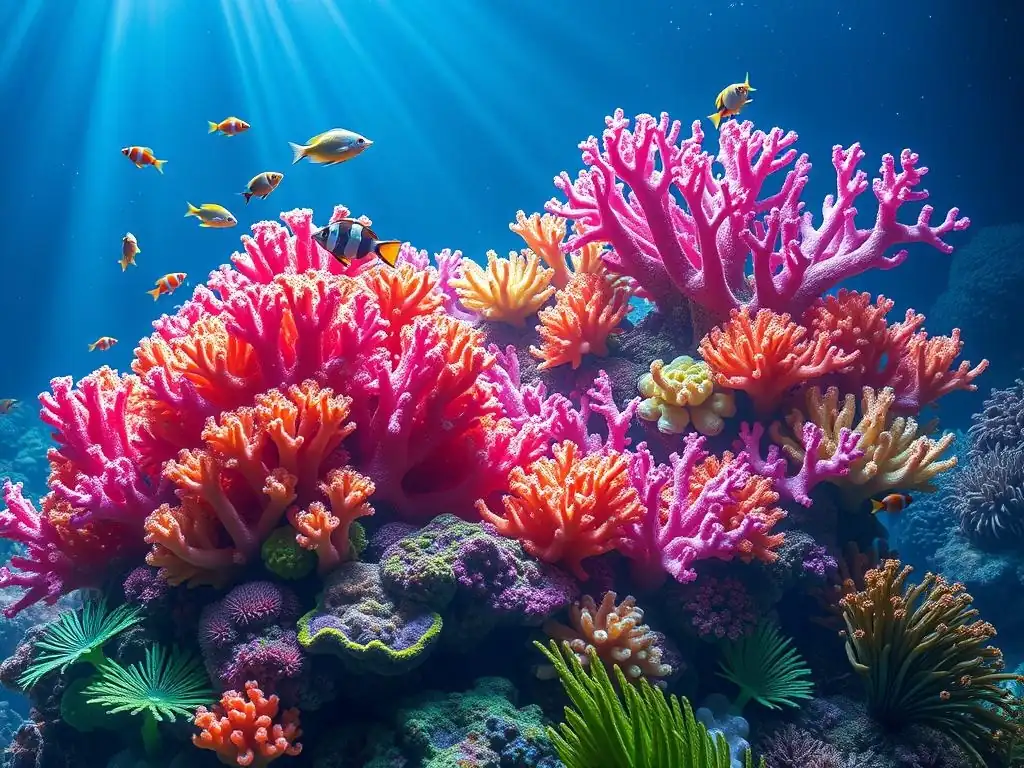
Ever wondered how to unlock the vibrant secrets hidden within your reef tank? Dive into our Seriatopora color variations guide and discover the dazzling spectrum this SPS coral offers, from the electrifying neon greens and bubblegum pinks to the rarer, breathtaking orange forms. Prepare to be amazed by the beauty and complexity of these corals – are you ready to explore the secrets of Seriatopora's captivating colors?
- Understanding Seriatopora Coral Colors: An Introduction to Color Morphs
- Exploring the Spectrum: Common Seriatopora Color Morphs
- Factors Influencing Seriatopora Coral Coloration
- Achieving Vibrant Seriatopora Colors in Your Reef Tank
- Troubleshooting Color Loss in Seriatopora Corals
- Fragging Seriatopora and Maintaining Color in New Frags
- Advanced Seriatopora Coloration Techniques: Carbon Dosing and ULNS Systems
- Conclusion: Mastering Seriatopora Color Variations for a Stunning Reef Aquarium
-
Frequently Asked Questions
- What factors influence the color variations in Seriatopora corals?
- How can I enhance the vibrant colors of my Seriatopora coral?
- Are certain Seriatopora color morphs more difficult to keep than others?
- What are some common Seriatopora color morphs I might find?
- What does it mean if my Seriatopora coral is losing color?
- Final Reflection: Embracing the Spectrum of Seriatopora
- Ignite Your Reef: Explore the Spectrum of Seriatopora!
Understanding Seriatopora Coral Colors: An Introduction to Color Morphs
What is Seriatopora? A Quick Overview for Reef Aquarists
Seriatopora, commonly known as Bird's Nest Coral due to its intricate, branching growth patterns, is a Small Polyp Stony (SPS) coral highly valued in the reef aquarium hobby. These corals are recognized for their delicate, often dense, branching structures and relatively small polyps that give them a 'fuzzy' appearance. They are often considered a more forgiving SPS coral compared to their demanding Acropora cousins, making them a popular choice for intermediate aquarists looking to venture into SPS keeping.
Originating from the Indo-Pacific region, Seriatopora species like Seriatopora hystrix, Seriatopora caliendrum, and Seriatopora guttatus thrive in clear, turbulent waters with intense light. Their rapid growth rates contribute to the dynamic aesthetic of a reef tank, quickly forming impressive colonies that provide shelter and visual interest. Maintaining optimal water parameters and appropriate lighting and flow are crucial for their health and, most importantly, for the vibrant expression of Seriatopora color variations, which can range from striking neon greens and bright pinks to more subtle yellows and exotic oranges.
The Fascination with Seriatopora Color Variations in Reef Tanks
The allure of Seriatopora in reef aquariums is significantly amplified by their remarkable spectrum of colors. Unlike some other corals that might primarily exhibit one or two dominant hues, Seriatopora can display a stunning array of vibrant shades, often with different colors present in the polyps versus the coral tissue itself. This ability to exhibit diverse and sometimes iridescent coloration makes them highly sought after by aquarists aiming to create a visually dynamic and colorful reef scape.
Achieving and maintaining these vivid Seriatopora color variations is a central goal for many reef keepers, as it signifies a healthy and thriving coral. The intensity and hue of their colors are direct indicators of their well-being, reflecting factors such as proper lighting, stable water chemistry, and adequate nutrient levels. Understanding the environmental influences on their coloration is key to unlocking their full chromatic potential and enjoying the breathtaking beauty these corals can bring to a reef tank.
Exploring the Spectrum: Common Seriatopora Color Morphs
Blue Seriatopora: The Sought-After and Captivating Choice
Blue Seriatopora morphs, though less common than pink or green varieties, are highly prized for their deep, captivating azure hues. These corals can range from a light sky blue to a rich, almost indigo shade, often with contrasting polyps that add to their visual appeal. The intensity of their blue coloration is a testament to optimal lighting conditions, particularly those rich in blue spectrums, and stable water parameters.
Reef aquarists often place blue Seriatopora in prominent locations within the tank to highlight their unique color. Achieving a true, vibrant blue requires careful attention to the coral's environment, as any deviation from ideal conditions can cause the blue to fade or brown out. When successfully maintained, these blue Seriatopora color variations become a focal point, adding a rare and elegant touch to the overall reef aesthetic.
Green Seriatopora: A Classic and Popular Variation
Green Seriatopora is arguably one of the most classic and widely recognized Seriatopora color variations, ranging from bright lime greens to deep emeralds. The Seriatopora hystrix species is particularly known for its vibrant green forms, often with a fuzzy appearance due to its extended polyps. This coloration is a staple in many reef tanks due to its ability to stand out under various lighting conditions and its relatively robust nature.
The prevalence of green Seriatopora is also due to its general hardiness among SPS corals, making it a popular choice for aquarists moving into more advanced coral keeping. While relatively forgiving, maintaining its intense green hue still necessitates consistent water quality, appropriate lighting, and good flow. A healthy green Seriatopora adds a lively and natural feel to the reef environment, making it an essential component of a diverse coral collection.
Red Seriatopora: Adding a Touch of Intensity to Your Reef
Red Seriatopora morphs, while less common than pink or green, offer a striking intensity that can truly elevate the visual impact of a reef tank. These corals can exhibit shades from a subtle reddish-pink to a deep, fiery crimson, often with polyps that provide a contrasting color or texture. The presence of true red pigmentation in corals is often indicative of specific photosynthetic pigments developed under precise lighting conditions, particularly those with a balanced spectrum.
Achieving and maintaining the vibrant red Seriatopora color variations requires dedicated attention to lighting and nutrient control. Lower nutrient systems (ULNS) coupled with appropriate light spectrums are often key to bringing out these deeper red tones. When successfully cultivated, red Seriatopora provides a dramatic splash of color, creating a focal point that draws the eye and enhances the overall diversity of the coral display.
Purple Seriatopora: The Striking and Desirable Morph
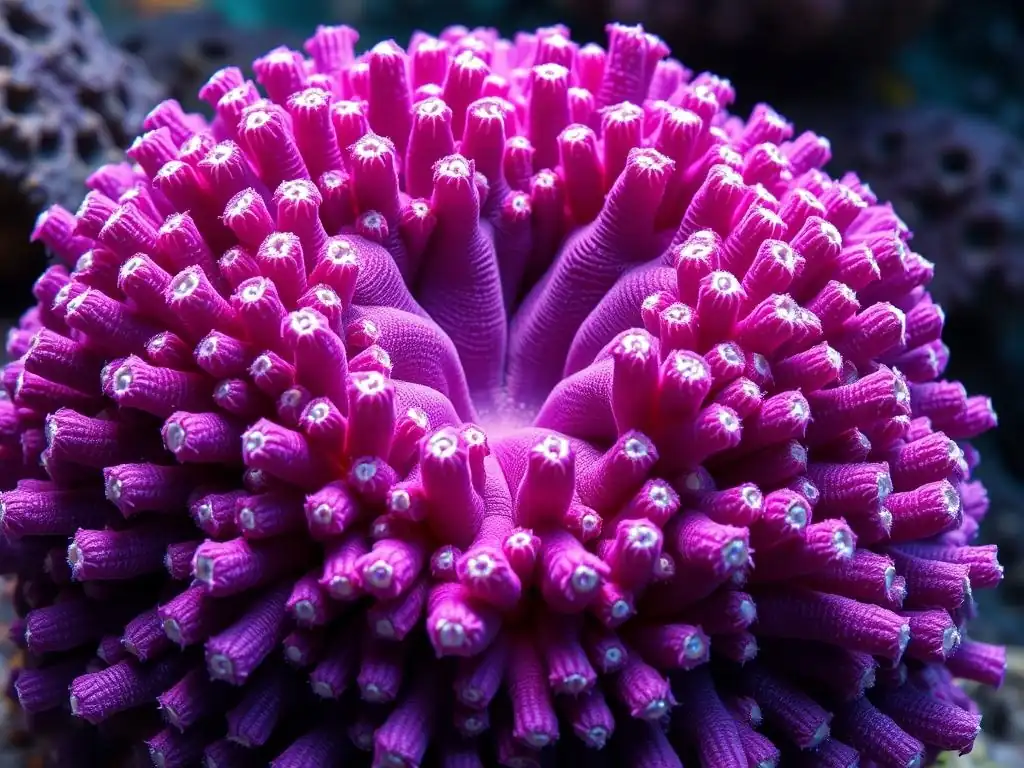
Purple Seriatopora is a highly sought-after and visually striking morph, often displaying rich lavender to deep violet hues that can appear almost iridescent under proper lighting. Varieties like Seriatopora guttatus are known for their potential to develop profound purple coloration, often with tips that are a different, contrasting shade. This vibrant color adds a sophisticated and luxurious element to any reef aquarium.
The development of strong purple Seriatopora color variations is often linked to specific trace elements and precise lighting, particularly the blue and UV spectrums, which stimulate the production of certain chromoproteins. Aquarists often find that maintaining ultra-low nutrient levels significantly enhances the purple pigmentation. Its captivating appearance makes purple Seriatopora a prized specimen, symbolizing a well-maintained and aesthetically pleasing reef environment.
Brown Seriatopora: Understanding the Impact of Zooxanthellae Density
Brown Seriatopora, while not as visually appealing as its more colorful counterparts, is a common state for corals experiencing stress or suboptimal conditions. The brown coloration is primarily due to an increased density of zooxanthellae, the symbiotic algae living within the coral tissue. When a coral is stressed by too little light, poor water quality, or excessive nutrients, it may increase its zooxanthellae population to try and capture more light, leading to a dull, brownish appearance.
Conversely, a healthy Seriatopora that is "browning out" due to insufficient light can often regain its vibrant Seriatopora color variations once lighting is optimized. However, if the browning is due to nutrient overload, reducing nitrates and phosphates is crucial. Understanding that brown is often a sign of imbalance, rather than a fixed color morph, is essential for troubleshooting and restoring the coral to its intended vibrant hues.
Factors Influencing Seriatopora Coral Coloration
Lighting and Its Impact on Seriatopora Colors
Lighting is arguably the most critical factor influencing Seriatopora color variations. Corals derive their color from a combination of their own pigments (chromoproteins) and the photosynthetic pigments within their symbiotic zooxanthellae. The intensity, spectrum, and duration of light directly impact these pigments, dictating the coral's overall hue and vibrancy. Insufficient or incorrect lighting can lead to browning or bleaching, while optimal lighting can unlock stunning coloration.
For instance, blue and violet light spectrums (400-470 nm) are particularly important for stimulating the production of desirable chromoproteins that result in blues, purples, and some pinks in Seriatopora. Conversely, too much white light or an imbalanced spectrum can wash out colors or promote excessive zooxanthellae growth, leading to a dull appearance. Achieving the perfect balance is key to maximizing the Seriatopora color variations guide.
The Role of PAR (Photosynthetically Active Radiation)
PAR, or Photosynthetically Active Radiation, measures the amount of light available for photosynthesis. For Seriatopora, a moderate to high PAR range is generally recommended, typically between 200-400 PAR at the coral's level, depending on the specific morph and its acclimation. Too low PAR will lead to zooxanthellae proliferation and browning, as the coral tries to capture more light.
On the other hand, excessively high PAR can cause photoinhibition or even bleaching, where the coral expels its zooxanthellae, leading to a stark white appearance. Gradually acclimating Seriatopora to higher PAR levels is crucial, allowing the coral to adjust its zooxanthellae density and pigment production for optimal Seriatopora color variations without stress. Monitoring PAR with a reliable meter is an invaluable tool for precise lighting management.
Choosing the Right Light Spectrum for Optimal Color
Beyond PAR intensity, the spectral composition of light profoundly influences Seriatopora color variations. A full-spectrum light source that includes a strong component in the blue, violet, and even UV ranges (e.g., 400-470 nm) is vital for stimulating the production of fluorescent and non-fluorescent pigments responsible for vibrant blues, purples, and pinks. Many aquarists find success with LED fixtures that allow for precise control over individual color channels.
While blue light enhances many colors and fluorescence, incorporating some white light (e.g., 6,500K to 14,000K) and even a touch of red (620-750 nm) can promote overall coral health and bring out warmer Seriatopora color variations like yellows and oranges. The goal is to find a spectral balance that supports both the coral's photosynthetic needs and its aesthetic color potential, often achieved through a mix of blue, violet, and a smaller percentage of white LEDs.
Water Chemistry Parameters and Color Expression
Stable and optimal water chemistry is foundational for not just the survival but also the vibrant coloration of Seriatopora. Fluctuations in key parameters can stress the coral, leading to browning, fading, or even tissue necrosis. Maintaining a consistent environment allows the coral to allocate energy towards growth and pigment production rather than stress response.
Trace elements also play a subtle yet significant role. While often overlooked, the availability of certain minor elements can directly impact the synthesis of chromoproteins and overall coral health, contributing to brighter and more intense Seriatopora color variations. Regular testing and precise dosing are therefore indispensable components of a successful SPS reef tank.
Maintaining Proper Alkalinity, Calcium, and Magnesium Levels
For Seriatopora to grow and maintain vibrant Seriatopora color variations, consistent levels of alkalinity, calcium, and magnesium are paramount. Alkalinity (dKH) should typically be maintained between 7.5-8.5 dKH, calcium between 400-450 ppm, and magnesium between 1300-1400 ppm. These elements are the building blocks for the coral's aragonite skeleton. Fluctuations, even minor ones, can cause stress and inhibit growth and color.
For example, a sudden drop in alkalinity can hinder calcification, making the coral appear dull or even cause tissue recession. Conversely, very high alkalinity can lead to precipitation issues. Consistent daily or bi-daily dosing using a reliable system (e.g., two-part solutions, calcium reactor) is often necessary to keep these parameters stable, ensuring the coral has the resources needed to express its full range of Seriatopora color variations.
The Importance of Trace Elements for Vibrant Colors
While alkalinity, calcium, and magnesium are macro elements for calcification, trace elements like potassium, iodine, iron, and strontium play a crucial, albeit smaller, role in the vibrant Seriatopora color variations. Potassium, for instance, is often linked to the enhancement of pinks and reds in SPS corals, while iodine can contribute to blues and purples. Iron, though needed in very small amounts, is vital for zooxanthellae health and pigment production.
Many aquarists find that a comprehensive trace element supplement designed for SPS corals, used judiciously, can significantly enhance colors. However, it's critical to avoid overdosing, as excessive levels of certain trace elements can be toxic. Regular small water changes with high-quality salt mix also replenish many essential trace elements, providing a natural way to support the coral's ability to produce dazzling Seriatopora color variations.
Flow and Its Effect on Seriatopora Health and Color
Water flow is another critical environmental factor impacting Seriatopora health and color. Seriatopora thrives in moderate to strong, turbulent flow, which is crucial for several physiological processes. This flow ensures efficient nutrient delivery to the coral polyps and effective waste removal from their surfaces, preventing detritus buildup that could lead to tissue necrosis or algal growth.
Proper flow also promotes gas exchange, providing oxygen and removing carbon dioxide. Inadequate flow can lead to "dead spots" where detritus settles, causing localized stress and browning. Optimal flow, by keeping the coral clean and well-fed, directly contributes to the coral's overall vitality and its ability to display brilliant Seriatopora color variations.
Achieving Vibrant Seriatopora Colors in Your Reef Tank
Optimizing Lighting Conditions for Color Enhancement
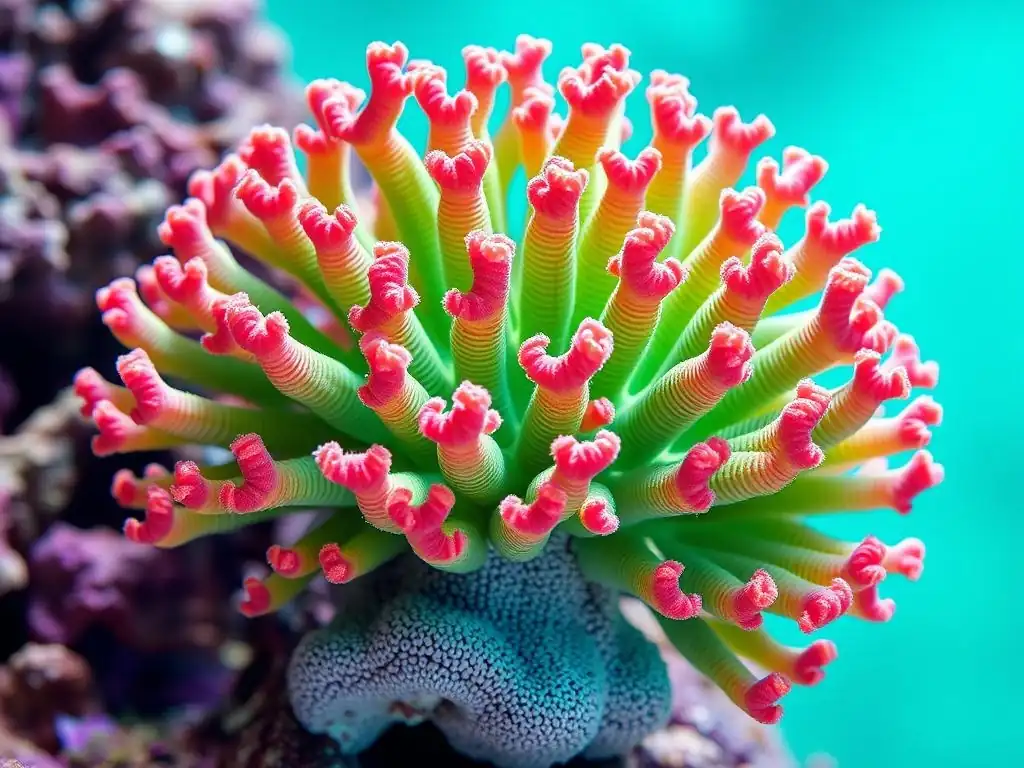
To achieve the most vibrant Seriatopora color variations, optimizing lighting conditions is paramount. This involves not only providing the correct PAR intensity but also fine-tuning the spectral output. For many Seriatopora species, a PAR range of 250-350 at the coral's placement is a good starting point, gradually increasing if the coral responds positively without showing signs of stress.
Focus on a spectrum rich in blue and violet light (420-470 nm), which encourages the coral to produce its own chromoproteins, resulting in stunning blues, purples, and pinks. Incorporating a small percentage of balanced white light (e.g., 10,000K) can help bring out warmer tones like yellows and greens. Consistent photoperiods, typically 10-12 hours a day, also contribute to stable coral health and sustained Seriatopora color variations.
Maintaining Pristine Water Quality for Color Development
Pristine water quality is non-negotiable for vibrant Seriatopora color variations. This means maintaining stable and ideal parameters for alkalinity (7.5-8.5 dKH), calcium (400-450 ppm), and magnesium (1300-1400 ppm). Regular testing, at least 2-3 times per week, is essential to catch and correct any fluctuations before they negatively impact the coral.
Furthermore, keeping nitrates below 5 ppm and phosphates below 0.05 ppm is crucial. Elevated nutrients can lead to "browning out" as zooxanthellae density increases. Utilizing methods like protein skimming, refugiums, GFO (granular ferric oxide), and regular small water changes (10-15% bi-weekly) will help maintain these low nutrient levels, allowing the coral's natural Seriatopora color variations to shine through.
Providing Adequate Flow for Nutrient Delivery and Waste Removal
Adequate and turbulent water flow is vital for Seriatopora health and color. These corals thrive in areas with strong, chaotic flow that prevents detritus from settling on their delicate branches and ensures that nutrients are constantly delivered to their polyps. Use multiple powerheads placed strategically to create varied flow patterns throughout the tank, avoiding direct, laminar flow that can damage tissue.
Aim for flow that causes the polyps to gently sway and the branches to subtly move, indicating good water movement around the entire colony. Insufficient flow can lead to brown areas where detritus accumulates, while excessive direct flow can cause tissue recession. Optimizing flow improves the coral's ability to photosynthesize and metabolize, directly contributing to vibrant Seriatopora color variations.
Supplementing with Trace Elements for Enhanced Coloration
While water changes contribute trace elements, focused supplementation can significantly enhance Seriatopora color variations. Elements like potassium, iodine, and iron are particularly noted for their impact on coral coloration. Potassium can intensify pinks and reds, iodine often deepens blues and purples, and iron supports the health of zooxanthellae, which in turn affects overall vibrancy.
However, precise dosing is key, as excess trace elements can be harmful. It's often recommended to use a high-quality, comprehensive trace element solution specifically formulated for SPS corals, following the manufacturer's guidelines based on tank volume and coral density. Alternatively, some aquarists opt for individual dosing of specific elements, monitored with sensitive test kits, to target desired Seriatopora color variations more precisely.
Troubleshooting Color Loss in Seriatopora Corals
Identifying Potential Causes of Color Fading
When Seriatopora corals begin to lose their vibrant Seriatopora color variations and appear dull or brown, it's a clear indicator that something in their environment is amiss. One of the primary culprits is often an imbalance in lighting, either too little or too much, or an incorrect spectrum. If the coral is struggling to photosynthesize efficiently, it may increase zooxanthellae density, leading to browning, or expel them, causing bleaching.
Another significant factor is water chemistry. Fluctuations in alkalinity, calcium, or magnesium can stress the coral, hindering its ability to calcify and produce chromoproteins. Similarly, elevated levels of nitrates and phosphates, even slightly, can lead to a dull, muted appearance as the coral's zooxanthellae population increases in response to higher nutrient availability, overshadowing the coral's natural pigments.
Inadequate Lighting or Spectrum Shift
Inadequate lighting, whether insufficient PAR or an incorrect spectrum, is a common reason for Seriatopora color fading or browning. If the PAR is too low, the coral will increase its zooxanthellae density to maximize light absorption, resulting in a brown appearance. A sudden shift in light intensity or spectrum, perhaps after a bulb change or moving the coral, can also shock the coral, leading to a loss of Seriatopora color variations.
Conversely, too intense light can also cause fading or bleaching. The coral may expel zooxanthellae if photo-stressed, leading to a pale or white appearance. Monitoring PAR levels with a meter and ensuring a consistent, appropriate spectrum for Seriatopora (rich in blue/violet) is crucial. Gradual acclimation to new lighting conditions is always recommended to prevent shock and maintain vibrant Seriatopora color variations.
Nutrient Imbalances or Elevated Nitrate/Phosphate Levels
Elevated nutrient levels, particularly nitrates above 5-10 ppm and phosphates above 0.05 ppm, are a frequent cause of Seriatopora browning. High nutrients encourage the proliferation of zooxanthellae within the coral tissue, which can mask the coral's natural chromoproteins, making the Seriatopora appear dull brown or green. This is a common issue in tanks with heavy feeding or insufficient nutrient export.
Moreover, imbalances in alkalinity, calcium, and magnesium can also directly impact Seriatopora color variations. A consistent drop in alkalinity, for example, can hinder calcification and stress the coral, leading to a faded appearance. Regular testing of these parameters (2-3 times per week) and immediate corrective action through water changes, GFO, or carbon dosing are essential to restore and maintain vibrant Seriatopora coloration.
Stress from Pests or Disease (AEFW, Red Bugs)
While not as commonly afflicted as Acropora, Seriatopora can still suffer from pests and diseases that lead to color loss and decline. Acropora Eating Flatworms (AEFW) can sometimes target Seriatopora, causing tissue recession and loss of color as they consume the coral's flesh. Red Bugs (Tegastes acroporanus), a type of copepod, feed on coral mucus and can irritate the coral, leading to reduced polyp extension, stress, and subsequently, dull Seriatopora color variations.
Other potential issues include bacterial infections or general stress from poor water quality, leading to rapid tissue necrosis (RTN) or slow tissue necrosis (STN), both of which manifest as color loss followed by tissue death. Regular inspection of the coral for signs of pests (e.g., small white specks for AEFW, reddish dots for Red Bugs) or disease is crucial. If identified, prompt treatment, often involving dips or specific medications, is necessary to save the coral and restore its health and Seriatopora color variations.
Corrective Measures for Restoring Seriatopora Color
Restoring lost Seriatopora color variations requires a systematic approach to identify and rectify the underlying issues. The first step is to thoroughly test all major water parameters: alkalinity, calcium, magnesium, nitrates, and phosphates. Addressing any imbalances here is foundational. For instance, if nitrates are high, implement methods like increased water changes, GFO, or carbon dosing to reduce them.
Beyond water chemistry, critically evaluate lighting. If the coral is browning, consider increasing PAR gradually or adjusting the spectrum to include more blue/violet light. If it's bleached, reduce light intensity and slowly re-acclimate. Finally, inspect for pests; if present, implement appropriate treatment protocols. Consistency in all these areas will gradually allow the coral to regain its vibrant Seriatopora color variations.
Adjusting Lighting Parameters
Adjusting lighting parameters is often the most direct way to impact Seriatopora color variations. If your Seriatopora appears brown, it likely needs more intense light or a shift in spectrum towards the bluer end. Increase PAR gradually, by 10-20 PAR per week, and monitor the coral's response. Aim for a PAR range of 250-350 at the coral's location, with a strong emphasis on wavelengths between 420-470 nm.
For bleached or pale Seriatopora, the light might be too intense. Lower the PAR or move the coral to a shadier spot, then slowly re-introduce it to higher light over several weeks. Consistent photoperiods (e.g., 10-12 hours) are also important. Fine-tuning your light schedule and spectrum based on your specific Seriatopora color variations guide and observations will yield the best results.
Addressing Water Chemistry Issues
Addressing water chemistry issues is paramount for restoring Seriatopora color variations. Begin by ensuring alkalinity is stable between 7.5-8.5 dKH, calcium between 400-450 ppm, and magnesium between 1300-1400 ppm. Use a reliable dosing system to maintain these levels consistently. If these parameters fluctuate widely, the coral will be stressed and unable to express vibrant colors.
Crucially, reduce elevated nitrates (below 5 ppm) and phosphates (below 0.05 ppm). Implement nutrient export methods such as increased protein skimming, regular small water changes (e.g., 10% weekly), and the use of GFO or biological filtration like a refugium. A clean, low-nutrient environment will encourage the coral to reduce its zooxanthellae density, allowing its true Seriatopora color variations to emerge.
Treating Pests or Diseases
Prompt and accurate treatment of pests or diseases is essential for restoring Seriatopora color variations. If you suspect AEFW, a common issue for SPS, inspect the coral carefully for small white egg masses or flatworms. Treatment often involves coral dips (e.g., with Revive or CoralRx) to remove pests, followed by a quarantine period. For Red Bugs, which appear as tiny reddish specks, specific medications like Interceptor are typically used, following a strict dosing regimen.
Beyond targeted pest treatments, maintaining excellent water quality and stable parameters strengthens the coral's natural defenses against disease. If tissue necrosis (RTN/STN) is observed, immediate fragging of healthy tissue above the affected area might save parts of the colony, but the underlying cause (often water quality or stress) must also be identified and resolved to prevent recurrence and promote healthy Seriatopora color variations.
Fragging Seriatopora and Maintaining Color in New Frags
Best Practices for Fragging Seriatopora
Fragging Seriatopora is a common practice for propagation and managing colony size, and it's relatively straightforward due to their delicate, branching structure. Use sharp, clean bone cutters or a Dremel with a cutting wheel for larger, thicker branches. Aim for frag pieces that are at least 1-2 inches long, ensuring each piece has several healthy growth tips. Cut cleanly and quickly to minimize stress to the mother colony and the frag.
After cutting, it's advisable to dip the frag in an antiseptic coral dip solution (e.g., iodine-based or commercial coral dip) for 5-10 minutes to prevent infection and remove any potential pests dislodged during the fragging process. Allow the frag to air dry briefly to seal the cut before attaching it to a frag plug or rock with cyanoacrylate gel or epoxy. This careful approach helps ensure rapid healing and retention of Seriatopora color variations in the new frag.
Ensuring Proper Lighting and Flow for Frag Growth and Coloration
For newly fragged Seriatopora, providing optimal lighting and flow is crucial for both growth and the maintenance of vibrant Seriatopora color variations. Place the frag in a location with moderate, indirect flow to prevent detritus buildup but avoid strong, direct flow that could dislodge it or cause tissue damage. Gentle, turbulent flow ensures nutrient delivery and waste removal, which are vital for healing.
Regarding lighting, it's often best to start new frags in a slightly lower PAR zone than the mother colony, especially if they are small or appear stressed. Gradually move them to higher PAR areas (e.g., 200-300 PAR) over several weeks as they show signs of recovery and growth. Consistent light spectrum, rich in blue and violet, will encourage the production of chromoproteins responsible for their vibrant Seriatopora color variations.
Acclimation and Color Development in Newly Fragged Seriatopora
Acclimation is a critical step for newly fragged Seriatopora to ensure successful integration into the reef tank and vibrant Seriatopora color variations. After fragging and dipping, place the frag in a stable area of the tank with moderate flow and PAR. Avoid placing it immediately in the highest light areas, even if the mother colony was there, as the frag is under stress and needs time to recover.
Over the next few weeks, observe the frag closely for polyp extension and color. As it settles in and begins to show new growth, you can gradually move it to higher light and flow areas if desired. It's common for frags to appear slightly stressed or dull initially, but with stable water parameters, appropriate lighting, and good flow, they will typically regain and even enhance their Seriatopora color variations as they grow into thriving mini-colonies.
Advanced Seriatopora Coloration Techniques: Carbon Dosing and ULNS Systems
Carbon Dosing and its Effects on Seriatopora Color
Carbon dosing, the practice of adding a carbon source (like vinegar, vodka, or commercial products) to the aquarium, is a common technique used in Ultra Low Nutrient Systems (ULNS) to enhance Seriatopora color variations. The added carbon feeds beneficial bacteria, which then proliferate and consume nitrates and phosphates from the water column. As these bacteria are skimmed out or consumed by other organisms, they effectively export nutrients from the system.
By drastically reducing nutrient levels, carbon dosing encourages corals to reduce their zooxanthellae density. With fewer zooxanthellae masking their natural pigments, the coral's chromoproteins become more prominent, leading to brighter, more intense Seriatopora color variations, particularly purples, blues, and pinks. However, carbon dosing requires careful monitoring to avoid bacterial blooms or oxygen depletion, and it's not suitable for all tank setups.
Ultra Low Nutrient Systems and their Role in Color Enhancement
Ultra Low Nutrient Systems (ULNS) are designed to maintain nitrates below 5 ppm and phosphates below 0.05 ppm, often even lower. This environment is achieved through a combination of robust protein skimming, specialized media (like GFO), refugiums, and often, carbon dosing. In a ULNS, Seriatopora corals thrive by relying more on direct absorption of dissolved organic compounds and supplemental feeding, rather than heavily on their zooxanthellae for nutrition.
The primary benefit of ULNS for Seriatopora color variations is the reduction in zooxanthellae density. When nutrients are scarce, corals naturally host fewer zooxanthellae, allowing their intrinsic pigments (chromoproteins) to shine through more vividly. This results in the highly sought-after pastel and electric Seriatopora color variations, making ULNS a popular, albeit demanding, approach for advanced reef keepers aiming for peak coral coloration.
Conclusion: Mastering Seriatopora Color Variations for a Stunning Reef Aquarium
Frequently Asked Questions
What factors influence the color variations in Seriatopora corals?
Color variations in Seriatopora corals are primarily influenced by light intensity and spectrum, water chemistry, and the presence of specific pigments within the coral tissue. Genetic factors also play a role.
How can I enhance the vibrant colors of my Seriatopora coral?
To enhance color, ensure optimal water parameters (calcium, alkalinity, magnesium) and provide proper lighting, specifically using LEDs or T5s with a balanced spectrum. Also consider a stable temperature.
Are certain Seriatopora color morphs more difficult to keep than others?
Generally, no. However, some exotic color morphs may be more sensitive to water quality fluctuations. Maintaining a stable and healthy aquarium environment is crucial for all Seriatopora types.
What are some common Seriatopora color morphs I might find?
Common color morphs include neon green, pink, and orange. More exotic variations can include combinations of these, sometimes with purple or blue accents.
What does it mean if my Seriatopora coral is losing color?
Color loss, or bleaching, often indicates stress from improper lighting, poor water quality, or temperature fluctuations. It's crucial to identify and address the underlying issue promptly to prevent coral death.
Final Reflection: Embracing the Spectrum of Seriatopora
The vibrant world of Seriatopora corals, as explored in this guide, is more than just a display of underwater beauty; it's a testament to the resilience and adaptability of life in the face of environmental pressures. The stunning array of color variations, from neon greens and pinks to the rarer orange forms, highlights the intricate interplay between genetics, environment, and the symbiotic relationships that sustain these delicate ecosystems. Understanding these variations is crucial not only for aquarists but also for conservation efforts aimed at protecting these vital reef inhabitants.
This journey into the Seriatopora color spectrum has underscored the profound interconnectedness of life within coral reefs. It reminds us that even seemingly small changes in water chemistry or light intensity can dramatically impact the health and appearance of these organisms. As we strive to understand and appreciate these nuances, we must also acknowledge our responsibility to protect these fragile environments. In the end, we will conserve only what we love; we will love only what we understand; and we will understand only what we are taught.
- Baba Dioum's words resonate deeply, urging us to continue learning and sharing our knowledge of these underwater wonders.
Now, as you close this guide, consider how you can contribute to the preservation of these vibrant ecosystems. Whether you're a seasoned aquarist, a budding marine biologist, or simply an admirer of nature's artistry, let the beauty and complexity of Seriatopora inspire you to advocate for responsible reef keeping practices, support conservation initiatives, and spread awareness about the importance of protecting our oceans. The future of these corals, and indeed the health of our planet, depends on our collective action.
Ignite Your Reef: Explore the Spectrum of Seriatopora!
Thank you for diving into the vibrant world of Seriatopora color variations. We hope you found inspiration in the diverse hues these corals can display. Now, it's time to translate that inspiration into action!
- Embark on a Coral Quest: Visit your local reef aquarium stores to seek out unique Seriatopora color morphs you haven't seen before. Challenge yourself to find an exotic orange specimen!
- Share the Beauty: Post photos of your own Seriatopora or the stunning corals you find online using #AquariumMastery and let's create a vibrant gallery together!
- Delve Deeper: Research the specific lighting and water parameter requirements for each Seriatopora color variation to unlock their full potential in your reef tank.
What hidden color gem are you hoping to add to your coral collection next?