
Cracking the Acropora Code: Precision Lighting, Flow, and Parameters for Unrivaled Success

Welcome to Aquarium Mastery, your ultimate guide to thriving aquatic ecosystems!
Ever wondered how to unlock the vibrant beauty of Acropora corals in your reef tank? Cracking the Acropora Code is your deep dive into the essential elements of success. From precise lighting and optimized flow to the crucial parameters that make or break these stunning SPS corals, prepare to discover the secrets to achieving unparalleled growth and coloration. Ready to master the art of Acropora care? Let's begin!
- Introduction to Acropora Coral Care: Achieving Success in Reef Aquariums
-
Acropora Lighting: Mastering the Light Spectrum and Intensity
- Understanding PAR (Photosynthetically Active Radiation) for Acropora
- Selecting the Right Lighting System for Acropora: LED, T5, and Metal Halide
- Optimizing Light Spectrum for Acropora Coloration and Growth
- Acclimation: Gradually Introducing Acropora to Higher Light Levels
- Monitoring and Adjusting Lighting Intensity: Avoiding Light Shock
- Acropora Flow: Replicating Natural Reef Currents
-
Acropora Water Parameters: Achieving Stability and Balance
- Essential Water Parameters for Acropora: Alkalinity, Calcium, and Magnesium
- Maintaining Stable Alkalinity: The Key to Acropora Skeletal Growth
- Calcium and Magnesium Balance: Preventing Precipitation and Promoting Growth
- Nitrate and Phosphate Levels: Finding the Right Balance
- Salinity and Temperature: Maintaining Optimal Conditions
- Trace Elements and Additives: Enhancing Acropora Coloration and Health
- Advanced Acropora Care Techniques
- Troubleshooting Common Acropora Problems
- Conclusion: Long-Term Success with Acropora
-
Frequently Asked Questions
- What are the most crucial factors for Acropora health in a reef aquarium?
- How important is lighting specifically for Acropora corals?
- What type of water flow is ideal for maintaining healthy Acropora colonies?
- What are the ideal water parameter ranges for keeping Acropora?
- What are some common signs that my Acropora is not receiving adequate lighting or flow?
- Final Reflection: Illuminating the Path to Coral Prosperity
- Ignite Acropora Growth: Your Reef Transformation Starts Now!
Introduction to Acropora Coral Care: Achieving Success in Reef Aquariums
Understanding the Demands of Acropora: Why Precision Matters
Acropora corals, renowned for their stunning diversity in form and vibrant coloration, are often considered the pinnacle of reef keeping. As Small Polyp Stony (SPS) corals, they demand a highly stable and meticulously managed environment to thrive. Their rapid calcification rates and delicate tissue structures mean they are highly sensitive to even minor fluctuations in their surroundings, making precision in husbandry paramount for their success.
The intricate symbiotic relationship Acropora share with their zooxanthellae algae, which provide up to 90% of their nutritional needs through photosynthesis, dictates their stringent requirements for optimal light, strong water movement, and pristine water chemistry. Any deviation from these ideal conditions can quickly lead to stress, loss of coloration (browning or paling), or even rapid tissue necrosis, highlighting why "Acropora lighting flow parameters" are not just preferences but absolute necessities.
The Importance of Acropora Lighting, Flow, and Water Parameters
Achieving a thriving Acropora display hinges on the synergistic interplay of three core environmental factors: lighting, water flow, and stable water parameters. These elements are inextricably linked, each playing a critical role in the coral's physiological processes, from photosynthesis and nutrient uptake to skeletal growth and waste removal. Overlooking or mismanaging any one of these aspects can undermine the health and vibrancy of an entire Acropora collection.
Optimal Acropora lighting provides the energy for photosynthesis, while robust Acropora flow ensures nutrient delivery to every polyp and efficiently sweeps away metabolic byproducts. Simultaneously, stable and balanced water parameters supply the essential building blocks for calcification and maintain the coral's internal equilibrium. When these Acropora lighting flow parameters are dialed in, the result is not only accelerated growth and breathtaking coloration but also enhanced resilience against common reef tank challenges.
Acropora Lighting: Mastering the Light Spectrum and Intensity
Understanding PAR (Photosynthetically Active Radiation) for Acropora
For Acropora corals, the most critical measurement of light is Photosynthetically Active Radiation (PAR), which quantifies the amount of light within the 400-700 nanometer spectrum that corals can utilize for photosynthesis. Unlike lumens or watts, PAR directly correlates to the energy available for the symbiotic zooxanthellae within the coral tissue. Acropora are high-light demand corals, and precise PAR levels are fundamental to their health and vibrant coloration.
Typical target PAR levels for Acropora vary depending on the species and its position in the tank. For established, healthy colonies, PAR values generally range from 250 to 450 µmol·m⁻²·s⁻¹. While some highly exposed species can tolerate PAR up to 500 µmol·m⁻²·s⁻¹, new frags or stressed corals may require lower initial levels, perhaps 150-250 µmol·m⁻²·s⁻¹, to prevent bleaching. Consistent measurement with a PAR meter is the most reliable way to ensure appropriate Acropora lighting.
Selecting the Right Lighting System for Acropora: LED, T5, and Metal Halide
Modern reef aquarists have several excellent options for providing the intense Acropora lighting required. LED fixtures, such as the Ecotech Radion or Kessil A360X, are highly popular due to their energy efficiency, programmability, and ability to customize the light spectrum and intensity. They offer precise control over light cycles and can simulate natural sunrise/sunset effects, providing high PAR with minimal heat transfer into the water.
T5 fluorescent lighting, often used in multi-bulb fixtures (e.g., 6x or 8x 39W or 54W bulbs for a 48-inch tank), provides a very even spread of light, minimizing shadowing and hot spots. They are a proven choice for excellent Acropora growth and coloration, particularly when combining various spectrum bulbs. Metal Halide lamps, while less common now due to high heat output and energy consumption, still offer unparalleled intensity and shimmer, making them suitable for very deep tanks or those aiming for maximum growth in large Acropora colonies.
Optimizing Light Spectrum for Acropora Coloration and Growth
Beyond intensity, the spectral quality of Acropora lighting profoundly influences both coral growth and the expression of their vibrant colors. A balanced spectrum, predominantly in the blue wavelengths (450-470 nm), is crucial as blue light penetrates water most effectively and is heavily utilized by zooxanthellae. Royal blue and violet/UV wavelengths (e.g., 400-420 nm) further enhance fluorescence and "pop," making colors appear more vivid.
Incorporating white light (e.g., 10,000K to 20,000K) is also important for growth and a more natural daylight appearance. A common successful strategy for Acropora involves a high percentage of blue-dominant light (e.g., 70-80% blue/royal blue) mixed with cooler white and small amounts of violet. Avoiding excessive red or green light helps prevent nuisance algae growth and can lead to more desirable Acropora coloration.
Acclimation: Gradually Introducing Acropora to Higher Light Levels
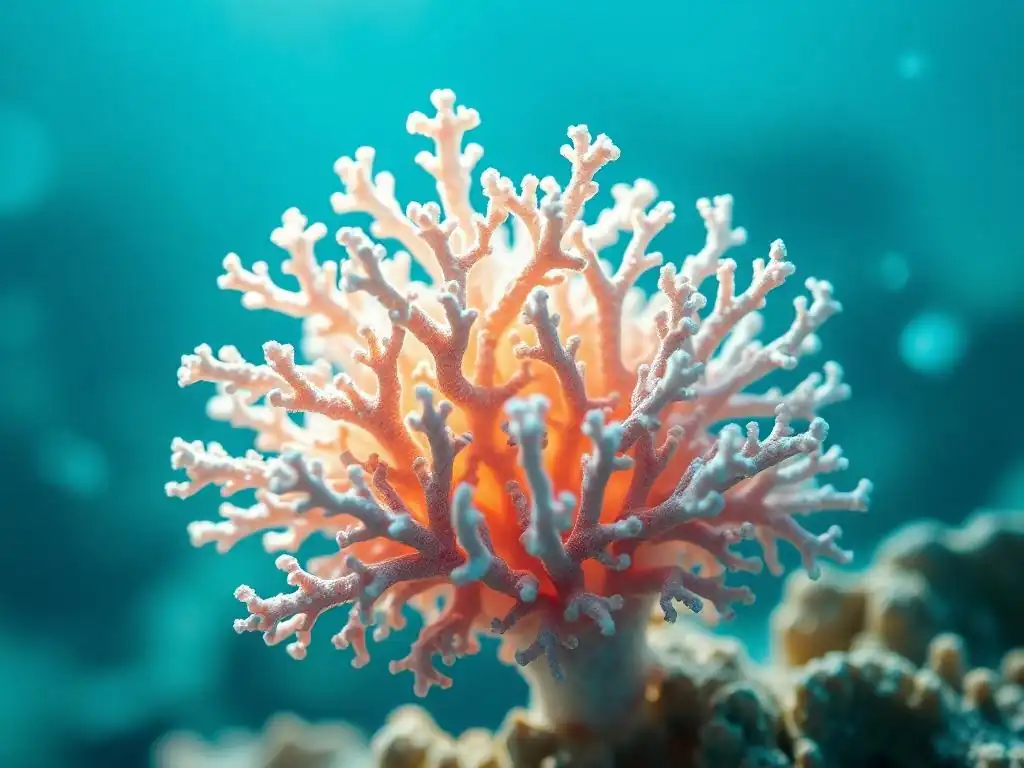
Acclimation is a critical step when introducing new Acropora corals or upgrading an existing lighting system. Corals acquired from lower light environments, or those that have been shipped, are highly susceptible to light shock if suddenly exposed to high PAR levels. This can rapidly lead to bleaching, where the coral expels its symbiotic zooxanthellae, or tissue necrosis.
A gradual acclimation schedule is essential. For new corals, start with them placed in a lower light area of the tank (e.g., PAR of 100-150 µmol·m⁻²·s⁻²) or by reducing the overall light intensity of your system by 40-50% for the first week. Gradually increase the intensity by 5-10% weekly, or move the coral to higher light positions, over a period of 4-8 weeks until the target Acropora lighting level is reached. Observe the coral closely for any signs of stress, such as paling or browning, and slow down the acclimation if necessary.
Monitoring and Adjusting Lighting Intensity: Avoiding Light Shock
Regular monitoring of your Acropora's response to light is paramount. While a PAR meter provides objective data, visual cues from the corals themselves are equally important. Paling or bleaching, particularly around the tips or areas directly exposed to light, typically indicates too much light. Conversely, browning or a loss of vibrant color may suggest insufficient light, as the zooxanthellae population increases to compensate for lower light levels.
Adjustments to Acropora lighting should always be made incrementally. If using an LED system, small daily or weekly percentage changes are ideal. For T5 or metal halide systems, consider adjusting the photoperiod (duration of light), raising the fixture, or adding diffusers. Remember that as Acropora colonies grow, they may shade lower branches or neighboring corals, necessitating further adjustments to ensure all parts of the reef receive optimal light.
Acropora Flow: Replicating Natural Reef Currents
The Role of Water Flow in Acropora Health and Growth
Water flow is as crucial as lighting for the success of Acropora corals. In their natural reef habitats, Acropora are exposed to powerful, dynamic currents that provide a multitude of benefits. This robust Acropora flow facilitates the efficient delivery of nutrients, trace elements, and dissolved gases (like oxygen and carbon dioxide) to the coral polyps, which are vital for respiration and calcification.
Equally important, strong water movement helps to remove metabolic waste products, such as oxygen bubbles produced during photosynthesis, and prevents detritus from settling on the coral tissue. Accumulated detritus can smother polyps, lead to tissue necrosis, and encourage bacterial infections. Optimal Acropora flow also strengthens the coral's skeletal structure by encouraging uniform growth and can deter the settlement of nuisance algae on the coral's surface.
Types of Flow for Acropora: Laminar vs. Turbulent Flow
While strong flow is essential, the type of flow is equally critical for Acropora. Laminar flow, characterized by a constant, unidirectional stream, is generally detrimental. Prolonged exposure to laminar flow can physically damage coral tissue, strip polyps, or create "dead spots" on the opposite side of the coral where waste can accumulate, leading to localized tissue loss.
Acropora thrive in turbulent, chaotic, and unpredictable flow patterns. This type of Acropora flow mimics the natural wave action and currents found on exposed reef crests, ensuring that all surfaces of the coral receive intermittent flow from various directions. Turbulent flow allows polyps to extend and feed effectively while preventing the buildup of boundary layers (stagnant water films) around the coral tissue, maximizing gas and nutrient exchange.
Powerhead Placement and Optimization for Acropora Colonies
Effective powerhead placement is key to achieving the desired turbulent Acropora flow. Rather than directing a single powerful stream directly at a coral, it's advisable to use multiple powerheads strategically positioned to create opposing or intersecting currents. For example, placing two powerheads on opposite sides of the tank, or in diagonal corners, can generate chaotic flow throughout the aquascape.
Consider aiming powerheads towards rockwork or the water surface to break up the flow and create indirect turbulence, which is less harsh on delicate coral tissue while still providing strong movement. Using wavemakers or powerheads with random flow modes (e.g., pulsing, gyre modes) further enhances the chaotic nature of the flow. For a 4-foot, 120-gallon tank, a total flow rate generated by powerheads might be in the range of 8,000-12,000 GPH, distributed by two or more pumps, to provide adequate Acropora flow.
Preventing Dead Spots: Ensuring Adequate Circulation
Dead spots, areas within the aquarium where water flow is minimal or non-existent, are a significant threat to Acropora health. These stagnant zones allow detritus, uneaten food, and other organic waste to settle and accumulate on coral tissue or within the rockwork. This accumulation leads to localized nutrient spikes, fosters anaerobic conditions, and can cause tissue necrosis on the affected parts of the coral.
To identify dead spots, observe the movement of fine particulate matter or detritus in your tank. If particles settle rapidly in certain areas, those are potential dead spots. Adjusting powerhead angles, adding smaller circulation pumps in problem areas, or rearranging rockwork to improve water channels can help eliminate these zones. Ensuring every branch and crevice of your Acropora receives consistent, turbulent Acropora flow is crucial for long-term health and preventing tissue loss.
Flow and Detritus Management: Keeping Acropora Clean
Beyond nutrient and gas exchange, one of the most vital functions of proper Acropora flow is effective detritus management. Acropora colonies, with their intricate branching structures, can easily trap detritus if water movement is insufficient. This trapped organic matter decomposes, leading to localized nutrient spikes and providing a breeding ground for harmful bacteria, which can cause bacterial infections and tissue loss.
Strong, turbulent Acropora flow actively prevents detritus from settling on the corals, keeping their polyps clean and free from obstruction. The constant movement suspends particulate waste in the water column, allowing it to be efficiently captured by mechanical filtration, such as filter socks, filter floss, or a protein skimmer. Regular cleaning of mechanical filtration and siphoning of any settled detritus in low-flow areas of the sump or display tank further supports a pristine environment for Acropora.
Acropora Water Parameters: Achieving Stability and Balance
Essential Water Parameters for Acropora: Alkalinity, Calcium, and Magnesium
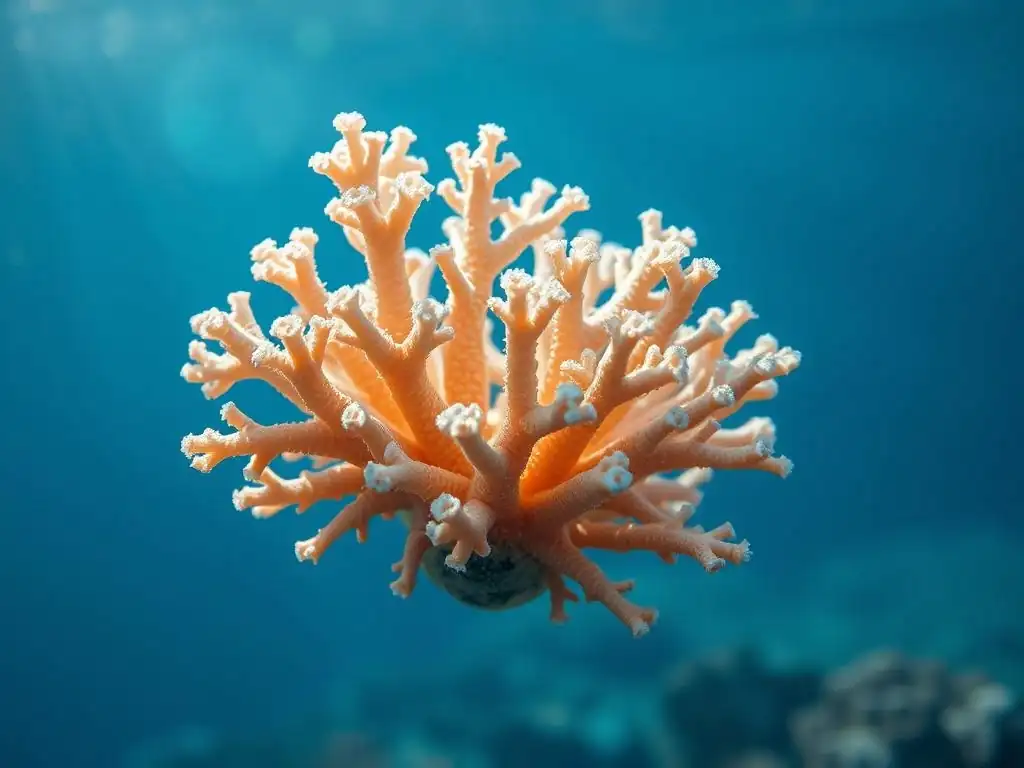
Acropora corals are prolific calcifiers, meaning they rapidly build their calcium carbonate skeletons. This process heavily relies on the availability and stability of three key water parameters: alkalinity (dKH), calcium (Ca), and magnesium (Mg). Alkalinity provides the carbonate ions necessary for calcification, Calcium is the primary building block of the skeleton, and Magnesium helps maintain the correct ionic balance, preventing calcium carbonate from precipitating out of solution.
For optimal Acropora health and growth, target ranges are typically: Alkalinity between 7.5 and 8.5 dKH (some successful systems operate slightly higher, but stability is paramount), Calcium between 400 and 450 ppm, and Magnesium between 1250 and 1350 ppm. Consistent testing, ideally 2-3 times per week for alkalinity and weekly for calcium and magnesium, is crucial to monitor consumption and maintain these critical Acropora water parameters.
Maintaining Stable Alkalinity: The Key to Acropora Skeletal Growth
Alkalinity is arguably the most important and most rapidly consumed parameter in a tank with growing Acropora. These corals draw on carbonate hardness to build their skeletons, and even small daily fluctuations (e.g., more than 0.5 dKH in 24 hours) can stress them, leading to reduced growth, paling, or even tissue recession. Stability is far more critical than hitting an exact number within the recommended range.
To maintain stable alkalinity, automated dosing systems are highly recommended. Two-part solutions (e.g., B-Ionic, ESV B-Ionic) or a calcium reactor are common methods. A calcium reactor continuously dissolves calcium carbonate media with CO2, releasing calcium and alkalinity. Dosing pumps, delivering small, frequent doses of a two-part solution throughout the day, prevent the large swings that can occur with manual daily dosing, thus ensuring consistent Acropora water parameters.
Calcium and Magnesium Balance: Preventing Precipitation and Promoting Growth
Calcium is directly incorporated into the Acropora skeleton, and its consumption mirrors the coral's growth rate. Magnesium, while consumed at a slower rate, plays a vital role as a buffering agent, preventing calcium carbonate from prematurely precipitating out of the water column. If magnesium levels are too low, calcium can become unavailable, leading to cloudy water and inhibited calcification for your Acropora.
Regular testing of both calcium and magnesium is essential to ensure they remain within their optimal ranges and in balance. If calcium levels are consistently low despite adequate dosing, or if you observe precipitation on heaters or pump impellers, a low magnesium level is often the underlying cause. Dosing magnesium supplements (e.g., magnesium chloride, magnesium sulfate) can correct deficiencies and allow calcium to remain in solution, promoting healthy Acropora growth.
Nitrate and Phosphate Levels: Finding the Right Balance
Acropora thrive in Ultra-Low Nutrient Systems (ULNS), where nitrates and phosphates are kept very low. High levels of these nutrients can cause Acropora to "brown out" (due to an overpopulation of zooxanthellae) and can encourage the growth of nuisance algae that can outcompete or smother the corals. Target nitrate levels are typically below 5 ppm (ideally 0.2-2 ppm), and phosphates below 0.05 ppm (ideally 0.01-0.03 ppm).
However, completely zeroing out nutrients is not advisable, as Acropora still require trace amounts for their metabolic processes and coloration. Achieving this delicate balance often involves a combination of strategies: a robust protein skimmer, a refugium with macroalgae (e.g., Chaetomorpha), GFO (granular ferric oxide) or biopellets for phosphate and nitrate reduction, and controlled feeding. Regular testing of these Acropora water parameters is crucial to prevent nutrient spikes.
Salinity and Temperature: Maintaining Optimal Conditions
Stability in salinity and temperature is non-negotiable for Acropora. Rapid fluctuations in either parameter can induce severe stress, leading to bleaching or tissue recession. An ideal salinity for Acropora is typically 1.025-1.026 specific gravity, or 35 parts per thousand (ppt). An Auto Top-Off (ATO) system is indispensable for maintaining consistent salinity by automatically replacing evaporated freshwater.
Temperature should be kept stable within a narrow range, typically 76-79°F (24.4-26.1°C). Swings greater than 2°F in a short period can be detrimental. Reliable heaters with controllers are essential, and for warmer climates or tanks with high-output lighting (contributing to heat), a chiller may be necessary. Consistent monitoring and maintenance of these Acropora water parameters prevent thermal shock and osmotic stress.
Trace Elements and Additives: Enhancing Acropora Coloration and Health
Beyond the "big three" (alkalinity, calcium, magnesium), Acropora utilize a variety of trace elements for their metabolic functions, enzyme activity, and the vibrant expression of their colors. Elements such as Iodine, Strontium, Boron, Potassium, and Iron are consumed by corals and other inhabitants. These are primarily replenished through regular water changes with high-quality salt mixes.
For advanced Acropora keepers, targeted trace element dosing can further enhance coloration and growth, especially in ULNS systems where natural replenishment might be insufficient. For example, Potassium can intensify pink and red pigments, while Iron can benefit green hues. However, caution is advised: over-dosing trace elements can be more harmful than beneficial. It's always best to dose based on observed deficiencies or specific product instructions, keeping overall Acropora water parameters in mind.
Advanced Acropora Care Techniques
Coral Placement: Optimizing for Light, Flow, and Space
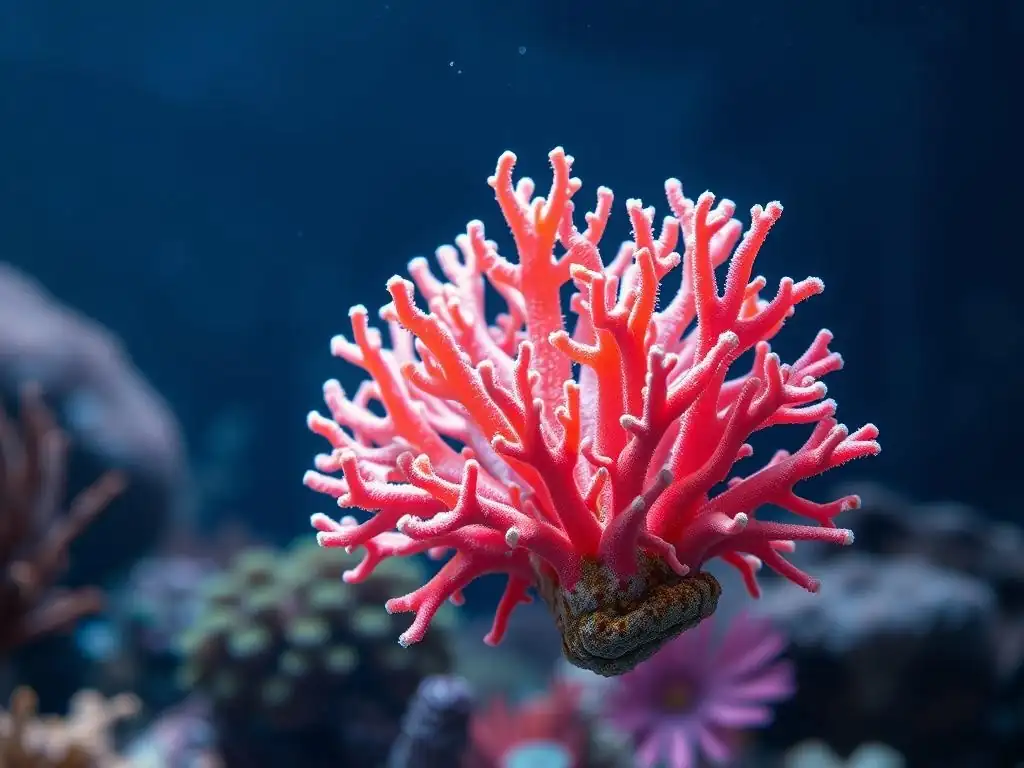
Strategic coral placement is a fundamental advanced Acropora care technique, directly influencing their growth, coloration, and overall health. Each Acropora colony should be positioned to receive its optimal Acropora lighting (typically higher in the tank for high PAR) and robust, turbulent Acropora flow from multiple directions. Avoid placing them in shadowed areas or where flow is consistently laminar.
Consider the future growth of the colony. Acropora can grow rapidly, sometimes several inches per year, so provide ample space between colonies and other corals to prevent shading or chemical warfare as they mature. Taller, branching species should be placed higher on the rockwork, while tabling or encrusting varieties might be situated slightly lower but still within zones of high light and strong flow. Proper spacing also allows for better light penetration and water circulation around each individual colony.
Pest Management: Identifying and Treating Common Acropora Pests
Acropora are susceptible to specific pests that can devastate colonies if not managed proactively. The most common include Acropora Eating Flatworms (AEFW - Amakusaplana acroporae), which consume coral tissue, and Red Bugs ( Tegastes acroporanus), tiny copepods that irritate polyps and inhibit extension. Montipora Eating Nudibranchs can also occasionally affect Acropora, though less frequently.
Diligent inspection of all new corals, often involving a prophylactic dip (e.g., Revive, CoralRx) before introduction, is the first line of defense. For active infestations, specific treatments are available: Flatworm Exit for AEFW, or Interceptor for Red Bugs, combined with manual removal and siphoning of eggs. Early detection through regular observation of your Acropora for signs of irritation, tissue loss, or visible pests is crucial for successful eradication and maintaining healthy Acropora lighting flow parameters.
Coral Feeding: Supplementing Nutrition for Enhanced Growth and Color
While Acropora derive the majority of their energy from photosynthesis via zooxanthellae, supplemental feeding can significantly enhance their growth rates and intensify their coloration, particularly in Ultra-Low Nutrient Systems (ULNS). Acropora are micro-feeders, capable of consuming phytoplankton, zooplankton, and dissolved organic matter.
Target feeding small amounts of fine particulate foods (e.g., Reef Roids, Polyp Lab Reef-Roids, or liquid phytoplankton/zooplankton) a few times a week is beneficial. It's often best to feed when tank lights are dimming or off, as polyps tend to extend more fully. Briefly turning off powerheads during feeding allows the corals to capture food more effectively, minimizing the amount of uneaten food that could contribute to nutrient spikes. This supplemental nutrition complements the energy derived from optimal Acropora lighting.
Fragging Acropora: Propagating and Growing New Colonies
Fragging Acropora is a common and rewarding practice for hobbyists, allowing for propagation, managing colony size, and sharing corals with others. It involves carefully cutting a small branch or tip from a healthy, established colony to create a new, genetically identical clone. This process also encourages branching and bushier growth in the parent colony.
The process involves using specialized tools like bone cutters to make a clean cut, minimizing the coral's time out of water. After cutting, it's advisable to dip the frag in an antiseptic solution (e.g., diluted Lugol's iodine) to prevent infection. The frag is then typically glued to a frag plug or small piece of live rock using cyanoacrylate gel. New frags should initially be placed in slightly lower Acropora lighting and flow areas to recover before being moved to optimal conditions for growth.
Troubleshooting Common Acropora Problems
Identifying Signs of Stress in Acropora: Color Loss, Tissue Recession, and Bleaching
Recognizing early signs of stress in Acropora is critical for timely intervention. Color loss is a common indicator: paling or lightening of colors often suggests too much Acropora lighting or nutrient deficiency, while browning typically points to too many nutrients or insufficient light (due to an overpopulation of zooxanthellae trying to compensate).
More severe signs include Tissue Recession (RTN - Rapid Tissue Necrosis, or STN - Slow Tissue Necrosis), where tissue peels away from the skeleton, often starting from the base or tips. This indicates severe stress, infection, or environmental shock. Bleaching, the complete expulsion of zooxanthellae, results in a stark white skeleton and is usually caused by extreme light, temperature, or salinity fluctuations, often due to improper Acropora lighting flow parameters.
Diagnosing the Root Cause of Acropora Problems: Light, Flow, or Water Quality
When an Acropora shows signs of stress, a systematic diagnostic approach is essential. Begin by immediately testing all critical Acropora water parameters: alkalinity, calcium, magnesium, salinity, temperature, nitrates, and phosphates. Use reliable test kits and ensure they are not expired. Significant deviations from ideal ranges are often the primary culprits.
Next, evaluate the Acropora lighting and flow. Has anything changed recently? Is the coral receiving adequate, turbulent flow, or is it in a dead spot or receiving direct, harsh laminar flow? Are PAR levels appropriate for the species and its placement? Finally, inspect the coral for visible pests (AEFW, Red Bugs) or signs of physical damage. Often, problems arise from a combination of these factors, emphasizing the need for balanced Acropora lighting flow parameters.
Implementing Corrective Measures: Restoring Acropora Health
Once the root cause of the Acropora problem is diagnosed, implementing corrective measures promptly and gradually is key. If water parameters are off, make slow, incremental adjustments. For example, if alkalinity is low, increase dosing by no more than 0.5 dKH per day until the target range is reached. Rapid changes can cause further stress.
For lighting issues, adjust the intensity by small percentages or relocate the coral to a more suitable PAR zone. For flow problems, reposition powerheads, add more circulation, or clear any obstructions. If pests are confirmed, initiate the appropriate treatment protocol (e.g., dipping, medication). In severe cases, moving the affected Acropora to a "hospital tank" with perfectly stable Acropora lighting flow parameters can provide a controlled environment for recovery.
Preventing Future Issues: Proactive Maintenance Strategies
The best way to troubleshoot Acropora problems is to prevent them from occurring in the first place through proactive and consistent maintenance. Regular water changes (e.g., 10-15% bi-weekly) are vital for replenishing trace elements and diluting accumulated wastes. Consistent, automated dosing of alkalinity, calcium, and magnesium is paramount to prevent parameter swings.
Implement a robust filtration system, including a properly sized protein skimmer, and consider a refugium or media reactors (GFO, carbon) to maintain ultra-low nutrient levels. Adhere to a strict testing schedule for all Acropora water parameters, and keep detailed logs to track consumption and identify trends. Finally, quarantine all new corals for at least 3-4 weeks to prevent the introduction of pests and diseases, ensuring the long-term stability of your Acropora lighting flow parameters.
Conclusion: Long-Term Success with Acropora
The Rewards of Mastering Acropora Care
Mastering the intricate demands of Acropora coral care is undoubtedly one of the most challenging yet profoundly rewarding endeavors in the reef aquarium hobby. The journey requires dedication, patience, and a deep understanding of marine biology. However, the payoff is immense: a vibrant, dynamic, and breathtakingly beautiful reef ecosystem teeming with life. Observing Acropora corals flourish, exhibit their full spectrum of colors, and rapidly build intricate structures is an unparalleled experience that validates every effort.
The success achieved with Acropora transcends mere survival; it signifies a harmonious balance within the entire system. When you successfully dial in Acropora lighting flow parameters, along with water chemistry, you create an environment where these sensitive corals not only survive but truly thrive, showcasing their spectacular natural beauty and contributing to the overall health and stability of your reef aquarium.
Continuing Education: Staying Up-to-Date on the Latest Acropora Research and Techniques
The field of reef keeping is continuously evolving, with new research, technologies, and husbandry techniques emerging regularly. To achieve long-term success with Acropora and maintain a thriving reef, continuous education is crucial. Staying informed about the latest advancements in Acropora lighting, flow technology, water parameter management, and pest control will empower you to adapt and refine your care strategies.
Engage with online forums, participate in local reef club meetings, read scientific publications, and attend industry events. Learn from the experiences of other successful Acropora keepers and be open to adjusting your methods based on new insights. Patience, keen observation, and a willingness to continuously learn and fine-tune your Acropora lighting flow parameters are the ultimate keys to unlocking the full potential of these magnificent corals.
Frequently Asked Questions
What are the most crucial factors for Acropora health in a reef aquarium?
The most crucial factors are precise lighting intensity and spectrum, consistent water flow to deliver nutrients and remove waste, and stable water parameters such as alkalinity, calcium, and magnesium.
How important is lighting specifically for Acropora corals?
Lighting is extremely important. Acropora requires intense PAR (Photosynthetically Active Radiation) within specific spectrums to fuel photosynthesis by their symbiotic zooxanthellae algae. Insufficient or incorrect lighting leads to bleaching and death.
What type of water flow is ideal for maintaining healthy Acropora colonies?
Acropora thrives with strong, turbulent, and randomized water flow. This ensures adequate nutrient delivery, prevents detritus buildup, and mimics their natural environment. Avoid laminar flow which can create stagnant areas.
What are the ideal water parameter ranges for keeping Acropora?
Maintaining stable water parameters is key. Aim for alkalinity between 7-11 dKH, calcium levels between 400-450 ppm, and magnesium levels between 1250-1350 ppm. Regular testing and adjustments are vital.
What are some common signs that my Acropora is not receiving adequate lighting or flow?
Common signs include bleaching, tissue recession (RTN/STN), dull coloration, and increased algae growth on the coral skeleton. Correcting these issues promptly is crucial for coral survival.
Final Reflection: Illuminating the Path to Coral Prosperity
The journey into understanding the delicate balance required for Acropora cultivation, as explored in this article, highlights the critical interplay between lighting, flow, and water parameters in achieving unparalleled success. This isn't just about keeping corals alive; it's about fostering vibrant, thriving ecosystems within our own homes, mirroring the beauty and complexity of the natural reef. The meticulous attention to detail required serves as a microcosm of the broader responsibility we have to protect and preserve these fragile environments.
This pursuit of optimal conditions for Acropora underscores the profound impact we have on the natural world, even within the confines of our aquariums. The dedication and precision required to nurture these corals reflect a deeper commitment to understanding and respecting the intricacies of marine life. As we learn to mimic the ocean's rhythms and chemistry, we gain a greater appreciation for its fragility and the importance of conservation. In the end, we will conserve only what we love; we will love only what we understand; and we will understand only what we are taught.
- Baba Dioum. This quote perfectly encapsulates the transformative power of knowledge and its role in inspiring environmental stewardship.
Now, armed with a deeper understanding of Acropora's needs, I invite you to reflect on your own relationship with the natural world. Consider how you can apply the principles of precision and care, learned through the lens of coral husbandry, to other aspects of your life. Let the pursuit of a thriving Acropora colony be a constant reminder of the interconnectedness of all things and inspire you to become a more conscious and responsible steward of our planet.
Ignite Acropora Growth: Your Reef Transformation Starts Now!
Thank you for diving into the world of Acropora! We hope this article has illuminated the path to vibrant colors and thriving colonies in your reef aquarium. Now, it's time to put that knowledge into action and witness the incredible potential of your Acropora.
Here's how you can take the next steps:
- Reassess your lighting intensity and spectrum based on PAR measurements and adjust your schedule incrementally. Monitor your Acropora’s reaction over the next few weeks for optimal results.
- Share your Acropora success story! Post photos and your parameter details on reef forums or social media, inspiring other reef keepers in the community.
- Experiment with strategically placed powerheads to create dynamic, turbulent flow that mimics natural reef environments, boosting nutrient delivery and waste removal.
What specific lighting or flow challenge are you facing with your Acropora right now, and how are you planning to tackle it this week?