
Are Your SPS Corals Starving or Overfed? Recognizing Signs of Nutrient Imbalance

Welcome to Aquarium Mastery!
Ever wondered if your vibrant SPS corals are truly thriving? Unlocking the secrets to perfect water parameters is crucial, but what happens when nutrient levels go awry? Dive into our comprehensive guide on SPS coral nutrient imbalance and learn to recognize the subtle signs that indicate your corals are either starving or overfed. Discover how to fine-tune your reef tank's ecosystem and ensure the long-term health and dazzling colors of your prized SPS. Ready to master the art of coral husbandry? Let's get started!
- Understanding SPS Coral Nutrition: A Delicate Balance
- Identifying Signs of SPS Coral Starvation (Ultra-Low Nutrient Systems - ULNS)
- Recognizing Signs of SPS Coral Overfeeding (High Nutrient Systems)
- Differentiating Between Starvation and Overfeeding: A Comparative Analysis
- Diagnosing the Root Cause of SPS Coral Nutrient Imbalance
- Correcting SPS Coral Nutrient Imbalances: Practical Solutions
- Preventing Future SPS Coral Nutrient Imbalances: Best Practices
- Case Studies: Real-World Examples of SPS Coral Nutrient Problems and Solutions
- Conclusion: Maintaining a Stable Nutrient Environment for Thriving SPS Corals
-
Frequently Asked Questions
- What are SPS corals, and why are they sensitive to nutrient imbalances?
- What are the key signs that my SPS corals are suffering from nutrient deficiency (starving)?
- What are the key signs that my SPS corals are suffering from nutrient excess (overfeeding)?
- How can I test for nutrient imbalances in my aquarium water?
- What steps can I take to correct nutrient imbalances in my SPS coral aquarium?
- Final Reflection: Navigating the Delicate Balance of Reef Life
- Unleash Vibrant Colors: Take Control of Your SPS Coral Nutrition!
Understanding SPS Coral Nutrition: A Delicate Balance
The Importance of Nutrient Levels for SPS Coral Health
Small Polyp Stony (SPS) corals, such as Acropora, Montipora, and Seriatopora, rely heavily on a symbiotic relationship with zooxanthellae, microscopic algae living within their tissues. These zooxanthellae perform photosynthesis, converting light energy into sugars that provide up to 90% of the coral's energy needs. For this process to be efficient, the zooxanthellae require specific nutrient levels, primarily nitrate and phosphate, to thrive and produce the energy the coral needs for growth and calcification.
Maintaining the correct balance of these nutrients is paramount. Too little can starve the zooxanthellae and, by extension, the coral, leading to a severe energy deficit. Conversely, too much can lead to an overpopulation of zooxanthellae or even toxic conditions, which can be equally detrimental. This delicate equilibrium directly impacts calcification rates, coloration, and overall vitality, making SPS coral nutrient imbalance a critical factor in their long-term survival and vibrancy in a reef aquarium.
Defining "Nutrients" in the Context of SPS Coral Care
In the context of SPS coral care, "nutrients" primarily refer to dissolved inorganic compounds like nitrate (NO3) and phosphate (PO4). These are natural byproducts of the nitrogen cycle, originating from fish waste, uneaten food, and decaying organic matter. While essential in trace amounts for all life, including the zooxanthellae within corals, they become pollutants when present in excess.
Beyond nitrates and phosphates, other substances like dissolved organic carbon (DOC) and trace elements (e.g., iron, iodine) also play a role in coral nutrition. However, nitrate and phosphate are the most commonly discussed and measured "nutrients" due to their direct impact on zooxanthellae density and nuisance algae growth. For optimal SPS health, aquarists often aim for ultra-low nutrient (ULN) levels, typically targeting nitrates between 0.2-2 ppm and phosphates between 0.02-0.08 ppm, as deviations from these narrow ranges can quickly result in SPS coral nutrient imbalance.
Why SPS Corals Are Sensitive to Nutrient Imbalances
SPS corals originate from oligotrophic waters, meaning their natural habitats on coral reefs are characterized by very low nutrient concentrations. Over millions of years, these corals have evolved to thrive in such pristine, nutrient-poor environments. Their delicate polyps and high calcification rates demand highly stable water parameters and minimal organic pollution.
When exposed to nutrient levels outside their natural range, SPS corals experience significant stress. High nutrient levels can cause zooxanthellae to overpopulate, leading to coral tissue darkening, or in extreme cases, expulsion (bleaching), both of which are detrimental. Conversely, insufficient nutrients lead to zooxanthellae starvation and subsequent coral energy depletion. This inherent sensitivity makes precise management of nutrient levels, avoiding any significant SPS coral nutrient imbalance, absolutely essential for their survival and vibrant coloration in a captive environment.
Identifying Signs of SPS Coral Starvation (Ultra-Low Nutrient Systems - ULNS)
Pale Colors and Loss of Pigmentation in SPS Corals: A Key Indicator
One of the most noticeable signs of SPS coral starvation in an ultra-low nutrient system (ULNS) is a significant loss of color, leading to pale or washed-out appearances. The vibrant hues of SPS corals are largely derived from the photosynthetic pigments within their symbiotic zooxanthellae. When nutrient levels, particularly nitrates and phosphates, drop too low (e.g., nitrates consistently below 0.1 ppm and phosphates below 0.01 ppm), the zooxanthellae population within the coral tissue can diminish.
This reduction in zooxanthellae density directly translates to a faded appearance. For instance, a healthy Acropora millepora that once exhibited a brilliant red might turn a pale pink or even a ghostly beige. Similarly, a vibrant blue Acropora valida could lose its intensity and appear almost white. This bleaching or paling is a clear visual cue that the coral is not receiving adequate energy from its zooxanthellae, indicating a severe SPS coral nutrient imbalance leaning towards starvation.
Slow or Stunted Growth in SPS Corals
Energy deficiency directly impedes the coral's ability to build its calcium carbonate skeleton, a process known as calcification. Healthy SPS corals are known for their relatively fast growth rates, with some species of Acropora capable of adding several millimeters of new skeletal material per month under optimal conditions.
However, when corals are starving due to insufficient nutrients, their energy reserves are depleted, and they cannot allocate enough resources to calcification. Instead of showing consistent growth, a nutrient-deprived Montipora digitata might exhibit almost no measurable tip extension or encrusting growth over a period of three to four months. In severe cases, the coral might even appear to shrink slightly as it struggles to maintain its existing structure. This dramatic slowdown or cessation of growth is a definitive symptom of SPS coral nutrient imbalance where the essential building blocks for expansion are scarce.
Tissue Recession and Skeleton Exposure in Starving SPS
As starvation progresses and the coral's energy reserves dwindle, it may begin to consume its own tissue for survival. This leads to a phenomenon known as tissue recession, where the coral flesh pulls away from its skeleton, exposing the underlying white calcium carbonate structure. This recession often starts from the base of the coral or its tips and can progress slowly or rapidly depending on the severity of the nutrient deprivation.
A common observation is an Acropora colony displaying a stark white band around its base, where the living tissue has retreated, gradually moving upwards. This exposed skeleton is highly vulnerable to algae growth and bacterial infections, further compromising the coral's health. The appearance of areas of bare white skeleton, particularly if creeping up from the bottom of the frag or colony, is a critical visual indicator of a severe SPS coral nutrient imbalance and advanced nutrient deprivation.
Increased Susceptibility to Diseases and Pests in Nutrient-Deprived SPS
A coral suffering from nutrient deprivation is in a weakened physiological state, which severely compromises its natural immune response. Just like any living organism, a starved coral lacks the energy and resources to effectively fight off pathogens and pests. This diminished resilience makes them significantly more vulnerable to various common aquarium ailments.
For instance, a healthy SPS coral might be able to ward off minor bacterial infections or resist infestations by pests like red bugs ( Tegastes acroporanus). However, a nutrient-deprived coral, experiencing an SPS coral nutrient imbalance, will find itself overwhelmed by these stressors. They are more likely to succumb to opportunistic infections, develop necrotic patches, or suffer severe damage from pest outbreaks that would typically be manageable in a thriving, well-fed colony.
Recognizing Signs of SPS Coral Overfeeding (High Nutrient Systems)
Darkening of SPS Coral Tissue: A Sign of Excess Nutrients
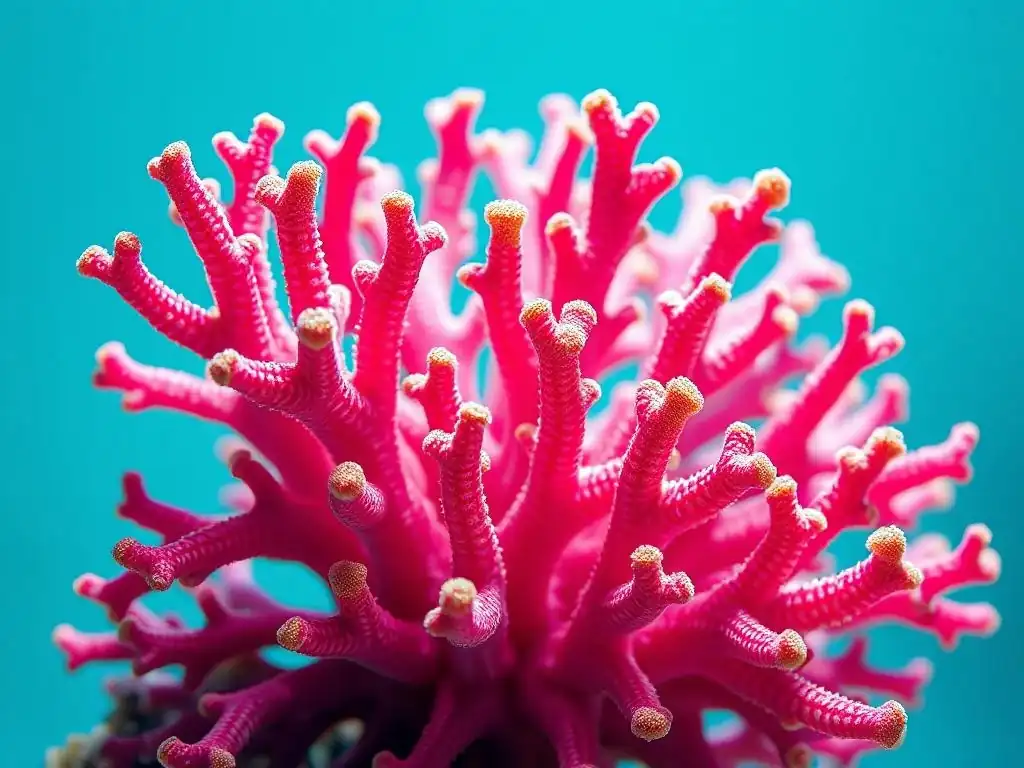
One of the earliest and most common indicators of excess nutrients in an SPS coral system is a noticeable darkening of the coral's tissue. This phenomenon occurs because high levels of nitrate (e.g., consistently above 10 ppm) and phosphate (e.g., above 0.1 ppm) fuel an overgrowth of zooxanthellae within the coral's tissues. While zooxanthellae are essential, an excessive density of these symbiotic algae can cause the coral to appear dull, muddy, or even brown, masking its natural vibrant colors.
For example, a vivid blue Acropora valida might transform into a murky olive-brown, or a bright green Montipora capricornis may lose its crisp coloration and take on a dull, dark green hue. This change in pigmentation is a direct result of the coral's attempt to manage the overpopulation of zooxanthellae, which can become counterproductive. This visual shift is a primary diagnostic sign of an SPS coral nutrient imbalance caused by chronic overfeeding or insufficient nutrient export.
Excessive Algae Growth on SPS Corals and the Surrounding Environment
High nutrient levels in the water column act as a potent fertilizer for all photosynthetic organisms, not just the beneficial zooxanthellae. Consequently, an overfed system, characterized by elevated nitrates and phosphates, frequently experiences explosive growth of nuisance algae. This includes various forms such as diatoms (brown film), cyanobacteria (red slime algae), and particularly problematic green hair algae.
These aggressive algae can quickly colonize the tank's rockwork, sandbed, and, critically, the coral skeletons themselves. They compete with the corals for light and space, and in severe cases, can directly grow over and suffocate the coral tissue, leading to localized tissue loss. For instance, a reef tank with nitrates consistently at 15 ppm and phosphates at 0.2 ppm might see rapid proliferation of hair algae directly on the base of Acropora frags, clearly indicating a significant SPS coral nutrient imbalance that is fueling undesirable growth.
Brown Jelly Disease and Other Infections in Overfed SPS
High nutrient levels and excessive organic loads in an aquarium create an environment conducive to the proliferation of pathogenic bacteria. When corals are stressed by these suboptimal conditions, their natural defenses are weakened, making them highly susceptible to various infections. Brown Jelly Disease (BJD) is a particularly devastating and rapidly progressing infection often associated with poor water quality and high organic matter.
A coral afflicted with BJD will exhibit a slimy, brownish-red, jelly-like goo that quickly consumes the coral tissue, often leading to complete colony loss within hours or days. While BJD can be triggered by physical damage, it is frequently observed in systems with chronically high nutrient levels. The compromised health of the coral due to an underlying SPS coral nutrient imbalance makes it an easy target for such aggressive bacterial infections.
Rapid Tissue Necrosis (RTN) and Slow Tissue Necrosis (STN) due to High Nutrients
Rapid Tissue Necrosis (RTN) and Slow Tissue Necrosis (STN) are severe forms of tissue death that can affect SPS corals, often triggered by acute or chronic stress, including significant nutrient imbalances. RTN is characterized by extremely fast tissue loss, often consuming an entire coral colony within hours, leaving behind a stark white skeleton. STN is a slower, creeping form of tissue loss that can take days or weeks to progress.
While various factors can cause RTN/STN, sudden spikes or persistently high levels of nitrates and phosphates are well-documented triggers. For example, an accidental overfeeding incident that causes phosphates to jump from a stable 0.05 ppm to an acute 0.5 ppm could induce RTN in an otherwise healthy Acropora colony overnight. This acute and severe response underscores the devastating impact that an extreme SPS coral nutrient imbalance can have on SPS corals.
Differentiating Between Starvation and Overfeeding: A Comparative Analysis
Coloration as a Diagnostic Tool: Pale vs. Dark
Coloration is often the first and most obvious visual cue when diagnosing SPS coral nutrient imbalance. Starving corals, due to a diminished population of zooxanthellae, will typically appear pale, washed out, or even bleached white. Their vibrant blues, greens, or reds will fade to pastel shades or become entirely absent.
Conversely, corals in a high-nutrient, overfed system will tend to darken. The increased density of zooxanthellae, fueled by excess nitrates and phosphates, causes their tissues to take on a muddy brown, dull green, or overall murky appearance, obscuring their natural brilliance. Observing the overall color vibrancy across multiple colonies in your tank can provide a quick, initial assessment of the nutrient status.
Growth Rate: Slow vs. Normal/Fast (with Algae Issues)
Another critical differentiator is the coral's growth rate. Starving SPS corals, lacking sufficient energy, will exhibit significantly stunted growth or even a complete cessation of new skeletal development. You might notice no measurable tip growth or encrusting over several weeks or months, and in severe cases, the coral may appear to shrink as it consumes its own tissue.
In contrast, corals in a high-nutrient environment might initially display seemingly normal or even accelerated growth rates due to the abundance of available energy for their zooxanthellae. However, this growth often comes at a cost: it is typically accompanied by pervasive nuisance algae growth on the coral's base or surrounding rockwork, and the coral's tissue may appear darker or less vibrant. This distinction helps identify whether the SPS coral nutrient imbalance is due to deficiency or excess.
Tissue Condition: Receding vs. Overgrown with Algae
The physical condition of the coral tissue provides further clues. Starving corals will frequently show signs of tissue recession, where the living flesh pulls away from the skeleton, exposing white patches. This recession can be patchy or occur from the base upwards, indicating the coral is consuming itself to survive.
In an overfed system, while the coral tissue might initially appear full, it is often plagued by external issues. Nuisance algae (hair algae, diatoms, cyanobacteria) will commonly grow directly on the coral's skeleton, particularly at the base or between branches, competing for light and space. Additionally, overfed corals are more susceptible to bacterial infections like Brown Jelly Disease, which manifests as slimy, decaying tissue. These contrasting tissue conditions are key in discerning the specific SPS coral nutrient imbalance.
Water Parameters: Testing for Nutrient Levels (Nitrates and Phosphates)
While visual cues are invaluable, accurate water parameter testing is indispensable for confirming the type and severity of SPS coral nutrient imbalance. For starvation (ULNS), nitrate levels will typically be near undetectable, often below 0.2 ppm, and phosphates below 0.02 ppm.
Conversely, in an overfed system, nitrate levels will likely be elevated, often exceeding 10 ppm, and phosphates will be noticeably high, frequently above 0.1 ppm. Regularly testing these parameters with reliable test kits provides objective data to confirm visual observations and guide corrective actions, ensuring you address the correct nutrient issue.
Diagnosing the Root Cause of SPS Coral Nutrient Imbalance
Testing Your Aquarium Water: A Comprehensive Guide
Accurate and consistent water testing is the cornerstone of diagnosing and correcting any SPS coral nutrient imbalance. Without reliable data on your tank's parameters, identifying the root cause of coral distress becomes a mere guessing game. It is crucial to use high-quality, reputable test kits (e.g., Salifert, Hanna, Red Sea) and to establish a routine testing schedule, perhaps weekly for nitrates and phosphates, to track trends and detect issues early.
Maintaining a detailed log of your test results allows you to observe patterns and identify whether nutrient levels are consistently too low or too high, providing objective evidence for your visual observations of coral health. This systematic approach to monitoring water chemistry is far more effective than relying solely on visual cues, which can sometimes be misleading or indicate a problem that has already progressed significantly.
Measuring Nitrate (NO3) Levels
Nitrate is the final product of the nitrification process in the nitrogen cycle, resulting from the breakdown of ammonia and nitrite by beneficial bacteria. High nitrate levels often indicate an excess of organic waste in the system, which can stem from overfeeding, insufficient biological filtration, or decaying organic matter. For SPS corals, ideal nitrate levels are typically kept very low, often below 5 ppm, with many advanced aquarists aiming for ultra-low ranges of 0.2-2 ppm for optimal coloration and growth.
Consistently elevated nitrate readings, such as 15 ppm or higher, are a strong indicator of an SPS coral nutrient imbalance due to excess, contributing to issues like darkened coral tissue and nuisance algae growth. Conversely, nitrate levels consistently below 0.1 ppm might signal a nutrient-deficient system, potentially leading to coral starvation.
Measuring Phosphate (PO4) Levels
Phosphate is another critical nutrient that, in excess, can be highly detrimental to SPS corals and fuel nuisance algae. Phosphates enter the aquarium through various sources, including fish food, tap water (if unfiltered), decaying organic matter, and even some additives. They are a primary limiting nutrient for algae growth, meaning even small increases can trigger significant algal blooms. For SPS corals, maintaining phosphate levels below 0.08 ppm is generally recommended, with optimal ranges often targeted at 0.02-0.04 ppm to prevent browning and promote vibrant coloration.
A phosphate reading of 0.2 ppm or higher is a clear sign of an SPS coral nutrient imbalance and is highly likely to lead to issues such as darkened corals, excessive hair algae, and potentially RTN/STN. Regularly monitoring phosphate levels is crucial, as they can fluctuate more rapidly than nitrates and have a more direct impact on algae.
Testing Alkalinity, Calcium, and Magnesium: Supporting Parameters
While alkalinity (carbonate hardness), calcium, and magnesium are not "nutrients" in the same sense as nitrates and phosphates, they are absolutely vital supporting parameters for SPS coral health and calcification. SPS corals require stable levels of these elements to build their skeletons. Imbalances or significant fluctuations in these parameters can severely stress corals, making them more susceptible to the negative effects of any SPS coral nutrient imbalance and hindering their ability to recover.
Ideal ranges for SPS corals are typically 8-9 dKH for alkalinity, 400-450 ppm for calcium, and 1300-1400 ppm for magnesium. Regular testing of these parameters (e.g., bi-weekly) and maintaining their stability is crucial. A coral struggling with low alkalinity, for example, will have a reduced capacity for calcification, making it appear to grow slowly even if nutrient levels are otherwise ideal, thus exacerbating the overall stress related to any SPS coral nutrient imbalance.
Evaluating Your Feeding Practices: How Much and How Often?
Overfeeding fish and corals is arguably the most common cause of high nutrient levels in a reef aquarium. Any uneaten food, whether flakes, pellets, or frozen foods, will break down and decompose, releasing nitrates and phosphates into the water column. Excessive feeding of fish, especially with high-protein foods, or indiscriminately dosing coral foods can quickly overwhelm a tank's filtration capacity.
It is advisable to feed small amounts of high-quality foods multiple times a day rather than one large meal, ensuring that all food is consumed within a few minutes. For instance, feeding a pinch of flakes to fish once daily might be sufficient, while targeted coral feeding with specialized liquid or particulate foods should be done sparingly, perhaps 2-3 times per week, tailored to the tank's bioload. Carefully evaluating and adjusting your feeding practices is often the first and most effective step in preventing or correcting an SPS coral nutrient imbalance.
Assessing Your Filtration System: Skimmers, Reactors, and Water Changes
The efficiency of your aquarium's filtration system plays a pivotal role in managing nutrient levels. Protein skimmers are essential for removing dissolved organic waste before it breaks down into nitrates and phosphates. An undersized or poorly maintained skimmer will allow more organics to accumulate, directly contributing to high nutrient levels.
Beyond skimming, various other filtration methods impact nutrient levels. GFO (Granular Ferric Oxide) reactors are highly effective at binding and removing phosphates. Carbon dosing (e.g., vodka, vinegar, biopellets) promotes bacterial growth that consumes both nitrates and phosphates. Regular water changes, typically 10-20% weekly, dilute accumulated nutrients and replenish trace elements. An inefficient skimmer, infrequent water changes (e.g., less than 10% monthly), or the absence of effective nutrient export methods (like GFO) can quickly lead to a chronic SPS coral nutrient imbalance.
Examining Your Lighting: PAR Levels and Spectrum
While lighting doesn't directly add nutrients, it significantly influences how corals utilize them and their overall health. Both inadequate and excessive Photosynthetically Active Radiation (PAR) levels can stress corals, impacting the efficiency of their zooxanthellae. If PAR levels are too low (e.g., below 150 PAR at the coral tips for SPS), the zooxanthellae cannot photosynthesize effectively, leading to an energy deficit that mimics starvation, even if nutrient levels are adequate.
Conversely, excessively high PAR levels (e.g., above 500-600 PAR directly at the coral) can cause photoinhibition and lead to bleaching, where corals expel their zooxanthellae as a stress response. This can result in a pale appearance similar to starvation. Additionally, an incorrect light spectrum can hinder zooxanthellae function. Ensuring that your lighting provides appropriate PAR and spectrum for your SPS corals is crucial, as lighting stress can indirectly contribute to or exacerbate an SPS coral nutrient imbalance.
Correcting SPS Coral Nutrient Imbalances: Practical Solutions
Addressing SPS Coral Starvation: Increasing Nutrient Levels Gradually
When SPS corals show signs of starvation in an ultra-low nutrient system, the goal is to gradually increase nutrient availability without causing a sudden spike that could shock the corals or trigger nuisance algae. This process requires careful monitoring and patience.
Dosing Amino Acids and Coral Foods
Dosing amino acids and specialized liquid or particulate coral foods is an effective way to directly provide energy and building blocks to SPS corals and their zooxanthellae. These supplements offer essential nutrients that bypass the need for higher nitrate and phosphate levels, which can otherwise fuel nuisance algae. It's crucial to start with very low doses, for example, 0.5 ml per 100 gallons daily for amino acid solutions, and gradually increase based on coral response and careful observation. This controlled approach helps to gently correct the SPS coral nutrient imbalance by providing direct nutrition.
Reducing Water Changes to Conserve Nutrients
Water changes, while essential for overall water quality, also remove dissolved nutrients. In an ultra-low nutrient system where corals are starving, reducing the frequency or volume of water changes can help to conserve the limited nutrients present in the water column, making them more available for coral uptake.
For instance, if you are performing weekly 15% water changes, you might reduce them to 10% bi-weekly. However, this strategy must be implemented cautiously to prevent the buildup of other undesirable substances or alkalinity/calcium depletion, and only when other methods of nutrient export are minimal to avoid worsening the SPS coral nutrient imbalance.
Adjusting Skimmer Settings to Retain Nutrients
Protein skimmers are highly efficient at removing dissolved organic compounds from the water column before they break down into nitrates and phosphates. In a system where corals are starving, a hyper-efficient skimmer might be removing too many beneficial organics that could otherwise be utilized by the corals or their zooxanthellae.
Adjusting the skimmer to produce a "wet" skim (lighter, more watery skimmate) or even turning it off for short periods daily (e.g., 1-2 hours) can allow some organic matter to remain in the water, providing a subtle increase in nutrient availability. This fine-tuning of the skimmer helps to gently reverse an SPS coral nutrient imbalance caused by overly aggressive nutrient export.
Addressing SPS Coral Overfeeding: Reducing Nutrient Levels Safely
When SPS corals show signs of overfeeding, characterized by darkening tissue and nuisance algae, the primary objective is to safely and effectively reduce nitrate and phosphate levels without causing a sudden crash that could shock the corals. This often involves a multi-pronged approach.
Increasing Water Changes to Dilute Nutrients
Increasing the frequency and volume of water changes is the most direct and immediate way to dilute and remove high concentrations of nitrates and phosphates from the aquarium. For a tank with consistently high nutrient readings, such as nitrates at 20 ppm and phosphates at 0.2 ppm, performing larger water changes (e.g., 25% every 3-4 days for a couple of weeks) can significantly reduce these levels. Once parameters are closer to target, regular weekly water changes of 15-20% can maintain stability. This aggressive dilution is crucial for quickly reversing a severe SPS coral nutrient imbalance caused by excess.
Optimizing Skimmer Performance to Remove Organic Waste
An efficiently operating protein skimmer is a cornerstone of nutrient control in an SPS reef tank. When dealing with high nutrient levels, ensuring your skimmer is properly sized for your tank volume and running optimally is essential. This means producing a dark, thick skimmate on a consistent basis, indicating effective removal of dissolved organic compounds before they can break down into nitrates and phosphates.
Regular cleaning of the skimmer collection cup (daily or every other day) and neck is vital to maintain its efficiency. An optimized skimmer significantly contributes to preventing and resolving an SPS coral nutrient imbalance by actively exporting waste.
Using GFO (Granular Ferric Oxide) or Other Phosphate Removing Media
GFO is a highly effective chemical filtration media specifically designed to bind and remove phosphates from the water column. When battling high phosphate levels (e.g., consistently above 0.1 ppm), using GFO in a fluidized reactor provides maximum contact time and efficiency. It's important to start with a conservative amount of GFO and gradually increase it, monitoring phosphate levels closely to avoid depleting them too rapidly.
Replacing the media regularly, typically every 2-4 weeks or when phosphate levels begin to creep up, is crucial. For instance, implementing a GFO reactor can help bring phosphate levels from 0.2 ppm down to the desired 0.02-0.04 ppm range, effectively correcting the SPS coral nutrient imbalance.
Implementing Carbon Dosing (with Caution)
Carbon dosing, which involves adding a carbon source like vodka, vinegar, or using biopellets, promotes the growth of heterotrophic bacteria in the aquarium. These bacteria consume nitrates and phosphates as part of their metabolic processes, effectively converting them into bacterial biomass that can then be removed by protein skimming or consumed by other tank inhabitants. This is an advanced technique that requires careful monitoring.
Overdosing can lead to rapid oxygen depletion, bacterial blooms, or even RTN. It is typically initiated with very low doses, for example, 0.1 ml of vodka per 25 gallons daily, and gradually increased while closely observing water parameters. While highly effective, improper use can exacerbate an SPS coral nutrient imbalance and harm tank inhabitants.
Preventing Future SPS Coral Nutrient Imbalances: Best Practices
Regular Water Testing and Monitoring
The most fundamental practice for preventing future SPS coral nutrient imbalance is consistent and accurate water testing. Establishing a routine, such as testing nitrates and phosphates weekly and alkalinity, calcium, and magnesium bi-weekly, allows you to track trends and detect subtle shifts in parameters before they become problematic. Maintaining a detailed log of your test results provides a historical record, enabling you to correlate changes in coral appearance or growth with specific water chemistry fluctuations. This proactive monitoring is far more effective than reactive measures taken only when corals show signs of distress, helping to maintain a stable environment.
Implementing a Consistent Feeding Schedule
Controlled and consistent feeding practices are paramount in preventing nutrient buildup. Overfeeding is a primary contributor to high nitrates and phosphates. It's crucial to feed high-quality foods in small, manageable portions that are consumed quickly by your fish and corals. For example, feeding fish once daily with a high-quality pellet or flake, and target feeding corals 2-3 times per week with specialized coral foods, can significantly reduce the amount of uneaten food that decays and pollutes the water. This disciplined approach to feeding directly minimizes the input of raw materials that lead to SPS coral nutrient imbalance.
Maintaining a Balanced Filtration System
A well-designed and consistently maintained filtration system is essential for long-term nutrient management. This involves a multi-faceted approach: an appropriately sized and efficiently running protein skimmer for dissolved organic carbon removal, robust biological filtration (live rock, bio-media) for nitrogen cycle processing, and regular mechanical filtration (filter socks, sponges) to remove particulate waste before it decomposes.
Each component plays a vital role in processing waste and maintaining stable parameters. Regular maintenance, such as cleaning filter socks daily and protein skimmer cups every few days, ensures these systems operate at peak efficiency, preventing the accumulation or depletion of nutrients that lead to SPS coral nutrient imbalance.
Acclimation of New SPS Corals to Your System's Nutrient Levels
New SPS corals are particularly vulnerable to sudden changes in water parameters, including nutrient levels. Even if your tank's nutrient levels are within the ideal range, a coral coming from a different system (e.g., a high-nutrient aquaculture facility to your ULNS system, or vice versa) can experience significant shock. Slow and careful acclimation is crucial. This involves not only temperature and salinity matching but also a gradual introduction to your tank's specific nutrient profile.
Consider a drip acclimation process over several hours for new arrivals. If possible, quarantining new corals in a separate tank for a few weeks allows them to adapt to your system's water parameters, including its nutrient levels, before being introduced into the display. This minimizes stress and helps prevent an immediate SPS coral nutrient imbalance that could trigger tissue loss or bleaching on newly acquired colonies.
Case Studies: Real-World Examples of SPS Coral Nutrient Problems and Solutions
Case Study 1: Montipora capricornis Starvation and Recovery with Amino Acid Dosing
Scenario: In a 120-gallon ultra-low nutrient system (ULNS) that had been running for over a year, a vibrant orange Montipora capricornis colony began to show signs of distress. Over two months, its once brilliant coloration faded significantly to a dull beige, and its growth, previously robust at approximately 0.5 inches per month, stalled completely. Small patches of tissue recession were observed at the base of the colony.
Routine water tests showed nitrates consistently below 0.1 ppm and phosphates below 0.01 ppm, confirmed by a comprehensive ICP-OES test. The owner was performing 15% weekly water changes and running a highly efficient protein skimmer.
Intervention & Outcome: Recognizing the signs of SPS coral nutrient imbalance due to starvation, the owner implemented several changes. Firstly, water changes were reduced to 10% bi-weekly to conserve nutrients. Secondly, the protein skimmer was adjusted to produce a "wetter" skim, allowing more beneficial organics to remain in the water column.
Most critically, the owner began daily dosing of a high-quality amino acid solution, starting at 1 ml per 50 gallons of tank volume. Within four weeks, the Montipora began to show signs of recovery, with a subtle return of its orange pigmentation. After two months of consistent amino acid dosing and adjusted maintenance, the coral had regained its original vibrant orange color, and new growth was clearly visible at its tips, demonstrating a successful recovery from severe nutrient deprivation.
Case Study 2: Acropora Overfeeding and Correction Through Increased Water Changes
Scenario: A 90-gallon reef tank, home to a diverse collection of Acropora species, experienced a rapid and alarming darkening of its corals. Previously bright blue Acropora valida and green Acropora millepora colonies had turned a muddy brown over a period of three weeks. Concurrently, a persistent film of diatoms and green hair algae began to rapidly colonize the sandbed and rockwork, spreading onto the coral bases.
Water tests confirmed a severe SPS coral nutrient imbalance, with nitrates at 25 ppm and phosphates at 0.3 ppm. The owner admitted to heavily feeding frozen mysis shrimp and brine shrimp daily for a large and active fish population.
Intervention & Outcome: The owner immediately addressed the root cause by significantly reducing fish feeding by 50% and ensuring all food was consumed within minutes. To rapidly lower the high nutrient levels, an aggressive water change regimen was initiated: 25% water changes were performed every three days for two weeks, followed by a transition to 20% weekly changes. Simultaneously, a Granular Ferric Oxide (GFO) reactor was installed and maintained to specifically target phosphate removal.
Within three weeks, the nuisance algae growth dramatically receded, and the Acropora corals gradually began to regain their original vibrant blue and green colors. Subsequent water tests showed nitrates dropping to a healthy 5 ppm and phosphates to 0.05 ppm, showcasing how aggressive nutrient export and reduced feeding effectively resolved the SPS coral nutrient imbalance caused by overfeeding.
Conclusion: Maintaining a Stable Nutrient Environment for Thriving SPS Corals
The Importance of Observation and Proactive Management
SPS corals are exquisite, yet sensitive, barometers of your reef tank's health. Their vibrant colors, robust growth, and overall vitality are direct reflections of the stability and balance of their environment, particularly nutrient levels. Consistent observation of their coloration, growth patterns, and tissue condition is not just a hobbyist's pleasure but a crucial diagnostic tool.
Understanding the subtle signs of both nutrient starvation and overfeeding allows aquarists to intervene promptly before minor issues escalate into irreversible damage. Proactive management, based on diligent water testing and a deep understanding of your system's nutrient dynamics, is the key to preventing severe SPS coral nutrient imbalance and ensuring the long-term success and thriving beauty of your SPS colonies.
Resources for Further Learning About SPS Coral Care
Mastering the intricate art of SPS coral care, especially managing the delicate SPS coral nutrient imbalance, is an ongoing journey that requires continuous learning and adaptation. Further detailed guides and community forums on AquariumMastery.com provide in-depth resources on advanced water chemistry, specific SPS species profiles, and troubleshooting guides to help aquarists refine their skills and deepen their understanding of these magnificent creatures. By leveraging these resources and committing to best practices, you can cultivate a stable and flourishing environment where your SPS corals can truly thrive.
Frequently Asked Questions
What are SPS corals, and why are they sensitive to nutrient imbalances?
SPS corals, or Small Polyp Stony corals, are a type of reef-building coral known for their high light and stable water parameter requirements. They are particularly sensitive because they rely on a precise balance of nutrients for optimal growth and coloration. Nutrient imbalances can quickly lead to stress and decline.
What are the key signs that my SPS corals are suffering from nutrient deficiency (starving)?
Signs of nutrient deficiency can include pale coloration, tissue recession from the base of the coral, and a general slowing or cessation of growth. Corals may also appear "washed out" or lack their vibrant colors.
What are the key signs that my SPS corals are suffering from nutrient excess (overfeeding)?
Signs of nutrient excess can include the growth of undesirable algae on the coral or in the tank, darkening of the coral tissue, and potentially even tissue necrosis. You may also observe increased slime production.
How can I test for nutrient imbalances in my aquarium water?
Regular water testing is crucial. Use reliable test kits to measure nitrates and phosphates, the two primary nutrients that impact SPS corals. Aim for the specific ranges recommended for SPS coral tanks, which are generally very low.
What steps can I take to correct nutrient imbalances in my SPS coral aquarium?
Adjust your feeding schedule, improve your filtration, and perform regular water changes. Consider using nutrient export methods, such as refugiums or protein skimmers, to remove excess nutrients. Always make changes gradually to avoid shocking your corals.
The intricacies of maintaining a thriving reef aquarium, particularly with demanding SPS corals, are brought sharply into focus when considering the delicate balance of nutrients. Understanding and addressing SPS coral nutrient imbalance is not just about keeping corals alive; it's about fostering a vibrant, sustainable ecosystem within a closed environment. The principles discussed throughout this article are more relevant than ever, as reef keeping becomes increasingly popular and aquarists strive for ever-more spectacular displays of underwater life.
The constant push and pull between providing enough nutrients for growth and avoiding the detrimental effects of excess underscores the commitment required to successfully keep SPS corals. My own journey in reef keeping has taught me that patience and meticulous observation are paramount; there are no shortcuts to understanding the unique needs of each coral. The sea, once it casts its spell, holds one in its net of wonder forever.
- Jacques Cousteau. This quote perfectly encapsulates the fascination and dedication that drives reef keepers to constantly learn and adapt, striving to replicate the beauty and complexity of the natural reef.
Now, I invite you to reflect on your own approach to reef keeping. Are you truly observing your corals, understanding their individual needs, and adjusting your nutrient management accordingly? Let the knowledge gained from this article empower you to create a healthier, more vibrant reef aquarium, where SPS corals thrive and flourish, showcasing the breathtaking beauty of the underwater world.
Unleash Vibrant Colors: Take Control of Your SPS Coral Nutrition!
Thanks for diving into the world of SPS coral nutrition! Now that you're armed with the knowledge to recognize nutrient imbalances, it's time to put that understanding into action and create a thriving reef environment.
Here's how to take the next step:
- Commit to a weekly testing regimen. Grab a reliable nutrient testing kit and diligently track your nitrate and phosphate levels to identify trends and proactively adjust your feeding strategy.
- Share your observations! Join our Aquarium Mastery community forum and post pictures of your SPS corals, detailing your nutrient levels and feeding habits. Get personalized advice and learn from fellow reef keepers.
- Experiment with alternative feeding methods! Research and consider implementing target feeding or utilizing specialized coral foods designed to optimize nutrient uptake and coloration in SPS corals.
What specific action will you take this week to ensure your SPS corals are getting precisely what they need to flourish?