
Blue Leg Hermit Crabs: Tiny Titans of the Reef CleanUp Crew

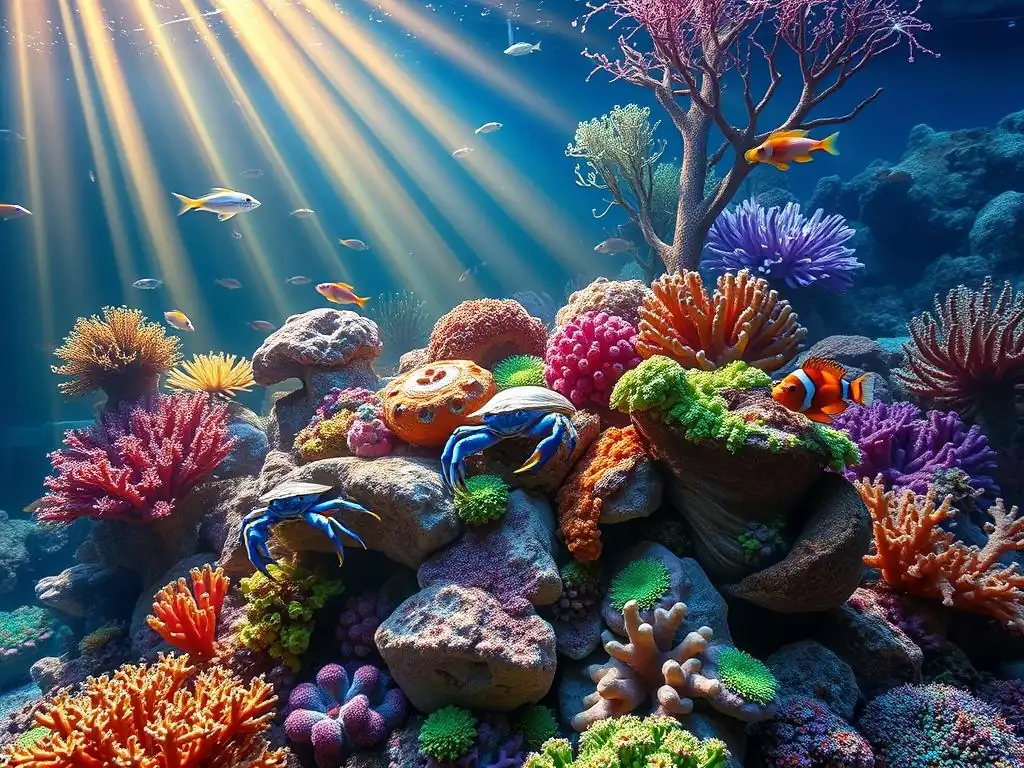
Welcome to Aquarium Mastery!
Ever wondered how to keep your reef tank sparkling clean without lifting a finger? Dive into the captivating world of Blue Leg Hermit Crab Care and discover how these tiny titans can transform your aquarium. Intrigued? Keep reading to unlock the secrets to their thriving in your saltwater paradise and ensuring a vibrant, healthy reef ecosystem!
- Introduction to Blue Leg Hermit Crabs for Reef Aquariums
- Understanding the Benefits of Blue Leg Hermit Crabs in a Reef Tank
- Blue Leg Hermit Crab Care: Essential Guidelines
- Selecting Healthy Blue Leg Hermit Crabs
- Blue Leg Hermit Crab Behavior and Compatibility
- Common Issues and Troubleshooting Blue Leg Hermit Crab Care
- Breeding Blue Leg Hermit Crabs: A Rare Occurrence
- Blue Leg Hermit Crabs vs. Other Clean-Up Crew Invertebrates: A Comparison
- Conclusion: The Value of Blue Leg Hermit Crabs in Reef Tank Maintenance
-
Frequently Asked Questions
- How effective are Blue Leg Hermit Crabs at controlling algae in a saltwater aquarium?
- What size aquarium is suitable for a small group of Blue Leg Hermit Crabs?
- What do Blue Leg Hermit Crabs eat besides algae?
- How do I ensure my Blue Leg Hermit Crabs have appropriate shells as they grow?
- Are Blue Leg Hermit Crabs compatible with all types of fish and invertebrates?
- Final Reflection: Appreciating the Unsung Heroes
- Unleash the Power of Hermit Crabs in Your Aquarium!
Introduction to Blue Leg Hermit Crabs for Reef Aquariums
Blue Leg Hermit Crabs ( Clibanarius tricolor ) are a staple invertebrate for many saltwater aquarists, particularly those maintaining reef tanks. Originating from the Caribbean, these diminutive crustaceans are celebrated for their vibrant blue legs, often adorned with red or orange bands, making them both an attractive and highly functional addition to the clean-up crew. Their small size, typically reaching only about an inch in shell length, allows them to navigate intricate reef structures and access tight spaces that larger scavengers cannot.
These industrious invertebrates play a crucial role in maintaining the ecological balance of a captive reef environment. Their natural foraging behaviors contribute significantly to tank hygiene, making them an indispensable component of effective blue leg hermit crab care. They are generally peaceful, hardy, and relatively easy to care for, making them an excellent choice for both novice and experienced aquarists looking to enhance their tank's natural cleaning processes.
Understanding the Benefits of Blue Leg Hermit Crabs in a Reef Tank
Algae and Detritus Control with Blue Leg Hermit Crabs
Blue Leg Hermit Crabs are renowned for their voracious appetites, primarily targeting nuisance algae that can quickly overrun a reef aquarium. They are particularly effective at consuming various types of undesirable algae, including green hair algae, cyanobacteria, and diatoms, which often plague new or imbalanced tanks. Their constant grazing helps to prevent the unchecked proliferation of these algae, contributing to a clearer, healthier, and more aesthetically pleasing environment for corals and fish.
Beyond algae, these tiny titans are also diligent scavengers of detritus, uneaten food, and decaying organic matter. They meticulously scour live rock, sand beds, and tank glass, breaking down and consuming waste products that could otherwise degrade water quality. This continuous removal of organic debris is a cornerstone of effective blue leg hermit crab care, directly reducing nitrate and phosphate levels and minimizing the risk of harmful algal blooms, thereby supporting overall reef stability.
Sand Bed Maintenance and Ecosystem Balance
The foraging habits of Blue Leg Hermit Crabs extend to the sand bed, where they constantly sift through the substrate in search of edible particles. This activity, while seemingly minor, provides essential aeration to the sand bed, preventing the formation of anaerobic pockets. Anaerobic zones, characterized by a lack of oxygen, can lead to the production of harmful gases like hydrogen sulfide, which can be detrimental to tank inhabitants if released into the water column.
By keeping the sand bed agitated and clean, these hermit crabs contribute significantly to the overall health and balance of the reef ecosystem. Their presence helps mimic natural reef processes, where a diverse range of invertebrates work together to maintain cleanliness and nutrient cycling. A well-maintained sand bed, thanks in part to the tireless efforts of blue leg hermit crabs, is vital for the long-term success of a reef aquarium, providing a stable foundation for beneficial bacteria and other micro-organisms.
Blue Leg Hermit Crab Care: Essential Guidelines
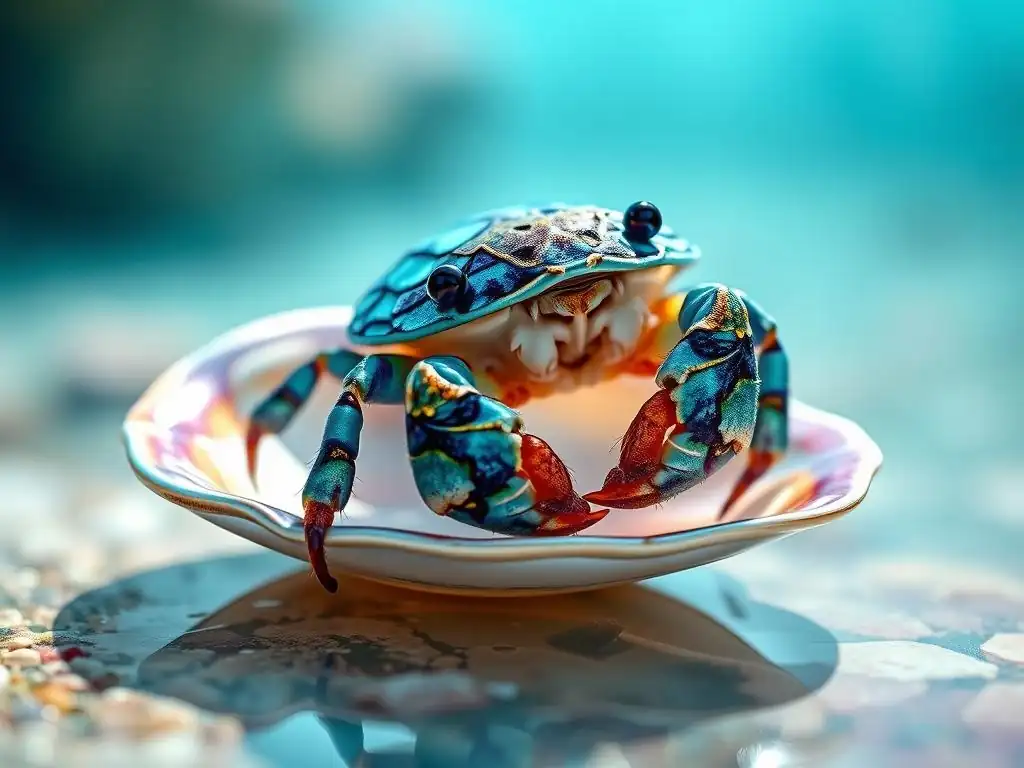
Setting Up the Ideal Habitat for Blue Leg Hermit Crabs
Tank Size Requirements for Blue Leg Hermit Crabs
Blue Leg Hermit Crabs are small, but like all inhabitants, they require adequate space to thrive. While a single crab can comfortably live in a nano tank as small as 10 gallons, a community of these crabs, which is often recommended for their clean-up efficiency, will require larger volumes. For a typical reef clean-up crew, a 30-gallon tank can comfortably house 5-7 blue leg hermit crabs, with larger systems like 75-100 gallons supporting 10-15 or more, depending on the overall bioload and other tank inhabitants.
It's crucial to consider the long-term growth of your reef and the increasing demand for clean-up services when stocking. Overstocking, even with small invertebrates, can lead to increased competition for food and shells, potentially resulting in stress and aggression. Proper blue leg hermit crab care dictates providing sufficient space to ensure their well-being and effective contribution to the aquarium's health.
Providing Adequate Shells and Hiding Spots
One of the most critical aspects of blue leg hermit crab care is the provision of an ample supply of appropriately sized empty shells. As these crabs grow, they must periodically molt their exoskeletons and find larger shells to inhabit for protection. A shortage of suitable shells will lead to stress, vulnerability to predation, and increased aggression among the crabs as they fight over available housing. It is generally recommended to provide at least 2-3 empty shells per crab, varying slightly in size from their current shell to accommodate future growth.
Beyond shells, a well-aquascaped tank with plenty of live rock offers numerous crevices and hiding spots for blue leg hermit crabs. These retreats provide security during molting periods when the crabs are most vulnerable, and also offer respite from more boisterous tank mates. Ensuring a diverse selection of shells, typically with round openings, and a complex rock structure are fundamental for their comfort and survival in a captive environment.
Water Parameters for Blue Leg Hermit Crab Health
Maintaining Stable Salinity, Temperature, and pH
Maintaining stable water parameters is paramount for the health and longevity of Blue Leg Hermit Crabs, just as it is for all marine invertebrates. Ideal salinity levels should be kept between 1.023 and 1.026 specific gravity, or 32-35 parts per thousand (ppt). Fluctuations outside this range can cause osmotic stress, leading to lethargy, difficulty molting, and even death. Temperature should be consistently maintained between 72-78°F (22-25.5°C), as extreme temperatures can disrupt their metabolic processes.
The pH level is also a critical factor, ideally remaining within the range of 8.1-8.4. Significant drops in pH can inhibit their ability to calcify their shells, making them more susceptible to damage and molting issues. Regular testing with reliable kits is essential to monitor these parameters, allowing for prompt adjustments to maintain a stable and healthy environment for blue leg hermit crab care.
The Importance of Water Quality and Filtration
Beyond the basic parameters, overall water quality is vital for the well-being of Blue Leg Hermit Crabs. Low levels of nitrates and phosphates are desirable, as high concentrations can be detrimental to all reef inhabitants and encourage undesirable algae growth. A robust filtration system, including mechanical, chemical, and biological filtration, is crucial for processing waste and maintaining pristine water conditions.
Regular partial water changes, typically 10-20% weekly or bi-weekly depending on tank size and bioload, are indispensable for replenishing essential trace elements and diluting accumulated pollutants. Consistent water changes, combined with efficient filtration, directly contribute to the long-term health and vitality of your blue leg hermit crabs, ensuring they remain active and effective members of your clean-up crew.
Blue Leg Hermit Crab Diet and Feeding
What Do Blue Leg Hermit Crabs Eat?
In a well-established reef aquarium, Blue Leg Hermit Crabs are primarily detritivores and herbivores, constantly scavenging for food. Their natural diet consists largely of various types of nuisance algae, including diatoms, cyanobacteria, and green hair algae, which they scrape off live rock and tank surfaces. They also consume detritus, uneaten fish food, and other organic debris that settles on the substrate or within rockwork. Their broad dietary preferences make them highly effective members of the clean-up crew, contributing significantly to tank hygiene.
Their natural foraging behavior means that in a mature tank with adequate algae and detritus, supplemental feeding may not always be necessary. However, if the tank is exceptionally clean or if there is a high density of crabs, it's important to ensure they are receiving sufficient nutrition to prevent them from potentially preying on smaller snails or corals out of hunger.
Supplementing Their Diet for Optimal Health and Coloration
While their primary diet in a reef tank is algae and detritus, supplemental feeding is often beneficial, especially in tanks with low algae growth or high clean-up crew populations. Offering small amounts of marine-based dry foods, such as algae wafers, spirulina flakes, or sinking pellets, a few times a week can ensure they receive a balanced diet. These foods provide essential nutrients that might be lacking if their natural food sources are limited.
Additionally, occasional offerings of small pieces of blanched vegetables like zucchini or nori seaweed can provide valuable roughage and vitamins. Providing a varied diet helps maintain their vibrant coloration and overall vitality, reducing the likelihood of aggression stemming from food scarcity. Proper supplemental feeding is a key component of comprehensive blue leg hermit crab care, ensuring these tiny titans remain healthy and active.
Selecting Healthy Blue Leg Hermit Crabs
Identifying Signs of a Healthy Blue Leg Hermit Crab
When acquiring Blue Leg Hermit Crabs, observing several key indicators can help ensure you select healthy specimens. A healthy crab should be active and responsive to its surroundings, moving freely and withdrawing into its shell if disturbed. Its legs should be a vibrant blue with distinct red or orange bands, and its antennae should be intact and constantly twitching, indicating alertness.
Inspect the shell the crab is inhabiting; it should be clean and free of excessive algae or damage. Avoid crabs that appear sluggish, are constantly out of their shells (unless actively changing shells), have missing limbs (though they can regenerate, it indicates stress), or show any signs of fungal growth or discoloration on their bodies. Choosing robust individuals from the outset is a foundational step in successful blue leg hermit crab care.
Acclimation and Introduction Procedures for New Hermit Crabs
Proper acclimation is crucial for the successful introduction of new Blue Leg Hermit Crabs into your aquarium. The drip acclimation method is highly recommended, as it slowly equalizes the water parameters (salinity, temperature, and pH) between the shipping bag and your tank, minimizing shock. This process typically involves slowly dripping tank water into the container holding the crabs over a period of 30-60 minutes, gradually increasing the volume.
Once acclimated, gently place the crabs into the tank, ideally near some live rock or a hiding spot. It's also a good practice to have a few appropriately sized empty shells available in the tank prior to introduction, giving the new crabs immediate options for new homes if their current shell is not ideal or if they are stressed. Careful acclimation significantly reduces stress and increases the chances of long-term survival for your new blue leg hermit crabs, ensuring they quickly integrate into the clean-up crew.
Blue Leg Hermit Crab Behavior and Compatibility
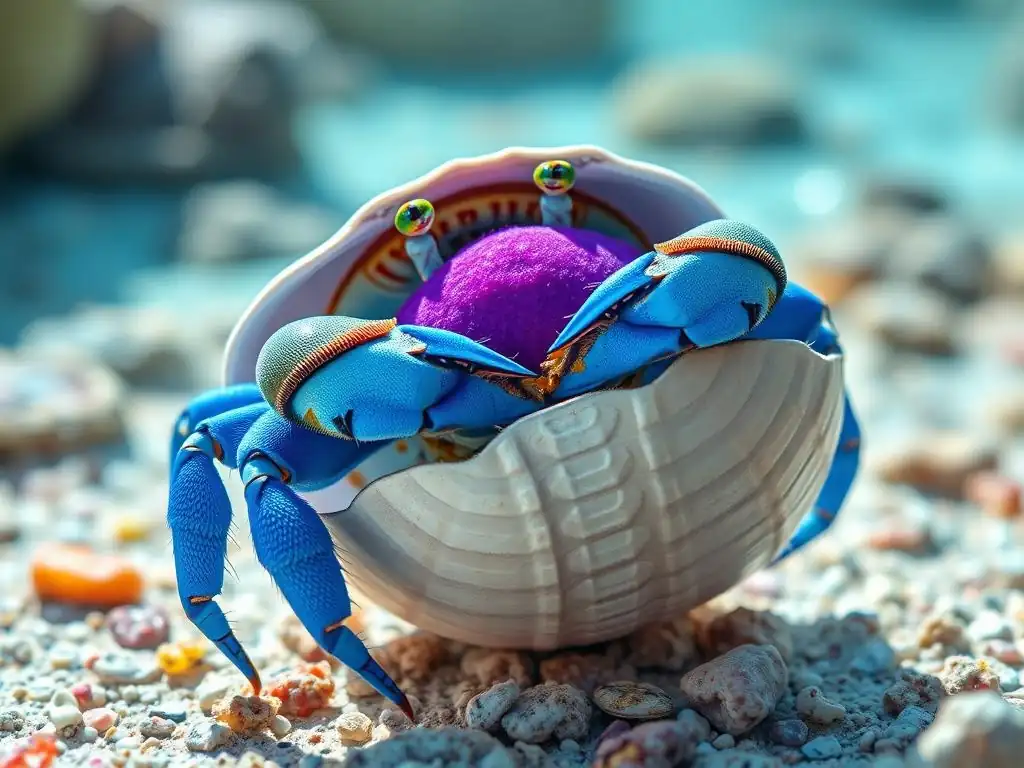
Blue Leg Hermit Crabs are generally considered peaceful members of the clean-up crew, especially when adequately fed and provided with enough empty shells. However, their social dynamics can sometimes involve competition, particularly over desirable shells. This competition, often referred to as "shell wars," occurs when a crab outgrows its current shell or finds a more appealing empty shell, leading to a confrontation with another crab or attempts to "evict" an occupant. While often harmless posturing, in rare cases, it can result in injury or death if a crab is forcibly removed from its shell without an immediate replacement.
To mitigate shell wars, it is vital to always provide a surplus of empty shells, ideally 2-3 per crab, in various sizes with round openings. This proactive approach to blue leg hermit crab care significantly reduces stress and aggression. Observing their behavior can also provide insights; a crab vigorously rocking another's shell might be attempting an eviction, signaling a need for more shell options.
Choosing Compatible Tank Mates for Blue Leg Hermit Crabs
Reef-Safe Fish and Invertebrates
Blue Leg Hermit Crabs are excellent additions to most reef aquariums due to their general peaceful nature and beneficial clean-up habits. They are considered reef-safe and typically coexist well with a wide variety of corals, including soft corals, LPS (Large Polyp Stony), and SPS (Small Polyp Stony) corals, as they primarily graze on algae and detritus rather than coral polyps. Compatible fish include most peaceful community fish such as clownfish, gobies, blennies, and most tangs.
When it comes to other invertebrates, they typically get along with snails (like Nassarius, Trochus, and Turbo snails, though they might compete for food), shrimp (peppermint, cleaner shrimp), and brittle stars. Their small size and non-aggressive nature make them suitable companions in a diverse reef ecosystem. Proper blue leg hermit crab care involves ensuring that their tank mates are equally non-aggressive and do not pose a threat to these small scavengers.
Avoiding Predatory or Aggressive Tank Mates
While generally robust, Blue Leg Hermit Crabs are vulnerable to predation by larger, more aggressive tank mates. It is crucial to avoid housing them with fish species known to prey on small invertebrates. Examples of fish to avoid include triggerfish, puffers, large wrasses (especially those that consume crustaceans), and certain predatory groupers or lionfish. Even some larger, more aggressive tangs or angelfish might occasionally nip at them if food is scarce.
Additionally, larger, more aggressive hermit crab species, such as some types of Hawaiian or Halloween hermits, can outcompete and even kill Blue Leg Hermit Crabs for shells or territory. Ensuring that all tank inhabitants are compatible in terms of temperament and dietary needs is a fundamental aspect of blue leg hermit crab care, preventing unnecessary stress, injury, or loss within your clean-up crew.
Common Issues and Troubleshooting Blue Leg Hermit Crab Care
Shell Shortages and Aggression Among Hermits
One of the most frequent issues encountered with Blue Leg Hermit Crabs is a shortage of suitable empty shells, leading to increased aggression among them. When crabs outgrow their current shells or find a more appealing one, they may attempt to forcibly take shells from other crabs, sometimes resulting in injury or death. This behavior is a clear indicator of insufficient shell availability.
To troubleshoot this, immediately introduce a variety of empty shells, ensuring they have appropriately sized openings and are slightly larger than the shells currently occupied by your crabs. A good rule of thumb is to provide at least 2-3 empty shells per crab. Regularly monitor your crabs for signs of aggression or stress, such as frequent shell-swapping attempts or crabs spending prolonged periods out of their shells, which can signal an urgent need for more housing options.
Molting Issues and Predation Risks
Blue Leg Hermit Crabs, like all crustaceans, grow by molting their exoskeletons. During this process, they are incredibly vulnerable as their new shell hardens. A molting crab may hide for several days, appear lethargic, or even seem dead. Issues can arise if water parameters are unstable, leading to a difficult or incomplete molt, or if they are disturbed by tank mates during this delicate period.
To mitigate molting issues, ensure stable water quality (salinity, alkalinity, and calcium levels are particularly important for shell formation). Provide ample hiding spots within the rockwork where they can retreat. If a crab is molting, avoid disturbing it. Post-molt, the shed exoskeleton may be left in the tank as the crab might consume it for calcium, which is part of their natural blue leg hermit crab care. Be mindful of predatory fish or larger invertebrates that might target a freshly molted, soft-shelled crab.
Loss of Limbs and Other Physical Injuries
Blue Leg Hermit Crabs can sometimes suffer physical injuries, such as the loss of legs or claws. This can occur due to aggression from other tank inhabitants (fish or other crabs), being pinched by corals, or getting stuck in powerheads or overflow boxes. While hermit crabs can regenerate lost limbs over successive molts, significant or frequent injuries indicate an underlying problem in the tank environment or with tank mate compatibility.
If a crab loses a limb, observe it closely. Ensure it has access to food and a secure shell. Check for aggressive tank mates or potential hazards in the aquascape. Review your tank's flow patterns to ensure no crabs are being inadvertently sucked into filtration intakes. Addressing these potential causes is vital for effective blue leg hermit crab care and ensuring the long-term health and integrity of your clean-up crew.
Breeding Blue Leg Hermit Crabs: A Rare Occurrence
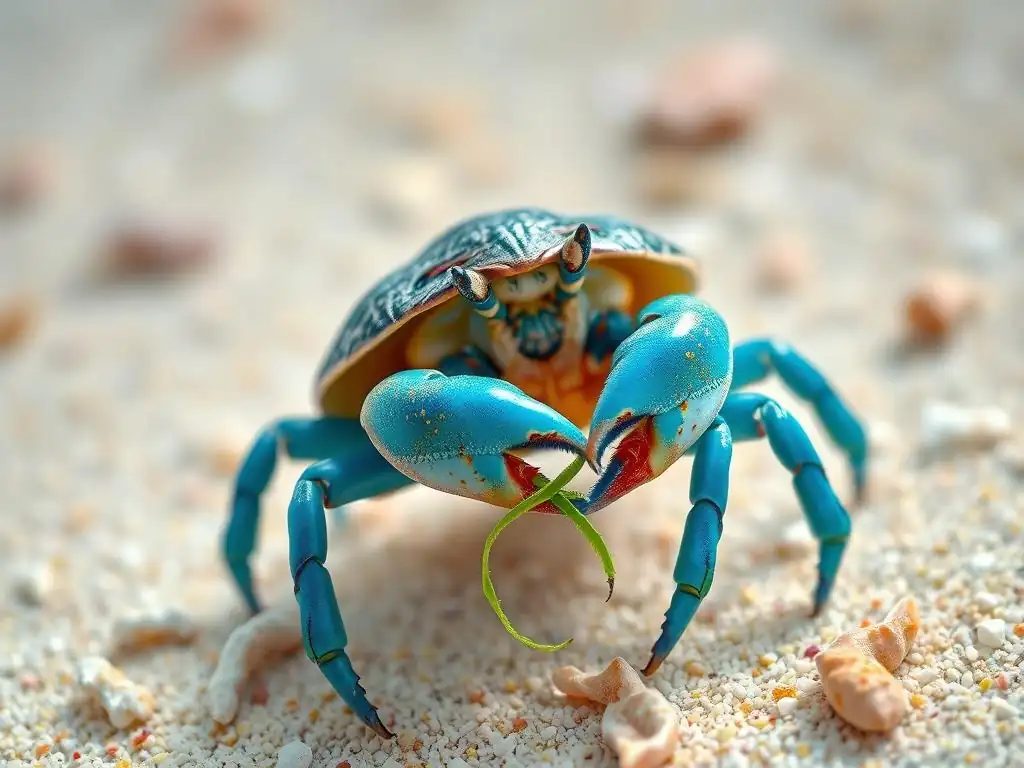
Understanding the Challenges of Breeding in Captivity
Breeding Blue Leg Hermit Crabs ( Clibanarius tricolor ) in a home aquarium setting is an exceedingly rare occurrence, primarily due to the complex life cycle of their larval stage. Unlike some other aquarium invertebrates that produce benthic (bottom-dwelling) larvae, hermit crabs release planktonic larvae into the water column. These larvae, known as zoeae, are microscopic and free-swimming, requiring very specific environmental conditions and a specialized diet of phytoplankton and other microscopic organisms to survive and develop.
The zoeae undergo multiple larval stages, each lasting several days, before metamorphosing into a megalopa stage, which resembles a miniature crab but still swims. Finally, they settle and transform into tiny crabs. Maintaining the precise water quality, temperature, and feeding regimen required for the survival of these delicate larvae throughout their planktonic phase is extremely challenging outside of dedicated aquaculture facilities.
Current Research and Potential Spawning Triggers
While successful captive breeding of Blue Leg Hermit Crabs by hobbyists is virtually unheard of, some research institutions and commercial aquaculture operations have made progress in culturing various marine invertebrates, including some hermit crab species. These efforts often involve highly controlled environments, precise temperature and salinity regulation, and the mass culture of specific strains of phytoplankton and rotifers to feed the zoeae.
For hobbyists, observing spawning events in a home aquarium is mostly a matter of chance and a testament to excellent overall blue leg hermit crab care and optimal water quality. Spawning typically occurs after a molt, with the female releasing thousands of tiny larvae into the water. While there are no known specific triggers hobbyists can employ to induce spawning reliably, maintaining a stable, healthy environment with abundant food sources and a well-balanced population of male and female crabs provides the best, albeit still slim, chance of observing this natural phenomenon.
Blue Leg Hermit Crabs vs. Other Clean-Up Crew Invertebrates: A Comparison
Advantages of Blue Leg Hermit Crabs
Blue Leg Hermit Crabs offer several distinct advantages over other clean-up crew invertebrates, making them a popular choice for reef aquarists. Firstly, their small size (typically 1 inch or less) allows them to access tight crevices and small gaps within live rock where larger snails or crabs cannot reach, ensuring thorough cleaning. Secondly, they are highly effective at consuming a wide range of nuisance algae, including the dreaded cyanobacteria and diatoms, which many snails are less keen on. Their constant foraging also helps aerate the sand bed, preventing anaerobic pockets.
Furthermore, they are generally hardy and adaptable to varying tank conditions, making them suitable for beginners. Their omnivorous diet means they also consume detritus and uneaten food, providing a comprehensive cleaning service. Their vibrant blue coloration adds an aesthetic appeal to the tank, and their active nature makes them interesting to observe, all contributing to their value in comprehensive blue leg hermit crab care.
Despite their numerous benefits, Blue Leg Hermit Crabs do have a few potential disadvantages. The most notable is their tendency to engage in "shell wars" if an insufficient supply of empty shells is provided. This can lead to aggression among the crabs and, in severe cases, the death of a crab if it cannot find a suitable shell. They are also known to occasionally prey on smaller, slower-moving snails (like Nassarius snails) if food sources are scarce or if they are desperate for a new shell, which can be frustrating for aquarists trying to maintain a diverse clean-up crew.
Another minor drawback is their ability to climb onto and sometimes knock over loosely placed frags or small corals, though this is less common with their small size compared to larger hermit crab species. While generally reef-safe, their opportunistic scavenging can sometimes extend to picking at dying or stressed corals if other food sources are extremely limited. These considerations are important aspects of holistic blue leg hermit crab care planning.
Conclusion: The Value of Blue Leg Hermit Crabs in Reef Tank Maintenance
Blue Leg Hermit Crabs are undeniably valuable assets to any reef aquarium, serving as tireless members of the clean-up crew. Their remarkable efficiency in controlling nuisance algae, scavenging detritus, and aerating the sand bed significantly contributes to the overall health and stability of the marine ecosystem. Their small size allows them to navigate intricate reef structures, ensuring that virtually no corner of the tank goes uncleaned.
While proper blue leg hermit crab care necessitates providing ample empty shells and monitoring their compatibility with other tank inhabitants, their benefits far outweigh these minor considerations. For both novice and experienced aquarists, these "tiny titans" offer a robust, attractive, and highly effective natural solution for maintaining a pristine and balanced reef environment, making them an indispensable component of successful reef tank maintenance.
Frequently Asked Questions
How effective are Blue Leg Hermit Crabs at controlling algae in a saltwater aquarium?
Blue Leg Hermit Crabs are highly effective at controlling many types of algae. They are voracious herbivores and will scavenge for algae on rocks, substrate, and glass. However, they may not eliminate all algae types.
What size aquarium is suitable for a small group of Blue Leg Hermit Crabs?
A general rule is to allow at least two gallons of water per crab. Therefore, a small group (3-5 crabs) could thrive in a 10-gallon aquarium. Ensure adequate hiding places and food sources.
What do Blue Leg Hermit Crabs eat besides algae?
While algae is their primary food source, Blue Leg Hermit Crabs are also opportunistic scavengers. They will eat detritus, uneaten fish food, and even decaying organic matter, contributing to a cleaner tank.
How do I ensure my Blue Leg Hermit Crabs have appropriate shells as they grow?
Providing a selection of empty shells, larger than their current ones, is crucial. They need these for molting and growth. Offer a variety of sizes and shapes to increase the chances of finding a suitable replacement.
Are Blue Leg Hermit Crabs compatible with all types of fish and invertebrates?
While generally peaceful, Blue Leg Hermit Crabs may occasionally nip at slow-moving or sessile invertebrates. It's essential to research compatibility with specific tank inhabitants before introducing them.
Final Reflection: Appreciating the Unsung Heroes
The journey into understanding the vital role of Blue Leg Hermit Crabs reveals more than just aquarium maintenance; it highlights the delicate balance within our marine ecosystems. Their tireless work as scavengers and algae eaters, often overlooked, is undeniably crucial for a thriving reef environment, both in our tanks and in the wild. This understanding underscores the responsibility we bear as hobbyists and stewards of these miniature ecosystems.
The impact of these tiny creatures extends far beyond the confines of a glass tank. Recognizing the importance of responsible sourcing and ethical care for Blue Leg Hermit Crabs is paramount to preserving their populations and the health of the reefs they inhabit. In the end, we will conserve only what we love; we will love only what we understand; and we will understand only what we are taught.
- Baba Dioum. This quote resonates deeply, reminding us that education and appreciation are the cornerstones of conservation.
As you consider the information shared about Blue Leg Hermit Crab care, I encourage you to reflect on your own role in the larger ecological picture. How can you, as an informed aquarist or simply as a curious individual, contribute to the well-being of these fascinating creatures and the reefs they call home? Let us all strive to be mindful stewards, ensuring a vibrant future for these tiny titans and the delicate ecosystems they support.
Unleash the Power of Hermit Crabs in Your Aquarium!
Thanks for diving into the world of blue leg hermit crabs! We hope you've discovered how these tiny creatures can be mighty allies in keeping your aquarium clean and thriving. Ready to put your newfound knowledge into action?
Here's how you can make the most of these amazing crustaceans:
- Introduce Blue Leg Hermit Crabs to Your Aquarium: Carefully acclimate a few to your tank to start naturally controlling algae and detritus.
- Share Your Hermit Crab Success Story: Post before-and-after photos of your aquarium on social media using #AquariumMastery and inspire other aquarists.
- Consider supporting your local fish store by buying your blue legs from there!
What innovative ways will you use blue leg hermit crabs to optimize your reef tank?