
Pest Control for Saltwater Macroalgae: Keeping Your Chaeto, Caulerpa & Gracilaria Clean

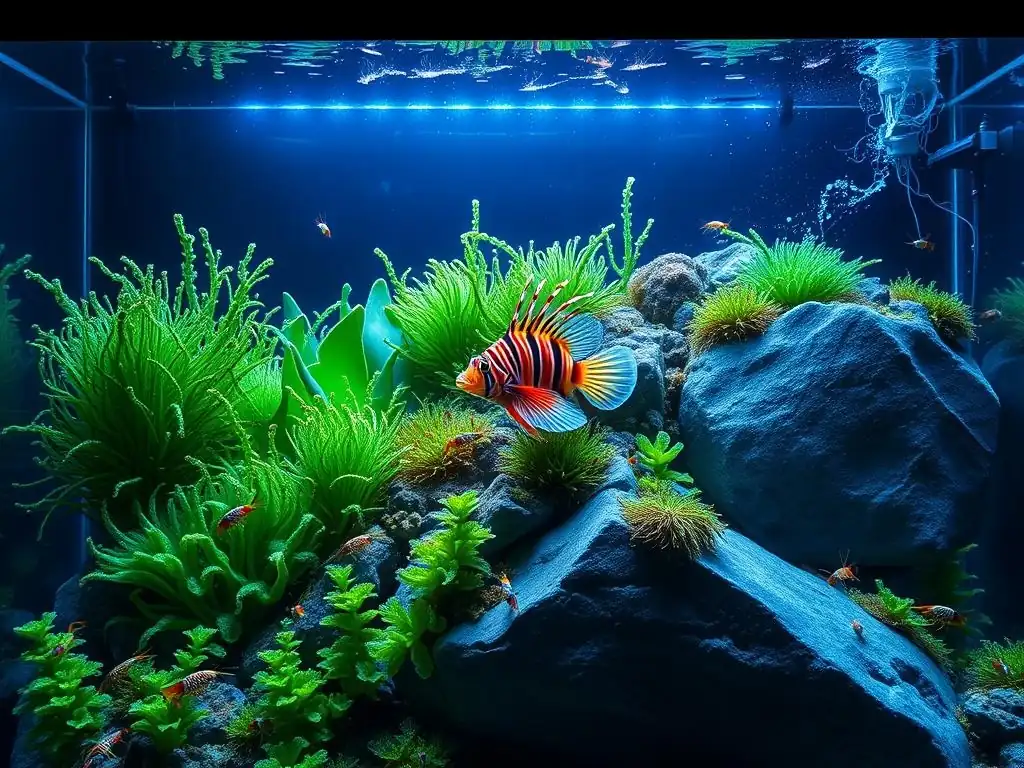
Welcome to Aquarium Mastery, where your underwater dreams take shape! Ever wondered how to keep your beautiful saltwater aquarium thriving without battling unwanted algae? This article dives deep into effective saltwater algae control methods, revealing secrets to maintaining a pristine environment for your prized aquatic life. Curious how to balance growth and keep those vibrant macroalgae like Chaeto, Caulerpa & Gracilaria in check? Let's unravel the mysteries together...
- Understanding Saltwater Macroalgae in Aquariums
- Common Pests Affecting Saltwater Macroalgae
- Saltwater Algae Control Methods: A Comprehensive Guide
- Maintaining a Healthy Macroalgae Ecosystem to Prevent Pest Infestations
- Preventing Pest Introduction in Saltwater Aquariums
- Troubleshooting Common Issues with Saltwater Macroalgae and Pests
- Conclusion: Long-Term Saltwater Macroalgae Health Through Effective Pest Control
-
Frequently Asked Questions
- What are some common types of macroalgae found in saltwater aquariums?
- Why is macroalgae control important in a saltwater aquarium?
- What are some natural Saltwater algae control methods for macroalgae in a saltwater aquarium?
- Can chemical treatments be used to control macroalgae in a saltwater aquarium?
- How does manual removal factor into Saltwater algae control methods?
- Final Reflection: Cultivating Balance in the Reef
- Transform Your Refugium: Act Now!
Understanding Saltwater Macroalgae in Aquariums
The Benefits of Macroalgae: Chaeto, Caulerpa & Gracilaria
Saltwater macroalgae, such as Chaetomorpha (Chaeto), Caulerpa, and Gracilaria, are indispensable components of a healthy marine aquarium ecosystem, particularly within refugiums. Their primary benefit lies in their exceptional ability to perform nutrient export, actively absorbing undesirable nitrates and phosphates from the water column. For instance, a dense ball of Chaeto can effectively reduce nitrate levels from 20 ppm to below 5 ppm over a few weeks in a moderately stocked 100-gallon system, significantly improving water quality and inhibiting the growth of nuisance algae.
Beyond nutrient sequestration, these macroalgae contribute to oxygenation and pH stabilization within the aquarium. Through photosynthesis during the lighting cycle, they release oxygen, which is vital for fish and invertebrate respiration. When lit on a reverse daylight cycle to the main display, they help counteract the nocturnal pH drop caused by CO2 accumulation from respiration, maintaining a more stable pH range, often keeping it between 8.0 and 8.3. Furthermore, their intricate structures provide a crucial habitat for beneficial microfauna like copepods and amphipods, which serve as a natural food source for various fish and corals in the display tank.
Why Pest Control is Necessary for Thriving Macroalgae
While macroalgae are beneficial, their effectiveness can be severely compromised by the presence of pests. These unwanted hitchhikers can range from voracious grazers that consume the macroalgae itself to competitors that vie for space and nutrients, ultimately reducing the macroalgae's capacity for nutrient export. An unchecked infestation, such as a large population of algae-eating nudibranchs, can decimate a healthy patch of Gracilaria within days, turning vibrant red strands into bleached skeletons.
Moreover, pests originating in the refugium can easily spread to the main display tank, introducing new problems like Aiptasia anemones or predatory flatworms that can sting corals or harass fish. Implementing robust saltwater algae control methods is not just about protecting the macroalgae; it's about safeguarding the entire aquarium ecosystem from potential threats, ensuring the long-term health and stability of the marine environment and protecting the significant investment made in maintaining a thriving reef tank.
Common Pests Affecting Saltwater Macroalgae
Identifying Algae-Eating Nudibranchs in Your Refugium
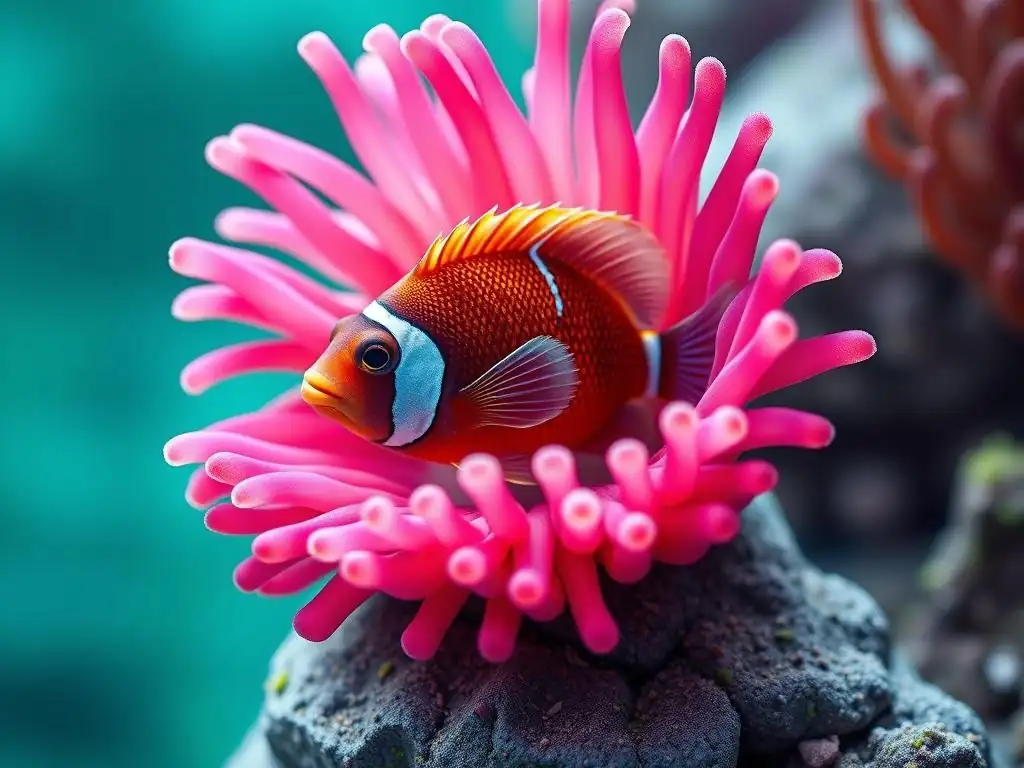
Algae-eating nudibranchs are a significant threat to desirable macroalgae species in refugiums. These small, often camouflaged marine slugs can be difficult to spot, blending seamlessly with their host algae. Species like certain Sacoglossan nudibranchs, such as Elysia crispata (Lettuce Sea Slug) or Elysia chlorotica, are known to feed specifically on various types of algae, including Caulerpa species, and can cause rapid tissue loss.
Look for visible grazing marks, thinning patches, or a sudden, unexplained decline in your macroalgae's volume. They typically range from a few millimeters to a couple of centimeters in size and may exhibit colors matching the algae they consume.
To identify them, carefully inspect macroalgae clumps under bright light, especially after the refugium lights have been off for a while, as some are more active at night. Their presence is often indicated by the direct consumption of macroalgae, leaving behind bare stems or skeletonized portions. For instance, if your Caulerpa prolifera suddenly develops transparent patches or starts to shrink despite optimal water parameters, an algae-eating nudibranch is a prime suspect. Early detection is critical for effective saltwater algae control methods against these destructive grazers.
Dealing with Aiptasia Anemones Around Macroalgae
Aiptasia anemones are notorious pests in saltwater aquariums, and their presence in or around macroalgae beds can be particularly problematic. These small, translucent anemones reproduce rapidly, primarily through pedal laceration, where fragments of their base detach and grow into new individuals. While they don't directly consume macroalgae, they compete for space and light, and their stinging nematocysts can irritate or damage macroalgae tissue, leading to localized stress or necrosis, especially for delicate species like Gracilaria.
Aiptasia often anchors itself to rockwork or even directly onto the dense growth of Chaetomorpha. Manual removal using a syringe to inject boiling water or a kalkwasser paste directly into the Aiptasia's mouth can be effective, but care must be taken not to harm the surrounding macroalgae. For persistent infestations, biological controls like Berghia nudibranchs ( Berghia verrucicornis) are highly effective, as they exclusively feed on Aiptasia and will not harm your beneficial macroalgae or other tank inhabitants.
Recognizing and Removing Bristleworms from Macroalgae Beds
Bristleworms are segmented worms commonly found in saltwater aquariums, and while many species are beneficial detritivores that aid in nutrient cycling by consuming uneaten food and decaying matter, some can become a nuisance. Large populations can indicate an excess of available food, leading to an imbalance. Certain larger species, such as the fireworm ( Hermodice carunculata), can be predatory, potentially stinging fish or consuming corals, though they rarely directly harm healthy macroalgae.
Identification is usually straightforward, as they are often seen at night, burrowing through substrate or within dense macroalgae clumps like Chaetomorpha. They possess numerous bristles along their bodies, which can cause irritation if handled without gloves. For removal, setting up a bristleworm trap baited with a small piece of shrimp or fish can effectively reduce their numbers without disturbing the macroalgae. Alternatively, large individuals can be manually removed using long-handled tweezers or tongs, ensuring not to break the worm, as fragments can regenerate.
Controlling Copepods and Amphipods Overpopulation in Macroalgae
Copepods and amphipods are tiny crustaceans that are typically highly beneficial inhabitants of a healthy refugium and macroalgae bed. They serve as a vital food source for many fish and corals in the main display tank and contribute to the cleanup crew by consuming detritus. However, an overpopulation of these micro-crustaceans, while not directly harmful to macroalgae, can indicate an underlying issue of excessive nutrients within the system, as their populations boom when there's an abundant food supply from decaying organic matter.
If their numbers become excessively high, they can become a nuisance by spreading too aggressively into the display tank or by consuming too much of the available microalgae, potentially outcompeting other beneficial organisms. Managing their populations primarily involves ensuring rigorous nutrient export strategies are in place, such as consistent protein skimming and regular water changes, to limit their food source. Introducing natural predators like Mandarin Dragonets ( Synchiropus splendidus) or other copepod-eating wrasses to the display tank can also help manage their numbers by providing a constant population control mechanism.
Saltwater Algae Control Methods: A Comprehensive Guide
Quarantine Procedures for New Macroalgae
Inspecting Macroalgae for Pests Before Introduction
One of the most effective saltwater algae control methods begins before any new macroalgae enters your main system: thorough inspection. Upon receiving new macroalgae, such as a fresh clump of Chaetomorpha or a new variety of Gracilaria, carefully examine it under bright light, preferably with a magnifying glass. Look for any signs of unwanted hitchhikers: tiny, unusual movements, discolored spots, small anemones like Aiptasia, flatworms, or even small crabs. Pests often hide deep within the dense structure of the algae.
It is also advisable to give the macroalgae a gentle rinse in a separate container of clean, temperature-matched saltwater from your existing system. This can dislodge loose debris and any larger, unattached pests that might be clinging to the strands. For example, a quick 10-second dip and gentle shake can reveal small bristleworms or nudibranchs that were not immediately visible upon initial inspection.
Setting Up a Quarantine Tank for New Macroalgae
Establishing a dedicated quarantine tank (QT) for new macroalgae is a non-negotiable step for rigorous pest prevention. A simple 5 to 10-gallon tank equipped with a small heater, a powerhead for circulation, and a basic light fixture (even a desk lamp with a daylight bulb) is sufficient. The QT should be filled with water from your main display tank to ensure consistent parameters. This isolated environment allows you to observe the macroalgae for an extended period, typically 2 to 4 weeks, without risking the introduction of pests to your established system.
During the quarantine period, conduct daily visual inspections for any emerging pests. If pests are detected, they can be treated or manually removed in the QT without impacting the main aquarium. Regular small water changes (e.g., 20% weekly) using water from the main system will help maintain water quality in the QT and further acclimate the macroalgae to your system's specific parameters. This proactive approach significantly reduces the risk of pest outbreaks in your refugium.
Manual Removal of Pests from Saltwater Macroalgae
Techniques for Hand-Picking Pests
Manual removal is a direct and often immediate saltwater algae control method for larger, visible pests on macroalgae. For pests like Aiptasia anemones, larger nudibranchs, or visible bristleworms, carefully hand-picking them off the macroalgae strands can be effective. Always wear protective gloves, especially when dealing with bristleworms, as their bristles can cause skin irritation.
For instances where pests are heavily embedded or spread across a specific section of macroalgae, it may be more efficient to remove the entire affected clump of macroalgae from the refugium. This allows for more thorough inspection and pest removal outside the main system, minimizing disturbance to the rest of the tank. Once removed, pests can be carefully scraped off or extracted, and the cleaned macroalgae can be returned, or the heavily infested portion can be discarded.
Using Tweezers and Brushes for Targeted Removal
For smaller, more elusive pests or those nestled deep within the intricate structure of macroalgae like Chaetomorpha, precision tools like fine-tipped tweezers and soft brushes are invaluable. Fine tweezers allow for the precise extraction of tiny nudibranchs, flatworms, or small Aiptasia without causing excessive damage to the macroalgae itself. This method requires a steady hand and good lighting.
A new, soft-bristled toothbrush can be used to gently brush off smaller aggregations of unwanted microorganisms or detritus that might be harboring pests on hardy macroalgae. For example, gently brushing a section of Gracilaria can dislodge small clusters of undesirable organisms. Always perform this in a separate container of tank water to prevent dislodged pests from re-entering the main system or refugium. This targeted approach is a highly effective component of overall saltwater algae control methods.
Biological Saltwater Algae Control Methods
Introducing Natural Predators: Sea Hares and Emerald Crabs
Biological control involves introducing organisms that naturally prey on pests or nuisance algae, thereby reducing their populations. While sea hares ( Aplysia californica) are excellent grazers for nuisance hair algae, they can sometimes consume desired macroalgae if other food sources are scarce, so they are generally not recommended for direct pest control on macroalgae. However, Emerald crabs ( Mithraculus sculptus) are known for their appetite for bubble algae ( Valonia ventricosa) and some hair algae, which can be hitchhikers in macroalgae shipments. While generally reef-safe, individual emerald crabs can occasionally pick at desirable macroalgae if underfed.
For specific pests, Berghia nudibranchs ( Berghia verrucicornis) are an outstanding biological solution for Aiptasia anemones. These specialized predators will exclusively consume Aiptasia and pose no threat to your macroalgae or other corals. A colony of 3-5 Berghia can clear a significant Aiptasia infestation in a 50-gallon tank within a few weeks. Similarly, certain wrasses, like the Six-Line Wrasse ( Pseudocheilinus hexataenia), can help control flatworm populations that might hitchhike on macroalgae.
Utilizing Cleaner Shrimp to Control Macroalgae Pests
Cleaner shrimp are a valuable addition to the biological cleanup crew in a saltwater aquarium, and some species can play a role in saltwater algae control methods by consuming certain pests. Peppermint shrimp ( Lysmata wurdemanni) are widely recognized for their effectiveness in eating Aiptasia anemones. While their success rate can vary, a small group of 2-3 peppermint shrimp can significantly reduce Aiptasia populations, including those residing within your macroalgae beds or on surrounding rockwork.
Beyond Aiptasia, cleaner shrimp species like the Skunk Cleaner Shrimp ( Lysmata amboinensis) contribute to overall tank hygiene by consuming detritus and small parasitic organisms. Their constant foraging can help keep macroalgae clumps free of decaying matter that might attract other pests. They also provide a valuable service by cleaning fish, removing external parasites, which indirectly contributes to a healthier overall system less prone to stress-induced pest outbreaks.
Chemical Treatments for Saltwater Macroalgae Pest Control (Use with Caution)
Understanding the Risks of Chemical Treatments
Chemical treatments for pest control in saltwater aquariums should always be considered a last resort, especially when macroalgae are present. Many common chemical solutions designed to eliminate nuisance algae or specific pests can be highly detrimental to desirable macroalgae, beneficial invertebrates (like copepods, amphipods, snails, and crabs), and sensitive corals. For instance, copper-based medications, effective against ich, are highly toxic to most invertebrates and macroalgae.
Using broad-spectrum algaecides can indiscriminately kill off your beneficial Chaetomorpha or Gracilaria along with the nuisance algae. Furthermore, chemical treatments can cause rapid and dangerous swings in water parameters, deplete oxygen levels, or release toxins from dying pests (e.g., flatworms), leading to a cascade of negative effects on the entire ecosystem. The potential for unintended consequences is high, making careful consideration and precise dosing paramount.
Recommended Chemical Treatments and Dosage
Despite the risks, specific chemical treatments can be highly effective for targeted pests when used with extreme caution. For Aiptasia anemones, products like Aiptasia-X or Red Sea's Aiptasia Control offer a localized solution. These are typically applied directly to the Aiptasia's mouth with a syringe, causing them to retract and dissolve without significantly impacting the surrounding water quality or macroalgae if applied precisely. Always follow the manufacturer's dosage instructions meticulously.
For flatworm infestations, products containing levamisole hydrochloride, such as Flatworm Exit, are effective. However, treating flatworms chemically releases toxins into the water upon their death, necessitating extensive post-treatment water changes and carbon filtration. It's crucial to siphon out as many dead flatworms as possible before they decompose. Remember, these chemicals target specific pests and are generally not suitable for general macroalgae pest eradication, especially if the pest is consuming the macroalgae itself.
Post-Treatment Care for Macroalgae
Following any chemical treatment, diligent post-treatment care is essential to mitigate potential negative impacts on your macroalgae and the overall aquarium environment. The immediate priority is to remove residual chemicals and any toxins released by dying pests. This typically involves performing a significant water change, often 20-30% of the total tank volume, within hours of the treatment.
Concurrently, activated carbon should be added to your filtration system. High-quality activated carbon effectively adsorbs remaining chemical compounds and organic pollutants, helping to restore water clarity and stability. Monitor your macroalgae closely for any signs of stress, such as bleaching, browning, or tissue necrosis. Ensure adequate water flow around the macroalgae and maintain stable lighting conditions to support their recovery.
Maintaining a Healthy Macroalgae Ecosystem to Prevent Pest Infestations
Optimizing Water Parameters for Macroalgae Growth
Maintaining Proper Salinity, Temperature, and pH
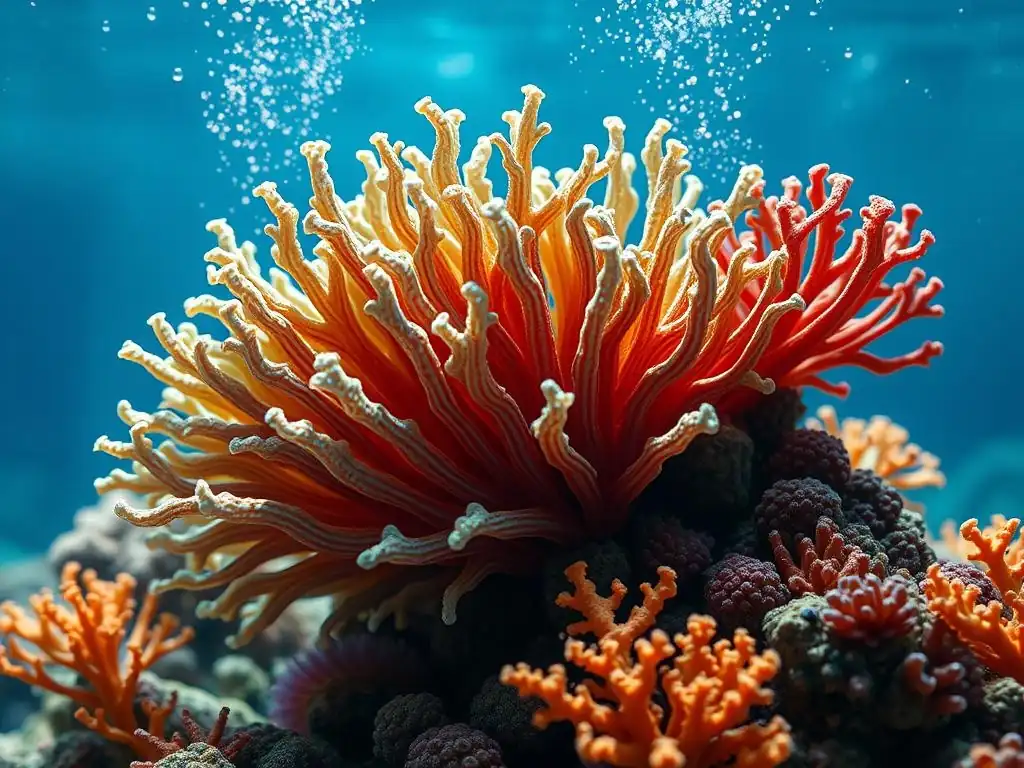
A robust and healthy macroalgae ecosystem is inherently more resilient to pest infestations. Optimizing fundamental water parameters is crucial for promoting strong macroalgae growth. Maintaining a stable specific gravity between 1.024 and 1.026 is vital, as fluctuations stress macroalgae and can make them more susceptible to pest damage. Similarly, a consistent temperature range, typically 75-78°F (24-25.5°C), is ideal. Rapid temperature swings can shock macroalgae, leading to tissue necrosis.
pH stability, ideally between 8.0 and 8.4, is also critical. Healthy macroalgae actively consume CO2 during photosynthesis, which helps buffer the pH and prevent drastic drops, particularly at night. Regular testing of these parameters and prompt adjustments are fundamental saltwater algae control methods that foster an environment where beneficial macroalgae can outcompete and resist pests.
Ensuring Adequate Lighting for Macroalgae
Appropriate lighting is a cornerstone of successful macroalgae cultivation. While many macroalgae species, including Chaetomorpha and Gracilaria, are not overly demanding, they require specific light spectrums and intensities to thrive. Full-spectrum lighting with a bias towards red and blue wavelengths (e.g., 6500K to 10000K) is generally preferred to support robust photosynthetic activity. For instance, Chaetomorpha can grow rapidly under a simple LED floodlight, doubling its biomass in optimal conditions within 2-3 weeks.
Moderate light intensity is usually sufficient; overly intense light can stress macroalgae or, conversely, promote the growth of nuisance algae. A consistent photoperiod, typically 10-14 hours per day, is recommended. Many aquarists opt for a reverse daylight cycle (lighting the refugium when the main tank lights are off) to help stabilize pH throughout the 24-hour cycle. This consistent, appropriate lighting encourages dense, healthy macroalgae growth, which leaves less opportunity for pests to establish.
Regular Maintenance and Inspection for Early Pest Detection
Trimming and Pruning Macroalgae Regularly
Regular trimming and pruning are essential maintenance tasks for macroalgae that serve multiple purposes in saltwater algae control methods. As macroalgae like Chaetomorpha grow, they can become excessively dense, creating stagnant areas with poor water flow. These low-flow zones are ideal hiding spots and breeding grounds for various pests, including bristleworms and small nudibranchs.
By regularly removing excess growth (e.g., trimming 20-30% of the biomass every 2-4 weeks for fast growers), you not only export absorbed nutrients from the system but also maintain an open, well-circulated structure within the refugium. This makes it harder for pests to hide and easier for you to visually inspect the macroalgae for any early signs of infestation. For example, a 100-gallon system with a thriving Chaeto reactor might require weekly trims of 0.5-1 pound of algae to maintain optimal growth and pest prevention.
Checking for Signs of Pest Damage
Proactive and vigilant inspection is paramount for early pest detection. Incorporate routine checks of your macroalgae into your daily or weekly aquarium maintenance schedule. A quick visual scan for obvious pests should be done daily, while a more detailed inspection, possibly with a flashlight, should occur weekly. Look for any subtle changes in the macroalgae's appearance: small holes, discolored patches, slimy coatings, or areas where the algae appears to be thinning or receding.
These signs often indicate pest activity or stress. For example, if your Caulerpa suddenly develops transparent spots, it could be a sign of grazing nudibranchs or that it is "going sexual." Early detection allows for prompt intervention, preventing a minor pest issue from escalating into a full-blown infestation that could compromise the entire refugium and potentially spread to the main display tank.
Nutrient Control to Minimize Pest Outbreaks
Managing Nitrate and Phosphate Levels
Effective nutrient control is a foundational element of saltwater algae control methods and general aquarium health. High levels of nitrates and phosphates, typically above 10-20 ppm for nitrates and 0.03-0.05 ppm for phosphates, do not directly cause macroalgae pests. However, they fuel the growth of nuisance algae, which can compete with desirable macroalgae for light and space, and create an environment where pests thrive due to an abundance of food sources.
Maintaining low nutrient levels through regular water changes (e.g., 10-20% weekly), careful feeding practices, and efficient filtration systems is crucial. Macroalgae themselves are a primary tool for nutrient export, but if their growth is hampered by pests, other methods must compensate. Overfeeding is a common culprit for elevated nutrients, so ensure all food is consumed within a few minutes and remove any uneaten portions.
Utilizing a Protein Skimmer for Nutrient Export
A well-sized and properly maintained protein skimmer is an indispensable piece of equipment for nutrient export in a saltwater aquarium, directly contributing to pest prevention. Protein skimmers remove organic waste compounds before they break down into nitrates and phosphates, effectively "skimming" them out of the water column. This proactive removal significantly reduces the overall bioload on the system.
By consistently removing dissolved organic compounds, a protein skimmer helps to keep the water cleaner and clearer, reducing the food source for nuisance algae and many opportunistic pests. A skimmer that consistently produces dark, thick skimmate indicates efficient operation and is a sign of effective nutrient control. For example, a 100-gallon reef tank might require a protein skimmer rated for 150-200 gallons to handle typical bioloads effectively.
Preventing Pest Introduction in Saltwater Aquariums
Proper Acclimation Techniques for New Additions
Preventing the introduction of pests is far more effective than treating an established infestation. Proper acclimation techniques are a critical first line of defense. While drip acclimation is primarily used for new fish and invertebrates to slowly equalize temperature and salinity, the principle of careful introduction extends to macroalgae. Before adding new macroalgae directly to your refugium, it should always undergo a quarantine period, as detailed earlier.
During the acclimation process, briefly inspecting the packaging and the macroalgae itself for any visible hitchhikers is important. Some aquarists choose to gently rinse new macroalgae in a separate container of system water to dislodge any loose debris or small, unattached pests before moving it to a dedicated quarantine tank. This step minimizes the chance of a rogue pest swimming directly into your established ecosystem.
Sourcing Macroalgae from Reputable Suppliers
The source of your macroalgae plays a significant role in minimizing pest introduction. Always strive to obtain Chaetomorpha, Caulerpa, Gracilaria, and other macroalgae from reputable and trusted suppliers. Reputable aquaculture facilities and local fish stores often have stringent quarantine protocols and pest management practices in place, significantly reducing the likelihood of receiving contaminated products.
Before purchasing, inquire about the supplier's pest control measures and how they handle incoming macroalgae. Look for suppliers with positive reviews regarding the health and cleanliness of their livestock and plants. While a slightly higher cost might be associated with reputable sources, the investment is worthwhile compared to the time, effort, and expense involved in eradicating a widespread pest infestation that could have been avoided.
Troubleshooting Common Issues with Saltwater Macroalgae and Pests
Macroalgae Turning White or Brown: Potential Causes and Solutions
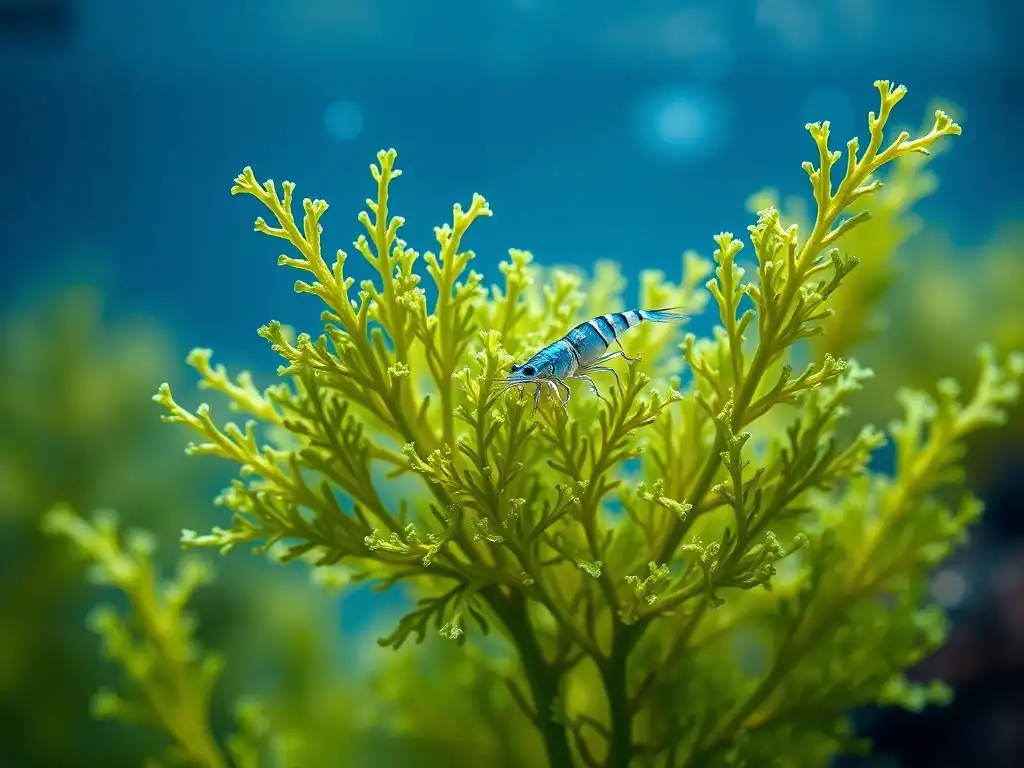
When macroalgae, such as vibrant green Chaetomorpha or deep red Gracilaria, begin to turn white or brown, it's a clear indicator of stress or decline, often signaling underlying issues that can make the macroalgae vulnerable to pests or reduce its effectiveness. Common causes include nutrient deficiency (especially iron, iodine, and other trace elements), insufficient or excessive lighting, temperature stress, or direct damage from pests. For example, Caulerpa species are known to "go sexual" and release spores, turning white and melting, often triggered by inconsistent photoperiods or environmental stress.
To address this, first test your water parameters meticulously, ensuring nitrates and phosphates are present in trace amounts (not zero, as macroalgae need them) and that essential trace elements are available. Adjust lighting intensity and photoperiod if necessary; for instance, reducing light might help if browning is due to bleaching. Ensure stable temperature and salinity. If pest damage is suspected, a thorough inspection and targeted saltwater algae control methods are required to remove the offending organisms. Removing any affected portions of the macroalgae can also help prevent further decay and nutrient release.
Dealing with Algae Blooms in the Refugium
While a refugium is designed to grow beneficial macroalgae, it can sometimes experience outbreaks of undesirable nuisance algae, such as green hair algae, cyanobacteria (red slime algae), or diatoms. These blooms are almost always a symptom of excess nutrients (nitrates and phosphates) in the water column combined with an imbalance in lighting or flow. For instance, a refugium with high phosphate levels (e.g., 0.1 ppm) and strong, broad-spectrum lighting can quickly become overrun with hair algae, outcompeting your desirable Chaetomorpha.
Effective management strategies involve a multi-pronged approach. Firstly, increase nutrient export from the main system through more frequent water changes, enhanced protein skimming, and ensuring your beneficial macroalgae are thriving and consuming nutrients. Secondly, assess and adjust your refugium lighting; sometimes, reducing the photoperiod or intensity can curb nuisance algae growth. Improving water flow within the refugium can also prevent stagnant areas where nuisance algae often flourish. Introducing small, reef-safe cleanup crew members like snails (e.g., Nassarius snails) or hermit crabs into the refugium can also help graze on nuisance algae without harming the macroalgae.
Red Bugs and Effective Management Strategies
Red Bugs ( Tegastes acroporae) are tiny, reddish copepods that are a common and frustrating pest, primarily known for infesting SPS corals, particularly Acropora species. While they don't directly consume macroalgae, their presence in the system means they can easily spread to various surfaces, including macroalgae clumps, and their eradication is critical for overall reef health. They are notoriously difficult to spot due to their small size (less than 1mm) and reddish coloration, often camouflaged against coral tissue.
The most effective management strategy for Red Bugs involves specific chemical treatments, notably those containing milbemycin oxime (e.g., Interceptor for dogs, used off-label). This treatment is highly effective but must be administered with extreme caution, often in a separate treatment tank, as it can be toxic to other crustaceans like shrimp, crabs, and beneficial copepods. Manual removal via siphoning or strong turkey basting can temporarily reduce populations but is not a complete solution. Maintaining pristine water quality and a robust biological filter can help the system recover post-treatment, ensuring the environment remains inhospitable to reinfestation.
Conclusion: Long-Term Saltwater Macroalgae Health Through Effective Pest Control
Frequently Asked Questions
What are some common types of macroalgae found in saltwater aquariums?
Common types include Chaetomorpha (Chaeto), Caulerpa, and Gracilaria. These can be beneficial but require careful management.
Why is macroalgae control important in a saltwater aquarium?
Uncontrolled macroalgae can outcompete corals for nutrients and light. It can also crash your aquarium's ecosystem if not properly maintained.
What are some natural Saltwater algae control methods for macroalgae in a saltwater aquarium?
Introducing herbivorous fish and invertebrates, such as tangs, snails, and urchins, can help control macroalgae. Maintaining a healthy nutrient balance is also key.
Can chemical treatments be used to control macroalgae in a saltwater aquarium?
While chemical treatments exist, they should be used with extreme caution. They can negatively impact sensitive corals and invertebrates in the tank.
How does manual removal factor into Saltwater algae control methods?
Manual removal is a reliable and safe method for Saltwater algae control methods. Regularly trimming or removing excess macroalgae prevents overgrowth.
Final Reflection: Cultivating Balance in the Reef
The journey of maintaining a thriving saltwater aquarium is a constant dance between nurturing life and controlling its excesses. As we've explored various saltwater algae control methods, it becomes clear that effective pest control isn't about eradication, but rather about fostering a balanced ecosystem where desirable macroalgae flourish and unwanted growths are kept in check. This delicate equilibrium mirrors the broader challenges we face in managing our planet's resources, demanding a thoughtful and sustainable approach.
The impact of responsible reef keeping extends far beyond the glass walls of our aquariums. Our choices, from the products we use to the methods we employ, contribute to a larger narrative about conservation and the preservation of delicate marine environments. In nature, nothing exists alone.
- Rachel Carson. This quote resonates deeply when considering the interconnectedness of life within a reef system and underscores the importance of understanding the ripple effect of our actions.
Now, as you consider the information presented, I encourage you to reflect on your own role in this intricate ecosystem. Whether you're a seasoned aquarist or just beginning your journey, remember that your dedication to responsible saltwater algae control methods contributes to the health and beauty of our shared underwater world. Embrace the challenge, learn from your experiences, and strive to cultivate a thriving reef, one balanced ecosystem at a time.
Transform Your Refugium: Act Now!
Thanks for diving into the world of saltwater macroalgae pest control! We hope you found valuable insights into maintaining a healthy and thriving refugium. Ready to put your newfound knowledge into action?
Here are a few things you can do right now:
- Immediately inspect your macroalgae! Early detection is key to preventing infestations.
- Explore different pest removal techniques: Consider a gentle freshwater dip or manual removal to tackle minor issues.
- Share this article with fellow reefing enthusiasts: Help others maintain pest-free refugiums and build a stronger reefing community.
What specific macroalgae pest challenges are you currently facing in your reef tank?