
The Aesthetics of Algae: Using Chaeto, Caulerpa, & Gracilaria to Beautify Your Tank

Welcome to Aquarium Mastery!
Ever thought algae could be beautiful? Dive in and discover the surprisingly artistic side of aquarium keeping! This month, we're exploring the often-overlooked aesthetic potential of macroalgae, starting with a deep dive into Chaeto algae tank beautification. Prepare to transform your aquarium from a simple ecosystem into a stunning underwater landscape. Intrigued? Let's unlock the secrets to a vibrant and visually captivating aquarium, one algae strand at a time!
- Enhancing Aquarium Aesthetics with Saltwater Macroalgae
- Chaeto Algae: A Natural Filter and Visual Enhancement
- Caulerpa Algae: Adding Vibrant Colors and Textures
- Gracilaria Algae: A Versatile and Attractive Option
- Combining Algae Species for a Balanced and Beautiful Aquarium
- Preventing Algae Overgrowth and Maintaining Visual Clarity
- Troubleshooting Common Algae-Related Issues in Aquariums
- Achieving the Ultimate Chaeto Algae Tank Beautification: A Summary
-
Frequently Asked Questions
- What is Chaeto algae and why is it used in aquariums?
- How does Chaeto algae contribute to "Chaeto algae tank beautification?"
- What are the benefits of using Chaeto algae over other types of algae for tank beautification?
- Can Caulerpa or Gracilaria also be used for "Chaeto algae tank beautification," and how do they differ?
- What are some tips for successfully incorporating Chaeto algae into my aquarium for optimal "Chaeto algae tank beautification?"
- Final Reflection: Embracing the Green Bloom
- Cultivate Your Aquatic Paradise: Embrace Algae's Beauty!
Enhancing Aquarium Aesthetics with Saltwater Macroalgae
Understanding the Role of Algae in Aquarium Design
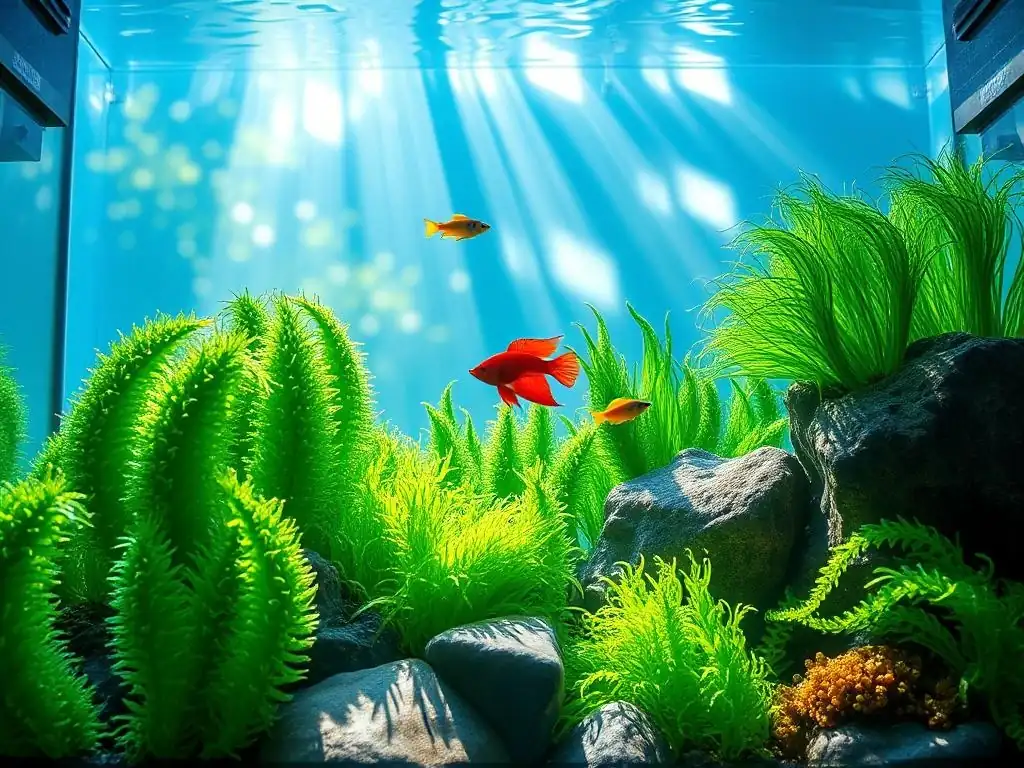
While often perceived as a nuisance, certain types of algae, specifically macroalgae, play a crucial role in marine ecosystems and can be intentionally incorporated into aquarium design for their aesthetic appeal and functional benefits. Unlike the undesirable green hair algae or diatoms that can quickly overrun a tank, macroalgae like Chaeto, Caulerpa, and Gracilaria are larger, more structured plant-like organisms. When managed correctly, they transform from a potential problem into a vibrant, living element that enhances the visual depth and natural beauty of a saltwater aquarium, offering a unique approach to aquascaping.
This shift in perspective allows aquarists to leverage macroalgae as a design tool, creating lush, dynamic underwater landscapes. Their diverse forms, from the delicate, branching structures of some Gracilaria species to the dense, tangled masses of Chaetomorpha, provide unique textures and visual interest. By integrating these species thoughtfully, an aquarist can mimic natural reef environments, provide shelter for small invertebrates, and introduce a spectrum of green, red, and even purple hues that add significant aesthetic value beyond just typical coral and rock formations.
Benefits of Using Macroalgae for Tank Beautification
The most immediate benefit of incorporating macroalgae into your tank is the striking visual appeal they offer. Varieties like vibrant green Caulerpa prolifera can create lush underwater meadows, while the deep reds of Gracilaria parvispora provide a dramatic contrast against the blue light of a reef tank. These natural colors and textures contribute to a more authentic and biodiverse aquascape, making the tank look more established and visually engaging. They can be used to soften harsh rockwork, create natural partitions, or simply fill empty spaces with living, growing beauty.
Beyond their direct aesthetic contributions, macroalgae significantly improve water quality by acting as natural filters, which in turn enhances the overall beauty of the display tank. They efficiently absorb undesirable nutrients such as nitrates and phosphates, which are the primary fuel for unsightly nuisance algae.
For example, a well-lit refugium packed with Chaetomorpha can effectively reduce nitrate levels from a problematic 20 ppm to a more manageable 5 ppm in a moderately stocked 50-gallon tank over a week, leading to crystal-clear water and vibrant, healthy corals and fish. This reduction in pollutants directly translates to a cleaner, more pristine display tank, showcasing the true colors of your inhabitants without the haze or film caused by excess nutrients.
Chaeto Algae: A Natural Filter and Visual Enhancement
Chaetomorpha (Chaeto) Characteristics and Growth Habits
Chaetomorpha linum, commonly known as Chaeto, is a popular non-calcified, filamentous macroalgae characterized by its spaghetti-like, tangled green strands. Unlike many other macroalgae, Chaeto does not attach to substrates or rockwork; instead, it grows in a free-floating, tumbling mass. This unique growth habit makes it exceptionally easy to harvest and manage, as it can simply be removed in handfuls without disturbing the aquascape. Its resilient structure allows it to withstand moderate to high flow, making it ideal for sumps and refugiums where it can tumble freely under dedicated lighting.
Chaeto is renowned for its rapid and consistent growth under optimal conditions, often doubling its biomass in 2 to 4 weeks in a well-lit and nutrient-rich environment. This vigorous growth is directly tied to its efficiency in nutrient absorption.
It thrives in a wide range of saltwater parameters, from specific gravity of 1.023 to 1.026 and temperatures between 72-78°F (22-26°C), making it a hardy and forgiving species for aquarists of all levels. Its non-invasive nature and lack of "going sexual" (releasing spores that can crash the system) further solidify its reputation as a safe and reliable choice for nutrient export.
Using Chaeto for Nutrient Control and Visual Appeal
The primary appeal of Chaeto lies in its exceptional ability to absorb nitrates and phosphates from the water column, effectively acting as a natural biological filter. As it grows, it consumes these nutrients, which are byproducts of fish waste, uneaten food, and decaying organic matter.
For instance, a dense clump of Chaeto weighing approximately one pound can remove an estimated 10-20 mg of nitrate and 1-2 mg of phosphate per day from the system, depending on nutrient availability and lighting. This continuous nutrient uptake helps to suppress the growth of undesirable nuisance algae in the display tank, leading to clearer water and a more aesthetically pleasing environment.
While Chaeto is most commonly housed in a dedicated refugium – a separate compartment of the sump – its indirect contribution to the display tank's visual appeal is immense. By maintaining low nutrient levels, Chaeto ensures that corals retain their vibrant coloration, fish remain healthy, and the overall water clarity is pristine.
Imagine a reef tank where corals maintain their rich blues, reds, and greens without being overshadowed by brown diatom films or green hair algae; this is the direct result of effective nutrient control, a significant part of which can be attributed to the tireless work of Chaeto. This process of Chaeto algae tank beautification, though often unseen, is fundamental to a thriving and attractive aquarium.
Incorporating Chaeto Algae into Your Aquarium Display
While Chaeto is predominantly used in sumps and refugiums due to its tumbling growth habit, its role in Chaeto algae tank beautification extends beyond just nutrient export. In specific aquascaping contexts, particularly in minimalist or biotope-specific nano tanks, small, controlled amounts of Chaeto can be incorporated directly into the display. This is typically done in very low-flow areas or within designated "algae gardens" where it can be contained, offering a unique, free-flowing green element that subtly contrasts with rockwork or sand. However, its non-attaching nature means it's not suitable for traditional fixed aquascaping elements.
The most significant way Chaeto contributes to the display's aesthetics is through its impact on water quality. A well-established Chaeto refugium, ideally sized at 10-20% of the display tank's volume and illuminated for 10-14 hours (often on a reverse photoperiod to balance pH swings), ensures that the main tank remains pristine. This consistent nutrient export prevents nuisance algae blooms, maintains high water clarity, and allows corals to exhibit their best coloration and growth, which are the ultimate expressions of a beautiful saltwater aquarium. Therefore, even when hidden, Chaeto is an indispensable tool for achieving superior Chaeto algae tank beautification.
Caulerpa Algae: Adding Vibrant Colors and Textures
Exploring Different Caulerpa Species for Aquarium Decoration
The genus Caulerpa offers a remarkable diversity of forms, making it a versatile choice for saltwater tank beautification. Species like Caulerpa prolifera feature broad, blade-like fronds that can form lush, flowing meadows, while Caulerpa racemosa is characterized by its distinctive grape-like structures, adding unique texture and visual interest. Caulerpa taxifolia, though invasive in some natural environments, presents delicate, fern-like fronds that create a soft, intricate backdrop in the aquarium. Each species boasts vibrant green hues, with some exhibiting subtle iridescent qualities, enhancing the tank's color palette.
Unlike Chaeto, most Caulerpa species grow rhizoids, root-like structures that allow them to attach to and spread across rockwork or sandbeds. This characteristic makes them excellent for creating naturalistic carpets, covering unsightly equipment, or softening the edges of rock formations. For example, C. prolifera can rapidly spread across a sand bed at a rate of several inches per week under optimal lighting and nutrient availability, quickly establishing a dense, visually appealing green carpet that mimics shallow reef flats. Their varied growth patterns and vibrant coloration provide aquarists with numerous options for creative aquascaping.
Caulerpa's Role in Nutrient Export and the Beauty of Your Tank
Caulerpa species are highly efficient at nutrient uptake, often outcompeting nuisance algae for nitrates and phosphates due to their rapid growth rates. A dense patch of Caulerpa in a refugium or even the display can significantly reduce nitrate levels, potentially dropping them from 20 ppm to near undetectable levels within a week in a moderately stocked 40-gallon system.
This aggressive nutrient absorption leads to a cleaner, healthier water column, which directly translates to a more beautiful display tank. Clear water, free from the cloudiness or film associated with high nutrients, allows the true vibrancy of corals and fish to shine through.
The aesthetic contribution of Caulerpa goes hand-in-hand with its functional benefits. By effectively reducing dissolved pollutants, Caulerpa prevents the proliferation of undesirable microalgae, such as diatoms and cyanobacteria, which can obscure the beauty of your aquascape. When these nuisance algae are kept at bay, the intricate details of your live rock, the delicate polyps of your corals, and the vibrant colors of your fish become the focal point. This creates a pristine and visually appealing environment, demonstrating how a healthy, nutrient-controlled system, aided by Caulerpa, directly enhances the overall beauty of your aquarium.
Managing Caulerpa Growth for Optimal Aesthetics
While Caulerpa offers significant aesthetic and functional benefits, its rapid growth and tendency to "go sexual" (sporulate) require careful management to maintain optimal aesthetics and prevent system crashes. Sporulation occurs when the algae releases its contents into the water, causing a milky cloudiness and a sudden nutrient spike that can stress tank inhabitants. To prevent this, regular trimming is crucial; removing 20-30% of the Caulerpa biomass every 2 to 4 weeks (depending on growth rate) effectively exports absorbed nutrients and encourages vegetative growth, preventing the algae from reaching a stressed state where it might sporulate.
Controlling Caulerpa's spread is also vital for maintaining the intended aquascape design. Because many species attach and spread via rhizoids, they can quickly overgrow corals or other desirable elements if not managed. Placing Caulerpa in confined areas, such as a dedicated section of the display tank or a partitioned refugium, can help. Regular pruning not only prevents overgrowth but also maintains the desired shape and density of the Caulerpa patches, ensuring they remain an aesthetic asset rather than an invasive weed. This proactive approach ensures Caulerpa continues to enhance, rather than detract from, the tank's beauty.
Gracilaria Algae: A Versatile and Attractive Option
Gracilaria Varieties for Saltwater Tank Beautification
The Gracilaria genus encompasses a diverse range of macroalgae, many of which are highly valued for their unique forms and vibrant colors, making them excellent choices for saltwater tank beautification. Popular varieties include Gracilaria parvispora, often known as Red Ogo, which features delicate, branching structures in shades of deep red to reddish-brown, and Gracilaria hayi, which can exhibit a more robust, bushy form. Other species might present with thicker, more substantial fronds or intricate, feathery textures. These varying morphologies allow aquarists to introduce a wide array of visual interest and structural diversity into their tanks.
What truly sets Gracilaria apart aesthetically is its striking coloration. While most macroalgae are green, many Gracilaria species come in brilliant reds, oranges, and even purples, providing a dramatic contrast against the typical greens of corals or other macroalgae. A cluster of vibrant red Gracilaria can serve as a stunning focal point, drawing the eye and adding depth to the aquascape. Its unique textures, from fine filaments to broader blades, also contribute to a more natural and complex underwater landscape, enriching the overall visual experience of the aquarium.
Benefits of Gracilaria Beyond Aesthetics: Nutrient Uptake
Beyond its undeniable aesthetic appeal, Gracilaria is a highly efficient nutrient absorber, playing a significant role in maintaining water quality. Like Chaeto and Caulerpa, Gracilaria actively consumes nitrates and phosphates from the water column as it grows, helping to prevent the proliferation of nuisance algae in the main display. Its growth rate, while varying by species and conditions, can be substantial, with some types capable of rapid biomass increase under strong lighting and ample nutrient availability, thus exporting significant amounts of pollutants when regularly harvested.
Furthermore, several Gracilaria species are known to be palatable to herbivorous fish, such as tangs and angelfish. This provides a dual benefit: it serves as a natural, nutritious food source for these fish, promoting their health and natural grazing behaviors, and simultaneously helps to manage the algae's growth within the tank. Observing fish grazing on Gracilaria can be an engaging visual element in itself, adding dynamic interaction to the aquascape. This natural food source also reduces the need for artificial feeding, further contributing to a cleaner, more stable, and aesthetically pleasing aquarium environment.
Creative Ways to Display Gracilaria in Your Aquarium
Gracilaria's diverse forms and colors make it incredibly versatile for creative aquascaping. Unlike Chaeto, many Gracilaria species can be gently attached to rockwork using reef-safe super glue gel or fishing line, allowing aquarists to create "algae bushes" or naturalistic thickets that mimic real reef structures. A vibrant red Gracilaria can be strategically placed to provide a striking color accent against a backdrop of green corals or dark live rock, drawing the eye and adding depth to the overall design. Its delicate branching forms can also be draped over existing rockwork, softening edges and adding a sense of natural flow.
Another creative approach is to cultivate Gracilaria in a dedicated "algae garden" section of the display tank, separated by a low rock wall or even a clear acrylic divider. This allows the algae to grow uninhibited while providing a visually distinct and appealing zone.
For example, a small patch of Gracilaria hayi could be placed to provide natural shelter for small invertebrates like copepods or amphipods, enhancing biodiversity and adding subtle movement to the tank. Its robust structure also makes it suitable for higher flow areas, where its movement can add a dynamic element to the aquascape, making it a truly versatile option for tank beautification.
Combining Algae Species for a Balanced and Beautiful Aquarium
Creating a Diverse Macroalgae Display
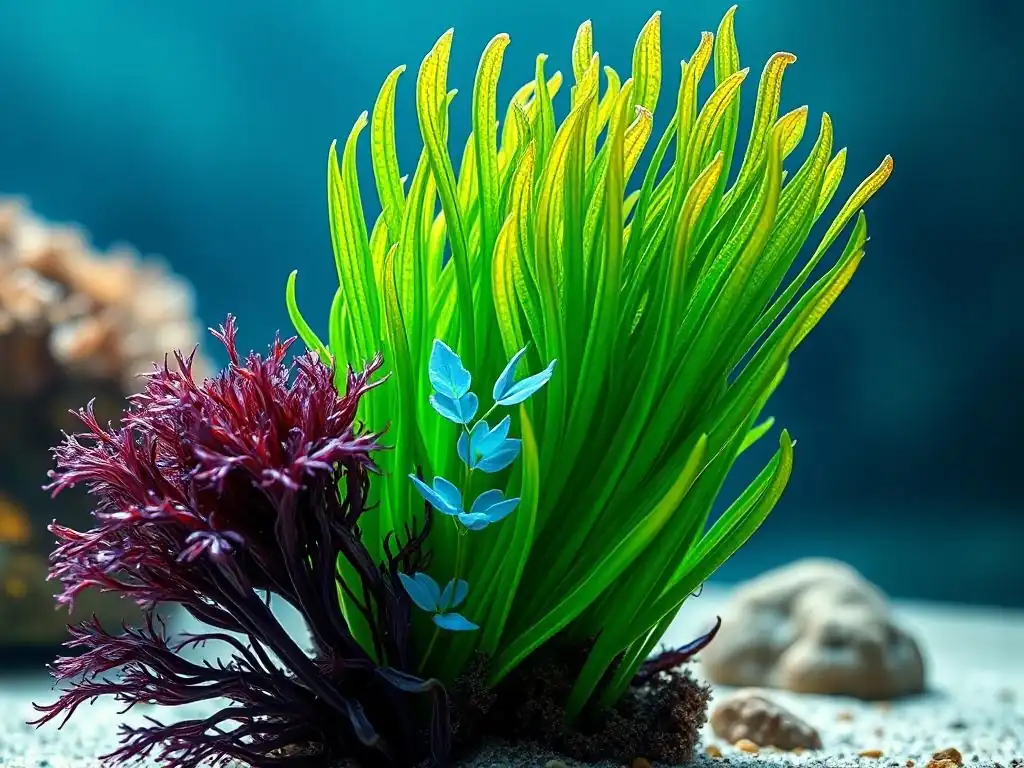
The true artistry of saltwater tank beautification with macroalgae often lies in combining different species to leverage their unique forms, textures, and colors. Imagine a refugium or even a dedicated display section featuring the dense, tumbling strands of Chaeto providing robust nutrient export, alongside the broad, flowing blades of Caulerpa prolifera creating a lush green carpet, and the intricate, vibrant red branches of Gracilaria parvispora adding a striking vertical accent. This layering of diverse macroalgae mimics the complexity and biodiversity found in natural reef environments, creating a more dynamic and visually rich aquascape.
By carefully selecting species with complementary growth habits and aesthetic qualities, aquarists can achieve a balanced and harmonious display. For instance, Chaeto's free-floating nature makes it perfect for a tumbling refugium, while Caulerpa's ability to attach allows it to cover unsightly areas or form distinct patches in a display. Gracilaria, with its varied forms, can be used for accentuation or to add bursts of color. This thoughtful combination not only maximizes nutrient export efficiency but also elevates the aesthetic appeal of the entire system, offering a multi-faceted approach to Chaeto algae tank beautification and beyond.
Optimizing Water Parameters for Healthy Algae Growth
For macroalgae to thrive and contribute effectively to Chaeto algae tank beautification, specific water parameters must be maintained. Adequate lighting is paramount; a spectrum ranging from 6500K to 10000K, provided for 10-14 hours daily (often on a reverse photoperiod for refugiums), is generally ideal. Temperature should remain stable between 72-78°F (22-26°C), and a moderate to high water flow is beneficial for nutrient delivery to the algae, especially for species like Chaeto. While trace elements like iron and iodine are usually present in quality salt mixes, targeted dosing might be necessary if deficiencies are observed, particularly in heavily planted systems.
Crucially, macroalgae require measurable levels of nitrates and phosphates to grow. Paradoxically, if these nutrients are too low (e.g., nitrates below 1-2 ppm or phosphates below 0.01 ppm), the macroalgae can starve and regress, ceasing their nutrient export function. Maintaining a slight presence of these nutrients (e.g., nitrates at 5-10 ppm and phosphates at 0.03-0.07 ppm) ensures the algae have the fuel they need to thrive, grow vigorously, and thus efficiently remove excess pollutants. Regular testing and minor adjustments to feeding or dosing can help maintain this delicate balance, ensuring a healthy and aesthetically pleasing macroalgae ecosystem.
Maintaining a Pristine and Aesthetically Pleasing Saltwater Tank with Algae
Achieving and maintaining a pristine and aesthetically pleasing saltwater tank with macroalgae is an ongoing process that requires consistent attention to detail. Regular trimming of macroalgae is perhaps the most critical maintenance task; removing 20-30% of the biomass every one to two weeks, depending on growth, ensures that the absorbed nutrients are physically exported from the system. This prevents the macroalgae from becoming nutrient-saturated or "crashing," which could release stored pollutants back into the water and negate their benefits.
Beyond trimming, routine detritus removal from sumps and refugiums, coupled with consistent water changes (e.g., 10-20% bi-weekly), are essential. Water changes replenish vital trace elements consumed by both corals and macroalgae, and remove any lingering dissolved organic compounds. Diligent monitoring of key water parameters, including nitrates, phosphates, alkalinity, calcium, and magnesium, helps identify potential issues before they escalate. This proactive and continuous maintenance regimen ensures that the macroalgae remain healthy and vibrant, effectively contributing to water quality and preserving the overall beauty of your saltwater aquarium.
Preventing Algae Overgrowth and Maintaining Visual Clarity
Controlling Algae Blooms in Your Display Tank
Even with beneficial macroalgae in place, controlling undesirable microalgae blooms in the display tank is crucial for maintaining visual clarity and overall aesthetics. These nuisance algae, such as green hair algae, diatoms (brown film), or cyanobacteria (red slime algae), often indicate an imbalance in the system, even if macroalgae are performing their nutrient export role.
Common causes include overfeeding, insufficient water changes, inadequate mechanical filtration allowing detritus to accumulate, or excessive lighting intensity or duration. For example, a sudden spike in nitrates from 5 ppm to 30 ppm due to an unnoticed dead snail can trigger a rapid hair algae bloom, even in a system with a healthy Chaeto refugium.
The presence of a robust macroalgae population in a refugium significantly reduces the likelihood of nuisance algae blooms by outcompeting them for nutrients. However, if the bioload is too high for the macroalgae system to handle, or if other factors like silicates (for diatoms) or low flow (for cyanobacteria) are present, blooms can still occur. It's important to understand that while Chaeto algae tank beautification through nutrient control is powerful, it's one component of a holistic strategy. Addressing the root cause of the bloom, rather than just treating symptoms, is key to long-term visual clarity.
Effective Algae Management Techniques for a Beautiful Aquarium
Effective algae management for a beautiful aquarium relies on a multi-pronged approach that combines prevention with proactive intervention. Strict control over feeding is paramount; feeding only what fish can consume within 2-3 minutes, once or twice daily, minimizes uneaten food that breaks down into pollutants. Regular water changes, typically 10-20% bi-weekly, help dilute accumulated nutrients and replenish essential trace elements. Ensuring proper mechanical filtration (e.g., filter socks changed every 2-3 days) and robust biological filtration prevents the buildup of organic waste that fuels algae growth.
Introducing a diverse cleanup crew is another highly effective technique. Herbivorous snails like Trochus, Turbo, and Nerite snails, along with various hermit crabs, actively graze on nuisance algae from rockwork and sand. Certain fish, such as Tangs (e.g., Yellow Tangs) and Blennies (e.g., Lawnmower Blennies), are excellent algae grazers.
For instance, a small cleanup crew of 5-10 snails per 20 gallons of tank volume can significantly reduce the need for manual algae removal on glass and rocks. This integrated approach ensures that the aesthetic contributions of your macroalgae are not overshadowed by undesirable algae, preserving the overall beauty of your aquarium.
Identifying and Addressing Algae Problems
Even with the best intentions for Chaeto algae tank beautification, aquarists may encounter issues with their macroalgae. Common problems include macroalgae melting, turning pale, or failing to grow vigorously. If Chaeto turns pale or translucent, it often indicates a lack of essential nutrients (nitrates or phosphates) or insufficient lighting. Similarly, red Gracilaria turning white or losing its vibrant color can signal a severe nutrient deficiency, particularly iron, or inadequate light spectrum. Slow or stunted growth across all macroalgae species might point to a combination of low nutrients, insufficient light intensity, or incorrect photoperiod.
To address these issues, a systematic diagnostic approach is crucial. First, thoroughly test key water parameters, including nitrates, phosphates, alkalinity, calcium, and magnesium, to ensure they are within optimal ranges for macroalgae growth. Then, evaluate your lighting system: check the age of the bulbs (LEDs have longer lifespans, but intensity can diminish over years), the spectrum (6500K-10000K is generally preferred), and the photoperiod.
Ensure adequate water flow through the macroalgae area to deliver nutrients. For instance, if nitrates are consistently zero, a slight increase in feeding or a reduction in water changes might be necessary to provide the macroalgae with the fuel they need.
Solutions for Maintaining a Healthy and Visually Appealing Algae Ecosystem
Once the underlying cause of an algae problem is identified, targeted solutions can be implemented to restore a healthy and visually appealing macroalgae ecosystem. If nutrient deficiencies are the issue, controlled increases in feeding or, in very low-nutrient systems, the careful dosing of a nitrate or phosphate supplement can provide the necessary fuel for growth. For pale macroalgae, particularly reds and greens, supplementing with trace elements like iron or iodine can often revitalize their color and growth. Increasing light intensity or extending the photoperiod (within safe limits, e.g., to 12-14 hours) can also stimulate growth.
If macroalgae are melting or appearing stressed despite adequate nutrients, evaluate water quality parameters like alkalinity and pH, as rapid swings can harm them. Ensuring stable parameters through consistent dosing or regular water changes is vital. For example, maintaining alkalinity at 7-9 dKH and pH at 8.0-8.4 provides a stable environment. Patience and consistency are key; it often takes several weeks for macroalgae to recover and begin thriving again after adjustments are made. A healthy, robust macroalgae population is a cornerstone of Chaeto algae tank beautification, contributing both to water quality and the overall aesthetic appeal of the aquarium.
Achieving the Ultimate Chaeto Algae Tank Beautification: A Summary
Key Takeaways for Aquascaping with Macroalgae
The journey to achieving ultimate Chaeto algae tank beautification, and indeed, overall saltwater aquarium excellence, hinges on understanding and leveraging the power of macroalgae. The key takeaway is that macroalgae are not merely functional filters but powerful aesthetic tools. Chaetomorpha excels in robust nutrient control and provides a unique tumbling texture in refugiums, essential for clear display water.
Caulerpa species offer diverse forms and vibrant green hues, ideal for creating lush carpets and intricate textures directly in the display, while also being highly efficient nutrient exporters. Gracilaria introduces striking reds and unique branching structures, providing dramatic color contrast and versatile aquascaping options.
Successful integration of these beneficial algae requires a holistic approach: understanding each species' specific needs for light, flow, and nutrient levels, coupled with diligent and consistent maintenance. This includes regular trimming to export absorbed nutrients, maintaining stable water parameters, and preventing overgrowth to ensure they remain an asset rather than a liability. By embracing macroalgae as integral design elements and vital components of the ecosystem, aquarists can transform their tanks into stunning, healthy, and naturally balanced underwater masterpieces, epitomizing the ultimate Chaeto algae tank beautification and beyond.
Resources for Further Learning About Macroalgae in Aquariums
To further deepen your understanding and enhance your Chaeto algae tank beautification efforts, exploring additional resources is highly recommended. Delve into detailed species profiles of lesser-known macroalgae varieties to discover even more aesthetic and functional possibilities for your aquarium. Research advanced refugium setups, including optimal flow patterns and lighting strategies, to maximize nutrient export efficiency. Specific guides on nutrient dosing for macroalgae, such as iron or iodine supplementation, can provide precise information for ensuring their vibrant growth and health, especially in ultra-low nutrient systems.
Consider exploring biotope aquascaping techniques that focus on replicating specific natural marine environments, where macroalgae play a prominent role. Engaging with the broader aquarium community through online forums, local aquarium clubs, and workshops can also provide invaluable hands-on advice and shared experiences from seasoned aquarists. These resources collectively offer a pathway to mastering the art and science of incorporating macroalgae, leading to a truly unique, beautiful, and thriving saltwater aquarium ecosystem.
Frequently Asked Questions
What is Chaeto algae and why is it used in aquariums?
Chaeto is a macroalgae often used in aquariums as a natural nutrient control method. It also provides a habitat for beneficial microfauna and can contribute to tank beautification.
How does Chaeto algae contribute to "Chaeto algae tank beautification?"
Chaeto's vibrant green color and unique, tangled structure can add a natural and visually appealing element to your aquarium. Properly grown, it creates a lush, living display.
What are the benefits of using Chaeto algae over other types of algae for tank beautification?
Compared to nuisance algae, Chaeto is relatively easy to control and maintain. Its rapid growth helps outcompete unwanted algae, while also offering a distinct and aesthetic appearance.
Can Caulerpa or Gracilaria also be used for "Chaeto algae tank beautification," and how do they differ?
Yes, Caulerpa and Gracilaria are other macroalgae options. Caulerpa can be more aggressive, while Gracilaria offers a different texture and coloration, providing alternative aesthetic options.
What are some tips for successfully incorporating Chaeto algae into my aquarium for optimal "Chaeto algae tank beautification?"
Provide sufficient lighting, maintain proper water parameters, and regularly prune the Chaeto to prevent it from shading corals or becoming too dense. Consistent maintenance is key to a healthy and visually pleasing display.
Final Reflection: Embracing the Green Bloom
The journey into the aesthetics of algae, particularly with species like Chaeto, Caulerpa, and Gracilaria, reveals more than just a method for tank beautification; it unveils a powerful intersection of science, art, and ecological awareness. The current surge in aquascaping popularity, coupled with a growing desire for sustainable practices, makes the integration of these algae into aquarium design not just trendy, but profoundly relevant. We've seen how these often-overlooked organisms can transform a simple glass box into a vibrant, self-sustaining ecosystem, challenging conventional notions of beauty within the aquatic world.
This exploration into the potential of algae has deeply impacted my own perspective on aquarium keeping, shifting it from a purely decorative pursuit to one that embraces the natural processes and inherent beauty of aquatic life. The realization that we can create stunning visual displays while simultaneously contributing to a healthier environment is incredibly empowering. Look deep into nature, and then you will understand everything better.
- Albert Einstein. This quote resonates deeply when considering the role of algae; by understanding its function, we unlock its aesthetic potential and its crucial role in a balanced ecosystem.
Now, as you consider the possibilities presented by Chaeto, Caulerpa, and Gracilaria, I encourage you to look beyond the traditional boundaries of aquarium design. Embrace the challenge of creating a living masterpiece, one that not only captivates the eye but also contributes to a healthier, more sustainable aquatic environment. Let the green bloom inspire you to cultivate beauty, balance, and a deeper connection with the natural world within your own tank.
Cultivate Your Aquatic Paradise: Embrace Algae's Beauty!
Thanks for diving into the world of algae and its aesthetic potential in your aquarium! We hope you’ve found inspiration to see these often-overlooked organisms in a new light. Now, let's transform that inspiration into action.
Here are a few ways to continue your algae journey:
- Begin your 'green' transformation: Research and select one type of decorative macroalgae mentioned (Chaeto, Caulerpa, or Gracilaria) to introduce to your aquarium.
- Share the "Algae Aesthetic" with your fellow aquarists. Inspire new aquarists: Share your new knowledge with a friend
- Dive deeper by doing more research on the best algae that fits your tanks parameters.
What's one small algae-related change you're excited to implement in your tank this week?