
Unmasking the Tiger Barb: Temperament, Origins, and Aquarium Suitability

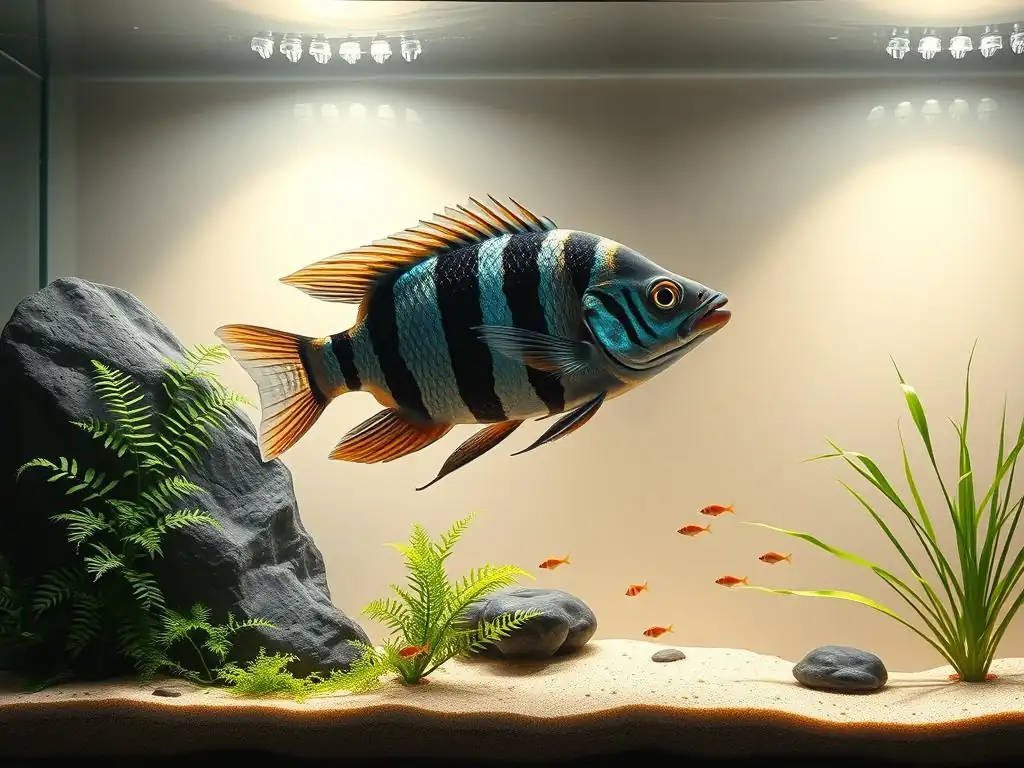
Welcome to Aquarium Mastery!
Ever wondered about the true nature of the Tiger Barb? These striped dynamos are a favorite among aquarists, but their temperament is often misunderstood. Dive into our comprehensive guide to unlock the secrets of the Tiger Barb, from their vibrant origins to creating the perfect community aquarium where they can truly thrive. Are they the right fish for your tank? Let's find out!
- Understanding the Tiger Barb: A Comprehensive Guide
- Tiger Barb Origins and Natural Habitat
- Tiger Barb Appearance and Physical Characteristics
- Tiger Barb Aquarium Temperament Guide: Behavior and Compatibility
- Choosing the Right Tank Mates for Tiger Barbs
- Setting Up the Ideal Tiger Barb Aquarium
- Tiger Barb Care and Maintenance
- Common Tiger Barb Health Issues and Prevention
- Breeding Tiger Barbs: A Step-by-Step Guide
- Alternatives to Tiger Barbs for Beginners
- The Allure of Tiger Barbs: Why Keep Them?
- Is a Tiger Barb Aquarium Right for You?
-
Frequently Asked Questions
- What is the general temperament of Tiger Barbs and why is it important to understand?
- How many Tiger Barbs should I keep together in an aquarium?
- What type of tank mates are generally not suitable for a Tiger Barb aquarium?
- What specific water parameters are essential for maintaining a healthy Tiger Barb aquarium?
- Are there any plants that Tiger Barbs are known to avoid damaging in an aquarium?
- Final Reflection: Embracing the Nuances of Aquarium Life
- Ignite Your Aquarium Passion: Start with the Tiger Barb!
Understanding the Tiger Barb: A Comprehensive Guide
The Tiger Barb ( Puntigrus tetrazona), a vibrant and active freshwater fish, is a popular choice for many aquarists. Known for its striking striped pattern and energetic schooling behavior, this species can add dynamic movement and visual appeal to a community tank. However, its reputation for fin-nipping often precedes it, leading to questions about its suitability for various aquarium setups. This comprehensive guide will delve into every aspect of caring for Tiger Barbs, from their natural habitat to their specific behavioral traits, ensuring you have all the knowledge needed for a successful Tiger barb aquarium.
Understanding the nuances of their care, particularly their social dynamics and potential for aggression, is crucial for maintaining a harmonious aquatic environment. We will explore how proper tank conditions, appropriate tank mates, and a well-thought-out "Tiger barb aquarium temperament guide" can transform these lively fish into captivating inhabitants rather than problematic ones. By the end of this article, you'll be equipped to decide if the energetic and charismatic Tiger Barb is the right addition to your aquatic family.
Tiger Barb Origins and Natural Habitat
Geographic Distribution of Tiger Barbs
Tiger Barbs are native to the tropical and subtropical regions of Southeast Asia, primarily found in the islands of Sumatra and Borneo, as well as parts of the Malay Peninsula and Thailand. Their natural range encompasses a variety of freshwater systems, from clear, slow-moving streams and rivers to more stagnant swamps and floodplains. Historically, wild populations were abundant in specific river basins, adapting to diverse environmental conditions.
While their wild populations still exist, the vast majority of Tiger Barbs found in the aquarium trade today are captive-bred. This widespread breeding has made them one of the most readily available and affordable freshwater fish globally, reducing pressure on wild stocks. However, it also highlights the importance of responsible ownership to prevent the release of non-native species into local ecosystems, which could potentially disrupt native aquatic life.
Natural Environment and Water Conditions
In their native habitats, Tiger Barbs typically inhabit highly oxygenated, clear to slightly turbid waters with moderate currents. These environments often feature dense vegetation along the banks, submerged roots, and plenty of leaf litter, providing both shelter and foraging opportunities. The substrate usually consists of sand, gravel, or fine detritus, mimicking conditions that encourage natural behaviors like sifting through the bottom for food.
The water parameters in their natural environments are generally soft to moderately hard, with a slightly acidic to neutral pH. Temperatures typically range between 72-79°F (22-26°C), with a pH of 6.0-7.5 and a general hardness (GH) of 5-12 dGH. Replicating these conditions in a home aquarium is vital for the long-term health and vitality of Tiger Barbs, as stable parameters minimize stress and bolster their immune systems.
Tiger Barb Appearance and Physical Characteristics
Identifying Features of Tiger Barbs
The most distinctive feature of the Tiger Barb is its striking coloration: a vibrant orange or golden-yellow body adorned with four prominent black vertical stripes. These stripes give the fish its common name and serve as a natural camouflage in their native, vegetated waters. The first stripe passes through the eye, the second is just before the dorsal fin, the third runs across the dorsal and anal fins, and the fourth is at the base of the caudal fin.
Beyond the classic striped pattern, Tiger Barbs also exhibit various fin colors, often with red or orange highlights on their snout, dorsal fin, and caudal fin, especially in mature males. Several cultivated varieties exist, including the Green Tiger Barb (which has a deeper, almost metallic green body color), Albino Tiger Barb (lacking pigment, appearing white or pale yellow), and Long-Fin Tiger Barb (with elongated fins). These variations retain the characteristic striped pattern, though sometimes less distinctly.
Tiger Barb Size and Lifespan in Captivity
In a well-maintained aquarium, the average adult Tiger Barb typically reaches a size of about 2.5 to 3 inches (approximately 6 to 7.5 centimeters) in total length. Their growth rate is influenced by factors such as tank size, diet quality, and the stability of water parameters. While some individuals might grow slightly larger, exceeding 3 inches is uncommon in home aquariums.
With optimal care, including consistent water quality, a balanced diet, and appropriate tank mates, Tiger Barbs can live for a significant period in captivity. Their average lifespan ranges from 5 to 7 years, though some well-cared-for specimens have been known to live for up to 8 years. Providing a spacious environment and minimizing stress are key factors in maximizing their longevity and ensuring a healthy, active life.
Tiger Barb Aquarium Temperament Guide: Behavior and Compatibility
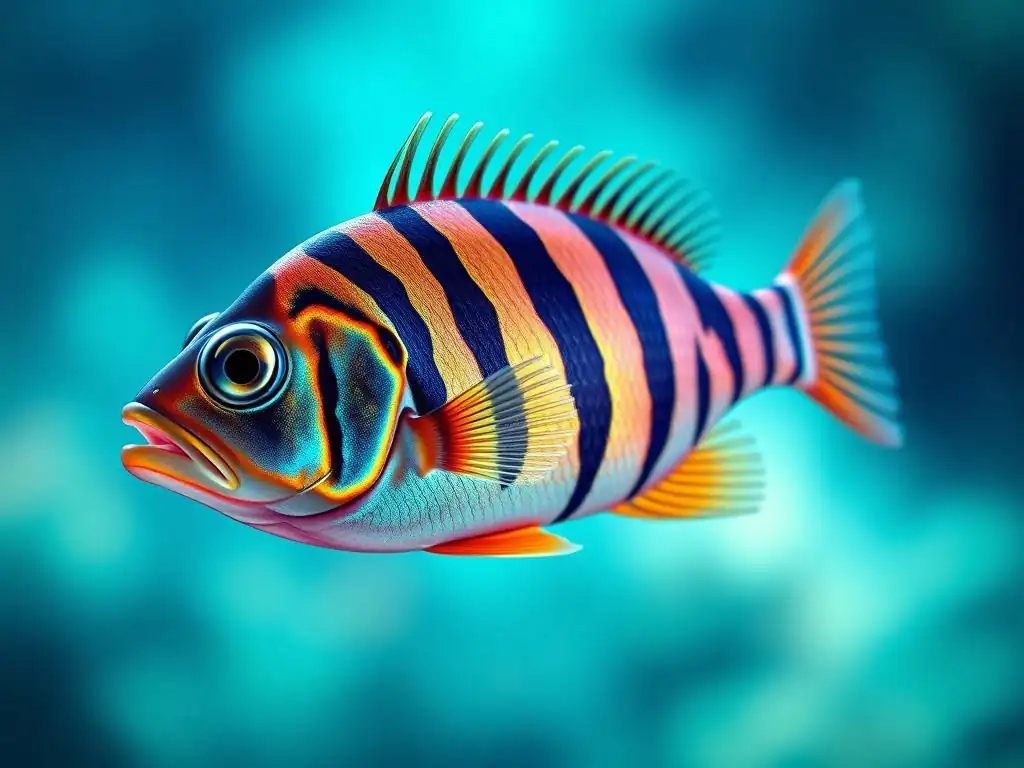
Tiger Barbs are quintessential schooling fish, exhibiting complex social behaviors within their group. In their natural habitat, and ideally in the aquarium, they thrive when kept in groups of six or more individuals. This schooling instinct is primarily a defense mechanism, providing safety in numbers against potential predators. Within the school, they engage in constant interaction, chasing and nipping at each other in what appears to be a playful, yet sometimes aggressive, manner.
This internal "pecking order" is a normal part of their social structure, with dominant individuals occasionally asserting themselves over subordinates. When kept in insufficient numbers (e.g., fewer than six), their natural schooling behavior breaks down, and the internal aggression that would normally be directed at other barbs within the school can be redirected towards other, often unsuspecting, tank mates. This crucial aspect forms a core part of any comprehensive "Tiger barb aquarium temperament guide."
Understanding Tiger Barb Schooling Dynamics
The dynamics of a Tiger Barb school are fascinating to observe. A larger group, ideally 8-10 or more, helps to diffuse aggression among the individuals. When there are enough barbs, the nipping and chasing that occurs is primarily directed at other barbs within the school, establishing a hierarchy and keeping them engaged with their own kind. This internal activity reduces the likelihood of them bothering other fish in the tank.
Conversely, a small group of Tiger Barbs (e.g., 2-4 individuals) often leads to heightened stress and increased aggression. Without a sufficient number of targets for their natural nipping behavior, the barbs may become overly aggressive towards other species in the aquarium, particularly slow-moving or long-finned fish. This makes understanding proper schooling dynamics a critical component of any effective "Tiger barb aquarium temperament guide."
Tiger Barb Aggression: Myths and Realities
The reputation of Tiger Barbs as aggressive fin-nippers is widespread, but it's often a misunderstanding of their natural behavior. The reality is that much of their "aggression" is actually boisterous, playful nipping primarily directed at their own kind when kept in a proper school. They are highly active and energetic, which can be perceived as aggressive by those unfamiliar with their specific temperament.
However, true problematic aggression can manifest under certain conditions. This usually occurs when Tiger Barbs are kept in too small a group (e.g., fewer than six), in an undersized aquarium, or with inappropriate tank mates. In such scenarios, their natural nipping behavior can turn into destructive attacks on vulnerable fish, leading to stress, fin damage, and even death for other inhabitants. A well-informed "Tiger barb aquarium temperament guide" emphasizes managing these conditions to prevent such outcomes.
Minimizing Aggression in Tiger Barb Aquariums
To minimize aggression and ensure a harmonious environment for your Tiger Barbs, several key strategies should be implemented. Firstly, always keep them in a sizable school of at least 8 to 10 individuals; this allows their natural pecking order to establish within the group, diffusing any nipping among themselves rather than targeting other species. Secondly, provide a generously sized aquarium, ideally 30 gallons (approximately 115 liters) or larger for a full school, which offers ample swimming space and reduces territorial disputes.
Furthermore, judicious aquascaping can significantly reduce stress and aggression. Incorporate plenty of dense planting, driftwood, and rock formations to create visual barriers and hiding spots. This allows less dominant fish to retreat and break line of sight, reducing confrontations. Lastly, choose appropriate tank mates that are fast-moving, robust, and equally active, as discussed in detail in the following sections, completing your comprehensive "Tiger barb aquarium temperament guide."
Choosing the Right Tank Mates for Tiger Barbs
Compatible Fish Species for a Tiger Barb Tank
Selecting appropriate tank mates is crucial for a successful Tiger barb aquarium temperament guide. Compatible species are generally those that are fast-moving, robust, and not easily intimidated by the barbs' energetic nature. Good choices include other active cyprinids like various Danio species (e.g., Zebra Danios, Giant Danios), which share a similar activity level and can easily outmaneuver any attempts at nipping.
Other excellent companions include certain larger, more robust tetra species such as Congo Tetras or Lemon Tetras, which are too large or too quick to be bothered. Bottom dwellers like Clown Loaches (which are also active and enjoy schooling), Bristlenose Plecos, or Corydoras Catfish are generally safe as they occupy different parts of the water column and are armored or quick enough to avoid issues. Even some smaller, peaceful cichlids like Bolivian Rams can coexist if the tank is large enough and provides plenty of territories.
Fish to Avoid: Incompatible Tank Mates
When planning your Tiger barb aquarium, certain fish species should be strictly avoided due to their vulnerability to fin-nipping or their inability to cope with the barbs' boisterous behavior. Any fish with long, flowing fins, such as Angelfish, Bettas (Siamese Fighting Fish), Guppies, or Gouramis, are prime targets for Tiger Barbs and will likely suffer severe fin damage and chronic stress.
Slow-moving, docile, or timid fish are also poor choices, as they will be constantly harassed and stressed, leading to illness or death. Examples include many types of Rainbowfish (unless very large), most Dwarf Cichlids (other than robust species like Bolivian Rams), and small, delicate community fish. Understanding these incompatibilities is a vital part of mastering the "Tiger barb aquarium temperament guide" to prevent unnecessary harm to your aquatic inhabitants.
Creating a Harmonious Community Aquarium
Beyond just choosing compatible species, creating a harmonious community aquarium with Tiger Barbs requires careful consideration of tank size and aquascaping. A larger tank provides more space for all inhabitants, reducing territorial disputes and allowing non-barb species to escape if necessary. For a school of 8-10 Tiger Barbs and a few compatible tank mates, a 55-gallon (approximately 210-liter) tank is a good starting point, providing ample room for everyone.
Strategic aquascaping, incorporating a mix of dense planting, driftwood, and rock formations, is essential. These elements break up lines of sight, creating natural territories and hiding spots for all fish, especially those that might need a retreat from the barbs' energy. By providing both open swimming areas and sheltered zones, you can significantly mitigate potential conflicts and contribute to a balanced and thriving "Tiger barb aquarium temperament guide" setup.
Setting Up the Ideal Tiger Barb Aquarium
Tank Size Recommendations for Tiger Barbs
For a healthy and active school of Tiger Barbs, tank size is a critical factor influencing their behavior and overall well-being. A minimum tank size of 20 gallons (approximately 75 liters) is recommended for a small school of 6-8 juvenile Tiger Barbs. However, to truly allow them to thrive, exhibit their natural schooling behavior, and minimize aggression, a 30-gallon (around 115 liters) or larger aquarium is highly preferred, especially as they mature.
For a larger school of 10 or more Tiger Barbs, or when planning a community tank with compatible species, a 55-gallon (approximately 210 liters) or even 75-gallon (approximately 285 liters) tank would be ideal. The length of the tank is often more important than its height for active swimmers like Tiger Barbs, as it provides more horizontal swimming space. Adequate space is paramount for implementing an effective "Tiger barb aquarium temperament guide."
Essential Aquarium Equipment for Tiger Barbs
Setting up a Tiger barb aquarium requires several key pieces of equipment to ensure stable and healthy conditions. A robust filtration system is essential; a hang-on-back (HOB) filter or, for larger tanks, a canister filter capable of handling a moderate to heavy bioload is recommended. Look for filters with mechanical, chemical, and biological filtration media to maintain crystal-clear water and process waste efficiently.
A reliable heater with a thermostat is crucial to maintain the stable tropical temperatures (72-79°F or 22-26°C) that Tiger Barbs prefer. A thermometer is also necessary to monitor the water temperature accurately. While not strictly mandatory, an air stone or powerhead can provide additional oxygenation and water movement, which Tiger Barbs appreciate. Finally, appropriate lighting, suitable for any live plants you choose to include, completes the basic setup.
Creating a Natural and Enriching Environment
To mimic their natural habitat and promote optimal health and behavior, decorating a Tiger barb aquarium with a mix of live plants, driftwood, and rocks is highly beneficial. Live plants like Java Fern, Anubias, Amazon Swords, or Vallisneria provide natural hiding spots, visual barriers, and help with water quality by absorbing nitrates. These plants should be hardy enough to withstand the barbs' active swimming.
Driftwood and smooth rocks can create additional cover and visual interest, breaking up the line of sight and reducing potential aggression within the school. It's important to balance these decorative elements with open swimming areas, as Tiger Barbs are very active and require ample space to dart around. A dark substrate, such as fine gravel or sand, can also help bring out their vibrant colors and reduce stress.
Tiger Barb Care and Maintenance
Water Parameters for Optimal Health
Maintaining stable and appropriate water parameters is fundamental to the health and longevity of your Tiger Barbs. They thrive in tropical conditions with a temperature range of 72-79°F (22-26°C). The pH level should be kept between 6.0 and 7.5, leaning slightly acidic to neutral. Water hardness (GH) should ideally be in the range of 5-12 dGH. Consistency in these parameters is more important than hitting exact numbers at the extremes of the range.
Regular testing of ammonia, nitrite, and nitrate levels is crucial. Ammonia and nitrite should always be at zero, while nitrates should be kept below 20 ppm through routine water changes. Sudden fluctuations in temperature or water chemistry can cause significant stress, weakening their immune system and making them susceptible to disease, undermining any "Tiger barb aquarium temperament guide" efforts.
Feeding Tiger Barbs: Diet and Nutrition
Tiger Barbs are omnivorous and have hearty appetites, readily accepting a variety of foods. A high-quality flake or pellet food should form the staple of their diet, providing essential vitamins and minerals. Look for products that list fish meal or spirulina as primary ingredients. They should be fed small amounts 2-3 times a day, only what they can consume within 2-3 minutes to prevent overfeeding and water pollution.
To supplement their diet and provide necessary protein, offer live or frozen foods regularly. Excellent choices include bloodworms, brine shrimp, daphnia, and tubifex worms. These protein-rich foods not only boost their health and color but also encourage natural foraging behaviors. A varied diet is key to their vibrant coloration and overall vitality, ensuring they remain active and less prone to aggressive tendencies.
Regular Tank Maintenance for Tiger Barbs
Consistent and thorough tank maintenance is paramount for keeping Tiger Barbs healthy and their aggression in check. Weekly water changes of 25-30% are recommended to keep nitrate levels low and replenish essential minerals. During water changes, use a gravel vacuum to remove uneaten food and waste from the substrate, preventing the buildup of harmful toxins.
Filter media should be rinsed in old tank water every few weeks to remove accumulated sludge, but avoid cleaning them too thoroughly or replacing all media at once, as this can disrupt beneficial bacterial colonies. The aquarium glass should be cleaned regularly to prevent algae buildup, and any dead plant matter should be removed promptly. A clean, stable environment directly contributes to a positive "Tiger barb aquarium temperament guide" outcome, as healthy fish are less stressed and less prone to problematic behaviors.
Common Tiger Barb Health Issues and Prevention
Identifying Signs of Illness in Tiger Barbs
Promptly identifying signs of illness in your Tiger Barbs is crucial for effective treatment and preventing the spread of disease. Healthy Tiger Barbs are active, alert, and display vibrant coloration. Watch for changes in behavior such as lethargy, hiding excessively, erratic swimming, or clamped fins. These can be early indicators of stress or disease.
Physical signs of illness may include white spots (Ich), fuzzy growths (fungus), fin erosion or ragged fins (fin rot), bloating, or a loss of their characteristic vibrant stripes. Any noticeable change in appetite or breathing patterns (e.g., rapid gill movement) should also raise a red flag. Early detection significantly increases the chances of successful recovery and maintains the effectiveness of your "Tiger barb aquarium temperament guide."
Treating Common Diseases in Tiger Barbs
Tiger Barbs, like most freshwater fish, are susceptible to common aquarium diseases if water quality is poor or they are stressed. Ich (White Spot Disease) is one of the most common, appearing as tiny white spots resembling salt grains on the body and fins. It can be treated by gradually raising the tank temperature to 82-84°F (28-29°C) for several days and using over-the-counter Ich medications.
Fin Rot, often caused by bacterial infections from poor water quality, manifests as frayed or disintegrating fins. It can be treated with antibiotic medications and immediate water quality improvement. Dropsy, characterized by a swollen body and scales protruding like a pinecone, is often a symptom of underlying organ failure and is usually difficult to treat. Always diagnose carefully, use appropriate medications, and consider a quarantine tank for sick fish to prevent infecting the main display.
Preventing Health Problems in Your Tiger Barb Aquarium
Prevention is always better than cure when it comes to fish health. The cornerstone of preventing health problems in your Tiger barb aquarium is maintaining consistently excellent water quality. This means regular water changes (25-30% weekly), proper filtration, and diligent testing of ammonia, nitrite, and nitrate levels to ensure they remain at safe parameters.
A balanced and varied diet, as discussed previously, also plays a crucial role in building a strong immune system. Avoid overfeeding, which can foul the water. Do not overstock your tank, as this leads to increased waste production and stress. Lastly, always quarantine new fish for at least 2-4 weeks before introducing them to your main tank. This prevents the introduction of diseases and parasites, ensuring the long-term health and stability of your "Tiger barb aquarium temperament guide" setup.
Breeding Tiger Barbs: A Step-by-Step Guide
Setting Up a Breeding Tank for Tiger Barbs
Breeding Tiger Barbs in a home aquarium is achievable and can be a rewarding experience. To maximize success, set up a dedicated breeding tank, typically 10-20 gallons (38-75 liters) in size. This tank should have a bare bottom or a layer of marbles or mesh on the bottom to protect the eggs from being eaten by the parents after spawning.
The breeding tank water should be soft (3-5 dGH) and slightly acidic (pH 6.0-6.5), with a temperature slightly elevated to around 78-80°F (25-27°C). Provide fine-leaved plants like Java Moss or spawning mops for the fish to lay their eggs on. A sponge filter provides gentle filtration without strong currents that could harm delicate eggs or fry. Dim lighting is also preferred to encourage spawning.
Identifying Male and Female Tiger Barbs
Distinguishing between male and female Tiger Barbs is relatively straightforward, especially during breeding season. Male Tiger Barbs are generally smaller and more slender than females. They also exhibit more vibrant coloration, with a more intense red on their snout and fins, particularly the dorsal and caudal fins. During breeding, their colors become even more pronounced.
Female Tiger Barbs are typically larger and have a noticeably rounder, fuller belly, especially when they are gravid with eggs. Their coloration tends to be less intense than the males. When viewed from above, a gravid female will appear much wider and plumper than a male of similar age. Selecting a healthy, well-conditioned pair or a group of two males and one female for the breeding tank increases the chances of successful spawning.
Caring for Tiger Barb Fry
Once spawning has occurred, which usually happens in the early morning, the adult Tiger Barbs should be removed from the breeding tank immediately to prevent them from eating the eggs. The eggs are adhesive and typically hatch within 24-36 hours. The newly hatched fry are very tiny and will cling to surfaces or remain motionless for a few days, absorbing their yolk sacs.
After approximately 3-5 days, the fry will become free-swimming. At this stage, they require microscopic food. Infusoria or liquid fry food should be offered initially. After about a week, they can be gradually introduced to newly hatched brine shrimp or microworms. Frequent, small water changes (e.g., 10% daily) are crucial for fry development, as they are highly sensitive to water quality, ensuring a high survival rate for your new Tiger Barbs.
Alternatives to Tiger Barbs for Beginners
Similar Fish Species with Milder Temperaments
For aquarists who are drawn to the active, schooling nature of barbs but are concerned about the specific "Tiger barb aquarium temperament guide" aspects related to nipping, several excellent alternatives offer a milder disposition. The Cherry Barb ( Puntius titteya) is an outstanding choice. These small, peaceful barbs have a beautiful reddish hue, especially the males, and are known for their calm demeanor. They thrive in schools of 6 or more and rarely bother other fish.
Another great option is the Rosy Barb ( Pethia conchonius). While they grow slightly larger than Cherry Barbs (up to 4-5 inches), they are generally peaceful and very hardy. Rosy Barbs are active swimmers with attractive reddish-pink coloration. They are excellent for community tanks and tolerate a wider range of water parameters than some other species, making them a forgiving choice for those seeking a less boisterous schooling fish.
Exploring Other Active Schooling Fish
Beyond other barb species, there are many active schooling fish that can bring similar energy to an aquarium without the potential for fin-nipping. Zebra Danios ( Danio rerio) are incredibly hardy, active, and peaceful, making them ideal for beginners. They are fast swimmers, displaying characteristic horizontal stripes, and thrive in schools of 6 or more.
Rummy-Nose Tetras ( Hemigrammus rhodostomus or Petitella georgiae) are another fantastic option. Known for their striking red nose and black-and-white striped tail, they form incredibly tight schools, creating a mesmerizing display. They are peaceful and, while slightly more sensitive to water quality than Danios, are a rewarding choice for a vibrant community tank, offering a dynamic presence akin to Tiger Barbs but with a more predictable temperament.
The Allure of Tiger Barbs: Why Keep Them?
The Unique Charm of Tiger Barbs
Despite their reputation, the unique charm of Tiger Barbs makes them a perennial favorite among many aquarists. Their vibrant coloration, from the classic orange-and-black stripes to the striking green and albino variants, adds a dynamic splash of color to any freshwater aquarium. Their constant, energetic movement and tight schooling behavior create an engaging visual spectacle, bringing a sense of vitality to the tank.
Beyond their aesthetics, Tiger Barbs are remarkably hardy fish, capable of adapting to a range of water conditions once properly acclimated. This hardiness, combined with their active nature, makes them a captivating species to observe, providing endless entertainment as they interact within their school. When kept under the right conditions, their lively antics are a testament to their robust and engaging personalities.
Responsible Tiger Barb Ownership
Responsible Tiger Barb ownership means understanding and catering to their specific needs, particularly their social dynamics. It involves committing to providing a sufficiently large aquarium (30 gallons or more for a school of 8-10), maintaining stable and pristine water parameters, and offering a varied, nutritious diet. Crucially, it means adhering to the principles of a well-researched "Tiger barb aquarium temperament guide" by always keeping them in a large school to diffuse aggression and carefully selecting compatible tank mates.
By taking these steps, you not only ensure the well-being of your Tiger Barbs but also contribute to a peaceful and thriving community aquarium. Responsible ownership transforms these often-misunderstood fish from potential troublemakers into captivating and rewarding inhabitants, allowing their true vibrant and active nature to shine through without causing harm to other species.
Is a Tiger Barb Aquarium Right for You?
Assessing Your Aquarium Experience
Before deciding to add Tiger Barbs to your aquarium, it's important to honestly assess your level of experience in fishkeeping. While Tiger Barbs are hardy, their specific social needs and potential for aggression towards incompatible tank mates mean they are generally not recommended for absolute beginners. They require an aquarist who understands the nuances of schooling fish behavior, water chemistry, and tank mate compatibility.
If you have successfully maintained a community tank with other active species, understand the nitrogen cycle, and are committed to consistent water quality and tank maintenance, then Tiger Barbs could be a rewarding addition. However, if you are just starting out, it might be advisable to gain more experience with more docile species before attempting to manage the unique "Tiger barb aquarium temperament guide" challenges.
Considering the Commitment Required for Tiger Barbs
Keeping Tiger Barbs is a significant commitment. With a lifespan of 5-7 years, these fish will be a long-term resident in your home. This means a continuous commitment to their care, including regular tank maintenance, daily feeding, and vigilance for any signs of illness. Their need for a large school also means a larger tank size is typically required, which entails more space and potentially higher setup and running costs.
Furthermore, you must be prepared to manage their boisterous nature by ensuring they are housed in a large group and with appropriate tank mates, as detailed throughout this "Tiger barb aquarium temperament guide." If you are ready for this commitment and appreciate their energetic personalities, a school of Tiger Barbs can bring unparalleled vibrancy and excitement to your freshwater aquarium, making them a truly captivating choice.
Frequently Asked Questions
What is the general temperament of Tiger Barbs and why is it important to understand?
Tiger Barbs are known for their semi-aggressive and active behavior. Understanding this is crucial to avoid stress and aggression towards other tank inhabitants.
How many Tiger Barbs should I keep together in an aquarium?
It's recommended to keep Tiger Barbs in groups of at least six. This helps dissipate aggression and prevents them from bullying other fish.
What type of tank mates are generally not suitable for a Tiger Barb aquarium?
Fish with long, flowing fins, like Angelfish or Guppies, are often targeted by Tiger Barbs. Also, slow-moving and docile species should be avoided.
What specific water parameters are essential for maintaining a healthy Tiger Barb aquarium?
Tiger Barbs thrive in water with a pH of 6.0 to 7.0, a temperature of 74°F to 79°F (23°C to 26°C), and good filtration to maintain water quality.
Are there any plants that Tiger Barbs are known to avoid damaging in an aquarium?
Tiger Barbs generally leave tougher plants like Java Fern and Anubias alone. Avoiding delicate or fine-leaved plants is advisable.
Final Reflection: Embracing the Nuances of Aquarium Life
The journey of understanding the Tiger Barb, as explored in this guide, extends far beyond simply filling an aquarium. It's about recognizing the interconnectedness of temperament, environment, and responsible fishkeeping. The insights shared here, from their origins to their social dynamics, are crucial for ensuring a thriving and balanced aquatic ecosystem, reminding us that even seemingly small choices can have significant consequences.
This exploration into the Tiger Barb's world has underscored the importance of mindful observation and proactive care in aquarium keeping. It's a reminder that our role as aquarists is not merely to decorate our homes, but to cultivate miniature ecosystems where life can flourish. The best way to observe a fish is to become a fish.
- Jacques Cousteau. This quote encapsulates the empathy and understanding required to truly appreciate and care for these fascinating creatures.
Now, armed with this knowledge, I encourage you to reflect on your own approach to aquarium keeping. Are you truly considering the needs of your fish, or simply fulfilling your own aesthetic desires? Let this guide serve as a catalyst for more informed decisions, fostering a deeper appreciation for the delicate balance within your aquarium and inspiring you to create a vibrant and harmonious underwater world for your Tiger Barbs and all its inhabitants.
Ignite Your Aquarium Passion: Start with the Tiger Barb!
Thank you for diving into the fascinating world of the Tiger Barb! We hope you’ve gained valuable insights into this vibrant and active species. Now, let's translate that knowledge into action.
- Carefully plan and set up a thriving environment for a school of at least six Tiger Barbs, ensuring ample swimming space and hiding spots to minimize aggression.
- Share your newfound knowledge with fellow aquarium enthusiasts on social media or in online forums, helping others understand the complexities of caring for Tiger Barbs.
- Consider researching and experimenting with compatible tank mates to create a diverse and harmonious aquarium ecosystem, documenting your findings for the community.
What innovative design element will you incorporate into your Tiger Barb's habitat to promote their well-being and showcase their natural beauty?