
Quarantine Protocol for New Dwarf Cichlids: A MustDo Step

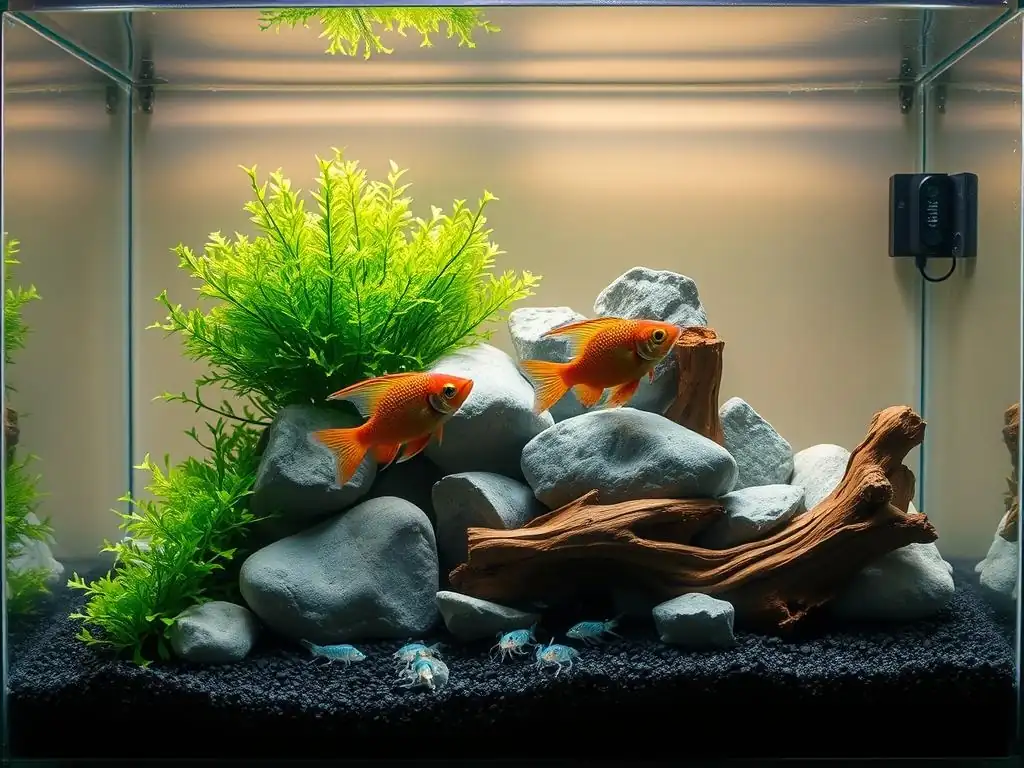
Welcome to Aquarium Mastery!
Thinking about adding those captivating dwarf cichlids to your freshwater oasis? Excellent choice! But before you introduce these vibrant beauties to your established community, a crucial step awaits. Dive into our latest article, "Quarantine Protocol for New Dwarf Cichlids: A Must-Do Step," and discover why proper quarantine is essential for ensuring a healthy and thriving aquarium. What hidden threats could your new fish be carrying, and how can you protect your entire ecosystem? Let's unlock the secrets to successful integration!
- Quarantine Protocol for New Apistogramma: A Must-Do Step
- Why Quarantine New Apistogramma is Essential for a Healthy Aquarium
- Setting Up Your Apistogramma Quarantine Tank: A Step-by-Step Guide
- The Quarantine Process: A Detailed Look at Each Stage
- Length of Quarantine: How Long Should You Isolate New Fish?
- Transferring Your Apistogramma to the Main Aquarium
- Post-Quarantine Monitoring: Staying Vigilant
- Quarantine Tank Maintenance: Keeping it Ready for the Next Arrival
- Common Mistakes to Avoid During Apistogramma Quarantine
- Conclusion: Prioritizing Quarantine for Healthy Apistogramma
- Frequently Asked Questions
- Final Reflection: Safeguarding New Life
- Ignite Your Cichlid Keeping: Embrace the Quarantine Advantage!
Quarantine Protocol for New Apistogramma: A Must-Do Step
Why Quarantine New Apistogramma is Essential for a Healthy Aquarium
Preventing Disease Introduction: The Primary Reason for Quarantine
Introducing new fish, even seemingly healthy ones, carries the inherent risk of bringing pathogens into your established aquarium. These pathogens, which can include bacteria, parasites, fungi, and viruses, often remain dormant or subclinical in newly acquired fish due to the stress of transport and new environments. They may not show outward symptoms initially, but once introduced to a stable tank, they can rapidly proliferate and infect your entire fish population. This unseen threat is why a dedicated new dwarf cichlid quarantine period is non-negotiable for responsible aquarists.
Industry observations and anecdotal evidence from large public aquariums suggest that a significant percentage, potentially 20-30%, of newly acquired fish carry some form of subclinical infection. These infections often only become apparent under the stress of a new environment or when they encounter a host with no prior immunity. Without a proper quarantine protocol, a single infected Apistogramma could act as a vector, introducing diseases that could wipe out years of effort, valuable fish, and the emotional investment in your aquatic ecosystem.
Protecting Your Existing Fish Population from New Diseases
Your established fish population has developed a certain level of immunity to the pathogens already present in their environment. However, they are highly vulnerable to new diseases introduced from outside sources. Pathogens carried by new Apistogramma might be entirely novel to your existing fish, leaving them with no natural defenses. This lack of immunity can lead to rapid and devastating outbreaks, as the disease spreads quickly through a population with no resistance. The stress of an outbreak can also weaken fish, making them susceptible to secondary infections.
Consider a scenario where you have a thriving Apistogramma cacatuoides breeding colony, representing a significant investment of time and resources. Introducing a new Apistogramma agassizii without proper new dwarf cichlid quarantine could inadvertently bring in Ichthyophthirius multifiliis (Ich), a highly contagious parasite. While the new fish might only show mild symptoms, your established colony, particularly delicate fry, could be decimated within days. The financial cost of treating a large tank, often requiring $50-$100 or more in medications, pales in comparison to the potential loss of valuable and beloved fish.
Stress Reduction and Acclimation: The Benefits of a Quarantine Tank
Beyond disease prevention, a quarantine tank serves as a crucial transitional environment for new Apistogramma. The process of being caught, transported, and introduced to a new tank is incredibly stressful for fish. This stress can weaken their immune systems, making them more susceptible to illnesses they might otherwise fight off. A dedicated new dwarf cichlid quarantine tank provides a calm, stable, and low-stress environment where the fish can recover from transport shock, gradually acclimate to new water parameters, and begin feeding without competition from established tank mates.
This period of isolation allows the Apistogramma to adjust at their own pace to your specific water parameters, including pH, general hardness (GH), and temperature, without the added pressure of territorial disputes or competition for food. Observing them in this controlled setting helps ensure they regain their appetite and display their true coloration and behavior, giving you a clear indication of their health before they join the main display tank. For Apistogramma species, known for their somewhat sensitive nature, this calm acclimation period often results in improved long-term health, showing visibly better coloration and more confident behavior within a week or two.
Setting Up Your Apistogramma Quarantine Tank: A Step-by-Step Guide
Choosing the Right Size Quarantine Tank for Apistogramma
The size of your quarantine tank should be appropriate for the number and size of Apistogramma you intend to quarantine. For a single Apistogramma pair or a small group of 3-5 individuals, a 10-gallon (approximately 38 liters) aquarium is generally sufficient. If you plan to quarantine larger groups, multiple pairs, or other dwarf cichlid species concurrently, a 20-gallon long (approximately 76 liters) tank offers more space, which helps reduce stress and maintain more stable water parameters, especially during medication. The primary goal is functionality and ease of observation, not aesthetics.
While a smaller tank might seem convenient, selecting an appropriately sized new dwarf cichlid quarantine tank is crucial for the well-being of your fish. Adequate space reduces stress levels, which in turn strengthens the fish's immune system. It also provides a larger water volume, making it easier to maintain stable water quality and dilute waste products. For instance, attempting to quarantine an Apistogramma borellii pair for a month in a 5-gallon tank could prove too cramped, leading to elevated ammonia levels and chronic stress, potentially masking or even triggering health issues.
Essential Equipment for a Quarantine Setup: Heater, Filter, and Air Stone
A reliable heater is essential to maintain a stable temperature, typically between 76-80°F (24-27°C) for most Apistogramma species. Temperature fluctuations are a significant stressor for fish and can exacerbate existing health issues. A heater rated for the tank size (e.g., a 50-100 watt heater for a 10-20 gallon tank) with an adjustable thermostat is ideal.
For filtration, a simple sponge filter or a small hang-on-back (HOB) filter is recommended. Sponge filters are excellent for new dwarf cichlid quarantine tanks because they provide gentle biological filtration, are easy to clean, and don't create strong currents that can stress Apistogramma. An air stone connected to an air pump is also critical; it ensures adequate oxygenation, which is vital for fish respiration, and helps with gas exchange, preventing CO2 buildup. This setup ensures basic life support without unnecessary complexity.
Setting Up the Quarantine Tank: Water Parameters and Substrate
The water in your quarantine tank should ideally match the parameters of your main display tank as closely as possible. This minimizes the shock for the Apistogramma when they are eventually transferred. For many Apistogramma species, a pH between 6.0-7.0 and soft to moderately hard water (GH 2-8 dGH) is preferred. Always use dechlorinated tap water or aged water, and test the parameters with a liquid test kit to ensure consistency.
A bare-bottom tank is highly recommended for new dwarf cichlid quarantine setups. This simplifies cleaning, allows for easy observation of fish waste and uneaten food, and ensures that medications can circulate freely without being absorbed by substrate. If you wish to provide hiding spots for shy Apistogramma, simple, easy-to-clean decor like PVC pipes, small clay pots, or smooth, inert rocks can be used. These should be easily removable for thorough cleaning and disinfection. For instance, Apistogramma are naturally secretive, and even a single small clay pot can significantly reduce their initial stress.
Cycling the Quarantine Tank: Ensuring a Safe Environment
While a full nitrogen cycle typically takes several weeks to establish, a new dwarf cichlid quarantine tank still needs to manage fish waste effectively. If you have the luxury of time before acquiring new fish, performing a fishless cycle on the quarantine tank is the ideal approach to ensure a stable, non-toxic environment from day one. This involves adding an ammonia source and allowing beneficial bacteria to colonize the filter media.
However, if immediate setup is necessary, you can "seed" the quarantine tank's filter with established media from a healthy, existing aquarium. This can be done by squeezing out a sponge filter from your main tank into the new filter or by transferring a small amount of mature filter media directly. If seeding isn't possible, daily partial water changes (e.g., 25-50%) are crucial to keep ammonia and nitrite levels undetectable. Regular testing with a reliable liquid test kit (not paper strips) is imperative, as even ammonia levels as low as 0.25 ppm can stress Apistogramma and compromise their immune system, making them more susceptible to disease.
The Quarantine Process: A Detailed Look at Each Stage
Initial Observation Period: Monitoring for Signs of Illness
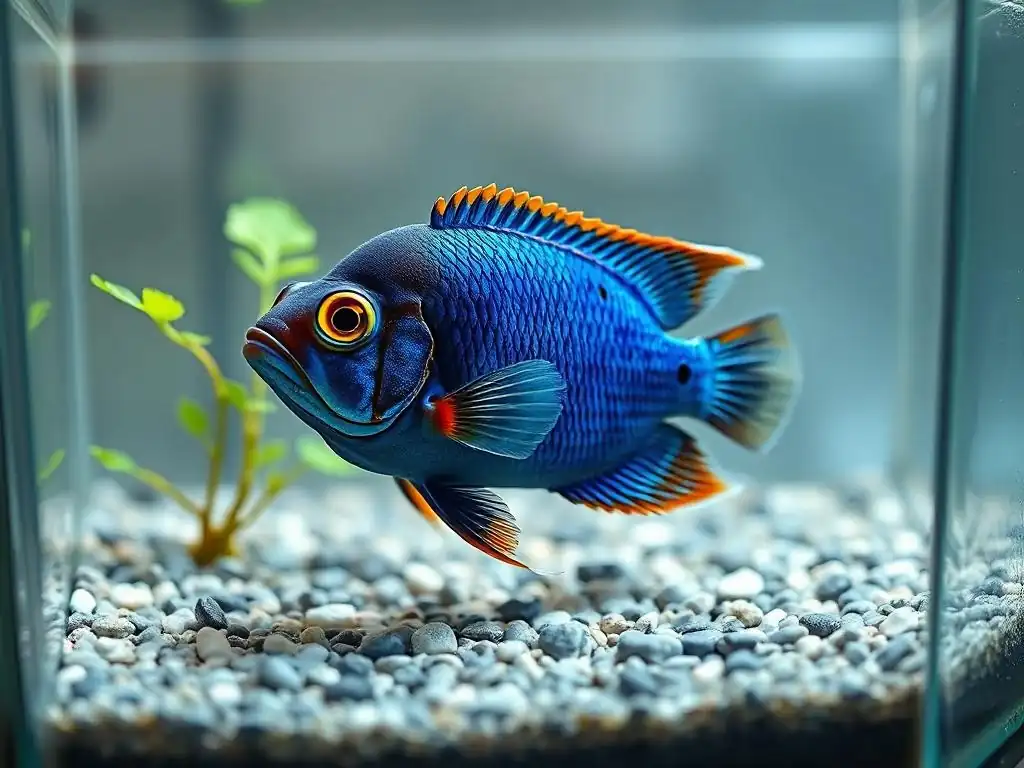
Upon introducing your new Apistogramma to the quarantine tank, the first 3-7 days should be dedicated solely to intensive observation. Resist the urge to medicate unless clear and undeniable symptoms of illness are present. During this initial phase, the fish are adjusting to their new surroundings, and any stress can manifest as temporary behavioral changes. However, persistent symptoms warrant attention.
Spend at least 15-30 minutes daily closely observing each fish. Look for specific signs of distress or disease: clamped fins, rapid or labored breathing (gilling), lethargy, scratching or "flashing" against objects, loss of appetite, changes in coloration (e.g., pale or darkened), red streaks on the body or fins, white spots resembling salt grains, fuzzy growths, or any unusual swelling. A healthy Apistogramma panduro, for example, should be alert, inquisitive, and display vibrant colors; conversely, one that is consistently hiding, refusing food, or showing frayed fins requires immediate concern within the new dwarf cichlid quarantine.
Treating Potential Diseases: Common Apistogramma Ailments
Identifying Common Apistogramma Diseases: Ich (White Spot Disease), Columnaris
One of the most common and easily recognizable diseases in newly acquired fish, especially those undergoing new dwarf cichlid quarantine, is Ichthyophthirius multifiliis, commonly known as Ich or White Spot Disease. It manifests as small, distinct white spots, resembling grains of salt, scattered across the fish's body and fins. Apistogramma affected by Ich may also exhibit flashing (rubbing against tank objects) and rapid gilling as the parasites irritate their skin and gills. Ich is highly contagious and often appears when fish are stressed, making the quarantine period a common time for its manifestation.
Another significant concern, often mistaken for a fungal infection, is Columnaris, a bacterial disease caused by Flavobacterium columnare. It typically presents as white or grayish patches, often around the mouth ("mouth rot") or on the fins ("fin rot"), sometimes with a fuzzy or cotton-like appearance. Unlike Ich, Columnaris can progress rapidly, leading to significant tissue necrosis and high mortality rates if not treated promptly. While less common than Ich, its aggressive nature makes quick identification and treatment crucial during new dwarf cichlid quarantine.
Medication Options for Apistogramma: Malachite Green, Erythromycin
For Ichthyophthirius multifiliis (Ich), medications containing Malachite Green are highly effective. These are often combined with formalin for a more potent treatment, available in products like Seachem ParaGuard or API Super Ick Cure. When treating Ich in your new dwarf cichlid quarantine, it's crucial to follow the manufacturer's dosage instructions precisely, which typically involve daily treatments for 3-5 days, often with partial water changes between doses. Additionally, raising the water temperature slightly, to around 82°F (28°C), can accelerate the Ich lifecycle, forcing the parasite into its free-swimming stage faster, where it is more susceptible to medication.
For bacterial infections such as Columnaris, fin rot, or other bacterial issues, broad-spectrum antibiotics are necessary. Medications containing Erythromycin (e.g., API Erythromycin) or Furan-2 are commonly used. These antibiotics can impact the beneficial nitrifying bacteria in your filter, so close monitoring of ammonia and nitrite levels is absolutely vital during treatment, potentially requiring daily water changes and the use of ammonia detoxifiers. Always remember to remove any activated carbon filtration from the quarantine tank before administering medication, as carbon will absorb the treatment, rendering it ineffective.
Water Changes During Quarantine: Maintaining Water Quality
Regular water changes are paramount in a new dwarf cichlid quarantine tank, especially if it is uncycled or undergoing medication. They are essential for removing accumulated nitrates, uneaten food, and dissolved organic compounds, all of which can rapidly degrade water quality and significantly stress fish, thereby compromising their immune system. Aim for 25-50% partial water changes every 1-3 days, depending on the bioload and the results of your water test kit. Consistent water quality is a cornerstone of successful quarantine.
When performing water changes, use a gravel vacuum to siphon out any debris from the bare bottom of the tank. Always ensure that the replacement water is thoroughly dechlorinated and temperature-matched to prevent thermal shock to the Apistogramma. If you are administering medication, carefully review the medication's instructions regarding water changes; some treatments require redosing after a water change to maintain therapeutic levels. For example, a 10-gallon quarantine tank housing two Apistogramma without a fully established nitrogen cycle might necessitate 50% daily water changes to keep nitrate levels below 20 ppm and prevent ammonia spikes.
Feeding Your New Apistogramma During Quarantine: Ensuring Proper Nutrition
Providing a high-quality, varied diet is crucial for the health and recovery of your new Apistogramma during the new dwarf cichlid quarantine period. Initially, offer small amounts of high-quality flake food or micro-pellets specifically formulated for dwarf cichlids, as these are generally accepted and easy to digest. Once the fish settle in and begin eating consistently, gradually introduce frozen foods such as brine shrimp, daphnia, or finely chopped bloodworms. These foods are rich in nutrients and can significantly boost the fish's condition and immune system.
Feed small amounts 2-3 times a day, ensuring that all food is consumed within 2-3 minutes. Overfeeding is a common mistake in new dwarf cichlid quarantine tanks, as it rapidly degrades water quality, leading to ammonia spikes and increased stress. A healthy Apistogramma should show a robust appetite within a few days of introduction to the quarantine tank. For instance, a typical Apistogramma viejita might consume 5-7 small pellets or approximately 1/4 cube of frozen food per day, showing good feeding response and developing fuller body condition.
Length of Quarantine: How Long Should You Isolate New Fish?
Determining the Appropriate Quarantine Period for Apistogramma
A minimum quarantine period of 4-6 weeks (28-42 days) is generally recommended for new Apistogramma and other dwarf cichlids. This duration is crucial because it allows sufficient time for the life cycles of most common fish diseases, particularly parasites like Ich (which can take 2-3 weeks at typical Apistogramma temperatures to complete its cycle), to manifest. If no symptoms appear during this period, and the fish remain healthy and active, it significantly reduces the risk of introducing pathogens to your main tank.
The quarantine period must be extended if any disease is observed and treated. The clock for the new dwarf cichlid quarantine essentially restarts after the last visible symptom disappears and the treatment concludes. For example, if Ich appears on day 10 of quarantine, and the treatment lasts 7 days, the observation period should be extended for at least two additional weeks from the end of the treatment. This ensures that any remaining parasites or secondary infections have fully cleared and that the fish has completely recovered before being introduced to the main aquarium.
Signs That Your Apistogramma is Ready to Leave Quarantine
Several key indicators signal that your Apistogramma are healthy and ready to be transferred from the new dwarf cichlid quarantine tank to the main aquarium. First and foremost, the fish must exhibit consistently normal behavior: active swimming, bright and stable coloration (no dullness or excessive darkening), clear eyes, and intact, healthy fins without any fraying or clamping. They should also display a strong, consistent appetite, readily accepting food when offered, and showing no signs of lethargy or hiding.
Crucially, there should be no visible signs of disease, such as white spots, fuzzy growths, red streaks, or labored breathing, for at least two consecutive weeks after the conclusion of any treatment. Additionally, ensure that the water parameters in the quarantine tank (pH, temperature, hardness) have been stable and consistently match those of your main display tank for several days prior to transfer. For instance, if your main tank maintains a pH of 6.5, the quarantine tank should be gradually adjusted to this value over a few days to minimize any environmental shock during the transfer.
Transferring Your Apistogramma to the Main Aquarium
Acclimation to the Main Tank: Minimizing Stress
Once your Apistogramma have successfully completed their new dwarf cichlid quarantine and are deemed healthy, the transfer to the main aquarium requires careful acclimation to minimize stress. Due to their sensitive nature, the drip acclimation method is highly recommended. Begin by placing the quarantined fish in a small container (e.g., a clean bucket or a dedicated acclimation box) with their quarantine water.
Using airline tubing with a knot or an airline valve, slowly drip water from the main tank into the container. The goal is to gradually mix the main tank water with the quarantine water, doubling the original volume in the container over a period of 30-60 minutes. This slow introduction allows the fish to gradually adjust to the main tank's water chemistry and temperature. Once acclimated, gently net the Apistogramma and release them into the main tank, ensuring no quarantine water enters your established system, which could reintroduce pathogens.
Gradual Introduction to Tank Mates: Avoiding Aggression
To further minimize stress and potential aggression, it's often beneficial to introduce new Apistogramma to the main tank when the lights are off or significantly dimmed. This allows them to explore their new surroundings and find hiding spots without immediate confrontation from established tank mates. Ensure your main tank has plenty of appropriate hiding places like caves, driftwood, and dense plant cover, which are essential for Apistogramma to feel secure.
After introducing the fish, monitor their interactions closely for the first few hours and days. Apistogramma can be territorial, especially males, and established fish may view new arrivals as intruders. While minor chasing is normal, excessive aggression or constant harassment requires intervention. If severe aggression persists, be prepared to temporarily separate the new fish or rearrange the tank decor to break up existing territories. For example, if an existing male Apistogramma borellii relentlessly pursues the new fish, re-sculpting the aquascape can create new visual barriers and reduce territorial disputes.
Post-Quarantine Monitoring: Staying Vigilant
Continued Observation for Signs of Illness
Even after a successful new dwarf cichlid quarantine and careful introduction, continued observation of your new Apistogramma and the entire tank population is crucial. The stress of moving to a new environment, even a well-acclimated one, can sometimes trigger latent conditions or weaken immune systems, making fish susceptible to issues that were not apparent during quarantine. Maintain a vigilant eye for several weeks post-transfer.
Look for any subtle changes in behavior, appetite, or coloration. Early detection of any emerging health issues allows for prompt intervention, which can prevent a localized problem from escalating into a widespread outbreak. For example, a slight dulling of the vibrant colors that Apistogramma are known for, or a sudden reduction in their typical activity levels, could be early indicators of stress or illness that warrant closer inspection and water parameter checks.
Maintaining Optimal Water Parameters in the Main Aquarium
The long-term health and vitality of your Apistogramma and the entire aquarium ecosystem depend heavily on consistent and optimal water parameters in the main tank. Regular water testing, ideally on a weekly or bi-weekly basis, is essential. Monitor key parameters such as ammonia, nitrite, nitrate, pH, and temperature. For Apistogramma, it's particularly important to keep nitrates below 20 ppm and ensure stable pH and hardness levels that match their species-specific requirements.
Adhere strictly to a regular maintenance schedule, which should include weekly partial water changes (e.g., 20-30% of the tank volume) and routine cleaning of filter media. Stable, pristine water conditions significantly reduce stress on all fish, bolstering their immune systems and making them more resilient to potential health challenges. This consistent care is especially beneficial for newly introduced Apistogramma, allowing them to thrive and fully integrate into their new home.
Quarantine Tank Maintenance: Keeping it Ready for the Next Arrival
Cleaning and Disinfecting the Quarantine Tank
Once your Apistogramma have successfully completed their new dwarf cichlid quarantine and been transferred to the main aquarium, it's crucial to thoroughly clean and disinfect the quarantine tank and all its equipment. Begin by removing all water, then rinse the tank, heater, filter, and any decor with hot water. For effective disinfection, a diluted bleach solution (1 part unscented household bleach to 9 parts water) can be used. Allow the bleach solution to remain in contact with the tank and equipment for 15-20 minutes.
After disinfection, it is absolutely critical to rinse everything meticulously and repeatedly with fresh, dechlorinated water to remove all traces of bleach. Air drying the tank and equipment for several days in a well-ventilated area can also help dissipate any residual chemicals. If a severe disease was present, such as a highly contagious bacterial infection like Columnaris, it is highly recommended to replace porous filter media (e.g., sponges) to prevent any potential pathogen transfer. Alternatively, a strong salt solution or hydrogen peroxide can be used as a less harsh disinfectant.
Preparing for Future Quarantine Needs
After cleaning and disinfection, store your new dwarf cichlid quarantine tank and its associated equipment in a clean, dry, and easily accessible location. Having a dedicated quarantine setup ready to go at a moment's notice is invaluable. It saves time and reduces stress when you acquire new fish in the future or if an emergency arises, such as a disease outbreak in your main tank that necessitates isolating affected fish for treatment.
Maintain a small stock of essential supplies specifically for the quarantine tank. This includes water conditioners, a reliable liquid test kit, and a few common fish medications (e.g., for Ich, bacterial infections) with long shelf lives. Being proactively prepared means you can respond swiftly and effectively to any situation requiring the isolation and treatment of fish, ensuring the ongoing health and safety of your entire aquatic collection.
Common Mistakes to Avoid During Apistogramma Quarantine
Neglecting Water Quality: The Importance of Regular Testing
A prevalent and often detrimental mistake during new dwarf cichlid quarantine is underestimating the importance of rigorous water quality management. Aquarists sometimes assume that a small, temporary tank requires less attention than a large display aquarium. However, the opposite is true: a small, often uncycled quarantine tank is highly susceptible to rapid fluctuations in ammonia, nitrite, and nitrate levels due to the concentrated bioload. Failing to test these parameters regularly can lead to hidden stress and a compromised immune system in the quarantined Apistogramma, making them more vulnerable to disease rather than protecting them.
To avoid this pitfall, invest in a high-quality liquid test kit, such as the API Freshwater Master Test Kit, and use it daily or every other day, especially during the first two weeks of quarantine. Any detectable levels of ammonia or nitrite should be addressed immediately through partial water changes. For instance, if ammonia registers at 0.25 ppm, a 50% water change is warranted, along with consideration of ammonia-detoxifying products. Consistent monitoring ensures the water remains pristine, a critical factor for the fish's recovery and health.
Overcrowding the Quarantine Tank
Overcrowding a new dwarf cichlid quarantine tank is another common error that defeats its very purpose. Placing too many new Apistogramma or other fish in a confined space significantly increases the bioload, leading to rapid deterioration of water quality, elevated waste products, and intense stress among the inhabitants. This heightened stress can suppress their immune systems, making them highly susceptible to disease outbreaks, which is precisely what the quarantine process is meant to prevent.
Adhere strictly to the recommended tank sizes for quarantine. A 10-gallon tank is suitable for a single Apistogramma pair or a very small group (e.g., 3-4 individuals). If you acquire a larger number of fish, it is far better to run multiple quarantine tanks simultaneously or quarantine in smaller, manageable batches. For example, if you purchase ten Apistogramma macmasteri, using two 10-gallon tanks or one 20-gallon long tank would be more appropriate than cramming them all into a single 10-gallon setup, ensuring each fish has adequate space and resources.
Improper Medication Dosage: Avoiding Over or Under Treatment
Incorrect medication dosage is a frequent and serious mistake in new dwarf cichlid quarantine. Underdosing can lead to ineffective treatment, allowing pathogens to persist and potentially develop resistance to the medication. Conversely, overdosing can be highly toxic to sensitive Apistogramma, causing severe organ damage, neurological issues, or even immediate death. Many fish medications are potent, and Apistogramma can be more sensitive than other species.
Always read and meticulously follow the medication instructions provided by the manufacturer. Accurately calculate the volume of your quarantine tank (Length x Width x Height in inches / 231 for gallons) to ensure precise dosing. Remember to remove any activated carbon from the filter before adding medication, as carbon will absorb the chemicals, rendering the treatment useless. Observe your Apistogramma closely for any adverse reactions to the medication; if signs of distress appear, perform an immediate large water change (e.g., 50-75%) with dechlorinated, temperature-matched water.
Skipping the Quarantine Process Altogether: A Risky Proposition
The most significant and potentially devastating mistake an aquarist can make is to bypass the new dwarf cichlid quarantine process entirely. Directly introducing new fish from a fish store or another source into your established main aquarium is a gamble with incredibly high stakes. This shortcut often leads to catastrophic consequences, including widespread disease outbreaks that can decimate your entire fish population, introduce stubborn parasites, and ruin years of careful husbandry.
While setting up and maintaining a quarantine tank requires an initial investment of time and a small amount of money, the cost of replacing an entire tank of fish, purchasing expensive medications for a large-scale outbreak, and the emotional toll of losing beloved pets far outweighs this minimal effort. Prioritizing the health of your entire aquarium by embracing a proper new dwarf cichlid quarantine protocol is not just a best practice; it is an essential act of responsible fishkeeping that protects your investment, time, and the well-being of your aquatic companions.
Conclusion: Prioritizing Quarantine for Healthy Apistogramma
Frequently Asked Questions
How long should I quarantine new dwarf cichlids?
You should quarantine new dwarf cichlids for at least four weeks. This allows you to observe them for signs of disease and prevent introducing pathogens to your established aquarium.
Why is quarantining dwarf cichlids so important?
Dwarf cichlids, like all new fish, can carry hidden diseases or parasites. Quarantine prevents these from spreading to your existing fish population and causing an outbreak.
What size quarantine tank is recommended for dwarf cichlids?
A 10-20 gallon tank is typically sufficient for quarantining a small group of dwarf cichlids. Ensure it includes filtration, heating, and a few hiding places for the fish.
What should I look for during the quarantine period?
Observe the fish for signs of disease such as fin rot, ich, unusual behavior, or clamped fins. Monitor their appetite and ensure they are eating properly.
What if I notice signs of illness during quarantine?
If you observe any signs of illness, immediately begin appropriate treatment. Research the specific illness and use medications safe for dwarf cichlids.
Final Reflection: Safeguarding New Life
The meticulous process of quarantine, as outlined in this article, isn't merely a procedural step; it's an act of responsible stewardship in the aquarist's world. In a time where the interconnectedness of global ecosystems is increasingly apparent, and the introduction of invasive species poses a significant threat, adhering to a strict quarantine protocol for new dwarf cichlids is more crucial than ever. It's a proactive measure that protects not only the health of your existing aquarium inhabitants but also contributes to the broader well-being of the aquatic hobby.
The impact of responsible fishkeeping extends far beyond the glass walls of our aquariums. The dedication to proper quarantine reflects a deeper understanding of the fragility of aquatic ecosystems and our role in preserving them. It's a commitment to ethical practices that ensures the long-term health and sustainability of the hobby. As the renowned aquarist Diana Walstad wisely stated: The health of an aquarium is a reflection of the aquarist's understanding and care.
This quote encapsulates the essence of responsible fishkeeping, highlighting the importance of knowledge, diligence, and a genuine concern for the well-being of our aquatic companions.
Now, as you prepare to welcome new dwarf cichlids into your home aquarium, remember that the quarantine process is an investment in their future and the future of your aquatic ecosystem. Take the time to meticulously follow the guidelines outlined in this article, observe your new fish with care, and create a safe and healthy environment for them to thrive. By embracing the principles of responsible fishkeeping, you contribute to a more sustainable and enriching aquatic hobby for all.
Ignite Your Cichlid Keeping: Embrace the Quarantine Advantage!
Thank you for diving deep into the world of dwarf cichlid quarantine! Now that you understand the vital role it plays in protecting your aquarium's health, let's put that knowledge into action.
- Commit to a 4–6 week quarantine for all new dwarf cichlids before introducing them to your main tank. This is your first line of defense!
- Document the quarantine process. Start a small journal, taking notes on the fish's behavior, eating habits, and any visible signs of illness daily.
- Share your quarantine setup! Snap a photo of your quarantine tank and share it on social media using #AquariumMasteryQuarantine – inspire others to prioritize fish health.
What specific quarantine challenges are you anticipating, and what solutions are you brainstorming to overcome them?