
Parasite Patrol: Protecting Your Tiger, Cherry, and Denison Barbs from Pests

Welcome to Aquarium Mastery!
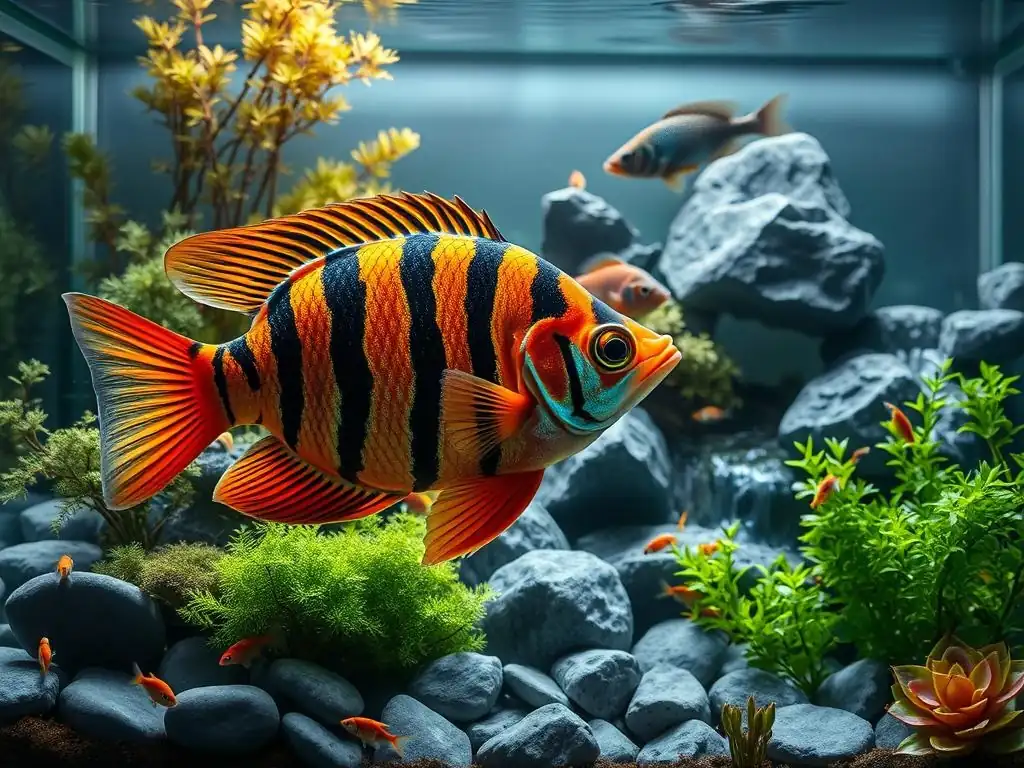
Ever wondered if those vibrant Tiger, Cherry, or Denison Barbs in your freshwater aquarium are truly as healthy as they seem? Dive in and let's uncover the secrets to keeping your barbs parasite-free. Our latest article, " Parasite Patrol: Protecting Your Tiger, Cherry, and Denison Barbs from Pests," offers expert guidance on identifying and treating common parasites that can plague these popular fish. Ready to learn how to safeguard your aquatic companions? Let’s get started and explore the world of Tiger barb parasite treatment!
- Understanding Parasites in Barb Aquariums
- Tiger Barb Parasite Treatment: A Comprehensive Guide
- Cherry Barb Parasite Treatment: Maintaining a Healthy School
- Denison Barb Parasite Treatment: Protecting Your Schooling Fish
- Maintaining a Healthy Aquarium to Prevent Parasites
- Post-Treatment Care for Barbs Recovering from Parasites
- Frequently Asked Questions About Barb Parasite Treatment
-
Frequently Asked Questions
- What are the common signs of parasites in Tiger Barbs?
- What types of parasites commonly affect Tiger Barbs?
- What are some effective treatments for Ich (white spot disease) in Tiger Barbs?
- How can I prevent parasite infestations in my Tiger Barb aquarium?
- Are there natural remedies I can use to treat parasites in my Tiger Barb tank?
- Final Reflection: The Unseen Battles Within Our Aquariums
- Dive Deeper: Secure Your Aquarium's Future!
Understanding Parasites in Barb Aquariums
Identifying Common Fish Parasites Affecting Barbs
Aquarium barbs, including the vibrant Tiger, the serene Cherry, and the striking Denison, can fall victim to a variety of parasites, both external and internal. Common external parasites often observed are Ichthyophthirius multifiliis (Ich, or white spot disease), which manifests as small, white spots resembling salt grains (typically 0.5-1 mm in diameter) scattered across the fish's body and fins.
Another external threat is Velvet ( Oodinium), appearing as a dusty, yellowish-gold or brownish film, often more noticeable under direct light, which can cause severe skin irritation and respiratory distress. Gill flukes ( Gyrodactylus and Dactylogyrus) are also prevalent, leading to rapid gill movements, gasping at the surface, and a general loss of color.
Internal parasites, while less visible, can be equally devastating. Nematodes (roundworms) and Cestodes (tapeworms) are common culprits, often leading to symptoms such as extreme emaciation despite a good appetite, swollen abdomen, and white, stringy feces. Protozoans like Hexamita can cause "hole-in-the-head" disease or internal wasting. Diagnosing internal parasites often requires keen observation of behavioral changes and physical deterioration, as direct visualization of the parasites themselves is rare without a microscope. Early detection is paramount for successful Tiger barb parasite treatment and for other barb species.
How Parasites Impact Tiger, Cherry, and Denison Barb Health
Parasitic infestations significantly compromise the health and well-being of Tiger, Cherry, and Denison barbs by causing immense stress and weakening their immune systems. External parasites, such as Ich, directly damage the fish's skin and gills, leading to irritation, excessive slime coat production, and difficulty breathing. This constant irritation can cause barbs to "flash" or rub themselves against tank decorations, and exhibit clamped fins or lethargy. Prolonged infestations can result in severe tissue damage, making the fish highly susceptible to opportunistic secondary bacterial or fungal infections that can be more lethal than the initial parasitic attack.
The long-term effects of unchecked parasitic infections are dire. Chronically infected barbs often experience stunted growth, reduced lifespan, and a noticeable decline in their vibrant coloration. Their ability to school and interact naturally is diminished, and breeding success can drop significantly. In severe cases, particularly with highly contagious parasites like Ich, an entire tank population can be wiped out within a matter of days or weeks if prompt and effective Tiger barb parasite treatment is not initiated. Even a mild infestation can compromise a barb's health, leaving it vulnerable to other diseases and stressors in the aquarium environment.
Preventing Parasite Infestations in Your Barb Tank
Preventing parasite infestations is far more effective than treating them once established. The cornerstone of prevention is a strict quarantine protocol for all new fish, including Tiger, Cherry, and Denison barbs. A minimum 2-4 week quarantine period in a separate, dedicated tank allows for observation and proactive treatment if any signs of illness or parasites emerge, preventing their introduction into your main display aquarium. During this period, observe new fish for symptoms like flashing, white spots, or unusual swimming patterns. Proper acclimation to the new water parameters also minimizes stress, which is a major factor in disease susceptibility.
Beyond quarantine, sourcing fish from reputable dealers who maintain clean, well-managed tanks is crucial. Avoid purchasing fish from overcrowded or visibly diseased tanks. Within your own aquarium, avoid overstocking, as this increases biological load, elevates stress levels among barbs, and facilitates rapid parasite transmission. Regular tank maintenance, including weekly 25-30% water changes and thorough gravel vacuuming, helps to remove parasite eggs and free-swimming stages from the water column, effectively breaking their life cycles and significantly reducing the overall parasitic load.
Tiger Barb Parasite Treatment: A Comprehensive Guide
Diagnosing Parasitic Infections in Tiger Barbs
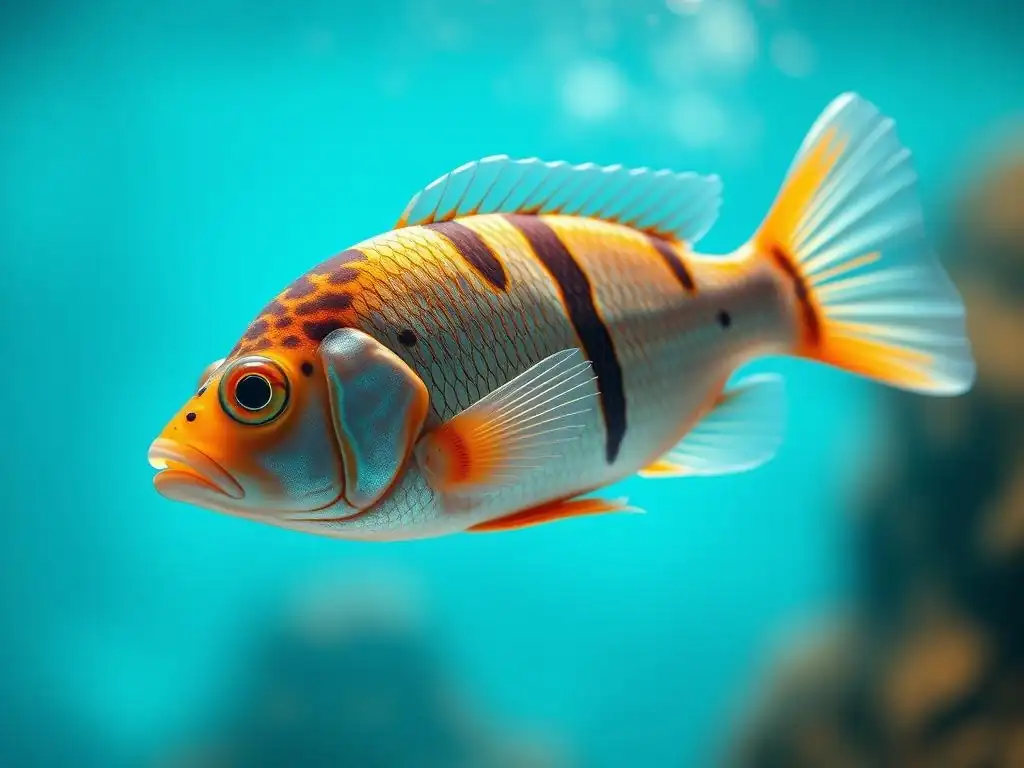
Diagnosing parasitic infections in Tiger Barbs requires careful observation of both their behavior and physical appearance. Early signs often include behavioral changes such as flashing (rapidly rubbing their bodies against tank decorations or substrate), clamped fins held close to the body, lethargy, and a noticeable loss of appetite. Tiger Barbs, known for their energetic schooling, may become withdrawn or isolate themselves from the group.
Visually, look for white spots resembling salt grains (Ich), a dusty golden or brownish film (Velvet), or visible worms protruding from the gills or anus. Rapid gill movement or gasping at the surface indicates respiratory distress, often caused by gill flukes.
It is important to differentiate parasitic infections from bacterial or fungal issues, as treatments vary significantly. While some symptoms like lethargy are common across various ailments, specific visual cues such as distinct white spots for Ich or stringy feces for internal worms are strong indicators of parasitic presence. Observing the progression of symptoms over several days can also provide valuable clues. For instance, Ich spots typically spread rapidly across the fish. Advanced cases of internal parasites may lead to severe emaciation or abdominal swelling, necessitating targeted Tiger barb parasite treatment.
Effective Medications for Treating Tiger Barb Parasites
Once a parasitic infection is confirmed, selecting the appropriate medication is critical for effective Tiger barb parasite treatment. A range of antiparasitic medications is available, each targeting specific types of parasites. For external protozoans like Ich and Velvet, common active ingredients include malachite green, formalin, and methylene blue. For trematodes like gill flukes, praziquantel is highly effective. Internal parasites, such as nematodes and cestodes, often require medications like levamisole or fenbendazole, which can be administered through medicated food.
It is paramount to identify the specific parasite before initiating treatment, as using the wrong medication can be ineffective or even harmful to your Tiger Barbs and other tank inhabitants. Always follow the manufacturer's dosage instructions precisely. Overdosing can be fatal, while underdosing may lead to resistant parasite strains. During treatment, remove activated carbon from your filter, as it will absorb the medication. Ensure adequate aeration, especially with medications that can reduce oxygen levels, and monitor your fish closely for any adverse reactions.
Praziquantel: Dosage and Application for Tiger Barbs
Praziquantel is a highly effective anthelmintic (anti-worm) medication primarily used for treating trematodes (flukes, such as Gyrodactylus and Dactylogyrus) and cestodes (tapeworms) in fish. For Tiger Barbs, the typical dosage for a bath treatment is around 2.5 mg per liter (or approximately 9.5 mg per gallon) of water. This concentration is generally well-tolerated by most fish, including Tiger Barbs, and has the added benefit of being relatively safe for the beneficial nitrifying bacteria in your biological filter, which is crucial for maintaining water quality during treatment.
To apply Praziquantel, dissolve the recommended amount in a small cup of tank water, ensuring it is fully dispersed before slowly adding it to the aquarium. Treatment usually involves a single dose, but a second dose may be recommended after 5-7 days to target any newly hatched flukes or to ensure complete eradication of the parasite life cycle. Always ensure activated carbon is removed from the filter during the treatment period to prevent absorption of the medication. Observe your Tiger Barbs closely throughout the treatment for any signs of distress or improvement.
Metronidazole: A Safe Alternative for Sensitive Barbs
Metronidazole is an antiprotozoal medication widely used to treat internal flagellates like Hexamita (often associated with "hole-in-the-head" disease) and Spironucleus, as well as some external protozoans, including mild cases of Ich. While Tiger Barbs are relatively hardy, Metronidazole is often considered a safer alternative for more sensitive fish species or when treating internal parasites. A common dosage for water treatment is 250 mg per 10 gallons of water, typically repeated every 24-48 hours for 3-5 days. For internal parasites, it can be more effective when incorporated into medicated food.
When administered via medicated food, Metronidazole directly targets the parasites in the digestive tract, minimizing impact on the water column and beneficial bacteria. If used as a bath treatment, ensure good water circulation and aeration. While Metronidazole can be effective against certain protozoans, it is generally less potent against Ich compared to dedicated Ich medications like malachite green. However, its broad-spectrum action against various protozoans and some anaerobic bacteria makes it a valuable tool, especially when dealing with secondary infections or when the exact parasitic cause is uncertain.
Quarantine Procedures for Infected Tiger Barbs
Implementing proper quarantine procedures is a cornerstone of effective Tiger barb parasite treatment. For a confirmed parasitic infection, especially if it's contagious like Ich, setting up a dedicated hospital tank is essential. This tank should be at least 10 gallons for a small group of Tiger Barbs, equipped with a heater to maintain stable temperatures (e.g., 78-80°F), and a simple sponge filter for biological filtration. Avoid substrate or elaborate decor, as these can harbor parasites and make cleaning difficult, simplifying the treatment and recovery process.
Carefully transfer the infected Tiger Barbs to the hospital tank, minimizing stress during the move. The hospital tank allows for targeted medication without affecting the main display tank's beneficial bacteria or sensitive invertebrates and plants. It also facilitates closer observation of the sick fish. If the parasite is highly contagious (e.g., Ich), it is often recommended to treat the main display tank simultaneously, as dormant stages of the parasite may still be present. Maintain pristine water parameters in the hospital tank through daily small water changes and frequent monitoring of ammonia and nitrite levels.
Cherry Barb Parasite Treatment: Maintaining a Healthy School
Recognizing Parasite Symptoms in Cherry Barbs
Cherry Barbs, known for their calm demeanor and vibrant red hues, can also fall ill to parasites. Recognizing the symptoms early is crucial for effective Cherry Barb parasite treatment. Initial signs often include a noticeable fading of their characteristic red coloration, becoming paler or duller. Infected Cherry Barbs may become listless, spending more time at the bottom of the tank or hiding, contrasting sharply with their usual active schooling behavior. Rapid gill movements, gasping at the surface, or rubbing against objects are strong indicators of external parasites like gill flukes or Ich.
Visible signs of parasites on Cherry Barbs include the classic white spots of Ich, which may appear as tiny, raised dots across their body and fins. A fine, dusty film (Velvet) can also be present, although it might be harder to discern on their darker coloration. Observe their fins: clamped fins held close to the body, or tattered and frayed fins, suggest distress or parasitic damage. Any Cherry Barb that separates from its school, refusing to eat or showing erratic swimming patterns, should be immediately suspected of illness and closely monitored for parasitic symptoms.
Natural Treatments for Mild Parasite Infections in Cherry Barbs
For mild parasitic infections in Cherry Barbs, particularly early-stage Ich, some natural or less aggressive methods can be employed before resorting to strong chemicals. Gradually increasing the aquarium temperature to 82-84°F (28-29°C) over 24 hours can accelerate the Ich life cycle, causing the parasites to detach from the fish more quickly, making them vulnerable to treatment. This method requires excellent aeration, as warmer water holds less dissolved oxygen. Adding aquarium salt (non-iodized sodium chloride) at a concentration of 1-3 tablespoons per 5 gallons can also be effective against Ich, disrupting the parasite's osmotic balance.
Another beneficial "natural" approach involves the use of tannins. Indian almond leaves (Catappa leaves) or blackwater extracts can be added to the tank. These release tannins and humic acids, which provide mild antiseptic properties, reduce stress, and can boost the fish's immune system, aiding in recovery. While not direct parasiticides, these methods create an environment less favorable for parasites and promote healing. Crucially, maintaining pristine water quality through regular water changes and efficient filtration is the foundational "natural" treatment, as clean, stable water significantly reduces stress and strengthens the Cherry Barb's natural defenses.
When to Use Chemical Treatments for Cherry Barb Parasites
Chemical treatments for Cherry Barb parasites become necessary when natural methods fail to show improvement within 3-5 days, or when the infestation is severe and rapidly spreading, posing an immediate threat to the entire school. For instance, a widespread Ich outbreak with numerous spots on multiple fish demands prompt chemical intervention. Similarly, if symptoms point towards internal parasites or gill flukes that natural methods cannot address, specific medications are required.
Common chemical treatments for external parasites include malachite green, formalin, or a combination of both, which are effective against Ich and Velvet. For internal parasites, medications like metronidazole (for flagellates) or fenbendazole/levamisole (for worms) may be administered, often through medicated food. When choosing a chemical treatment, always select products specifically labeled as safe for barb species and follow the dosage instructions meticulously. Cherry Barbs, being relatively small, can be sensitive to overdosing. Remove activated carbon during treatment and ensure ample aeration to prevent oxygen depletion.
Denison Barb Parasite Treatment: Protecting Your Schooling Fish
The Unique Challenges of Treating Denison Barbs for Parasites
Treating Denison Barbs (also known as Roseline Sharks) for parasites presents unique challenges due to their larger size, active nature, and sometimes greater sensitivity to certain medications compared to smaller barb species. Denison Barbs are known for their high oxygen requirements; therefore, any medication that significantly reduces water oxygen levels or impacts their respiratory function can be particularly dangerous. Their active swimming and schooling behavior also means that isolating a single infected fish can cause stress to the entire group, making whole-tank treatment often necessary but complex.
Furthermore, the stress associated with capture and transfer to a hospital tank can be significant for these fast-moving fish, potentially exacerbating their condition. Their rapid metabolism means that diseases, including parasitic infestations, can progress quickly. This necessitates a swift and accurate diagnosis, followed by prompt and careful Denison barb parasite treatment. Choosing the right medication and ensuring optimal water conditions throughout the treatment period is critical to minimize secondary stress and maximize the chances of recovery for these prized aquarium inhabitants.
Choosing the Right Medication for Denison Barb Parasite Control
When selecting medication for Denison Barb parasite control, priority should be given to treatments known to be safe for sensitive fish. For external parasites like Ich, lower concentrations of malachite green or formalin, or a combination of both, may be used with extreme caution. Salt treatment, gradually increased to 2-3 tablespoons per 5 gallons, combined with a slight temperature increase (if compatible with tank mates and adequate aeration is provided), can also be an effective and less harsh option for Ich. For gill flukes, Praziquantel is generally considered safe and highly effective for Denison Barbs.
It is crucial to research the specific medication's compatibility with Denison Barbs and any other tank inhabitants (e.g., plants, invertebrates) before application. Copper-based medications should be avoided unless absolutely necessary and used with extreme caution, as Denison Barbs can be particularly sensitive to copper. Always begin with the lowest effective dose and observe the fish closely for any signs of adverse reactions. Ensure excellent water quality and provide ample aeration during any chemical treatment to support the Denison Barbs' respiratory needs.
Preventing Secondary Infections in Denison Barbs After Parasite Treatment
After a successful Denison barb parasite treatment, the fish's skin, fins, or gills may have been damaged by the parasites, creating open wounds that are highly susceptible to secondary bacterial or fungal infections. It is crucial to monitor your Denison Barbs closely for any signs of these follow-up infections, such as fuzzy white growths (fungus), red sores, fin rot, or cloudy eyes. Maintaining pristine water quality is the most effective preventative measure during this recovery phase, as clean water promotes healing and reduces the presence of opportunistic pathogens.
Consider adding a mild antibacterial or antifungal agent to the water post-treatment if signs of secondary infection begin to appear, but only after the primary parasite medication has been removed or neutralized (e.g., through activated carbon filtration and water changes). Natural additives like Indian almond leaves can also provide mild antiseptic benefits and reduce stress, aiding the healing process. Supplementing their diet with high-quality, vitamin-enriched foods can significantly boost their immune system, helping them to recover strength and resist further infections.
Maintaining a Healthy Aquarium to Prevent Parasites
Water Quality and its Role in Preventing Parasites
Maintaining impeccable water quality is the single most important factor in preventing parasitic infestations in your barb aquarium. Poor water quality, characterized by elevated ammonia, nitrite, or nitrate levels, or unstable pH and temperature, directly stresses fish. Stress weakens a barb's immune system, making it highly susceptible to opportunistic parasites that might otherwise be harmlessly present in the environment. Healthy fish in pristine water are significantly more resistant to disease.
Regular testing of water parameters (ammonia, nitrite, nitrate, pH, and temperature) is essential to ensure they remain within the optimal range for your specific barb species. For example, Tiger Barbs thrive in temperatures of 75-80°F (24-27°C) and a pH of 6.0-7.5, while Cherry Barbs prefer 72-79°F (22-26°C) and a pH of 6.0-7.0. Denison Barbs are comfortable in a slightly cooler range of 65-79°F (18-26°C) and a pH of 6.5-7.5. Consistent parameters reduce stress dramatically, bolstering their natural defenses against parasites and minimizing the need for Tiger barb parasite treatment or other interventions.
The Importance of Regular Water Changes for Barb Health
Regular partial water changes are a fundamental practice for maintaining the health of your barb aquarium and preventing parasitic outbreaks. Weekly water changes of 25-30% are generally recommended for most barb tanks, depending on stocking density and filtration efficiency. This practice dilutes accumulated nitrates and other dissolved organic compounds, which contribute to poor water quality and stress. It also replenishes essential minerals that are depleted over time, supporting the overall physiological well-being of your Tiger, Cherry, and Denison Barbs.
Beyond chemical dilution, water changes physically remove free-swimming parasite stages and parasite eggs from the water column. Many common parasites, such as Ich, have a free-swimming stage that is vulnerable in the water before re-infecting a host. Regular gravel vacuuming during water changes further aids in removing detritus where parasite eggs or dormant stages might reside, effectively breaking the parasite's life cycle and significantly reducing the parasitic load in the tank. This preventative measure is often overlooked but plays a crucial role in avoiding the need for extensive Tiger barb parasite treatment.
Choosing the Right Tank Mates to Minimize Parasite Risk
Selecting appropriate tank mates is a critical aspect of parasite prevention for your barbs. Introducing fish that are incompatible in terms of water parameter requirements, temperament, or disease susceptibility can lead to chronic stress and increased parasite risk. For example, Tiger Barbs are known for their fin-nipping tendencies, and housing them with slow-moving, long-finned fish can cause stress and open wounds, making both species more vulnerable to parasitic infections. Similarly, introducing fish from different biomes with distinct pathogen profiles can expose your barbs to new parasites they have no immunity against.
Always choose tank mates that are healthy, active, and show no signs of disease or stress at the point of purchase. Avoid overstocking the aquarium, as this increases competition for resources and elevates waste production, leading to compromised water quality and stressed fish. A well-researched, compatible community ensures that all inhabitants thrive, with minimal stress levels that could otherwise weaken their immune systems and make them easy targets for parasites. A properly sized school of Tiger Barbs (6 or more) often reduces their nipping behavior, promoting a more harmonious and disease-resistant environment.
Post-Treatment Care for Barbs Recovering from Parasites
Monitoring Your Barbs for Relapse
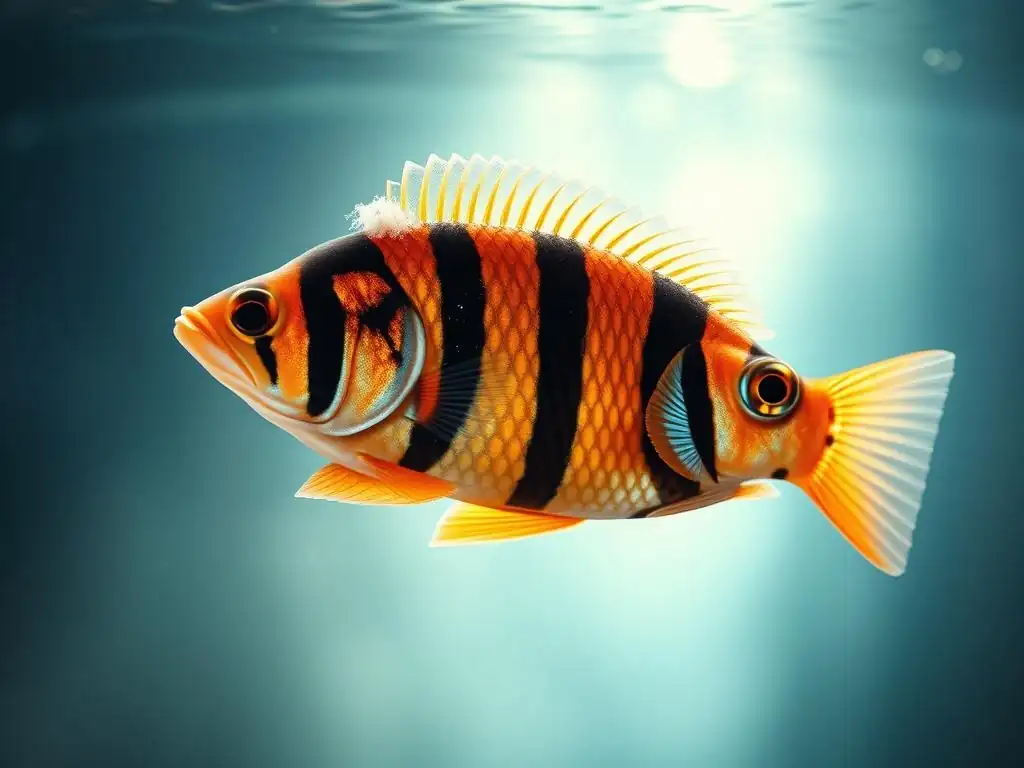
After completing a course of Tiger barb parasite treatment, or treatment for Cherry or Denison Barbs, continuous and diligent monitoring of your fish for signs of relapse is absolutely essential. Some parasites, particularly Ich, have complex life cycles with dormant stages that can survive treatment, leading to a recurrence of symptoms days or even weeks later. Continue to observe your barbs closely for at least 1-2 weeks post-treatment, looking for any return of flashing, lethargy, clamped fins, white spots, or changes in appetite and schooling behavior.
Keep the hospital tank set up for a few extra days after the final dose, or be prepared to quickly re-isolate any fish that show signs of a returning infection. Early detection of a relapse allows for prompt re-treatment, often with a slightly modified approach or a different medication, which significantly improves the chances of successful eradication. Maintaining impeccable water quality during this recovery period is also crucial, as it reduces stress and supports the fish's immune system, helping them to fight off any lingering parasites.
Supplementing Your Barbs' Diet for Improved Immunity
A crucial component of post-treatment care for barbs recovering from parasites is providing a varied and highly nutritious diet. A high-quality diet strengthens their immune system, helping them to repair damaged tissues and regain their vitality. Offer a mix of premium flakes or pellets as a staple, supplemented with live or frozen foods such as bloodworms, brine shrimp, and daphnia. These protein-rich foods provide essential nutrients that might have been depleted during the illness and treatment process, stimulating appetite and promoting robust growth.
Consider incorporating vitamin-enriched foods or adding liquid vitamin supplements directly to the tank water or soaking food in them before feeding. Specifically, Vitamin C is known to boost fish immunity and aid in stress reduction. Some aquarists also find that adding garlic extracts to food can be beneficial; garlic has mild antiparasitic properties and is known to enhance palatability, encouraging sick fish to eat. A well-nourished barb is a resilient barb, better equipped to fend off future infections and recover fully from parasitic challenges.
Long-Term Strategies for Preventing Parasite Re-infestation
To ensure the long-term health of your Tiger, Cherry, and Denison Barbs and prevent future parasite re-infestations, several proactive strategies should be integrated into your routine. The most critical is maintaining a strict quarantine protocol for all new fish, plants, and even decorations for a minimum of four weeks. During this period, new additions can be observed for any signs of parasites or diseases, and prophylactic treatments can be administered if necessary, preventing the introduction of new pathogens into your established aquarium.
Beyond quarantine, consistently maintaining excellent water quality through regular water changes and efficient filtration is non-negotiable. Avoid overstocking, as it stresses fish and makes them more susceptible to disease. Educate yourself on the life cycles of common aquarium parasites; understanding how they reproduce and spread allows you to implement targeted preventative measures, such as gravel vacuuming to remove eggs or increasing temperature to disrupt life cycles. Finally, source your fish from reputable breeders or stores known for their healthy stock, minimizing the risk of bringing home diseased specimens.
Frequently Asked Questions About Barb Parasite Treatment
Can I Use Salt to Treat Ich on Tiger Barbs?
Yes, aquarium salt (non-iodized sodium chloride) can be an effective and relatively safe treatment for Ich ( Ichthyophthirius multifiliis) on Tiger Barbs, especially in its early stages. Salt works by disrupting the osmotic balance of the Ich parasite, causing it to dehydrate and die. A common dosage involves gradually increasing the salinity to 1-3 tablespoons of salt per 5 gallons of water over a 24-48 hour period. It is crucial to dissolve the salt thoroughly before adding it to the tank and to ensure excellent aeration, as salt can reduce the water's oxygen-holding capacity.
While Tiger Barbs generally tolerate salt well, be mindful of any live plants or sensitive invertebrates (like snails or shrimp) in your tank, as they may be adversely affected by higher salt concentrations. The treatment typically lasts for 7-10 days, or until all visible spots have disappeared for several days, as salt primarily targets the free-swimming stage of Ich. Combining salt treatment with a slight increase in water temperature (e.g., to 82-84°F, if compatible with all tank inhabitants) can accelerate the Ich life cycle, making the treatment more effective.
Are Cherry Barbs More Susceptible to Certain Parasites?
Cherry Barbs are generally considered hardy and resilient fish, not inherently more susceptible to specific parasites than other small cyprinids. However, like all aquarium fish, their susceptibility to parasitic infections is largely influenced by environmental factors and stress levels. Poor water quality, fluctuations in temperature, overstocking, or aggressive tank mates can significantly weaken a Cherry Barb's immune system, making it more vulnerable to common parasites such as Ich ( Ichthyophthirius multifiliis), Velvet ( Oodinium), and gill flukes.
Their relatively small size can also mean that even a moderate parasitic load can have a more pronounced impact on their overall health compared to larger fish. Therefore, while not uniquely predisposed, stress factors can make Cherry Barbs more prone to succumbing to infections that hardier fish might resist. Consistent observation for subtle changes in color, behavior, or appetite is crucial for early detection and prompt Cherry barb parasite treatment, ensuring their well-being and the health of the entire school.
How Do I Treat Gill Flukes in Denison Barbs?
Gill flukes ( Dactylogyrus and Gyrodactylus) are common monogenean trematodes that attach to the gills of fish, causing irritation, rapid breathing, and a characteristic "gasping at the surface" behavior. For Denison Barbs, which have high oxygen requirements, gill fluke infestations can be particularly dangerous. The most effective and commonly recommended treatment for gill flukes is Praziquantel. This medication is highly effective against trematodes and is generally well-tolerated by Denison Barbs.
The typical dosage for Praziquantel as a bath treatment is around 2.5 mg per liter (approximately 9.5 mg per gallon) of water. It is advisable to dissolve the medication thoroughly in a small amount of tank water before adding it to the aquarium. Often, a single treatment is sufficient, but a second dose after 5-7 days may be recommended to target any newly hatched flukes and ensure complete eradication of the parasite life cycle.
During treatment, ensure excellent aeration and remove activated carbon from your filter. Closely monitor your Denison Barbs for signs of distress or improvement, as their sensitivity requires careful observation.
Frequently Asked Questions
What are the common signs of parasites in Tiger Barbs?
Common signs include scratching against objects, lethargy, and visible white spots or lesions. Observing these symptoms early is crucial for effective treatment.
What types of parasites commonly affect Tiger Barbs?
Tiger Barbs are susceptible to parasites such as Ich (white spot disease), internal worms, and external parasites like fish lice. Proper identification is key to selecting the correct treatment.
What are some effective treatments for Ich (white spot disease) in Tiger Barbs?
Ich can often be treated with medications containing malachite green or copper sulfate. Raising the water temperature slightly can also aid in the treatment process, but monitor your fish closely.
How can I prevent parasite infestations in my Tiger Barb aquarium?
Prevention involves quarantining new fish, maintaining excellent water quality, and avoiding overcrowding. Regularly observe your fish for any signs of illness.
Are there natural remedies I can use to treat parasites in my Tiger Barb tank?
While some aquarists use aquarium salt as a natural remedy, it's often more effective to use medications specifically formulated for parasite treatment. Always consult a veterinarian or experienced aquarist before trying new treatments.
Final Reflection: The Unseen Battles Within Our Aquariums
The intricate world of aquarium keeping, often perceived as a tranquil hobby, is in reality a constant battle against unseen adversaries. Maintaining the health of our Tiger, Cherry, and Denison Barbs requires vigilance and a deep understanding of the parasitic threats they face. This article has hopefully illuminated the path to effective Tiger barb parasite treatment, emphasizing the importance of proactive care and informed decision-making.
The impact of parasites on our beloved fish extends beyond mere physical discomfort; it touches upon our responsibility as caretakers and our connection to the delicate ecosystems we recreate within our homes. The dedication required to diagnose and treat these ailments reflects a deeper appreciation for the fragility of life and the interconnectedness of all living things. The greatness of a nation and its moral progress can be judged by the way its animals are treated.
- Mahatma Gandhi. This quote, though not directly about fish, resonates deeply with the ethical considerations inherent in aquarium keeping.
As you observe your Tiger, Cherry, and Denison Barbs swimming gracefully in their aquatic haven, remember the lessons learned here. Let this knowledge empower you to be a vigilant guardian, proactively safeguarding their health and well-being. Take the time to observe, learn, and act decisively when needed. Your dedication will not only ensure the vitality of your fish but also enrich your own understanding of the intricate beauty and delicate balance of the natural world.
Dive Deeper: Secure Your Aquarium's Future!
Thank you for exploring the world of parasite prevention and treatment in your aquarium! Now that you're armed with this knowledge, let's ensure your Tiger, Cherry, and Denison Barbs thrive in a healthy environment.
- Implement a Quarantine Protocol: Before introducing any new fish or plants to your main tank, set up a quarantine tank and observe them for at least two weeks for any signs of disease. This is your primary line of defense!
- Share your success! Post photos of your thriving, parasite-free fish on social media and tag us @AquariumMastery – inspire others with your dedication!
- Experiment with Natural Remedies: Research and try using natural aquarium treatments like garlic or Indian almond leaves to boost your fish's immune systems and create a less hospitable environment for parasites.
What surprising technique have you found most effective in preventing parasites in your aquarium?