
The Ultimate Guide to Aquarium Lighting: Unlocking Plant Growth

Welcome to Aquarium Mastery, your ultimate resource for everything aquarium-related!
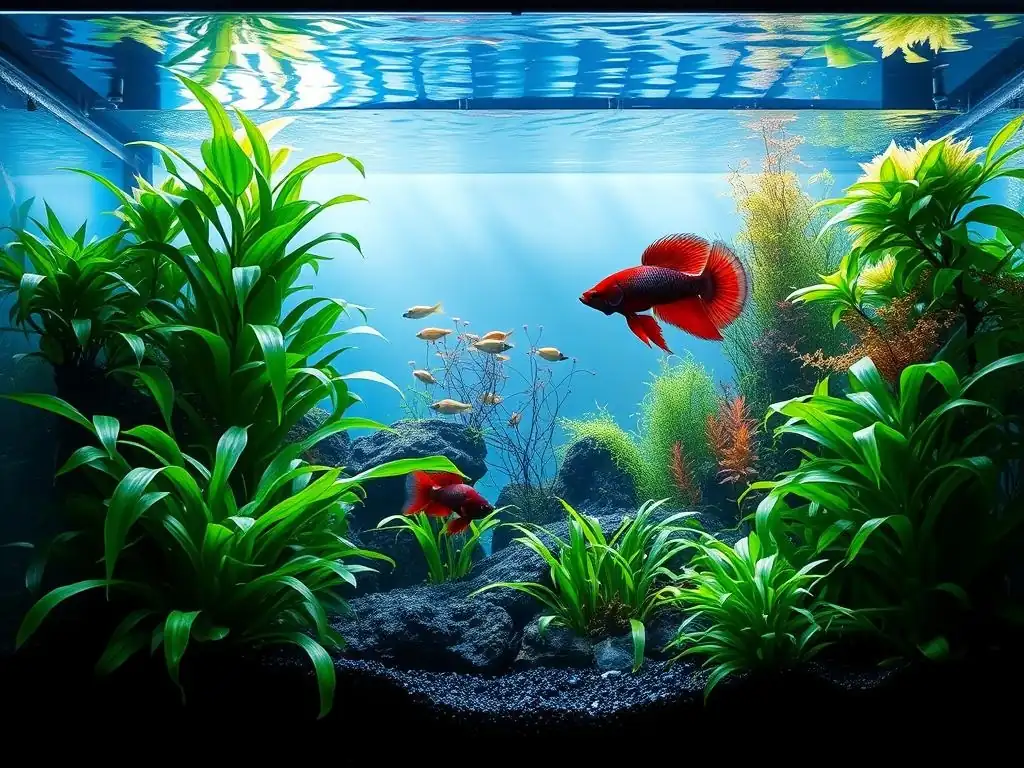
Ever wondered how to truly unlock the vibrant potential of your planted aquarium? Dive in and discover the secrets to achieving lush, thriving aquatic plant growth. Our comprehensive guide to the best aquarium lighting for plants will illuminate the path to a stunning underwater landscape. Ready to transform your tank? Let's get started!
- Understanding Aquarium Lighting for Optimal Plant Growth
- Choosing the Best Aquarium Lighting for Plants: A Detailed Comparison
- Key Factors to Consider When Selecting Aquarium Lighting
- Setting Up Your Aquarium Lighting System
- Troubleshooting Common Aquarium Lighting Problems
- Maintaining Your Aquarium Lighting System
- Advanced Techniques for Planted Aquarium Lighting
- Optimizing Plant Growth with the Right Lighting
- Conclusion: Mastering Aquarium Lighting for a Thriving Planted Tank
-
Frequently Asked Questions
- What type of aquarium lighting is generally considered the best for promoting plant growth?
- How do I determine the appropriate light intensity for my planted aquarium?
- Can I use any LED light for my planted aquarium, or are there specific features I should look for?
- What is PAR, and why is it important when choosing aquarium lighting for plants?
- How often should I replace my aquarium lighting for optimal plant growth?
- Final Reflection: Illuminating Growth and Discovery
- Ignite Your Aquarium's Potential!
Understanding Aquarium Lighting for Optimal Plant Growth
The Importance of Light for Aquatic Plant Photosynthesis
Light is the fundamental energy source for aquatic plants, driving the process of photosynthesis. During photosynthesis, plants absorb light energy, primarily through chlorophyll, to convert carbon dioxide and water into sugars (glucose) and oxygen. These sugars are the building blocks for plant growth, enabling them to develop roots, stems, leaves, and flowers. Without adequate light, plants cannot produce sufficient energy, leading to stunted growth, discoloration, and ultimately, decay.
Beyond just growth, a healthy photosynthetic process in aquatic plants significantly contributes to the overall stability of the aquarium ecosystem. Plants efficiently absorb nitrates and phosphates, which are common byproducts of fish waste and uneaten food, thereby reducing nutrient load and inhibiting nuisance algae growth. Furthermore, the oxygen produced as a byproduct of photosynthesis is vital for fish respiration and beneficial bacteria, ensuring a balanced and thriving aquatic environment. Therefore, understanding and providing the correct lighting is paramount for cultivating a lush, vibrant planted aquarium.
Different Types of Aquarium Lights: A Comprehensive Overview
The evolution of aquarium lighting has provided aquarists with several distinct technologies, each offering unique characteristics suitable for various planted tank setups. Historically, incandescent bulbs were used, but their inefficiency and heat output quickly led to their replacement by more specialized options. Today, the primary types of lighting available for aquariums include fluorescent lamps (such as T5 and T8), metal halide fixtures, and the increasingly popular Light Emitting Diodes (LEDs).
Each lighting type offers a different balance of initial cost, energy efficiency, light intensity, spectrum control, and lifespan. For instance, while fluorescent lights have been a long-standing staple due to their affordability and proven plant growth capabilities, LEDs have surged in popularity for their superior energy efficiency and advanced customization options. Metal halides, though less common in modern freshwater setups, remain a powerful choice for very deep tanks. Understanding these distinctions is crucial for selecting the best aquarium lighting for plants that aligns with your specific aquatic gardening goals and budget.
Choosing the Best Aquarium Lighting for Plants: A Detailed Comparison
LED Aquarium Lights: Energy Efficiency and Customization
LED (Light Emitting Diode) aquarium lights have become the preferred choice for many planted tank enthusiasts due to their exceptional energy efficiency and unparalleled customization capabilities. Unlike older lighting technologies that emit light through a heated filament or gas, LEDs produce light via the movement of electrons through a semiconductor material, resulting in significantly less wasted energy as heat. A typical high-quality 30-watt LED fixture designed for planted tanks can often provide similar light intensity (PAR) to a 60-watt T5 High Output (HO) fluorescent system, drastically reducing electricity consumption over time.
One of the most compelling advantages of LED lighting for planted aquariums is the ability to precisely control the light spectrum and intensity. Many advanced LED fixtures offer individual control over red, green, and blue (RGB) diodes, allowing aquarists to fine-tune the light wavelength distribution to optimize plant photosynthesis and enhance the vibrant colors of fish and plants.
Furthermore, programmable timers and dimming features are often integrated, enabling sophisticated routines such as gradual sunrise and sunset simulations, which mimic natural light cycles and reduce stress on aquarium inhabitants. This level of control makes LED systems a strong contender for the best aquarium lighting for plants seeking ultimate flexibility.
Advantages of LED Lighting for Planted Aquariums
- Energy Efficiency: LEDs consume significantly less power compared to fluorescent or metal halide lights, leading to lower electricity bills. For example, a 100-gallon planted tank might use 100-150 watts of LED lighting versus 200-300 watts for T5HO.
- Long Lifespan: Individual LED diodes typically have a lifespan exceeding 50,000 hours, meaning fixtures can last for many years, reducing the frequency and cost of bulb replacements. Fluorescent bulbs often need replacing every 6-12 months.
- Low Heat Output: LEDs produce far less heat than traditional bulbs, minimizing their impact on aquarium water temperature and potentially reducing the need for chillers in warmer climates.
- Spectrum Control: Advanced LED fixtures allow for precise adjustment of red, green, and blue light channels, enabling aquarists to optimize the spectrum for specific plant growth phases or aesthetic preferences.
- Programmability: Many LED units come with built-in timers, dimming capabilities, and even app control, allowing for sophisticated light schedules, including sunrise, sunset, and moonlight effects.
- Compact Design: LED fixtures are often sleeker and more compact than other lighting types, offering a modern aesthetic and taking up less space above the tank.
Disadvantages of LED Lighting for Planted Aquariums
- Higher Initial Cost: The upfront investment for a high-quality LED fixture designed for planted tanks can be substantially higher than comparable fluorescent or metal halide systems. A premium 36-inch LED light might cost between $150 and $400, whereas a T5HO fixture of the same length could be $80 to $150.
- Potential for Overpowering: The high intensity of some LED units can easily lead to excessive light, which, if not properly managed with CO2 and nutrients, can trigger significant algae blooms in a planted tank, especially for novice aquarists.
- Limited Light Spread (for some models): Cheaper or poorly designed LED fixtures might create "spotlighting" effects, where light is concentrated in certain areas, leaving other parts of the tank dimly lit. This can necessitate multiple fixtures for even coverage.
- Color Rendering Variability: While high-end LEDs offer excellent color rendering, some budget-friendly models may not accurately represent the natural colors of fish and plants, leading to a less vibrant appearance compared to full-spectrum fluorescent options.
Fluorescent Aquarium Lights: T5 vs. T8
Fluorescent aquarium lights, once the standard for planted tanks, remain a viable and often more budget-friendly option, particularly for setups with moderate lighting requirements. These lights operate by passing an electric current through a gas-filled tube, exciting mercury vapor that then emits ultraviolet (UV) light. This UV light interacts with a phosphor coating inside the tube, which in turn emits visible light. Fluorescent bulbs are known for their relatively even light spread and a wide range of available color temperatures and spectrums, making them suitable for various plant species.
While modern LEDs have largely surpassed fluorescents in terms of efficiency and control, fluorescent lights still hold their ground for their proven track record in supporting robust plant growth and their lower initial purchase price. However, they typically have a shorter effective lifespan for plant growth (around 6-12 months before spectral degradation) and produce more heat compared to LEDs. The two main types of fluorescent bulbs used in aquariums are T5 and T8, distinguished primarily by their diameter and light output. Many aquarists still find that a well-chosen fluorescent system can provide the best aquarium lighting for plants within certain budget constraints.
T5 Fluorescent Lights: High Output for Demanding Plants
T5 fluorescent lights, specifically T5 High Output (T5HO) bulbs, were a significant advancement over older fluorescent technologies and became the go-to choice for serious planted tank enthusiasts for many years. These bulbs are thinner (5/8 inch diameter) than T8s and are designed to produce a significantly higher light output per inch, making them suitable for medium to high-light demanding aquatic plants. A single T5HO bulb can deliver substantial PAR values, and multiple bulbs in a fixture can easily create the intense light conditions required for carpeting plants and vibrant red stem plants.
T5HO bulbs are available in a variety of spectrums, including "daylight" (around 6500K-8000K), which mimics natural sunlight, and specific "plant grow" bulbs that emphasize red and blue wavelengths crucial for photosynthesis. While they require replacement approximately every 6 to 12 months to maintain optimal spectral quality for plant growth, their powerful output and excellent light penetration make them a strong choice for deeper tanks (up to 24 inches) where light needs to reach the substrate effectively. For many years, T5HO systems were widely considered among the best aquarium lighting for plants that required intense illumination.
T8 Fluorescent Lights: A Budget-Friendly Option
T8 fluorescent lights are the traditional, thicker fluorescent bulbs, measuring 1 inch in diameter. They represent a more budget-friendly and widely available option, often found in starter aquarium kits. While their light output and efficiency are considerably lower than T5HO bulbs or modern LEDs, T8s are perfectly suitable for low-light planted tanks and are an excellent choice for beginners or those focusing on less demanding plant species. Plants such as Java Fern, Anubias species, and various Cryptocorynes can thrive under a well-chosen T8 setup.
These bulbs typically come in standard lengths (e.g., 24, 36, 48 inches) and offer a range of color temperatures, with 6500K to 7000K being a common recommendation for plant growth. Although they provide less intense light, their broad light spread can ensure uniform illumination across the tank's surface. T8 bulbs generally have a lifespan of around 10,000 hours, but for planted tanks, it's advisable to replace them every 9-12 months to ensure consistent spectral quality, as their output degrades over time. For cost-conscious aquarists, T8s remain a practical option for establishing a simple, yet thriving, planted environment.
Metal Halide Aquarium Lights: Powerful Illumination for Deep Tanks
Metal halide aquarium lights represent the pinnacle of intensity among traditional lighting technologies, delivering an incredibly powerful and concentrated beam of light. These fixtures utilize a specialized bulb containing a mixture of metal halides and noble gases that, when electrified, produce an extremely bright light with excellent color rendering. While more commonly associated with very large or deep marine reef aquariums due to their unparalleled light penetration, metal halides were also historically employed for very deep freshwater planted tanks (e.g., 30 inches or more) where other light sources struggled to deliver sufficient intensity to the substrate.
The sheer power of metal halide lighting ensures that even the most demanding aquatic plants, located at significant depths, receive ample Photosynthetically Active Radiation (PAR). They also produce a visually appealing "shimmer" effect on the water's surface, mimicking natural sunlight.
However, their significant drawbacks, including very high heat output, substantial energy consumption, and relatively short bulb lifespans (typically 6,000-8,000 hours before noticeable degradation), have led to their decline in popularity for freshwater planted tanks, largely supplanted by more efficient and controllable LED alternatives. Despite this, for specific niche applications requiring extreme light penetration, metal halides can still be considered a powerful option.
Advantages of Metal Halide Lighting for Planted Aquariums
- Extreme Light Penetration: Metal halides excel at delivering intense light to the bottom of very deep aquariums (e.g., 30 inches or more), making them suitable for large display tanks where other lights may not be sufficient.
- High PAR Output: They provide exceptionally high Photosynthetically Active Radiation (PAR) values, essential for the most demanding, high-light aquatic plant species that require intense illumination for vigorous growth and vibrant coloration.
- Natural Shimmer Effect: The concentrated light source creates a beautiful, natural-looking shimmer effect on the water's surface, mimicking the sun's reflection on moving water, which is aesthetically pleasing to many aquarists.
- Broad Spectrum: Many metal halide bulbs are available with a broad, balanced spectrum that can promote excellent plant growth across various wavelengths, supporting all stages of plant development.
Disadvantages of Metal Halide Lighting for Planted Aquariums
- High Heat Output: Metal halide bulbs generate a significant amount of heat, which can easily raise the aquarium's water temperature to dangerous levels. This often necessitates the use of active cooling solutions like fans or chillers, adding to operational costs.
- High Energy Consumption: These lights are considerably less energy-efficient than LEDs, consuming a large amount of electricity. A typical 250-watt metal halide fixture will incur significantly higher running costs compared to an LED system providing similar PAR.
- Short Lifespan/Degradation: Metal halide bulbs degrade in spectrum and intensity relatively quickly, typically requiring replacement every 6 to 12 months for optimal plant growth, even if they haven't completely burned out. This adds to ongoing maintenance expenses.
- Large Fixture Size: Metal halide fixtures are often bulky and visually obtrusive, taking up considerable space above the aquarium, which may not be desirable for all setups.
- High Initial Cost: Both the fixture and the replacement bulbs for metal halide systems can be quite expensive, representing a substantial upfront and recurring investment.
Key Factors to Consider When Selecting Aquarium Lighting
Light Spectrum and PAR (Photosynthetically Active Radiation) for Planted Tanks
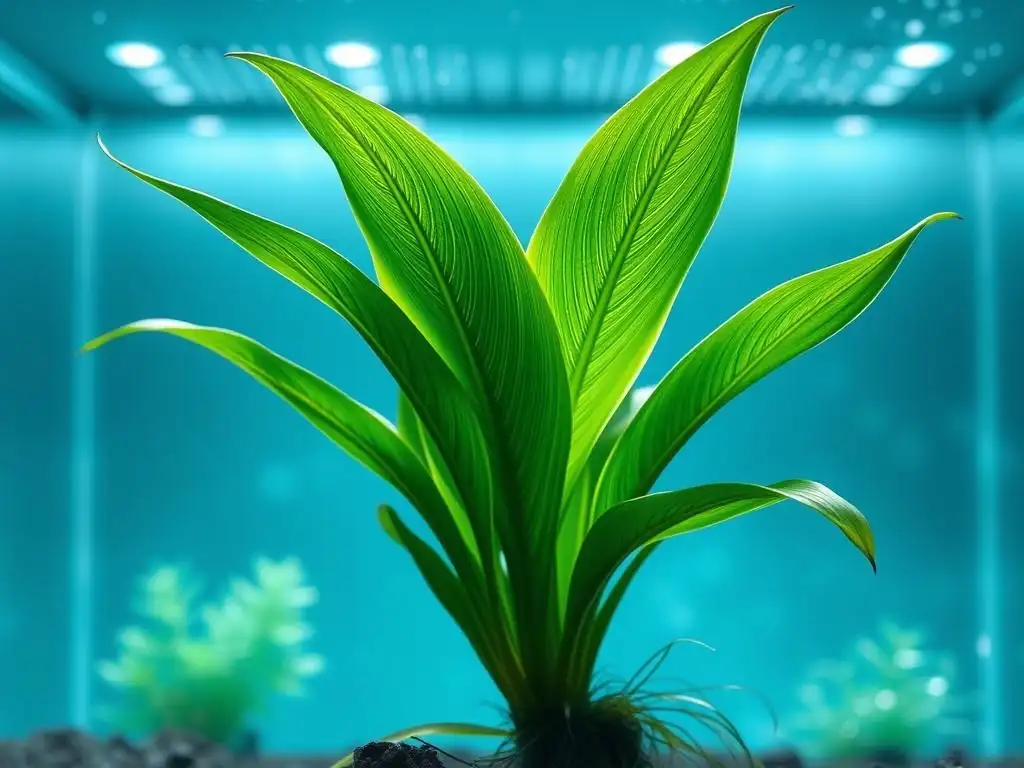
When choosing the best aquarium lighting for plants, understanding the concepts of light spectrum and PAR is far more critical than simply looking at wattage or lumens. Plants utilize specific wavelengths of light for photosynthesis, primarily in the red and blue regions of the visible spectrum. Chlorophyll a and chlorophyll b, the primary pigments responsible for photosynthesis, absorb light most efficiently at around 430-470 nanometers (blue light) and 640-670 nanometers (red light). Light outside these ranges, particularly green light, is largely reflected, which is why plants appear green to our eyes.
The color temperature of a light source, measured in Kelvin (K), provides a general indication of its spectral output. For optimal plant growth in freshwater aquariums, a color temperature ranging from 6500K to 7500K is often recommended, as this mimics natural daylight and provides a balanced spectrum with sufficient red and blue light for photosynthesis.
While higher Kelvin values (e.g., 10000K) might appear brighter to the human eye, they often have a blueish tint and less red light, which can be less efficient for plant growth. Conversely, lower Kelvin values (e.g., 4000K) appear yellowish-red and may not provide enough blue light.
Understanding Light Spectrum for Optimal Plant Growth
The light spectrum refers to the specific wavelengths of light emitted by a fixture, which directly influences various aspects of plant physiology. Red light, typically in the 600-700 nanometer range, is crucial for stem elongation, flowering, and overall biomass production. It plays a significant role in chlorophyll synthesis and the regulation of photoperiodism. Without adequate red light, plants may exhibit stunted growth or fail to develop their full potential.
Blue light, generally between 400-500 nanometers, is essential for chlorophyll production, promoting compact and bushy growth, and preventing excessive stretching (etiolation). It also influences phototropism, the plant's growth response to light. A balanced spectrum, featuring strong peaks in both the red and blue regions, is considered the best aquarium lighting for plants to ensure robust, healthy, and aesthetically pleasing growth. Modern LED fixtures often allow aquarists to fine-tune these spectral components, providing unprecedented control over plant development.
PAR: Measuring Light Intensity and Its Impact on Plants
PAR, or Photosynthetically Active Radiation, is the most accurate and relevant metric for measuring light intensity in a planted aquarium. Unlike lumens (which measure light perceived by the human eye) or watts (which measure power consumption), PAR quantifies the amount of light within the specific spectral range (400 to 700 nanometers) that plants actually use for photosynthesis. It is typically measured in micromoles per square meter per second (µmol/m²/s) at the substrate level, giving a direct indication of how much usable light is reaching the plants.
The PAR value directly impacts a plant's growth rate and its ability to thrive. Higher PAR values generally lead to faster growth, assuming all other factors like CO2 and nutrients are also optimal. However, too much PAR without sufficient CO2 and nutrients can lead to severe algae outbreaks. As a general guideline, low-light plants require 15-30 µmol/m²/s PAR, medium-light plants thrive in 30-50 µmol/m²/s, and high-light plants demand 50+ µmol/m²/s at the substrate. Understanding and measuring PAR, ideally with a PAR meter, is crucial for selecting and calibrating the best aquarium lighting for plants to match your specific aquatic flora.
Light Intensity Requirements for Different Plant Species
Not all aquatic plants have the same light requirements; some thrive in dim conditions, while others demand intense illumination to reach their full potential. Mismatching light intensity to plant species is a common cause of problems in planted tanks, leading to either algae overgrowth (too much light for low-light plants) or stunted, unhealthy plant growth (too little light for high-light plants). Therefore, classifying plants by their light needs is essential for successful aquascaping.
Broadly, aquatic plants can be categorized into low, medium, and high light categories, based on the Photosynthetically Active Radiation (PAR) they require at the substrate level. Selecting plants that align with your chosen lighting system, rather than trying to force demanding plants into a low-light setup, significantly increases the chances of a thriving and low-maintenance aquarium. This strategic plant selection is a cornerstone of achieving the best aquarium lighting for plants in your specific tank.
Low-Light Aquarium Plants: Lighting Recommendations
Low-light aquarium plants are ideal for beginners or those seeking a low-maintenance setup, as they are forgiving and can thrive with minimal illumination. These plants typically require a PAR value of 15-30 µmol/m²/s at the substrate. They are often characterized by slow growth rates and robust structures, making them less susceptible to algae issues under moderate conditions.
Examples of popular low-light plants include Anubias species (e.g., Anubias barteri, Anubias nana), Java Fern (Microsorum pteropus), Cryptocoryne species (e.g., Cryptocoryne wendtii, Cryptocoryne undulata), and Java Moss (Taxiphyllum barbieri). These plants can flourish under single T8 fluorescent bulbs, low-wattage LED strips, or even ambient room light (though supplemental light is always recommended). They generally do not require CO2 injection and benefit from liquid fertilizers or root tabs for nutrients.
Medium-Light Aquarium Plants: Lighting Recommendations
Medium-light aquarium plants represent a broad category that includes many popular stem plants and foreground species, requiring a moderate level of illumination to thrive. These plants typically need a PAR value of 30-50 µmol/m²/s at the substrate. While they can often grow without supplemental CO2, their growth will be significantly enhanced and more robust with CO2 injection and a comprehensive fertilization regimen.
Examples of medium-light plants include various Ludwigia species (e.g., Ludwigia repens, Ludwigia arcuata), Rotala species (e.g., Rotala rotundifolia, Rotala green), Dwarf Sagittaria (Sagittaria subulata), and most Sword plants (Echinodorus species). Such plants perform well under T5HO fluorescent fixtures with 2-3 bulbs or mid-range LED fixtures designed for planted tanks. Achieving optimal growth for these species often involves balancing light intensity with nutrient availability and CO2 levels to prevent algae and ensure vibrant coloration.
High-Light Aquarium Plants: Lighting Recommendations
High-light aquarium plants are the most demanding species, requiring intense illumination to achieve their full potential in terms of growth rate, density, and vibrant coloration. These plants typically need a PAR value of 50 µmol/m²/s or higher at the substrate level. Due to their rapid photosynthetic activity under high light, they almost invariably require pressurized CO2 injection and a comprehensive fertilization program (both macro and micro-nutrients) to prevent nutrient deficiencies and severe algae outbreaks.
Examples of high-light plants include carpeting species like Hemianthus callitrichoides 'Cuba' (HC Cuba), Glossostigma elatinoides, and Marsilea hirsuta, as well as intensely colored stem plants like Rotala macrandra, Ludwigia 'Super Red', and certain Blyxa species. To provide the necessary PAR, powerful LED arrays with customizable spectrums or multiple T5HO fluorescent bulbs are typically employed. Successfully growing high-light plants requires a meticulous balance of lighting, CO2, and nutrient dosing, making the choice of the best aquarium lighting for plants in this category absolutely critical for success.
Aquarium Size and Depth: Matching Lighting to Your Tank
The physical dimensions of your aquarium, particularly its depth and width, play a significant role in determining the type and power of lighting required. Light intensity diminishes rapidly as it travels through water due to absorption and scattering. This means that a deeper tank will require a significantly more powerful light fixture to deliver the same amount of Photosynthetically Active Radiation (PAR) to the substrate compared to a shallower tank. For example, a 24-inch deep tank may need twice the light output of a 12-inch deep tank to achieve similar PAR values at the bottom.
Beyond depth, the length and width of your aquarium dictate the necessary light spread. A longer tank might require a longer fixture or multiple smaller fixtures to ensure uniform coverage and prevent shaded areas where plants might struggle. Similarly, a very wide tank might benefit from a wider fixture or two narrower fixtures placed side-by-side to ensure light reaches all corners. Many fixtures are designed for specific tank lengths (e.g., 24-inch, 36-inch, 48-inch), so it's crucial to select one that matches your tank's dimensions for optimal light distribution and to provide the best aquarium lighting for plants throughout the entire aquascape.
Lighting Duration: Setting a Proper Photoperiod for Plant Growth
The duration for which your aquarium lights are on each day, known as the photoperiod, is a critical factor for healthy plant growth and overall tank balance. Just like terrestrial plants, aquatic plants require a period of darkness for respiration and to recover from the intense photosynthetic activity of the day. Providing an excessively long photoperiod does not necessarily lead to faster or better plant growth; instead, it often promotes the proliferation of nuisance algae, which can outcompete plants for nutrients and light.
For most freshwater planted aquariums, an ideal photoperiod ranges from 8 to 10 hours per day. Beginners are often advised to start with 6-8 hours and gradually increase it as plants establish and nutrient levels are balanced. Longer durations, such as 12 hours or more, are rarely beneficial for plants and almost always lead to severe algae problems, especially in tanks without CO2 injection. Consistency is key, so using a reliable timer is essential to maintain a stable daily light cycle, contributing significantly to the best aquarium lighting for plants strategy.
Setting Up Your Aquarium Lighting System
Installing Aquarium Lights: Tips and Best Practices
Proper installation of your aquarium lighting system is crucial for both safety and optimal plant growth. Most modern aquarium lights come with various mounting options, including adjustable legs that sit on the tank rim, hanging kits that suspend the fixture from the ceiling or a stand, or designs that integrate into a hood or canopy. Regardless of the method, ensure the fixture is securely mounted and stable to prevent accidental falls into the water, which could be hazardous.
When positioning the light, consider the distance from the water surface. Placing the light too close can concentrate heat and potentially bleach or burn the leaves of top-dwelling plants, while positioning it too far away can significantly reduce the Photosynthetically Active Radiation (PAR) reaching the plants, especially those at the substrate. Many LED manufacturers recommend a distance of 6 to 12 inches above the water, depending on the fixture's power. Always ensure that electrical cords have a "drip loop" to prevent water from traveling down the cord into the electrical outlet, a vital safety measure for any aquarium setup.
Using a Timer for Consistent Lighting Schedules
Consistency in lighting is paramount for the health and robust growth of aquatic plants. Plants thrive on predictable routines, and irregular light cycles can stress them, potentially leading to stunted growth or increased susceptibility to algae. Manually turning lights on and off each day is highly impractical and almost guarantees inconsistency, as daily schedules can vary.
Therefore, investing in a reliable timer is an essential component of any planted aquarium setup. Both mechanical and digital timers are available, with digital timers offering greater precision and often multiple programmable on/off periods. Set your timer to maintain a consistent photoperiod, typically 8-10 hours per day. Some aquarists even employ a "siesta" period, where the lights are off for 2-3 hours in the middle of the day, which can help mitigate algae issues in some setups. A consistent lighting schedule, facilitated by a timer, is a fundamental aspect of providing the best aquarium lighting for plants.
Adjusting Light Intensity and Duration: Observing Plant Response
Setting up your aquarium lighting is not a "set it and forget it" process; it requires ongoing observation and occasional adjustment based on your plants' responses. It's often advisable to start with a moderate light intensity and duration (e.g., 8 hours per day at 70% intensity for dimmable LEDs) and then gradually increase or decrease as needed. Your plants will provide clear visual cues about whether the lighting is appropriate.
Signs of too much light include excessive algae growth (especially green spot or hair algae), bleached or yellowing leaves on the topmost plants, or plants exhibiting "praying" (leaves folding tightly together) due to light stress. Conversely, signs of insufficient light include pale, leggy, or stunted plant growth, plants "reaching" excessively towards the light source (etiolation), and melting leaves. When making adjustments, do so incrementally (e.g., change duration by 30 minutes per week, or intensity by 5-10%) and observe the tank for several days before making further changes. This iterative approach allows you to fine-tune your setup to achieve the best aquarium lighting for plants for your unique ecosystem.
Troubleshooting Common Aquarium Lighting Problems
Algae Growth and Excessive Lighting
One of the most common and frustrating problems faced by planted tank enthusiasts is the proliferation of algae, and excessive lighting is frequently a primary culprit. When plants receive more light than they can effectively utilize (often due to insufficient CO2 or nutrient availability), the excess light energy, combined with available nutrients, creates an ideal environment for opportunistic algae to flourish. Symptoms include widespread green spot algae on glass and plant leaves, stringy green hair algae, or a general greening of the substrate.
To address algae caused by excessive lighting, several steps can be taken. First, reduce your photoperiod; if you are running lights for 10-12 hours, try reducing it to 8 hours. Second, if you have a dimmable LED fixture, lower the intensity by 10-20%. Alternatively, if your fixture is not dimmable, you can raise the light further above the water surface to reduce the PAR reaching the plants. Remember that algae issues are often a symptom of an imbalance between light, CO2, and nutrients, so addressing all three factors is crucial for long-term control and to maintain the best aquarium lighting for plants without encouraging algae.
Plant Deficiencies and Insufficient Lighting
While excessive light can lead to algae, insufficient lighting can severely hinder plant growth and cause various deficiency symptoms that are often mistaken for nutrient deficiencies. When plants do not receive enough Photosynthetically Active Radiation (PAR), their ability to photosynthesize is compromised, leading to slow or stunted growth. Common signs of insufficient light include pale or yellowing leaves, especially on older growth, plants "stretching" or becoming leggy as they reach for more light (etiolation), and a general lack of vigor or melting of plant tissue.
To remedy insufficient lighting, you should first consider increasing your photoperiod gradually, perhaps by 30-60 minutes per week, up to a maximum of 10 hours. If your light fixture is dimmable, increase the intensity by 5-10% increments. If these adjustments are insufficient, or if your current lighting is simply too weak for your chosen plant species, an upgrade to a more powerful fixture or one with a higher PAR output may be necessary. Ensure that the new light provides the appropriate spectrum for plant growth. Achieving the best aquarium lighting for plants means providing enough light to support their needs without going overboard.
Lighting Burn and Plant Damage
Despite the common problem of insufficient light, it is also possible for aquarium plants to suffer from too much light, leading to what is often referred to as "light burn" or photoinhibition. This occurs when the light intensity is so high that the plant's photosynthetic machinery becomes overwhelmed and damaged, particularly if CO2 and nutrient levels are not proportionally high to support the rapid photosynthesis. Symptoms typically include leaves turning pale, yellow, or even developing bleached, white, or brown patches, especially on new growth or the uppermost leaves closest to the light source.
Light burn is more prevalent with very powerful LED fixtures that are positioned too close to the water surface or set to maximum intensity without adequate CO2 supplementation. To mitigate light burn, the primary solutions are to either raise the light fixture further above the water, reduce the light intensity (if your fixture is dimmable), or introduce a light diffuser (such as a frosted acrylic sheet) between the light and the water surface. These measures help to spread the light more evenly and reduce the peak PAR values reaching the plants, preventing cellular damage and ensuring the best aquarium lighting for plants is achieved without detriment.
Maintaining Your Aquarium Lighting System
Cleaning Aquarium Lights for Optimal Performance
Over time, aquarium light fixtures can accumulate dust, mineral deposits from splashing water, and even algae on their surfaces, particularly on the lens or protective cover. This buildup can significantly reduce the amount of light that actually penetrates the water and reaches your plants. A dirty light cover, for instance, can block 10-20% or more of the light output, effectively diminishing the Photosynthetically Active Radiation (PAR) and negatively impacting plant growth, making even the best aquarium lighting for plants perform sub-optimally.
To ensure your lighting system operates at peak efficiency, it's advisable to clean your light fixture regularly, perhaps once a month or during routine tank maintenance. Always unplug the fixture from the power outlet before cleaning to prevent electrical hazards. Use a soft, damp cloth to wipe down the exterior. For stubborn mineral deposits, a dilute solution of white vinegar can be applied to the affected areas, ensuring that no liquid seeps into the electrical components. Consistent cleaning ensures maximum light transmission and contributes to a healthy planted tank.
Replacing Bulbs and Fixtures: When and How
The longevity and performance of aquarium lighting components vary significantly depending on the type. Fluorescent bulbs (T5, T8) do not typically "burn out" like incandescent bulbs; instead, their spectral output and intensity degrade over time, often becoming less effective for plant growth long before they cease to emit light. For optimal plant growth, fluorescent bulbs should generally be replaced every 6 to 12 months, as their PAR values and beneficial wavelengths diminish significantly after this period. Metal halide bulbs also degrade rapidly and usually require replacement every 6 to 12 months.
LED fixtures, while having a much longer overall lifespan (often 50,000+ hours for the diodes), can also experience gradual dimming or shifts in color over many years. While individual diodes are rarely replaced, the entire fixture might need replacement if a significant portion of the LEDs fail or if the overall light output is no longer sufficient for your plants. When replacing fluorescent or metal halide bulbs, always ensure you select the correct wattage, length, and spectrum (e.g., 6500K-7000K for plants) to maintain the best aquarium lighting for plants in your setup. Always unplug the fixture and allow bulbs to cool before handling.
Advanced Techniques for Planted Aquarium Lighting
CO2 Injection and High-Intensity Lighting
The relationship between high-intensity lighting and CO2 injection in a planted aquarium is synergistic and crucial for achieving vibrant, rapid plant growth. When plants are exposed to high levels of Photosynthetically Active Radiation (PAR) from powerful light fixtures, their rate of photosynthesis significantly increases. This accelerated photosynthesis demands a much higher supply of carbon dioxide, which is a primary building block for plant sugars. Without adequate CO2, plants cannot fully utilize the intense light, leading to stunted growth, nutrient deficiencies, and the inevitable proliferation of nuisance algae, which thrives on unused light energy and available nutrients.
Therefore, any setup aiming for the best aquarium lighting for plants at a high-intensity level (PAR values typically above 50 µmol/m²/s) almost invariably requires a pressurized CO2 injection system. This ensures a consistent and elevated supply of dissolved CO2 (often targeting 25-35 ppm) to meet the plants' metabolic demands. This combination allows plants to grow dense, lush, and achieve their most vibrant colors, transforming a planted tank into a high-tech aquascape.
Using Reflectors to Maximize Light Output
For fluorescent lighting systems, and to a lesser extent some LED fixtures, the use of high-quality reflectors can significantly enhance the efficiency and output of your lighting setup. Light is emitted in all directions from a bulb, and without a reflector, a substantial portion of this light (sometimes 30-50%) is directed upwards or outwards, away from the aquarium. Reflectors are designed to capture this otherwise wasted light and redirect it downwards into the tank, increasing the Photosynthetically Active Radiation (PAR) reaching your plants.
Well-designed parabolic or angled reflectors can dramatically boost the effective light intensity, sometimes making a two-bulb T5HO fixture perform almost as effectively as a three-bulb setup without reflectors. They ensure that more of the light generated by your bulbs is actually put to use by your plants, improving growth and potentially allowing you to achieve the light levels necessary for more demanding species without adding more bulbs. When considering the best aquarium lighting for plants, the efficiency gained from good reflectors should not be overlooked.
Light Diffusers: Achieving Even Light Distribution
While powerful LED fixtures can provide immense light intensity, some designs, particularly those with highly concentrated individual diodes, can create "spotlighting" effects or harsh shadows within the aquarium. This uneven light distribution can lead to inconsistent plant growth, with some areas receiving too much light and others too little, and can also detract from the overall aesthetic of the aquascape.
Light diffusers, typically made from frosted acrylic or specialized optical lenses, are designed to spread the intense, concentrated light more evenly across the entire tank. By scattering the light, diffusers reduce hotspots and harsh shadows, ensuring that all plants receive a more uniform amount of Photosynthetically Active Radiation (PAR). This results in more consistent and healthier growth throughout the aquascape and a more visually pleasing, softer light presentation. For aquarists aiming for the best aquarium lighting for plants that also offers superior aesthetics, light diffusers can be a valuable addition to a high-power LED setup.
Optimizing Plant Growth with the Right Lighting
Selecting Plants Based on Your Lighting System
A fundamental principle for achieving a thriving planted aquarium is to match your plant selection to your existing or planned lighting system. Attempting to grow high-light demanding plants under a low-light setup is a common pitfall that often leads to disappointment, stunted growth, and frustrating algae battles. It is far more effective and sustainable to choose aquatic plant species that are known to flourish under the specific Photosynthetically Active Radiation (PAR) levels and spectrum your lighting can provide.
Before purchasing plants, research their specific light requirements (low, medium, or high light) and compare them with the capabilities of your light fixture. For instance, if you have a basic LED strip or a single T8 fluorescent, focus on low-light tolerant species like Anubias, Java Fern, or Cryptocorynes. Conversely, if you've invested in a powerful, high-PAR LED system with CO2 injection, then carpeting plants and vibrant red stem plants become viable options. This strategic plant selection ensures that your lighting, which is a critical component, is truly the best aquarium lighting for plants you intend to keep.
Fertilization and Lighting: A Synergistic Approach
Lighting, CO2, and nutrients form the three essential pillars of robust plant growth in an aquarium, and they are inextricably linked in a synergistic relationship. Increasing light intensity without proportionally increasing the availability of essential macro (nitrogen, phosphorus, potassium) and micro (iron, manganese, boron, etc.) nutrients will invariably lead to plant deficiencies and, paradoxically, an explosion of nuisance algae. Plants growing under higher light conditions photosynthesize more rapidly, and thus, consume nutrients at an accelerated rate.
Therefore, a comprehensive fertilization regimen is crucial, especially in medium to high-light setups. This may involve using nutrient-rich substrates, root tabs for heavy root feeders, and regular dosing of liquid fertilizers that provide both macro and micronutrients. Monitoring nutrient levels with test kits and adjusting dosing accordingly is vital. When all three pillars – light, CO2, and nutrients – are optimized and balanced, plants can fully utilize the provided illumination, leading to lush, vibrant growth and making your chosen light truly the best aquarium lighting for plants for your setup.
Monitoring Plant Health and Adjusting Lighting as Needed
Maintaining a thriving planted aquarium is an ongoing process of observation and adjustment. Your plants are living indicators of the overall health of your tank, and their appearance provides crucial clues about whether your lighting, CO2, and nutrient levels are in balance. Regular monitoring allows you to identify potential issues early and make timely corrections to your lighting parameters, preventing minor problems from escalating into major algae outbreaks or widespread plant deterioration.
Look for signs of healthy growth, such as vibrant leaf color, compact and bushy growth (for appropriate species), new shoots emerging, and minimal algae presence on plant leaves. Conversely, watch for warning signs like pale or yellowing leaves, stunted or leggy growth, holes in leaves, or excessive algae. If you notice these issues, consider adjusting your lighting duration or intensity in small increments, observing the plant's response over several days. This iterative process of observation, analysis, and adjustment is key to continually fine-tuning your system and ensuring you maintain the best aquarium lighting for plants for your unique aquatic ecosystem.
Conclusion: Mastering Aquarium Lighting for a Thriving Planted Tank
Mastering aquarium lighting is undoubtedly one of the most critical steps towards cultivating a thriving and visually stunning planted tank. From understanding the fundamental role of light in photosynthesis to navigating the myriad types of fixtures available, each decision impacts the health and vibrancy of your aquatic flora. Whether you opt for the customizable efficiency of LEDs, the proven performance of T5 fluorescents, or, in rare cases, the brute power of metal halides, the ultimate goal remains the same: providing the optimal spectrum and intensity for your chosen plant species.
The journey to finding the best aquarium lighting for plants is a continuous process of learning, observation, and adjustment. By carefully considering factors like light spectrum (PAR), intensity requirements for specific plants, tank dimensions, and photoperiod, you lay the groundwork for success. Moreover, integrating your lighting strategy with proper CO2 injection and a comprehensive fertilization regimen creates a synergistic environment where plants can truly flourish. With diligent maintenance and a keen eye on your plants' responses, you can unlock the full potential of your planted aquarium, transforming it into a vibrant, lush underwater garden that is a testament to your aquascaping prowess.
Frequently Asked Questions
What type of aquarium lighting is generally considered the best for promoting plant growth?
LED lighting is often considered the best aquarium lighting for plants due to its efficiency, lifespan, and ability to produce specific wavelengths of light needed for photosynthesis. It provides a spectrum suitable for most aquatic plants.
How do I determine the appropriate light intensity for my planted aquarium?
The appropriate light intensity depends on the types of plants you have. High-light plants require more intense illumination than low-light plants. Research your plant species to find their specific light needs.
Can I use any LED light for my planted aquarium, or are there specific features I should look for?
No, not just any LED will do. Look for LEDs with a full spectrum or PAR rating suitable for plant growth. Avoid LEDs that are solely focused on aesthetics and don't provide the necessary wavelengths.
What is PAR, and why is it important when choosing aquarium lighting for plants?
PAR stands for Photosynthetically Active Radiation. It measures the amount of light available for photosynthesis, making it a crucial factor. Higher PAR values generally support more demanding plants.
How often should I replace my aquarium lighting for optimal plant growth?
While LED lights have a long lifespan, their light output degrades over time. It's recommended to replace them every 1-2 years to maintain optimal plant growth. Regular monitoring of plant health is also key.
Final Reflection: Illuminating Growth and Discovery
The journey through the world of aquarium lighting, as we've explored, is far more than just choosing a bulb; it's about understanding the delicate dance between light, life, and the vibrant ecosystems we create within our glass boxes. The insights shared here regarding the best aquarium lighting for plants are not merely technical specifications, but rather keys to unlocking the full potential of our underwater gardens, fostering thriving environments that captivate and inspire.
This exploration has deeply underscored the profound impact of informed choices on the health and beauty of our aquariums. Witnessing the flourishing of aquatic plants under the right light is a testament to the power of understanding and applying scientific principles to our hobbies. The best time to plant a tree was 20 years ago. The second best time is now.
This ancient proverb resonates deeply, reminding us that even small actions, like choosing the right light, can yield incredible long-term results in nurturing life.
Now, armed with this knowledge, I invite you to reflect on your own aquarium journey. Consider how you can apply these principles to cultivate not just thriving plants, but also a deeper appreciation for the intricate web of life that exists beneath the surface. Let the light guide you, not just in illuminating your tank, but in illuminating your understanding and connection to the natural world.
Ignite Your Aquarium's Potential!
Thanks for diving into the world of aquarium lighting with us! We hope this guide illuminated the path to lush plant growth and a thriving aquatic ecosystem. Now it's time to put that knowledge into action.
Here's how you can transform your aquarium today:
- Audit your current lighting setup. Take a close look at the type of light you're using, its PAR value, and the duration it's on. Compare it to the needs of your plants, considering the depth and size of your aquarium.
- Explore different lighting spectrums. Experiment with adding lights that enhance specific colors, promoting deeper green foliage or brighter red hues in your plants.
- Share your plant growth journey. Post before-and-after photos of your aquarium on social media, tag @AquariumMastery, and inspire others with your success!
What's the first lighting adjustment you'll make to unleash the full potential of your planted aquarium?