
Can Dwarf Cichlids Live with Corydoras? Unveiling the Truth

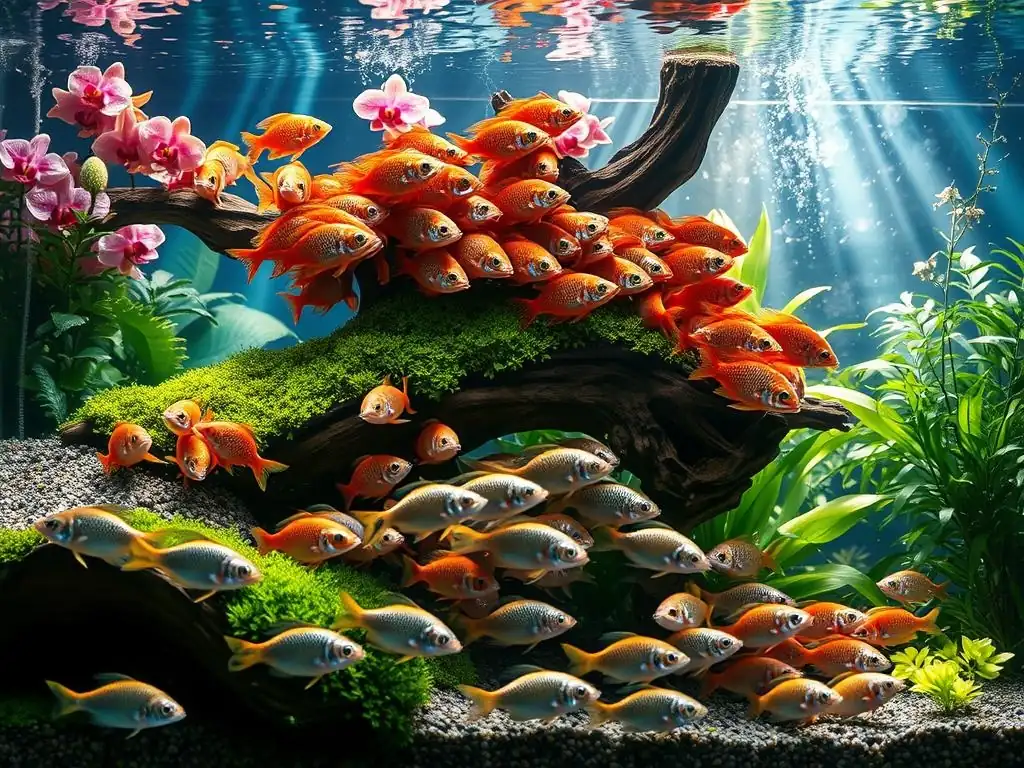
Welcome to Aquarium Mastery!
Are you dreaming of a vibrant community tank filled with dazzling dwarf cichlids and playful corydoras? Before you take the plunge, let's dive deep into the often-complex world of dwarf cichlid corydoras compatibility issues. Discover the crucial factors that determine whether these popular freshwater companions can truly thrive together, and unlock the secrets to a harmonious aquatic ecosystem. Ready to unveil the truth?
- Understanding Dwarf Cichlid and Corydoras Temperaments for Tank Harmony
- Dwarf Cichlid Corydoras Compatibility Issues: A Detailed Look
- Tank Size and Setup: Crucial Factors for Dwarf Cichlid and Corydoras Cohabitation
- Successfully Keeping Dwarf Cichlids and Corydoras Together: Practical Tips
- Feeding Strategies for a Community Tank with Dwarf Cichlids and Corydoras
- Monitoring Tank Dynamics: Identifying and Addressing Potential Problems
- Case Studies: Successful Dwarf Cichlid and Corydoras Tank Setups
- Conclusion: Achieving a Balanced and Thriving Aquarium with Dwarf Cichlids and Corydoras
-
Frequently Asked Questions
- Can Dwarf Cichlids and Corydoras fish live together peacefully in an aquarium?
- What are the main concerns when housing Dwarf Cichlids and Corydoras together?
- What size tank is recommended for keeping Dwarf Cichlids and Corydoras together?
- What type of aquarium environment promotes compatibility between these fish?
- Which Dwarf Cichlid species are known to be less compatible with Corydoras?
- Final Reflection: Harmony in the Aquarium
- Ignite Your Aquarium: Transform Knowledge into Action!
Understanding Dwarf Cichlid and Corydoras Temperaments for Tank Harmony
Exploring Dwarf Cichlid Behavior: Are They Compatible Tank Mates?
Dwarf cichlids, a diverse group including popular genera like Apistogramma, Mikrogeophagus (Rams), and Pelvicachromis (Kribensis), are renowned for their vibrant colors and engaging personalities. While generally smaller and less aggressive than their larger cichlid cousins, they are still cichlids at heart, meaning they exhibit territorial behaviors, especially when breeding. They typically establish a specific area within the aquarium as their domain, which they will actively defend against perceived intruders.
This territorial instinct is a primary factor in assessing dwarf cichlid corydoras compatibility issues. During spawning periods, a pair of dwarf cichlids, such as Mikrogeophagus ramirezi (German Blue Rams), may become particularly assertive, displaying aggression towards any fish that ventures too close to their eggs or fry. While direct harm to a Corydoras catfish is rare, persistent chasing and intimidation can cause significant stress, impacting the Corydoras' health and overall well-being.
Corydoras Catfish: A Peaceful Bottom Dweller Profile
Corydoras catfish, often simply called "Corys," are among the most beloved and peaceful inhabitants of freshwater aquariums. These small, armored catfish are primarily bottom dwellers, spending their days sifting through substrate for food particles. They are known for their calm demeanor and social nature, thriving best when kept in groups of six or more individuals. Their schooling behavior provides a sense of security and reduces individual stress.
Ranging in size from the tiny Corydoras pygmaeus, which reaches about 1 inch (2.5 cm), to larger species like Corydoras sterbai at 2-3 inches (5-7.5 cm), Corydoras are non-aggressive and pose no threat to other fish. Their peaceful disposition makes them ideal candidates for community tanks, provided their specific environmental and social needs are met. Understanding their natural behavior is crucial when considering dwarf cichlid corydoras compatibility issues, as their bottom-dwelling habits can sometimes lead them into the territorial zones of cichlids.
Dwarf Cichlid Corydoras Compatibility Issues: A Detailed Look
Potential Aggression: Dwarf Cichlids and Corydoras Interaction
The primary concern regarding dwarf cichlid corydoras compatibility issues revolves around potential aggression from the cichlids. Dwarf cichlids, particularly when establishing territories or breeding, can view bottom-dwelling Corydoras as competitors or threats to their space. While outright physical harm is uncommon, repeated chasing, fin-nipping, or intense displays of aggression can lead to chronic stress for the Corydoras. This stress weakens their immune system, making them more susceptible to diseases like ich or bacterial infections.
The intensity of this aggression can vary significantly between different dwarf cichlid species and even individual fish. For instance, a breeding pair of Pelvicachromis pulcher (Kribensis cichlids) is generally more territorial and prone to aggression than a pair of Apistogramma borellii. The risk of conflict escalates in smaller tanks where escape routes are limited, or when the cichlids are actively guarding eggs or fry, as the Corydoras' natural foraging behavior puts them directly in the cichlids' perceived danger zone.
Water Parameter Preferences: Dwarf Cichlids vs. Corydoras Needs
While both dwarf cichlids and Corydoras catfish are freshwater species, their ideal water parameter preferences can sometimes present dwarf cichlid corydoras compatibility issues. Many popular dwarf cichlids, such as Apistogramma species and German Blue Rams ( Mikrogeophagus ramirezi), typically prefer soft to moderately soft water with an acidic to neutral pH, often ranging from pH 5.5 to 7.0, and temperatures between 75-82°F (24-28°C). These specific conditions are often crucial for their long-term health and breeding success.
Corydoras catfish, conversely, are generally more adaptable to a wider range of water conditions, tolerating soft to moderately hard water and a pH range of 6.0 to 7.5. Their preferred temperature range is typically 72-79°F (22-26°C). The good news is that there is a significant overlap in these ranges. By aiming for parameters at the warmer, slightly acidic end of the Corydoras' tolerance (e.g., pH 6.5-7.0, 76-78°F or 24-26°C), it is possible to create a healthy environment that suits both types of fish, minimizing water parameter-related dwarf cichlid corydoras compatibility issues.
Tank Size and Setup: Crucial Factors for Dwarf Cichlid and Corydoras Cohabitation
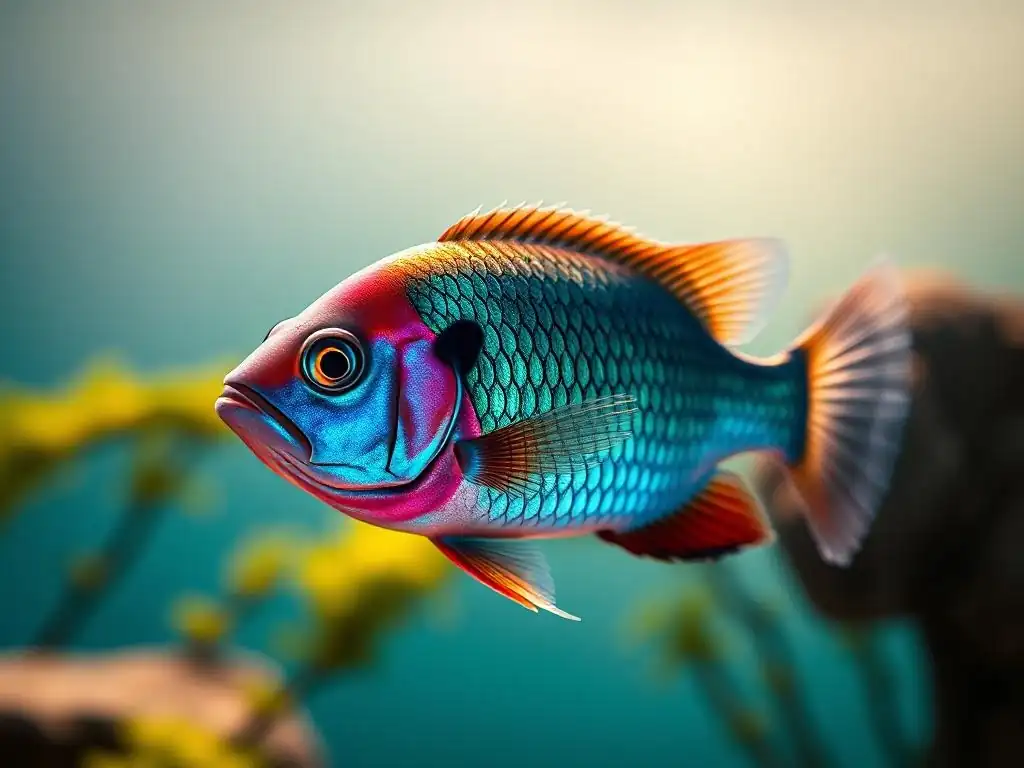
Adequate Space: Minimizing Aggression in a Mixed Species Tank
Providing adequate tank space is paramount to successfully housing dwarf cichlids and Corydoras together, effectively mitigating dwarf cichlid corydoras compatibility issues. A larger footprint allows dwarf cichlids to establish distinct territories without constantly infringing upon the Corydoras' foraging areas. For a single pair of dwarf cichlids and a small group of 6-8 Corydoras, a minimum tank size of 30 gallons (approximately 115 liters) is highly recommended. For more active or territorial dwarf cichlid species, or larger groups of Corydoras, a 40-gallon breeder tank (around 150 liters) or larger is even better.
In a sufficiently sized aquarium, dwarf cichlids can claim a specific cave or plant thicket as their breeding territory, typically a few square feet, while the Corydoras can explore the remaining bottom area without feeling constantly threatened. For example, in a 40-gallon tank, a pair of Apistogramma cacatuoides might occupy a corner with a coconut hide, leaving ample open sand for a school of 10 Corydoras panda to sift through peacefully. This spatial separation reduces direct confrontation and stress for both species.
Substrate and Decoration: Creating a Suitable Environment for Both Species
The choice of substrate and the strategic placement of decorations are critical for ensuring dwarf cichlid corydoras compatibility issues are minimized. For Corydoras, a fine, smooth sand substrate is essential. Their delicate barbels, which they use to sift through the substrate for food, can be damaged by sharp or coarse gravel. Sand also allows dwarf cichlids to dig small pits for spawning, a natural behavior for many species.
Beyond the substrate, ample hiding places and visual barriers are crucial. Driftwood branches, smooth rocks, ceramic caves, and dense live plant arrangements (such as Java fern, Anubias, or Cryptocorynes) provide vital retreats for Corydoras and help break up sightlines, preventing constant territorial disputes. For instance, a large piece of driftwood can create a natural barrier, allowing a dwarf cichlid pair to feel secure in their territory on one side, while Corydoras can safely forage on the other, significantly reducing stress and potential aggression.
Successfully Keeping Dwarf Cichlids and Corydoras Together: Practical Tips
Choosing the Right Dwarf Cichlid Species: Temperament Matters
The success of a dwarf cichlid and Corydoras community tank heavily depends on selecting the right dwarf cichlid species. Some species are inherently more peaceful and less territorial than others, significantly reducing dwarf cichlid corydoras compatibility issues. For example, Mikrogeophagus ramirezi (German Blue Rams) and many Apistogramma species like A. borellii or A. cacatuoides are generally considered more suitable due to their relatively milder temperaments, especially when provided with adequate space and hiding spots.
Conversely, species such as Pelvicachromis pulcher (Kribensis cichlids) can be highly territorial, particularly during breeding, and may relentlessly harass bottom-dwelling Corydoras in all but the largest tanks. Thorough research into the specific temperament of the dwarf cichlid species you intend to keep is vital. Opting for a known "community-friendly" dwarf cichlid can make a substantial difference in maintaining a peaceful environment for your Corydoras.
Introducing Fish Gradually: Reducing Stress and Establishing Territory
A strategic introduction process can significantly reduce initial dwarf cichlid corydoras compatibility issues. It is generally recommended to introduce the Corydoras catfish to the tank first, allowing them to acclimate and establish their presence and favorite foraging areas before the more territorial dwarf cichlids are added. This gives the Corydoras a sense of security and familiarity with their environment, making them less stressed when the cichlids arrive.
Once the Corydoras have settled, typically after a week or two, the dwarf cichlids can be introduced. Dimming the aquarium lights during the introduction process can also help reduce initial stress and aggression, allowing the new inhabitants to explore their surroundings more calmly. Observe the fish closely for the first few days to ensure that initial territorial squabbles do not escalate into prolonged aggression.
Providing Ample Hiding Places: Ensuring Corydoras Safety
Ample and strategically placed hiding places are non-negotiable for mitigating dwarf cichlid corydoras compatibility issues and ensuring the safety of your Corydoras. While dwarf cichlids are busy defending their chosen territory, Corydoras need accessible retreats where they can escape harassment and feel secure. These hiding spots serve as visual barriers and physical safe zones, reducing stress levels for the Corydoras.
Effective hiding places include small caves made from coconut shells or terracotta pots, dense thickets of live plants (like Java Moss or Cryptocoryne species), and intricate driftwood formations. Ensure there are multiple hiding spots scattered throughout the bottom of the tank, not just in one area, so that Corydoras always have an escape route, even if a dwarf cichlid has claimed a particular section. This allows the Corydoras to forage and rest without constant fear of confrontation.
Feeding Strategies for a Community Tank with Dwarf Cichlids and Corydoras
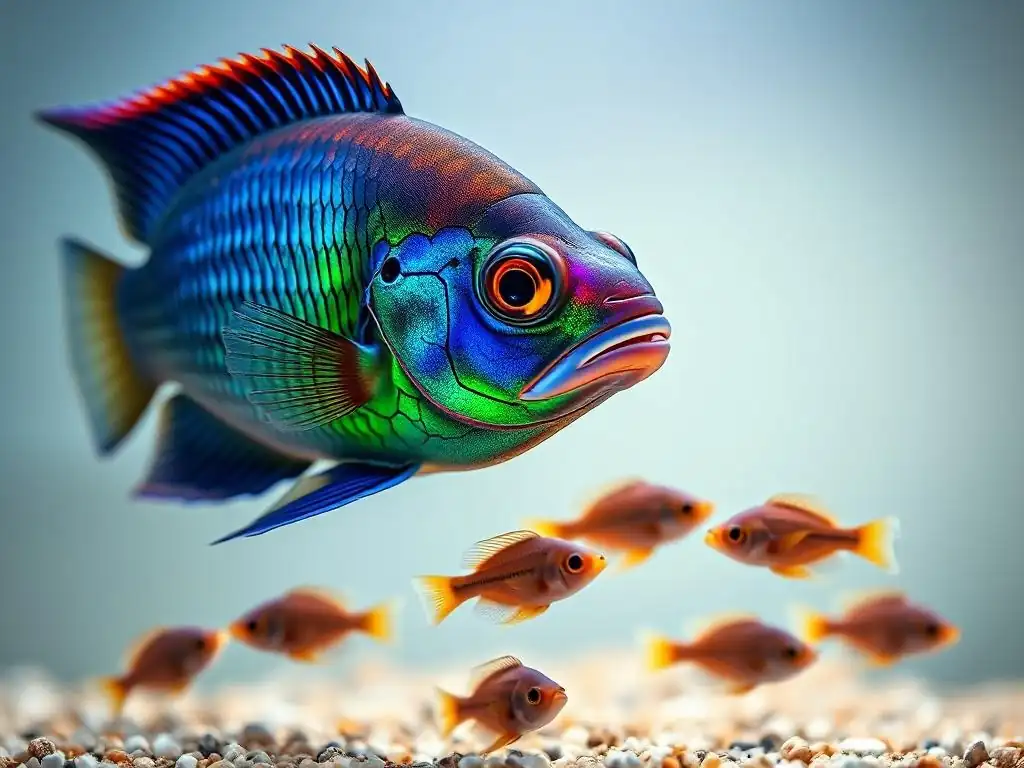
Ensuring Corydoras Get Enough Food: Competition Considerations
One of the often-overlooked dwarf cichlid corydoras compatibility issues is food competition. Dwarf cichlids are typically faster and more assertive eaters, often consuming most of the food before it reaches the bottom where Corydoras primarily feed. If not addressed, this can lead to undernourishment and stress for the Corydoras, impacting their long-term health.
To ensure Corydoras receive adequate nutrition, specific feeding strategies are essential. After feeding the main portion to the dwarf cichlids, consider target-feeding sinking pellets, wafers, or specialized Corydoras tablets directly to the bottom of the tank, perhaps even after the main aquarium lights have been turned off for the night. Corydoras are often more active and less inhibited by the presence of cichlids in lower light conditions, allowing them to forage more effectively.
Variety in Diet: Meeting the Nutritional Needs of Both Species
Providing a varied diet is crucial for the health and vitality of both dwarf cichlids and Corydoras, ensuring all nutritional needs are met and minimizing potential dwarf cichlid corydoras compatibility issues related to diet. Dwarf cichlids are primarily carnivorous or omnivorous, thriving on high-quality flake or pellet foods supplemented with frozen or live foods such as bloodworms, brine shrimp, and daphnia. These protein-rich foods support their vibrant coloration and breeding activity.
Corydoras, while often perceived as scavengers, also require a balanced diet. They benefit from a mix of sinking pellets, algae wafers, and occasional frozen or live foods. Offering a diverse range of food types ensures that both species receive all necessary vitamins, minerals, and proteins. A healthy, well-fed fish is generally less stressed and more resilient, contributing to a harmonious tank environment.
Monitoring Tank Dynamics: Identifying and Addressing Potential Problems
Observing Fish Behavior: Recognizing Signs of Stress or Aggression
Vigilant observation of fish behavior is key to early identification and resolution of dwarf cichlid corydoras compatibility issues. Spend time daily watching how your dwarf cichlids and Corydoras interact. Look for signs of stress in Corydoras, such as clamped fins, rapid gill movement, hiding excessively, unusual swimming patterns (e.g., darting frantically), or a loss of appetite. These can indicate they are being harassed or are not thriving.
For dwarf cichlids, monitor for persistent chasing, fin nipping, or overly aggressive displays towards the Corydoras. While some minor territorial disputes are normal, continuous aggression is a red flag. If you notice a Corydoras with torn fins, or if a dwarf cichlid is constantly harassing them, it's a clear sign that the compatibility is strained and intervention may be necessary, perhaps by adding more hiding spots or even considering rehoming one of the species.
Water Quality Management: Maintaining a Healthy Ecosystem
Maintaining pristine water quality is fundamental for the health of any aquarium, and especially critical when addressing dwarf cichlid corydoras compatibility issues. Poor water quality is a significant stressor for all fish, making them more susceptible to disease and exacerbating any existing tensions between tank mates. Regular water changes are essential; a weekly 25-30% water change is a good general guideline, but this may vary based on tank size and bioload.
Consistent monitoring of key water parameters—including pH, ammonia, nitrite, and nitrate levels—is also vital. Ammonia and nitrite should always be at zero, while nitrates should be kept below 20 ppm. Stable water parameters within the optimal range for both dwarf cichlids and Corydoras reduce stress, bolster immune systems, and promote overall well-being, fostering a more peaceful coexistence.
Case Studies: Successful Dwarf Cichlid and Corydoras Tank Setups
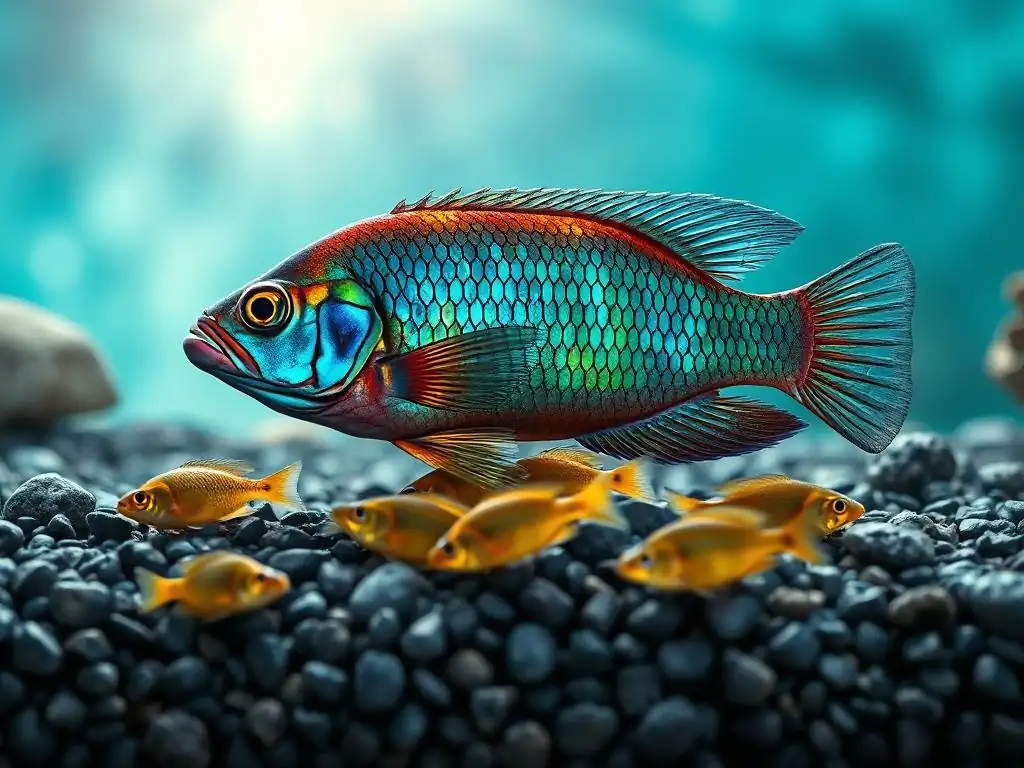
Apistogramma cacatuoides and Corydoras habrosus: A Successful Pairing
A prime example of successful dwarf cichlid corydoras compatibility involves a pair of Apistogramma cacatuoides (Cockatoo Dwarf Cichlids) cohabiting with a school of Corydoras habrosus (Salt and Pepper Cory). In a well-planted 30-gallon (approx. 115 liters) aquarium, the Apistogramma cacatuoides pair typically establishes a territory around a specific cave or driftwood piece, often in a corner, where they may breed. Their aggression is generally limited to this immediate area, and they tend to stay in the mid to lower levels of the water column.
Corydoras habrosus, being one of the smallest Corydoras species (reaching about 1.2 inches or 3 cm), are excellent tank mates due to their small size and strictly bottom-dwelling nature. A group of 10-12 C. habrosus can comfortably forage in the open sand areas of the tank, rarely venturing directly into the Apistogramma's core territory. This spatial separation, combined with the Apistogramma cacatuoides' relatively mild temperament, significantly reduces dwarf cichlid corydoras compatibility issues, creating a harmonious and active community.
Mikrogeophagus ramirezi and Corydoras sterbai: A Thriving Community
Another highly successful pairing, demonstrating effective dwarf cichlid corydoras compatibility, involves Mikrogeophagus ramirezi (German Blue Rams) and Corydoras sterbai (Sterba's Cory). Both species prefer warmer water temperatures, typically between 78-80°F (25-27°C), which is a crucial alignment in their environmental needs. In a 40-gallon (approx. 150 liters) heavily planted aquarium with fine sand substrate and numerous hiding spots, a pair of German Blue Rams can thrive alongside a group of 6-8 Corydoras sterbai.
German Blue Rams are generally peaceful, though they can be territorial during breeding. Corydoras sterbai are robust and active bottom dwellers, known for their distinctive orange pectoral fins. They are less intimidated by territorial displays than some other Corydoras species. The Rams tend to inhabit the mid-to-lower water column and use flat rocks or small caves for spawning, while the Corydoras sterbai actively sift through the sand, often in open areas. Their shared temperature preference and the Corydoras' resilience contribute to a balanced and thriving community, effectively managing potential dwarf cichlid corydoras compatibility issues.
Conclusion: Achieving a Balanced and Thriving Aquarium with Dwarf Cichlids and Corydoras
The question of "Can Dwarf Cichlids live with Corydoras?" is not a simple yes or no, but rather a qualified "yes, with careful planning." While dwarf cichlid corydoras compatibility issues can arise due to territoriality and differing needs, these challenges are surmountable with thoughtful consideration of several key factors. Success hinges on selecting appropriate species, providing ample tank space with numerous hiding places, maintaining pristine water quality, and implementing strategic feeding methods.
By understanding the specific temperaments of both dwarf cichlids and Corydoras catfish, recognizing potential sources of conflict, and proactively designing an environment that caters to their individual and collective needs, aquarists can create a balanced and thriving community aquarium. Vigilant observation and timely intervention are also crucial for ensuring the long-term well-being of all inhabitants. With proper care and attention, a beautiful and harmonious tank featuring both dwarf cichlids and Corydoras is entirely achievable.
Frequently Asked Questions
Can Dwarf Cichlids and Corydoras fish live together peacefully in an aquarium?
Generally, yes, they can! However, compatibility issues depend heavily on the specific dwarf cichlid and corydoras species, as well as the aquarium size and layout. A well-planned setup is key to success.
What are the main concerns when housing Dwarf Cichlids and Corydoras together?
The primary concern is aggression from the dwarf cichlids during breeding or territorial disputes. Also, ensuring both species have adequate space and hiding places is crucial to minimize stress.
What size tank is recommended for keeping Dwarf Cichlids and Corydoras together?
A minimum of a 20-gallon tank is generally recommended, but larger is always better. The tank size should be increased based on the number and species of fish.
What type of aquarium environment promotes compatibility between these fish?
A heavily planted aquarium with plenty of driftwood and caves is ideal. This provides visual barriers and retreats for the corydoras, reducing the risk of aggression.
Which Dwarf Cichlid species are known to be less compatible with Corydoras?
Highly territorial species like Apistogramma cacatuoides (Cockatoo Cichlid) during breeding season can pose problems. Careful observation is always necessary to monitor for aggression and adjust as needed.
Final Reflection: Harmony in the Aquarium
The exploration of dwarf cichlid and corydoras compatibility reveals more than just tank mate suitability; it highlights the delicate balance required to create a thriving ecosystem within the confines of our aquariums. Understanding the nuances of their behavior, environmental needs, and potential conflicts is crucial, not just for the well-being of these specific fish, but for fostering a responsible and informed approach to fishkeeping as a whole.
This topic has profoundly influenced the way aquarists approach community tank planning, moving away from simply choosing aesthetically pleasing fish towards a deeper understanding of their ecological roles. The realization that even seemingly peaceful species can clash underscores the importance of diligent research and careful observation. The best aquarium is not just a collection of fish, but a miniature ecosystem where each inhabitant contributes to the overall health and stability of the environment.
This sentiment reminds us that our role as aquarists extends beyond mere ownership; we are stewards of these miniature worlds.
Now, consider the lessons learned about compatibility and apply them beyond the aquarium. Just as understanding the needs of different species fosters harmony in a tank, so too does understanding and respecting different perspectives foster harmony in our communities. Let the pursuit of a balanced aquarium inspire you to seek balance and understanding in all aspects of your life, creating spaces where diverse individuals can thrive together.
Ignite Your Aquarium: Transform Knowledge into Action!
Thank you for diving deep into the world of dwarf cichlids and corydoras! We hope you've found this guide insightful and feel empowered to create a thriving, peaceful aquarium. Now, let's turn that knowledge into action!
Here are some ways to enhance your aquarium journey:
- Prioritize Compatibility: Carefully assess the temperament and needs of your specific dwarf cichlid and corydoras species before introducing them. A little research can prevent a lot of heartache!
- Share your experience! Post your setup, species and experiences in the comments below.
- Explore advanced aquascaping techniques! Consider learning about creating naturalistic habitats that cater specifically to the needs of both dwarf cichlids and corydoras to reduce stress and aggression.
What fascinating fish combination are you currently planning or working on?