
What Do Tiger Barbs Eat? Crafting the Perfect Diet for Your Striped Beauties


Welcome to Aquarium Mastery!
Ever wondered how to keep your vibrant tiger barbs thriving? Unlocking the secrets to their ideal diet is key, and you've come to the right place. Dive in to discover everything you need to know about tiger barb diet requirements and craft a feeding plan that will have your striped beauties flashing their best colors. Ready to make them happy and healthy? Let's get started!
- Understanding Tiger Barb Diet Requirements for Optimal Health
- Natural Tiger Barb Feeding Habits in the Wild
- The Best Foods for Tiger Barbs in Your Aquarium
- Creating a Balanced Tiger Barb Feeding Schedule
- Addressing Specific Dietary Needs of Tiger Barbs
- Preventing Dietary Problems in Tiger Barbs
- Advanced Tiger Barb Diet Strategies
- Troubleshooting Feeding Issues with Tiger Barbs
-
Frequently Asked Questions
- What is the ideal diet for tiger barbs to ensure their health and vibrant colors?
- How often should I feed my tiger barbs to maintain optimal health and prevent overfeeding?
- What types of live or frozen foods are particularly beneficial for tiger barbs?
- Are there any specific foods I should avoid feeding tiger barbs, or that could be harmful to them?
- How does the diet of tiger barbs differ between juveniles and adults, and what adjustments should I make?
- Final Reflection: Nurturing the Vibrant Stripes
- Nurture Your Tiger Barbs: Unlock Their Vibrant Best!
Understanding Tiger Barb Diet Requirements for Optimal Health
Why Proper Nutrition is Crucial for Tiger Barb Health and Color
Proper nutrition is the cornerstone of vibrant health and striking coloration for your Tiger Barbs. A well-balanced diet directly impacts their immune system, making them more resilient to common aquarium diseases such as ich or fin rot. When their Tiger barb diet requirements are consistently met, you'll observe their signature black and orange stripes intensifying, their fins remaining intact and strong, and their overall activity levels being robust and energetic. Conversely, a poor diet can lead to faded colors, stunted growth, lethargy, and increased susceptibility to infections, significantly shortening their lifespan.
Beyond aesthetics, a precise diet fuels their internal systems. Proteins are essential for muscle development and tissue repair, while fats provide concentrated energy for their active swimming style. Carbohydrates offer readily available energy, and a full spectrum of vitamins and minerals supports everything from bone health to enzyme function. Ignoring these fundamental Tiger barb diet requirements can result in specific nutritional deficiencies, manifesting as deformities, digestive issues, or a general decline in vigor, making them visibly less active and responsive in the aquarium.
The Importance of a Varied Diet for Tiger Barbs
Just as humans thrive on a diverse diet, Tiger Barbs require a varied nutritional intake to ensure all their dietary needs are met. Relying on a single type of food, even a high-quality one, can lead to deficiencies over time, as no single food can provide every essential nutrient in the perfect balance. A monotonous diet can also lead to boredom, potentially reducing their feeding enthusiasm and overall vitality.
Introducing a variety of foods stimulates their natural foraging instincts and provides a broader spectrum of vitamins, minerals, proteins, and fats. For instance, while high-quality flakes might serve as a staple, supplementing with live or frozen foods offers different protein profiles and essential fatty acids, while vegetable matter contributes crucial fiber and plant-based nutrients. This comprehensive approach to Tiger barb diet requirements not only promotes optimal physical health but also contributes to their mental well-being, encouraging more natural behaviors and reducing stress within the confines of the aquarium.
Natural Tiger Barb Feeding Habits in the Wild
Replicating the Natural Diet of Tiger Barbs in Captivity
Understanding the natural feeding habits of Tiger Barbs in their native habitats is key to formulating an optimal captive diet. While a complete replication of their wild environment is challenging in an aquarium, aquarists can closely approximate their natural intake, which contributes significantly to their health, vitality, and natural behaviors. By mimicking their omnivorous preferences for both animal and plant matter, we provide a diet that aligns with their evolutionary needs, reducing stress and promoting better digestion.
This replication involves selecting foods that resemble the types of organisms they would encounter in the wild. For example, small frozen or live invertebrates like daphnia and bloodworms closely resemble the insect larvae and small crustaceans that form a significant part of their natural Tiger barb diet requirements. Similarly, incorporating spirulina and blanched vegetables addresses their opportunistic grazing on plant matter. This thoughtful approach ensures that their nutritional needs are met in a way that feels natural to the fish, enhancing their overall well-being in the aquarium.
What Tiger Barbs Eat in Their Native Habitat: Insects, Algae, and Small Crustaceans
In their native environments, primarily the slow-moving streams and clear waters of Sumatra and Borneo, Tiger Barbs (Puntigrus tetrazona) are opportunistic omnivores. Their diet is diverse, reflecting the availability of food sources in their habitat. A significant portion of their natural Tiger barb diet requirements consists of small invertebrates. This includes various insect larvae, such as mosquito larvae, and small aquatic worms. They also actively forage for tiny crustaceans like copepods and daphnia, which are abundant in their natural waters.
Beyond animal protein, Tiger Barbs also consume a considerable amount of plant matter. They are known to graze on algae that grows on submerged rocks and driftwood, and they may also consume detritus and decaying plant material. This omnivorous nature highlights why a balanced diet in captivity must include both protein-rich animal matter and essential vegetable components to fully satisfy their dietary needs and prevent deficiencies.
The Best Foods for Tiger Barbs in Your Aquarium
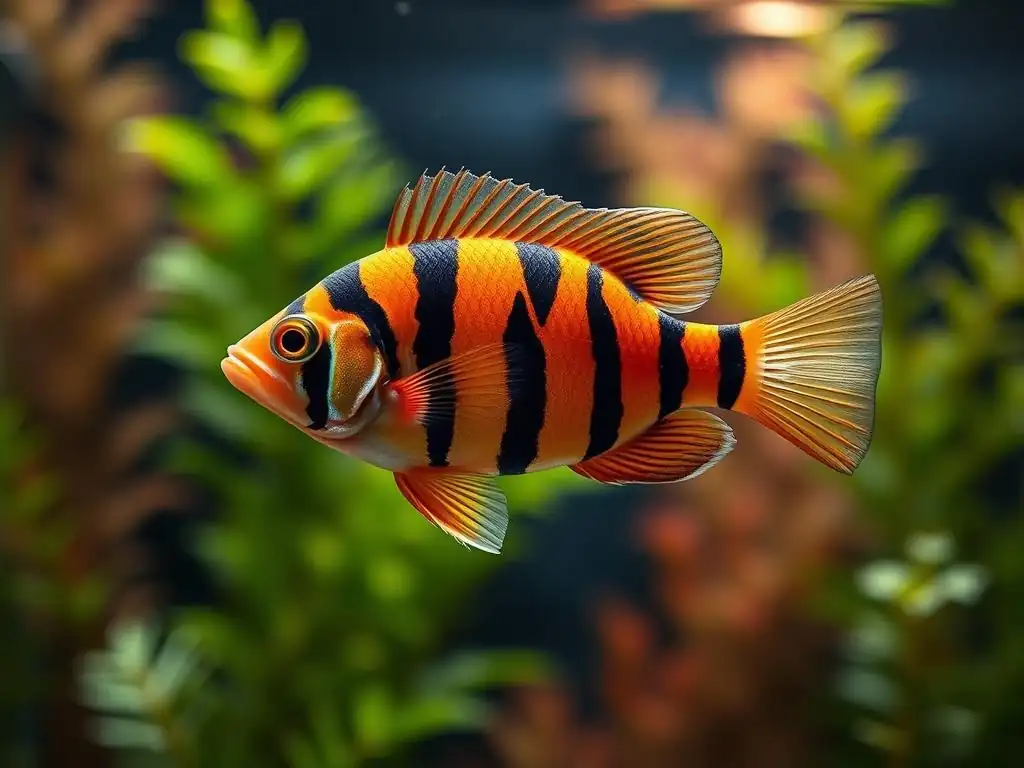
High-Quality Flake Food: A Staple for Tiger Barb Nutrition
High-quality flake food should form the foundation of your Tiger barb diet requirements. These flakes are specifically formulated to provide a balanced array of essential nutrients, including proteins, fats, carbohydrates, and a comprehensive vitamin and mineral complex. When selecting a flake food, prioritize reputable brands that list fish meal, spirulina, or other high-quality protein sources as the first ingredients. Look for a protein content typically ranging between 35% and 45% to support their active metabolism and growth.
It is crucial to choose flakes that are small enough for Tiger Barbs to easily consume, as they have relatively small mouths. The flakes should ideally float for a short period before slowly sinking, allowing all fish in the school ample opportunity to feed. Avoid cheap, low-quality flakes that often contain excessive fillers, as these can lead to poor digestion, internal blockages, and contribute to poor water quality due to uneaten or poorly digested food decaying in the tank.
Supplementing with Live and Frozen Foods for Tiger Barbs
While flakes provide a solid base, supplementing with live and frozen foods is essential to fully meet Tiger barb diet requirements and stimulate their natural hunting instincts. These supplements offer higher concentrations of protein and essential fatty acids, contributing to more vibrant coloration, stronger immunity, and increased vitality. They should be offered as treats or supplemental meals, not as the sole diet, typically a few times per week. Always thaw frozen foods thoroughly before feeding to prevent digestive issues and ensure palatability.
Brine Shrimp: A Protein-Rich Treat for Tiger Barbs
Brine shrimp (Artemia salina) are an excellent protein-rich treat for Tiger Barbs of all sizes. Newly hatched brine shrimp nauplii are particularly beneficial for fry due to their small size and high nutritional value. Adult brine shrimp, whether live or frozen, offer a good source of protein and essential amino acids for mature fish. While they are highly palatable and stimulate a strong feeding response, their nutritional profile is somewhat limited in terms of fat and fiber compared to other options.
Brine shrimp can be fed daily or every other day as part of a varied diet. Live brine shrimp provide an added benefit of stimulating natural predatory behaviors, offering mental enrichment for your Tiger Barbs. When using frozen brine shrimp, ensure they are completely thawed in a small amount of tank water before being introduced, and only feed what can be consumed within a few minutes to prevent water fouling.
Bloodworms: Feeding Considerations for Tiger Barbs
Bloodworms, which are the larvae of midge flies (Chironomid larvae), are a highly favored and nutritious food source for Tiger Barbs. They are rich in protein and iron, making them an excellent choice for conditioning fish for breeding or for boosting the health of growing juveniles. Their vibrant red color and wiggling motion (if live) are irresistible to most fish, prompting an enthusiastic feeding response.
Despite their nutritional benefits, bloodworms are quite rich, and overfeeding can lead to digestive upset or swim bladder issues in some fish. Therefore, they should be offered sparingly, perhaps one to two times per week, as a supplemental treat rather than a daily staple. Frozen bloodworms should be thawed in tank water before feeding, and freeze-dried bloodworms can also be used, though they offer less moisture and may need to be rehydrated slightly.
Daphnia: A Natural and Nutritious Option for Tiger Barbs
Daphnia, commonly known as water fleas, are small freshwater crustaceans that offer a natural and highly beneficial addition to the Tiger barb diet requirements. They are not only a good source of protein and essential fatty acids but are also known for their chitinous exoskeletons, which act as a natural laxative. This makes them particularly beneficial for digestion and can help prevent constipation, a common issue in some aquarium fish.
Daphnia are small enough for Tiger Barbs of all sizes to consume readily, and their erratic swimming motion (if live) provides excellent mental stimulation, encouraging natural hunting behaviors. They can be fed frozen or live, with live daphnia offering the most enrichment. Incorporating daphnia into their diet two to three times a week can contribute significantly to their overall health and digestive well-being.
Vegetable Matter: Ensuring a Balanced Tiger Barb Diet
Given their omnivorous nature, incorporating vegetable matter is crucial for fulfilling the comprehensive Tiger barb diet requirements. Plant-based foods provide essential fiber, vitamins, and minerals that are often less abundant in purely protein-rich diets. Including vegetables can also help curb any tendencies towards fin nipping in some Tiger Barbs, as they may be seeking out plant material if it's lacking in their diet.
Spirulina Flakes and Wafers for Tiger Barbs
Spirulina, a blue-green algae, is an exceptional source of plant-based protein, vitamins, and carotenoids. The carotenoids are particularly beneficial as they help enhance the vibrant orange and red coloration of Tiger Barbs. Spirulina is highly digestible and provides a dense nutritional punch, making it an ideal vegetable supplement.
You can easily incorporate spirulina into their diet by choosing high-quality flake foods that list spirulina as a primary ingredient. Alternatively, spirulina flakes or small spirulina wafers can be offered a few times a week. These wafers typically sink, allowing bottom-dwelling Tiger Barbs or those that prefer to forage near the substrate to access this nutritious plant material.
Blanched Vegetables: Zucchini and Spinach for Tiger Barbs
Fresh, blanched vegetables offer another excellent way to provide essential plant matter. Zucchini and spinach are two popular choices that are well-received by many omnivorous fish, including Tiger Barbs. Blanching involves briefly boiling the vegetables to soften them, making them easier for the fish to nibble on and digest.
To prepare, simply cut a small slice of zucchini or a few spinach leaves, blanch them in boiling water for about 30 seconds to a minute, then cool them rapidly in ice water. You can then weigh them down with a veggie clip or a small stone to keep them submerged. Offer these blanched vegetables once or twice a week, removing any uneaten portions after a few hours (typically 4-6 hours) to prevent them from decaying and fouling the aquarium water.
Creating a Balanced Tiger Barb Feeding Schedule
How Often to Feed Tiger Barbs for Optimal Growth
Establishing a consistent feeding schedule is paramount for the health and optimal growth of your Tiger Barbs. For juvenile Tiger Barbs, who are undergoing rapid growth, feeding two to three times per day is recommended. This provides a continuous supply of nutrients to support their development. Adult Tiger Barbs, on the other hand, generally thrive on one to two feedings per day. The key is to provide small, manageable portions at each feeding rather than one large meal.
Tiger Barbs have relatively small stomachs and a high metabolism, meaning they digest food quickly. Frequent, small meals mimic their natural foraging behavior and ensure they receive a steady supply of energy without overwhelming their digestive system or contributing to water quality issues from uneaten food. Consistency in timing also helps them establish a routine, reducing stress and encouraging a healthy appetite.
The Right Amount of Food to Give Your Tiger Barbs: Avoiding Overfeeding
One of the most common mistakes in aquarium keeping is overfeeding, and it's particularly important to avoid this with Tiger Barbs to maintain excellent water quality and fish health. The general rule of thumb is to only feed an amount that your Tiger Barbs can completely consume within two to three minutes. Observe them closely during feeding time; if food remains after this short period, you are likely feeding too much.
Consequences of overfeeding include obesity in the fish, which can lead to swim bladder disorders and other health problems. More significantly, uneaten food decomposes rapidly, leading to dangerous spikes in ammonia and nitrite levels in the aquarium water. This degradation of water quality stresses the fish, weakens their immune system, and can ultimately lead to disease or even death. Therefore, err on the side of underfeeding rather than overfeeding to keep your Tiger Barbs healthy and your tank clean.
Sample Tiger Barb Feeding Schedule: A Daily Guide
A well-structured feeding schedule helps ensure your Tiger Barbs receive consistent nutrition while preventing overfeeding. Here's a sample daily guide that can be adapted based on your fish's activity levels, age, and tank setup:
- Morning Feeding (e.g., 8:00 AM): Offer a small pinch of high-quality flake food. This provides a good start to their day and their primary source of balanced nutrition, fulfilling their core Tiger barb diet requirements.
- Mid-day Feeding (e.g., 1:00 PM - Optional for juveniles or highly active tanks): If you have very active juveniles or a large school, a second, very small pinch of flake or a few micro pellets can be provided. For adult tanks, this feeding can often be skipped.
- Evening Feeding (e.g., 6:00 PM): Provide a small portion of supplemental food. This could be a few pieces of thawed frozen bloodworms, brine shrimp, daphnia, or a tiny piece of blanched zucchini or spinach. Alternate these supplemental foods throughout the week to ensure dietary variety.
Remember to always monitor how quickly the food is consumed and adjust quantities as needed. A fast-eating school might need slightly more, while a less active group might require less. Occasionally, skipping a day of feeding (once every 1-2 weeks) can also be beneficial, allowing their digestive systems to clear and encouraging them to forage for any missed particles, mimicking natural conditions.
Addressing Specific Dietary Needs of Tiger Barbs
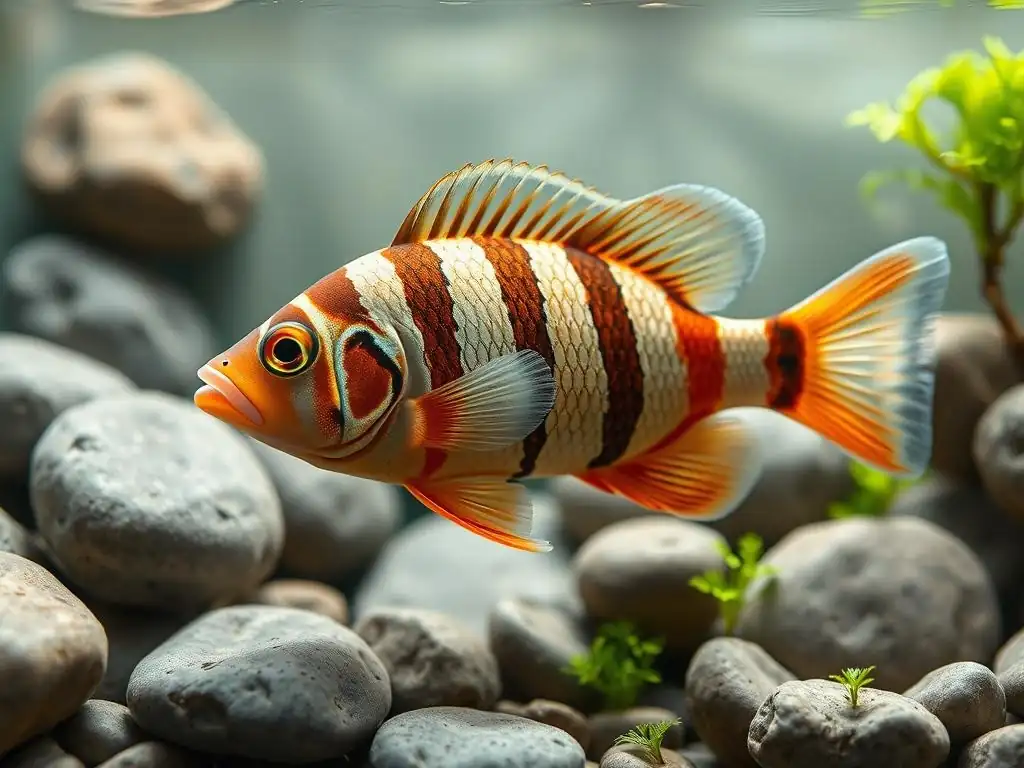
Feeding Tiger Barb Fry: A Specialized Diet
Tiger Barb fry have highly specialized Tiger barb diet requirements due to their minuscule size and rapid growth rate. Immediately after hatching, they are too small to consume standard flake food. Their initial diet should consist of infusoria (microscopic organisms) or specialized liquid fry food, which provides extremely fine particles of nutrition. As they grow slightly larger, typically after a few days, newly hatched brine shrimp nauplii become an excellent food source. These live, protein-rich morsels are perfectly sized and highly nutritious, promoting rapid development.
Fry need to be fed much more frequently than adult fish, often four to five times a day, in tiny amounts. This constant supply of nutrition is critical for their rapid development and survival. Overfeeding at this stage can quickly foul the water, so meticulous water changes and careful portion control are essential. As the fry grow, they can gradually be introduced to finely crushed adult flake food, eventually transitioning to the regular adult diet over several weeks.
Nutritional Needs of Adult Tiger Barbs
Adult Tiger Barbs, having passed their primary growth phase, require a diet focused on maintenance, energy, and overall health. Their Tiger barb diet requirements emphasize a balance of high-quality proteins (around 40%), moderate fats, and essential carbohydrates. While flake food remains a staple, it's crucial to continue supplementing with varied options. Frozen and live foods like bloodworms, brine shrimp, and daphnia provide vital protein boosts and stimulate natural behaviors.
Equally important is the consistent inclusion of vegetable matter, such as spirulina-enhanced flakes or blanched vegetables. This fiber-rich component aids digestion and prevents issues like constipation, which can occur if their diet is too protein-heavy. Adult Tiger Barbs, being active, benefit from a consistent feeding schedule of one to two small meals per day, ensuring they receive adequate energy without being overfed, which can lead to obesity and swim bladder problems.
Dietary Considerations for Breeding Tiger Barbs
When conditioning Tiger Barbs for breeding, their dietary needs shift to support gonad development and provide the necessary energy reserves for spawning. This period, typically lasting one to two weeks before you intend to breed them, requires an increase in high-protein, energy-dense foods. Focusing on live and frozen foods is particularly effective during this time.
Excellent choices for breeding conditioning include live or frozen bloodworms, blackworms, and live brine shrimp. These foods are packed with protein and essential fats, which are crucial for egg production in females and sperm development in males. Feeding these enhanced foods two to three times daily in slightly larger portions (but still ensuring complete consumption within minutes) can significantly improve breeding success rates. The increased nutritional intake helps ensure that both male and female Tiger Barbs are in peak condition, leading to more vigorous spawning and healthier fry.
Preventing Dietary Problems in Tiger Barbs
Recognizing Signs of Malnutrition in Tiger Barbs
Recognizing the signs of malnutrition early is crucial for maintaining the health of your Tiger Barbs and adjusting their Tiger barb diet requirements. One of the most obvious indicators is faded coloration; their vibrant orange and black stripes may appear dull or muted. Stunted growth, where fish remain significantly smaller than expected for their age, is another strong sign. Emaciation, characterized by a sunken belly or a thin, almost concave appearance behind the head, indicates severe underfeeding or malabsorption.
Other symptoms include lethargy, where fish are less active and spend more time hiding or at the bottom of the tank, and poor fin development, with fins appearing clamped or ragged despite good water quality. Malnourished Tiger Barbs are also significantly more susceptible to common diseases like ich, bacterial infections, and fin rot, as their weakened immune systems struggle to fight off pathogens. If multiple fish display these signs, a thorough review of their diet and feeding practices is immediately warranted.
Avoiding Common Feeding Mistakes with Tiger Barbs
Avoiding common feeding mistakes is as important as providing the right foods when it comes to meeting Tiger barb diet requirements. The most prevalent error is overfeeding, which leads to uneaten food decaying, fouling the water, and causing dangerous ammonia and nitrite spikes. This directly compromises water quality and fish health. Closely related is underfeeding, which can lead to aggression among tank mates (as they compete for scarce resources), stunted growth, and weakened immune systems.
Another frequent mistake is a lack of variety in their diet, relying solely on one type of food. This inevitably leads to nutritional deficiencies over time. Feeding low-quality foods with excessive fillers and poor nutritional content is also detrimental, as these provide little benefit and can cause digestive issues. Lastly, not thawing frozen foods properly can lead to internal chilling and digestive upset, while feeding pieces that are too large for their mouths can cause choking or refusal to eat. Mindful feeding practices are key to their longevity.
The Impact of Water Quality on Tiger Barb Appetite and Digestion
Water quality plays an indispensable role in the appetite, digestion, and overall health of Tiger Barbs, directly influencing how effectively their Tiger barb diet requirements are met. Poor water parameters, such as high levels of ammonia, nitrite, or nitrate, create a highly stressful environment for fish. In such conditions, Tiger Barbs often become lethargic, lose their appetite, and may refuse food entirely, even if it's their favorite. Their digestive systems can become compromised, leading to poor nutrient absorption and increased susceptibility to internal bacterial infections.
Conversely, pristine water quality, characterized by stable temperature, appropriate pH, and negligible levels of harmful compounds, ensures optimal conditions for digestion and nutrient uptake. When fish are not stressed by poor water, their metabolism functions efficiently, allowing them to properly process food and absorb essential vitamins and minerals. Regular water changes, effective filtration, and diligent monitoring of water parameters are therefore not just about keeping the tank clean, but are fundamental to ensuring your Tiger Barbs can properly utilize the nutritious diet you provide.
Advanced Tiger Barb Diet Strategies

Enhancing Coloration Through Diet in Tiger Barbs
Enhancing the vibrant coloration of your Tiger Barbs through diet is an advanced strategy that leverages specific nutrients. The striking orange and red hues of Tiger Barbs are largely influenced by carotenoid pigments, which they cannot synthesize themselves and must obtain from their diet. Foods rich in natural carotenoids, such as astaxanthin and beta-carotene, are particularly effective.
Incorporating foods like spirulina-enhanced flakes, krill, or specialized color-enhancing pellets into their Tiger barb diet requirements can significantly intensify their natural colors. Spirulina, a blue-green algae, is packed with carotenoids and is highly digestible. Krill provides astaxanthin, a powerful pigment. While these foods should not form the entirety of their diet, feeding them regularly, perhaps 3-4 times a week as part of their varied meal plan, will contribute to visibly brighter and more defined stripes. This dietary approach ensures the pigments are readily available for deposition in the fish's skin cells, making their stripes truly pop.
Boosting Immunity with Targeted Nutrition for Tiger Barbs
Boosting the immunity of Tiger Barbs through targeted nutrition is a proactive measure to enhance their resilience against diseases. A robust immune system is their primary defense against pathogens. While a generally balanced diet is foundational, certain ingredients can provide an extra layer of protection.
Look for high-quality fish foods that are fortified with specific immune-boosting compounds. Vitamin C (ascorbic acid) is a powerful antioxidant crucial for immune function and stress reduction. Vitamin E also plays a significant role in cellular health and immunity.
Some advanced fish foods include beta-glucans, complex carbohydrates derived from yeast or fungi, which have been shown to stimulate the fish's non-specific immune response, making them more capable of fighting off infections. Additionally, certain probiotics in fish food can promote a healthy gut microbiome, which is intrinsically linked to overall immune health. Incorporating these fortified foods a few times a week can significantly strengthen their natural defenses.
Formulating Your Own Tiger Barb Food Mix: A DIY Approach
For experienced aquarists seeking ultimate control over their Tiger barb diet requirements, formulating a homemade food mix is a viable, albeit advanced, option. This DIY approach allows for precise customization of ingredients, ensuring optimal nutritional content and avoiding unwanted fillers or preservatives often found in commercial foods. A typical homemade mix might include a blend of high-quality ingredients such as various types of fish (e.g., salmon, cod), shrimp or krill, spirulina powder, blanched vegetables (like spinach or peas), and a vitamin/mineral supplement specifically for fish.
The ingredients are typically blended into a fine paste, with a binding agent like unflavored gelatin added to create a cohesive, stable food that can be cut into small pieces. This mixture is then often frozen in thin sheets or small cubes for easy portioning. While this method offers superior control over nutrition and freshness, it requires careful research into fish nutritional needs to ensure a balanced diet, as an improperly formulated mix can lead to deficiencies. It's a commitment that can yield excellent results in terms of fish health and vibrancy.
Troubleshooting Feeding Issues with Tiger Barbs
Why Your Tiger Barbs Aren't Eating: Possible Causes and Solutions
If your Tiger Barbs are refusing to eat, it's a clear sign that something is amiss, and immediate investigation is needed. The most common cause is stress, often triggered by poor water quality (high ammonia, nitrite, or nitrates), sudden temperature fluctuations, or aggressive tank mates. Check your water parameters immediately, perform a partial water change if necessary, and ensure tank stability. Illness is another major culprit; observe your fish closely for signs of disease such as clamped fins, lethargy, spots, or labored breathing. If illness is suspected, quarantine and treat accordingly.
Less common reasons include incorrect food type or size, where the food offered is either unpalatable or too large for their mouths. Try offering a variety of smaller, high-quality foods. A new environment can also cause temporary appetite loss as fish adjust. Give them time and maintain a consistent routine. Finally, overfeeding in the past can lead to a build-up of waste and poor water quality, making them lose appetite. Reduce feeding amounts and improve tank maintenance.
Dealing with Picky Eaters: Encouraging Tiger Barbs to Try New Foods
Tiger Barbs are generally enthusiastic eaters, but occasionally, an individual or a group might become picky, refusing to try new foods. This can hinder efforts to provide a varied diet and meet all Tiger barb diet requirements. One effective strategy is to mix small amounts of the new food with their familiar staple food. Over time, gradually increase the proportion of the new food. This subtle introduction can make them more receptive.
Consistency is also key; continue offering the new food regularly, even if they initially ignore it. Sometimes, a brief fasting period (one day without food) can make them hungrier and more willing to try novel items. Experiment with different forms of the same food – for instance, if they refuse frozen bloodworms, try freeze-dried or live ones. Ensure the new food is appropriately sized for their mouths. Patience and persistence are vital in encouraging picky eaters to broaden their dietary horizons.
Addressing Aggression During Feeding Time with Tiger Barbs
Tiger Barbs are known for their lively, sometimes nippy, behavior, and this can intensify during feeding time, especially if they are competing for food. Aggression can lead to some fish getting less food, impacting their Tiger barb diet requirements and overall health. One primary solution is to feed in multiple spots simultaneously across the tank. This disperses the school and reduces direct competition for a single food source, allowing less dominant fish to eat without being bullied.
Ensuring you have a sufficiently large school (typically six or more individuals) is also crucial. When kept in larger groups, Tiger Barbs tend to diffuse their aggression among themselves rather than directing it at other species or weaker individuals. Providing ample tank space (a minimum of 20 gallons for a small school) also helps by offering more territory and reducing perceived competition.
Finally, ensure you are feeding enough food so that all fish get a chance to eat, but avoid overfeeding. If aggression persists, observe which individuals are the most aggressive and consider if the tank environment needs further adjustments to reduce stress.
Frequently Asked Questions
What is the ideal diet for tiger barbs to ensure their health and vibrant colors?
Tiger barbs are omnivores and thrive on a varied diet. A good mix includes high-quality flake food, supplemented with live, frozen, or freeze-dried foods.
How often should I feed my tiger barbs to maintain optimal health and prevent overfeeding?
Feed your tiger barbs small portions 2-3 times a day. Only provide what they can consume in 2-3 minutes to avoid uneaten food and water quality issues.
What types of live or frozen foods are particularly beneficial for tiger barbs?
Excellent choices include bloodworms, daphnia, and brine shrimp. These provide essential protein and nutrients that enhance their coloration and overall health.
Are there any specific foods I should avoid feeding tiger barbs, or that could be harmful to them?
Avoid feeding tiger barbs foods that are high in fat or difficult to digest. Also, be careful to only feed foods sourced from reputable sources to avoid introducing diseases to your aquarium.
How does the diet of tiger barbs differ between juveniles and adults, and what adjustments should I make?
Juvenile tiger barbs benefit from more frequent feedings of smaller, protein-rich foods to support their rapid growth. Adult tiger barbs need a more balanced diet to maintain their health and color.
Final Reflection: Nurturing the Vibrant Stripes
The journey through understanding the tiger barb diet requirements reveals more than just the nutritional needs of these captivating fish; it highlights our responsibility as caretakers to provide environments that foster their health and vibrancy. Ensuring a balanced and varied diet isn't merely about survival; it's about enabling them to thrive, showcasing their dazzling colors and energetic personalities.
This exploration into the tiger barb's dietary needs has profoundly influenced my perspective on aquarium keeping, emphasizing the interconnectedness of diet, health, and overall well-being. It's a reminder that responsible pet ownership extends beyond simply providing food; it requires a deep understanding of their natural behaviors and nutritional requirements. The best way to observe a fish is to become the water.
- Jacques Cousteau. This quote perfectly encapsulates the need to immerse ourselves in the world of our aquatic companions to truly understand their needs.
Now, armed with this knowledge of the tiger barb's dietary needs, I encourage you to reflect on your own approach to aquarium keeping. Are you providing your fish with the optimal nutrition they deserve? Take the time to assess their diet, diversify their food sources, and observe their behavior. By actively engaging in their well-being, you'll not only enhance their lives but also deepen your connection with these fascinating creatures, creating a truly rewarding and vibrant aquatic ecosystem.
Nurture Your Tiger Barbs: Unlock Their Vibrant Best!
Thank you for exploring the ideal diet for your tiger barbs! We hope you've gained valuable insights to keep your striped beauties thriving. Now, let's put that knowledge into action!
Here are a few ways to ensure your tiger barbs get the nutrition they deserve:
- Carefully curate a feeding schedule and log it! This will help you keep an eye on the fish, as well as helping you determine how much to feed it, and when.
- Share your newfound knowledge! Spread this article through your favorite aquarium-keeping groups.
- Try a new, unexpected treat like a tiny piece of blanched zucchini or a live blackworm snack! You may be surprised at what they like, but it also helps them have variety in their diets.
What's one unexpected food your tiger barbs absolutely love? Share your secrets in the comments below!