
LPS Coral Health Check: Identifying & Treating Common Ailments

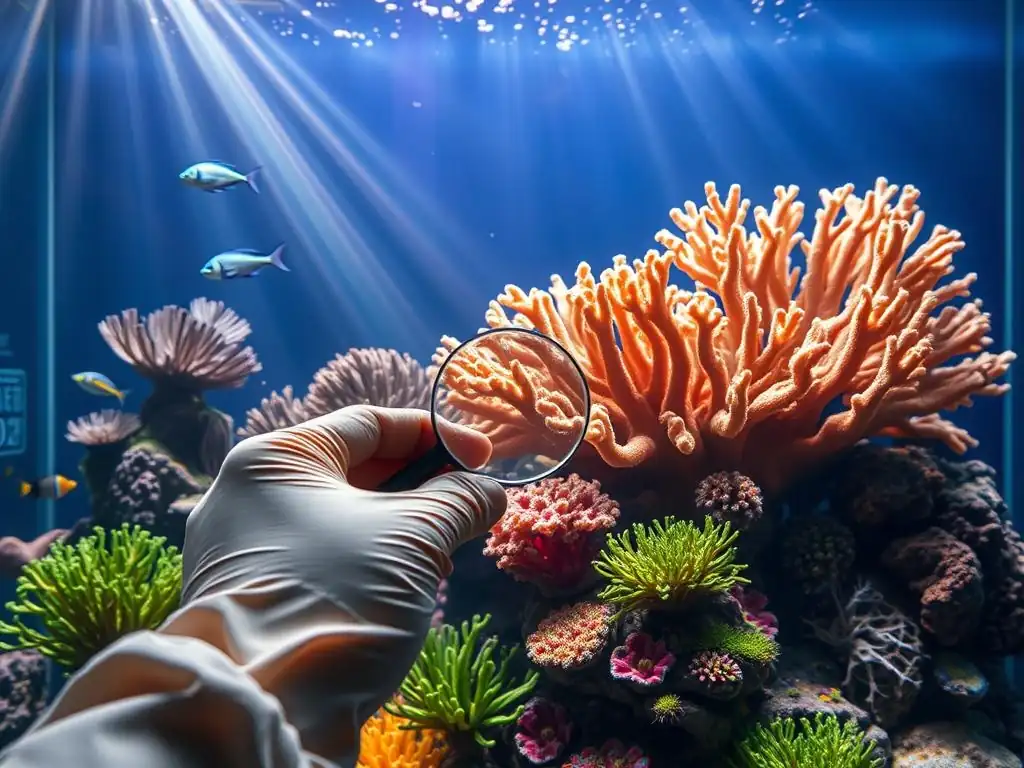
Welcome to Aquarium Mastery!
Dive into the fascinating world of coral care! Worried about the health of your prized LPS corals? LPS coral disease treatment can be tricky, but understanding the signs and acting quickly is key. Explore our in-depth guide to identifying common ailments and discovering effective treatment strategies. Ready to unlock the secrets to a thriving reef? Let's get started!
- Introduction to LPS Coral Health and Disease Prevention
- Identifying Common LPS Coral Ailments: A Visual Guide
-
LPS Coral Disease Treatment Options: A Comprehensive Guide
- Treating Tissue Necrosis in LPS Corals: Step-by-Step Guide
- Brown Jelly Disease Treatment for LPS Corals: Effective Methods
- Addressing LPS Coral Bleaching: Recovery Strategies
- LPS Coral Pest Control: Eradicating Flatworms and Other Nuisances
- Healing Physical Damage in LPS Corals: Promoting Regeneration
- Water Quality and its Impact on LPS Coral Health
- Preventing LPS Coral Diseases: Proactive Measures
- Advanced LPS Coral Care: Promoting Long-Term Health
- LPS Coral Recovery: Monitoring and Aftercare
- Troubleshooting Common LPS Coral Health Problems
- Conclusion: Ensuring a Healthy and Thriving LPS Coral Reef Aquarium
-
Frequently Asked Questions
- How can I tell if my LPS coral is suffering from a disease?
- What are some of the most common diseases that affect LPS corals?
- What water parameters are most critical for preventing LPS coral diseases?
- What is the first step I should take if I suspect my LPS coral has a disease?
- Are there any preventative measures I can take to keep my LPS corals healthy and avoid disease?
- Final Reflection: The Fragile Beauty of Reefs
- Ignite Your Reef: Rescue and Revitalize Your LPS Corals!
Introduction to LPS Coral Health and Disease Prevention
Understanding LPS Coral Biology and Vulnerabilities
Large Polyp Stony (LPS) corals, encompassing popular genera like Euphyllia (e.g., Hammer, Frogspawn, Torch corals), Favia, Acanthastrea (Acans), and Blastomussa, are highly prized in reef aquariums for their vibrant colors and captivating polyp motion. These corals possess a calcium carbonate skeleton covered by fleshy polyps, which house symbiotic algae called zooxanthellae. These algae perform photosynthesis, providing the coral with a significant portion of its nutritional needs, while the coral provides a protected environment and compounds for photosynthesis. This symbiotic relationship is fundamental to their survival and health.
Despite their robust appearance, LPS corals are remarkably sensitive to environmental changes and various stressors, making them vulnerable to a range of ailments. Their fleshy polyps, while beautiful, are more prone to physical damage and bacterial infections compared to the harder, thinner tissues of Small Polyp Stony (SPS) corals.
Factors such as fluctuating water parameters, inadequate lighting or flow, physical aggression from tank mates, and the introduction of pathogens can quickly compromise their health, leading to conditions that often require prompt LPS coral disease treatment. Understanding these inherent vulnerabilities is the first step in successful long-term care and disease prevention.
The Importance of Regular LPS Coral Health Checks
Consistent and diligent observation of your LPS corals is paramount to their well-being and the overall health of your reef aquarium. Daily health checks allow aquarists to detect subtle changes in coral appearance, behavior, or tissue integrity before minor issues escalate into severe, widespread problems. Early identification of stress indicators, such as reduced polyp extension, tissue recession, or unusual coloration, provides a critical window for intervention, significantly increasing the chances of successful recovery and minimizing the need for aggressive LPS coral disease treatment.
Proactive health checks not only help in preventing the spread of potential diseases to other corals within the system but also reduce the financial and emotional burden associated with coral loss. By routinely assessing your LPS corals for signs of distress, you can maintain optimal water quality, adjust environmental conditions, or initiate targeted interventions like dips or medication at the earliest possible stage. This preventative approach is far more effective and less disruptive than reacting to a full-blown disease outbreak, ultimately contributing to a stable and thriving reef environment.
Identifying Common LPS Coral Ailments: A Visual Guide
Recognizing Tissue Necrosis in LPS Corals: Signs and Symptoms
Tissue necrosis, a common and often alarming ailment in LPS corals, manifests as the death and recession of coral tissue, exposing the underlying skeleton. This condition can appear in two primary forms: Rapid Tissue Necrosis (RTN) and Slow Tissue Necrosis (STN). RTN is characterized by very swift tissue loss, sometimes occurring overnight, leaving behind a stark white skeleton. It often starts from the base or a specific area and spreads aggressively. STN, conversely, involves a gradual recession of tissue over days or weeks, typically starting from the base and slowly creeping upwards, exposing the skeleton progressively.
The visual signs include pale or white patches where tissue has vanished, a fuzzy or slimy appearance on the receding edge, and sometimes a distinct odor. Potential causes range from severe stress due to sudden shifts in water parameters (e.g., salinity, temperature, pH), physical damage, aggression from neighboring corals or tank inhabitants, to bacterial infections. Prompt recognition of these symptoms is crucial, as both forms of necrosis can lead to complete colony loss if not addressed quickly. Effective LPS coral disease treatment for necrosis often involves isolation and targeted intervention to halt the progression.
Identifying Brown Jelly Disease (BJD) in LPS Corals
Brown Jelly Disease (BJD) is one of the most feared and rapidly destructive ailments affecting LPS corals. It is caused by a virulent ciliate infection, Philaster lucidus, which rapidly consumes coral tissue. The most unmistakable sign of BJD is the appearance of a slimy, brown, jelly-like substance covering parts of the coral's polyps or skeleton. This "jelly" is a mass of necrotic coral tissue, bacteria, and the ciliates themselves. The disease progresses extremely quickly, often engulfing an entire coral colony within hours to a few days.
Affected corals will show significant tissue recession beneath the jelly, and the polyps will fail to extend. A strong, unpleasant odor is often associated with infected corals. BJD typically starts in an area of physical damage or stress, but once established, it can spread rapidly to healthy tissue and even to neighboring corals if not contained.
Due to its highly contagious and lethal nature, immediate action is required upon spotting any signs of brown jelly. Rapid isolation and aggressive LPS coral disease treatment are critical for any chance of saving the affected coral and preventing a wider outbreak in the aquarium.
Recognizing Bleaching in LPS Corals: Causes and Solutions
Coral bleaching is a stress response where the coral expels its symbiotic zooxanthellae, leading to a loss of coloration and a pale or stark white appearance. While not a disease itself, bleaching severely weakens the coral, making it highly susceptible to secondary infections and eventual starvation. The primary causes of bleaching in LPS corals are environmental stressors, with temperature fluctuations being a major culprit. Prolonged exposure to temperatures outside their optimal range (typically 76-78°F), such as sustained periods above 84°F or below 72°F, can trigger this response.
Other common causes include excessively high or low light intensity (PAR levels), sudden changes in salinity, poor water quality (e.g., high nitrates, phosphates), or exposure to toxins. Bleached corals appear translucent or stark white because the vibrant pigments of their zooxanthellae are gone, revealing the coral's white skeleton.
While some corals can recover from bleaching if the stressor is removed promptly and conditions stabilize, prolonged bleaching often leads to coral death due to starvation. Addressing the underlying cause is the primary "LPS coral disease treatment" for bleaching, aiming to reverse the stress and allow the coral to regain its zooxanthellae.
Spotting Flatworms and Other Pests on LPS Corals
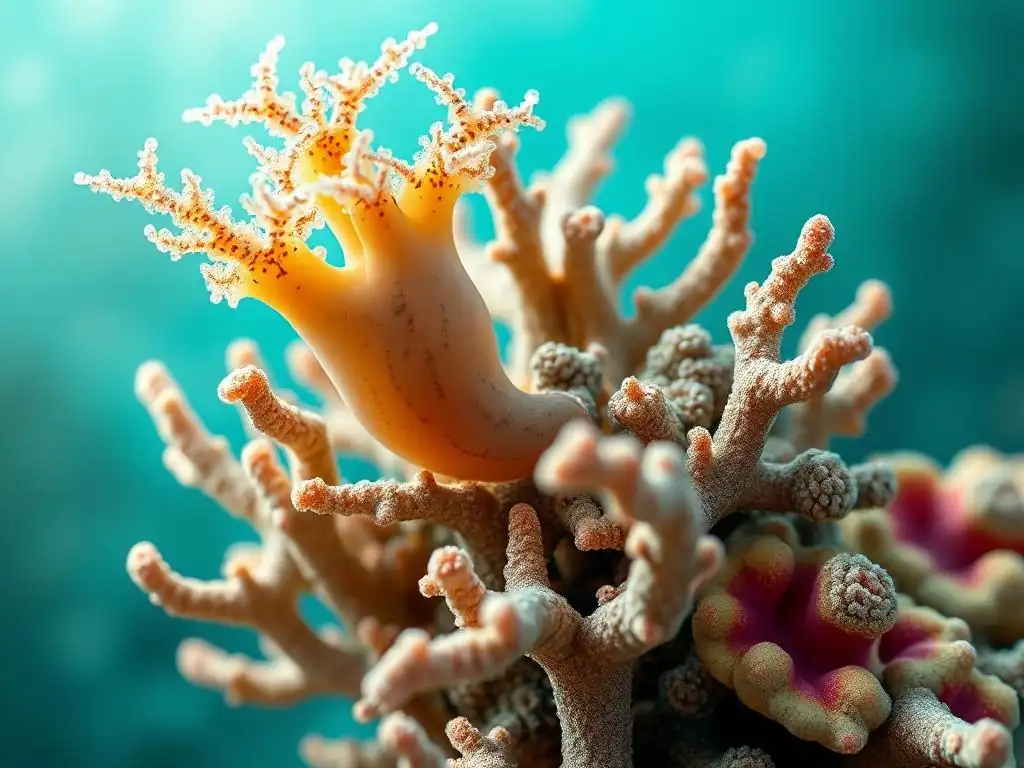
LPS corals can be afflicted by various pests that, while not diseases in the traditional sense, can cause significant stress, tissue damage, and open pathways for secondary infections. Flatworms are among the most common nuisances. Specific types, such as Montipora-eating nudibranchs, are highly specialized and not typically found on LPS, but general coral-eating flatworms or nuisance flatworms (e.g., Convolutriloba retrogemma) can irritate LPS coral tissue.
These pests are often small, disc-shaped, and can be difficult to spot as they frequently blend in with the coral's coloration. Signs of their presence include reduced polyp extension, tissue recession, or visible aggregations of worms on the coral's surface, especially at night.
Other potential pests include parasitic snails, such as sundial snails ( Heliacus areola), which prey on zoanthids but can sometimes bother other corals, or pyramid snails ( Pyramidella spp.) which parasitize clams but can occasionally affect corals. Polyclad flatworms, though less common, can also cause tissue irritation. The damage caused by these pests can range from minor irritation to severe tissue loss, making the coral vulnerable to bacterial infections. Regular inspection, especially of new corals, and appropriate pest control measures are crucial components of preventing the need for extensive LPS coral disease treatment.
Identifying Physical Damage to LPS Corals
Physical damage is a surprisingly common issue for LPS corals and can significantly predispose them to more severe ailments. Unlike some SPS corals that can quickly encrust over minor abrasions, the fleshy polyps of LPS corals are more delicate and susceptible to tears, punctures, or abrasions. Common sources of physical damage include accidental knocks during tank maintenance, rockwork falling onto or against the coral, aggression from tank inhabitants (e.g., certain fish nipping, crabs, or shrimp), or even strong, direct water flow causing tissue stripping.
The signs of physical damage are often visible as tears in the polyp tissue, exposed skeletal areas, or bruising-like discoloration. Even seemingly minor damage can create an open wound, providing an entry point for opportunistic bacteria or pathogens, which can then lead to secondary infections like tissue necrosis or Brown Jelly Disease. Therefore, addressing physical damage promptly by ensuring stable water conditions and minimizing further stress is a critical, albeit often overlooked, aspect of preventative LPS coral disease treatment. Protecting corals from physical harm is paramount to their long-term health.
LPS Coral Disease Treatment Options: A Comprehensive Guide
Treating Tissue Necrosis in LPS Corals: Step-by-Step Guide
Treating tissue necrosis in LPS corals requires swift and decisive action to prevent the complete loss of the colony. Upon identifying signs of RTN or STN, the first crucial step is to isolate the affected coral from the main display tank if possible, especially for RTN, to prevent potential spread. If the coral is small and easily removable, carefully transfer it to a quarantine or treatment container.
The next step involves a targeted dip. A common and effective LPS coral disease treatment for necrosis is an iodine dip (e.g., Lugol's solution) or a broad-spectrum antibiotic dip (e.g., Furan-2 or Ciprofloxacin, if bacterial infection is suspected).
For an iodine dip, typically 5-10 drops of Lugol's per liter of tank water are used for a 5-10 minute dip, ensuring gentle agitation. For antibiotic dips, follow manufacturer instructions precisely. If the necrosis is localized, fragging the healthy part of the coral, well above the affected area, can sometimes save a portion of the colony.
After the dip, place the coral in a low-stress environment with stable water parameters and moderate, indirect flow. Monitor the coral closely for several days; if the necrosis continues, a repeat treatment or a different approach to LPS coral disease treatment may be necessary.
Brown Jelly Disease Treatment for LPS Corals: Effective Methods
Brown Jelly Disease (BJD) is an emergency that demands immediate and aggressive LPS coral disease treatment due due to its rapid progression and high mortality rate. The moment brown jelly is observed, the affected coral must be removed from the main display tank immediately to prevent the highly contagious disease from spreading to other corals. Once isolated, gently siphon or physically remove as much of the brown jelly as possible using a pipette or turkey baster, taking care not to spread it further.
The most effective treatment involves a strong antiseptic dip. A hydrogen peroxide dip (10-20 ml of 3% hydrogen peroxide per liter of tank water for 30-60 seconds, or a spot treatment on affected areas) or a concentrated iodine dip (e.g., 20 drops of Lugol's per liter for 2-3 minutes) can be used. Some aquarists also report success with commercial coral dips designed for bacterial infections.
After the dip, place the coral in a separate quarantine tank with pristine, stable water conditions and gentle flow. The success rate for BJD treatment remains low, but rapid intervention and aggressive LPS coral disease treatment offer the only chance of recovery.
Addressing LPS Coral Bleaching: Recovery Strategies
Addressing LPS coral bleaching primarily involves identifying and rectifying the underlying environmental stressor that caused the coral to expel its zooxanthellae. If excessive lighting is the cause, gradually reduce the light intensity or move the bleached coral to a shadier area of the aquarium. For temperature-induced bleaching, slowly adjust the aquarium temperature back to the optimal range of 76-78°F, avoiding rapid fluctuations. Ensuring stable salinity (1.025-1.026 SG) and maintaining excellent water quality (low nitrates, phosphates) are also critical steps in this form of LPS coral disease treatment.
Once the primary stressor is mitigated, supportive care becomes vital. Provide the coral with stable water parameters, including optimal alkalinity (7-10 dKH), calcium (400-450 ppm), and magnesium (1250-1350 ppm) to support its physiological processes. Targeted feeding with zooplankton or phytoplankton can help provide direct nutrition while the coral attempts to regain its zooxanthellae. Recovery from bleaching can be a slow process, taking weeks or even months, and requires patience and consistent monitoring. The goal of this LPS coral disease treatment is to create an environment where the coral can naturally re-establish its symbiotic relationship.
LPS Coral Pest Control: Eradicating Flatworms and Other Nuisances
Effective LPS coral disease treatment for pests like flatworms or parasitic snails relies on accurate identification and targeted removal. For common nuisance flatworms, commercial flatworm remedies (e.g., Flatworm Exit) are highly effective. These treatments typically involve dosing the entire tank, followed by large water changes and siphoning out dead worms to prevent toxin release. Multiple treatments may be necessary to break their life cycle. For specific coral-eating flatworms, manual removal with tweezers or a siphon can be effective for small infestations, alongside a prophylactic dip for new corals.
For parasitic snails or other visible pests, manual removal is often the most direct method. Inspect corals thoroughly, especially at night when some pests are more active, and remove them with tweezers. Introducing natural predators, such as certain wrasses (e.g., Six-Line Wrasse, though caution is advised as they can sometimes nip corals) or nudibranch-eating nudibranchs (for specific prey), can be a long-term strategy for some pest types, but always research compatibility first. Regular quarantine procedures for all new corals, including prophylactic dips, are the best preventative measures to avoid the need for extensive LPS coral disease treatment for pests.
Healing Physical Damage in LPS Corals: Promoting Regeneration
Healing physical damage in LPS corals primarily involves providing optimal conditions for the coral's natural regenerative abilities and preventing secondary infections. If the damage involves a clean break, the fragged piece can sometimes be re-attached to frag plugs using coral glue, allowing both the mother colony and the frag to heal. For tissue tears or abrasions, the focus of LPS coral disease treatment is on maintaining pristine water quality and stability to minimize stress and prevent opportunistic bacteria from infecting the open wound.
Ensure that all water parameters—salinity, temperature, pH, alkalinity, calcium, and magnesium—are within their optimal ranges and are stable. Avoid any further physical disturbances to the injured coral. Providing targeted feeding with amino acids or small meaty foods can supply additional energy to support tissue repair and regeneration. While direct medication is usually not needed unless a secondary infection develops, consistent monitoring for signs of infection (e.g., tissue necrosis or brown jelly) is crucial. Patience is key, as full tissue regeneration can take several weeks to months, depending on the extent of the damage.
Water Quality and its Impact on LPS Coral Health
Maintaining Optimal Water Parameters for LPS Corals
Maintaining consistently optimal water parameters is the cornerstone of LPS coral health and the most effective preventative LPS coral disease treatment. LPS corals thrive within specific ranges for various parameters, and deviations from these can quickly lead to stress and susceptibility to ailments. Salinity should be stable at 1.025-1.026 specific gravity (SG), mimicking natural seawater. Temperature is critical, ideally maintained between 76-78°F (24.4-25.6°C), with minimal daily fluctuations. pH should hover between 8.0-8.4, with stability being more important than hitting a precise number.
Regular and accurate testing of these parameters, at least weekly, is essential. Sudden swings in any parameter are often more detrimental than slightly off but stable readings. For instance, a sudden drop in salinity or a rapid temperature increase can induce severe stress, leading to bleaching or tissue recession. Consistent monitoring and prompt, gradual adjustments are vital. Neglecting water parameter stability is a primary cause of coral stress, making them vulnerable to various diseases that would then require complex LPS coral disease treatment.
The Role of Alkalinity, Calcium, and Magnesium in LPS Health
Alkalinity, calcium, and magnesium are often referred to as the "big three" parameters for stony corals, and their stability is paramount for LPS coral health and skeletal growth. Alkalinity, ideally maintained between 7-10 dKH, represents the water's buffering capacity and its ability to resist pH swings. It is crucial for calcium carbonate precipitation, the process by which corals build their skeletons.
Calcium, typically kept at 400-450 ppm, is the primary building block for the coral's aragonite skeleton. Magnesium, at 1250-1350 ppm, plays a vital role by preventing calcium from precipitating out of the water prematurely, thus making it available for the corals.
Imbalances in these parameters directly impact LPS coral health. Low alkalinity or calcium will inhibit skeletal growth and repair, potentially leading to stunted growth or weak skeletons. Conversely, excessively high levels can also be problematic, leading to precipitation issues. Low magnesium levels can hinder the uptake of calcium, even if calcium levels appear sufficient. Consistent supplementation and regular testing are necessary to keep these parameters stable, directly supporting the coral's ability to grow, repair, and defend itself against conditions that would otherwise necessitate LPS coral disease treatment.
Addressing Nutrient Imbalances to Prevent LPS Coral Disease
While LPS corals do require some level of nutrients, particularly nitrates and phosphates, for their metabolic processes and the health of their zooxanthellae, imbalances – specifically elevated levels – can severely compromise their health and contribute to disease susceptibility. High nitrates (e.g., consistently above 10-20 ppm) and phosphates (e.g., consistently above 0.05-0.1 ppm) can lead to nuisance algae outbreaks, which can smother and stress corals. More critically, elevated nutrients can foster bacterial blooms and reduce water clarity, creating an environment conducive to bacterial infections and tissue necrosis in LPS corals.
Effective nutrient control is therefore a crucial preventative LPS coral disease treatment. Strategies include regular partial water changes (e.g., 10-20% bi-weekly or monthly, depending on bioload), efficient protein skimming to remove organic waste before it breaks down, and the use of chemical filtration media like GFO (granular ferric oxide) for phosphates and activated carbon for organics. Maintaining a healthy balance, where nutrients are present but kept low, ensures corals receive necessary sustenance without promoting harmful conditions, thereby enhancing their resilience against disease.
Preventing LPS Coral Diseases: Proactive Measures
Quarantine Procedures for New LPS Corals: Minimizing Risk
Implementing a strict quarantine procedure for all new LPS corals is arguably the single most effective preventative LPS coral disease treatment. New arrivals, even from reputable sources, can harbor a variety of hidden pests, parasites, or bacterial/viral pathogens that could devastate an established reef system. A dedicated quarantine tank (QT), separate from the main display, allows for observation and prophylactic treatment without risking the entire ecosystem. New corals should be quarantined for a minimum of 4-6 weeks, ideally longer, depending on the observed health.
During the quarantine period, closely inspect the coral daily for any signs of pests (e.g., flatworms, parasitic snails) or disease symptoms (e.g., tissue recession, discoloration). All new LPS corals should undergo a prophylactic dip in a commercial coral dip solution (e.g., CoralRx, Revive Coral Cleaner) upon arrival to dislodge and kill external pests. Some aquarists also perform preventative antibiotic or iodine dips. This controlled environment allows for targeted LPS coral disease treatment if issues arise, preventing the costly and devastating introduction of diseases into your display tank.
Proper Acclimation Techniques for LPS Corals
Proper acclimation is a critical, yet often underestimated, step in preventing stress-induced ailments in new LPS corals. When introducing a new coral to your aquarium, it has undergone significant changes in temperature, salinity, and water chemistry during transit. Abruptly introducing it to vastly different tank conditions can induce severe shock, leading to stress, tissue recession, and increased susceptibility to diseases that require LPS coral disease treatment. The primary method for acclimation is drip acclimation, which slowly equalizes the salinity and temperature.
To perform drip acclimation, float the coral's bag in the sump or a separate container to equalize temperature for about 15-20 minutes. Then, open the bag and begin a slow drip of aquarium water into the bag, aiming for one drip per second, over a period of 30-60 minutes, or until the water volume in the bag has tripled.
After salinity and temperature are equalized, transfer the coral directly into the quarantine or display tank, discarding the bag water. Additionally, light acclimation is important; initially place new corals in a lower light area and gradually move them to their final spot over several days to weeks to prevent light shock and bleaching.
Ensuring Adequate Flow and Lighting for LPS Coral Health
Providing the correct flow and lighting conditions is fundamental to LPS coral health and a key preventative measure against disease. LPS corals generally prefer moderate, indirect water flow. Too strong and direct a flow can cause tissue stripping, leading to physical damage and potential necrosis. Conversely, insufficient flow can lead to detritus accumulation on the coral's polyps and skeleton, creating anaerobic pockets and fostering bacterial growth, which can contribute to conditions like Brown Jelly Disease. Aim for broad, turbulent flow that gently sways the polyps without constantly blasting them.
Regarding lighting, LPS corals typically thrive under moderate PAR (Photosynthetically Active Radiation) levels, generally ranging from 75 to 150 PAR, though this can vary by species (e.g., Euphyllia often prefers lower PAR than Acanthastrea). Too intense lighting can cause bleaching, where the coral expels its zooxanthellae, leading to starvation and vulnerability.
Too low lighting can result in browning out as the zooxanthellae multiply to compensate, and the coral may not receive enough energy. Proper flow ensures nutrient delivery and waste removal, while appropriate lighting supports the vital photosynthetic process, both contributing to robust health and reducing the need for LPS coral disease treatment.
Choosing the Right Supplements for LPS Coral Vigor
While maintaining stable alkalinity, calcium, and magnesium is crucial, providing the right trace elements and other supplements can significantly enhance LPS coral vigor, coloration, and overall resilience against disease. Trace elements like iodine, strontium, potassium, and iron are consumed by corals and play vital roles in their metabolic processes, skeletal formation, and coloration. For instance, iodine is often linked to tissue health and preventing certain forms of tissue degradation, while strontium is essential for skeletal development.
Beyond trace elements, amino acids and vitamins can provide direct nutritional support, especially for corals that are recovering from stress or disease, or those that are not regularly target-fed. However, it is crucial to use supplements judiciously and avoid over-dosing, which can lead to imbalances and contribute to water quality issues.
Regular testing for trace elements is advisable if you are dosing them, or using a high-quality salt mix that replenishes them during water changes. While not a direct LPS coral disease treatment, proper supplementation acts as a preventative measure by strengthening the coral's natural defenses and promoting robust growth.
Advanced LPS Coral Care: Promoting Long-Term Health
Targeted Feeding Strategies for LPS Corals
While LPS corals derive significant nutrition from their symbiotic zooxanthellae, many species also benefit greatly from direct, targeted feeding. This strategy can significantly enhance growth rates, improve coloration, and bolster the coral's overall health and resilience, effectively acting as a preventative measure against conditions that might otherwise require LPS coral disease treatment. LPS corals, with their large polyps and often visible mouths, are adept at capturing various food particles.
Suitable foods include small meaty items like mysis shrimp, brine shrimp, finely chopped silversides, or specialized coral pellets and powdered foods formulated for filter feeders. Feeding can be done 1-3 times per week, depending on the coral species and the nutrient levels in the aquarium. For example, Euphyllia corals readily accept mysis, while Acanthastrea and Favia often appreciate small pieces of meaty foods. Targeted feeding, often best performed at night when polyps are fully extended, ensures that each coral receives adequate nutrition, providing the energy reserves needed to fight off stress and recover from any potential ailments.
Understanding the Importance of Trace Elements for LPS Coral Health
Beyond the "big three" (alkalinity, calcium, magnesium), trace elements, present in natural seawater in minute quantities, are indispensable for the long-term health and vitality of LPS corals. Elements such as iodine, strontium, potassium, and boron play specific, often enzymatic, roles in coral physiology that are not immediately obvious but become critical over time. Iodine, for instance, is thought to be involved in tissue health and coloration, potentially aiding in resistance to certain bacterial issues. Strontium is incorporated into the coral's aragonite skeleton, contributing to its structural integrity. Potassium is vital for various cellular functions, including ion transport.
Deficiencies in these trace elements, even if alkalinity and calcium are stable, can lead to subtle but significant signs of stress, poor growth, muted coloration, and a reduced ability to recover from minor injuries or environmental fluctuations. While many trace elements are replenished through regular water changes with high-quality salt mixes, heavily stocked tanks or those with rapid coral growth may deplete them faster. Therefore, supplementing specific trace elements, based on consumption and testing, can be an important part of an advanced care regimen, strengthening corals and reducing their susceptibility to ailments that might require LPS coral disease treatment.
Maintaining a Stable Reef Environment for Optimal LPS Growth
The single most critical factor for the long-term health and optimal growth of LPS corals is the maintenance of a stable reef environment. Corals, as sessile invertebrates, cannot escape unfavorable conditions; thus, consistency in water parameters is far more beneficial than striving for "perfect" but fluctuating numbers. This encompasses stable temperature, salinity, pH, and the "big three" parameters (alkalinity, calcium, magnesium). Even slight, but sudden, shifts in these parameters can induce significant stress, diverting the coral's energy from growth and health maintenance to stress response.
A stable environment allows LPS corals to allocate their energy reserves efficiently towards calcification, tissue repair, and defense mechanisms. When parameters are erratic, corals are constantly under physiological stress, making them highly vulnerable to opportunistic infections, bleaching, and tissue necrosis. Regular monitoring, automated dosing systems for parameters like alkalinity and calcium, and consistent maintenance routines (e.g., scheduled water changes, filter media replacement) are essential tools for achieving this stability. A stable tank is a resilient tank, significantly reducing the likelihood of requiring intensive LPS coral disease treatment.
LPS Coral Recovery: Monitoring and Aftercare
Observing LPS Corals Post-Treatment: What to Look For
After initiating any LPS coral disease treatment, diligent and consistent observation of the affected coral is paramount for assessing the treatment's effectiveness and guiding subsequent steps. The primary signs of recovery to look for include the cessation of tissue recession, improved polyp extension and inflation (polyps appearing fuller and more extended than during illness), and a gradual return of vibrant coloration. Healthy LPS corals should show good polyp extension, especially during feeding times or at night, and their fleshy tissue should appear plump and free of any slime or discoloration.
Conversely, signs of relapse or continued distress include continued tissue recession, the reappearance of brown jelly, persistent pallor or browning, and a lack of polyp extension. It is important to remember that recovery can be a slow process, sometimes taking weeks or even months for full tissue regeneration and coloration to return. Patience and meticulous daily observation will allow you to determine if the LPS coral disease treatment was successful, or if further intervention or adjustments to the environmental conditions are necessary.
Adjusting Water Parameters for Optimal Recovery
Following a period of illness and LPS coral disease treatment, fine-tuning water parameters to ensure they are at their absolute optimal levels is crucial for supporting the coral's recovery and regeneration. While stability is always key, during recovery, ensuring that calcium (400-450 ppm), alkalinity (7-10 dKH), and magnesium (1250-1350 ppm) are consistently within their ideal ranges becomes even more important. These elements are the building blocks for skeletal repair and tissue regeneration, processes that require significant energy from the weakened coral.
Additionally, maintaining very low levels of nitrates (below 5-10 ppm) and phosphates (below 0.03 ppm) is beneficial, as high nutrient levels can hinder recovery and promote nuisance algae growth, which further stresses weakened corals. Ensure that salinity and temperature are stable and within the optimal range. Regular, small water changes can also help replenish trace elements and remove any lingering toxins. The goal is to provide the most pristine and stable environment possible to allow the coral to focus its energy on healing and regaining its strength.
Providing Supportive Care to Weakened LPS Corals
Weakened LPS corals, even after successful LPS coral disease treatment, require ongoing supportive care to ensure a full recovery and prevent relapses. One key aspect is to place the recovering coral in a low-stress area of the aquarium. This might mean an area with slightly lower light intensity and gentler water flow than its eventual permanent spot, allowing it to conserve energy and avoid further physical stress. Avoid any physical disturbances or aggression from tank mates during this sensitive period.
Consider targeted feeding with highly nutritious, easily digestible foods like amino acid solutions, phytoplankton, or very finely minced meaty foods. These provide direct energy and building blocks for tissue repair and cellular function, which are vital for a coral that has expended significant energy fighting off disease. Minimize changes to the tank environment and continue to monitor water parameters meticulously. Patience is paramount; full recovery from severe ailments can take considerable time, and consistent supportive care significantly improves the long-term prognosis for the affected LPS coral.
Troubleshooting Common LPS Coral Health Problems
Rapid Tissue Necrosis (RTN) and its Solution
Rapid Tissue Necrosis (RTN) is an aggressive and often sudden form of tissue loss in LPS corals, typically appearing as a swift, complete sloughing off of tissue, often exposing large areas of white skeleton overnight. It is often attributed to severe bacterial infections or extreme, sudden environmental shock (e.g., drastic temperature or salinity swings). RTN is highly virulent and can spread quickly, making immediate intervention critical.
The most effective LPS coral disease treatment for RTN is often a combination of immediate isolation and aggressive intervention. If possible, remove the affected coral from the main display tank. For localized RTN, carefully fragging the healthy tissue well above the necrotic line can sometimes save a portion of the colony.
A strong antiseptic dip, such as a Lugol's iodine dip (e.g., 10-20 drops per liter for 3-5 minutes) or a broad-spectrum antibiotic dip (e.g., Furan-2 or Ciprofloxacin, carefully dosed as a dip), can help halt the bacterial progression. After treatment, place the coral in a clean, stable quarantine tank with excellent water quality and moderate flow, and monitor closely for any continued recession.
Slow Tissue Necrosis (STN) and its Solution
Slow Tissue Necrosis (STN) is characterized by a gradual, progressive loss of coral tissue over days or weeks, typically starting from the base of the coral and slowly moving upwards. Unlike RTN, STN is often linked to chronic stress, persistent subpar water quality, insufficient flow, or low-level bacterial infections. It is less immediately alarming than RTN but can still lead to complete colony loss if left unaddressed.
The solution for STN involves identifying and rectifying the underlying stressor as the primary LPS coral disease treatment. This requires a thorough review of all water parameters (salinity, temperature, pH, alkalinity, calcium, magnesium, nitrates, phosphates) to ensure they are stable and within optimal ranges. Check water flow to ensure it is adequate but not too strong.
Look for signs of aggression from neighboring corals or tank inhabitants. If a bacterial component is suspected, a short, targeted antibiotic or iodine dip (less aggressive than for RTN) can be beneficial. Improving overall water quality, maintaining stability, and providing supportive care (like targeted feeding) are crucial for STN recovery.
Algae Overgrowth and its Solution
Algae overgrowth on LPS corals, particularly filamentous or turf algae, is not a disease in itself but a significant stressor that can smother coral tissue, block light, and create an environment conducive to bacterial infections. It is almost always a symptom of nutrient imbalances, specifically elevated nitrates and phosphates, combined with potentially unbalanced or excessive lighting. When algae grow directly on coral tissue, it can lead to irritation, tissue recession, and increased susceptibility to other ailments.
The solution to algae overgrowth as an LPS coral disease prevention strategy involves a multi-pronged approach to nutrient control. First, identify and reduce the source of nutrients: this could involve reducing feeding, increasing water change frequency, improving protein skimming efficiency, or addressing overpopulation. Second, implement nutrient export methods: use GFO (granular ferric oxide) for phosphates, activated carbon for organics, and consider a refugium with macroalgae.
Third, address lighting: ensure appropriate PAR levels for your corals and consider reducing lighting duration if necessary. Manual removal of algae from the coral itself, using a soft brush or siphon, can provide immediate relief, but the long-term solution lies in controlling the underlying nutrient issue.
Conclusion: Ensuring a Healthy and Thriving LPS Coral Reef Aquarium
Maintaining a thriving LPS coral reef aquarium is a rewarding endeavor that hinges on a proactive approach to coral health. Understanding the unique biology and vulnerabilities of LPS corals, coupled with diligent daily observation, forms the bedrock of disease prevention. Early detection of common ailments, from tissue necrosis and Brown Jelly Disease to bleaching and pest infestations, is critical, providing the necessary window for effective intervention.
The comprehensive guide to LPS coral disease treatment detailed here emphasizes a holistic strategy: addressing environmental stressors, utilizing targeted dips and medications when necessary, maintaining pristine and stable water parameters, and implementing rigorous quarantine protocols for new additions. Beyond immediate treatment, consistent supportive care, proper nutrition through targeted feeding, and the careful balance of trace elements contribute significantly to long-term resilience. By embracing these principles, aquarists can confidently navigate the challenges of LPS coral health, ensuring their vibrant colonies flourish and contribute to a stunning, healthy reef ecosystem for years to come.
Frequently Asked Questions
How can I tell if my LPS coral is suffering from a disease?
Look for tissue recession, discoloration, or the presence of brown jelly on the coral. These are common indicators of a potential LPS coral disease.
What are some of the most common diseases that affect LPS corals?
Common LPS coral diseases include brown jelly disease, tissue necrosis, and bleaching, often caused by poor water quality or physical damage. Understanding these will help you provide the right LPS coral disease treatment.
What water parameters are most critical for preventing LPS coral diseases?
Maintaining stable and optimal water parameters is crucial. Key parameters include alkalinity, calcium, magnesium, and consistent salinity levels.
What is the first step I should take if I suspect my LPS coral has a disease?
The first step should be to isolate the affected coral in a quarantine tank to prevent the spread of the disease to other corals. Then, begin researching appropriate LPS coral disease treatment options.
Are there any preventative measures I can take to keep my LPS corals healthy and avoid disease?
Yes, regular water changes, maintaining proper water chemistry, and providing adequate lighting and flow are crucial. Also, avoid any physical damage during aquarium maintenance as these can lead to opportunistic infections.
Final Reflection: The Fragile Beauty of Reefs
The intricate world of LPS corals, as we've explored, is a testament to the delicate balance of marine ecosystems. Understanding and addressing LPS coral disease is not just about saving individual organisms, but about preserving the vibrant biodiversity of our planet's reefs. The challenges we face in identifying and treating these ailments reflect the broader pressures impacting coral reefs globally, urging us to become more informed and proactive stewards of these vital environments.
This journey into the intricacies of LPS coral health has underscored the profound interconnectedness of life within our oceans. Witnessing the resilience and beauty of these creatures, even in the face of disease, reinforces the urgency of our conservation efforts. In the end, we will conserve only what we love; we will love only what we understand; and we will understand only what we are taught.
- Baba Dioum. This quote resonates deeply, highlighting the crucial role education and awareness play in safeguarding these fragile ecosystems for future generations.
Now, armed with a deeper understanding of LPS coral disease and its treatment, I invite you to reflect on your own role in protecting our oceans. Consider the choices you make, from supporting sustainable practices to advocating for responsible environmental policies. Let us all strive to be more conscious consumers and active participants in the ongoing effort to preserve the breathtaking beauty and vital ecological functions of coral reefs worldwide.
Ignite Your Reef: Rescue and Revitalize Your LPS Corals!
Thanks for diving deep into the world of LPS coral health! We hope you now feel equipped with the knowledge to spot and address potential issues in your reef tank. Ready to put your newfound expertise into action?
Here's how to take the next step:
- Immediately assess your LPS corals using the diagnostic techniques described. Early detection is key!
- Explore less conventional coral foods. Consider a specialized LPS pellet or a targeted amino acid supplement to boost their immunity.
- Share this guide with fellow reef keepers to spread awareness and cultivate a healthier reefing community.
What specific LPS coral ailment are you tackling first, and what's your plan of attack?