
Montipora Nudibranch Nightmare: Advanced Detection and Complete Removal Strategies

Welcome to Aquarium Mastery!
Ever feel like your beautiful Montipora coral is playing host to unwanted guests? Dive deep into our comprehensive Montipora Nudibranch Removal Guide and discover the secrets to identifying and eliminating these tiny terrors. Don't let these pests ruin your reef; keep reading to uncover advanced detection techniques and proven removal strategies that will restore your coral's vibrant health!
- Understanding the Montipora Nudibranch Threat in Reef Aquariums
- Advanced Detection Techniques for Montipora Nudibranchs
-
Complete Montipora Nudibranch Removal Strategies: A Step-by-Step Guide
- Quarantine Procedures for New Montipora Corals: Preventing Introductions
- Manual Removal Methods: Picking Nudibranchs and Egg Masses
- Chemical Dips for Montipora: Effective Treatments and Precautions
- Natural Predators for Montipora Nudibranchs: Biological Control Options
- System-Wide Treatments: Addressing Nudibranch Infestations in the Display Tank
- Post-Treatment Care and Prevention: Ensuring Long-Term Montipora Health
- Troubleshooting Common Issues During Montipora Nudibranch Removal
- Long-Term Montipora Health: Preventing Future Nudibranch Outbreaks
-
Frequently Asked Questions
- How do I identify Montipora nudibranchs in my aquarium?
- Why are Montipora nudibranchs a problem in my reef tank?
- What are some early detection methods for Montipora nudibranchs?
- What are some effective removal strategies for Montipora nudibranchs?
- How can I prevent a future Montipora nudibranch infestation?
- Final Reflection: Conquering the Coral Pest
- Unleash a Montipora-Saving Strategy!
Understanding the Montipora Nudibranch Threat in Reef Aquariums
Identifying Montipora-Eating Nudibranchs: A Visual Guide for Reef Keepers
Montipora-eating nudibranchs, specifically Phestilla spp., are tiny, parasitic sea slugs that exclusively prey on Montipora corals. These elusive pests are typically very small, often less than 1/4 inch (6mm) in length, and their coloration remarkably mimics that of the Montipora coral they infest, making them incredibly difficult to spot. Their bodies are usually a mottled brown, green, or purple, blending seamlessly with the coral's polyps and tissue.
Observing them closely, one might notice their distinctive cerata – finger-like appendages on their backs – which can sometimes appear to be extensions of the coral polyps themselves. A key identifier is their movement; unlike coral polyps, nudibranchs will slowly crawl across the coral surface, leaving behind small, often bleached, feeding scars.
Another critical aspect of identifying these pests is recognizing their egg masses. Montipora nudibranchs lay distinctive white, spiral-shaped egg coils, often resembling a tiny spring or a miniature snail shell, directly on the coral skeleton or tissue, usually in protected crevices or on the underside of branches. These egg masses are typically very small, ranging from 1 to 3 mm in diameter, and can contain dozens to hundreds of individual eggs.
The presence of these egg coils is a definitive sign of an active infestation, even if the adult nudibranchs themselves are not immediately visible. A thorough Montipora nudibranch removal guide emphasizes the importance of detecting both the adults and their progeny for complete eradication.
The Devastating Impact of Nudibranchs on Montipora Coral Health
The impact of Montipora nudibranchs on their host corals can be catastrophic if left unchecked. These nudibranchs feed directly on the coral's polyps and tissue, leading to localized tissue recession, bleaching, and ultimately, complete coral death. Initial signs of damage often include small, circular bleached spots where the nudibranchs have grazed, which can quickly expand into larger areas of exposed skeleton.
As the infestation progresses, entire sections of the Montipora colony may appear pale, losing their vibrant coloration, and polyps may remain retracted, indicating severe stress. The coral's growth will significantly slow or cease entirely, as its energy reserves are depleted by constant predation.
Beyond the direct feeding damage, the presence of these pests also introduces secondary stressors to the coral. The open wounds left by nudibranch grazing can become entry points for bacterial infections or algae colonization, further compromising the coral's health and increasing the risk of rapid tissue necrosis (RTN) or slow tissue necrosis (STN). A severe infestation can decimate a Montipora colony in a matter of weeks, transforming a thriving, colorful specimen into a bleached skeleton. This highlights why an effective Montipora nudibranch removal guide is essential for reef aquarists aiming to preserve their prized SPS corals.
Why Early Detection is Crucial for Effective Nudibranch Control
Early detection is paramount in the battle against Montipora nudibranchs, as these pests reproduce rapidly and can quickly overwhelm a coral colony. A single adult nudibranch can lay hundreds of eggs every few days, and these eggs can hatch within 7-14 days, depending on water temperature. This rapid reproductive cycle means that a small, unnoticed infestation can explode into a full-blown crisis in just a few weeks.
For instance, if one adult lays 50 eggs every 3 days, and these hatch within 10 days, the population can grow exponentially, making eradication far more challenging. The longer an infestation goes unnoticed, the more widespread the nudibranchs become, not only on the initial host coral but potentially spreading to other Montipora colonies in the display tank.
Furthermore, early detection allows for targeted, less invasive treatment methods. A small, localized infestation might be managed with manual removal and a few dips, minimizing stress to the coral and disruption to the entire aquarium system.
In contrast, a widespread infestation may necessitate more aggressive chemical treatments or even removal of infected corals from the main display, which can be highly stressful for the coral and time-consuming for the aquarist. Implementing strategies from a comprehensive Montipora nudibranch removal guide from the very first signs of trouble can prevent significant losses and maintain the overall health and stability of the reef aquarium.
Advanced Detection Techniques for Montipora Nudibranchs
Visual Inspection Strategies: Finding Nudibranchs and Their Egg Clusters
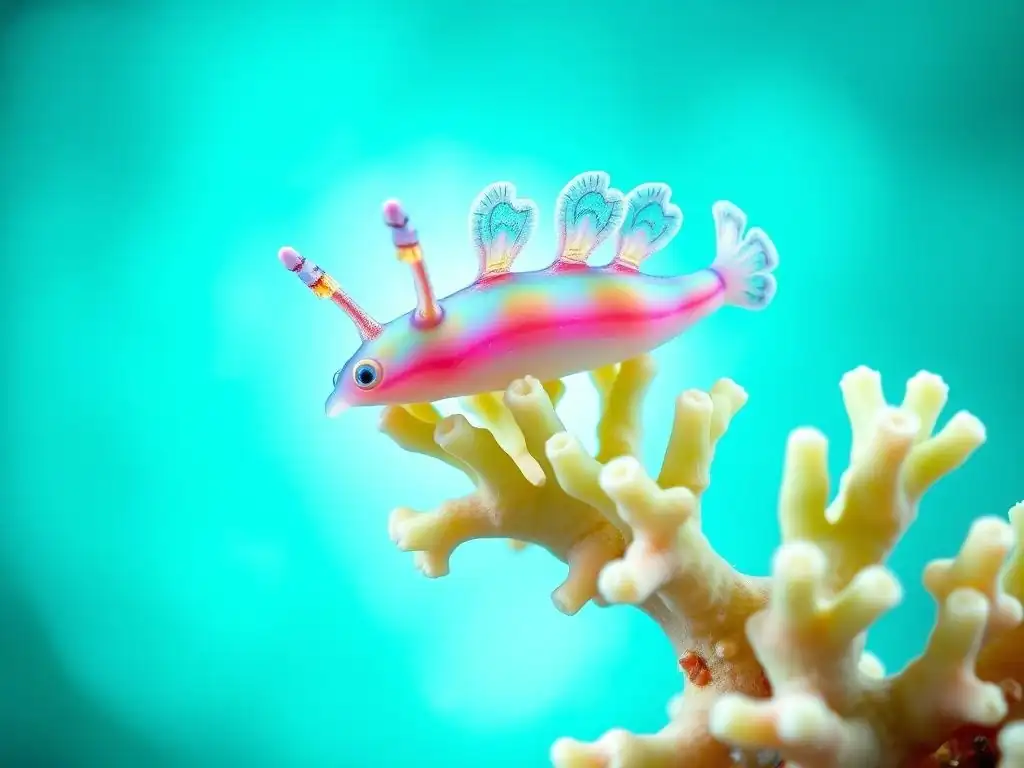
Effective visual inspection is the cornerstone of any Montipora nudibranch removal guide. Due to their excellent camouflage, a casual glance is often insufficient. Aquarists should make it a routine practice to inspect all Montipora corals thoroughly, especially when introducing new frags or noticing any signs of stress.
This involves carefully examining the coral from all angles, including the underside and within crevices, where nudibranchs and their egg masses often hide. Using a flashlight or a powerful LED torch can help illuminate the coral and reveal subtle differences in texture or color that might indicate the presence of a pest. Often, the nudibranchs will be found clustered around areas of recent tissue loss or at the leading edge of damage.
A systematic approach to inspection is recommended. Gently remove the Montipora colony from the display tank if possible, or carefully maneuver it to get a 360-degree view. Pay close attention to areas where the coral tissue appears dull, discolored, or recessed.
If you suspect an infestation, observe the coral for several minutes without disturbing it; sometimes, the nudibranchs will move, making them easier to spot. Remember to specifically look for the distinctive white, spiral-shaped egg masses, which are often easier to identify than the camouflaged adults. These egg coils are a definitive indicator of an active breeding population and are crucial targets in any Montipora nudibranch removal guide.
Using Magnification Tools for Enhanced Nudibranch Detection
Given the minute size and superb camouflage of Montipora nudibranchs, magnification tools are invaluable for their detection. A simple jeweler's loupe, typically offering 10x to 30x magnification, can significantly enhance visibility, allowing aquarists to distinguish the nudibranchs from the coral polyps or detritus. These loupes are portable and relatively inexpensive, making them an accessible tool for routine inspections. When using a loupe, slowly scan the coral surface, focusing on areas of concern or any suspicious discoloration. The increased magnification will make the nudibranchs' distinct cerata and movement more apparent, even if their body color blends with the coral.
For even greater detail, a digital microscope or a macro lens attached to a smartphone can provide superior magnification, often ranging from 60x to 200x. These tools allow for high-resolution images or video capture, which can be reviewed later or shared for confirmation.
Some aquarists even connect digital microscopes to a monitor, providing a large, clear view of the coral surface, making it easier to spot the tiny pests and their egg masses. The enhanced clarity offered by these tools is particularly beneficial for identifying the very small juvenile nudibranchs or freshly laid egg coils that might be invisible to the naked eye, greatly improving the effectiveness of a Montipora nudibranch removal guide.
Recognizing Early Signs of Montipora Nudibranch Infestation: Tissue Recession and Discoloration
Beyond direct visual sightings of the pests, recognizing subtle changes in your Montipora corals is critical for early detection. The primary early sign of a Montipora nudibranch infestation is localized tissue recession or bleaching. Unlike other forms of tissue loss, nudibranch damage often appears as distinct, usually circular or irregular, patches of bleached or exposed skeleton, typically starting from the base or underside of the coral and progressing upwards. These spots are where the nudibranchs have grazed, consuming the coral polyps and tissue. The affected areas may appear paler than the surrounding healthy tissue, or even completely white.
Another key indicator is a change in the coral's overall coloration and polyp extension. Infested Montipora corals may appear duller, losing their vibrant hues, even if the water parameters are optimal. The polyps in affected areas, or sometimes even across the entire colony, may remain retracted or exhibit poor extension, indicating stress.
For example, a normally vibrant green Montipora capricornis might develop pale green or white patches, and its characteristic polyps might not extend as fully as usual. If multiple Montipora colonies in your tank begin to show these symptoms concurrently, despite stable water quality, a nudibranch infestation should be strongly suspected, prompting immediate action using a comprehensive Montipora nudibranch removal guide.
Complete Montipora Nudibranch Removal Strategies: A Step-by-Step Guide
Quarantine Procedures for New Montipora Corals: Preventing Introductions
Implementing a rigorous quarantine procedure for all new Montipora corals is the most effective proactive measure against introducing Montipora nudibranchs into your display tank. A dedicated quarantine tank (QT) should be set up with stable water parameters, adequate lighting, and flow, mimicking the conditions of the main display. Upon receiving new corals, inspect them thoroughly for any visible pests or egg masses.
Even if none are seen, a prophylactic dip is highly recommended. The coral should then be placed in the QT for a minimum of 4-6 weeks, ideally longer, to allow any latent nudibranch eggs to hatch and the resulting juveniles to be detected and removed. During this period, regular, detailed inspections (at least twice a week) are crucial, focusing on the coral tissue and skeleton for any signs of nudibranchs or their distinctive egg spirals.
During the quarantine period, repeated dipping protocols can be employed every 5-7 days for the first few weeks, targeting any newly hatched nudibranchs. For instance, a common practice involves a dip followed by manual removal, then placing the coral back into the QT.
If any nudibranchs or egg masses are observed, the coral should be re-dipped and manually cleaned, and the quarantine period restarted from the last sighting. This meticulous approach, as advocated by any thorough Montipora nudibranch removal guide, significantly reduces the risk of these insidious pests establishing themselves in your main reef system, saving countless hours and potential coral losses in the long run.
Manual Removal Methods: Picking Nudibranchs and Egg Masses
Manual removal is a vital, albeit labor-intensive, component of any Montipora nudibranch removal guide, particularly for localized or early-stage infestations. Once a Montipora coral is identified as infested, carefully remove it from the aquarium. Using a pair of fine-tipped tweezers or forceps, meticulously pick off every visible nudibranch. Be extremely gentle to avoid damaging the coral tissue.
Since nudibranchs are adept at camouflage, take your time and inspect every crevice and underside of the coral. After removing adults, the next critical step is to scrape off their distinctive white, spiral-shaped egg masses. These are often found on the coral skeleton where tissue has receded, or in protected areas. A stiff brush, a dental pick, or even a credit card edge can be used to gently scrape them away without damaging the coral.
It is crucial to perform this manual removal in a separate container of tank water, not directly over the display tank, to prevent any dislodged nudibranchs or eggs from falling back into the main system. After removal, discard the nudibranchs and egg masses safely; flushing them down the drain is generally effective. Repeat this manual removal process daily or every other day for at least two weeks, as new eggs will continue to hatch.
This method is most effective when combined with chemical dips, as it directly reduces the existing population and prevents future generations from emerging. For example, many aquarists report needing to manually remove nudibranchs for 2-3 weeks post-dip to catch newly hatched individuals.
Chemical Dips for Montipora: Effective Treatments and Precautions
Chemical dips are a cornerstone of Montipora nudibranch removal, offering a rapid way to eliminate adults and juveniles. However, they must be used with caution, as corals can be sensitive to these treatments. Always prepare the dip solution in a separate container using fresh, temperature-matched aquarium water. The coral should be gently swished in the dip solution for the recommended duration, typically 5-15 minutes, allowing the active ingredients to penetrate.
Observe the coral closely during the dip for signs of severe stress, such as excessive sliming or tissue sloughing. After the dip, rinse the coral thoroughly in a separate container of clean, temperature-matched tank water before returning it to the aquarium or quarantine tank. Proper aeration of the dip solution can also help reduce stress.
It is vital to follow the manufacturer's instructions precisely regarding dosage and duration. Overdosing or prolonged exposure can severely harm or kill the coral. After the dip, any dislodged nudibranchs should be manually removed from the bottom of the dip container and discarded.
Multiple dips, spaced 5-7 days apart, are often necessary to break the nudibranch life cycle, as dips generally do not kill eggs. A common protocol involves dipping the coral once, then repeating the dip after 5-7 days to target any newly hatched nudibranchs that survived the initial treatment. This multi-stage approach is key to a successful Montipora nudibranch removal guide.
Iodine-Based Dips: Dosage and Application Techniques
Iodine-based dips, such as Lugol's Solution or Kent Marine Tech-D, are a popular and generally safe option for treating Montipora nudibranchs. Iodine acts as an antiseptic and can irritate and dislodge various pests, including nudibranchs. A typical dosage involves adding 3-5 drops of Lugol's Solution per gallon of dip water.
The coral should be immersed in this solution for approximately 5-10 minutes. During the dip, gently swirl the coral or use a small powerhead to create flow around it, helping to dislodge the pests. Many aquarists report seeing nudibranchs detach from the coral within the first few minutes of an iodine dip.
While iodine dips are effective at dislodging many pests, their efficacy against Montipora nudibranchs specifically can vary. Some aquarists find them highly effective, while others report limited success, especially against larger, more entrenched nudibranchs. They are generally considered a milder dip compared to some others, making them a good first line of defense or for less severe infestations. Always follow up an iodine dip with a thorough rinse in clean tank water to remove any residual iodine and dislodged pests. This step is critical to prevent re-introduction of pests and to minimize coral stress.
Coral RX Dip: A Popular Choice for Nudibranch Control
Coral RX Dip is a widely used and highly regarded commercial dip for various coral pests, including Montipora nudibranchs. Its active ingredients are proprietary but are known to be effective at irritating and dislodging pests without causing excessive stress to most corals. The typical dosage is 15 drops per gallon of dip water, and corals are usually dipped for 5-10 minutes. Similar to other dips, gentle agitation of the coral or the use of an air stone in the dip container can improve the effectiveness by ensuring the solution reaches all parts of the coral.
Many hobbyists have reported significant success with Coral RX in dislodging Montipora nudibranchs, often seeing them detach and fall to the bottom of the container within minutes. It is generally considered safer for corals than some harsher chemical treatments, making it a preferred choice for many aquarists. After the dip, a thorough rinse in clean tank water is essential.
While effective against adult nudibranchs and juveniles, Coral RX, like most dips, does not kill the eggs, necessitating repeat treatments every 5-7 days for several weeks to break the life cycle. This multi-dip protocol is a critical part of a successful Montipora nudibranch removal guide.
Bayer Insecticide Dip: Advanced Treatment Considerations
Bayer Complete Insect Killer (or similar products containing Imidacloprid) is an advanced and highly effective, but also more aggressive, treatment option for severe Montipora nudibranch infestations. This dip is extremely potent and should be used with extreme caution due to its toxicity. The typical dosage is very low, often around 0.5 ml per gallon of dip water, and the dip duration should be very short, typically 5-15 minutes at most.
Some aquarists even suggest shorter durations, such as 3-5 minutes, especially for sensitive corals. Due to its potency, it is absolutely crucial to use precise measurements and to never exceed the recommended dosage.
Bayer dips are known to be highly effective at killing nudibranchs on contact, often causing them to detach rapidly. However, they can also be stressful for corals, potentially leading to tissue loss or bleaching if misused. After the dip, it is imperative to rinse the coral thoroughly, perhaps even in two separate baths of clean tank water, to remove all traces of the insecticide before returning it to the aquarium.
Due to its strength, this dip is often reserved for severe infestations where other methods have failed, or for initial treatment of a heavily infested coral in a quarantine setting. Always research and understand the risks before using such a potent chemical, as part of a responsible Montipora nudibranch removal guide.
Natural Predators for Montipora Nudibranchs: Biological Control Options
Integrating natural predators can be a supplementary strategy in a comprehensive Montipora nudibranch removal guide, particularly for ongoing control or in conjunction with other methods. However, relying solely on biological control for a severe infestation is generally not recommended, as their effectiveness can be inconsistent, and they may not consume enough nudibranchs to eradicate a large population.
Yellow Coris Wrasse: Potential Nudibranch Predators
The Yellow Coris Wrasse ( Halichoeres chrysus) is often cited as a potential biological control agent for various reef pests, including flatworms and, in some cases, nudibranchs. These active, inquisitive fish are known for meticulously inspecting live rock and corals for small invertebrates. While some individual Yellow Coris Wrasses may develop a taste for Montipora nudibranchs, it is not a guaranteed outcome.
Their effectiveness can vary widely from fish to fish; some may actively hunt the nudibranchs, while others may show no interest at all. For example, anecdotal reports suggest that perhaps 30-50% of Yellow Coris Wrasses might actively pick at nudibranchs.
Introducing a Yellow Coris Wrasse should be considered as a long-term, supplementary measure rather than a primary solution for an active outbreak. They are generally reef-safe and can be a beneficial addition to a reef tank for overall pest control. However, they require a sand bed for sleeping and can sometimes jump out of open-top aquariums. It's important to set realistic expectations; while they might help keep a small population in check, they are unlikely to clear a heavy infestation on their own.
Berghia Nudibranchs: Are They a Viable Option?
Berghia nudibranchs ( Berghia verrucicornis) are highly specialized predators known for exclusively preying on Aiptasia anemones. It is a common misconception that Berghia nudibranchs will eat other types of nudibranchs, including those that infest Montipora corals. This is incorrect. Berghia nudibranchs are strictly Aiptasia eaters and will not consume Montipora-eating nudibranchs. Therefore, introducing Berghia nudibranchs into your aquarium will have absolutely no impact on a Montipora nudibranch infestation.
It is crucial for aquarists to understand the specific dietary requirements of biological control agents to avoid wasting money and delaying effective treatment. For Montipora nudibranchs, there is currently no widely accepted or consistently effective natural biological control agent that exclusively targets them without posing a risk to other desirable reef inhabitants. Therefore, a Montipora nudibranch removal guide must emphasize that manual removal and chemical dips remain the primary and most reliable methods.
System-Wide Treatments: Addressing Nudibranch Infestations in the Display Tank
Treating a Montipora nudibranch infestation within the main display tank is highly challenging and generally discouraged due to the potential harm to other sensitive corals, invertebrates, and fish. Most chemical treatments effective against nudibranchs are not reef-safe when dosed system-wide. Therefore, the preferred approach is always to remove the infested coral for external treatment in a quarantine tank. However, in extreme cases where the infestation is widespread and removing all affected corals is impractical, some aquarists might consider drastic measures, though these carry significant risks.
Elevating Temperature: Effectiveness and Risks to Other Inhabitants
Elevating the aquarium's temperature is sometimes discussed as a potential system-wide treatment for various pests, including some types of flatworms. The theory is that a higher temperature might accelerate the metabolism of the pests to a lethal point, or make them more susceptible to other stressors. For Montipora nudibranchs, however, there is little scientific evidence or widespread anecdotal success to support temperature elevation as an effective standalone Montipora nudibranch removal guide strategy.
Furthermore, significantly raising the water temperature (e.g., above 82-83°F or 28°C) for an extended period can be highly detrimental to other desirable reef inhabitants. Many corals, especially SPS corals like Acropora, are very sensitive to temperature fluctuations and prolonged high temperatures can cause severe bleaching, tissue necrosis, and even death.
Fish, in particular, can also suffer from oxygen depletion at higher temperatures, as the solubility of oxygen in water decreases. Beneficial bacteria in the biological filter can also be negatively impacted. Given these substantial risks and the unproven efficacy against Montipora nudibranchs, intentionally elevating the display tank temperature for nudibranch control is generally not recommended by experienced aquarists or comprehensive Montipora nudibranch removal guides. The potential harm to the entire ecosystem far outweighs any speculative benefits.
Salinity Adjustments: Another Potential Control Method
Adjusting salinity, either by lowering it (hyposalinity) or raising it (hypersalinity), is another method sometimes considered for pest control in freshwater or fish-only saltwater systems. However, similar to temperature elevation, salinity adjustments are extremely risky and largely ineffective for Montipora nudibranchs within a mixed reef aquarium. Reef aquariums are highly sensitive to stable salinity levels, typically maintained at 1.025-1.026 specific gravity. Even minor fluctuations can stress or kill corals, fish, and beneficial invertebrates.
Lowering salinity to levels that might harm nudibranchs (e.g., below 1.020) would almost certainly cause severe stress, bleaching, or death to most SPS corals, including Montipora, as well as LPS corals, soft corals, and virtually all desirable invertebrates like snails, crabs, and shrimp. Raising salinity significantly would also be detrimental. There is no evidence to suggest that Montipora nudibranchs are uniquely vulnerable to minor salinity shifts that would not also harm the entire reef ecosystem.
Therefore, salinity adjustment is not a viable or recommended strategy in a Montipora nudibranch removal guide for a reef aquarium. Focus should remain on targeted treatments in quarantine.
Post-Treatment Care and Prevention: Ensuring Long-Term Montipora Health
Monitoring Montipora Corals After Nudibranch Removal
Post-treatment monitoring is as crucial as the removal process itself to ensure long-term Montipora health and prevent re-infestation. After performing dips and manual removal, return the coral to a dedicated quarantine tank, not directly to the display tank. Continue to meticulously inspect the coral daily for the first week, and then every other day for at least 4-6 weeks.
Look for any signs of newly hatched nudibranchs, which will be tiny, or new egg masses. Even a single missed egg mass can lead to a resurgence of the population within a few weeks. For example, if a dip kills all adults but one egg mass remains, that mass could hatch 50-100 new nudibranchs in 7-14 days.
If any nudibranchs or egg masses are spotted during this monitoring period, the entire treatment protocol (manual removal + dip) should be repeated, and the quarantine period restarted from the last sighting. Documenting your observations, including dates of dips and sightings, can help track progress and determine if the infestation has been truly eradicated. Only after a minimum of 4-6 weeks with no visible nudibranchs or egg masses should the Montipora coral be considered safe to return to the main display. This rigorous monitoring is paramount for a successful Montipora nudibranch removal guide.
Maintaining Optimal Water Parameters to Support Coral Recovery
While chemical dips and manual removal target the nudibranchs directly, maintaining optimal and stable water parameters is fundamental for supporting the Montipora coral's recovery and overall health. Stressed corals are more susceptible to pest infestations and have a harder time recovering from damage. Key parameters to monitor and maintain include: alkalinity (dKH) at 7.5-8.5, calcium (Ca) at 400-450 ppm, and magnesium (Mg) at 1300-1400 ppm. Consistent temperature (e.g., 77-78°F or 25-25.5°C) and stable salinity (1.025-1.026 specific gravity) are also critical.
Nitrates should be kept low (ideally less than 10 ppm) and phosphates near undetectable levels (less than 0.03 ppm), as high nutrients can inhibit coral growth and recovery, and potentially favor pest proliferation. Ensure adequate, stable flow around the recovering coral to prevent detritus buildup and promote gas exchange. Consistent lighting of appropriate intensity and spectrum is also vital for photosynthesis and energy production. Providing these ideal conditions will allow the Montipora to allocate energy towards tissue regeneration and growth, helping it bounce back stronger after the Montipora nudibranch removal guide protocol.
Implementing a Regular Inspection Schedule to Prevent Re-Infestation
Prevention is always better than cure, and a regular, systematic inspection schedule is the best long-term defense against Montipora nudibranch re-infestation. Even after successfully eradicating an outbreak, new nudibranchs can be introduced with new corals, or a few missed eggs can lead to a resurgence. Dedicate specific time each week or every two weeks to meticulously inspect all Montipora corals in your display tank. This routine should involve the same thorough visual inspection techniques used for initial detection, including the use of magnification tools.
During these inspections, pay particular attention to the underside of colonies, shaded areas, and any spots where tissue recession might have occurred previously. Early detection of a new, small infestation makes eradication significantly easier and less stressful for the corals. For example, a 15-minute weekly inspection of all Montipora corals can detect a new population of 2-3 nudibranchs, which can then be easily removed, preventing an outbreak that might take weeks to resolve if left unnoticed. This proactive vigilance is a non-negotiable part of a comprehensive Montipora nudibranch removal guide for sustained reef health.
Troubleshooting Common Issues During Montipora Nudibranch Removal
Dealing with Coral Stress After Chemical Dips
It is common for Montipora corals to exhibit signs of stress after chemical dips, as these treatments, while effective, can be harsh. Symptoms of stress include excessive sliming, tissue retraction, polyp non-extension, and temporary discoloration or paling. To mitigate stress, ensure the dip solution is temperature-matched to the aquarium water, and the dip duration is strictly adhered to (never exceeding manufacturer recommendations). After the dip, a thorough rinse in clean, temperature-matched tank water is crucial to remove residual chemicals.
Upon returning the coral to the quarantine tank (or display, if no QT is available), ensure optimal water parameters are maintained, as discussed previously. Provide stable, moderate flow and appropriate lighting. Avoid placing the stressed coral in high-flow or high-light areas immediately. A period of reduced light intensity for a day or two might help it recover.
Some aquarists use amino acid supplements or coral vitality boosters to aid recovery, though their direct impact on dip stress is debated. If the coral shows severe signs of necrosis or continued decline, consider removing it to a frag rack in a lower-flow, lower-light area of the QT to stabilize. Patience is key; it may take several days to a few weeks for the coral to fully recover its color and polyp extension.
Managing Secondary Infections: Bacterial Infections
Open wounds and tissue loss caused by Montipora nudibranch feeding, combined with the stress of chemical dips, can make corals susceptible to secondary bacterial infections. These infections often manifest as rapid tissue necrosis (RTN) or slow tissue necrosis (STN), where the coral tissue quickly or gradually peels away from the skeleton, leaving exposed white skeleton behind. The affected tissue may appear cloudy or slimy, sometimes with a distinctive smell. If an infection is suspected, immediate action is necessary to prevent it from spreading.
For localized infections, carefully fragging off the affected portion of the coral, ensuring a clean cut into healthy tissue, can sometimes halt the spread. For more widespread issues, a coral specific antibiotic dip, such as one containing Ciprofloxacin or Furan-2, might be considered. These dips are typically administered in a separate container for a short duration (e.g., 30-60 minutes) and are followed by a clean water rinse.
It is vital to identify the specific type of infection if possible, as different antibiotics target different bacterial strains. Maintaining pristine water quality and stability is also paramount, as poor conditions exacerbate bacterial issues. This step is a critical, though advanced, component of a thorough Montipora nudibranch removal guide.
Identifying and Addressing Nudibranch Resistance to Treatments
While rare, some hobbyists report instances where Montipora nudibranchs appear to exhibit resistance to standard chemical dips over time, or a particular population seems less affected than expected. This could be due to genetic variation within the nudibranch population, or more commonly, incorrect dip preparation, insufficient duration, or an extremely heavy infestation where not all nudibranchs are exposed to the full effect of the dip.
If a specific dip is consistently failing to dislodge or kill nudibranchs, despite correct application, it's time to switch to an alternative chemical dip with different active ingredients. For example, if Coral RX seems ineffective, consider trying a Bayer dip (with extreme caution) or an alternative commercial product.
Another factor could be the presence of very small juvenile nudibranchs or deeply embedded adults that are less susceptible to surface treatments. In such cases, extending the dip duration slightly (within safe limits) or increasing agitation might help. More importantly, consistent manual removal after the dip is crucial to catch any survivors or newly hatched individuals.
If resistance is suspected, a combination of multiple dip types, staggered treatments, and relentless manual removal, alongside an extended quarantine period, will be necessary to ensure complete Montipora nudibranch removal. Documenting the effectiveness of different dips on your specific infestation can inform future treatment strategies.
Long-Term Montipora Health: Preventing Future Nudibranch Outbreaks
Maintaining a Healthy Reef Ecosystem to Minimize Nudibranch Risk
A healthy, thriving reef ecosystem is inherently more resilient to pest outbreaks, including Montipora nudibranchs. While not a direct preventative measure against initial introduction, a robust system minimizes stress on corals, allowing them to better resist and recover from pest pressures. This involves consistently maintaining optimal water parameters (alkalinity, calcium, magnesium, nitrates, phosphates), ensuring stable temperature and salinity, and providing appropriate lighting and flow for all corals. A well-balanced bioload, efficient nutrient export mechanisms (skimming, refugiums, beneficial bacteria dosing), and regular water changes contribute to overall tank health.
Corals in pristine conditions grow faster, exhibit stronger immune responses, and are generally more vibrant. This vigor can make them less attractive to pests or more capable of sloughing off early stage infestations. For example, a fast-growing Montipora might outgrow minor damage more effectively than a stressed, slow-growing one. While a healthy tank won't magically repel nudibranchs if they are introduced, it certainly provides the best environment for corals to recover post-treatment and for any remaining nudibranchs to struggle against a strong host. This holistic approach is a foundational element of any comprehensive Montipora nudibranch removal guide.
Best Practices for Introducing New Corals to Your Aquarium
The vast majority of Montipora nudibranch infestations originate from new coral introductions. Therefore, adopting stringent best practices for bringing new corals into your aquarium is the single most important preventative measure. Never introduce a new coral directly into your display tank without proper inspection and treatment. Always assume new corals carry pests, even if they appear clean. This proactive mindset is crucial.
Upon acquiring new Montipora corals, always perform a thorough visual inspection under magnification immediately. Then, subject the coral to a prophylactic chemical dip using a proven product like Coral RX or an iodine-based dip. During the dip, gently agitate the coral and inspect the bottom of the dip container for any dislodged pests.
After rinsing, place the coral in a dedicated quarantine tank for a minimum of 4-6 weeks, as detailed earlier. During quarantine, perform regular inspections and consider repeating dips every 5-7 days for the first few weeks to catch any newly hatched nudibranchs. By adhering strictly to these best practices, aquarists can drastically reduce the risk of ever having to deal with a full-blown Montipora nudibranch nightmare in their display tank, making this a cornerstone of any effective Montipora nudibranch removal guide.
The Importance of Quarantine for Preventing Pest Introductions.
The importance of a dedicated quarantine tank (QT) for preventing pest introductions, especially Montipora nudibranchs, cannot be overstated. A QT provides a controlled environment where new corals can be isolated, observed, and treated without risking the health of your established main display tank. Many coral pests, including nudibranchs and their eggs, are microscopic or expertly camouflaged, making them nearly impossible to detect with a quick visual inspection.
A QT allows ample time for hidden pests or their eggs to become visible. For instance, Montipora nudibranch eggs can hatch in 7-14 days, meaning a pest-free coral on arrival could have a new generation of nudibranchs appearing just a week or two later if not quarantined.
A properly managed QT should be cycled and maintained with stable parameters, allowing corals to recover from shipping stress and acclimate. It facilitates repeated dipping and manual removal without contaminating your main system. If pests are found in the QT, they can be dealt with aggressively without impacting your display tank's fish or other sensitive invertebrates.
While setting up and maintaining a QT requires an initial investment of time and resources, it is a small price to pay to safeguard a valuable reef aquarium and avoid the significant headaches and potential losses associated with a widespread pest infestation. It is the ultimate preventative measure emphasized in any comprehensive Montipora nudibranch removal guide.
Frequently Asked Questions
How do I identify Montipora nudibranchs in my aquarium?
Look for tiny, white or slightly colored nudibranchs (sea slugs) crawling on your Montipora corals. They often leave small bite marks or bare patches on the coral's surface.
Why are Montipora nudibranchs a problem in my reef tank?
These nudibranchs specifically feed on Montipora corals, causing tissue damage and potentially leading to coral death if left unchecked. They can reproduce quickly, leading to rapid infestation.
What are some early detection methods for Montipora nudibranchs?
Regularly inspect your Montipora corals for unexplained tissue loss or unusual white spots. Dipping new corals in a coral dip is crucial for preventative measures.
What are some effective removal strategies for Montipora nudibranchs?
Coral dips like Bayer Advanced Insect Killer or other reef-safe dips can be effective. Manual removal with a brush and careful siphoning is also helpful.
How can I prevent a future Montipora nudibranch infestation?
Quarantine new corals for several weeks to observe them for pests. Regularly dip all new additions and consider introducing natural predators, if appropriate and reef-safe.
Final Reflection: Conquering the Coral Pest
The battle against reef pests is a constant one, and as this article has hopefully demonstrated, early and decisive action is paramount when facing the Montipora nudibranch. The information presented here, from advanced detection techniques to comprehensive removal strategies, is not just theoretical; it's a practical toolkit for reef aquarists striving to maintain healthy and vibrant coral ecosystems in their own homes. The ongoing threat these tiny predators pose to Montipora corals makes this knowledge more relevant than ever.
The impact of these pests, and our ability to combat them, extends beyond the individual aquarium. It speaks to a larger responsibility we have as hobbyists to understand and protect the delicate balance of marine life. The dedication and perseverance required to eradicate these nudibranchs mirrors the commitment needed to address broader environmental challenges. We are tied to the ocean. And when we go back to the sea, whether it is to sail or to watch - we are going back from whence we came.
- John F. Kennedy. This quote reminds us of the profound connection we have with the ocean and the importance of preserving its beauty and health, starting with the microcosm of our own reef tanks.
Now, armed with this knowledge, I urge you to reflect on your own practices and consider how you can contribute to a healthier reefing community. Whether it's meticulously inspecting new corals, sharing your experiences with others, or simply being more vigilant in your observations, every action counts. Let this guide serve as a reminder that with dedication, knowledge, and a proactive approach, we can overcome even the most daunting challenges and ensure the thriving beauty of our Montipora corals for years to come.
Unleash a Montipora-Saving Strategy!
Thank you for diving deep into the world of Montipora nudibranchs! We hope this guide has equipped you with the knowledge to protect your beloved corals. Now, let's turn that knowledge into action.
Here's how you can take control and safeguard your reef:
- Immediately begin closely inspecting all Montipora corals in your aquarium for signs of nudibranchs or egg masses. Early detection is your greatest weapon!
- Consider setting up a temporary quarantine tank for your Montipora. Observe them closely for several weeks, and treat proactively.
- Share this crucial information! Help other reefers by spreading the word about Montipora nudibranchs and the importance of early detection and treatment.
What's the first Montipora coral you're going to give a thorough inspection right now?