
Conditioning Bettas for Breeding: Setting the Mood for Success

Welcome to Aquarium Mastery, where your aquatic dreams come to life!
Ever wondered how to successfully breed those vibrant, captivating Bettas? Setting the mood is key, and we're here to unravel the secrets. Dive into our comprehensive guide, "Conditioning Bettas for Breeding: Setting the Mood for Success," and discover essential Bettas breeding tips for beginners. Ready to unlock the mysteries of successful Betta breeding and witness the miracle of life in your own aquarium? Let's get started!
- Understanding Betta Breeding: A Comprehensive Guide
- Creating the Ideal Breeding Environment for Bettas
- Conditioning Male Bettas for Breeding
- The Betta Conditioning Diet: What to Feed for Breeding Success
- Monitoring Betta Health During Conditioning: Preventing Problems
- Post-Spawning Care: Ensuring Fry Survival
- Troubleshooting Common Betta Breeding Issues
- Frequently Asked Questions
- Final Reflection: Nurturing New Beginnings
- Ignite Your Betta Breeding Journey!
Understanding Betta Breeding: A Comprehensive Guide
Why Condition Bettas Before Breeding?
Conditioning Bettas before breeding is a pivotal step that significantly influences the success rate of a spawn. This process meticulously prepares both the male and female Betta fish, ensuring their physical peak for the demanding act of reproduction.
For the female, proper conditioning leads to the development of a robust clutch of healthy, viable eggs, while for the male, it ensures optimal milt quality and the energy required for elaborate bubble nest construction and subsequent fry care. Without adequate conditioning, the likelihood of a successful spawn decreases dramatically, often resulting in unfertilized eggs, small clutches, or even the complete absence of breeding behavior.
Beyond the immediate reproductive benefits, conditioning also fortifies the Bettas' immune systems, making them more resilient to stress and disease during the vulnerable breeding period. A well-conditioned pair is less prone to common issues like egg binding in females or males abandoning their nests. This preparatory phase is essential for any beginner embarking on Betta breeding tips, as it lays the groundwork for a healthy and productive breeding cycle, minimizing potential complications and maximizing the chances of healthy offspring.
The Importance of Proper Conditioning for Successful Spawning
Proper conditioning is crucial because it directly impacts the physiological readiness of both Betta parents. For a female Betta, a high-quality, protein-rich diet during conditioning facilitates the full development of her ovaries, allowing her to produce a larger quantity of viable eggs, often ranging from 200 to 500 eggs in a healthy spawn. This nutritional boost ensures that the eggs are nutrient-dense, providing the best start for the developing fry. Conversely, a male Betta benefits from conditioning by developing strong reproductive vigor, leading to higher quality milt and the stamina required for the intricate courtship and spawning embrace.
Furthermore, conditioning plays a vital role in encouraging natural breeding behaviors. Well-fed and healthy Bettas are more inclined to participate in the complex dance of Betta courtship, which involves the male building a substantial bubble nest and the female displaying her readiness. Without this foundational preparation, males may fail to construct adequate nests, or females may not become gravid enough to trigger spawning. This foundational preparation is a key component of effective Bettas breeding tips for beginners, setting the stage for a harmonious and productive breeding experience.
Maximizing Spawning Success Through Careful Preparation
Maximizing spawning success in Bettas hinges on a holistic approach to preparation that encompasses diet, pristine water quality, a stress-free environment, and careful observation. A well-prepared pair is significantly more likely to exhibit natural breeding behaviors, leading to higher fertilization rates, often exceeding 80% in optimal conditions. This careful attention to detail ensures that both the male and female are not only physically ready but also psychologically inclined to breed, reducing aggression and promoting a smoother spawning process.
Careful preparation also involves mitigating potential stressors, such as fluctuating temperatures or poor water parameters, which can deter breeding or lead to health issues. For instance, maintaining a stable water temperature of 78-82°F (25.5-27.8°C) is critical for stimulating breeding instincts. By providing an environment that mimics their natural habitat and a diet that mirrors their wild sustenance, aquarists can significantly increase the chances of a successful spawn. This meticulous approach to preparation is a cornerstone of effective Bettas breeding tips beginners should prioritize.
Creating the Ideal Breeding Environment for Bettas
Setting Up the Betta Breeding Tank: Essential Elements
Setting up the Betta breeding tank correctly is fundamental to a successful spawn. A dedicated breeding tank, typically 5 to 10 gallons in size, provides ample space for the pair while allowing for easy observation and fry management. Essential elements include a reliable heater to maintain a stable temperature between 78-82°F (25.5-27.8°C), which is crucial for stimulating breeding behavior and ensuring proper egg development. A gentle sponge filter is highly recommended, as it provides biological filtration without creating strong currents that could disrupt the male's bubble nest or harm delicate fry.
Beyond temperature and filtration, the tank setup should prioritize the Bettas' comfort and security. Dim, consistent lighting that mimics a natural day-night cycle is beneficial. Providing numerous hiding spots, such as PVC pipes, small caves, or dense plant cover, is vital for the female to retreat if the male becomes overly aggressive.
Additionally, a floating object like a styrofoam cup cut in half or a large, broad leaf (e.g., from an Indian Almond Leaf) should be placed at the water surface to provide a stable anchor for the male's bubble nest. This careful arrangement helps reduce stress and encourages natural breeding instincts, forming a key part of Bettas breeding tips for beginners.
Water Parameters for Optimal Betta Breeding Conditions
Optimal water parameters are non-negotiable for successful Betta breeding, influencing everything from egg viability to fry survival. The ideal pH range for breeding Bettas is slightly acidic to neutral, typically between 6.5 and 7.0. Water hardness should be soft, generally 3-5 dGH (degrees of General Hardness), as very hard water can hinder egg development and fertilization. Maintaining a stable temperature, ideally within the 78-82°F (25.5-27.8°C) range, is paramount; fluctuations can stress the fish and deter spawning.
Crucially, ammonia and nitrite levels must be at 0 ppm, and nitrates should be kept below 10-20 ppm. Even trace amounts of these toxins can be detrimental to the delicate eggs and newly hatched fry. Regular small water changes, perhaps 10-20% daily or every other day using dechlorinated, temperature-matched water, are essential during the conditioning and breeding phases to maintain pristine water quality. These precise water parameters are critical Betta breeding tips beginners must master to ensure a healthy and productive spawn.
Plant Selection for Betta Breeding: Providing Cover and Security
Strategic plant selection plays a significant role in creating an ideal Betta breeding environment, offering both physical support and psychological security for the fish. Floating plants such as Salvinia minima, Frogbit, or even Duckweed are highly beneficial. They provide excellent anchor points for the male's bubble nest, making it more stable and less prone to breaking apart. Beyond nest support, these floating plants offer crucial cover for newly hatched fry, protecting them from potential predators (including the male Betta, once he is removed) and providing a natural source of infusoria.
In addition to floating varieties, taller, broad-leafed plants like Anubias barteri or Java Fern (Microsorum pteropus) are invaluable for the female Betta. These plants offer dense foliage where the female can seek refuge from the male's intense courtship or during periods of aggression, which is common during the initial introduction. This sense of security reduces stress for the female, making her more receptive to spawning. Furthermore, live plants contribute to overall water quality by absorbing nitrates, further enhancing the breeding environment for Betta fish and providing vital Betta breeding tips for beginners.
Conditioning Male Bettas for Breeding
The Male Betta's Role in Breeding and Nest Building
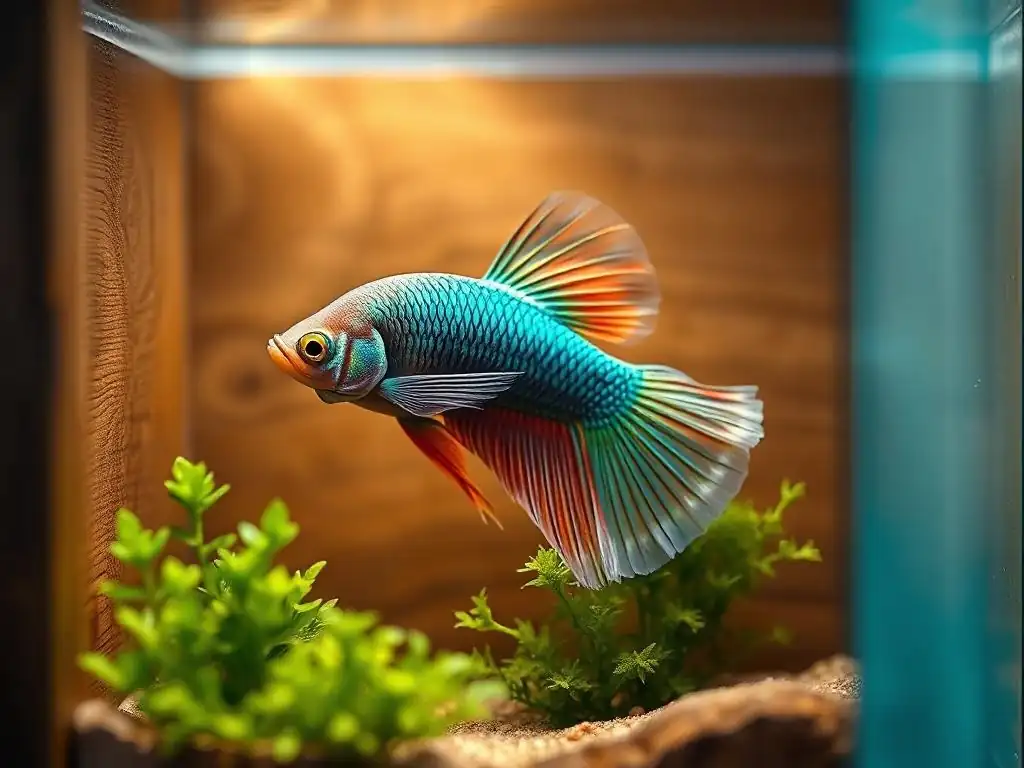
The male Betta plays a multifaceted and vital role in the breeding process, beginning long before the actual spawning. His primary responsibility is the construction of a robust bubble nest, a delicate yet durable structure of air bubbles cemented with saliva, typically built under a floating leaf or object. This nest serves as the incubator for the eggs and later, the fry. Once the nest is complete, the male entices the female to spawn beneath it, initiating a complex courtship ritual that culminates in the "nuptial embrace," where he wraps around the female to extract and fertilize her eggs.
Following spawning, the male assumes sole responsibility for parental care. He meticulously collects each fertilized egg, depositing it into the bubble nest. For the next 2-3 days, until the fry become free-swimming, he diligently guards the nest, retrieving any eggs or fry that fall out and fanning them to ensure adequate oxygenation. A well-conditioned male will exhibit vibrant colors, strong finnage, and an eagerness to build a large, sturdy nest, all indicators of his readiness to perform these critical duties for successful Betta breeding.
Nutritional Needs for Male Betta Breeding Success
Optimal nutrition is paramount for conditioning a male Betta for breeding, directly impacting his vigor, nest-building ability, and overall health during the strenuous breeding period. A high-protein, varied diet is essential, mirroring the insect-rich diet of wild Bettas. Live foods such as bloodworms (Chironomidae larvae), brine shrimp, Daphnia, and mosquito larvae are excellent choices. These foods are highly palatable, stimulate hunting instincts, and provide superior nutritional value compared to processed pellets or flakes alone.
For approximately 1-2 weeks prior to introducing the female, feed the male 2-3 times a day in small amounts, ensuring he consumes all food within a few minutes. This regimen boosts his energy reserves, which are crucial for the physical exertion of courtship, spawning, and diligent fry care. A male fed only a staple diet of flakes may lack the necessary stamina and vitality to build a substantial nest or effectively guard the eggs, making this a critical Betta breeding tip for beginners aiming for success.
Stimulating Male Betta Breeding Behavior
To stimulate a male Betta's breeding behavior, creating the right environmental cues and providing appropriate visual stimulation are key. Once the male is settled in his prepared breeding tank, introduce the female (contained within a clear jar or breeder box) into his line of sight. This "jarring" technique allows them to see each other without direct physical interaction, encouraging the male to display his vibrant colors and begin constructing a bubble nest. These visual introductions should be brief, typically 15-30 minutes, 2-3 times a day, to prevent undue stress.
In addition to visual cues, ensure all water parameters are optimal, particularly the temperature, which should be consistently maintained at 78-82°F (25.5-27.8°C). A slight increase within this range can sometimes act as a trigger. A calm, undisturbed environment is also crucial, as noise or sudden movements can stress the male and disrupt his nest-building efforts. A well-conditioned male, exposed to these stimuli, will typically begin building a large, robust bubble nest within 24-48 hours, signaling his readiness for spawning.
Identifying a Ready-to-Breed Female Betta
Identifying a female Betta ready for breeding is crucial for successful spawning and involves observing several key physical and behavioral indicators. The most prominent sign is a noticeably swollen belly, indicating that she is gravid (full of eggs). This distension gives her a plumper appearance compared to her usual slender profile. Another common, though not universally present, indicator is the appearance of vertical breeding stripes along her body, which become more pronounced when she is receptive to spawning. Darker females may not show these stripes clearly.
Perhaps the most definitive sign is the presence of a prominent white ovipositor, often referred to as the "egg spot," located between her ventral fins. This small, white tube becomes more visible and slightly extended when she is ready to release eggs. Behaviorally, a receptive female will typically be active and curious, showing interest in the male's presence and potentially flaring back at him in response to his displays. A female that is lethargic, clamped-finned, or actively trying to hide from the male is not ready for breeding and should not be introduced.
Nutritional Needs for Female Betta Breeding Success
Just as with males, the nutritional needs of a female Betta during conditioning are paramount for her breeding success. A high-protein diet is essential to facilitate the rapid development of a large clutch of healthy, viable eggs. Live foods are highly recommended and particularly effective for this purpose. Excellent choices include live blackworms, newly hatched brine shrimp nauplii, and Daphnia, which provide a rich source of protein, fats, and essential micronutrients vital for egg production.
Feed the female 2-3 times daily in small portions for approximately 1-2 weeks leading up to the introduction to the male. This consistent, nutrient-dense feeding regimen ensures she has ample energy to develop a full complement of eggs and endure the physically demanding spawning process. A female that is poorly nourished may produce fewer eggs, develop smaller or less viable eggs, or even become egg-bound, a serious condition where she cannot release her eggs. Prioritizing her diet is a fundamental Betta breeding tip for beginners.
Introducing the Female Betta: Timing and Observation
The introduction of the female Betta to the male's breeding tank requires careful timing and continuous observation to ensure a safe and successful spawn. Initially, the female should be introduced to the male's tank while still contained within a clear, secure vessel, such as a breeder box or a clear plastic jar.
This "jarring" period, lasting 24-48 hours, allows both fish to acclimate to each other's presence and scent without direct physical interaction, reducing immediate aggression. Observe their reactions: the male should be building a substantial bubble nest, and the female should display vertical breeding stripes (if applicable) and a visible ovipositor.
Once both Bettas show signs of readiness and reduced aggression, the female can be carefully released into the main breeding tank. It is crucial to provide ample hiding spots for the female, such as dense plants or caves, allowing her to escape the male's advances if needed. Continuous supervision is vital during this period. The actual spawning process can take several hours, involving repeated embraces beneath the bubble nest. If aggression escalates dangerously or if spawning does not occur within 24-48 hours after release, separate the pair immediately to prevent injury.
The Betta Conditioning Diet: What to Feed for Breeding Success
Live Foods for Betta Breeding: A Nutritional Powerhouse
Live foods are undeniably a nutritional powerhouse for conditioning Bettas for breeding, closely mimicking their natural diet in the wild. Options such as bloodworms (larvae of Chironomidae midges), brine shrimp (Artemia salina), Daphnia, white worms, and microworms are highly recommended. These foods are not only exceptionally palatable, encouraging a strong feeding response, but also provide a superior balance of proteins, fats, and essential amino acids vital for egg development in females and milt production in males. For instance, live bloodworms typically contain approximately 50-60% protein on a dry weight basis, making them an excellent protein source.
The benefits extend beyond nutrition; live foods stimulate the Bettas' natural hunting instincts, promoting activity and vigor. However, it is crucial to source live foods from reputable suppliers or to culture them yourself to minimize the risk of introducing parasites or diseases into your breeding tank. Culturing live foods, while requiring some effort, provides a consistent, high-quality, and disease-free food source, a valuable skill for any beginner embarking on Betta breeding tips.
Frozen Foods for Betta Breeding: A Convenient Alternative
While live foods are ideal, frozen foods offer a convenient and highly nutritious alternative for conditioning Bettas for breeding, especially when live options are scarce or impractical. Varieties such as frozen bloodworms, brine shrimp, Daphnia, and mysis shrimp are excellent choices. These foods retain a significant portion of their nutritional value when properly stored and thawed. It is important to thaw a small portion in a separate container with a bit of tank water before feeding, avoiding overfeeding to prevent water quality issues.
Frozen foods provide a consistent and reliable source of protein and essential nutrients, crucial for building up the Bettas' reserves for spawning. They also significantly reduce the risk of introducing parasites or diseases often associated with wild-caught live foods. Although they might not offer the same level of hunting stimulation as live foods, they are an indispensable part of a varied and balanced breeding diet, ensuring your Bettas receive the necessary energy and building blocks for successful reproduction.
Supplementing the Betta Breeding Diet: Vitamins and Minerals
While a varied diet of live and frozen foods typically covers most nutritional requirements, supplementing the Betta breeding diet with specific vitamins and minerals can provide an additional boost to their overall health and reproductive success. A high-quality liquid vitamin supplement, specifically formulated for aquarium fish, can enhance immune function and vitality. Key vitamins like Vitamin C, essential for stress reduction and immune support, and various B vitamins, crucial for metabolism, can be added to the food a few times a week by soaking it briefly before feeding.
Minerals such as calcium and phosphorus are also vital for egg development and bone health in both parents and future fry. These are usually present in sufficient quantities in high-quality fish foods, but ensuring proper water parameters, particularly appropriate water hardness, can also contribute to their bioavailability. Over-supplementation should be avoided, as excessive amounts of certain vitamins or minerals can be detrimental. The goal is to provide a comprehensive, balanced diet that supports peak health without causing imbalances.
Monitoring Betta Health During Conditioning: Preventing Problems
Recognizing Signs of Illness in Breeding Bettas
Monitoring the health of Bettas during conditioning is paramount, as the stress of preparation can make them susceptible to illness. Recognizing the early signs of disease is crucial for timely intervention. Watch for behavioral changes such as lethargy, loss of appetite, or hiding excessively. Physical symptoms include clamped fins, dull coloration, frayed or ragged fins, white spots (indicative of Ich), cottony growths (fungus), or bloating. Any unusual swimming patterns, like darting or rubbing against tank surfaces (flashing), also warrant immediate attention.
Even subtle changes can indicate underlying stress or disease. For instance, a male Betta who suddenly stops building his bubble nest or a female who becomes reclusive and loses her breeding stripes might be unwell. Breeding is a physically demanding process, and a sick Betta should never be bred, as it not only jeopardizes their own health but also poses a risk of transmitting diseases to the offspring. Early detection and intervention are vital Bettas breeding tips beginners must learn.
Quarantine and Treatment Protocols for Sick Bettas
If a Betta exhibits any signs of illness during the conditioning phase, immediate action is necessary to prevent the spread of disease and ensure the fish's recovery. The affected Betta should be promptly moved to a separate quarantine tank. This dedicated tank, ideally 2-5 gallons, should be equipped with a heater to maintain stable temperatures and a gentle sponge filter. Crucially, the quarantine tank should be cycled, or at least have a mature filter media from an established tank, to prevent ammonia spikes.
Once in quarantine, diagnose the illness as accurately as possible and administer appropriate medications. For common ailments like Ich, specific anti-parasitic medications or salt baths can be effective. For bacterial or fungal infections, targeted antibiotics or antifungals may be required. Always follow dosage instructions carefully. Do not return the Betta to the breeding tank until it has fully recovered, shows no symptoms for at least a week, and has been observed to be eating and active. This strict protocol is essential for protecting your entire fish population.
Maintaining Water Quality During Betta Conditioning
Maintaining impeccable water quality is the single most critical factor in preventing health problems during Betta conditioning and breeding. The high-protein diet required for conditioning increases the bioload in the tank, meaning more waste products are produced. This necessitates diligent monitoring and maintenance. Daily testing of water parameters—specifically ammonia, nitrite, and nitrate—is highly recommended, alongside pH and temperature checks. Ammonia and nitrite must remain at 0 ppm, and nitrates should be kept below 10-20 ppm.
Regular small water changes are the cornerstone of maintaining pristine conditions. Performing 10-20% water changes daily or every other day, using dechlorinated water that is temperature-matched to the tank, effectively removes waste products and replenishes essential minerals. A well-cycled biological filter is also crucial for processing waste. Neglecting water quality can lead to rapid deterioration of the Bettas' health, stressing their immune systems and making them highly susceptible to disease, thereby undermining all other Betta breeding tips.
Post-Spawning Care: Ensuring Fry Survival
Removing the Female Betta After Spawning
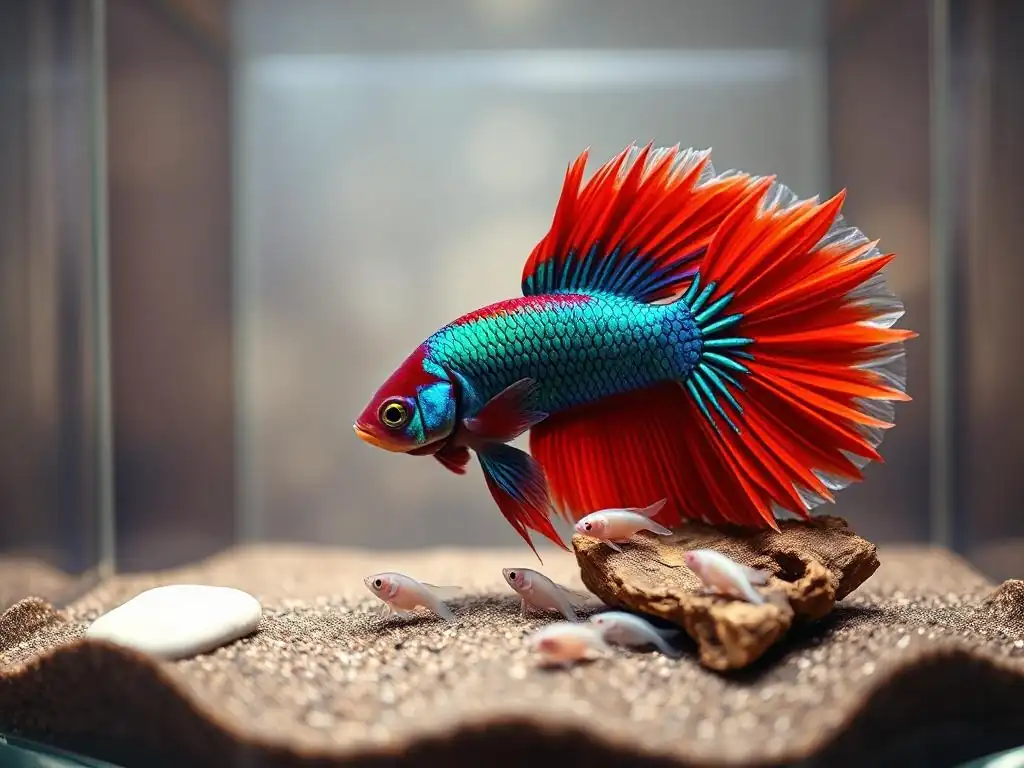
Once the Betta pair has successfully spawned, the immediate priority is the safe and timely removal of the female Betta from the breeding tank. Spawning can be physically exhausting for the female, and the male's role shifts from courtship to intense parental care, often leading to aggression towards the female. Her presence can also distract the male from his duties of guarding the eggs. The spawning process typically concludes when the female is visibly leaner and the male is diligently collecting and placing eggs into the bubble nest, often chasing the female away.
Carefully net the female and transfer her to a separate, clean recovery tank. This tank should have pristine, temperature-matched water and provide a quiet environment with hiding spots. She will be exhausted and may have torn fins or scales from the male's embraces. Provide her with a nutritious diet to help her regain strength and condition. Her swift removal is crucial to prevent injury and allow the male to focus solely on his parental responsibilities, a vital step for ensuring Betta fry survival.
Caring for the Male Betta and the Fry
After the female has been removed, the male Betta assumes full responsibility for the eggs and newly hatched fry. He will diligently guard the bubble nest, meticulously collecting any eggs that fall out and returning them to the nest. He will also gently fan the eggs to ensure proper oxygenation. During this period, which typically lasts 2-3 days until the fry become free-swimming, it is crucial not to feed the male. Feeding him could distract him from his duties, or worse, he might mistake the food for eggs or fry and consume them.
Once the fry become free-swimming (indicated by them swimming horizontally and no longer relying on their yolk sac), the male Betta should also be carefully removed from the tank. While he is an excellent parent, his paternal instincts typically wane once the fry are mobile, and he may begin to view them as a food source. After his removal, the fry will need their first microscopic foods, marking the next critical phase in ensuring Betta breeding success.
First Foods for Betta Fry: Culturing Infusoria and Microworms
Betta fry are incredibly tiny upon hatching and require microscopic food sources for their first few days of life, as they are too small to consume traditional fry foods. Infusoria, which are microscopic protozoa, are the ideal first food for the initial 3-5 days after the fry become free-swimming. These can be easily cultured by placing decaying organic matter, such as dried banana peels, lettuce leaves, or hay, into a jar of aged tank water and allowing it to sit for several days. This process encourages the growth of infusoria, which the fry can easily consume.
After the initial infusoria stage, typically by day 4 or 5, the fry will have grown slightly and can graduate to larger, more nutritious live foods. Microworms are an excellent next step, followed by newly hatched brine shrimp nauplii. Both can be cultured at home, providing a continuous supply of vital, protein-rich food. Culturing these live foods is a critical skill for any beginner attempting Betta breeding tips, as the availability of appropriate-sized food directly impacts fry survival and growth rates.
Troubleshooting Common Betta Breeding Issues
Unsuccessful Spawning Attempts: Possible Causes and Solutions
Unsuccessful spawning attempts are a common frustration for beginners in Betta breeding, stemming from several potential issues. One primary cause is inadequate conditioning of either parent; if the female isn't gravid or the male isn't vigorous enough to build a nest, spawning won't occur. Another factor is incompatible pairing, where the male is overly aggressive, or the female is simply not receptive to that particular male.
Incorrect water parameters, such as a temperature that's too low (below 78°F / 25.5°C) or an unsuitable pH, can also inhibit breeding instincts. Finally, a lack of sufficient hiding spots for the female can lead to excessive stress and aggression, preventing spawning.
Solutions involve a systematic review of each potential cause. Re-evaluate your conditioning regimen, ensuring a high-protein diet for 1-2 weeks. If aggression is an issue, consider trying a different male/female pair, or increase the duration of the "jarring" period. Precisely adjust water parameters to the optimal range (78-82°F, pH 6.5-7.0, soft water). Always provide ample plant cover or other hiding spots for the female. Patience is key; sometimes, a pair just needs more time or a slight environmental tweak to trigger spawning.
Male Betta Eating Eggs: Prevention Strategies
A male Betta eating his eggs is a disheartening issue but can sometimes be prevented with careful strategies. This behavior can stem from several factors: stress, undernourishment, or simply being a first-time parent who hasn't fully grasped his role.
Ensuring the male is meticulously conditioned with a high-protein diet prior to breeding is crucial, as a well-fed male is less likely to view his eggs as a food source. Maintaining a perfectly calm and undisturbed environment around the breeding tank is also vital; sudden movements, loud noises, or bright lights can stress the male and cause him to consume the eggs.
Another critical prevention strategy is the prompt removal of the female Betta immediately after spawning. Her continued presence in the tank can distract the male or even provoke him into aggression towards the nest. If a male consistently eats his eggs despite optimal conditions and careful handling, he may not be a suitable candidate for future breeding. For beginners in Betta breeding, it's a learning curve, and understanding these behaviors helps refine your approach.
Diseases and Health Issues Affecting Betta Fry
Betta fry are incredibly delicate and highly susceptible to diseases and health issues, primarily due to their underdeveloped immune systems and sensitivity to water quality. Common ailments include velvet (Oodinium), Ich (Ichthyophthirius multifiliis), and various bacterial or fungal infections, often manifesting as lethargy, "flashing" (rubbing against surfaces), visible spots, or cloudy fins. The leading cause of these issues is typically poor water quality, often a result of overfeeding and insufficient water changes. Uneaten food quickly decomposes, leading to dangerous ammonia and nitrite spikes that are lethal to fry.
Prevention is paramount for fry survival. Maintain pristine water quality by performing daily small water changes using a drip method to avoid shocking the fry. A common practice is a slow drip of fresh, temperature-matched, dechlorinated water into the tank, with an overflow to remove old water.
Avoid overfeeding; feed only what the fry can consume within 10-15 minutes. Ensure that the parent Bettas were completely disease-free before breeding, as some pathogens can be passed to the offspring. While limited treatment options exist for fry, prevention through meticulous husbandry is the most effective Betta breeding tip for ensuring healthy growth.
Frequently Asked Questions
How do I know when my Betta pair is ready to breed?
Observe closely! The female should exhibit a plump body full of eggs and vertical barring. The male will build a bubble nest and display intense colors, indicating his readiness.
What are the ideal water parameters for Betta breeding?
Maintain a temperature of around 80-82°F (27-28°C) with a slightly acidic pH (around 6.5-7.0). Soft water is also beneficial for successful spawning.
What should I feed my Bettas to condition them for breeding?
Offer a high-protein diet consisting of live and frozen foods like bloodworms, brine shrimp, and daphnia. This provides the necessary energy and nutrients for breeding.
How large should the breeding tank be for Bettas?
A 5-10 gallon tank is generally sufficient for Betta breeding. It allows the male to establish his territory and the female to feel secure without being overwhelmed by a larger space.
What should I do after the Bettas have spawned?
Remove the female immediately after spawning to prevent her from being attacked by the male. The male will care for the eggs and fry, so leave him in the tank until the fry are free-swimming.
Final Reflection: Nurturing New Beginnings
The journey of breeding bettas, as we've explored, is a delicate dance between science and art, a testament to the power of patient observation and informed intervention. It's more than just following a set of instructions; it's about understanding the subtle cues, the individual personalities, and the inherent drive within these magnificent creatures to perpetuate their lineage. This understanding, crucial for beginners, extends far beyond the aquarium, echoing the importance of responsible stewardship in all aspects of our interaction with the natural world.
This intricate process, from conditioning to fry care, profoundly influences our appreciation for the complexities of life. Witnessing the emergence of new life, nurtured by our careful efforts, instills a deep respect for the fragility and resilience of nature. As the saying goes, The best way to predict the future is to create it,
and in the context of betta breeding, we are actively participating in the creation of a new generation, shaping their future through our choices and actions.
Now, as you embark on, or continue, your betta breeding journey, I encourage you to reflect on the lessons learned. Consider the impact of your choices, the responsibility you bear, and the profound connection you forge with these remarkable fish. Let the principles of patience, observation, and informed action guide you, not only in your aquarium but also in your approach to the world around you. May your efforts be rewarded with vibrant life and a deeper understanding of the wonders of nature.
Ignite Your Betta Breeding Journey!
Thank you for diving into the art of Betta conditioning! We hope you've gained valuable insights into creating the perfect environment for your fish to thrive and breed. Now, it's time to put that knowledge into action and witness the magic unfold!
Here's what you can do next:
- Carefully implement the conditioning schedule outlined in the article, diligently monitoring your Bettas' health and behavior for optimal results.
- Share your breeding setup and progress pictures on our Aquarium Mastery community forum. Inspire others and get feedback!
- Consider researching less common Betta color morphs to expand your breeding project and contribute to the hobby's diversity.
What unique enrichment methods will you incorporate into your Betta conditioning process to stimulate their breeding instincts?