
Best Foods for Vibrant Dwarf Cichlids: Enhancing Color & Health

Welcome to Aquarium Mastery!
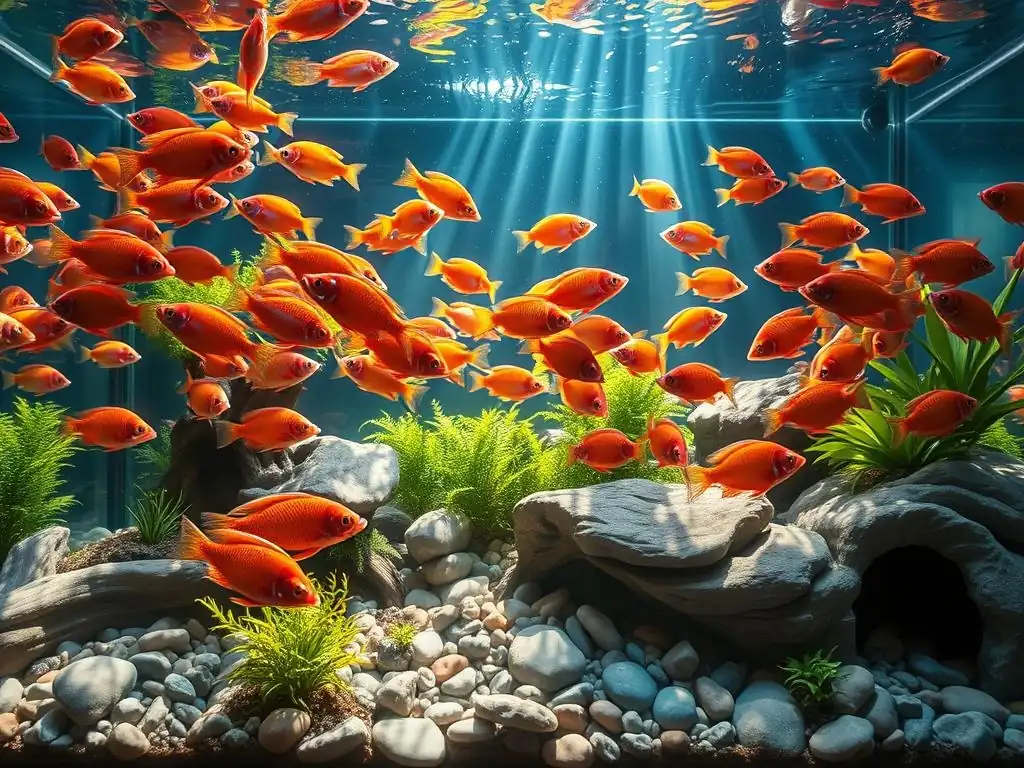
Ever wondered how to unlock the true vibrant colors and ensure the thriving health of your dwarf cichlids? You've come to the right place! Dive in as we explore the best dwarf cichlid food options, revealing the secrets to a balanced diet that will have your little aquatic gems shining. Curious to know which foods are absolute must-haves and which to avoid? Let's find out!
- Understanding Dwarf Cichlid Nutritional Needs for Optimal Health
- Exploring Dwarf Cichlid Food Options: A Comprehensive Guide
- Enhancing Color in Dwarf Cichlids Through Diet
- Feeding Strategies for Dwarf Cichlids in a Community Tank
- Potential Problems and Solutions Related to Dwarf Cichlid Feeding
- Creating a Feeding Schedule for Healthy Dwarf Cichlids
- Conclusion: Mastering Dwarf Cichlid Nutrition for a Thriving Aquarium
-
Frequently Asked Questions
- What are the best food options for enhancing the color of my Dwarf Cichlids?
- How often should I feed my Dwarf Cichlids to ensure optimal health?
- What types of food should I avoid when feeding my Dwarf Cichlids?
- What is the importance of a varied diet for Dwarf Cichlids?
- How can I ensure my Dwarf Cichlids are getting enough protein in their diet?
- Final Reflection: A Spectrum of Health and Color
- Ignite Your Cichlids' Radiance!
Understanding Dwarf Cichlid Nutritional Needs for Optimal Health
The Importance of a Varied Diet for Dwarf Cichlids
Providing a diverse diet is paramount for the long-term health and vibrancy of dwarf cichlids, such as Apistogramma species, German Blue Rams ( Mikrogeophagus ramirezi), and Kribensis cichlids ( Pelvicachromis pulcher). In their natural habitats, these fish encounter a wide array of food sources, from small invertebrates and insect larvae to plant matter and algae.
Replicating this dietary diversity in the aquarium ensures they receive a full spectrum of essential nutrients, which in turn supports robust immune systems, proper growth, and striking coloration. A monotonous diet, even if seemingly complete, can lead to deficiencies over time, impacting overall vitality and making the fish more susceptible to disease.
A varied feeding regimen also stimulates natural behaviors, encouraging dwarf cichlids to forage and hunt, which is beneficial for their mental well-being and reduces stress. For instance, offering live or frozen dwarf cichlid food options alongside high-quality flakes or pellets mimics the dynamic feeding opportunities found in their native South American and West African streams. This approach not only prevents nutritional imbalances but also makes feeding time more engaging for both the fish and the aquarist, leading to more active and brilliantly colored specimens.
Essential Nutrients for Dwarf Cichlids: Protein, Vitamins, and Minerals
Dwarf cichlids, being primarily carnivorous or omnivorous with a strong carnivorous inclination, require a diet rich in high-quality protein. For most species, protein content in their primary dwarf cichlid food options should ideally range from 40% to 55%. This high protein level supports muscle development, growth, and overall metabolic function. Sources like fish meal, shrimp meal, and spirulina are excellent for providing digestible protein, crucial for the active lifestyle of these fish. Insufficient protein can lead to stunted growth and faded colors, diminishing the very traits that make these fish so appealing.
Beyond protein, a comprehensive dwarf cichlid diet must include a balanced array of vitamins and minerals. Vitamins such as Vitamin A (retinol), essential for vision and immune function, and Vitamin D3, vital for calcium absorption and bone health, are critical. Vitamin E acts as a powerful antioxidant, protecting cells from damage, while various B vitamins support energy metabolism.
Minerals like calcium and phosphorus are necessary for skeletal integrity, and trace elements such as iron, zinc, and iodine play roles in enzymatic processes and overall physiological health. Many commercially available dwarf cichlid food options are fortified with these essential micronutrients, but supplementation through varied feeding, particularly with live and frozen foods, ensures optimal intake.
Exploring Dwarf Cichlid Food Options: A Comprehensive Guide
Live Foods for Dwarf Cichlids: Cultivating Natural Color Enhancement
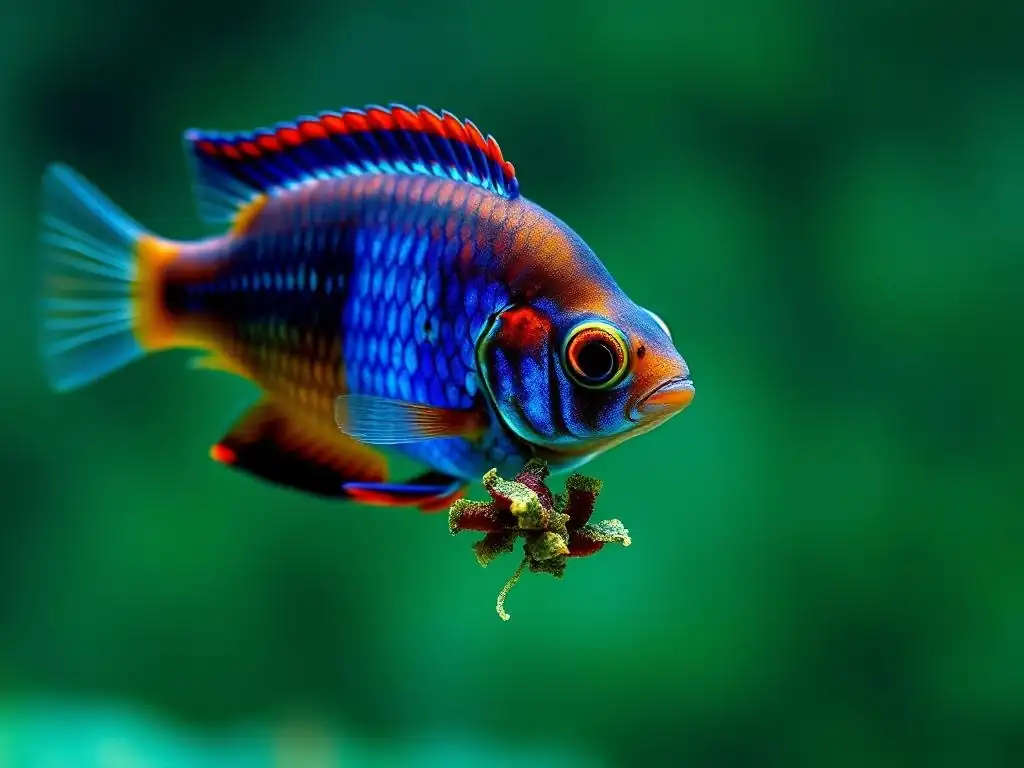
Live foods are arguably the most beneficial dwarf cichlid food options for promoting natural behaviors, enhancing coloration, and stimulating breeding. The act of hunting live prey provides mental stimulation and physical exercise, which can significantly reduce stress and promote overall vitality. Furthermore, many live foods are rich in natural pigments like carotenoids, which are directly responsible for intensifying the red, orange, and yellow hues in dwarf cichlids. For instance, Apistogramma species fed on a regular diet of live foods often display more vivid and intense colors than those fed solely on dry foods.
The nutritional profile of live foods is often superior, offering highly digestible proteins and fats, along with essential vitamins that might be degraded in dried or processed foods. This makes them an excellent choice for conditioning fish for breeding or for helping stressed or recovering fish regain their strength. While culturing live foods requires some effort, the benefits in terms of fish health and coloration are undeniable, making them a cornerstone of the best dwarf cichlid food options.
Culturing Live Foods: Brine Shrimp, Daphnia, and Microworms
Culturing live foods at home provides a constant supply of fresh, nutrient-rich dwarf cichlid food options. Brine shrimp ( Artemia salina) are one of the most popular choices, particularly newly hatched nauplii, which are perfect for fry and smaller dwarf cichlids due to their tiny size. They are relatively easy to hatch from cysts in a saltwater solution, yielding a high-protein, highly digestible meal. While not the most nutritionally complete on their own, they are excellent for stimulating feeding responses and are often gut-loaded with spirulina or other supplements to boost their nutritional value before feeding.
Daphnia ( Daphnia magna or Daphnia pulex), also known as water fleas, are another excellent live dwarf cichlid food option. They are rich in protein and fiber, aiding in digestion, and can be cultured in green water or yeast solutions. Daphnia are filter feeders, making them good vehicles for delivering beneficial bacteria and microalgae to your fish.
Microworms ( Panagrellus redivivus) are tiny nematodes, ideal for newly hatched fry and small juveniles of dwarf cichlids due to their very small size and wiggling motion that attracts fish. They are simple to culture on an oatmeal or bread substrate and provide a protein-rich supplement. For larger dwarf cichlids, blackworms ( Lumbriculus variegatus) can be cultured or purchased, offering a substantial and highly prized live food source.
Benefits of Live Foods for Breeding Dwarf Cichlids
Live foods play a crucial role in conditioning dwarf cichlids for breeding and in ensuring the survival and rapid growth of their fry. The nutritional richness and natural movement of live prey act as powerful breeding triggers, signaling to the fish that environmental conditions are favorable for reproduction.
For species like Apistogramma borellii or Mikrogeophagus altispinosus, a consistent diet of live dwarf cichlid food options such as blackworms, bloodworms, or enriched brine shrimp can significantly increase spawning frequency and egg viability. The high protein and fat content in these foods provides the necessary energy reserves for gamete production and the rigors of spawning.
Once fry hatch, the availability of appropriately sized live foods is critical for their initial survival and growth. Newly hatched brine shrimp nauplii and microworms are often the first foods accepted by dwarf cichlid fry due to their small size and irresistible movements. For example, Ramirezi fry, which are notoriously small, thrive on microworms and infusoria initially, before transitioning to larger live foods like daphnia. The superior digestibility and nutrient profile of live foods ensure that the delicate fry receive the concentrated nutrition needed for rapid development, leading to higher survival rates and healthier juvenile fish.
Frozen Foods: A Convenient and Nutritious Alternative for Dwarf Cichlids
Frozen foods offer an excellent balance of convenience and nutritional value, making them a staple dwarf cichlid food option for many aquarists. They retain much of the nutritional integrity of live foods without the hassle of culturing or the risk of introducing parasites. Frozen foods typically consist of flash-frozen whole organisms, preserving their natural pigments, proteins, and vitamins. This makes them an ideal choice for mimicking the varied diet dwarf cichlids would consume in the wild.
The variety of frozen dwarf cichlid food options available is extensive, allowing aquarists to easily provide a diverse diet. From various types of worms to crustaceans, frozen foods can cater to the specific dietary preferences of different dwarf cichlid species. They are also relatively easy to store and portion, making daily feeding routines straightforward and efficient while still providing high-quality nutrition.
Selecting High-Quality Frozen Foods for Dwarf Cichlids
When choosing frozen dwarf cichlid food options, quality is paramount to ensure your fish receive optimal nutrition. Look for brands that clearly list their ingredients and nutritional analysis, indicating high protein content and minimal fillers. The freezing process should ideally be flash-freezing, which preserves the cellular structure and nutrients more effectively than slow freezing. Visually inspect the product; the food should appear fresh and intact, not discolored or clumped excessively, which could indicate thawing and refreezing.
It's also beneficial to select frozen foods that have been enriched with vitamins or spirulina, as this boosts their nutritional profile. Reputable manufacturers often fortify their products to provide a more complete diet. Always thaw frozen foods in a small amount of tank water before feeding, and never feed directly from the freezer, as this can cause internal shock to the fish. Discard any uneaten frozen food within a few minutes to prevent water quality issues.
Best Frozen Food Choices: Bloodworms, Mysis Shrimp, and Beefheart (with cautions)
Among the best frozen dwarf cichlid food options are bloodworms (Chironomid larvae), Mysis shrimp, and with specific cautions, beefheart. Bloodworms are a perennial favorite, highly palatable to most dwarf cichlids due to their soft texture and rich, meaty flavor. They are a good source of protein and iron, contributing to vibrant red and orange coloration. However, bloodworms should be fed in moderation as part of a varied diet, as they can be quite rich and may lead to digestive issues if overfed exclusively.
Mysis shrimp ( Mysis relicta or similar species) are an excellent choice, providing a balanced nutritional profile with high protein and beneficial fatty acids. They are particularly rich in astaxanthin, a carotenoid pigment that significantly enhances red, orange, and yellow hues in fish. Mysis shrimp are highly digestible and eagerly accepted by most dwarf cichlids, making them a superior option for regular feeding. Beefheart can also be offered, but with significant caution.
While it is very high in protein, it is also very high in saturated fats that fish cannot properly metabolize. If fed, it should be trimmed of all fat and offered very sparingly, perhaps once a week at most, and only to adult fish. For most dwarf cichlids, Mysis shrimp or bloodworms are far safer and more beneficial regular frozen dwarf cichlid food options.
Flake and Pellet Foods: Formulated Diets for Dwarf Cichlids
Flake and pellet foods form the backbone of many aquarium feeding regimens, offering convenience and a generally balanced nutritional profile. For dwarf cichlids, these formulated diets are essential as a primary dwarf cichlid food option, providing consistent nutrient delivery without the need for live or frozen food preparation every day. High-quality flakes and pellets are engineered to contain a broad spectrum of proteins, fats, carbohydrates, vitamins, and minerals, making them a complete food source.
However, the quality among different brands can vary significantly. It's crucial to select products specifically designed for cichlids or omnivorous fish, as they will have the appropriate protein levels and nutrient ratios. While convenient, relying solely on flakes or pellets might not provide the full spectrum of trace elements or the stimulating variety that live and frozen foods offer. Therefore, they should ideally be supplemented with other dwarf cichlid food options to ensure optimal health and coloration.
Choosing the Right Flake Food for Your Specific Dwarf Cichlid Species
When selecting flake dwarf cichlid food options, consider the specific dietary needs and mouth size of your dwarf cichlid species. For instance, species like Apistogramma cacatuoides or Mikrogeophagus ramirezi have relatively small mouths, so fine, crumbling flakes are more suitable than large, rigid ones. Look for flakes that are labeled as "cichlid formula" or "color-enhancing," as these often contain higher protein levels (typically 40-50%) and natural color boosters like spirulina or astaxanthin.
Examine the ingredient list; the first few ingredients should be high-quality protein sources like fish meal, shrimp meal, or spirulina, rather than fillers such as corn or wheat. Avoid flakes with excessive artificial colors or binders, as these can contribute to water pollution and offer little nutritional value. Opt for flakes that maintain their integrity in water for a short period, allowing fish to consume them before they dissolve and pollute the tank. Rotating between a few different high-quality flake brands can also help ensure a broader nutrient intake.
Pellet Food Size and Composition: Matching to Mouth Size and Dietary Needs
Pellet dwarf cichlid food options offer a denser nutritional package than flakes and are often preferred for larger dwarf cichlid species or for providing a more substantial meal. The most critical factor when choosing pellets is their size; they must be small enough for your dwarf cichlids to consume comfortably without choking. For most dwarf cichlids, micro-pellets or small sinking pellets (around 0.5mm to 1.5mm) are ideal. Sinking pellets are often preferred as dwarf cichlids tend to feed more from the mid-water column or bottom.
Regarding composition, similar to flakes, prioritize pellets with high-quality protein as the primary ingredient. Look for formulas that are specifically designed for cichlids, indicating a carnivorous or omnivorous blend. Some pellets are designed to sink slowly, which can be beneficial in community tanks where faster-feeding surface dwellers might otherwise consume all the food. Color-enhancing pellets, often enriched with carotenoids, are also excellent dwarf cichlid food options for boosting vibrancy. Always choose pellets that are fresh and have a pleasant, fishy aroma, avoiding any that smell stale or rancid.
Vegetable Matter for Dwarf Cichlids: Balancing the Diet
While dwarf cichlids are largely carnivorous, incorporating some vegetable matter into their diet is beneficial, especially for species that exhibit omnivorous tendencies, such as Kribensis cichlids ( Pelvicachromis pulcher). Plant-based foods provide essential fiber, which aids in digestion and can help prevent issues like bloat or constipation. They also offer a different array of vitamins and minerals not always abundant in purely protein-based foods.
Even highly carnivorous dwarf cichlids can benefit from occasional vegetable supplements, which mimic the incidental plant matter consumed when hunting in their natural environment. This balance helps to round out their nutritional intake, promoting gut health and overall vitality. Ignoring the plant-based component of their diet can lead to deficiencies and digestive problems over time, highlighting the importance of a holistic approach to dwarf cichlid food options.
Algae Wafers and Blanched Vegetables: Supplementing Herbivorous Needs
For dwarf cichlids that show a propensity for grazing or have more omnivorous diets, algae wafers designed for bottom feeders can be an excellent supplementary dwarf cichlid food option. These wafers are typically rich in spirulina and other plant-based proteins, providing a concentrated source of vegetable matter. Ensure the wafers are small enough for your dwarf cichlids to nibble on. They are particularly useful in community tanks where they can cater to the needs of other bottom-dwelling fish, while still being accessible to cichlids.
Alternatively, blanched vegetables offer a fresh and natural source of fiber and nutrients. Small pieces of blanched spinach, zucchini, or shelled peas can be offered occasionally. To blanch vegetables, briefly boil them until they soften slightly, then cool them rapidly before feeding. This makes them easier for the fish to digest. For example, a small piece of blanched zucchini can be weighed down and placed in the tank, allowing fish to graze on it throughout the day. This provides a natural foraging opportunity and an important dietary addition.
The Role of Plant-Based Foods in Dwarf Cichlid Health
Plant-based foods, despite dwarf cichlids' carnivorous leanings, play a subtle yet significant role in their overall health. They contribute dietary fiber, which is crucial for maintaining a healthy digestive tract and preventing issues like intestinal blockages or bloat, especially when high-protein diets are fed consistently. The fiber content helps in the efficient passage of food through the gut, leading to better nutrient absorption and cleaner water due to less waste.
Moreover, plant-based dwarf cichlid food options like spirulina and various algae are rich in specific vitamins, minerals, and carotenoids that might not be as prevalent in animal-based proteins. Spirulina, for instance, is a powerhouse of nutrients, including B vitamins, iron, and a range of natural pigments that directly contribute to vibrant coloration, particularly blues and greens. Integrating these elements into the diet ensures a more complete nutritional profile, bolstering the immune system and contributing to the long-term vitality and natural beauty of your dwarf cichlids.
Enhancing Color in Dwarf Cichlids Through Diet
Natural Color Enhancers in Dwarf Cichlid Food
The stunning coloration of dwarf cichlids is one of their most attractive features, and diet plays a pivotal role in maximizing their natural vibrancy. The most effective color enhancers are natural pigments found in the dwarf cichlid food options they consume. These pigments, primarily carotenoids, are absorbed by the fish and deposited in specialized cells called chromatophores, which are responsible for their brilliant hues. Without adequate dietary intake of these pigments, even genetically predisposed fish will exhibit dull or faded colors.
Therefore, selecting foods specifically rich in these natural compounds is essential for promoting the most vivid reds, oranges, yellows, and even blues and greens. This isn't about artificial dyes, but rather about providing the raw materials the fish use to express their inherent genetic potential for color. A diet rich in these natural enhancers is not just aesthetic; it often correlates with overall fish health and vitality.
Astaxanthin and Carotenoids: Boosting Red, Orange, and Yellow Pigments
Astaxanthin is perhaps the most well-known and potent natural carotenoid for enhancing red, orange, and yellow pigments in fish. It is an antioxidant pigment found abundantly in many crustaceans, such as shrimp and krill, and in certain types of algae. When dwarf cichlids consume dwarf cichlid food options rich in astaxanthin, the pigment is absorbed and deposited into their skin cells, intensifying the fiery reds of a German Blue Ram or the vibrant oranges of an Apistogramma cacatuoides. Many high-quality commercial foods for cichlids specifically list astaxanthin as an ingredient.
Other carotenoids, such as lutein and zeaxanthin, also contribute to yellow and orange coloration. These are found in various plant materials and some invertebrates. To maximize these colors, include dwarf cichlid food options like Mysis shrimp, krill, and spirulina-enriched flakes or pellets in their regular diet.
For example, feeding Apistogramma species a diet rich in Mysis shrimp, which can contain up to 150-200 ppm of astaxanthin, will lead to significantly more vibrant red and orange markings compared to a diet lacking these crucial pigments. Consistent feeding of these pigment-rich foods is necessary, as the pigments are continuously metabolized and need to be replenished.
Spirulina and Algae: Promoting Green and Blue Hues
While astaxanthin and other carotenoids are excellent for reds, oranges, and yellows, spirulina and other algae are key dwarf cichlid food options for enhancing green and blue hues. Spirulina ( Arthrospira platensis) is a blue-green algae that is packed with proteins, vitamins, minerals, and unique pigments like phycocyanin, which can contribute to blue coloration, and chlorophyll, which supports green tones. It's also a rich source of various carotenoids, making it an all-around color enhancer.
Incorporating spirulina-based flakes, pellets, or even spirulina powder (mixed with other foods) into the dwarf cichlid diet can significantly deepen blues and greens in species like Electric Blue Rams or certain Apistogramma varieties. Many high-quality commercial dwarf cichlid food options include spirulina as a primary ingredient precisely for this reason. Additionally, some dwarf cichlids will naturally graze on algae films in the tank, further supplementing their intake of these beneficial plant-based pigments. Regular inclusion of spirulina ensures that these specific color pathways are well-supported, leading to more striking and complete coloration across the spectrum.
Avoiding Foods That Can Dull Dwarf Cichlid Colors
Just as certain foods enhance color, others can contribute to dullness or faded hues. Understanding what to avoid is as important as knowing what to feed. The primary culprits are low-quality dwarf cichlid food options that lack essential nutrients or contain ingredients detrimental to fish health and color expression. A consistent diet of such foods will inevitably lead to muted coloration, regardless of the fish's genetic potential.
Beyond direct nutritional deficiencies, poor food choices can also negatively impact water quality, which in turn stresses fish and suppresses their natural vibrancy. Stress is a major factor in color fading, and an inadequate diet often contributes to chronic stress by weakening the fish's immune system and overall vitality. Therefore, vigilance in selecting and preparing dwarf cichlid food options is crucial for maintaining brilliant coloration.
Artificial Colors and Binders: Potential Negative Impacts
Many cheaper commercial dwarf cichlid food options contain artificial colors and excessive binders. While artificial colors might make the food look more appealing to the human eye, they offer no nutritional benefit to the fish and can even be harmful. These synthetic dyes are not metabolized by the fish in the same way as natural pigments and do not contribute to genuine color enhancement. In some cases, they can even cause digestive issues or stress the fish's liver and kidneys, diverting energy away from vital functions, including pigment production.
Excessive binders, such as certain starches or glues, are used to hold flakes and pellets together but offer little to no nutritional value. They can swell in the fish's digestive tract, potentially leading to bloat or constipation. Moreover, they often leach quickly into the water, contributing to cloudiness and increased organic waste, which degrades water quality. This constant exposure to poor water conditions stresses dwarf cichlids, leading to faded colors and susceptibility to disease. Always check the ingredient list and prioritize dwarf cichlid food options with natural ingredients and minimal fillers.
Understanding the Effects of Poor-Quality Ingredients
Poor-quality ingredients in dwarf cichlid food options, such as low-grade fish meal, excessive plant fillers (like corn or wheat flour as primary ingredients), or rancid fats, have profound negative effects on fish health and color. Low-grade proteins are difficult for dwarf cichlids to digest, leading to inefficient nutrient absorption and increased waste production. This can result in malnutrition, characterized by stunted growth, emaciation, and, most visibly, faded and dull coloration. The fish simply lack the building blocks to produce vibrant pigments.
Rancid fats, often found in improperly stored or expired foods, are toxic and can cause liver damage and other internal organ issues. Such internal stress manifests externally as lethargy, loss of appetite, and a significant dulling of colors. Furthermore, foods with high ash content (the non-combustible mineral residue after burning) often indicate a large proportion of indigestible materials or bone, which offers little nutritional value and can contribute to excess waste. Opting for premium dwarf cichlid food options with high-quality, digestible ingredients is a direct investment in your fish's health and their ability to display their most spectacular colors.
Feeding Strategies for Dwarf Cichlids in a Community Tank
Ensuring All Dwarf Cichlids Get Enough Food
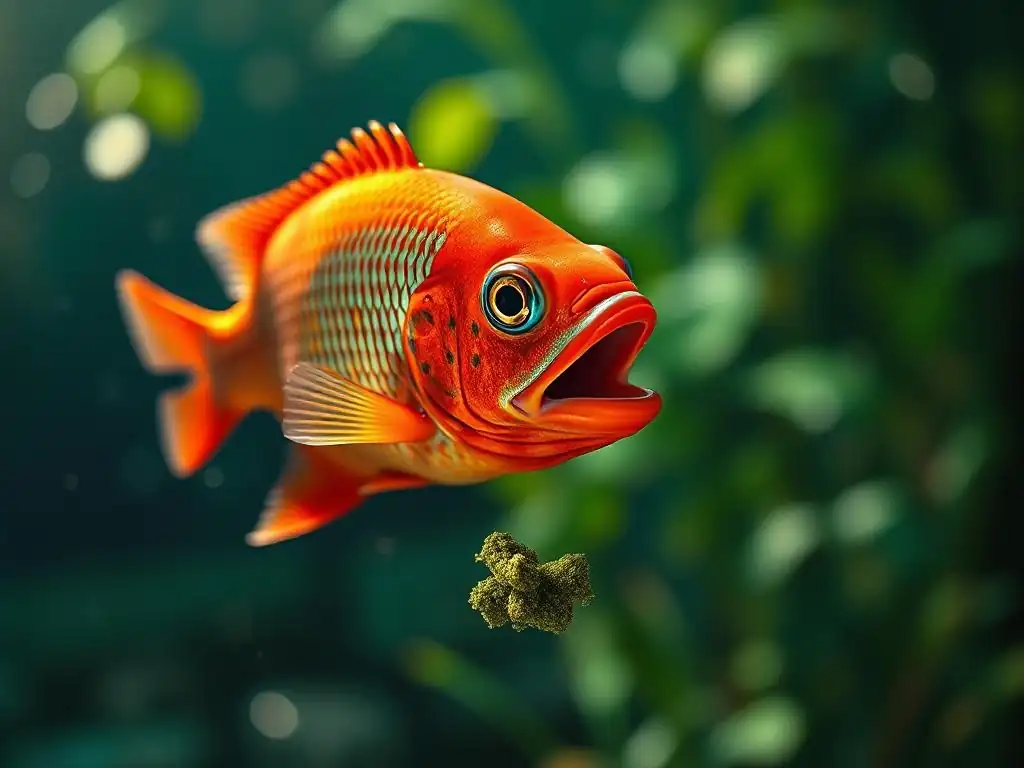
Feeding dwarf cichlids in a community tank requires careful strategy to ensure all individuals, particularly the more timid or subordinate ones, receive adequate nutrition. Dwarf cichlids can be territorial, and dominant individuals may monopolize food sources, leaving less aggressive tank mates underfed. The key is to distribute dwarf cichlid food options widely and in multiple locations within the tank. Instead of dropping all food in one spot, sprinkle flakes or small pellets across the surface, or target different areas with frozen foods.
Feeding small amounts multiple times a day (e.g., 2-3 times) rather than one large meal can also help. This allows more opportunities for less assertive fish to grab food. Observing feeding behavior is crucial: watch for individuals that consistently miss out or appear thin. If necessary, consider temporarily distracting dominant fish with a small portion of food on one side of the tank while offering another portion to shyer fish on the opposite side.
Minimizing Competition from Other Tank Mates
Competition for dwarf cichlid food options in a community tank isn't just from other cichlids; faster-moving or larger tank mates can also quickly consume all available food. Species like tetras, rasboras, or even some larger livebearers can be very efficient eaters, leaving little for the slower-feeding dwarf cichlids. To minimize this competition, consider the feeding habits of your tank mates. If you have surface feeders, offer a small amount of floating food first to satisfy them.
Then, quickly follow up with sinking pellets or frozen foods that will fall to the mid-water column or bottom, where dwarf cichlids are more likely to forage. Using a feeding ring can help contain floating foods, while target feeding with a pipette or tongs can deliver specific dwarf cichlid food options directly to the cichlids' preferred feeding zones. Ensuring a proper stocking density also helps; an overcrowded tank will naturally lead to more intense food competition.
Targeted Feeding Techniques for Shy or Picky Eaters
Some dwarf cichlids, especially newly introduced ones, wild-caught specimens, or those under stress, can be shy or picky eaters. For these individuals, targeted feeding techniques are essential. Using a long pipette or turkey baster to deliver frozen or live dwarf cichlid food options directly into their vicinity is highly effective. This minimizes competition and allows the fish to eat at their own pace without feeling threatened. For example, if you have a shy Apistogramma hiding in a cave, you can gently squirt a small portion of defrosted bloodworms near its hiding spot.
Another strategy for picky eaters is to introduce a variety of highly palatable live foods, such as blackworms or bloodworms. The natural movement and strong scent of live foods can often entice even the most reluctant feeders. Once they start accepting live foods, you can gradually introduce small amounts of other dwarf cichlid food options, like frozen alternatives or finely crushed high-quality pellets, by mixing them in. Consistency and patience are key; it may take several days or even weeks for a shy or picky eater to become comfortable with new foods and feeding routines.
Overfeeding and Water Quality Issues
Overfeeding is one of the most common and detrimental mistakes in aquarium keeping, leading directly to poor water quality. When dwarf cichlids are given too much food, uneaten portions decompose rapidly, releasing ammonia and nitrites, which are highly toxic to fish. Even if these are processed into nitrates by the nitrogen cycle, excessive nitrates still accumulate, requiring more frequent and larger water changes. High nitrate levels, typically above 20 ppm, can stress dwarf cichlids, suppress their immune system, and contribute to faded colors, fin rot, and other health issues.
The solution is to feed small amounts, multiple times a day, only what your dwarf cichlids can consume within 2-3 minutes. It's better to underfeed slightly than to overfeed. If you notice uneaten dwarf cichlid food options lingering on the substrate after feeding, you are likely feeding too much. Regularly siphon out any uneaten food and perform consistent water changes (e.g., 25-30% weekly) to maintain pristine water parameters, which are paramount for the health and vibrancy of these sensitive fish.
Identifying and Treating Malnutrition in Dwarf Cichlids
Malnutrition in dwarf cichlids can manifest in several ways, often subtly at first. Common signs include stunted growth, faded or dull coloration, emaciation (a sunken belly or very thin body), lethargy, and a weakened immune system leading to susceptibility to diseases like fin rot or ich. A fish might also exhibit a lack of appetite or refusal of certain dwarf cichlid food options if its diet has been consistently poor. These symptoms indicate that the fish is not receiving the necessary protein, vitamins, or minerals for proper physiological function.
Treating malnutrition involves a comprehensive dietary overhaul. Immediately switch to high-quality, varied dwarf cichlid food options, prioritizing live and frozen foods rich in protein and natural pigments. For severely emaciated fish, consider target feeding with highly palatable and nutritious options like blackworms or bloodworms to ensure they receive adequate intake. Supplementing with vitamin drops designed for aquarium fish can also help replenish depleted reserves. Improve water quality to reduce stress, and observe the fish closely for signs of recovery, which may take several weeks. If the fish continues to decline, consult with an experienced aquarist or aquatic veterinarian.
Addressing Food Refusal and Picky Eating Habits
Food refusal or persistent picky eating in dwarf cichlids can be a challenging problem for aquarists. It can stem from various factors, including stress (from poor water quality, bullying, or new environments), illness, or simply a strong preference for specific dwarf cichlid food options. If a fish suddenly stops eating, first check water parameters (ammonia, nitrite, nitrate, pH, temperature) to rule out environmental stress. Then, observe for any signs of illness like clamped fins, labored breathing, or abnormal swimming.
If water parameters are stable and no overt illness is present, try offering a variety of highly palatable live or frozen dwarf cichlid food options that mimic their natural diet, such as bloodworms, Mysis shrimp, or blackworms. Sometimes, a change in texture or scent can entice a reluctant eater. For new fish, patience is key; they may need time to adjust to their new surroundings and accept prepared foods.
Gradually introduce new dwarf cichlid food options by mixing small amounts with familiar favorites. If the issue persists, consider isolating the fish in a hospital tank to reduce stress and allow for more focused feeding attempts.
Creating a Feeding Schedule for Healthy Dwarf Cichlids
Recommended Feeding Frequency and Portion Sizes
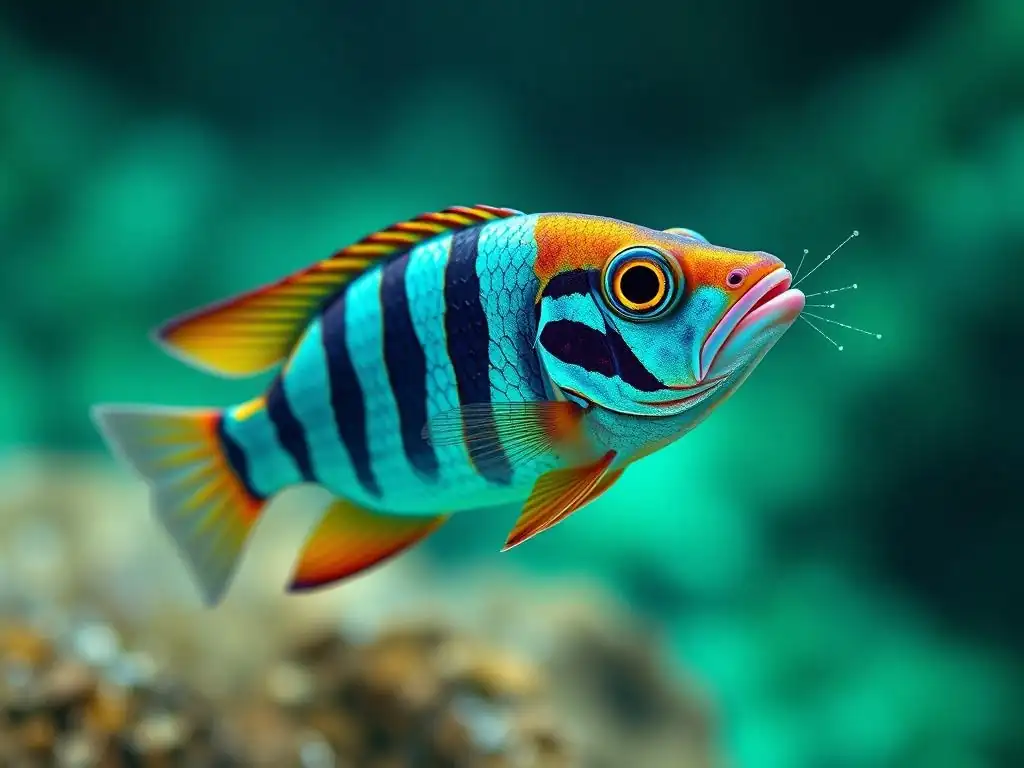
Establishing a consistent feeding schedule is fundamental for the health and vitality of dwarf cichlids. For most adult dwarf cichlids, feeding 2-3 times per day is ideal. This frequency allows them to consume smaller, more manageable portions, mimicking their natural foraging behavior and preventing overfeeding. Each feeding portion should be small enough to be entirely consumed within 2 to 3 minutes. Any dwarf cichlid food options left uneaten after this time should be promptly removed to prevent water quality degradation.
For example, a typical feeding might involve a pinch of high-quality flake food in the morning, a small cube of defrosted Mysis shrimp in the afternoon, and a few small sinking pellets in the evening. This varied approach not only provides a broad nutritional spectrum but also keeps the fish engaged and active. Observing your fish during feeding is crucial; if they seem to finish food too quickly and are still actively searching, you might slightly increase the portion size, but always err on the side of caution.
Adjusting the Feeding Schedule Based on Life Stage and Breeding Status
The feeding schedule and dwarf cichlid food options should be adjusted based on the fish's life stage and breeding status. Fry require much more frequent feedings due to their rapid growth rate and high metabolism. Newly hatched dwarf cichlid fry should be fed 4-6 times daily with very small, highly nutritious foods like newly hatched brine shrimp nauplii, microworms, or infusoria. As they grow into juveniles, the frequency can be reduced to 3-4 times daily, and the size of the food can gradually increase to finely crushed flakes or small pellets.
Adult dwarf cichlids that are actively breeding or conditioning for breeding will also benefit from increased feeding frequency and richer dwarf cichlid food options. Offering high-protein live and frozen foods 3-4 times a day can help boost egg production and sperm quality, providing the energy reserves needed for spawning and parental care. Once breeding is complete, or if fish are not breeding, revert to the standard 2-3 times daily feeding schedule to prevent obesity and associated health issues. Always monitor the fish's body condition and adjust accordingly.
Conclusion: Mastering Dwarf Cichlid Nutrition for a Thriving Aquarium
Mastering dwarf cichlid nutrition is the cornerstone of a thriving and visually stunning aquarium. By understanding their specific dietary needs, which lean heavily towards high-quality proteins, healthy fats, and a rich array of vitamins and minerals, aquarists can provide a diet that supports not only growth and health but also the vibrant coloration these fish are renowned for. The best dwarf cichlid food options are those that offer diversity, mimicking their natural foraging habits.
Integrating a varied regimen of high-quality flakes and pellets as primary staples, supplemented generously with nutrient-dense frozen foods like Mysis shrimp and bloodworms, and occasionally with live foods such as brine shrimp or blackworms, ensures a comprehensive nutritional intake. Paying close attention to natural color enhancers like astaxanthin and spirulina will unlock their full chromatic potential.
Furthermore, diligent feeding strategies in community tanks, combined with vigilance against overfeeding and malnutrition, are vital for maintaining pristine water quality and robust fish health. By meticulously crafting and adhering to a balanced feeding schedule, aquarists can cultivate dwarf cichlids that are not only healthy and active but also display their most brilliant and captivating colors, truly transforming the aquarium into a dynamic underwater masterpiece.
Frequently Asked Questions
What are the best food options for enhancing the color of my Dwarf Cichlids?
The best food options often include those rich in natural color enhancers like astaxanthin and beta-carotene. Look for foods formulated to promote vibrant colors.
How often should I feed my Dwarf Cichlids to ensure optimal health?
Generally, feeding small amounts two to three times a day is ideal. Ensure that the food is completely consumed within a few minutes to prevent overfeeding.
What types of food should I avoid when feeding my Dwarf Cichlids?
Avoid foods with excessive fillers or those that are primarily made of plant-based ingredients, as Dwarf Cichlids are predominantly carnivores.
What is the importance of a varied diet for Dwarf Cichlids?
A varied diet is crucial for ensuring your Dwarf Cichlids receive all the necessary nutrients. Offer a mix of flake, pellet, and frozen foods.
How can I ensure my Dwarf Cichlids are getting enough protein in their diet?
Look for foods with a high protein content, ideally derived from quality animal sources like fish meal, shrimp, or bloodworms.
Final Reflection: A Spectrum of Health and Color
The journey to understanding the best dwarf cichlid food options is more than just a quest for optimal nutrition; it's an exploration of how we can actively participate in the vibrant lives of these miniature marvels. In a world increasingly disconnected from the natural rhythms of life, choosing the right food becomes a powerful act of connection, allowing us to witness the flourishing health and dazzling colors that proper care unlocks.
This exploration has highlighted the profound impact of diet on the well-being of these delicate creatures. Witnessing the transformation from dull to dazzling, from listless to lively, underscores the responsibility we bear as caretakers. The greatness of a nation and its moral progress can be judged by the way its animals are treated.
- Mahatma Gandhi. This quote, though often applied to larger animals, resonates deeply here, reminding us that compassion and mindful care extend to even the smallest inhabitants of our aquariums.
Now, armed with this knowledge, I invite you to reflect on your own approach to caring for your dwarf cichlids. Consider how you can elevate their lives, not just through sustenance, but through a conscious commitment to providing them with the best possible environment to thrive. Let's embrace the opportunity to become stewards of their vibrant health and breathtaking beauty, ensuring that these miniature jewels continue to captivate and inspire us for years to come.
Ignite Your Cichlids' Radiance!
Thank you for diving into the world of dwarf cichlid nutrition! We hope this article has empowered you with the knowledge to keep your fish thriving. Now, let's put that knowledge into action and witness the breathtaking transformation in your aquarium!
Here are some steps you can take right now:
- Immediately review your cichlids' current diet and identify areas for improvement based on what you've learned. Are they getting enough variety? Are the food sizes appropriate?
- Share your newfound wisdom! Post a picture of your vibrant cichlids on social media using #AquariumMasteryCichlids.
- Dive deeper: Research a rare or unusual food source that might further enhance your cichlids' colors and share your findings in the comments below!
What innovative feeding strategies are you going to use to unlock your dwarf cichlids' full potential?