
Advanced Care Techniques for Rare & Exotic Gobies, Blennies & Dragonets in Nano Reefs

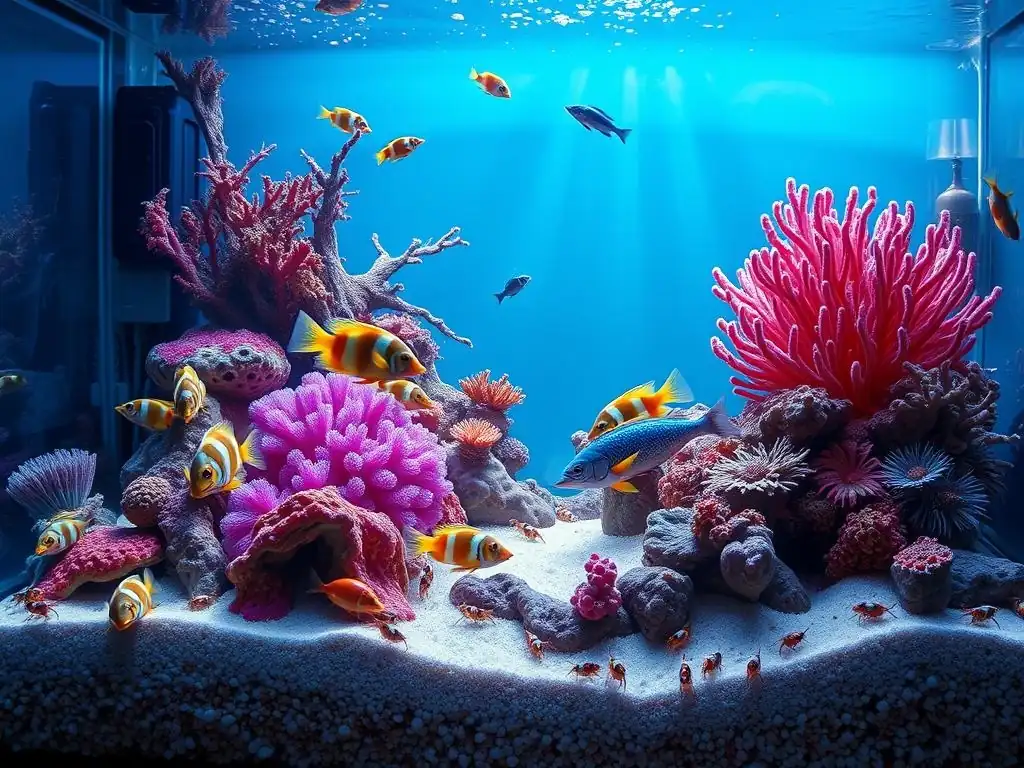
Welcome to Aquarium Mastery!
Curious about keeping those tiny, vibrant reef inhabitants thriving in your nano aquarium? Dive into the fascinating world of Nano Reef Goby Care. Discover secrets to unlocking the full potential of these captivating fish, and learn advanced techniques for maintaining a healthy and vibrant nano reef ecosystem. Ready to elevate your goby-keeping game? Let's explore!
- Introduction to Nano Reef Keeping with Gobies, Blennies, and Dragonets
- Selecting the Right Rare & Exotic Species for Your Nano Reef
- Advanced Nano Reef Goby Care: Optimizing the Environment
- Blenny Care in Nano Reefs: Providing Natural Grazing
- Dragonet Care in Nano Reefs: Overcoming Dietary Challenges
- Maintaining Optimal Water Quality in Nano Reefs with Sensitive Fish
- Addressing Common Health Issues in Nano Reef Gobies, Blennies, and Dragonets
- The Future of Nano Reef Keeping: Sustainable Practices for Rare Species
- Conclusion: Mastering Nano Reef Goby Care and Beyond
-
Frequently Asked Questions
- What makes Nano Reef Gobies different from other gobies?
- What are the key considerations for water chemistry in a nano reef with gobies?
- What type of food is best for rare and exotic gobies in a nano reef?
- What are some common health issues that affect nano reef gobies, and how can I prevent them?
- How do I choose compatible tank mates for my nano reef gobies?
- Final Reflection: The Delicate Dance of Nano Reef Life
- Ignite Your Nano Reef Passion!
Introduction to Nano Reef Keeping with Gobies, Blennies, and Dragonets
The Appeal of Miniature Reefs: A Haven for Small Fish
The allure of nano reef aquariums, typically defined as tanks under 30 gallons and often ranging from 10 to 20 gallons, has surged in recent years. Their compact size makes them ideal for smaller living spaces, and their lower initial setup costs compared to larger systems are attractive to many aspiring aquarists. Despite their diminutive footprint, well-designed nano reefs can replicate the intricate beauty and ecological complexity of a small, isolated reef ecosystem, offering a captivating window into the marine world.
Furthermore, nano reefs provide a unique opportunity to house and observe smaller, more delicate marine species, such as various gobies, blennies, and dragonets, which might otherwise be overlooked or outcompeted in larger, more densely stocked aquariums. These miniature environments allow aquarists to appreciate the nuanced behaviors and vibrant personalities of these tiny inhabitants up close, making a meticulously maintained nano reef goby tank a truly rewarding and visually striking focal point in any home or office.
Understanding the Unique Needs of Gobies, Blennies, and Dragonets in Nano Tanks
While the appeal of nano tanks is undeniable, their small water volume presents significant challenges, primarily concerning water parameter stability. Compared to larger systems, fluctuations in temperature, salinity, and water chemistry occur much more rapidly and dramatically in nano reefs, posing a higher risk to sensitive marine life. Maintaining pristine water quality, a stable temperature range (ideally 76-82°F or 24-28°C), and consistent salinity (specific gravity of 1.023-1.026) is paramount for the health and longevity of their inhabitants.
Beyond general water quality, gobies, blennies, and dragonets each possess distinct requirements that must be meticulously addressed in a nano environment. Gobies, often bottom-dwellers, require a fine sand bed for sifting and burrowing, along with specific shelters. Blennies, typically perching fish, need abundant rockwork with crevices for hiding and grazing surfaces for their diet. Dragonets, especially the popular Mandarin Dragonet, are perhaps the most challenging, as they are highly specialized feeders, relying almost exclusively on a constant supply of live copepods and amphipods – a significant hurdle in any small system, making advanced nano reef goby care crucial.
Selecting the Right Rare & Exotic Species for Your Nano Reef
Compatibility Considerations: Gobies, Blennies, and Dragonets Tank Mates
In the confined quarters of a nano reef, careful consideration of tank mate compatibility is absolutely essential to prevent stress, aggression, and ultimately, loss of life. Overstocking is a common pitfall, and the general rule of thumb for marine tanks (one fish per 5-10 gallons) becomes even more stringent for nanos, often allowing for only one or two very small, peaceful fish. Focus should be on compatible, small invertebrates like cleaner shrimp (e.g., Skunk Cleaner Shrimp, Lysmata amboinensis), various small snails (e.g., Nassarius, Trochus), and hermit crabs, alongside select peaceful fish.
When considering fish, suitable choices include various species of Clown Gobies (Gobiodon spp. ), Trimma Gobies (Trimma spp. ), and Eviota Gobies (Eviota spp. ), which typically remain under 2 inches (5 cm) and are generally non-aggressive. Small blennies like the Tailspot Blenny (Ecsenius stigmatura) can also thrive. Conversely, species to avoid include most damselfish (notoriously aggressive), larger wrasses (can outcompete or harass), and any species known to grow beyond 3-4 inches (7-10 cm). Even among peaceful nano reef goby species, careful observation is needed to ensure no territorial disputes arise.
Assessing the Temperament of Exotic Gobies for Nano Reefs
Not all gobies are created equal when it comes to suitability for nano reefs. While some larger sand-sifting gobies like the Diamond Watchman Goby (Valenciennea puellaris) are popular, their adult size (up to 6 inches or 15 cm) and active sifting can overwhelm a small tank, making them unsuitable for true nano setups under 20-25 gallons. Instead, the focus should be on truly diminutive and less boisterous species that adapt well to confined spaces and do not exhibit excessive territoriality.
Excellent choices for exotic nano reef gobies include the charming Panda Goby (Paragobiodon echinocephalus), which stays under 1.5 inches (4 cm) and often perches on live rock, or the various species within the Trimma and Eviota genera, many of which remain under an inch (2.5 cm) and are known for their peaceful demeanor. Neon Gobies (Elacatinus oceanops), also small and often captive-bred, are another great option, known for their cleaning behaviors. Prioritizing these tiny, calm species is fundamental to successful nano reef goby care.
Blenny Behavior in Nano Reef Aquariums: What to Expect
Blenny species typically exhibit unique behaviors in the aquarium, often characterized by their perching habits, curious personalities, and a tendency to graze on biofilm and microalgae. While many blennies are relatively small and appear peaceful, they can be surprisingly territorial, especially towards other blennies or fish with similar body shapes, particularly in the limited confines of a nano tank. Providing ample live rock with numerous crevices, caves, and perching spots is crucial for their well-being, offering them security and reducing potential aggression.
Common blennies suitable for nano reefs include the Tailspot Blenny (Ecsenius stigmatura), which typically reaches about 2.5 inches (6 cm), and certain species of Lawn Mower Blennies (Salarias fasciatus) if the tank is on the larger side (20+ gallons) and has abundant algae. It's important to understand that while blennies graze, they often require supplemental feeding with high-quality spirulina-based flakes or seaweed sheets. Monitoring their behavior closely upon introduction and ensuring they have sufficient resources and personal space will help prevent stress and maintain harmony in the nano reef.
Dragonet Diet and Care Challenges in Small Reef Systems
Dragonets, particularly the Mandarinfish (Synchiropus splendidus) and Spotted Mandarin (Synchiropus picturatus), are renowned for their stunning coloration but are arguably the most challenging fish to keep in nano reef systems due to their highly specialized diet. These exquisite creatures primarily subsist on live copepods and amphipods, which are microscopic crustaceans that proliferate in mature, well-established reef tanks. A new or small nano tank typically cannot sustain the dense, continuous population of live microfauna required to prevent a dragonet from starving, making their inclusion a significant hurdle for nano reef goby care.
For a dragonet to thrive, the aquarium must be mature, ideally 6-12 months old, and possess a robust refugium (a separate chamber dedicated to cultivating microfauna) rich in live rock and macroalgae. Dragonets have a very high metabolic rate and graze constantly throughout the day, requiring a steady, abundant supply of live prey.
Without sufficient natural food sources, these fish can rapidly waste away, often succumbing to starvation within a few weeks or months. Successful dragonet care in a nano reef is almost entirely dependent on the aquarist's ability to cultivate and maintain a thriving, self-sustaining population of their natural food.
Advanced Nano Reef Goby Care: Optimizing the Environment
Water Parameter Stability: Essential for Sensitive Gobies
The cornerstone of successful nano reef goby care, especially for sensitive species, is unwavering water parameter stability. The small water volume of nano tanks means that any fluctuations in temperature, salinity, pH, alkalinity, calcium, or magnesium can rapidly escalate into critical levels, causing severe stress or even fatality for delicate gobies. Maintaining consistent parameters within narrow target ranges is far more crucial than hitting exact numbers: Salinity 1.024-1.026, pH 8.1-8.4, Alkalinity 8-12 dKH, Calcium 400-450 ppm, and Magnesium 1250-1350 ppm.
To achieve this stability, aquarists must implement meticulous practices. Frequent, small water changes (e.g., 10% weekly rather than 20% bi-weekly) are highly effective in replenishing trace elements and diluting pollutants without shocking the system. The use of an auto top-off (ATO) system is indispensable for maintaining consistent salinity by replacing evaporated freshwater. Furthermore, consistent dosing of any necessary supplements for alkalinity, calcium, or magnesium should be done slowly and steadily, always using high-quality salt mix and purified RO/DI water.
Specialized Feeding Strategies for Nano Reef Gobies
Many gobies are micro-predators or sand-sifters by nature, meaning they often do not compete well for broadcast-fed foods alongside more aggressive tank mates or if the food particles are too large. Their feeding behaviors necessitate specialized approaches to ensure they receive adequate nutrition and thrive in the nano reef environment. A varied diet is essential, incorporating small, meaty foods that mimic their natural prey.
Due to their often shy nature or specific dietary preferences, several techniques can be employed to ensure these delicate fish are well-fed. Culturing live foods provides an irresistible and nutritious option for finicky eaters, while target feeding ensures that food reaches the desired fish directly, preventing it from being lost in filtration or consumed by other inhabitants. These methods are vital components of comprehensive nano reef goby care.
Live Food Cultures for Finicky Eaters
For many finicky or newly introduced gobies, live foods can be the key to enticing them to eat and ensuring their nutritional needs are met. Newly hatched brine shrimp (Artemia nauplii), various species of copepods (e.g., Tisbe, Tigriopus, Apocyclops), and rotifers are excellent options. While brine shrimp are highly palatable, it's crucial to gut-load them with a nutritious phytoplankton or algal paste before feeding, as they are nutritionally deficient on their own.
Culturing these live foods at home, though requiring some dedication and equipment, provides a consistent and high-quality food source that closely mimics the natural diet of many gobies and dragonets. A simple setup for copepods might involve a small container with airline tubing, a light source, and a suitable phytoplankton culture. This effort often proves invaluable for the long-term success and vibrancy of delicate species in a nano reef.
Target Feeding Techniques for Shy Gobies
Target feeding is a highly effective strategy to ensure that shy or slow-feeding gobies receive adequate nutrition without competition from faster tank mates. This technique involves using a pipette, turkey baster, or specialized feeding stick to deliver food directly into the goby's territory or near its hiding spot. This minimizes wasted food and ensures that the intended fish consumes the meal.
Suitable foods for target feeding include small, meaty items like enriched frozen mysis shrimp, finely chopped krill, various frozen blends designed for marine fish, or even small pellets. It's often beneficial to feed small amounts multiple times a day rather than one large meal, especially for fish with high metabolisms. This approach not only ensures proper nutrition but also reduces the overall bioload on the nano system, which is critical for maintaining pristine water quality.
Creating a Goby-Friendly Substrate and Rockscape
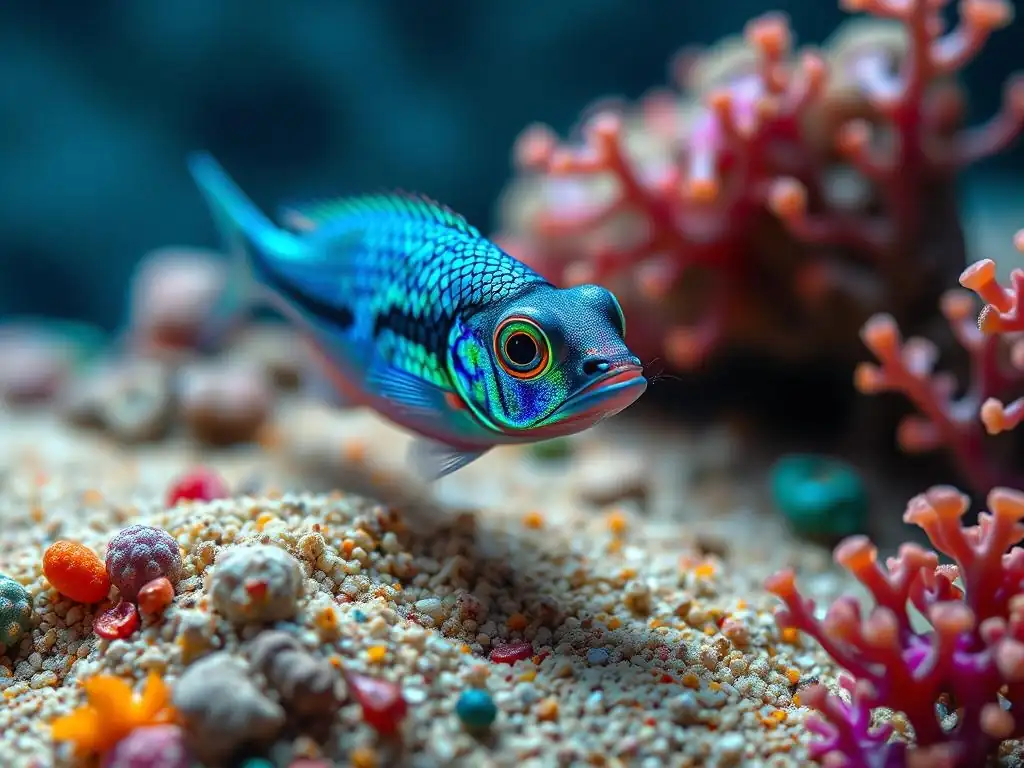
Many goby species are fossorial, meaning they naturally burrow into or sift through the substrate, or they form symbiotic relationships with pistol shrimp that create elaborate burrows. Therefore, providing an appropriate substrate is fundamental to their well-being and allows them to exhibit natural behaviors. A fine-grained aragonite sand bed, ideally 1-3 inches (2.5-7.5 cm) deep with a grain size of 0.5-1.5 mm, is generally recommended for sand-sifting species.
The rockscape within a nano reef should be designed to offer both open areas for sand-sifters and plenty of stable crevices, caves, and overhangs for gobies to hide, establish territories, and feel secure. Aquascaping should prioritize stability, ensuring that the rockwork is firmly seated and won't shift or collapse, especially if burrowing species are present. A thoughtfully constructed environment significantly reduces stress and enhances the overall success of nano reef goby care.
The Importance of Sand Sifting for Goby Health
For sand-sifting gobies, their natural behavior of constantly sifting through the substrate is not merely a quirk; it's a vital activity for their health and the ecosystem of the tank. This continuous sifting helps to aerate the sand bed, preventing the buildup of anaerobic pockets that can release harmful gases like hydrogen sulfide. It also exposes microfauna within the sand, providing a supplemental food source for the goby.
Without a suitable, fine sand bed, sand-sifting gobies can become stressed, refuse to eat, and eventually succumb to health issues. It's crucial to understand that these gobies are not simply "cleanup crew" for the sand; rather, they are species that require a healthy, active sand bed to express their natural behaviors and thrive. Providing this essential element is a cornerstone of responsible nano reef goby care.
Minimizing Stressors in the Nano Reef Environment
Stress is a silent killer in any aquarium, and in the delicate balance of a nano reef, even minor stressors can have significant consequences for sensitive gobies. Common stressors include fluctuating water parameters, aggressive tank mates, inadequate hiding spots, insufficient food, and sudden changes in lighting or water flow. Chronic stress weakens a fish's immune system, making it highly susceptible to diseases and infections.
To minimize stressors, aquarists must maintain unwavering water parameter stability through diligent testing and consistent husbandry. Choosing compatible, peaceful tank mates is paramount, and ensuring ample, secure hiding places for each fish provides a sense of security. Consistent, appropriate feeding schedules, coupled with a stable lighting cycle and gentle water flow, contribute to a calm and thriving environment. Proactive stress reduction is a key element of successful nano reef goby care.
Blenny Care in Nano Reefs: Providing Natural Grazing
Algae Control and Supplementation for Blennies
Many blenny species are primarily herbivorous grazers, constantly picking at biofilm and microalgae on live rock and tank surfaces. In a relatively clean nano reef, especially one that is well-maintained with efficient filtration and low nutrient levels, the natural algae growth might be insufficient to sustain a blenny's dietary needs. This necessitates consistent and appropriate supplemental feeding to ensure their health and longevity.
To meet their dietary requirements, aquarists should offer high-quality spirulina-based flakes, marine pellets, or dried seaweed sheets (such as nori) attached to a rock clip. It's crucial to vary their diet and ensure the blenny readily accepts prepared foods. Observing their grazing habits and overall body condition will indicate if they are receiving adequate nutrition. A healthy blenny will have a full belly and active grazing behavior.
Creating a Diverse Microfauna Ecosystem
While not as critically dependent on live microfauna as dragonets, a healthy and diverse population of copepods and amphipods within the nano reef provides a beneficial supplemental food source for many omnivorous blenny species. These tiny crustaceans contribute to the overall biodiversity of the tank and can enrich the blenny's diet, reducing their sole reliance on prepared foods. A well-established refugium or a thriving live rock network can help cultivate these populations.
Encouraging the growth of a robust microfauna ecosystem involves incorporating a good amount of live rock with plenty of porous surfaces and potentially a small deep sand bed in a sump or hang-on back refugium. A diverse cleanup crew consisting of various snails and small hermit crabs can also contribute by keeping detritus under control, which in turn supports the microfauna. A natural, thriving ecosystem benefits all inhabitants of the nano reef.
Preventing Blenny Aggression in Confined Spaces
Despite their typically peaceful demeanor, many blenny species can exhibit territorial aggression, particularly towards other blennies or fish with similar body shapes, especially when housed in the confined space of a nano reef. This aggression stems from their instinct to defend prime grazing spots or preferred hiding crevices. Careful planning of the aquascape and stocking list is essential to mitigate potential conflicts.
To prevent aggression, ensure that the nano reef provides ample individual hiding spots, visual barriers created by rockwork, and distinct territories for each fish. It is generally advisable to avoid keeping multiple blenny species in a small nano reef unless the species are known to be highly compatible and the tank is sufficiently large (e.g., 20+ gallons for two small, distinct species). Closely observe their interactions upon introduction and be prepared to intervene if persistent aggression is observed.
Dragonet Care in Nano Reefs: Overcoming Dietary Challenges
Cultivating Copepods and Amphipods: A Dragonet's Lifeline
For dragonets, particularly the Mandarinfish, live copepods and amphipods are not just a supplemental food source; they are their primary and often sole diet. In a nano reef, maintaining a sufficient and continuous supply of these microcrustaceans is the single greatest challenge. A dedicated refugium, whether a sump-based system or a hang-on back model, filled with live rock rubble, macroalgae (such as Chaetomorpha), and potentially a deep sand bed, is almost universally considered mandatory to cultivate a thriving population of these essential prey items.
The process of establishing a robust copepod and amphipod population requires patience. The refugium should be seeded with various species of copepods (e.g., Tisbe, Tigriopus, Apocyclops) and amphipods and allowed several weeks to months to establish a self-sustaining culture before a dragonet is introduced. Regular re-seeding of cultures may also be necessary to maintain density, especially if the dragonet is a voracious eater. This commitment to live food cultivation is the most critical aspect of successful nano reef goby care when including dragonets.
Supplemental Feeding Options for Dragonets in Nano Tanks
While live copepods are paramount, some dragonets can, with considerable patience and persistence, be trained to accept frozen foods. This is a challenging endeavor, and success rates vary significantly among individual fish. Suitable frozen foods for training include enriched frozen mysis shrimp, cyclop-eeze, or other very small, meaty preparations. These foods are typically offered via target feeding, using a pipette or baster to deliver the food directly in front of the dragonet.
It is crucial to understand that even if a dragonet accepts frozen food, it should be considered a supplement rather than a complete replacement for live pods. Many dragonets will revert to their live-food-only preference if the opportunity arises, and the nutritional completeness of prepared foods for these highly specialized feeders is still debated. In a small nano tank, where competition for any available food is high, training a dragonet to eat prepared foods becomes even more difficult.
Managing Nutrient Levels to Support Pod Populations
Paradoxically, while reef aquarists typically strive for ultra-low nutrient levels (nitrate, phosphate) to prevent nuisance algae and maintain coral health, copepod and amphipod populations, which are vital for dragonets, thrive in systems with moderate, detectable nutrient levels. If the water in the refugium is too pristine, the microalgae and detritus that support the pod populations will diminish, leading to a crash in their numbers.
Therefore, a delicate balance must be struck. The display tank should ideally maintain ultra-low nitrate (<5 ppm) and phosphate (<0.03 ppm) levels to benefit corals and other sensitive inhabitants. However, the refugium, being a separate ecosystem, can tolerate slightly higher, but still controlled, nutrient levels (e.g., 0.5-5 ppm nitrate, 0.02-0.05 ppm phosphate) to support robust pod populations. This might involve careful nutrient export strategies, such as regular harvesting of macroalgae from the refugium, rather than relying solely on aggressive protein skimming in the display tank, which can strip too many nutrients.
Maintaining Optimal Water Quality in Nano Reefs with Sensitive Fish
Advanced Filtration Techniques for Nano Reefs
The inherent limitations of traditional hang-on-back filters in nano reefs necessitate the implementation of more robust and varied filtration techniques to maintain the pristine water quality required by sensitive gobies, blennies, and dragonets. Effective filtration in a nano system must prioritize strong biological filtration to process ammonia and nitrite, alongside efficient mechanical filtration to remove particulate matter and detritus before it breaks down and contributes to nutrient buildup.
Advanced options for nano reefs often include incorporating a sump (for larger nanos, typically 20 gallons and above) or a hang-on-back refugium, which can house additional live rock, macroalgae, and dedicated biological media. Media reactors, though less common in very small nanos, can be employed to precisely manage chemical filtration media like activated carbon for water clarity and GFO (granular ferric oxide) for phosphate removal, though their use requires careful monitoring to avoid stripping beneficial elements.
The Role of Protein Skimmers in Small Systems
Protein skimmers are highly effective tools for removing organic waste from the water column before it has a chance to break down into nitrates and phosphates. While some aquarists debate their necessity in very small, lightly stocked nano reefs, for systems housing sensitive fish like gobies, blennies, and especially dragonets, a small, efficient protein skimmer is highly recommended. It acts as a proactive defense against water quality degradation, significantly contributing to the overall stability and health of the system.
When selecting a skimmer for a nano reef, prioritize quiet, compact models specifically designed for smaller water volumes (e.g., rated for 20-50 gallons for a 10-20 gallon tank to ensure sufficient capacity). Regular cleaning of the skimmer collection cup, ideally daily or every few days, is crucial to maintain its efficiency and ensure consistent removal of organic waste. A well-functioning skimmer is a powerful asset in maintaining optimal nano reef goby care.
Implementing Regular Water Changes for Stability
Regular water changes are arguably the single most important husbandry practice in any reef aquarium, and their significance is amplified in nano reefs. They serve multiple critical functions: replenishing essential trace elements that are consumed by corals and other invertebrates, diluting accumulated pollutants (like nitrates and phosphates), and maintaining overall water parameter stability. The frequency and volume of water changes are key considerations for sensitive species.
For nano reefs with gobies, blennies, and dragonets, it is highly recommended to perform small, frequent water changes, such as 10-15% of the total volume weekly, rather than larger, less frequent changes. This approach minimizes the shock to sensitive inhabitants by preventing drastic swings in water chemistry. Always ensure that the new saltwater is properly mixed, aerated, and temperature-matched to the aquarium water before adding it to the tank.
Monitoring and Adjusting Key Water Parameters
Consistent and accurate monitoring of key water parameters is indispensable for successful nano reef keeping, especially when housing sensitive fish. Even slight shifts from optimal ranges can induce stress, weaken immune systems, and lead to disease in delicate species. Therefore, investing in a reliable and comprehensive marine aquarium test kit is a foundational step.
Testing frequency should be adjusted based on the tank's maturity and stocking level. For new setups or during periods of change, daily testing of critical parameters like salinity and temperature is advisable. For established nano reefs, weekly testing of alkalinity, calcium, magnesium, nitrate, and phosphate is generally recommended. Regular monitoring allows for timely adjustments, preventing minor deviations from becoming major issues and ensuring consistent nano reef goby care.
Alkalinity, Calcium, and Magnesium Balance
Alkalinity, calcium, and magnesium are often referred to as the "big three" parameters in reef keeping, as they are crucial for coral growth and overall reef health. While gobies, blennies, and dragonets do not directly consume these elements like corals do, stable levels are vital for the general health of the entire ecosystem, which in turn impacts the fish. Target ranges are typically 8-12 dKH for alkalinity, 400-450 ppm for calcium, and 1250-1350 ppm for magnesium.
Maintaining these parameters in a nano reef can be achieved through regular water changes for very lightly stocked tanks without many corals. For nanos with growing corals, two-part dosing solutions or kalkwasser drips may be necessary to replenish consumed elements. The key principle is stability: consistent levels within the recommended range are far more beneficial than chasing perfect numbers that fluctuate wildly.
Nitrate and Phosphate Control Strategies
While low levels of nitrates and phosphates are necessary to support the microalgae and detritus that form the base of the food web for copepods and amphipods (vital for dragonets), high concentrations are detrimental to both fish health and coral growth. In the display tank, the goal is typically ultra-low levels: nitrates ideally below 5 ppm and phosphates below 0.03 ppm.
Strategies for controlling these nutrients include regular water changes, strict adherence to proper feeding habits (avoiding overfeeding), and efficient mechanical filtration to remove uneaten food and detritus. Protein skimming is highly effective in removing organic precursors to these nutrients. Furthermore, incorporating macroalgae in a refugium (which consumes nitrates and phosphates as it grows) and, with caution, using chemical media like GFO (granular ferric oxide) can help export excess nutrients.
Addressing Common Health Issues in Nano Reef Gobies, Blennies, and Dragonets
Recognizing Early Signs of Disease
In a nano reef, where water volume is small and inhabitants are often delicate, the rapid spread of disease is a constant threat. Treating sick fish directly in a display tank containing corals and invertebrates is often impossible due to medication toxicity. Therefore, recognizing the early signs of disease is paramount to allow for timely intervention, ideally in a separate quarantine tank. Common warning signs include clamped fins, labored breathing, visible spots (e.g., marine ich, velvet), cloudy eyes, loss of appetite, lethargy, abnormal swimming patterns, and fading coloration.
Daily observation of your fish's behavior and physical appearance is the most effective way to detect subtle changes. A deviation from their normal routine, such as hiding more than usual, rubbing against rocks, or refusing food, can indicate stress or the onset of illness. Prompt action, such as isolating the affected fish, can prevent a localized issue from becoming a widespread epidemic, especially for a sensitive nano reef goby population.
Quarantine Procedures for New Arrivals
The single most effective measure to prevent the introduction of diseases and parasites into your established nano reef is to implement a strict quarantine (QT) protocol for all new fish, corals, and invertebrates. Even seemingly healthy specimens can harbor dormant parasites (like marine ich or velvet) or bacterial infections that can decimate an entire display tank. A simple 5-10 gallon QT tank, equipped with a heater, filter, and PVC pipes for hiding, can suffice for most nano fish.
A typical QT protocol involves observing new fish for 4-6 weeks in the quarantine tank. During this period, prophylactic treatments for common parasites (e.g., using copper-based medications or Chloroquine Phosphate) and observation for bacterial infections are conducted. This proactive approach significantly increases the long-term success and health of your nano reef inhabitants by ensuring that only healthy, disease-free specimens are introduced into the main display.
Treating Common Parasites and Infections
Common external parasites like marine ich (Cryptocaryon irritans) and velvet (Amyloodinium ocellatum) are highly contagious and can be lethal if left untreated. Crucially, most effective treatments for these parasites are toxic to corals and invertebrates, meaning treatment must occur in a dedicated quarantine or hospital tank, never in the main display. Internal infections, such as bacterial issues or parasitic worms, often manifest as loss of appetite, bloating, or stringy white feces, and typically require medicated foods.
Identifying the specific disease is the first step, as different ailments require different treatments. For external parasites, copper-based medications or Chloroquine Phosphate are common, while bacterial infections may require broad-spectrum antibiotics, often administered via medicated food. Always follow manufacturer instructions precisely and complete the full course of treatment, even if symptoms disappear, to prevent recurrence.
Copper Treatments and Alternatives
Copper-based medications (e.g., Cupramine, Copper Power) are potent and widely used treatments for external parasites like marine ich and velvet. However, they are highly toxic to all invertebrates (corals, shrimp, snails, crabs) and must only be used in a dedicated quarantine or hospital tank. Maintaining precise copper levels (typically 0.3-0.5 ppm, depending on the product) throughout the treatment period is critical for efficacy and fish safety, requiring a reliable copper test kit.
Alternatives to copper include hyposalinity, which involves gradually reducing the specific gravity of the water to 1.008-1.009 for several weeks, although this can be stressful for some fish and requires constant monitoring. Chloroquine Phosphate (CP) is another effective broad-spectrum antiparasitic that is often safer for fish than copper, though still not reef-safe. Freshwater dips or formalin dips can offer temporary relief but are not curative solutions for established infections.
Probiotic and Prebiotic Use for Fish Health
Beyond traditional disease treatments, a growing area of focus in fish health is the use of probiotics and prebiotics to bolster a fish's natural immune system and digestive health. Probiotics are beneficial bacteria that, when introduced into the gut, can improve nutrient absorption and inhibit the growth of pathogenic bacteria. Prebiotics are non-digestible food ingredients that stimulate the growth and activity of these beneficial gut bacteria.
Incorporating probiotic-enriched foods or adding liquid probiotic supplements directly to the aquarium water can be a proactive measure to enhance the resilience of gobies, blennies, and dragonets against stress and disease. A healthy gut flora can improve a fish's ability to fight off infections, recover from stress, and better utilize the nutrients from their food, contributing to overall long-term health and vitality in the nano reef.
The Future of Nano Reef Keeping: Sustainable Practices for Rare Species
Ethical Sourcing of Gobies, Blennies, and Dragonets
As the popularity of nano reef keeping and the demand for rare and exotic marine species grow, the importance of ethical sourcing practices becomes paramount. The collection of wild marine fish can, if unregulated, have a detrimental impact on delicate reef ecosystems. Aquarists have a responsibility to choose fish from reputable dealers who adhere to sustainable collection methods or, ideally, prioritize suppliers of captive-bred specimens.
Supporting "reef-safe" collection practices means avoiding fish caught using destructive methods, such as cyanide fishing, which stun fish but also kill vast amounts of surrounding coral and other marine life. By actively inquiring about the origin of their fish and supporting businesses committed to responsible trade, hobbyists can directly contribute to the conservation of natural reef habitats and ensure that their passion for nano reef goby care does not come at an ecological cost.
Supporting Captive Breeding Programs
One of the most significant advancements in the marine aquarium hobby is the increasing availability of captive-bred fish. These fish offer numerous advantages: they are typically hardier, already accustomed to aquarium life and prepared foods, significantly less likely to carry diseases or parasites, and, most importantly, their purchase reduces pressure on wild populations. Many popular nano reef gobies, such as Neon Gobies (Elacatinus spp.) and certain species of Yellow Watchman Gobies (Cryptocentrus cinctus), are now regularly available as captive-bred.
Hobbyists are strongly encouraged to prioritize captive-bred specimens whenever possible, even if they come at a slightly higher initial cost. This choice directly supports the vital work of aquaculture facilities, which are pioneers in developing sustainable breeding techniques for a wider array of marine species. By choosing captive-bred, aquarists contribute to the long-term sustainability of the hobby and the conservation of wild reef ecosystems. This is a progressive and responsible aspect of modern nano reef goby care.
Minimizing Environmental Impact
Beyond ethical sourcing, responsible nano reef keeping encompasses a broader commitment to minimizing environmental impact. This includes practices such as the responsible disposal of saltwater (never dumping it down residential drains, which can harm local ecosystems), striving for energy efficiency in aquarium equipment (e.g., using LED lighting and energy-efficient pumps), and mindful consumption of resources like RO/DI water.
Furthermore, participating in or supporting coral fragging and propagation (aquacultured corals) helps reduce the demand for wild-collected corals, which are also under significant environmental pressure. Disposing of aquarium chemicals and waste responsibly, according to local regulations, prevents pollutants from entering natural waterways. Every small action taken by individual hobbyists contributes to the collective effort of preserving the fragile marine environment that inspires our aquariums.
Conclusion: Mastering Nano Reef Goby Care and Beyond
Continuous Learning and Adaptation in the Reefing Hobby
Mastering nano reef keeping, particularly when housing delicate and specialized species like gobies, blennies, and dragonets, is a continuous journey of learning, observation, and adaptation. It demands patience, thorough research, and a willingness to evolve one's practices. The dynamic nature of a closed system, coupled with the unique needs of its inhabitants, means that challenges will inevitably arise. Embracing these setbacks as learning opportunities is crucial for long-term success.
Active engagement with the reefing community, whether through online forums, local clubs, or expert resources like AquariumMastery.com, provides invaluable support and access to a wealth of shared knowledge. The marine aquarium hobby is constantly evolving, with new techniques, equipment, and scientific understanding emerging regularly. Staying informed and open to new approaches ensures that your nano reef goby care remains at the forefront of best practices.
Contributing to the Conservation of Reef Ecosystems
The privilege of maintaining a vibrant piece of the ocean in one's home comes with a profound responsibility: to contribute positively to the conservation of the very ecosystems that inspire our hobby. By making conscious, ethical choices in sourcing livestock, actively supporting captive breeding programs, and adopting sustainable husbandry practices, individual hobbyists collectively become powerful advocates for marine conservation.
A thriving nano reef, meticulously managed to provide an optimal environment for its inhabitants like gobies, blennies, and dragonets, stands as a testament to both the beauty of marine life and the potential for responsible stewardship. Through dedicated nano reef goby care and a commitment to broader conservation efforts, aquarists can ensure that future generations can also experience the wonder and complexity of coral reefs, both in their homes and in the wild.
Frequently Asked Questions
What makes Nano Reef Gobies different from other gobies?
Nano reef gobies are typically smaller in size and better suited for small aquarium environments. They also often have unique colorations and behaviors that make them highly sought after for nano reef setups.
What are the key considerations for water chemistry in a nano reef with gobies?
Maintaining stable water parameters is crucial. Pay close attention to salinity, pH, and alkalinity. Regular testing and water changes are essential for a healthy nano reef environment.
What type of food is best for rare and exotic gobies in a nano reef?
These gobies often require a varied diet including small meaty foods, frozen foods, and high-quality flake food. Offer a mix to ensure they receive all the necessary nutrients for optimal health.
What are some common health issues that affect nano reef gobies, and how can I prevent them?
Common issues include parasites and bacterial infections. Quarantine new arrivals and maintain excellent water quality to minimize the risk of disease outbreaks.
How do I choose compatible tank mates for my nano reef gobies?
Select peaceful and non-aggressive species that won't compete for food or territory. Avoid larger, predatory fish that may bully or prey on the gobies.
Final Reflection: The Delicate Dance of Nano Reef Life
The intricacies of maintaining thriving nano reefs, especially when housing rare and exotic gobies, blennies, and dragonets, demand a level of dedication and understanding that transcends simple fishkeeping. This commitment to specialized care is not merely about keeping these delicate creatures alive; it's about fostering a miniature ecosystem where they can truly flourish. The success of a nano reef hinges on our ability to replicate, and even enhance, the natural conditions these fish require, pushing the boundaries of what's possible in a confined space.
This journey into nano reef goby care has profoundly impacted the way we perceive our role in the aquarium hobby. It's a constant reminder that we are stewards of these tiny worlds, responsible for their well-being and the delicate balance within. The challenges we face, from maintaining pristine water quality to providing species-specific diets, force us to continually learn and adapt. In the end, we will conserve only what we love; we will love only what we understand; and we will understand only what we are taught.
- Baba Dioum. This quote encapsulates the essence of responsible reef keeping: understanding leads to love, and love fuels conservation.
Now, as you embark on your own nano reef adventure, remember that patience, observation, and a thirst for knowledge are your greatest allies. Take the lessons learned here and apply them not only to the care of your gobies, blennies, and dragonets, but also to the broader understanding of the interconnectedness of life within your miniature reef. Let your nano reef be a testament to the power of informed and compassionate care, a vibrant microcosm reflecting your dedication to the beauty and fragility of the natural world.
Ignite Your Nano Reef Passion!
Thank you for diving into the intricate world of nano reef care and gaining insights into the unique needs of gobies, blennies, and dragonets. Now, let's turn that knowledge into action!
- Commit to Mastering One New Feeding Technique this week to better nourish your delicate inhabitants.
- Explore local aquarium clubs or online forums to share your experiences and learn from other nano reef enthusiasts.
- Consider documenting your reef's progress with photos or videos, creating a visual journal of your journey.
What's the first small step you'll take today to elevate your nano reef husbandry?