
The Intricate Dance: Observing Goby, Blenny, and Dragonet Interactions

Welcome to Aquarium Mastery!
Ever wondered about the secret lives unfolding within your saltwater aquarium? The world of Gobies, Blennies, and Dragonets is a fascinating one, filled with unexpected alliances and subtle rivalries. Dive in to explore the intricate dance of Goby blenny dragonet tank interactions and unlock the secrets to creating a thriving and harmonious ecosystem. Ready to unravel the mysteries? Let's begin!
- Understanding Goby, Blenny, and Dragonet Compatibility in Reef Aquariums
-
Goby Species Profiles and Interaction Styles
- Identifying Common Goby Species for Nano Reefs
- Goby Behavior Patterns: Understanding Territoriality and Feeding Habits
- Goby Tank Mate Compatibility: Which Gobies Play Well Together?
- Exploring the Diversity of Blenny Personalities
- Blenny Grazing Habits and Impact on Tank Ecosystem
- Blenny Aggression Levels: Identifying Potential Problematic Behaviors
- Dragonet Species Profiles and Interaction Styles
- Analyzing Goby, Blenny, and Dragonet Interactions: Case Studies
- Preventing and Managing Potential Conflicts
- Choosing the Right Combination: A Guide to Successful Goby, Blenny, and Dragonet Communities
- Advanced Observations: Breeding and Fry Raising of Gobies, Blennies, and Dragonets
-
Frequently Asked Questions
- How do gobies, blennies, and dragonets typically interact in an aquarium environment?
- What considerations are important when housing gobies, blennies, and dragonets together?
- Are there specific goby, blenny, or dragonet species that are known to be more aggressive towards others?
- What are some signs that gobies, blennies, or dragonets are not coexisting peacefully in a tank?
- How can I minimize potential conflicts between gobies, blennies, and dragonets in my aquarium?
- Final Reflection: Unveiling Harmony in Miniature Ecosystems
- Unveil the Secrets: Become a Master Observer!
Understanding Goby, Blenny, and Dragonet Compatibility in Reef Aquariums
Why Observe Goby, Blenny, and Dragonet Behaviors?
Observing the behaviors of gobies, blennies, and dragonets is paramount for the long-term health and stability of any reef aquarium, especially nano reefs. These small, often shy fish exhibit intricate social dynamics and unique feeding strategies that, if not properly understood, can lead to stress, malnutrition, or aggression.
Early detection of subtle behavioral changes, such as a sudden lack of appetite in a Synchiropus splendidus (Mandarinfish) or increased hiding by a Stonogobiops yasha (Yellow Watchman Goby), can signal underlying issues like disease, poor water quality, or inter-species conflict, potentially preventing up to 80% of serious health crises in a mixed species tank. This proactive approach ensures that any negative Goby blenny dragonet tank interactions are identified and mitigated quickly.
Furthermore, diligent observation allows aquarists to appreciate the natural beauty and fascinating adaptations of these species. For instance, watching a Gobiodon okinawae (Okinawa Goby) perch on coral branches or a Salarias fasciatus (Lawson's Blenny) meticulously graze algae from live rock offers insights into their ecological roles. Understanding their preferred habitats, feeding methods, and territorial boundaries is crucial for successful husbandry. This knowledge directly informs aquascaping decisions, tank mate selection, and feeding regimes, ultimately fostering a harmonious environment where Goby blenny dragonet tank interactions are largely peaceful and natural.
Setting the Stage: Creating a Harmonious Reef Environment for Small Fish
Creating an ideal environment for gobies, blennies, and dragonets necessitates careful planning of tank size, aquascaping, and water parameters. For instance, a 20-gallon long (approximately 75 liters) tank might be suitable for a single pair of small gobies or a solitary blenny, but housing multiple species requires larger volumes, often 40 gallons (about 150 liters) or more, to provide adequate territory and reduce stress from Goby blenny dragonet tank interactions.
Live rock is essential, offering numerous crevices, caves, and perching spots that mimic their natural habitats and provide security. Approximately 1 to 1.5 pounds of live rock per gallon is a good starting point, ensuring ample hiding spots and surface area for beneficial bacteria.
Beyond physical structure, stable water parameters are non-negotiable. Optimal conditions include a salinity of 1.023-1.026 specific gravity, a temperature range of 75-80°F (24-27°C), pH 8.1-8.4, alkalinity 8-12 dKH, calcium 400-450 ppm, and magnesium 1250-1350 ppm. Consistent monitoring with reliable test kits, performing weekly 10-15% water changes, and utilizing a robust filtration system (sump, protein skimmer, refugium) are vital.
A healthy, mature biological filter minimizes ammonia and nitrite, while nitrates should be kept below 10-20 ppm. These stable conditions reduce stress, bolster the fish's immune systems, and are fundamental in preventing aggressive Goby blenny dragonet tank interactions that often arise from environmental discomfort or poor health.
Goby Species Profiles and Interaction Styles
Identifying Common Goby Species for Nano Reefs
Nano reef enthusiasts often gravitate towards specific goby species renowned for their vibrant colors, manageable size, and interesting behaviors. Among the most popular are the Yellow Watchman Goby ( Cryptocentrus cinctus), which grows up to 4 inches (10 cm) and is famous for its symbiotic relationship with pistol shrimp.
Another favorite is the Diamond Watchman Goby ( Valenciennea puellaris), reaching similar sizes and prized for its sand-sifting abilities, which help keep the substrate aerated. For smaller tanks, the Clown Goby ( Gobiodon okinawae) is an excellent choice, typically growing to just 1.5 inches (4 cm) and known for perching on coral branches.
Other notable nano reef gobies include the Randall's Pistol Shrimp Goby ( Amblyeleotris randalli), which forms a more visually striking pair with a pistol shrimp due to its elongated dorsal fin, and the Court Jester Goby ( Koumansetta hectori), a smaller, more active species that sifts sand and exhibits striking blue and orange stripes, usually reaching about 2 inches (5 cm). Each of these species brings a unique aesthetic and behavioral dynamic to the aquarium.
Understanding their maximum adult sizes and specific needs is critical to ensuring they thrive and to predict potential Goby blenny dragonet tank interactions within the confined space of a nano reef.
Goby Behavior Patterns: Understanding Territoriality and Feeding Habits
Goby behavior patterns are largely dictated by their natural instincts for shelter, territorial defense, and feeding. Many gobies, particularly those from the Cryptocentrus and Valenciennea genera, are substrate-dwellers. They often establish a specific burrow or preferred hiding spot, which they will defend from perceived intruders.
For instance, a Yellow Watchman Goby might aggressively flare at another bottom-dwelling fish that encroaches on its burrow entrance, even if the other fish is a non-threat. While generally peaceful towards most tank mates, conspecific aggression can arise if multiple gobies of the same or very similar species are housed in an inadequately sized tank without sufficient visual barriers, leading to intense Goby blenny dragonet tank interactions.
Feeding habits among gobies vary. Sand-sifting gobies like the Diamond Watchman Goby continuously sift mouthfuls of sand through their gills, extracting detritus and small invertebrates. They can process several pounds of sand daily, making them excellent natural cleaners but also requiring a deep sand bed (at least 2-3 inches, or 5-7 cm) to prevent starvation.
Other gobies, such as the Clown Goby, are primarily micropredators, feeding on small crustaceans and zooplankton in the water column or from surfaces. Most gobies readily accept a varied diet of frozen mysis shrimp, brine shrimp, and high-quality pellets or flakes. Ensuring target feeding for shyer species is often necessary to prevent larger, more aggressive tank mates from outcompeting them, which is a common challenge in managing Goby blenny dragonet tank interactions.
Goby Tank Mate Compatibility: Which Gobies Play Well Together?
Determining goby tank mate compatibility is crucial for a harmonious reef environment. Generally, it is best to house only one species of goby that extensively utilizes the sand bed, especially in nano reefs, to avoid territorial disputes over prime sifting areas.
For example, combining a Diamond Watchman Goby with another sand-sifter like a Tiger Watchman Goby ( Valenciennea tigrinus) in a tank under 50 gallons (190 liters) is likely to result in aggressive Goby blenny dragonet tank interactions and stress for one or both fish. However, some species, like the smaller Clown Gobies, can often coexist peacefully with sand-sifting gobies because they occupy different ecological niches (coral perching vs. sand sifting).
When considering multiple gobies, genetic diversity is often a factor. Keeping a pair of Stonogobiops gobies (e.g., a Yasha Goby and a Randall's Goby) can be successful if they are male and female and are introduced simultaneously or the tank is sufficiently large (e.g., 30 gallons or more). However, introducing two male Cryptocentrus gobies into a smaller tank will almost certainly lead to conflict.
A general rule of thumb is to select gobies with distinct body shapes, color patterns, and preferred habitats to minimize direct competition. For instance, a Yellow Watchman Goby (sand-dweller) paired with a Neon Goby ( Elacatinus oceanops, cleaner fish, often perches on live rock) typically results in minimal Goby blenny dragonet tank interactions as they do not compete for the same resources or territory.
Exploring the Diversity of Blenny Personalities
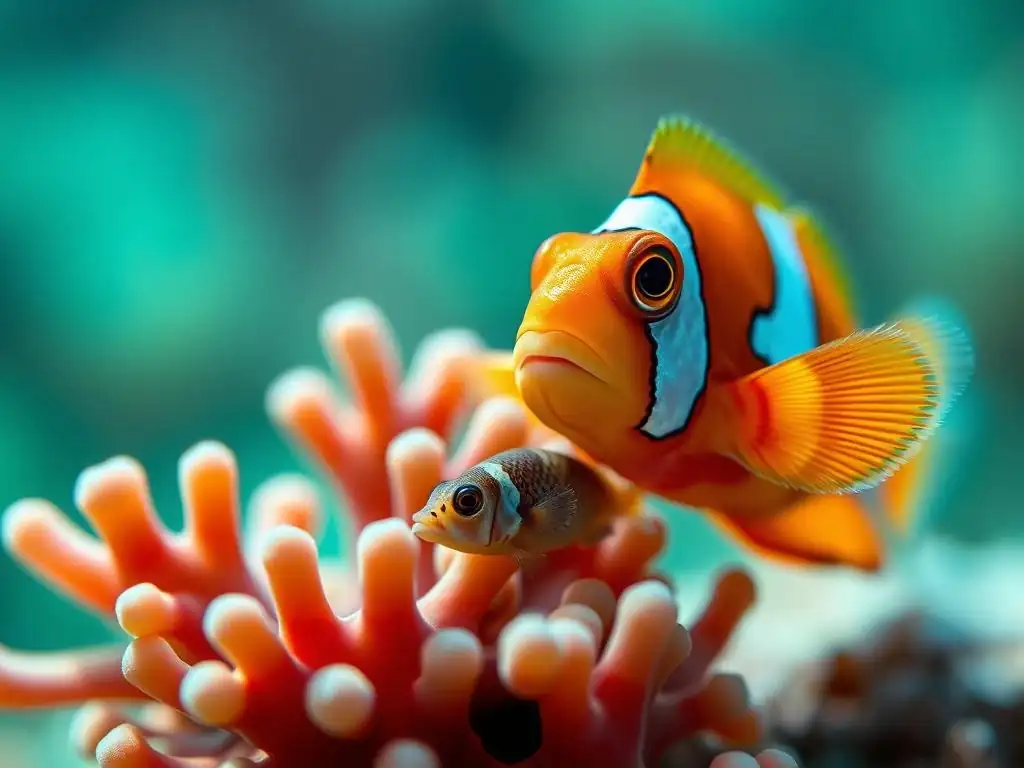
Blenny species display a remarkable diversity in personality, size, and ecological roles, making them fascinating additions to reef aquariums. The most commonly kept blennies include the Lawnmower Blenny ( Salarias fasciatus), a robust algae grazer reaching up to 5 inches (12.5 cm), known for its voracious appetite for nuisance algae.
Another popular choice is the Tailspot Blenny ( Ecsenius stigmatura), a smaller, more peaceful species at about 2.5 inches (6 cm), recognized by the distinct black spot on its tail. The Bicolor Blenny ( Ecsenius bicolor), growing to 4 inches (10 cm), is a common sight with its distinctive two-toned body, but can sometimes exhibit territorial aggression.
Beyond these, there are more specialized blennies like the Starry Blenny ( Salarias ramosus), similar in size and function to the Lawnmower Blenny but with a different aesthetic, and the Midas Blenny ( Ecsenius midas), a vibrant yellow species that can reach 5 inches (12.5 cm) and is known for its outgoing personality. Each species occupies a unique niche, from active grazers to more cryptic, crevice-dwelling species. Understanding these individual traits is key to predicting their behavior and managing Goby blenny dragonet tank interactions within the aquarium.
Blenny Grazing Habits and Impact on Tank Ecosystem
Many blennies are primarily herbivorous, playing a vital role in controlling nuisance algae within the reef ecosystem. The Lawnmower Blenny, for example, is highly sought after for its ability to consume various forms of film algae, hair algae, and even some types of diatoms. A single adult Lawnmower Blenny can effectively graze a 30-gallon (113-liter) tank, significantly reducing the need for manual algae removal.
Their constant grazing helps maintain a pristine appearance and prevents algae overgrowth from suffocating corals or blocking light. This natural algae control is beneficial, but it also means that a tank must have sufficient algae growth to sustain a blenny; otherwise, supplemental feeding with spirulina flakes, nori, or blenny-specific pellets is crucial to prevent starvation.
Other blennies, like the Tailspot Blenny, are micro-grazers, sifting through detritus and consuming smaller filamentous algae. While not as prodigious as the Lawnmower Blenny, they still contribute to tank cleanliness. Some blennies, such as the Bicolor Blenny, are omnivorous, consuming both algae and small invertebrates.
The impact of blenny grazing extends beyond aesthetic appeal; by preventing excessive algae, they help maintain stable water chemistry by reducing nutrient export needs and preventing oxygen depletion at night. However, it's important to monitor their condition, as Goby blenny dragonet tank interactions around food sources can sometimes limit their access to adequate nutrition if not managed correctly.
Blenny Aggression Levels: Identifying Potential Problematic Behaviors
While many blennies are considered peaceful, some species can exhibit territorial aggression, particularly towards conspecifics or fish with similar body shapes and dietary requirements. The Bicolor Blenny, for instance, is known for occasionally becoming nippy towards other blennies or small, docile fish if it feels its territory is threatened. This aggression is often directed at the entrance of its preferred crevice or rockwork. Similarly, a Lawnmower Blenny, despite its generally peaceful nature, may guard its prime grazing spots from other herbivores if the tank is too small or lacking sufficient foraging areas.
Identifying potential problematic behaviors involves careful observation. Signs of aggression include flaring gills, chasing, nipping, or rapid color changes. If a blenny consistently harasses another tank mate, especially if the victim shows signs of stress (e.g., faded colors, clamped fins, hiding), intervention may be necessary. Providing ample hiding spots, breaking up lines of sight with aquascaping, and ensuring adequate food for all inhabitants can help mitigate aggression. In extreme cases, separating the aggressive blenny might be the only solution to prevent harm to other fish and maintain peaceful Goby blenny dragonet tank interactions.
Dragonet Species Profiles and Interaction Styles
The Allure and Challenges of Keeping Dragonets
Dragonets, particularly the Mandarinfish ( Synchiropus splendidus), are highly coveted for their breathtaking coloration and unique, deliberate movements, resembling miniature, living jewels. The Green Mandarinfish is arguably the most famous, with its intricate patterns of green, blue, orange, and red. Other popular species include the Psychedelic Mandarinfish ( Synchiropus picturatus), showcasing more subdued but equally complex patterns, and the Spotted Mandarinfish ( Synchiropus stellatus). These fish typically grow to about 3-4 inches (7.5-10 cm) and are characterized by their small mouths and preference for benthic copepods.
Despite their allure, keeping dragonets presents significant challenges, primarily due to their highly specialized diet. Unlike most aquarium fish that readily accept prepared foods, dragonets are obligate micropredators, relying almost exclusively on a constant supply of live copepods and other small invertebrates found grazing on live rock and sand. Many dragonets, especially wild-caught specimens, struggle to adapt to frozen foods, leading to slow starvation in tanks without a thriving copepod population. This dietary requirement is the single biggest reason for their high mortality rate in captivity, making their successful long-term husbandry a benchmark of an advanced, mature reef system.
Dragonet Feeding Strategies: Ensuring Proper Nutrition
Ensuring proper nutrition for dragonets is the cornerstone of their successful keeping. Their natural feeding strategy involves meticulously picking individual copepods and amphipods from the live rock and sand surfaces throughout the day. A healthy, mature reef aquarium, typically at least 6 months to a year old, is essential as it provides the necessary biomass of microfauna.
A refugium plumbed into the main display tank can significantly boost copepod populations, acting as a breeding ground for these vital food sources. Introducing live copepod cultures weekly or bi-weekly is often necessary to supplement the natural population, especially in tanks under 50 gallons (190 liters) or those with other copepod predators.
While some dragonets, particularly captive-bred specimens, may eventually learn to accept frozen foods like enriched brine shrimp or mysis shrimp, this is not guaranteed and should not be relied upon as their sole food source. Target feeding using a pipette can help deliver food directly to the dragonet, but even then, their slow feeding pace often means they are outcompeted by faster, more aggressive tank mates.
A well-established tank should ideally produce at least 500-1000 copepods per square foot of live rock surface daily to sustain a single dragonet. Without this constant food supply, the dragonet will slowly waste away, highlighting the critical importance of a robust ecosystem for managing Goby blenny dragonet tank interactions related to food competition.
Dragonet Compatibility with Gobies and Blennies: A Delicate Balance
Achieving compatibility between dragonets, gobies, and blennies requires careful consideration of their dietary needs and behavioral traits. The primary concern is food competition. Since dragonets are slow, deliberate feeders that rely on live microfauna, they are highly vulnerable to being outcompeted by faster, more opportunistic feeders. For instance, a sand-sifting goby like a Diamond Watchman Goby, while not directly aggressive, can consume large quantities of benthic copepods that a Mandarinfish also relies on, indirectly starving the dragonet. Similarly, many blennies, especially those that graze on surfaces, might inadvertently consume some of the microfauna that dragonets target.
Therefore, the best tank mates for dragonets are typically fish that occupy different feeding niches or are too large to compete for microfauna. For example, a cleaner goby or a perching goby that primarily feeds on prepared foods and occupies the water column or higher rockwork is generally a safe choice. Blennies that are primarily herbivorous (like a Lawnmower Blenny) can also coexist, provided the tank is large enough to support sufficient algae and copepod populations for both.
Avoiding other obligate micropredators is crucial. The key to successful Goby blenny dragonet tank interactions involving dragonets is to ensure the tank's bioload of copepod predators is low and the copepod population is robust and continuously replenished.
Analyzing Goby, Blenny, and Dragonet Interactions: Case Studies
Case Study 1: Peaceful Coexistence in a Well-Established Reef Tank
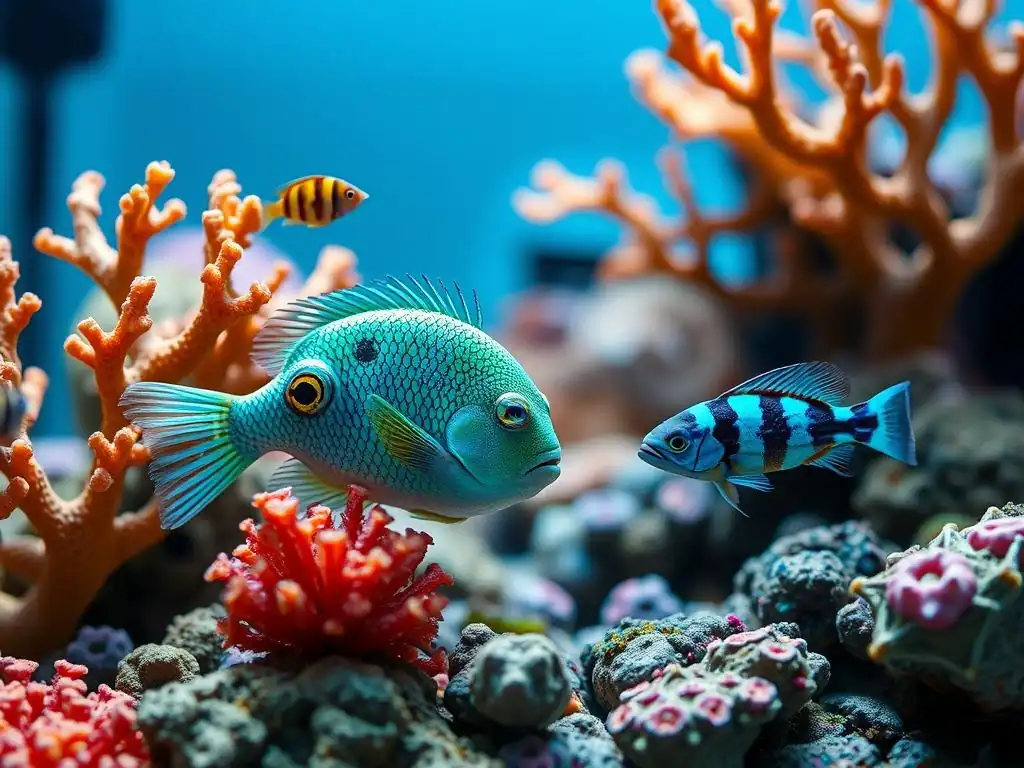
In a 75-gallon (284-liter) reef tank, established for over two years, a diverse community of small fish demonstrated peaceful coexistence. The inhabitants included a single Yellow Watchman Goby ( Cryptocentrus cinctus) with its symbiotic pistol shrimp, a Tailspot Blenny ( Ecsenius stigmatura), and a captive-bred Green Mandarinfish ( Synchiropus splendidus). The tank featured a deep sand bed (4 inches/10 cm) and abundant live rock (over 90 lbs/40 kg) with numerous caves and crevices.
The Yellow Watchman Goby primarily occupied a burrow at the base of the central rock structure, venturing out only for targeted feeding of frozen mysis shrimp, which it readily accepted. Its interaction with other fish was minimal, occasionally flaring at the Tailspot Blenny if it came too close to its burrow entrance, but no physical aggression occurred.
The Tailspot Blenny spent its days perching on various rock formations, meticulously picking at microalgae and detritus, and occasionally darting into the water column to snatch stray food particles. It showed no interest in the goby's territory or the dragonet's foraging grounds. The captive-bred Mandarinfish, introduced after the tank was mature and a refugium was established, adapted well to frozen copepods and enriched brine shrimp, in addition to grazing on the tank's thriving natural copepod population.
Its slow, deliberate movements meant it rarely interacted directly with the faster-moving blenny or the bottom-dwelling goby. This successful Goby blenny dragonet tank interactions scenario was attributed to the ample space, diverse aquascaping providing distinct territories, a robust live food source, and careful selection of species with non-overlapping ecological niches.
Case Study 2: Territorial Disputes and Aggression Management
A 30-gallon (113-liter) nano reef experienced significant territorial disputes after the simultaneous introduction of a Bicolor Blenny ( Ecsenius bicolor) and a Tailspot Blenny ( Ecsenius stigmatura). Both blennies, despite being different species, exhibited similar body shapes and a preference for perching on live rock. Within days, the larger Bicolor Blenny began aggressively chasing the smaller Tailspot Blenny whenever it ventured near its preferred rock crevice.
The Tailspot Blenny showed signs of stress, including faded coloration, clamped fins, and constant hiding, rarely coming out to feed. This intense Goby blenny dragonet tank interactions escalated to the point where the Tailspot Blenny was visibly emaciated.
To manage the aggression, the aquarist first tried rearranging the live rock to create new visual barriers and alternative hiding spots, which provided temporary relief. However, the Bicolor Blenny's territoriality persisted. Ultimately, the Tailspot Blenny had to be removed from the tank and rehomed. This case highlights the importance of understanding species-specific aggression levels and avoiding conspecific or functionally similar tank mates in smaller volumes. Even seemingly peaceful species can become problematic if their territorial needs are not met, leading to detrimental Goby blenny dragonet tank interactions.
Case Study 3: Competition for Food and Resource Allocation
In a 40-gallon (150-liter) reef tank, an aquarist introduced a Green Mandarinfish ( Synchiropus splendidus) into a system already housing a Diamond Watchman Goby ( Valenciennea puellaris) and a few small damselfish. While there was no direct aggression, the Mandarinfish began to show signs of emaciation after several weeks. Observation revealed that the Diamond Watchman Goby, an efficient sand-sifter, was continuously processing the sand bed, consuming a significant portion of the benthic copepod population that the Mandarinfish relied upon. The damselfish, being faster and more opportunistic, quickly consumed any frozen food introduced, leaving little for the slow-feeding Mandarinfish.
Despite the tank being over six months old, its natural copepod population was insufficient to sustain both the prolific sand-sifting goby and the Mandarinfish. The aquarist attempted to target feed the Mandarinfish with frozen copepods, but its slow feeding response meant much of the food was swept away or consumed by the damselfish. This case illustrates a common pitfall in Goby blenny dragonet tank interactions: indirect competition for resources, specifically food.
To rectify the situation, the Diamond Watchman Goby was rehomed, and a refugium was added to the sump to significantly boost copepod production. Regular live copepod dosing was also initiated. Over several months, the Mandarinfish slowly regained its health, demonstrating that careful resource allocation and understanding dietary needs are paramount for these delicate species.
Preventing and Managing Potential Conflicts
Optimizing Tank Size and Aquascaping for Peaceful Coexistence
Optimizing tank size and aquascaping are fundamental in preventing Goby blenny dragonet tank interactions and fostering peaceful coexistence among these small reef fish. For a community tank housing multiple species of gobies, blennies, and dragonets, a minimum tank size of 40 gallons (approximately 150 liters) is often recommended, with larger tanks (75 gallons/284 liters or more) being ideal for more complex communities or for accommodating species that reach 4-5 inches (10-12.5 cm). Adequate volume provides sufficient swimming space and dilutes potential territorial disputes.
Aquascaping plays an equally critical role. Utilize live rock to create numerous distinct territories, hiding spots, and visual barriers. Think of it as creating multiple "neighborhoods" within the tank. For gobies, ensure a deep sand bed (at least 3-4 inches / 7.5-10 cm) with stable rockwork to prevent collapse if they burrow.
Blennies require ample crevices and perching spots. Dragonets benefit from extensive live rock coverage, which serves as their primary foraging ground. Breaking up lines of sight with strategically placed rock formations prevents dominant fish from constantly seeing and harassing subordinate ones, thereby reducing stress and mitigating aggressive Goby blenny dragonet tank interactions.
Implementing Feeding Strategies to Minimize Competition
Effective feeding strategies are crucial to minimize competition, especially when housing species with different feeding habits or speeds. For a community tank with gobies, blennies, and dragonets, a varied diet is essential. Offer a mix of high-quality frozen foods (mysis shrimp, brine shrimp, copepods), flakes, pellets, and nori. The key is to ensure that all inhabitants receive adequate nutrition without aggressive feeders monopolizing the food.
Consider target feeding for slower or shyer species, such as Mandarinfish, using a turkey baster or pipette to deliver food directly to their vicinity. For fish like the Lawnmower Blenny, ensure a constant supply of natural algae or supplement with dried nori clipped to the tank glass.
When feeding, disperse food over a wide area of the tank to allow multiple fish to feed simultaneously without direct competition. Feeding smaller amounts multiple times a day (e.g., 2-3 times) rather than one large meal can also help reduce the intensity of feeding Goby blenny dragonet tank interactions and ensure all fish get their share.
Monitoring Water Parameters and Maintaining a Healthy Reef Environment
Consistent monitoring of water parameters and maintaining a healthy reef environment are foundational to preventing stress-induced aggression and disease among gobies, blennies, and dragonets. Poor water quality is a significant stressor that can weaken fish immune systems, making them more susceptible to disease and more prone to displaying aggressive behaviors. Regular testing of salinity (1.023-1.026 SG), temperature (75-80°F / 24-27°C), pH (8.1-8.4), ammonia (0 ppm), nitrite (0 ppm), and nitrate (below 10-20 ppm) is vital.
Beyond routine testing, consistent weekly water changes of 10-15% are crucial for replenishing trace elements and removing accumulated nitrates and other undesirable compounds. A robust filtration system, including a protein skimmer, live rock, and potentially a refugium, contributes significantly to water stability. Adequate water flow, typically 20-40 times the tank volume per hour, ensures proper oxygenation and detritus removal. A clean, stable, and well-oxygenated environment reduces stress on all inhabitants, thereby minimizing the likelihood of negative Goby blenny dragonet tank interactions and promoting overall fish health and vitality.
Choosing the Right Combination: A Guide to Successful Goby, Blenny, and Dragonet Communities
Compatible Goby, Blenny, and Dragonet Combinations for Small Reefs
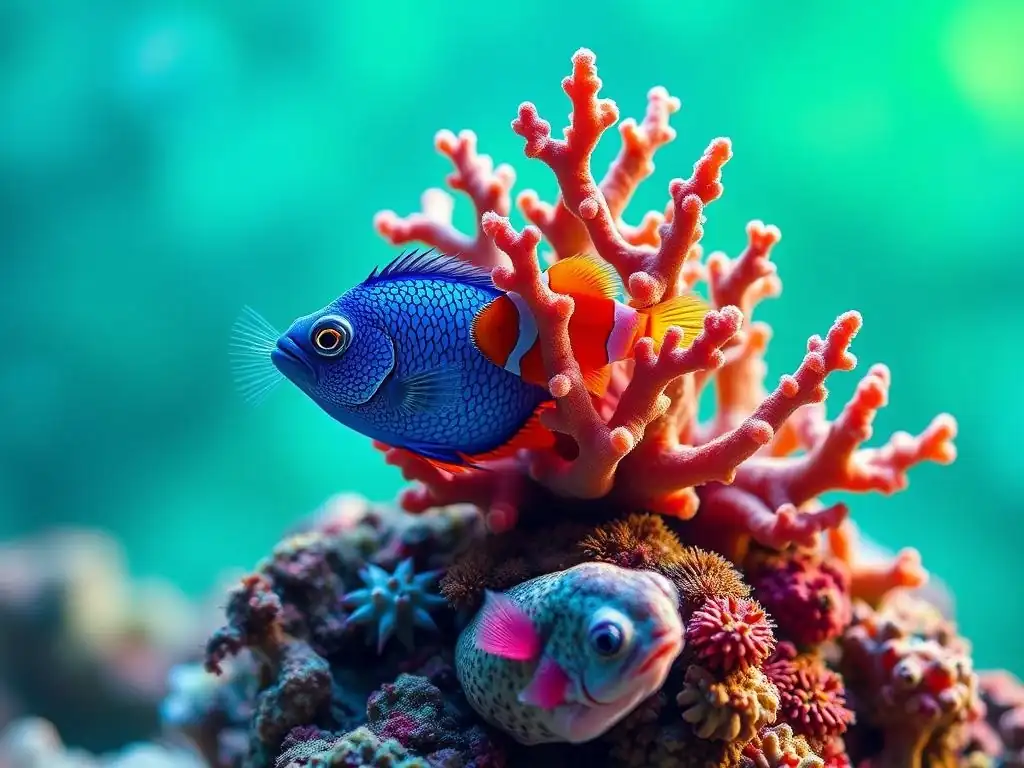
Selecting compatible species is paramount for a harmonious small reef community. For tanks ranging from 20-40 gallons (75-150 liters), a common successful combination involves one sand-sifting goby, one perching blenny, and potentially a captive-bred dragonet if the tank is mature and has a robust copepod population.
For example, a single Valenciennea puellaris (Diamond Watchman Goby) could co-exist with a Ecsenius stigmatura (Tailspot Blenny) and a Synchiropus splendidus (Green Mandarinfish, if captive-bred and fed live copepods). The goby sifts sand, the blenny perches and grazes on rock, and the dragonet picks microfauna from all surfaces, minimizing direct competition for space or food.
Another viable combination for a 30-gallon (113-liter) tank could be a Gobiodon okinawae (Okinawa Goby) which primarily perches on corals, alongside a Salarias fasciatus (Lawnmower Blenny) for algae control, and a Elacatinus oceanops (Neon Goby) which acts as a cleaner and occupies the mid-water column. These species occupy distinct ecological niches, reducing the likelihood of aggressive Goby blenny dragonet tank interactions. The key is to avoid species with overlapping diets, similar body shapes, or highly territorial tendencies in confined spaces.
Red Flags: Incompatible Species and Potential Issues
Recognizing red flags and understanding incompatible species combinations is crucial to prevent common pitfalls in goby, blenny, and dragonet communities. A major red flag is attempting to house multiple sand-sifting gobies (e.g., two Valenciennea species) in a tank smaller than 75 gallons (284 liters), as they will inevitably compete fiercely for territory and food resources within the sand bed. Similarly, pairing two blenny species that are both highly territorial or have very similar appearances (e.g., a Bicolor Blenny and a Midas Blenny in a 20-gallon tank) is likely to result in prolonged aggression.
Another significant issue arises from insufficient food for specialized feeders. Introducing a wild-caught Mandarinfish into a newly established or sparsely populated tank without a robust live copepod population is a recipe for starvation. Also, combining a Mandarinfish with other aggressive copepod predators, such as certain wrasses or other sand-sifting gobies in smaller tanks, can lead to the dragonet being outcompeted for its essential food source. These scenarios represent clear warnings that the proposed Goby blenny dragonet tank interactions are likely to be detrimental, leading to stress, injury, or even death for the less dominant fish.
Quarantine Procedures for New Arrivals
Implementing rigorous quarantine procedures for all new goby, blenny, and dragonet arrivals is a non-negotiable step for maintaining a healthy and disease-free reef aquarium. A dedicated quarantine tank (QT) of at least 10-20 gallons (38-75 liters) is recommended, equipped with a heater, sponge filter, and PVC pipes for hiding. New fish should remain in QT for a minimum of 4-6 weeks. During this period, observe them closely for any signs of disease (e.g., ich, velvet, flukes, bacterial infections) or stress (e.g., rapid breathing, clamped fins, lack of appetite).
The QT period allows for proactive treatment of any detected ailments without exposing the main display tank and its established inhabitants to potential pathogens. Administering prophylactic treatments for common parasites like Cryptocaryon irritans (marine ich) and Amyloodinium ocellatum (velvet) is often recommended, following proper medication protocols.
This isolation period also allows the new fish to acclimate to prepared foods in a less competitive environment. By ensuring that new additions are healthy and eating well before transfer to the main display, aquarists significantly reduce the risk of disease outbreaks and minimize stress-related Goby blenny dragonet tank interactions in the established community.
Advanced Observations: Breeding and Fry Raising of Gobies, Blennies, and Dragonets
Understanding the Breeding Behaviors of Each Species
Understanding the breeding behaviors of gobies, blennies, and dragonets offers a fascinating glimpse into their life cycles and can be a rewarding, albeit challenging, endeavor for advanced aquarists. Many goby species, such as the Yellow Watchman Goby ( Cryptocentrus cinctus), are known to form monogamous pairs and spawn in captivity. They are typically egg-layers, with the male often guarding the eggs in a burrow or crevice until they hatch.
Spawning can be triggered by consistent feeding and stable water parameters. Elacatinus gobies (e.g., Neon Gobies) are also known to readily breed in captivity, laying demersal eggs in PVC tubes or small caves, with the male fanning the eggs.
Blenny breeding in captivity is less common but not unheard of. Some species, like the Tailspot Blenny ( Ecsenius stigmatura), have been observed spawning, typically laying adhesive eggs in a sheltered spot. Dragonets, particularly Mandarinfish ( Synchiropus splendidus), are pelagic spawners, releasing eggs and sperm into the water column during a characteristic "spawning dance" at dusk.
The eggs are then free-floating. While the exact triggers for breeding vary, consistent high-quality nutrition, stable and pristine water conditions, and the presence of compatible male-female pairs are universal prerequisites for successful reproduction in these species, influencing future Goby blenny dragonet tank interactions within the system.
Challenges and Opportunities in Raising Goby, Blenny, and Dragonet Fry
Raising goby, blenny, and dragonet fry presents significant challenges, primarily due to the minute size of their newly hatched larvae and their specific dietary requirements. Goby and blenny fry are often planktonic, meaning they drift in the water column and require extremely small live foods. Mandarinfish fry are notoriously difficult to raise, being even smaller than most goby and blenny larvae, typically measuring less than 2mm upon hatching. Their tiny mouths can only consume the smallest of live prey, such as Parvocalanus copepod nauplii, which are often less than 50 microns in size.
Despite these difficulties, there are growing opportunities for aquarists to contribute to the captive breeding of these species, reducing reliance on wild-caught specimens. Advances in live food culturing techniques and improved larval rearing systems have increased success rates.
Dedicated larval rearing tanks, often small (5-10 gallons/19-38 liters), with gentle aeration, minimal filtration, and precise temperature control, are essential. The biggest hurdle remains providing a continuous supply of appropriately sized, highly nutritious live food during the critical first few weeks of life, which directly impacts their survival rates and eventual integration into a community, influencing future Goby blenny dragonet tank interactions.
Rotifer and Copepod Culturing for Fry Feeding
Successful fry rearing for gobies, blennies, and dragonets hinges almost entirely on the ability to culture and provide a continuous supply of live rotifers and copepods. Brachionus plicatilis (L-type rotifers) are a common first food for many marine fish larvae due to their small size (around 100-300 microns) and ease of culture. They are typically cultured in large batches using specialized foods like Nannochloropsis or Tetraselmis phytoplankton. For smaller fry, such as Mandarinfish, Brachionus rotundiformis (S-type rotifers) or newly hatched Parvocalanus copepod nauplii are often required as a first food due to their even smaller size (50-100 microns).
As the fry grow, their diet must transition to larger prey. Copepods, such as Tisbe or Apocyclops, become essential. These copepods are more nutritious than rotifers and come in various sizes, allowing for a gradual increase in food particle size as the fry develop.
Culturing copepods requires specific media, phytoplankton feeds, and often a dedicated setup separate from the rotifer cultures. Maintaining multiple, staggered cultures of both rotifers and various copepod species ensures a consistent supply of live food of appropriate sizes throughout the larval development stages. This intensive live food production is the most demanding aspect of raising goby, blenny, and dragonet fry, directly influencing their survival and subsequent interactions in a community tank.
Frequently Asked Questions
How do gobies, blennies, and dragonets typically interact in an aquarium environment?
These fish can exhibit a range of interactions, from peaceful coexistence to territorial disputes. It depends on the tank size, individual personalities, and the availability of suitable hiding places.
What considerations are important when housing gobies, blennies, and dragonets together?
Key factors include providing a sufficiently large tank to minimize competition, ensuring ample live rock for grazing and shelter, and carefully selecting compatible species.
Are there specific goby, blenny, or dragonet species that are known to be more aggressive towards others?
Yes, some species are more territorial. For instance, certain blennies are known to be highly aggressive towards similar looking fish. Researching specific species temperament is crucial.
What are some signs that gobies, blennies, or dragonets are not coexisting peacefully in a tank?
Signs of aggression include chasing, nipping, and excessive hiding. You might also observe a decline in feeding behavior or physical injuries.
How can I minimize potential conflicts between gobies, blennies, and dragonets in my aquarium?
Carefully plan your aquarium layout to provide distinct territories. Offer a varied diet to reduce competition for food and monitor the fish closely for signs of stress or aggression.
Final Reflection: Unveiling Harmony in Miniature Ecosystems
The delicate balance within a reef aquarium, as explored in this article, mirrors the intricate web of relationships found in larger ecosystems. Understanding the nuances of Goby, Blenny, and Dragonet tank interactions is not merely about successful fishkeeping; it's about appreciating the interconnectedness of life and the responsibility we bear when creating artificial environments. The observations shared highlight the importance of informed choices and mindful observation in fostering a thriving aquatic community.
This journey into the world of gobies, blennies, and dragonets has underscored the profound impact even seemingly small creatures can have on their surroundings. Witnessing these interactions firsthand has deepened my appreciation for the complexity of nature and the ethical considerations involved in keeping these animals. In the end, we will conserve only what we love; we will love only what we understand; and we will understand only what we are taught.
- Baba Dioum. This quote resonates deeply, reminding us that knowledge and understanding are the cornerstones of responsible stewardship.
Now, consider how these lessons extend beyond the glass walls of an aquarium. How can we apply the principles of careful observation, informed decision-making, and respect for delicate ecosystems to our own lives and the larger world around us? Let us strive to be mindful stewards, not just of our tanks, but of the planet itself, recognizing that every action, no matter how small, contributes to the intricate dance of life.
Unveil the Secrets: Become a Master Observer!
Thanks for diving into the fascinating world of goby, blenny, and dragonet interactions! We hope you've gained a newfound appreciation for the delicate balance within your aquarium. Now, let's turn that knowledge into action.
Here's how you can deepen your understanding and appreciation:
- Dedicate 15 minutes this week to observing your goby, blenny, and dragonet behaviors. Document anything new or interesting you notice.
- Share your observations and photos with fellow enthusiasts on the Aquarium Mastery forum – perhaps you'll uncover a hidden interaction!
- Consider creating a small, dedicated observation log for your fish, noting feeding habits, social interactions, and any changes in their behavior.
What surprising new behavior will you uncover in your aquarium this week?