
The Role of Copepods & Amphipods in Supporting Your Invertebrate Zoo

Welcome to Aquarium Mastery!
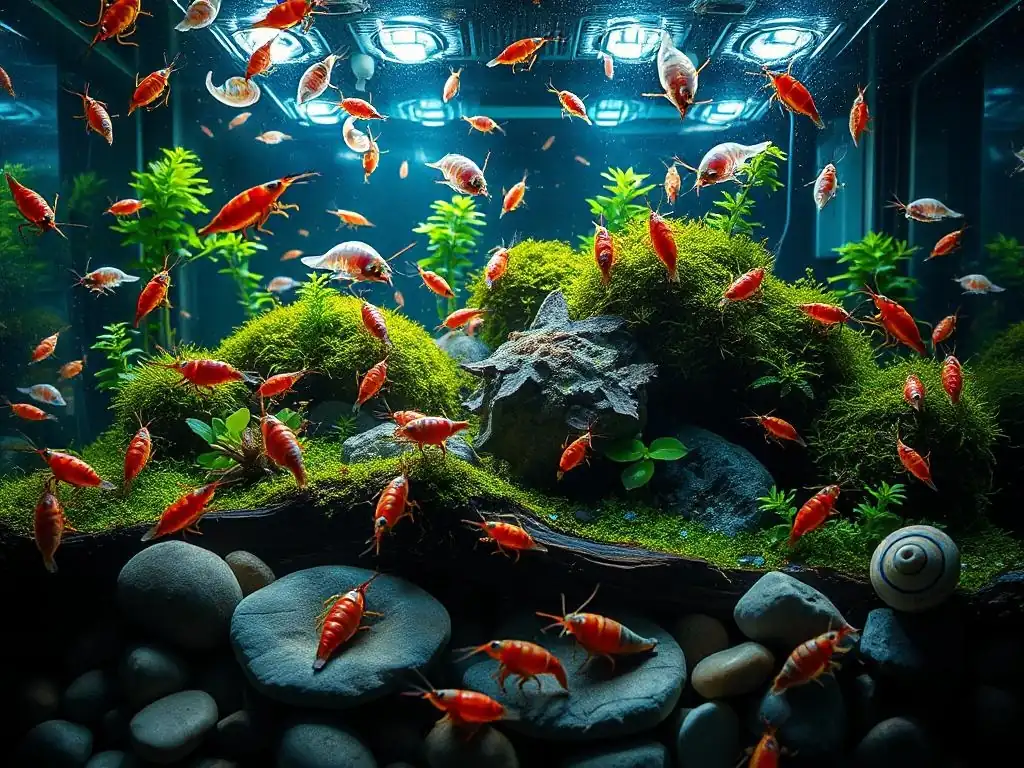
Ever wondered how to create a thriving ecosystem within your invertebrate tank? Dive in and discover the fascinating world of copepods and amphipods – tiny powerhouses that play a crucial role in a healthy aquarium. Unlock the secrets to using these amazing creatures to support your invertebrate zoo, and prepare to be amazed by the results! Keep reading to learn more...
- The Role of Copepods & Amphipods in Reef Tank Ecosystems
- Understanding Copepods and Amphipods: Tiny Tank Heroes
- Copepods: Essential Food Source and Clean-Up Crew
- Amphipods: Scavengers and Detritivores for a Healthy Tank
- Benefits of Maintaining Copepod and Amphipod Populations
- Establishing and Culturing Copepods and Amphipods in Your Aquarium
- Troubleshooting Common Issues with Copepod and Amphipod Populations
- Selecting the Right Copepods and Amphipods for Your Reef Tank
- Maximizing the Benefits of Copepods and Amphipods in Your Reef Aquarium
-
Frequently Asked Questions
- What are copepods and amphipods, and why are they important for an invertebrate tank?
- How do copepods and amphipods benefit the overall ecosystem of an invertebrate aquarium?
- What types of invertebrates specifically benefit from the presence of copepods and amphipods?
- How can I introduce and maintain a healthy population of copepods and amphipods in my invertebrate tank?
- What are some common signs that my invertebrate tank may be lacking sufficient copepods and amphipods?
- Final Reflection: The Tiny Titans of Thriving Tanks
- Ignite Your Invertebrate Zoo!
The Role of Copepods & Amphipods in Reef Tank Ecosystems
Understanding Copepods and Amphipods: Tiny Tank Heroes
What are Copepods and Amphipods? Distinguishing the Crustaceans
Copepods are a diverse group of small crustaceans, typically ranging from 0.5 to 2 millimeters in length. They are characterized by their segmented bodies, a single simple eye, and often long antennae used for movement and sensing. While some are planktonic, free-swimming in the water column, others are benthic, residing on surfaces like live rock, sand, or even the aquarium glass. Their varied lifestyles position them as critical primary consumers, feeding on phytoplankton, or as detritivores, breaking down organic waste.
Amphipods, in contrast, are generally larger, typically between 1 and 10 millimeters, and are easily distinguished by their laterally compressed bodies, giving them a "shrimp-like" appearance without a carapace. They possess multiple pairs of legs adapted for crawling, swimming, or grasping, and are predominantly benthic, inhabiting the substrate and rockwork. Unlike copepods, amphipods are primarily scavengers and detritivores, actively consuming decaying matter, uneaten food, and algal films, thereby playing a distinct, yet complementary, role in the marine ecosystem.
Importance of Small Crustaceans in Reef Aquariums
These tiny crustaceans serve as the cornerstone of a healthy reef tank ecosystem, forming a vital link in the marine food web. They act as natural biological filters, consuming detritus, microalgae, and uneaten food, thus transforming waste into valuable biomass. Their omnipresence in a well-established reef aquarium provides continuous, natural invertebrate tank support, ensuring a balanced environment for corals, fish, and other invertebrates.
Beyond their role in waste management, a thriving population of copepods and amphipods offers an indispensable live food source for many marine inhabitants. Finicky eaters, such as mandarin dragonets and seahorses, rely almost exclusively on these live organisms for nutrition. Their constant grazing and scavenging activities contribute significantly to nutrient cycling and overall water quality, making them essential for the long-term stability and vibrancy of any reef aquarium.
Copepods: Essential Food Source and Clean-Up Crew
Copepods as Live Food for Fish and Invertebrates
Copepods are an exceptionally nutritious live food source, packed with essential fatty acids (such as DHA and EPA), proteins, and carotenoids that enhance the coloration and health of marine organisms. For specialized feeders like mandarin dragonets (Synchiropus splendidus) or various species of seahorses (Hippocampus spp. ), which often refuse prepared foods, a continuous supply of live copepods is not just beneficial but absolutely critical for their survival and thriving. A single adult mandarin can consume thousands of copepods daily, underscoring the demand for a robust population.
Furthermore, copepods are eagerly consumed by a wide array of other reef inhabitants, including many species of wrasses, anthias, and even filter-feeding corals and clams. Their small size and natural swimming patterns stimulate the predatory instincts of fish, encouraging natural hunting behaviors. This constant availability of live prey helps maintain a higher level of activity and vitality in the aquarium, promoting overall well-being and reducing stress for your marine livestock.
Copepods Contribution to the Reef Tank Ecosystem
Beyond their role as a primary food source, copepods are industrious members of the reef tank's clean-up crew. Benthic copepod species, in particular, are highly effective detritivores, diligently consuming decaying organic matter, uneaten food particles, and nuisance microalgae films that accumulate on live rock, sandbeds, and tank walls. This continuous grazing activity significantly reduces the organic load within the aquarium, preventing the buildup of harmful nutrients like nitrates and phosphates.
Their contribution extends to nutrient export and energy transfer. By consuming detritus and then being consumed by larger inhabitants, copepods facilitate the movement of energy up the food chain. This natural process helps to lock up nutrients in biomass, which can then be removed through skimming, water changes, or the eventual growth and removal of larger organisms. This constant conversion of waste into usable energy is a cornerstone of effective reef tank support, contributing to a balanced and self-sustaining ecosystem.
Different Types of Copepods for Your Aquarium
Harpacticoid Copepods: Bottom Dwellers and Detritus Consumers
Harpacticoid copepods are primarily benthic organisms, meaning they live on or near the substrate. They are characterized by their elongated bodies and strong appendages that allow them to crawl and cling to surfaces like live rock, sand grains, and the aquarium glass. Species such as Tisbe and Tigriopus are well-known examples, playing a vital role in consuming detritus, diatoms, and various nuisance algae films that form on hard surfaces. Their efficiency in cleaning the tank's surfaces makes them an invaluable part of the copepods amphipods invertebrate tank support system.
These bottom-dwelling copepods are a stable and continuous food source for many benthic-feeding fish and invertebrates. Their constant activity helps to aerate the sandbed and prevent the accumulation of anoxic zones, which can be detrimental to overall tank health. By breaking down organic matter at the substrate level, harpacticoids contribute significantly to nutrient cycling and the overall biological stability of the reef environment, making them indispensable for maintaining a pristine and healthy aquarium.
Calanoid Copepods: Free-Swimming Food Source
Calanoid copepods are predominantly pelagic, meaning they inhabit the open water column. They are characterized by their distinctive, jerky, hopping swimming motion, which allows them to move freely throughout the aquarium. These copepods primarily feed on phytoplankton, converting microscopic algae into a highly nutritious food source for larger organisms. Their high lipid and protein content makes them an excellent dietary supplement for a wide range of marine fish and filter-feeding invertebrates.
As free-swimming organisms, calanoids are readily available to planktivorous fish and corals that capture food from the water column. They are often the most common type found in commercially available live copepod cultures, specifically cultivated to provide a direct and immediate food source for aquarium inhabitants. Their presence in the water column enhances the natural feeding behaviors of many species and contributes to the overall biological diversity and vibrancy of the reef tank.
Cyclopoid Copepods: Versatile Diet and Reproduction
Cyclopoid copepods are a versatile group, often found in both benthic and pelagic zones within the aquarium. They typically have a more rounded body shape compared to harpacticoids or calanoids, and their feeding habits are opportunistic, consuming both phytoplankton and small detritus particles. This adaptability in diet allows them to thrive in various niches within the reef ecosystem, contributing to the overall resilience of the microfauna population.
One of the key advantages of cyclopoid copepods is their rapid reproduction rate. This characteristic makes them excellent candidates for quickly establishing and maintaining a sustainable population within the aquarium, providing a continuous supply of live food and active detritivores. Their ability to utilize diverse food sources and inhabit different areas of the tank ensures a robust and self-sustaining population, providing consistent invertebrate tank support and contributing to a healthier, more balanced marine environment.
Amphipods: Scavengers and Detritivores for a Healthy Tank
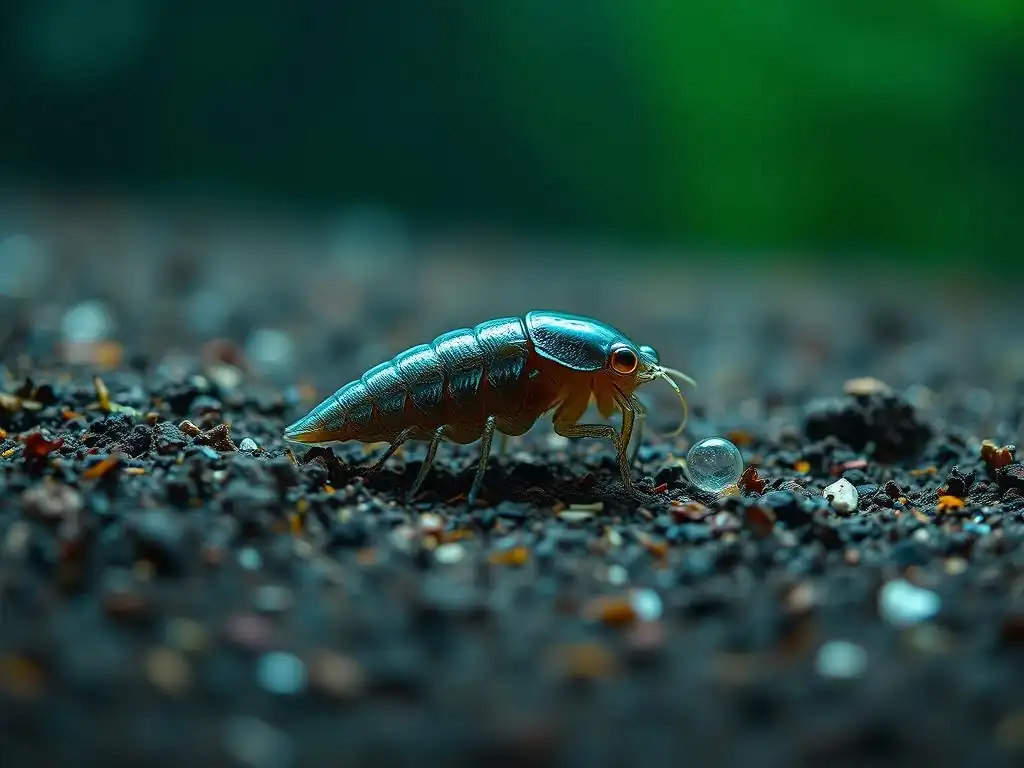
Amphipods as Natural Cleaners in Reef Aquariums
Amphipods are larger, highly efficient scavengers that play a crucial role in the natural clean-up processes of reef aquariums. They actively seek out and consume uneaten food, decaying plant matter, and larger pieces of detritus that may accumulate in less accessible areas of the tank, such as within the rockwork, behind equipment, or deep within the sandbed. Their diligent scavenging helps to prevent the buildup of organic waste, which can otherwise lead to nutrient spikes and the proliferation of undesirable algae.
Their robust nature and larger size allow them to tackle debris that smaller copepods might miss, complementing the work of their microscopic counterparts. Amphipods are particularly adept at maintaining the cleanliness of the sandbed, constantly sifting through grains and consuming trapped organic matter. This continuous activity not only keeps the substrate pristine but also helps to aerate it, preventing the formation of harmful anaerobic pockets that can release toxic compounds into the water.
Amphipods Role in Detritus Removal and Nutrient Cycling
Amphipods are instrumental in the process of detritus removal and nutrient cycling within the reef aquarium. By consuming decaying organic matter, they break down complex compounds into simpler forms, making nutrients available for beneficial bacteria or uptake by corals and macroalgae. This natural recycling process helps to prevent nutrient lockout and reduces the overall nutrient load in the water column, contributing to a more stable and healthy environment.
Their burrowing and grazing activities also contribute to the physical aeration of the sandbed and the surfaces of live rock. This constant disturbance helps to prevent the accumulation of hydrogen sulfide and other harmful byproducts of anaerobic decomposition. By actively turning over substrate and consuming various forms of organic waste, amphipods significantly enhance the biological filtration capacity of the tank, providing essential reef aquarium support and promoting a balanced ecosystem.
Types of Amphipods Beneficial for Reef Tanks
Scuds: Hardy and Prolific Amphipods
The term "scuds" often refers to various species of small, hardy amphipods, including some from the Gammarus genus, that are excellent generalist scavengers. These amphipods are known for their resilience and prolific breeding rates, making them an ideal choice for establishing a robust clean-up crew in a new or struggling reef tank. They readily consume detritus, algae, and uneaten food, efficiently converting waste into biomass.
Their ability to rapidly establish and reproduce means they can provide a continuous and sustainable food source for larger predatory invertebrates and fish within the aquarium. Their hardiness allows them to thrive in a range of tank conditions, making them a reliable component of the natural filtration system. Introducing scuds can quickly boost the biological activity of the sandbed and rockwork, contributing to overall aquarium support.
Gammarus Amphipods: Larger Scavengers
While sometimes used interchangeably with "scuds," Gammarus specifically refers to a genus of amphipods that are often larger than many other common amphipod species found in the hobby. Their increased size makes them a more substantial meal for certain fish species, such as wrasses or larger gobies, and they are highly efficient at consuming larger pieces of detritus and decaying organic matter.
Gammarus amphipods are particularly beneficial for tanks with a significant amount of live rock or a deep sandbed, as their larger size allows them to navigate and clean areas that smaller microfauna might not reach. Their inclusion in the clean-up crew adds another layer of biological control, ensuring comprehensive detritus removal and contributing to a diverse and effective invertebrate tank support system. They are a valuable asset for maintaining pristine water quality and a healthy substrate.
Benefits of Maintaining Copepod and Amphipod Populations
Enhancing Biodiversity in Your Reef Aquarium
Maintaining a thriving population of copepods and amphipods significantly enhances the biodiversity within your reef aquarium. A rich variety of microfauna creates a more natural and resilient ecosystem, closely mirroring the complex food webs found in wild reef environments. This biological diversity provides multiple layers of redundancy in essential tank functions, such as nutrient cycling and waste processing, making the aquarium less susceptible to imbalances or crashes.
Increased biodiversity also leads to a more robust food web, reducing the reliance on a single species for specific functions or as a food source. For instance, if one type of copepod declines, others can pick up the slack. This natural balance contributes to the overall stability and health of the tank, allowing corals to thrive and fish to exhibit more natural behaviors. A diverse microfauna is a clear indicator of a mature and well-established system, providing superior long-term aquarium support.
Natural Biological Control of Algae and Detritus
Copepods and amphipods are highly effective natural biological controls for nuisance algae and accumulating detritus. Benthic copepods, especially harpacticoids, constantly graze on diatom films and other microalgae that form on glass, live rock, and sand. Amphipods, being larger scavengers, actively consume decaying organic matter, uneaten food, and even larger patches of cyanobacteria or hair algae. This continuous grazing and scavenging significantly reduces the need for manual cleaning and minimizes the reliance on chemical treatments.
Their constant activity helps to prevent unsightly algal outbreaks and the buildup of harmful organic waste. By converting these unwanted materials into their own biomass, they essentially export nutrients from the water column, preventing them from fueling further algal growth. This proactive and continuous clean-up mechanism ensures a cleaner tank and more stable water parameters, proving invaluable for consistent reef tank support.
Promoting a Stable and Balanced Reef Environment
A thriving population of copepods and amphipods is a cornerstone for promoting a stable and balanced reef environment. Their continuous breakdown of organic waste and active participation in nutrient cycling help to maintain consistent water parameters by reducing fluctuations in nitrates and phosphates. This stability is absolutely vital for the health and growth of sensitive corals and other invertebrates, which are highly susceptible to sudden changes in water chemistry.
These beneficial crustaceans act as a natural biological filter, working tirelessly around the clock to process organic matter and prevent its accumulation. Their presence signifies a mature and healthy biological system, contributing to the overall resilience of the aquarium against common issues like nutrient export deficiencies or nuisance algae blooms. Ultimately, a robust copepods amphipods invertebrate tank support system leads to a more vibrant, self-sustaining, and aesthetically pleasing reef aquarium.
Establishing and Culturing Copepods and Amphipods in Your Aquarium
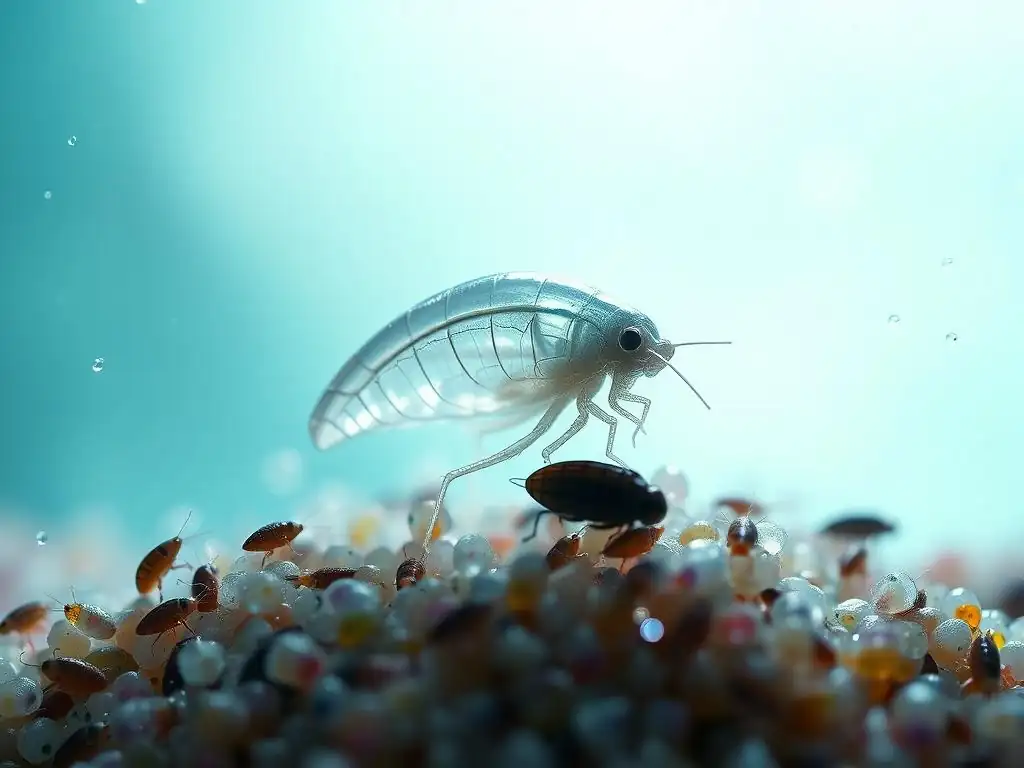
Setting Up a Refugium for Copepod and Amphipod Propagation
A refugium is an indispensable tool for establishing and maintaining robust copepod and amphipod populations within a reef aquarium. It is typically a separate, often dimly lit, section of the sump designed to provide a safe haven where these beneficial crustaceans can breed and multiply without predation from fish or aggressive invertebrates. An ideal refugium setup includes macroalgae, such as Chaetomorpha or Ulva, which not only absorb nutrients but also provide ample surface area and hiding places for the crustaceans. Live rock rubble can further enhance the available habitat.
The continuous flow of water from the main display tank through the refugium allows for the constant seeding of copepod and amphipod larvae and adults into the display, ensuring a steady supply of live food and clean-up crew members. A well-maintained refugium in a 75-gallon system, for example, can significantly increase the production of copepods and amphipods, potentially boosting their numbers by five to tenfold compared to a tank without one. This consistent supply is crucial for sustaining finicky eaters and bolstering the tank's natural biological filtration.
Culturing Copepods and Amphipods Separately for a Constant Supply
For aquarists with high-demand inhabitants or those aiming to provide a consistent, abundant food source, culturing copepods and amphipods separately from the main display tank is a highly effective strategy. An external culture system allows for controlled, high-density production, free from predation and competition. This method ensures a reliable and continuous supply of live food for targeted feeding, especially beneficial for delicate or specialized feeders like mandarin dragonets that require constant nourishment.
A basic external culture setup can be as simple as a 1-5 gallon container (e.g., a bucket or small aquarium) with an air stone for oxygenation. For copepods, a light source may be necessary if you plan to grow phytoplankton as their primary food source. A well-managed 5-gallon copepod culture, for instance, can produce enough organisms to supplement a 50-gallon reef tank several times a week. This dedicated approach guarantees a fresh and nutritious supply, providing superior invertebrate tank support.
Feeding and Maintaining Optimal Conditions for Population Growth
To ensure the proliferation of copepod and amphipod populations, providing appropriate nutrition and maintaining optimal environmental conditions are paramount. Copepods primarily feed on phytoplankton, so regular dosing of a high-quality liquid phytoplankton product is essential for their growth and reproduction. Amphipods, being more omnivorous, will consume phytoplankton, detritus, and even small pieces of algae wafers or uneaten fish food. Consistency in feeding, without overfeeding to avoid water quality issues, is key.
Optimal water parameters for these crustaceans generally mirror those of a healthy reef tank: stable salinity around 1.025 specific gravity, temperatures between 72-78°F (22-26°C), and good oxygenation. In separate culture vessels, regular small water changes (e.g., 10-20% weekly) are crucial to remove waste byproducts and maintain pristine water quality, preventing population crashes. Providing adequate surface area for grazing and hiding, such as small pieces of live rock or bio-balls, will also encourage robust copepod amphipod populations.
Troubleshooting Common Issues with Copepod and Amphipod Populations
Identifying and Addressing Population Crashes
A sudden decline or disappearance of copepod and amphipod populations can be a concerning sign of underlying issues in the aquarium. Key indicators of a crash include a noticeable reduction in visible crustaceans, especially during nighttime observations or within the refugium, and a potential increase in nuisance algae due to reduced grazing. Common culprits behind population crashes include abrupt environmental changes (e.g., drastic temperature or salinity swings), nutrient deprivation, or excessive predation pressure.
To address a crash, first, meticulously test all major water parameters to identify any anomalies. Ensure a consistent and adequate food supply by regularly dosing phytoplankton or providing sufficient detritus. If predation is suspected, evaluate the stocking levels of known predators and consider adding more hiding places in the display tank, or temporarily reducing the predator population if feasible. Re-seeding the tank and refugium with new, diverse cultures of copepods and amphipods can help to rapidly re-establish numbers and restore crucial invertebrate tank support.
Predation Concerns: Fish and Invertebrate Compatibility
While copepods and amphipods are beneficial, their role as a primary food source means they are susceptible to predation by various tank inhabitants. Fish such as mandarin dragonets, wrasses (e.g., six-line wrasse), chromis, and even some larger gobies actively hunt and consume these crustaceans. Certain corals, especially those with larger polyps, and other invertebrates like brittle stars or some shrimp species can also prey on them. While some level of predation is natural and expected, excessive predation can decimate populations, making it difficult to maintain a self-sustaining supply.
To mitigate predation concerns, ensure your aquarium has a well-designed and sufficiently large refugium. This dedicated space provides a sanctuary where copepods and amphipods can breed and multiply without constant threat, allowing their offspring to periodically seed the main display tank. For tanks with very high predator loads, consider target feeding the predators with prepared foods to reduce their reliance on live copepods, or provide ample live rock and rubble in the display tank to create more hiding places for the crustaceans.
Maintaining Water Quality for Optimal Crustacean Health
Maintaining pristine and stable water quality is paramount for the health and proliferation of copepod and amphipod populations. These tiny crustaceans are sensitive to fluctuations and elevated levels of pollutants. High concentrations of nitrates and phosphates, while consumed by them to some extent, can indicate an overall unhealthy environment that stresses and ultimately harms their populations. Similarly, sudden swings in pH, alkalinity, or salinity can be detrimental, leading to widespread die-offs.
Regular water testing and consistent aquarium maintenance practices are essential. This includes routine water changes (e.g., 10-20% bi-weekly), effective protein skimming, and the timely removal of large debris to keep nutrient levels in check. Crucially, avoid using medications containing copper or other chemicals toxic to invertebrates, as these will indiscriminately wipe out your beneficial copepods and amphipods. A stable, clean environment is the foundation for a thriving microfauna, providing robust aquarium support.
Selecting the Right Copepods and Amphipods for Your Reef Tank
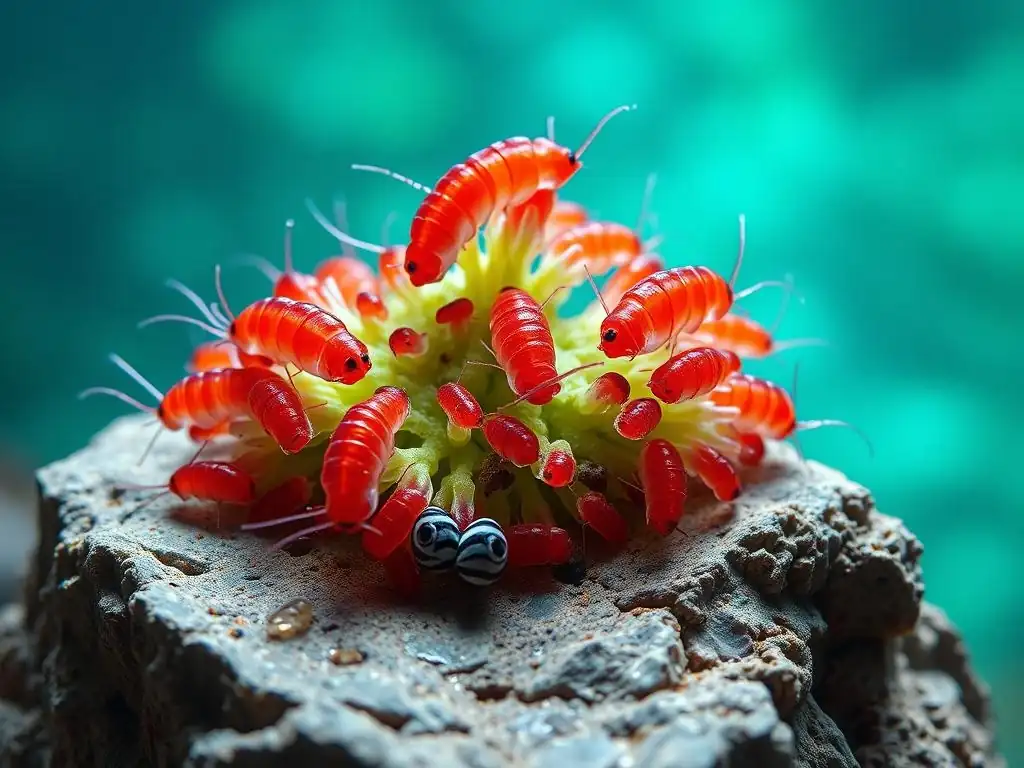
Matching Species to Your Specific Aquarium Needs
When selecting copepods and amphipods for your reef tank, it's beneficial to consider your aquarium's specific needs and inhabitants. For tanks housing finicky eaters like mandarin dragonets or seahorses, prioritizing the introduction of species known for their nutritional value and availability as live food, such as Tigriopus (a harpacticoid) or various calanoid copepods, is crucial. If your primary goal is detritus control and maintaining a clean sandbed, a mix of benthic harpacticoids and various amphipod species will be most effective.
Consider the size and maturity of your tank. Larger, more established reef tanks can support a greater diversity of species, allowing for a comprehensive clean-up crew and a varied food source. For example, a 100-gallon reef tank would benefit greatly from a diverse mix of copepod types (harpacticoid, calanoid, cyclopoid) and amphipods to cover all ecological niches, ensuring optimal reef tank support and biological balance. Researching the specific roles of different species will help you make informed choices.
Considerations for Compatibility with Existing Tank Inhabitants
Before introducing new copepod and amphipod species, it's important to consider their compatibility with your existing tank inhabitants. While most commercially available copepods and amphipods are reef-safe and universally beneficial, the presence of highly predatory fish or invertebrates can significantly impact their ability to establish and maintain a visible population in the display tank. For instance, a tank heavily stocked with wrasses might require a larger, more productive refugium to sustain the copepod population.
Conversely, ensuring that the introduced species will not themselves become a nuisance is also important, although this is rare with common aquarium strains. Always source your live cultures from reputable suppliers to minimize the risk of introducing unwanted pests or diseases into your carefully maintained ecosystem. A balanced approach, considering both the benefits these crustaceans offer and the dynamics of your current livestock, will maximize the positive impact of copepods amphipods invertebrate tank support.
Maximizing the Benefits of Copepods and Amphipods in Your Reef Aquarium
Integrating Copepods and Amphipods into Your Maintenance Routine
To fully harness the benefits of copepods and amphipods, integrate their management into your regular aquarium maintenance routine. For newer tanks, or those with high-demand inhabitants like mandarins, regular dosing of live copepod and amphipod cultures (e.g., weekly or bi-weekly) can be crucial for establishing and maintaining robust populations. For established tanks with a healthy refugium, occasional booster doses can help to refresh genetic diversity and fortify existing numbers.
Beyond direct dosing, cultivating a thriving environment for them is key. This includes maintaining stable water parameters, ensuring adequate food sources (like phytoplankton), and providing ample hiding places within live rock and the sandbed. A holistic approach that combines periodic supplementation with good husbandry practices ensures a continuous and effective copepods amphipods invertebrate tank support system, leading to a more resilient and vibrant reef.
Optimizing Tank Parameters for Thriving Crustacean Populations
Optimizing your tank's parameters is fundamental for fostering thriving copepod and amphipod populations. Consistency in salinity, ideally between 1.023 and 1.026 specific gravity, and stable temperatures, typically ranging from 74-78°F (23-26°C), are critical. While these crustaceans consume nutrients, excessively high levels of nitrates and phosphates can indicate an underlying imbalance that can ultimately stress and harm their delicate populations.
Beyond chemical parameters, providing ample physical structure is vital. Live rock with numerous crevices, a deep sandbed, and the presence of macroalgae in a refugium offer essential hiding places and grazing surfaces. Regular, but not excessive, feeding of the main tank, combined with occasional phytoplankton dosing, ensures a varied food source for the entire microfauna. A healthy, mature tank environment naturally provides the ideal conditions for robust copepod amphipod populations, contributing significantly to the overall health and beauty of your reef.
Frequently Asked Questions
What are copepods and amphipods, and why are they important for an invertebrate tank?
Copepods and amphipods are tiny crustaceans that form a vital part of the food web in your aquarium. They serve as a natural food source for many invertebrates.
How do copepods and amphipods benefit the overall ecosystem of an invertebrate aquarium?
These creatures contribute to the ecosystem by consuming detritus and algae, helping to maintain water quality. They also act as live food for other tank inhabitants.
What types of invertebrates specifically benefit from the presence of copepods and amphipods?
Many invertebrates, such as small fish, corals, and other filter feeders, rely on copepods and amphipods as a primary food source for survival.
How can I introduce and maintain a healthy population of copepods and amphipods in my invertebrate tank?
Introducing a starter culture and providing ample hiding places like live rock or refugiums will help establish a population. Regular feeding with phytoplankton also supports their growth.
What are some common signs that my invertebrate tank may be lacking sufficient copepods and amphipods?
Signs include decreased invertebrate health, algae blooms, and a lack of natural hunting behavior from your tank inhabitants.
Final Reflection: The Tiny Titans of Thriving Tanks
The intricate dance of life within our invertebrate tanks often hinges on the unseen. Understanding the crucial role of copepods and amphipods is not merely an academic exercise, but a practical necessity for any aquarist striving for a balanced and flourishing ecosystem. Their presence, or absence, directly impacts the health and vitality of the entire community, highlighting the interconnectedness of even the smallest creatures.
This exploration into the world of copepods and amphipods has underscored their profound influence on the delicate balance of our miniature aquatic worlds. It's humbling to realize that these often-overlooked organisms are the unsung heroes, constantly working to maintain water quality, provide essential nutrition, and support the entire food web. The smaller the creature, the greater its wonder.
This quote, though perhaps not originally intended for copepods and amphipods, perfectly encapsulates the awe-inspiring impact these tiny beings have on the overall health and stability of our invertebrate tanks.
Now, armed with a deeper understanding of the vital role copepods and amphipods play, I encourage you to reflect on the current state of your own invertebrate zoo. Are these microscopic allies thriving? Are you providing the conditions they need to flourish? Take the time to observe, to learn, and to cultivate an environment where these tiny titans can continue to support the vibrant and captivating world you've created. Your invertebrates, and the entire ecosystem, will undoubtedly thank you.
Ignite Your Invertebrate Zoo!
Thank you for diving into the world of copepods and amphipods! We hope this article has shed light on the crucial role these tiny creatures play in a thriving invertebrate ecosystem. Now, let's put this knowledge into action!
- Start Culturing Today: Don't just admire them; incorporate a copepod/amphipod culture into your aquarium routine to naturally supplement your invertebrates' diet.
- Expand your knowledge of related organisms by watching videos on copepods and amphipods in the wild.
- Share your experiences and insights with the Aquarium Mastery community, by commenting under the video.
What fascinating behaviors have you observed in your invertebrates after introducing live copepods or amphipods?