
Identifying Popular Leather Coral Species: Toadstools, Finger Leathers & Cabbage

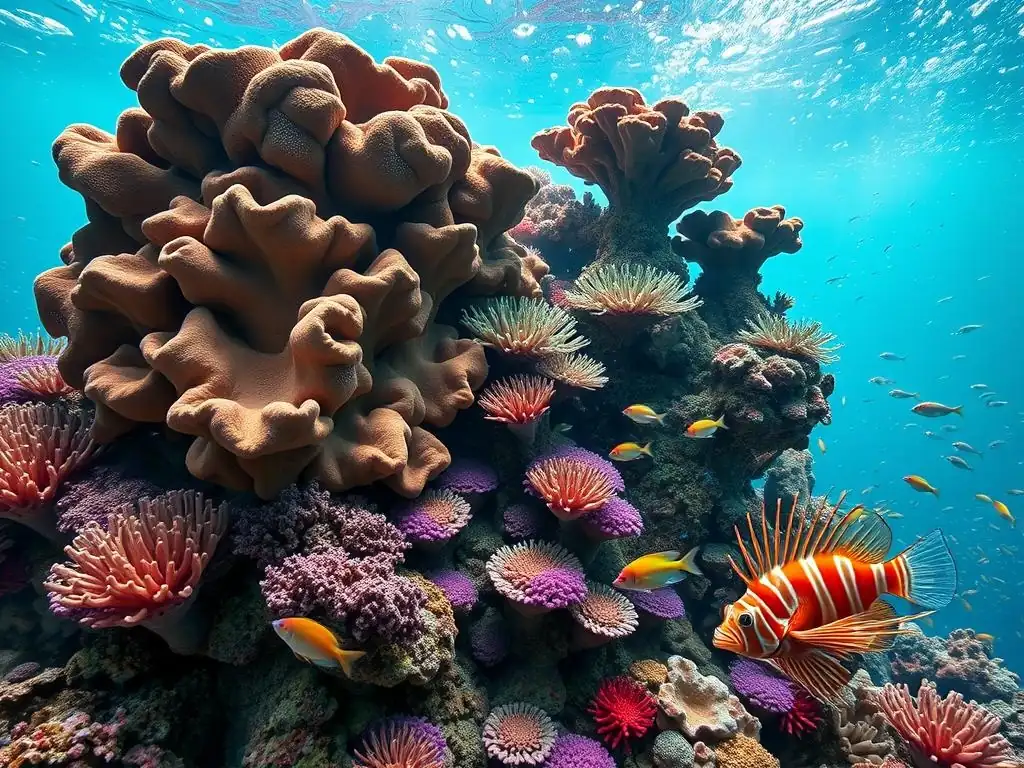
Welcome to Aquarium Mastery!
Ever wondered if that beautiful coral swaying in your tank is a Toadstool, Finger Leather, or something else entirely? Dive in! This guide will unravel the mysteries of Leather Coral Identification, offering a clear path to understanding these fascinating soft corals. Get ready to explore the unique characteristics of each species and unlock the secrets to their thriving health. Intrigued? Let's discover the amazing world of Leather Corals together!
- Leather Coral Identification Guide: An Introduction to Soft Corals
- Toadstool Leather Coral Identification: Recognizing Sarcophyton
- Finger Leather Coral Identification: Distinguishing Sinularia Species
- Cabbage Leather Coral Identification: Spotting Lobophytum
- Distinguishing Between Similar-Looking Soft Corals
- Leather Coral Identification Tips for Beginners
- Common Leather Coral Health Issues and Identification of Problems
-
Frequently Asked Questions
- What are some of the most popular types of Leather Corals that are commonly kept in aquariums?
- How difficult are Leather Corals to care for, especially compared to other types of corals?
- What are some key visual characteristics that can help in Leather Coral identification?
- What specific water parameters are crucial for maintaining healthy Leather Corals in an aquarium?
- Where can I find more detailed information about Leather Coral identification and care, beyond this FAQ?
- Final Reflection: Unveiling the Secrets of Leather Corals
- Unveil the Secrets: Grow Your Dream Leather Coral Reef!
Leather Coral Identification Guide: An Introduction to Soft Corals
Understanding Leather Corals: A Beginner's Guide
Leather corals, primarily belonging to the genera Sarcophyton, Sinularia, and Lobophytum, are popular choices for reef tank enthusiasts due to their striking appearance, relative hardiness, and ease of care compared to their stony coral counterparts. Unlike Large Polyp Stony (LPS) or Small Polyp Stony (SPS) corals, leather corals lack a rigid, calcified skeleton, instead possessing a fleshy, leathery texture. This characteristic gives them their common name and contributes to their flexibility and resilience in various aquarium environments. They derive most of their nutritional needs from photosynthesis, thanks to the symbiotic zooxanthellae algae residing within their tissues.
These soft corals play a vital role in the reef ecosystem, providing habitat and contributing to the overall biodiversity of a marine aquarium. Their unique growth forms, ranging from mushroom-like caps to intricate branching structures, add significant visual interest. A key aspect of their biology is their periodic "sloughing," where they shed a waxy outer layer to remove accumulated detritus and algae, revealing fresh tissue beneath. This natural process is a healthy sign and typically occurs every few weeks, lasting from a few days to over a week, during which polyps may remain retracted.
Why Leather Coral Identification Matters for Reef Tank Enthusiasts
Accurate leather coral identification is crucial for several reasons, directly impacting the long-term health and success of a reef aquarium. Different species within the leather coral family can have varying requirements regarding light intensity, water flow, and placement within the tank. For example, some Sarcophyton species prefer moderate flow, while certain Sinularia types thrive in stronger, more turbulent conditions. Misidentifying a coral can lead to suboptimal placement, resulting in stress, slow growth, or even tissue necrosis.
Furthermore, proper identification is essential for managing allelopathy, the chemical warfare that some corals wage against others. Many leather corals, particularly Sinularia species, can release terpenoids into the water, which may inhibit the growth or even harm more sensitive corals like SPS. Knowing the exact species allows aquarists to implement appropriate mitigation strategies, such as increased carbon filtration or careful spacing, to ensure the compatibility and well-being of all tank inhabitants. This comprehensive leather coral identification guide aims to equip hobbyists with the knowledge to make informed decisions for a thriving reef.
Toadstool Leather Coral Identification: Recognizing Sarcophyton
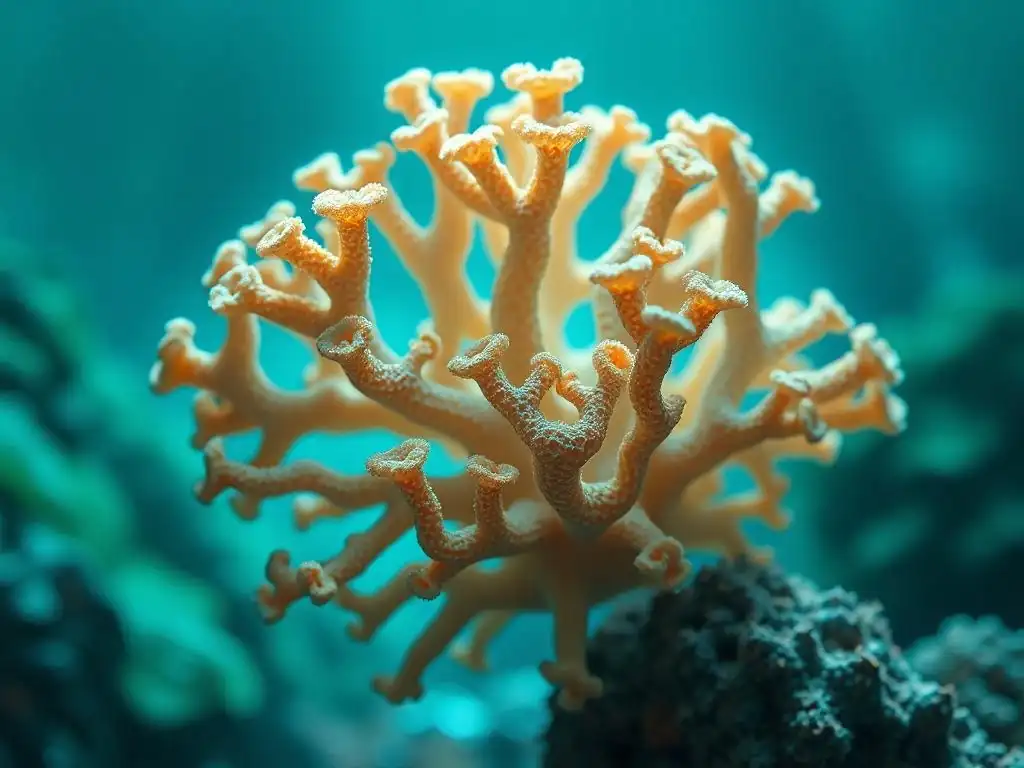
Characteristics of Toadstool Leather Corals: Shape, Color, and Size
Toadstool leather corals, primarily from the genus Sarcophyton, are readily identifiable by their distinctive mushroom-like or toadstool shape. They typically feature a prominent, often thick, stalk that supports a broad, flattened, or convoluted cap. The cap can vary significantly in shape, from relatively smooth and rounded to heavily lobed or brain-like in appearance. Common colorations include various shades of tan, brown, cream, and olive green, with rarer vibrant green specimens being highly sought after.
These corals can range considerably in size, with smaller specimens being a few inches in diameter, while mature colonies can expand to over 12 to 18 inches across the cap. Their polyps are generally small and uniform, extending from the surface of the cap to capture nutrients and maximize light exposure. When fully extended, the polyps give the coral a fuzzy or velvety texture, a clear indication of a healthy, thriving specimen. Observing the consistent extension of these polyps is a key step in leather coral identification guide practices.
Identifying Different Varieties of Toadstool Leather Corals
Distinguishing between the different varieties of toadstool leather corals can be subtle, often relying on the specific morphology of their cap and stalk. While all Sarcophyton species share the fundamental toadstool shape, variations in the degree of convolution, folding, and lobing of the cap are primary indicators. Some varieties may have a very smooth, almost flat cap, while others exhibit deep, intricate folds that resemble a brain coral. The thickness and texture of the stalk can also offer clues, though these are often less definitive than the cap structure.
Another differentiating factor can be the polyp morphology and color, though these are more variable depending on environmental conditions. For instance, some varieties might have slightly longer or more densely packed polyps, contributing to a different overall texture when fully expanded. Precise identification often requires keen observation over time, noting how the coral grows and develops its characteristic shape under stable tank conditions. This detailed leather coral identification guide focuses on these nuanced visual cues.
Common Toadstool Leather Coral Varieties: Sarcophyton ehrenbergi, Sarcophyton glaucum, and Sarcophyton trocheliophorum
- Sarcophyton ehrenbergi: This variety is often characterized by a cap that is moderately convoluted or undulating, giving it a somewhat ruffled or wavy appearance around the edges. It tends to grow quite robustly and can form large, impressive colonies. The surface of its cap may have a slightly more textured look due to the irregular folds.
- Sarcophyton glaucum: Often referred to as the "classic" toadstool, S. glaucum typically exhibits a smoother, more rounded, or gently undulating cap. It often has a very distinct stalk and a more symmetrical mushroom shape. This species is known for its ability to grow into very large, stately specimens, making it a popular choice for mature reef tanks.
- Sarcophyton trocheliophorum: This variety is perhaps the most distinct among the common toadstools, recognized by its deeply lobed or folded cap, which can sometimes appear almost brain-like in its convolutions. The folds are often very pronounced, creating a complex surface texture. This unique morphology makes S. trocheliophorum relatively easier for a leather coral identification guide to distinguish from other Sarcophyton species.
Toadstool Leather Coral Care Considerations: Light, Flow, and Water Parameters
Toadstool leather corals, being photosynthetic, thrive under moderate lighting conditions. A PAR (Photosynthetically Active Radiation) range of approximately 100-250 is generally suitable, though they can often adapt to slightly lower or higher intensities depending on the specific species and acclimation. Too little light can lead to browning or shrinking, while excessive light might cause bleaching. It's crucial to observe their polyp extension and coloration as indicators of optimal light levels.
Regarding water flow, Sarcophyton species prefer moderate to strong turbulent flow. This helps prevent detritus from settling on their cap, which can lead to tissue irritation and potential infections. More importantly, good flow assists in the vital process of sloughing, ensuring the waxy outer layer is effectively removed. Standard reef water parameters are essential for their health: temperature between 75-80°F (24-27°C), salinity 1.024-1.026 specific gravity, alkalinity 8-12 dKH, calcium 400-450 ppm, and magnesium 1250-1350 ppm. Consistent water quality and stability are paramount for these hardy yet responsive soft corals.
Finger Leather Coral Identification: Distinguishing Sinularia Species
Key Features of Finger Leather Corals: Branching Patterns and Polyp Appearance
Finger leather corals, belonging to the genus Sinularia, are characterized by their diverse and often intricate branching patterns, which give them their common name. These patterns can range from thick, stubby, club-like fingers to delicate, elongated, and highly ramified branches. The overall colony shape can be upright and bushy, or more sprawling and encrusting, depending on the species and environmental conditions. Colors are quite varied, encompassing shades of green, brown, cream, pink, and even yellow, adding significant visual diversity to a reef tank.
The polyps of Sinularia species are typically small and numerous, often giving the coral a fuzzy appearance when fully extended. While most have short polyps, some varieties, like Sinularia flexibilis, can exhibit longer, more wispy polyps that sway in the current. The density and length of these polyps, combined with the specific branching architecture, are key visual cues for leather coral identification guide efforts. Observing these features under different lighting conditions can further aid in distinguishing between species.
Differentiating Between Finger Leather Coral Species
Differentiating between the various species of finger leather corals within the Sinularia genus can be challenging due to their wide range of growth forms and the influence of environmental factors on their appearance. The primary method involves carefully observing the thickness, length, and degree of branching in their "fingers" or lobes. Some species will develop very stout, rigid branches, while others produce more slender and flexible ones. The overall shape of the colony—whether it grows as a dense bush, a sprawling mat, or an upright tree-like structure—also provides important clues.
Beyond the macroscopic branching, subtle differences in polyp size, color, and extension patterns can also assist in differentiation. While a definitive species identification often requires microscopic examination of sclerites (tiny skeletal elements), hobbyists can reliably identify common Sinularia types by focusing on their distinctive growth habits. This practical approach is central to any effective leather coral identification guide for aquarists.
Sinularia dura vs. Sinularia flexibilis: A Comparative Analysis
- Sinularia dura: This species is known for its very robust, thick, and often stubby branches. The "fingers" are typically quite rigid and do not sway significantly in the current. S. dura tends to form dense, bushy colonies that can be quite heavy and often has a duller brown or cream coloration. Its resilient and sturdy structure makes it a popular choice for beginner aquarists.
- Sinularia flexibilis: In stark contrast, S. flexibilis is characterized by its more slender, flexible, and often longer branches. These "fingers" are much more delicate and will undulate gracefully in the water flow, giving it a soft, flowing appearance. It is often referred to as "Spaghetti Leather" or "Wisp Leather" due to this characteristic. S. flexibilis frequently exhibits brighter green or yellow hues, making it a visually striking addition to a reef tank. This comparative analysis is a vital part of a comprehensive leather coral identification guide.
Placement and Compatibility for Finger Leather Corals in Reef Aquariums
Proper placement of finger leather corals in a reef aquarium is crucial for their health and the well-being of other corals. Most Sinularia species thrive under moderate to high lighting (PAR 150-300) and moderate to strong, turbulent water flow. Adequate flow helps prevent detritus accumulation within their branches and aids in the sloughing process. They should be placed in an area where they receive consistent water movement, allowing their polyps to extend fully and facilitate nutrient exchange.
A significant consideration for Sinularia species is their potential for allelopathy. Many finger leathers release chemical compounds (terpenoids) into the water that can inhibit the growth or even cause tissue recession in other, more sensitive corals, particularly SPS corals. Therefore, it is advisable to provide ample space between Sinularia and other corals, typically at least 6-12 inches depending on the species and tank size. Regular use of activated carbon in the filtration system is highly recommended to absorb these allelopathic compounds and maintain overall water quality, ensuring a harmonious reef environment.
Cabbage Leather Coral Identification: Spotting Lobophytum
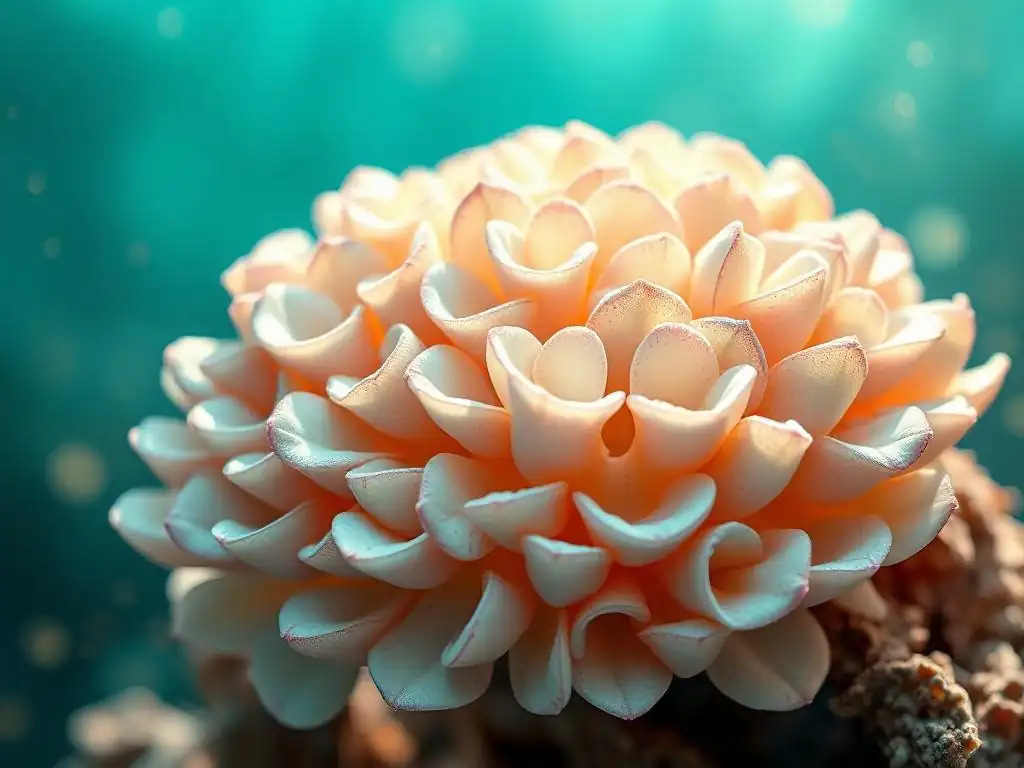
Unique Traits of Cabbage Leather Corals: Lobe Structure and Texture
Cabbage leather corals, belonging to the genus Lobophytum, are easily recognizable by their distinctive lobed or folded growth pattern, which often resembles a head of cabbage, a brain, or even a cauliflower. Unlike the distinct stalk and cap of toadstools or the branching fingers of Sinularia, Lobophytum typically grows as an encrusting base from which numerous convoluted lobes or folds arise. These lobes can be tightly packed or more loosely arranged, creating a highly textured and undulating surface. The coral's texture is generally soft, fleshy, and velvety when its polyps are extended.
The polyps of Lobophytum are usually small and give the coral a fine, fuzzy appearance. When fully retracted, the coral's leathery, folded surface becomes more pronounced. This unique morphology allows cabbage leathers to maximize their surface area for light absorption, given their photosynthetic nature. The presence and complexity of these lobes are the primary indicators for a leather coral identification guide focused on Lobophytum species, setting them apart from other soft corals.
Identifying Variations in Cabbage Leather Coral Morphology
Variations within cabbage leather corals primarily involve the depth, complexity, and arrangement of their characteristic lobes. Some Lobophytum species might exhibit very deep, intricate folds, creating a highly convoluted appearance, while others may have shallower, more rounded lobes. The way these lobes are packed together also varies; some can be very dense and compact, forming a solid "head," whereas others might be more spread out, giving a looser, more ruffled look.
The overall growth form can also differ, ranging from relatively flat, encrusting colonies that spread across the rockwork to more upright, columnar structures with multiple layers of lobes. These morphological differences are often influenced by environmental factors such as water flow and light intensity, which can encourage more or less pronounced lobing. Observing how the coral develops its unique shape over time in a stable environment is key to understanding its specific variation.
Cabbage Leather Coral Color Variations: Green, Brown, and Cream Variations
- Green Variations: Highly prized by aquarists, green cabbage leather corals can range from a subtle olive green to a vibrant lime or emerald green. These striking colors are often enhanced under specific actinic or blue spectrum LED lighting, making them a focal point in a reef tank. The intensity of the green can also vary based on the coral's health and the light it receives.
- Brown Variations: The most common coloration for Lobophytum is various shades of brown, ranging from light tan to deep chocolate brown. This ubiquitous color is due to the dominant brown zooxanthellae within their tissues. While less flashy than their green counterparts, brown cabbage leathers are equally hardy and contribute significant biomass and texture to the aquarium.
- Cream Variations: Less frequently encountered, cream or off-white cabbage leather corals offer a softer, more subtle aesthetic. These variations may have a slightly translucent quality, allowing for interesting light play within their folds. Their lighter coloration can provide a nice contrast against more vibrantly colored corals in a diverse soft coral collection, making them distinctive in a leather coral identification guide.
Maintaining Healthy Cabbage Leather Corals: Essential Tips
Maintaining healthy cabbage leather corals requires attention to a few key environmental factors. Like other photosynthetic soft corals, Lobophytum species thrive under moderate lighting conditions, typically a PAR range of 100-200. While they are adaptable, consistent light levels prevent stress and promote vibrant coloration. Too low light can lead to browning, while excessive light might cause bleaching or retraction.
Water flow is equally crucial; cabbage leathers benefit from moderate to strong, turbulent flow. This type of flow helps prevent detritus from settling within their numerous folds, which can lead to irritation and potential infections. It also assists in their natural sloughing process, ensuring the waxy layer is effectively shed. Regular water changes (10-20% bi-weekly or monthly) and the use of activated carbon are vital to maintain pristine water quality and mitigate any allelopathic chemicals they might release, ensuring a healthy and thriving Lobophytum colony.
Distinguishing Between Similar-Looking Soft Corals
Leather Coral vs. Mushroom Coral: Visual Differences
Differentiating between leather corals and mushroom corals is a common challenge for beginners, but several key visual distinctions exist. Leather corals (e.g., Sarcophyton, Sinularia, Lobophytum) typically possess a more complex and structured growth form. This often includes a distinct stalk supporting a cap (as in toadstools), intricate branching patterns (finger leathers), or extensive lobed structures (cabbage leathers). A defining characteristic of healthy leather corals is their periodic "sloughing," where they shed a waxy outer layer.
In contrast, mushroom corals (e.g., Rhodactis, Ricordea, Discosoma) are generally simpler in form, appearing as disc-shaped or blob-like polyps that attach directly to the rockwork without a prominent stalk. They do not exhibit the same sloughing behavior as leather corals. While some mushroom corals can grow quite large and have convoluted surfaces, their overall morphology lacks the organized, structural complexity seen in most leather corals. This fundamental difference in growth habit is a primary indicator in any leather coral identification guide.
Leather Coral vs. Other Soft Coral Families: A Quick Comparison Chart
- Leather Corals (e.g., Sarcophyton, Sinularia, Lobophytum)
- Growth Form: Often stalked, branching, or distinctly lobed/folded structures.
- Texture: Leathery, firm, often with a velvety feel from extended polyps.
- Polyp Size: Generally small, giving a "fuzzy" appearance when extended.
- Sloughing: Regularly shed a waxy outer layer as part of their growth process.
- Zoanthids (e.g., Zoanthus, Palythoa)
- Growth Form: Colonial, forming mats of individual polyps directly attached to the substrate.
- Texture: Soft, individual polyps with a distinct oral disc and tentacles.
- Polyp Size: Medium to large, highly variable depending on species.
- Sloughing: Do not slough in the same manner as leather corals.
- Pulsing Xenia (e.g., Xenia)
- Growth Form: Colonial, typically with a central stalk and multiple individual polyps extending from it, often forming a "bush."
- Texture: Very soft, delicate, almost gelatinous.
- Polyp Size: Large, feathery polyps that rhythmically open and close, creating a "pulsing" motion.
- Sloughing: Do not slough a waxy layer. Their pulsing is a unique identifier.
Leather Coral Identification Tips for Beginners
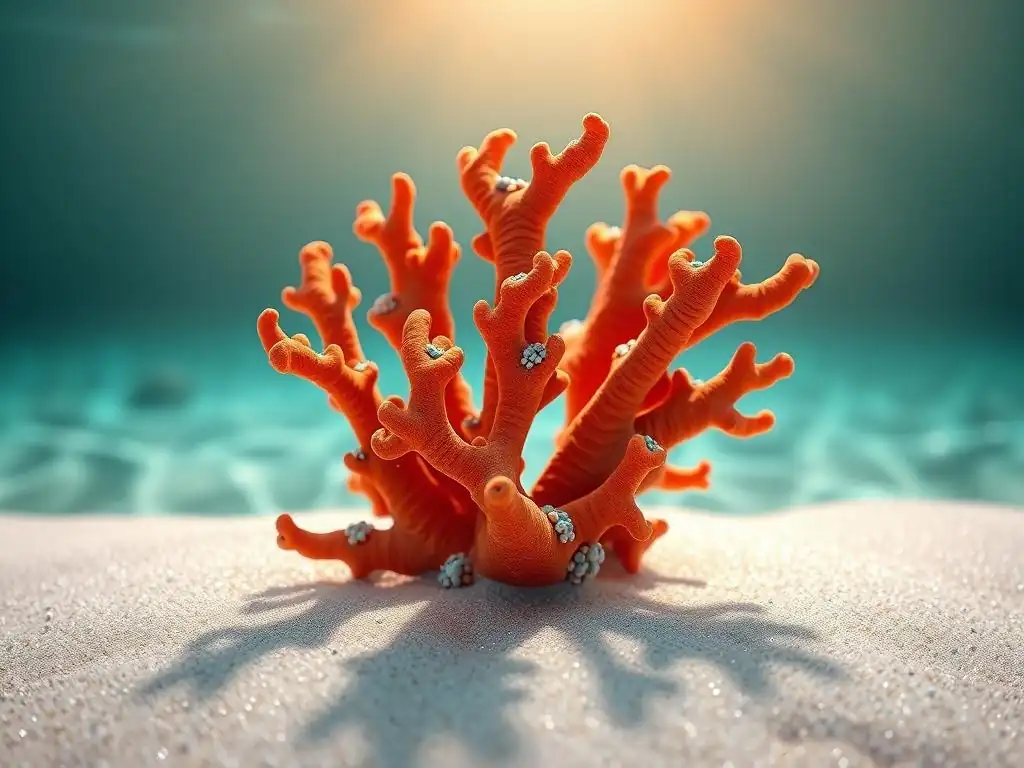
Observing Polyp Extension and Behavior
For beginners in reef keeping, observing the polyp extension and behavior of a leather coral is an invaluable leather coral identification guide tip. Healthy leather corals will typically have their polyps fully extended for most of the day, especially when lighting is appropriate. These polyps are responsible for capturing light and some particulate matter for nutrition. A coral that consistently retracts its polyps for extended periods, beyond its normal sloughing cycle, is often signaling stress or an environmental issue.
Pay close attention to the size, shape, and density of the extended polyps. For instance, Sarcophyton species usually have very small, uniform polyps that give the cap a smooth, fuzzy look. In contrast, some Sinularia species might exhibit longer, more distinct polyps that wave noticeably in the current. Understanding these subtle differences in polyp characteristics can provide crucial clues, even when the overall coral shape is not immediately obvious, aiding in accurate identification.
Considering Coloration and Growth Patterns
While coloration can be influenced by lighting conditions and the health of the coral, it remains a significant factor in leather coral identification guide efforts. Certain color variations are more prevalent in specific genera; for example, vibrant greens are highly characteristic of certain Lobophytum and Sinularia species. However, it's important to remember that many leather corals also come in various shades of brown or tan, so color alone is rarely definitive without considering other traits.
The growth pattern is arguably the most reliable visual cue for initial identification. Is the coral growing on a distinct stalk with a cap? That points to Sarcophyton. Does it have numerous finger-like branches? That suggests Sinularia. Does it form a convoluted, brain-like or cabbage-like structure with distinct lobes? That indicates Lobophytum. Over time, observing how a coral grows and matures will solidify your understanding of its specific characteristics and aid in confirming its identity within these popular soft coral groups.
Using Online Resources for Leather Coral ID: Reef2Reef and World Register of Marine Species
For challenging leather coral identification guide tasks, leveraging online resources can be incredibly helpful. Reef2Reef is one of the largest and most active online forums for reef hobbyists. It features dedicated sections where users can post photos of their corals and ask for identification assistance from a vast community of experienced aquarists. This collaborative approach often yields multiple opinions and can help narrow down possibilities, especially for less common or ambiguous specimens. The sheer volume of user-submitted photos also provides a valuable visual database for comparison.
For more authoritative and scientific verification, the World Register of Marine Species (WoRMS) is an excellent resource. While not designed for casual visual identification, WoRMS provides a comprehensive and up-to-date taxonomic database of marine organisms. If you have a potential scientific name, you can use WoRMS to verify its validity, explore its classification, and sometimes find detailed descriptions or associated scientific literature. Combining community-driven identification on forums like Reef2Reef with the scientific rigor of WoRMS offers a robust approach to accurate leather coral identification guide practices.
Common Leather Coral Health Issues and Identification of Problems
Recognizing Signs of Stress in Leather Corals
Identifying signs of stress in leather corals is crucial for prompt intervention and maintaining a healthy reef tank. One of the most common indicators is prolonged polyp retraction. While polyps retract normally during sloughing or at night, persistent retraction for several days or weeks without shedding indicates an underlying issue. Other signs include shrinking in size, a loss of turgor (appearing deflated or limp), or changes in coloration, such as browning out (due to zooxanthellae loss from stress or too little light) or bleaching (turning pale white, often from too much light or extreme temperature fluctuations).
Furthermore, the appearance of white, necrotic patches on the coral's tissue is a serious sign of stress, often indicative of tissue loss or bacterial infection. An inability to slough off the waxy outer layer, or sloughing excessively without fully shedding, can also point to suboptimal conditions. These symptoms collectively suggest that the coral is not thriving and requires immediate attention to its environment, such as checking water parameters, light, and flow.
Addressing Common Ailments Affecting Leather Corals
Addressing common ailments in leather corals typically involves identifying and rectifying the underlying environmental stressors. For issues related to sloughing, such as an inability to shed the waxy layer, increasing turbulent water flow around the coral can often help. If the layer is very loose but not detaching, a gentle manual fanning with a turkey baster might assist, but avoid aggressive manipulation. Ensuring stable water parameters (temperature, salinity, alkalinity, calcium, magnesium) is foundational for preventing stress.
Tissue necrosis or bacterial infections, often seen as white patches or receding tissue, require more direct intervention. First, ensure water quality is pristine, with low nitrates and phosphates. Increasing flow can sometimes help by preventing stagnant water. In some cases, a short-term dip in an antiseptic solution, such as diluted Lugol's iodine, might be considered, following manufacturer instructions carefully. However, the most effective long-term solution is to address the root cause of stress, whether it's insufficient flow, inappropriate lighting, or aggression from neighboring corals, making this a vital aspect of any leather coral identification guide and care regimen.
Frequently Asked Questions
What are some of the most popular types of Leather Corals that are commonly kept in aquariums?
The most popular types include Toadstool Leather corals, Finger Leather corals, and Cabbage Leather corals. These are favored for their relative hardiness and unique appearances.
How difficult are Leather Corals to care for, especially compared to other types of corals?
Leather corals are generally considered easier to care for than many other types of corals, especially SPS corals. They are more tolerant of water parameter fluctuations.
What are some key visual characteristics that can help in Leather Coral identification?
Key characteristics include their shape (e.g., toadstool, finger, cabbage), color variations (ranging from browns and greens to yellows and reds), and the presence or absence of polyps on their surface.
What specific water parameters are crucial for maintaining healthy Leather Corals in an aquarium?
Maintaining stable water parameters is vital. This includes pH levels, alkalinity, calcium levels, and ensuring proper water flow to prevent detritus buildup.
Where can I find more detailed information about Leather Coral identification and care, beyond this FAQ?
AquariumMastery.com provides detailed guides on Leather Coral identification, care, and troubleshooting common issues. Be sure to check our species profiles!
Final Reflection: Unveiling the Secrets of Leather Corals
The journey through the diverse world of leather corals, as detailed in this guide, highlights the essential role of knowledge in appreciating and protecting our marine ecosystems. Understanding the nuances between Toadstools, Finger Leathers, and Cabbage corals is not merely an academic exercise; it's a crucial step towards responsible reef keeping and conservation efforts in the face of increasing environmental pressures.
This exploration into leather coral identification underscores the profound connection we share with these fascinating creatures and the responsibility we bear to safeguard their future. Their resilience and adaptability, while remarkable, are not limitless. In the end, we will conserve only what we love; we will love only what we understand; and we will understand only what we are taught.
- Baba Dioum's words resonate deeply, reminding us that education is the cornerstone of conservation.
Now, armed with this newfound knowledge, I invite you to look beyond the surface. Consider how you can contribute to the preservation of these vital reef inhabitants. Whether you're a seasoned aquarist, a budding marine biologist, or simply a curious observer, let this guide be a catalyst for deeper understanding and a commitment to protecting the delicate balance of our underwater world. Let's ensure that future generations can marvel at the beauty and diversity of leather corals for years to come.
Unveil the Secrets: Grow Your Dream Leather Coral Reef!
Thanks for diving into the world of leather corals! We hope you’re feeling more confident about identifying these fascinating reef inhabitants. Now, let's put that knowledge into action and create a thriving coral kingdom in your own aquarium.
Here’s how you can take the next steps:
- Acquire a Leather Coral Cutting: Visit your local fish store or a trusted online vendor to find a healthy leather coral cutting. Consider starting with a hardy species like the Toadstool Leather for an easier experience.
- Share Your Leather Coral ID Skills: Test your knowledge by browsing online reef forums. Post photos of unidentified leather corals and help other hobbyists identify them accurately!
- Document Your Coral's Journey: Start a photo journal of your leather coral's growth and health. Note changes in appearance and behavior. Share your observations with the online reefing community.
Ready to start building your own captivating leather coral reef?