
Lemonpeel Angelfish: Brightening Your Reef, or a Potential Coral Threat?

Welcome to Aquarium Mastery!
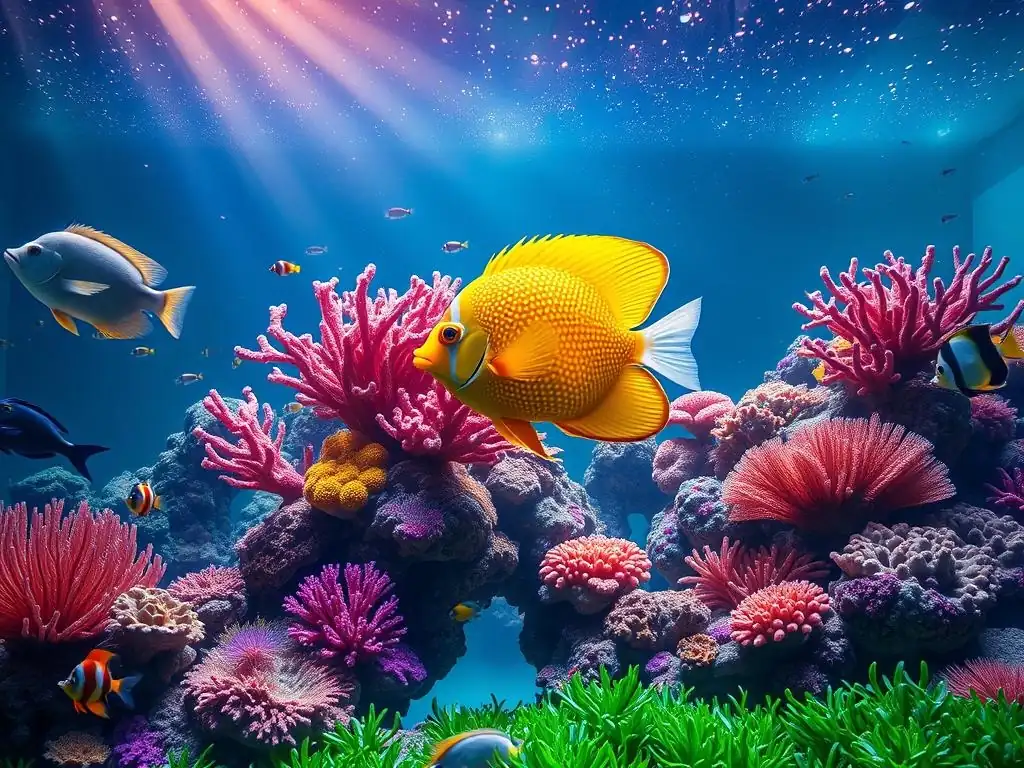
Ever been captivated by the vibrant splash of yellow darting through a reef tank? We're diving deep into the world of the Lemonpeel Angelfish in this guide. But is this sunshine a reef-safe angel, or a potential coral nibbler? Find out everything you need to know about caring for these stunning saltwater fish, from their ideal tank conditions to their compatibility with other species. Let's unlock the secrets to keeping your Lemonpeel happy and healthy, while also protecting your precious corals!
- Introduction to the Lemonpeel Angelfish
- Lemonpeel Angelfish Care Guide: Essential Information
- Feeding Your Lemonpeel Angelfish: Diet and Nutrition
- Lemonpeel Angelfish Behavior and Compatibility
- Identifying and Treating Lemonpeel Angelfish Diseases
- Acquiring a Lemonpeel Angelfish: Selection and Acclimation
- Pros and Cons of Keeping a Lemonpeel Angelfish
- Alternatives to the Lemonpeel Angelfish for Reef Aquariums
- Conclusion: Is a Lemonpeel Angelfish Right for Your Aquarium?
- Frequently Asked Questions
- Final Reflection: Balancing Beauty and Responsibility
- Unleash the Reef's Brilliance!
Introduction to the Lemonpeel Angelfish
Overview of the Lemonpeel Angelfish (Centropyge flavissima)
The Lemonpeel Angelfish, scientifically known as Centropyge flavissima, is a captivating dwarf marine angelfish renowned for its striking, vibrant yellow coloration. Native to the Indo-Pacific region, specifically found in the waters around Indonesia, the Philippines, and the Great Barrier Reef, this species typically inhabits shallow lagoons and outer reef slopes at depths ranging from 1 to 25 meters (approximately 3 to 82 feet).
Its small size, usually reaching an adult length of about 3 to 4 inches (7.5 to 10 cm), makes it a popular choice for home aquariums, though its specific care requirements and potential reef compatibility issues warrant careful consideration for any aquarist seeking a comprehensive Lemonpeel angelfish care guide.
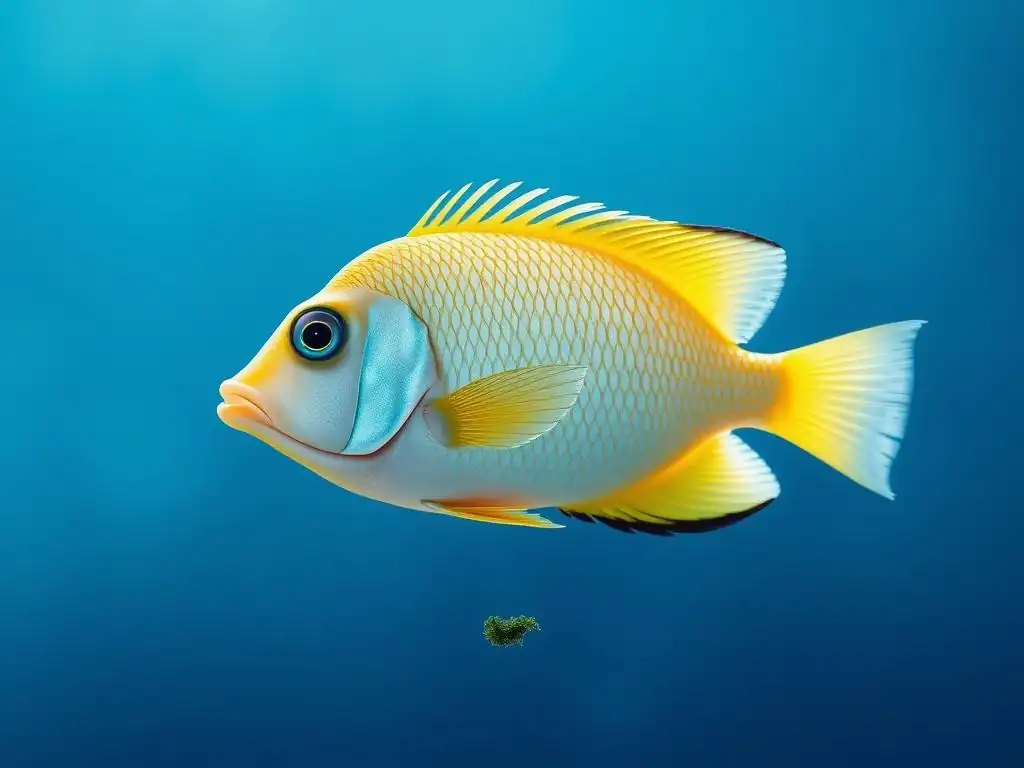
This species is characterized by its brilliant yellow body, often accented by a bright blue ring around the eye and blue markings on the gill cover and fins, particularly the dorsal and anal fins. These blue highlights can vary in intensity depending on the fish's origin and individual genetics. In the wild, they are observed grazing on algae and detritus, often darting among coral branches for shelter. Their natural diet and inquisitive nature contribute to their appeal, but also pose a challenge when assessing their suitability for a mixed-reef environment, a critical aspect of proper Lemonpeel angelfish care.
Why Choose a Lemonpeel Angelfish for Your Saltwater Aquarium?
The primary allure of the Lemonpeel Angelfish for many hobbyists is its dazzling coloration, which can significantly enhance the visual appeal of a saltwater aquarium. Its intense yellow hue provides a vibrant contrast against the blues and greens of other corals and fish, making it a focal point in any tank. Beyond aesthetics, their active swimming patterns and curious nature add dynamic movement and personality to the aquatic environment, providing endless enjoyment for observers. For those seeking a lively, small-to-medium-sized fish, the Lemonpeel Angelfish often stands out.
Furthermore, these angelfish are generally hardy once acclimated to a stable aquarium environment, making them a viable option for intermediate to experienced aquarists. They are known to adapt well to captive diets and can live for several years, typically between 5 to 7 years, if provided with optimal conditions. This longevity, combined with their striking appearance and manageable size, contributes to their popularity. However, a responsible Lemonpeel angelfish care guide must emphasize that their potential for nipping at certain corals means they are not universally "reef-safe," a crucial distinction for coral enthusiasts.
The Lemonpeel Angelfish: A Reef Aquarium Dilemma
Despite their undeniable beauty, the Lemonpeel Angelfish presents a significant dilemma for reef aquarium owners: their unpredictable reef-safe status. While some individuals may coexist peacefully with a variety of corals, others develop a taste for certain stony or soft corals, often nipping at polyps. This behavior is highly individualistic and can be influenced by factors such as tank size, diet, and the presence of other fish. For instance, a well-fed Lemonpeel angelfish in a spacious tank might be less prone to coral nipping than one in a crowded or underfed environment.
This unpredictability means that adding a Lemonpeel Angelfish to a thriving reef tank always carries a degree of risk. Many aquarists have experienced the frustration of watching a prized coral colony slowly decline due to persistent nipping by an otherwise healthy Lemonpeel. Therefore, any comprehensive Lemonpeel angelfish care guide must highlight this potential issue, advising aquarists to proceed with caution and to have a contingency plan, such as a separate quarantine or "fish-only" tank, should the angelfish prove to be incompatible with valuable corals.
Lemonpeel Angelfish Care Guide: Essential Information
Providing the Right Environment for Lemonpeel Angelfish
Creating an appropriate environment is paramount for the health and longevity of your Lemonpeel Angelfish. These fish thrive in established marine aquariums with stable water parameters and plenty of live rock for grazing and hiding. A mature tank, cycled for at least 6-8 weeks and showing no ammonia or nitrite readings, is essential before introducing this species. The presence of a robust biological filter, protein skimmer, and adequate water flow mimics their natural reef habitat and helps maintain pristine water quality, which is critical for preventing stress and disease.
Maintaining consistent salinity, temperature, and pH levels within specific ranges is also a cornerstone of effective Lemonpeel angelfish care. Sudden fluctuations can cause significant stress, leading to weakened immune systems and susceptibility to common marine diseases like Ich. Regular water changes, typically 10-20% weekly or bi-weekly depending on tank inhabitants and bioload, are necessary to replenish essential trace elements and remove accumulated nitrates. Providing a stable environment minimizes the chances of the fish developing undesirable behaviors, such as increased aggression or coral nipping, linked to stress.
Lemonpeel Angelfish Tank Size: How Much Space Do They Need?
For a single Lemonpeel Angelfish, a minimum tank size of 30 gallons (approximately 113 liters) is generally recommended. This allows sufficient swimming space and helps to dilute waste products effectively. However, a larger tank, ideally 50 gallons (189 liters) or more, is preferable, especially if you plan to keep the angelfish with other tank mates or wish to provide a more stable environment. Larger tanks offer greater stability in water parameters and reduce territorial aggression, which can be a factor with dwarf angelfish.
When considering a Lemonpeel angelfish care guide for a community tank, the "one inch of fish per five gallons" rule, or similar guidelines, can be a starting point, but it's more important to consider the adult size and territorial nature of all inhabitants. For example, two Lemonpeel Angelfish, or a Lemonpeel with another dwarf angelfish species, would require a tank of 75 gallons (284 liters) or larger to minimize aggression, though keeping multiple dwarf angelfish in the same tank is often not recommended due to inter-species aggression. Providing ample space is a key component of successful Lemonpeel angelfish care.
Water Parameters: Maintaining Optimal Conditions for Centropyge flavissima
Maintaining precise and stable water parameters is crucial for the health of Centropyge flavissima. The ideal temperature range for Lemonpeel Angelfish is 72-78°F (22-26°C), with minimal daily fluctuation. Salinity should be kept stable between 1.020 and 1.025 specific gravity, or 30-35 ppt (parts per thousand). A standard refractometer should be used for accurate salinity measurements.
The pH level is also critical, ideally maintained between 8.1 and 8.4. Regular testing for ammonia (0 ppm), nitrite (0 ppm), and nitrate (below 20 ppm, ideally below 10 ppm) is essential. High nitrate levels can stress fish and encourage algae growth. Additionally, for tanks with corals, maintaining alkalinity (8-12 dKH), calcium (400-450 ppm), and magnesium (1250-1350 ppm) is important, as these parameters contribute to overall water stability, which benefits the angelfish as well. A consistent water testing regimen, perhaps weekly for basic parameters and bi-weekly for others, is a fundamental part of any Lemonpeel angelfish care guide.
Setting Up the Ideal Lemonpeel Angelfish Habitat: Rockwork and Hiding Places
Live rock is an indispensable element in a Lemonpeel Angelfish habitat. It provides essential grazing surfaces for the fish to pick at microalgae and detritus, mimicking their natural foraging behavior. More importantly, live rock offers numerous crevices, caves, and overhangs that serve as crucial hiding places. These retreats are vital for the angelfish to escape perceived threats, establish territories, and reduce stress. A general guideline is to provide at least 1 pound of live rock per gallon of tank water, arranged to create complex structures with multiple swim-throughs and secure boltholes.
The arrangement of the rockwork should allow for distinct territories if multiple fish are present, even if not multiple dwarf angelfish. For instance, if housing a Lemonpeel with a peaceful clownfish, defining separate areas can reduce potential disputes. Incorporating diverse rock shapes and sizes can enhance the visual appeal and functional utility of the habitat. A well-structured aquascape not only benefits the fish's well-being but also contributes significantly to the aesthetic appeal of the aquarium, making the Lemonpeel angelfish care guide both practical and visually engaging.
Feeding Your Lemonpeel Angelfish: Diet and Nutrition
What Do Lemonpeel Angelfish Eat in the Wild?
In their natural habitat, Lemonpeel Angelfish are omnivores with a strong preference for grazing on various types of algae, including filamentous and microalgae, which grow on live rock and coral rubble. They are also known to consume small invertebrates, detritus, and zooplankton opportunistically. Their diet is diverse, allowing them to extract nutrients from a wide range of available food sources within the reef environment. This natural diet emphasizes the importance of providing a varied and balanced diet in captivity to ensure optimal health and coloration, a key aspect of a thorough Lemonpeel angelfish care guide.
Observations in the wild indicate that they spend a significant portion of their day actively foraging and picking at surfaces. This continuous grazing behavior helps them meet their nutritional needs. The availability of natural food sources on live rock in an aquarium can supplement their diet, but it is rarely sufficient on its own to sustain a healthy Lemonpeel Angelfish in a closed system. Therefore, understanding their wild diet helps inform the captive feeding regimen, ensuring that their dietary requirements are fully met.
Recommended Foods for Lemonpeel Angelfish in Captivity
To replicate their natural diet and ensure comprehensive nutrition, a varied diet of high-quality marine-based foods is essential for Lemonpeel Angelfish in captivity. Premium flake and pellet foods formulated for marine omnivores or angelfish should form the staple of their diet. Look for brands that list marine algae, spirulina, and various protein sources as primary ingredients. For example, flakes containing spirulina and marine algaes up to 40% are highly beneficial.
Supplementing dry foods with frozen preparations is crucial. Mysis shrimp, brine shrimp (enriched), finely chopped marine algae (like nori or spirulina sheets), and specialized angelfish formulas are excellent choices. Offering a mix of these foods ensures they receive a full spectrum of vitamins, minerals, and amino acids. For instance, feeding mysis shrimp three times a week and alternating with spirulina-enriched brine shrimp or chopped nori ensures dietary diversity. This varied feeding approach is a cornerstone of any effective Lemonpeel angelfish care guide.
Feeding Frequency and Portion Sizes for Healthy Growth
Lemonpeel Angelfish, being active grazers in the wild, benefit from multiple small feedings throughout the day rather than one large meal. Feeding them 2-3 times per day, in small portions that they can consume within 2-3 minutes, is ideal. This mimics their natural feeding behavior and prevents uneaten food from decaying and negatively impacting water quality. Overfeeding can lead to digestive issues for the fish and contribute to elevated nitrate levels in the aquarium.
The portion size should be appropriate for the fish's size and the number of tank inhabitants. For a single adult Lemonpeel Angelfish, a pinch of flake food or a small cube of frozen food (approximately 1 cm x 1 cm) per feeding is often sufficient. Observe your fish's appetite and adjust accordingly. A healthy Lemonpeel Angelfish will exhibit strong feeding responses and maintain a full, rounded belly without appearing bloated. Consistent and appropriate feeding is a vital part of a successful Lemonpeel angelfish care guide, promoting healthy growth and vibrant coloration.
Supplementing the Lemonpeel Angelfish Diet: Vitamins and Minerals
While high-quality prepared foods contain essential vitamins and minerals, supplementing the Lemonpeel Angelfish diet can further enhance their health, coloration, and immune system. Liquid vitamin supplements specifically designed for marine fish can be soaked into frozen or dry foods before feeding, perhaps once or twice a week. These supplements often contain Vitamin C, Vitamin B complex, and other beneficial compounds that might be lacking or degrade in processed foods. For example, a few drops of a vitamin supplement soaked into a frozen mysis shrimp cube for 10-15 minutes before thawing can be highly beneficial.
Additionally, ensuring a constant supply of natural grazing material, such as live rock with a healthy growth of microalgae, provides natural supplementation. Some aquarists also offer blanched vegetables like spinach or spirulina flakes, which contribute to their overall nutritional intake. However, it's crucial not to over-supplement, as excessive vitamins can also be detrimental. A balanced approach, combining high-quality staple foods with occasional vitamin enrichment, is the best strategy for comprehensive Lemonpeel angelfish care.
Lemonpeel Angelfish Behavior and Compatibility
Understanding the Lemonpeel Angelfish Temperament
The Lemonpeel Angelfish generally exhibits a moderate temperament; they are typically peaceful towards most non-angelfish species, but can be territorial and aggressive towards conspecifics (other Lemonpeel Angelfish) and other dwarf angelfish species. This territoriality is more pronounced in smaller tanks where space is limited. In a well-established aquarium, a single Lemonpeel Angelfish will often become the dominant fish among smaller, more docile species, asserting its presence without necessarily causing harm.
They are active swimmers and explorers, constantly foraging among the rockwork and darting through the water column. This inquisitive nature means they will investigate new additions to the tank, including corals and invertebrates, which contributes to their unpredictable reef-safe status. Understanding this inherent curiosity and territorial drive is fundamental to successful Lemonpeel angelfish care, allowing aquarists to make informed decisions about tank mates and aquascaping.
Are Lemonpeel Angelfish Reef Safe? Assessing the Risks
The question of whether Lemonpeel Angelfish are "reef safe" is complex and often debated among aquarists. The consensus is that they are not reliably reef safe. While some individuals may live in a reef tank for years without ever bothering corals, others will develop a habit of nipping at the polyps of certain stony (SPS and LPS) and soft corals. Examples of corals they are commonly reported to nip include zoanthids, palythoa, Acropora, Montipora, and even some soft corals like Leather corals. This behavior is highly individualistic and can appear suddenly, even in a previously "reef-safe" specimen.
The risk of coral nipping increases if the fish is underfed, stressed, or if the tank is too small. For instance, a Lemonpeel angelfish in a 30-gallon tank with limited foraging opportunities might be more inclined to nip at corals than one in a 75-gallon tank with abundant live rock and a consistent feeding schedule.
Therefore, while beautiful, a Lemonpeel Angelfish should only be introduced into a reef tank with extreme caution and a willingness to remove the fish if it begins to damage corals. This honest assessment of risk is a crucial part of any realistic Lemonpeel angelfish care guide.
Choosing Tank Mates for Your Lemonpeel Angelfish: Compatible Species
When selecting tank mates for a Lemonpeel Angelfish, prioritize peaceful to semi-aggressive fish that are similar in size or larger, and occupy different levels of the water column to minimize territorial disputes. Good compatible species often include:
- Clownfish: Ocellaris and Percula clownfish are generally robust and can hold their own.
- Gobies: Many types of gobies, such as Watchman Gobies or Diamond Watchman Gobies, are excellent choices as they typically stay near the substrate.
- Blennies: Most blenny species, like Lawnmower Blennies or Tailspot Blennies, are compatible and occupy different niches.
- Damsels (certain species): While some damsels are aggressive, species like the Yellowtail Damselfish can sometimes coexist, though caution is advised.
- Cardinalfish: Peaceful schoolers like Banggai Cardinalfish are good options.
- Tang/Surgeonfish (larger tanks): Smaller tangs like the Yellow Tang (in tanks 75+ gallons) can work, but consider adult size.
Avoid keeping Lemonpeel Angelfish with other dwarf angelfish species (e.g., Flame Angelfish, Coral Beauty) unless in very large aquariums (100+ gallons) with ample hiding spots, as inter-species aggression is common. Similarly, shy or very small fish that could be bullied should be avoided. A well-thought-out tank mate selection is paramount for a peaceful aquarium and a successful Lemonpeel angelfish care guide.
Avoiding Aggression: Managing Lemonpeel Angelfish Territoriality
Managing the inherent territoriality of the Lemonpeel Angelfish requires thoughtful planning and observation. The most effective strategy is to provide a sufficiently large aquarium, ideally 50 gallons or more for a single specimen, with an abundance of live rock arranged to create numerous hiding spots and visual barriers. This allows the angelfish to establish its own territory without constantly feeling threatened or infringing on the space of other inhabitants.
Introducing the Lemonpeel Angelfish as one of the last fish to the aquarium can sometimes help, as established fish may be less likely to perceive it as a threat. However, if aggression does occur, particularly towards new additions or specific tank mates, rearranging the rockwork can sometimes disrupt established territories and alleviate tension. In severe cases of persistent aggression, especially towards smaller or more docile tank mates, the only solution might be to remove the Lemonpeel Angelfish from the community tank. Careful observation of interactions is a continuous part of responsible Lemonpeel angelfish care.
Identifying and Treating Lemonpeel Angelfish Diseases
Common Diseases Affecting Lemonpeel Angelfish
Like many marine fish, Lemonpeel Angelfish are susceptible to a range of common diseases, primarily when stressed by poor water quality, inadequate diet, or improper tank mates. The most prevalent diseases include:
- Marine Ich (Cryptocaryon irritans): Characterized by small, white spots resembling salt grains on the body and fins. It's highly contagious and often triggered by stress or fluctuating water parameters.
- Velvet (Amyloodinium ocellatum): Appears as a fine, dusty, yellowish-brown coating on the fish's body, often accompanied by rapid gill movement. It's more deadly than Ich if not treated quickly.
- Bacterial Infections: Can manifest as fin rot, cloudy eyes, red streaks on the body, or ulcers. Often secondary to stress or physical injury.
- Lymphocystis: A viral infection causing cauliflower-like growths on the fins or body. Generally not fatal but can be unsightly.
- Head and Lateral Line Erosion (HLLE): Characterized by pitting and erosion of the skin and bone, particularly around the face and lateral line. Often linked to poor water quality, activated carbon overuse, nutritional deficiencies, or stray voltage.
Understanding these common ailments is crucial for any effective Lemonpeel angelfish care guide, enabling early detection and intervention.
Recognizing Symptoms of Illness in Your Lemonpeel Angelfish
Early detection of illness is vital for successful treatment. Regular daily observation of your Lemonpeel Angelfish can help you spot subtle changes in behavior or appearance. Key symptoms to look for include:
- Changes in coloration: Fading colors, dullness, or unusual blotches.
- Abnormal swimming: Erratic movements, labored breathing, darting, scratching against rocks (flashing), or staying at the surface/bottom.
- Loss of appetite: Refusing to eat, or spitting out food.
- Physical signs: White spots (Ich), dusty coating (Velvet), frayed fins, cloudy eyes, open sores, or growths.
- Behavioral changes: Hiding excessively, lethargy, or increased aggression.
For instance, if your Lemonpeel Angelfish suddenly develops several small white spots and begins rubbing against the live rock, it's a strong indicator of Marine Ich. Prompt identification of these signs is a cornerstone of responsible Lemonpeel angelfish care.
Quarantine Procedures for New Lemonpeel Angelfish
A dedicated quarantine tank (QT) is an indispensable tool for preventing the introduction of diseases into your main display aquarium. Every new Lemonpeel Angelfish, and indeed any new fish or invertebrate, should undergo a minimum 4-6 week quarantine period. A QT should be a simple setup:
- Tank size: 10-20 gallons (approx. 38-76 liters).
- Equipment: Heater, small power filter (with sponge or floss, no carbon), airstone, PVC pipes or inert decor for hiding.
- No substrate: Makes cleaning and medication easier.
- Water: Use water from your main display tank or freshly mixed saltwater.
During quarantine, observe the fish closely for any signs of disease. Prophylactic treatments for common parasites like Ich and Velvet (e.g., copper-based medications, Chloroquine Phosphate, or tank transfer method) can be administered even if symptoms are not present, as many diseases have a dormant stage. This proactive approach significantly reduces the risk of wiping out an entire display tank, making it a critical step in any comprehensive Lemonpeel angelfish care guide.
Treatment Options for Sick Lemonpeel Angelfish: Medications and Remedies
Treatment options depend on the specific disease identified. For parasitic infections like Marine Ich and Velvet, common treatments include:
- Copper-based medications: Effective against Ich and Velvet. Dosage must be carefully monitored with a copper test kit (e.g., Chelated copper at 0.25 ppm for Ich, 0.5 ppm for Velvet). Treatment typically lasts 14-21 days.
- Chloroquine Phosphate: A highly effective and less toxic alternative to copper for Ich and Velvet. Dosage is usually around 10mg/gallon.
- Tank Transfer Method (TTM): A chemical-free method for Ich, involving moving the fish between two bare-bottom tanks every 72 hours for 12-14 days.
For bacterial infections, broad-spectrum antibiotics (e.g., Furan-2, Maracyn 2) can be used, often administered in food or directly into the water. Lymphocystis typically resolves on its own if water quality is excellent and stress is minimized, though severe growths can be surgically removed by a vet. HLLE requires addressing the underlying cause (e.g., improving water quality, adding vitamin supplements, removing activated carbon).
Always follow medication instructions precisely and ensure proper water parameters during treatment. Consulting with experienced aquarists or a veterinarian specializing in aquatic animals is recommended for complex cases, reinforcing the detailed nature of a Lemonpeel angelfish care guide.
Acquiring a Lemonpeel Angelfish: Selection and Acclimation
Finding a Healthy Lemonpeel Angelfish for Sale
When looking to purchase a Lemonpeel Angelfish, choose a reputable local fish store or an online vendor with a strong track record of healthy livestock. A good store will have clean tanks, attentive staff, and fish that appear active and well-fed. Avoid stores with many sick or dead fish in their tanks, as this indicates poor husbandry practices that could lead to issues with your new fish.
Inquire about the fish's origin (wild-caught vs. captive-bred, though most Lemonpeels are wild-caught) and how long it has been at the store. A fish that has been at the store for at least a week or two and is actively eating is generally a safer bet, as it has had time to recover from shipping stress.
Online vendors can also be a good source, often offering a wider selection. Look for vendors who provide detailed information about their quarantine procedures, guarantee live arrival, and have positive customer reviews. Ensure they pack the fish appropriately for shipping, using insulated boxes and heat/cold packs as needed, depending on the climate. A responsible dealer is a critical first step in successful Lemonpeel angelfish care.
Observing Key Characteristics of a Healthy Specimen
Before purchasing, spend time observing the Lemonpeel Angelfish in its tank. Look for the following signs of health:
- Bright, vibrant coloration: The yellow should be intense and uniform, with clear blue accents around the eye and on the fins. Dull or patchy coloration can indicate stress or illness.
- Clear eyes: Eyes should be bright and free of cloudiness or haziness.
- Intact fins: Fins should be fully extended, without tears, nips, or signs of fin rot.
- Active and alert: The fish should be swimming actively, exploring its environment, and reacting to movement outside the tank. Avoid fish that are listless, hiding excessively, or breathing rapidly.
- Good body condition: The fish should have a full, rounded belly, not a pinched or sunken appearance, which can indicate malnourishment.
- No visible spots or lesions: Check for white spots (Ich), fuzzy growths (fungus), or open sores.
- Feeding response: Ask the store to feed the fish. A healthy Lemonpeel Angelfish should show a strong appetite and readily accept food.
Thorough observation helps ensure you are bringing home a healthy specimen, which is foundational to a positive Lemonpeel angelfish care experience.
Acclimating Your New Lemonpeel Angelfish to Your Aquarium
Proper acclimation is crucial to minimize stress and prevent osmotic shock when introducing a new Lemonpeel Angelfish to your quarantine or display tank. The drip acclimation method is highly recommended for marine fish due to its slow and gradual equalization of water parameters.
- Preparation: Dim the lights in your aquarium and the room. Float the sealed bag containing the fish in your tank for 15-20 minutes to equalize temperature.
- Drip Acclimation: Open the bag and roll down the edges to form a float. Use an airline tube to siphon water from your tank into the bag, tying a knot in the tube to control the drip rate to about 1-2 drops per second.
- Duration: Allow the water volume in the bag to double or triple over 45-60 minutes.
- Transfer: Gently net the fish (avoid transferring water from the bag into your tank, as it may contain ammonia or pathogens) and place it into your quarantine or display tank. Discard the bag water.
This slow acclimation process significantly reduces stress, allowing the fish to adjust gradually to new pH, salinity, and temperature levels, a vital step in comprehensive Lemonpeel angelfish care.
Monitoring Your Lemonpeel Angelfish After Introduction
After introducing your new Lemonpeel Angelfish, consistent monitoring is essential, especially during the first few days to weeks. Observe its behavior, feeding habits, and physical appearance closely.
- Behavior: Look for signs of stress (hiding constantly, rapid breathing, flashing) or aggression from existing tank mates. Ensure it finds hiding spots and explores its new surroundings.
- Feeding: Offer food within a few hours of introduction, or the next day. A healthy fish should show interest and begin eating within 24-48 hours. Consistent feeding is a good sign of adaptation.
- Physical condition: Continue to check for any signs of disease (spots, frayed fins, cloudy eyes). Early detection allows for prompt treatment in a quarantine tank if necessary.
Maintaining stable water parameters and a peaceful environment will aid in the fish's adjustment. Limit sudden movements around the tank and avoid overfeeding during this initial period. Continued diligent observation is a continuous aspect of thorough Lemonpeel angelfish care.
Pros and Cons of Keeping a Lemonpeel Angelfish
Advantages of Owning a Lemonpeel Angelfish: Beauty and Activity
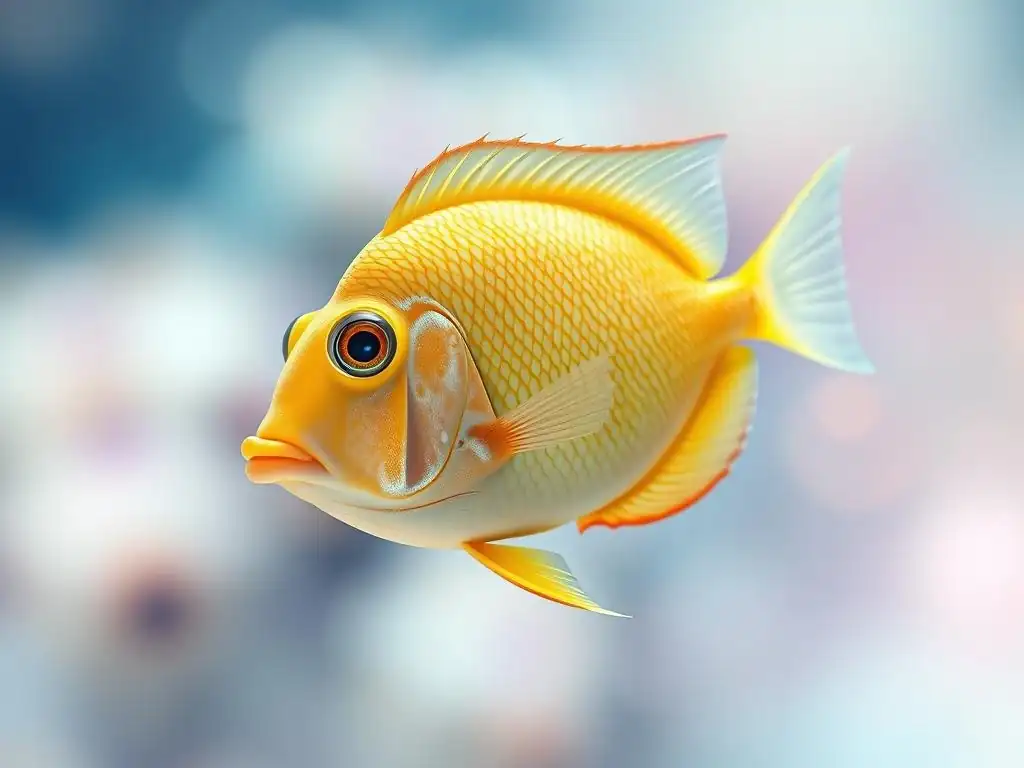
The primary advantage of owning a Lemonpeel Angelfish is its unparalleled visual appeal. Its intense, vibrant yellow coloration, often accented with electric blue, makes it a true showstopper in any marine aquarium. This striking color provides a dynamic contrast to the often more subdued hues of live rock and corals, instantly brightening the tank's aesthetic. For example, in a tank with predominantly green and purple corals, a Lemonpeel Angelfish provides a dazzling splash of yellow that draws the eye.
Beyond their beauty, Lemonpeel Angelfish are active and engaging fish. They spend their days constantly exploring the rockwork, picking at surfaces, and swimming gracefully through the water column. Their curious nature and lively movements add significant personality and dynamic interest to the aquarium, providing endless entertainment for the aquarist. They are generally hardy once established, making them a rewarding species for aquarists willing to meet their specific needs, particularly concerning a thorough Lemonpeel angelfish care guide.
Potential Drawbacks: Reef Compatibility and Aggression
The most significant drawback of keeping a Lemonpeel Angelfish, especially for reef enthusiasts, is its unpredictable reef-safe status. While some individuals may never bother corals, others develop a habit of nipping at soft and stony coral polyps, leading to damage or even the complete loss of valuable coral colonies. This risk means that adding a Lemonpeel to a tank with expensive or prized corals is always a gamble. For instance, an aquarist might find their beautiful Zoanthid garden slowly retracting due to persistent nipping.
Another potential issue is their territoriality and aggression, particularly towards other dwarf angelfish or very shy tank mates. In tanks smaller than 50 gallons, this aggression can lead to stress for other fish, fin nipping, or even starvation if more dominant fish prevent others from feeding. While generally peaceful towards larger, more robust species, their potential for intra-species or inter-dwarf angelfish aggression means that keeping multiple Centropyge species together is often ill-advised without a very large aquarium. These considerations are vital when consulting a Lemonpeel angelfish care guide.
Weighing the Risks and Rewards Before Adding a Lemonpeel Angelfish
Before deciding to add a Lemonpeel Angelfish to your aquarium, it's crucial to carefully weigh the potential risks against the rewards. If your primary goal is a pristine, flourishing reef tank with a wide variety of delicate corals, the unpredictable nature of the Lemonpeel Angelfish may pose too great a risk. The financial and emotional investment in corals can be substantial, making the potential for damage a significant concern. Many experienced reef keepers opt to avoid Centropyge angelfish altogether in dedicated coral displays.
However, if you have a fish-only with live rock (FOWLR) tank, a large mixed reef tank where some coral nipping might be tolerated, or are prepared to have a contingency plan (like a separate tank for the angelfish if it becomes problematic), then the Lemonpeel Angelfish can be a truly stunning and rewarding addition. Understanding and accepting these trade-offs is a key part of responsible Lemonpeel angelfish care. It's about aligning your aquarium goals with the known characteristics of the species.
Alternatives to the Lemonpeel Angelfish for Reef Aquariums
Reef-Safe Angelfish Options: Consider These Species
For aquarists seeking the beauty of an angelfish without the significant reef-nipping risk associated with the Lemonpeel Angelfish, several genuinely reef-safe angelfish species exist. These options typically belong to different genera or have specific dietary habits that make them less prone to consuming coral polyps.
- Genicanthus Angelfish (Swallowtail Angels): Species like the Lamarck's Angelfish ( Genicanthus lamarcki) or Bellus Angelfish ( Genicanthus bellulus) are planktivores and generally considered very reef safe. They are larger than dwarf angelfish, requiring tanks of 75-100 gallons or more.
- Centropyge Options (with caution): While the Lemonpeel is risky, some hobbyists report greater success with species like the Flame Angelfish ( Centropyge loriculus) or Coral Beauty Angelfish ( Centropyge bispinosa) being "more reef safe" than Lemonpeels, though individual variation still applies. Even these are not 100% guaranteed, but often present a lower risk.
These alternatives offer similar captivating beauty and active swimming patterns, allowing reef enthusiasts to enjoy the angelfish form without compromising their coral health. Researching a comprehensive Lemonpeel angelfish care guide often leads to exploring these alternatives for a truly reef-compatible setup.
Other Colorful and Peaceful Reef Fish to Explore
Beyond angelfish, numerous other species offer vibrant coloration and peaceful temperaments, making them excellent choices for a thriving reef aquarium. These fish can provide the visual 'pop' that a Lemonpeel Angelfish offers, without the associated risks.
- Fairy Wrasses (Cirrhilabrus spp.): Species like the Carpenter's Flasher Wrasse or Lubbock's Fairy Wrasse are incredibly colorful, active, and entirely reef-safe. They are known for their dazzling displays and peaceful nature.
- Anthias (Pseudanthias spp.): Many Anthias species, such as the Lyretail Anthias or Dispar Anthias, bring a splash of color and schooling behavior to a large reef tank. They are planktivores and entirely reef-safe, though they require multiple feedings per day.
- Certain Damselfish: While many damsels are aggressive, species like the Yellowtail Damselfish ( Chrysiptera parasema) can add a bright blue and yellow element and are generally more peaceful than their cousins, though still capable of defending territory.
- Chromis (Chromis viridis): The Green Chromis is a classic reef tank staple, offering a beautiful shimmering green-blue color, peaceful schooling behavior, and complete reef safety.
Exploring these diverse options ensures that aquarists can create a visually stunning and harmonious reef environment, even if they decide against the unpredictable Lemonpeel Angelfish.
Creating a Vibrant Reef Tank Without Compromising Coral Health
Achieving a vibrant and dynamic reef tank without compromising coral health is entirely possible, even without a Lemonpeel Angelfish. The key lies in strategic species selection, prioritizing truly reef-safe inhabitants, and focusing on optimal coral husbandry.
- Focus on Reef-Safe Invertebrates: Introduce a variety of colorful shrimp (e.g., Blood Red Fire Shrimp, Peppermint Shrimp), crabs (e.g., Emerald Crabs for algae control), and snails (e.g., Turbo Snails, Nassarius Snails) that add movement and utility without risk to corals.
- Diverse Coral Selection: Populate your tank with a wide array of SPS, LPS, and soft corals that provide their own spectrum of colors and textures. A healthy, growing coral garden is inherently vibrant. For example, a colony of Acropora millepora can display brilliant blue or pink, while a Duncanopsammia (Duncan coral) provides mesmerizing green polyps.
- Lighting and Flow: Optimize your lighting schedule and spectrum to enhance coral coloration, and ensure appropriate water flow to keep corals healthy and vibrant.
- Nutrient Control: Maintain low nutrient levels (nitrates below 10 ppm, phosphates below 0.03 ppm) to prevent nuisance algae and promote clear water, which enhances visibility and color.
By carefully planning your aquarium's inhabitants and focusing on excellent water quality and coral care, you can create a breathtaking reef ecosystem that rivals any tank with a Lemonpeel Angelfish, ensuring long-term stability and beauty. This holistic approach is a critical extension of any comprehensive Lemonpeel angelfish care guide, even if the fish itself isn't present.
Conclusion: Is a Lemonpeel Angelfish Right for Your Aquarium?
Making an Informed Decision About Lemonpeel Angelfish Ownership
Deciding whether a Lemonpeel Angelfish is the right choice for your aquarium requires a thorough understanding of its specific needs, temperament, and potential risks. While undeniably beautiful and active, their unpredictable reef-safe status is a significant consideration for any aquarist with a coral-dominated tank. If you possess a fish-only-with-live-rock (FOWLR) setup, or a very large mixed reef where occasional coral nipping can be tolerated or managed, the Lemonpeel Angelfish can be a stunning addition. However, for a pristine, heavily stocked SPS or LPS reef, the inherent gamble might be too great.
An informed decision involves assessing your current tank setup, your long-term aquarium goals, and your willingness to adapt or intervene if issues arise. For example, if you have a 30-gallon nano reef with a few prized Acropora colonies, a Lemonpeel Angelfish is likely a poor choice. Conversely, in a 100-gallon FOWLR tank with plenty of rockwork, it could thrive. Reviewing a detailed Lemonpeel angelfish care guide, such as this one, helps consolidate all necessary information to make an educated choice.
Responsible Lemonpeel Angelfish Care: A Commitment to Their Wellbeing
If you choose to welcome a Lemonpeel Angelfish into your home, responsible care is paramount. This commitment goes beyond simply feeding the fish; it encompasses providing a stable, appropriately sized environment, maintaining pristine water quality, offering a varied and nutritious diet, and diligently monitoring for signs of stress or illness. A minimum tank size of 30 gallons for a single specimen, with consistent water parameters (temperature 72-78°F, salinity 1.020-1.025, pH 8.1-8.4, zero ammonia/nitrite), is non-negotiable.
Furthermore, responsible Lemonpeel angelfish care includes understanding their behavioral tendencies, particularly their territoriality and potential for coral nipping. This may involve careful selection of tank mates and a willingness to provide alternative housing if the fish proves incompatible with your reef. By adhering to these guidelines, you not only ensure the well-being of your Lemonpeel Angelfish but also contribute to the overall health and stability of your entire marine ecosystem.
Further Resources for Lemonpeel Angelfish Keepers
For those embarking on the journey of keeping a Lemonpeel Angelfish, continuous learning and access to reliable resources are invaluable. Beyond this comprehensive Lemonpeel angelfish care guide, consider exploring:
- Online Forums and Communities: Websites like Reef2Reef, Reef Central, or local aquarium club forums offer a wealth of shared experiences, troubleshooting tips, and direct advice from thousands of hobbyists.
- Specialized Books: In-depth books on marine fish keeping, dwarf angelfish species, or reef aquarium husbandry can provide detailed scientific and practical information.
- Academic Journals and Databases: For the truly curious, scientific papers on Centropyge flavissima behavior, diet, and habitat can offer deeper insights into their natural history.
- Reputable Local Fish Stores: Building a relationship with knowledgeable staff at a good local fish store can provide a source of personalized advice and support.
Leveraging these resources will enhance your understanding and confidence, ensuring you provide the best possible care for your vibrant Lemonpeel Angelfish.
Frequently Asked Questions
How difficult is it to care for a Lemonpeel Angelfish in a reef tank?
Lemonpeel Angelfish are considered moderately difficult due to their potential to nip at corals. Success depends on the individual fish and the specific coral species in your tank. Careful observation and a well-established tank are crucial.
What are the ideal water parameters for a Lemonpeel Angelfish?
Maintaining stable water parameters is essential. Aim for a temperature of 72-78°F, a specific gravity of 1.023-1.025, and a pH of 8.1-8.4. Regular water changes are also highly recommended.
What should I feed a Lemonpeel Angelfish?
They require a varied diet, including high-quality flake food, frozen foods like mysis shrimp and brine shrimp, and algae. Providing plenty of live rock for grazing is also beneficial.
What tank size is recommended for a Lemonpeel Angelfish?
A minimum tank size of 70 gallons is recommended for a single Lemonpeel Angelfish. This provides adequate swimming space and allows for a more stable environment. Larger tanks are always preferable.
Are Lemonpeel Angelfish compatible with other fish species?
Lemonpeel Angelfish can be semi-aggressive, especially towards other angelfish or similarly shaped/colored fish. Choose tank mates carefully and avoid overly aggressive or timid species. Observe their behavior closely after introduction.
Okay, here's a final reflection designed to close your article, "Lemonpeel Angelfish: Brightening Your Reef, or a Potential Coral Threat? ", while keeping in mind your goal to rank for the keyword "Lemonpeel angelfish care guide." It aims to be reflective, inspiring, and leave a lasting impression on the reader.
Final Reflection: Balancing Beauty and Responsibility
The journey of keeping a Lemonpeel Angelfish, as we've explored, is a delicate dance between the allure of its vibrant beauty and the serious responsibility it demands from aquarists. Understanding their specific needs and potential impact on a reef ecosystem is not just a matter of following a care guide; it's about embracing ethical stewardship of these captivating creatures.
The enduring appeal of the Lemonpeel Angelfish lies in its ability to transform a simple tank into a miniature underwater paradise. But this beauty comes with a price if we fail to acknowledge and address their inherent needs and potential for coral nipping. As responsible aquarists, we must constantly strive to learn and adapt, ensuring that our passion for these fish doesn't come at the expense of the delicate balance of the reef environment. In the end, we will conserve only what we love; we will love only what we understand; and we will understand only what we are taught.
- Baba Dioum.
Now, armed with this knowledge, consider your own role in the aquarium hobby. Will you simply admire the Lemonpeel Angelfish from afar, or will you dedicate yourself to providing the informed and conscientious care they deserve? The choice is yours, and the future of these magnificent fish, and the reefs they call home, may very well depend on it.
Unleash the Reef's Brilliance!
Thank you for diving into the vibrant world of the Lemonpeel Angelfish! Now that you're armed with knowledge about its beauty and potential impact, it's time to consider your next move. Let's turn information into action and shape the future of our reef aquariums!
Here's how you can make a difference:
- Decide mindfully! If you're considering adding a Lemonpeel Angelfish to your reef tank, carefully assess the risks to your corals and be prepared to offer them a diverse and nutritious diet.
- Share your experience! If you already keep a Lemonpeel Angelfish, contribute to the community by sharing your observations about its behavior and interactions with corals.
- Explore ethical alternatives! Discover and support more sustainable sources of reef-safe fish or consider stunning, coral-friendly alternatives that add personality to your tank.
What steps will you take to ensure a harmonious and vibrant reef ecosystem?