
The Carpet Diem Guide: Achieving a Vibrant, LowMaintenance Planted Carpet in Your Aquascape

Welcome to Aquarium Mastery!
Ever dreamt of a vibrant planted carpet aquarium that looks like a lush, underwater meadow? Imagine the mesmerizing beauty and tranquility it could bring to your home. This is more than just a dream; it's achievable! Dive into our "Carpet Diem Guide" and uncover the secrets to creating a stunning, low-maintenance carpet that will transform your aquascape. Intrigued? Let's get started!
- Achieving a Low-Maintenance Planted Carpet: Sustainable Practices
-
Frequently Asked Questions
- How do I choose the right plants for a vibrant planted carpet aquarium?
- What are the key factors for maintaining a low-maintenance planted carpet aquarium?
- What type of substrate is best for establishing a planted carpet aquarium?
- How much CO2 is necessary for a vibrant planted carpet aquarium?
- What are common problems and troubleshooting tips for a planted carpet aquarium?
- Final Reflection: Cultivating Underwater Gardens
- Cultivate Your Dream Carpet: Take the Next Step!
Achieving a Low-Maintenance Planted Carpet: Sustainable Practices
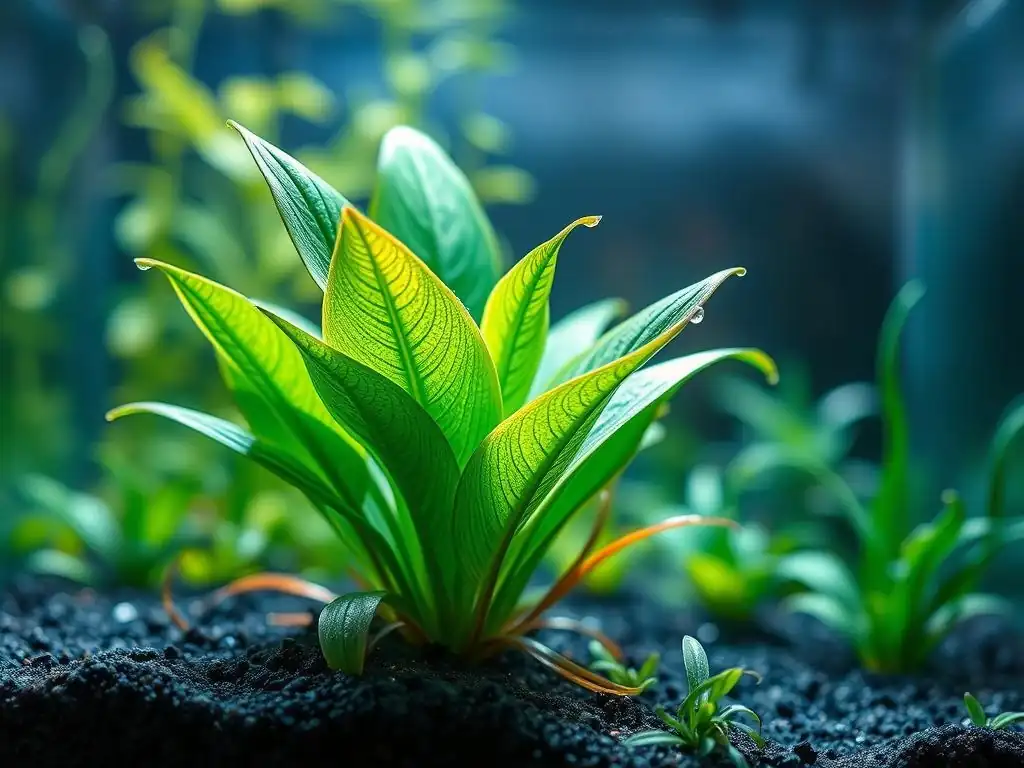
A truly captivating vibrant planted carpet aquarium doesn't have to demand endless hours of upkeep. The secret lies in adopting sustainable practices that create a self-regulating ecosystem, minimizing the need for constant intervention. This approach focuses on intelligent plant selection, precise nutrient management, and a consistent, rather than intensive, maintenance routine, allowing the aquarist to enjoy the beauty of their aquascape with less effort.
The goal is to establish a robust and balanced environment where plants thrive naturally, outcompeting algae and maintaining their lush appearance with minimal external input. This contrasts with high-tech, high-maintenance setups that often require daily adjustments and frequent interventions. By making informed choices upfront, from plant species to fertilization methods, aquarists can significantly reduce the long-term workload associated with maintaining a dense, healthy planted carpet.
Choosing Hardy and Adaptable Plant Species
Selecting the right plant species is paramount for a low-maintenance vibrant planted carpet aquarium. Hardy and adaptable plants are more forgiving of minor fluctuations in water parameters and light, reducing the likelihood of melt or stunted growth. While some highly demanding plants like Glossostigma elatinoides often require intense CO2 injection and high light, there are excellent alternatives that can still form a beautiful carpet with less demanding care.
For instance, Micranthemum 'Monte Carlo' is widely praised for its relatively easy growth and ability to carpet effectively under medium light and moderate CO2, often thriving even without CO2 if provided with good liquid fertilization. Similarly, Eleocharis parvula (Dwarf Hairgrass) can form a dense, natural-looking carpet and adapts well to various conditions, though its growth speed and density are significantly enhanced with CO2. These species, compared to more sensitive options, demonstrate greater resilience to minor nutrient shifts or variations in the photoperiod, making them ideal for a more hands-off approach to achieving a lush carpet.
Optimizing Nutrient Levels to Minimize Algae Growth
Precise nutrient management is a cornerstone of maintaining a low-maintenance vibrant planted carpet aquarium and preventing frustrating algae outbreaks. While plants require a full spectrum of macronutrients (Nitrogen, Phosphorus, Potassium) and micronutrients (Iron, Manganese, etc. ), over-dosing or imbalances can quickly lead to an explosion of algae, which competes with your carpet plants for resources. The key is to provide just enough nutrients to support vigorous plant growth without creating an excess that fuels unwanted algal blooms.
A common strategy involves maintaining nitrates (NO3) in the range of 5-15 ppm and phosphates (PO4) between 0.5-1.5 ppm, along with adequate potassium (K) and trace elements. Many aquarists find success with an "Estimative Index" (EI) dosing method, but for low-maintenance, a " leaner" or "perpetual" dosing approach, where nutrients are added based on plant uptake and water test results rather than a fixed schedule, can be more effective. For example, if your nitrate levels consistently drop to near zero by the end of the week, a slight increase in nitrogen dosing might be warranted.
Conversely, persistent green spot algae often indicates low phosphate, while green hair algae can suggest an imbalance or excess of certain nutrients. Regular, but not excessive, fertilization helps ensure your planted carpet stays healthy and vibrant, outcompeting potential algae.
Implementing a Consistent Maintenance Schedule
Consistency, rather than intensity, is the hallmark of a low-maintenance vibrant planted carpet aquarium. Establishing and adhering to a regular maintenance schedule prevents small issues from escalating into major problems, ultimately reducing the overall time and effort required. This means performing routine tasks like water changes, trimming, and filter cleaning on a predictable basis, rather than waiting for problems to become noticeable.
For example, a weekly water change of 25-30% is generally more beneficial for a healthy planted carpet than a single large 50% change performed sporadically. This consistent removal of accumulated organic waste and replenishment of trace elements helps maintain stable water parameters. Similarly, regular, light trimming of fast-growing carpet plants every 1-2 weeks, removing just the top growth, encourages denser, horizontal spreading and prevents the lower layers from becoming shaded and melting.
In contrast, allowing a carpet to grow too thick before a drastic trim can shock the plants and lead to temporary melt. By embracing this consistent, proactive approach, aquarists can enjoy a beautiful, lush carpet with minimal stress and effort.
Frequently Asked Questions
How do I choose the right plants for a vibrant planted carpet aquarium?
Selecting the right plants is crucial. Look for species known to spread easily and stay low, such as Dwarf Hairgrass, Monte Carlo, or Glossostigma elatinoides. Consider your lighting and CO2 needs as some carpet plants require more intense conditions.
What are the key factors for maintaining a low-maintenance planted carpet aquarium?
Consistent water changes, proper fertilization, and adequate lighting are essential. A well-balanced ecosystem minimizes algae growth and promotes healthy carpet growth, reducing the need for excessive intervention.
What type of substrate is best for establishing a planted carpet aquarium?
Using an aquasoil substrate is highly recommended. It provides essential nutrients for the plants' roots and helps anchor them, creating a stable foundation for your carpet.
How much CO2 is necessary for a vibrant planted carpet aquarium?
CO2 injection can significantly boost carpet growth, especially for demanding species. The optimal level depends on the plant types but generally falls between 20-30 ppm. Monitor your fish and plant health to adjust accordingly.
What are common problems and troubleshooting tips for a planted carpet aquarium?
Common issues include algae outbreaks, nutrient deficiencies, and plants not spreading. Ensure proper water parameters, adjust lighting and fertilization, and manually remove algae as needed. Consider adding algae-eating invertebrates.
Final Reflection: Cultivating Underwater Gardens
The journey to a vibrant planted carpet aquarium is more than just a technical exercise; it's an act of creation, mirroring our innate desire to cultivate beauty and harmony in our surroundings. In a world increasingly dominated by digital landscapes, the tangible, living art of a thriving aquascape offers a powerful antidote, a reminder of the intricate beauty and delicate balance of the natural world.
The pursuit of a lush, low-maintenance carpet is a testament to our ability to blend scientific understanding with artistic vision. This endeavor has personally deepened my appreciation for the interconnectedness of ecosystems, even within the confines of a glass box. The best time to plant a tree was 20 years ago. The second best time is now.
This ancient proverb resonates deeply with the patience and dedication required to nurture a vibrant underwater landscape, a living testament to time and care.
Now, as you embark on, or continue, your own aquascaping journey, I encourage you to reflect on the lessons learned. Consider how the principles of balance, patience, and observation, so crucial to cultivating a vibrant planted carpet aquarium, can be applied to other aspects of your life. Embrace the challenge, celebrate the small victories, and remember that the most rewarding creations are often those that require the most dedication. Let your aquarium be a constant reminder of the beauty that can be achieved through mindful cultivation and a deep connection to the natural world.
Cultivate Your Dream Carpet: Take the Next Step!
Thanks for diving into the world of planted aquarium carpets! Now that you're equipped with the knowledge to create your own lush underwater paradise, it's time to bring that vision to life. Let's transform your aquascape!
Here are some actionable steps to get you started:
- Immediately begin planning your layout and choosing your carpet plants. Research specific species like Dwarf Hairgrass or Monte Carlo to find the perfect fit for your tank's size and lighting conditions.
- Share this guide with fellow aquascaping enthusiasts who are looking to elevate their aquarium game. Knowledge shared is knowledge multiplied!
- Consider experimenting with unconventional substrate additives like crushed lava rock for enhanced root growth and nutrient retention. You might be surprised by the results!
What innovative plant combinations are you considering for your carpet, and what unique challenges do you anticipate overcoming? Share your plans in the comments below!