
Beyond Gravel: The Ultimate Guide to Substrates for Healthy Plants & Stunning Aquascapes

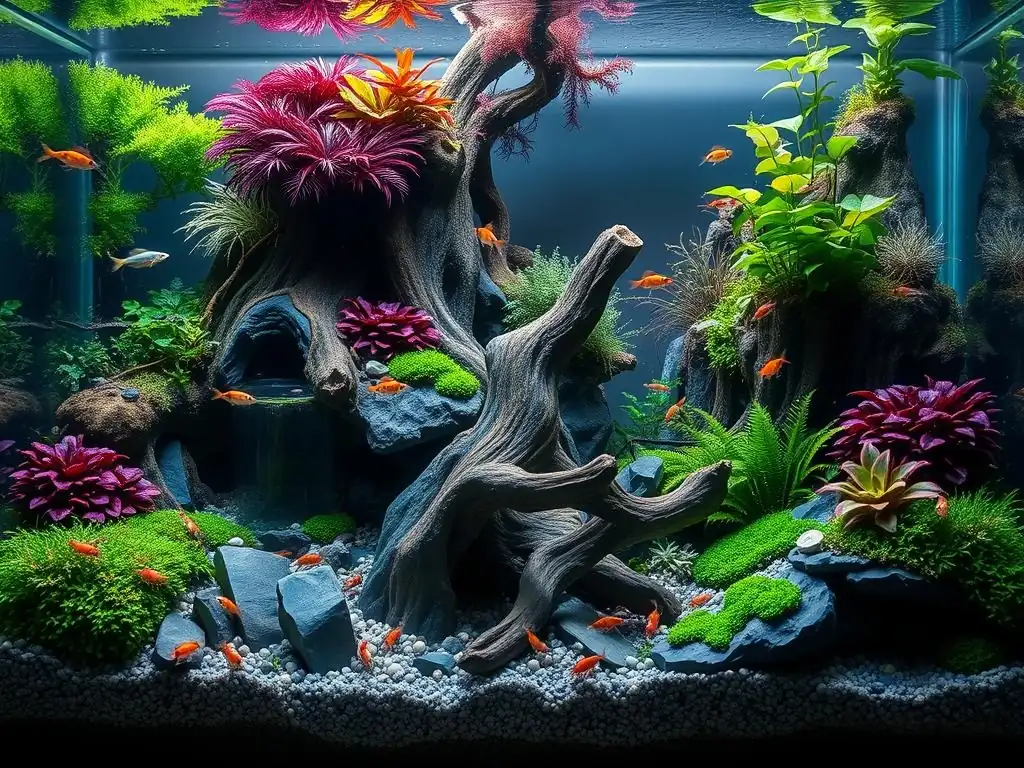
Welcome to Aquarium Mastery!
Ever wonder if your aquarium's substrate is truly working for your plants and fish, or against them? Dive in and discover how to go beyond basic gravel and unlock the secrets to healthy aquarium substrate choices that foster thriving ecosystems and breathtaking aquascapes. Get ready to transform your tank from ordinary to extraordinary!
- Understanding the Importance of Aquarium Substrate for Aquascaping
- Exploring Different Types of Aquarium Substrates
- Selecting Aquarium Substrate Based on Plant Needs
- Preparing Your Substrate for a Planted Aquarium
- Maintaining a Healthy Aquarium Substrate
- Troubleshooting Common Substrate Problems
- Advanced Substrate Techniques for Aquascaping
- Achieving Stunning Aquascapes with the Right Substrate
-
Frequently Asked Questions
- What are the benefits of using a specific substrate instead of just gravel in my aquarium?
- How do I choose the right substrate for my planted aquarium?
- What is the difference between active and inert substrates?
- How often should I replace or clean my aquarium substrate?
- Can I mix different types of substrates in my aquarium?
- Final Reflection: Cultivating Life from the Ground Up
- Unearth Your Dream Aquascape!
Understanding the Importance of Aquarium Substrate for Aquascaping
The Role of Substrate in a Thriving Aquarium Ecosystem
Beyond its aesthetic contribution, aquarium substrate is a foundational element for a flourishing aquatic ecosystem. It provides an expansive surface area for the colonization of beneficial nitrifying bacteria, such as Nitrosomonas and Nitrobacter, which are crucial for the nitrogen cycle. These microbes convert harmful ammonia and nitrite, byproducts of fish waste and decaying organic matter, into less toxic nitrate. A well-established substrate can host billions of these essential bacteria per square inch, making it a vital biological filter that underpins overall water quality and stability.
Furthermore, the substrate serves as a physical anchor for aquatic plants, preventing them from floating and allowing their root systems to spread and absorb nutrients efficiently. It also contributes to the structural integrity of the aquascape, securely holding hardscape elements like rocks and driftwood in place. A healthy aquarium substrate choice is therefore not merely cosmetic; it directly impacts the chemical balance, biological filtration, and structural stability of the entire aquatic environment, ensuring a robust and resilient ecosystem.
How Substrate Affects Plant Growth and Water Chemistry
The impact of substrate on plant growth is profound, primarily through its ability to provide and regulate nutrient availability. Nutrient-rich substrates, such as specialized aquasoils or soil-based layers, are formulated to gradually release essential macro and micronutrients, including iron, potassium, nitrogen, and phosphorus, directly to plant roots over extended periods. For instance, some premium aquasoils are designed to sustain lush plant growth for 12 to 18 months before significant supplementation is required, making them an excellent choice for vigorous plant development.
Beyond nutrient delivery, certain substrates actively influence water chemistry. Aquasoils, in particular, possess a significant cation exchange capacity (CEC) and buffering properties. This means they can absorb cations from the water and release hydrogen ions, effectively lowering and stabilizing the pH and carbonate hardness (KH) of the aquarium water.
This creates a slightly acidic, soft water environment (often maintaining pH levels between 6.0 and 6.8 and KH between 0-3 dKH), which is ideal for many popular aquatic plant species, such as Rotala and Bucephalandra, as well as soft-water fish. This buffering capability is a key factor in achieving a healthy aquarium substrate for specific aquascaping goals.
Choosing the Right Substrate: A Foundation for Aquascape Success
The selection of the appropriate substrate is one of the most critical initial decisions in setting up a planted aquarium or aquascape, as it dictates the long-term health of plants, influences water parameters, and defines the aesthetic appeal. An unsuitable substrate can lead to common issues such as stunted plant growth, nutrient deficiencies, persistent algae problems, and unstable water chemistry, often requiring costly and time-consuming remediation efforts. For example, using coarse gravel for delicate foreground carpeting plants will often result in poor rooting and die-off.
Conversely, making healthy aquarium substrate choices from the outset provides a robust foundation for a thriving and visually stunning aquascape. A substrate that matches the specific needs of your chosen plant species and desired water parameters will promote vigorous growth, vibrant coloration, and a balanced ecosystem. This proactive approach ensures that the aquascape develops successfully, minimizing future complications and maximizing the enjoyment of a beautiful and healthy aquatic environment.
Exploring Different Types of Aquarium Substrates
Gravel: The Classic and Affordable Option
Advantages and Disadvantages of Using Gravel in Aquariums
Gravel remains a popular and accessible substrate choice for many aquarists due to its widespread availability, affordability, and diverse range of colors and sizes. A significant advantage is its ease of maintenance; gravel vacuums can effectively remove detritus and waste, preventing excessive nutrient buildup. Its relatively larger particle size allows for good water circulation within the substrate, which can help prevent the formation of anaerobic pockets. Furthermore, the porous surface of gravel provides ample area for beneficial bacteria to colonize, contributing to biological filtration and a generally healthy aquarium substrate environment.
However, gravel also presents several disadvantages, particularly for planted aquariums. Most standard aquarium gravel is inert, meaning it provides little to no nutritional value for plants, necessitating regular supplementation with root tabs or liquid fertilizers. Its coarser texture can also make it challenging for delicate plant root systems, such as those of fine-leaved carpeting plants like Glossostigma elatinoides, to properly anchor and spread. Additionally, fine debris and uneaten food can settle deep within the gravel, requiring thorough and consistent vacuuming to prevent nutrient accumulation.
Best Practices for Cleaning and Maintaining Gravel Substrate
Effective cleaning and maintenance are crucial for keeping gravel a healthy aquarium substrate. Regular gravel vacuuming is essential to remove accumulated detritus, uneaten food, and fish waste that can otherwise decompose and release harmful compounds. For an average 20-gallon tank, a weekly 25-30% water change should be accompanied by vacuuming approximately one-third of the substrate surface area. This systematic approach helps to prevent nutrient spikes and maintain optimal water quality without overly disturbing the beneficial bacterial colonies.
It is important to avoid deep vacuuming the entire substrate bed at once, especially in established aquariums. Such an action can disrupt a significant portion of the beneficial bacteria responsible for nitrification, potentially leading to ammonia and nitrite spikes that are harmful to aquatic life. Instead, rotate the areas you vacuum during successive water changes. For instance, vacuum the front section one week, the middle the next, and the back the week after. This method helps preserve the vital microbial populations necessary for a stable and healthy aquarium substrate.
Sand: Creating a Natural and Delicate Look
Types of Sand Suitable for Planted Aquariums
Sand is an excellent substrate choice for creating natural-looking aquascapes, mimicking riverbeds or lake bottoms, and is particularly favored for foreground areas. Suitable types of sand for planted aquariums include pool filter sand, play sand (ensure it is silica-based and inert), and various specialized aquarium sands such as cosmetic sand or natural river sand. These sands typically feature fine to medium particle sizes, ranging from 0.1mm to 2mm. Silica sand is generally inert and will not alter water parameters, making it a safe and healthy aquarium substrate choice for most setups.
Black sands, often composed of inert materials like basalt, are also popular as they provide a striking contrast that makes plant colors and fish pop visually. When selecting any sand, it is paramount to ensure it is thoroughly pre-rinsed to remove fine dust and impurities that can cause prolonged water cloudiness upon setup. Rinse the sand under running water until the runoff is completely clear, which can take several minutes for a single bag.
Managing Anaerobic Zones in Sand Substrates
Due to its fine particle size, sand can compact easily, leading to the formation of anaerobic (oxygen-depleted) zones within the substrate, especially at depths exceeding 2-3 inches. These zones can produce harmful hydrogen sulfide gas (identifiable by a rotten egg smell), which is toxic to aquatic life. To mitigate this risk, several strategies can be employed. Introducing burrowing invertebrates like Malaysian Trumpet Snails (MTS) is highly effective, as they constantly churn and aerate the sand, preventing compaction and gas buildup.
Regularly "poking" the substrate with a long, blunt stick or tweezers during maintenance can also help release trapped gases, though this should be done gently and in small sections to avoid disturbing the root systems of established plants. Densely planting the sand bed further aids in aeration, as plant roots actively transport oxygen into the substrate and create channels for water circulation. Maintaining a shallower sand depth of 1-2 inches in areas without heavy planting can also minimize the likelihood of anaerobic conditions, contributing to a healthy aquarium substrate.
Soil-Based Substrates: Powering Plant Growth
Understanding the Benefits of Nutrient-Rich Aquarium Soil
Soil-based substrates, often derived from natural earth materials like volcanic ash or peat, are specifically designed to provide a substantial and sustained release of nutrients directly to aquatic plant roots. These substrates are exceptionally rich in essential macro and micronutrients, making them ideal for heavy root feeders such as Cryptocoryne species, Echinodorus (Amazon Swords), and Vallisneria. Their inherent organic matter also fosters a vibrant microbial environment within the substrate, which further aids in nutrient cycling and uptake by plants.
The initial nutrient boost provided by these soils can promote vigorous and lush plant growth from the outset, often reducing the need for extensive liquid fertilization for several months or even years, depending on the plant load. For example, a quality soil substrate can support a dense carpet of Hemianthus callitrichoides for up to two years without additional root tabs. This inherent fertility makes soil-based substrates a cornerstone for establishing a truly healthy aquarium substrate that promotes robust plant development.
Capping Soil Substrates: Preventing Nutrient Leaching
To prevent fine, nutrient-rich soil particles from leaching into the water column, which can cause persistent cloudiness, promote nuisance algae blooms, or lead to nutrient imbalances, soil-based substrates are commonly "capped" with an inert layer. This capping layer typically consists of 1-2 inches of fine sand or small-grained gravel. The inert cap physically contains the soil particles, allowing plant roots to penetrate through to access the nutrient-rich layer below while keeping the water column clear.
This technique is crucial for maintaining both water clarity and nutrient control. It also helps prevent the disruption of the soil layer by fish activities (e.g., digging cichlids) or during routine maintenance, ensuring the long-term effectiveness and integrity of the healthy aquarium substrate. The cap also provides a clean, aesthetically pleasing surface that is easier to vacuum for surface detritus without disturbing the nutrient layer.
Laterite: A Clay-Based Substrate Additive
How Laterite Enhances Plant Root Development
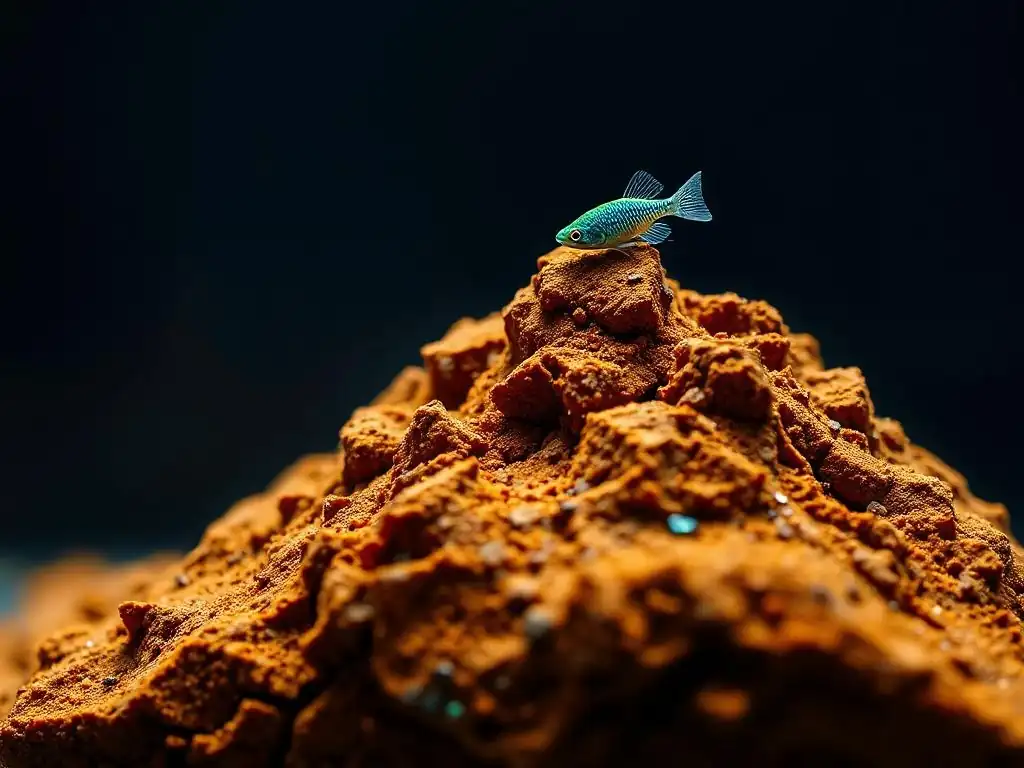
Laterite is a clay-based substrate additive, often reddish-brown due to its high iron oxide content, along with other essential micronutrients. It is highly valued for its exceptional cation exchange capacity (CEC), which means it can effectively absorb and store positively charged nutrient ions (like iron, potassium, and magnesium) from the water, releasing them slowly as plants require them. This acts as a vital nutrient reservoir, providing a consistent supply of key elements directly to plant roots.
The steady availability of iron, in particular, is crucial for preventing chlorosis (yellowing of leaves) and promoting vibrant green and red foliage in aquatic plants. Laterite's unique properties enhance root development by ensuring that plants have access to a rich and stable source of nutrients, especially beneficial for heavy root feeders. This makes it an excellent choice for augmenting the nutritional value of an otherwise inert substrate.
Using Laterite Effectively in Combination with Other Substrates
Laterite is rarely used as a standalone substrate due to its fine, dusty consistency and lack of structural integrity. Its effectiveness is maximized when used in combination with other substrates. A common method involves mixing laterite with an inert substrate like gravel or sand, typically at a ratio of 1 part laterite to 5-10 parts inert substrate. This mixture is often used as a base layer, approximately 0.5-1 inch thick, beneath the main substrate of the aquarium.
Alternatively, laterite can be spread as a thin, uniform layer directly on the bottom of the tank before adding the primary substrate. This layering ensures that plants have access to a rich, long-lasting nutrient source while the main substrate provides the necessary structure, aeration, and aesthetic appeal. This strategic combination helps create a highly fertile and healthy aquarium substrate system for robust plant growth.
The Unique Properties of Aquasoil and its Impact on Water Parameters
Aquasoil, exemplified by products like ADA Aqua Soil Amazonia or Fluval Stratum, is a specialized, granular substrate made from baked clay and organic compounds, specifically engineered for planted aquariums. Its unique porous structure offers an exceptional surface area for beneficial bacteria, significantly enhancing biological filtration from day one. More importantly, aquasoil is rich in organic acids and nutrients, providing an immediate and sustained nutrient supply for vigorous plant growth.
A defining characteristic of aquasoil is its active ability to lower and stabilize pH and carbonate hardness (KH). It achieves this by absorbing calcium and magnesium ions from the water and releasing humic and fulvic acids. This typically results in a slightly acidic and soft water environment, with pH levels ranging from 6.0 to 6.8 and KH often dropping to 0-3 dKH. These parameters are highly favorable for a vast array of popular aquatic plants and soft-water fish species like Discus or Neon Tetras, making aquasoil a top-tier healthy aquarium substrate choice.
Aquasoil Buffering Capacity and its Implications for Plant Health
The buffering capacity of aquasoil is a critical factor in its effectiveness for planted tanks. By maintaining a stable, slightly acidic pH, aquasoil prevents nutrient lockout, a condition where plants cannot absorb essential elements due to unfavorable pH levels. This ensures that vital micronutrients like iron and phosphate remain readily available for plant uptake, promoting vibrant coloration and robust growth. This consistent water chemistry is particularly crucial for sensitive aquatic plants that thrive in specific pH ranges.
While aquasoil offers significant benefits for plant health and water stability, it's important to note that new aquasoil can release ammonia initially, requiring a proper tank cycling process to establish nitrification before adding livestock. Despite this initial phase, its long-term benefits in creating a stable, nutrient-rich, and healthy aquarium substrate make it the preferred choice for high-tech and demanding planted aquascapes.
Inert Substrates: Providing Structure Without Nutrients
Examples of Inert Substrates: Quartz, Onyx Sand, and More
Inert substrates are materials that do not significantly alter water chemistry or provide any nutritional value to plants. Their primary functions are to provide structural support for plants and hardscape, and to serve as an aesthetic base for the aquascape. Common examples include various types of quartz gravel, basalt gravel, onyx sand, and decorative crushed stone. These substrates are typically pH-neutral and do not leach minerals into the water, making them a safe choice for any aquarium setup where precise control over water parameters is desired, relying solely on source water or external additives.
These substrates come in a wide range of colors and textures, allowing aquascapers to select options that complement their chosen hardscape and plant palette. For instance, white quartz sand can create a bright, minimalist look, while black onyx sand can make green plants appear more vibrant. Their non-reactive nature ensures that the water chemistry remains consistent with the input water, offering predictability for sensitive fish and plant species.
Using Inert Substrates with Root Tabs and Liquid Fertilizers
Since inert substrates offer no inherent nutritional value, plants growing in them require consistent supplemental feeding. This is typically achieved through a combination of root tabs and liquid fertilizers. Root tabs are small, concentrated nutrient capsules or tablets that are inserted directly into the substrate near the roots of heavy feeding plants. They provide a slow, localized release of essential macro and micronutrients, replenishing the immediate root zone. For example, a 10-gallon planted tank with inert substrate might require root tabs every 3-4 months for most plants.
In addition to root tabs, regular dosing of liquid fertilizers into the water column is necessary to supply nutrients to water column feeders and to supplement the overall nutrient levels for all plants. The frequency and dosage depend on plant density, light intensity, and CO2 injection. This allows for flexible and precise nutrient management, ensuring that plants receive all necessary elements even in an inert environment, thereby maintaining a healthy aquarium substrate system through external means.
Selecting Aquarium Substrate Based on Plant Needs
Matching Substrate to Specific Plant Species
Substrate Requirements for Root Feeders vs. Water Column Feeders
Understanding the primary nutrient absorption method of your chosen aquatic plants is crucial for selecting the optimal substrate. Plants are generally categorized into two main groups: root feeders and water column feeders. Root feeders, such as Cryptocorynes, Echinodorus (Amazon Swords), and many Anubias species, develop extensive root systems that actively seek out and absorb nutrients directly from the substrate. For these plants, a nutrient-rich substrate like aquasoil or a capped soil-based layer is essential to provide the consistent supply of macro and micronutrients they need for robust growth.
In contrast, water column feeders, including most stem plants ( Rotala, Ludwigia, Cabomba), Anacharis, and Hornwort, primarily absorb nutrients directly from the water column through their leaves and stems. While they still benefit from anchoring in substrate, they can thrive in inert substrates as long as liquid fertilizers are consistently dosed. For example, a Java Fern often attaches to hardscape and draws almost all its nutrients from the surrounding water, making substrate type less critical for its nutrient intake. A truly healthy aquarium substrate choice considers the specific nutritional demands of each plant.
Choosing Substrate Based on Plant Nutrient Demands
The nutrient demands of specific plant species further refine substrate selection. High-demand plants, such as delicate carpeting species like Hemianthus callitrichoides "Cuba" or Eleocharis parvula (Dwarf Hairgrass), require a continuous and abundant supply of nutrients to achieve dense, lush growth. For these, nutrient-rich substrates like aquasoil are almost indispensable, as they provide a steady release of nitrogen, phosphorus, potassium, and vital micronutrients like iron and manganese, ensuring vibrant coloration and preventing deficiencies.
Conversely, lower-demand plants, including popular choices like Java Fern, Anubias, and Bucephalandra, are more tolerant and can flourish in inert substrates with minimal supplementation. These plants typically have slower growth rates and lower nutrient requirements, often drawing sufficient nutrients from the water column or from occasional root tab applications. For example, Anubias barteri can thrive attached to driftwood in a tank with standard liquid fertilization. Therefore, selecting a healthy aquarium substrate involves a careful assessment of your intended plant palette's specific nutrient needs.
Optimizing Substrate Depth for Root Development
Determining the Ideal Substrate Depth for Different Plant Types
The depth of the aquarium substrate significantly impacts root development and overall plant health. The ideal depth varies depending on the types of plants being cultivated. For most foreground carpeting plants, which typically have shallow root systems (e.g., Monte Carlo, Dwarf Hairgrass), a substrate depth of 1.5 to 2.5 inches (approximately 4-6 cm) is generally sufficient. This depth allows for adequate rooting without excessive compaction or the formation of anaerobic zones.
For larger, heavy root feeders such as Amazon Swords ( Echinodorus) or Crinum calamistratum, which develop extensive and deep root networks, a greater substrate depth of 3 to 4 inches (approximately 7-10 cm) is recommended. This provides ample space for their roots to spread, anchor securely, and access nutrients effectively. Generally, a minimum of 2 inches (5 cm) of substrate is advised for most planted aquariums to ensure sufficient rooting space and surface area for beneficial bacterial colonization, contributing to a healthy aquarium substrate environment.
The Importance of Substrate Layering for Optimal Growth
Substrate layering is an advanced technique that can significantly enhance plant growth and nutrient availability. A common and highly effective layering strategy involves creating a base layer of nutrient-rich soil or laterite, typically 1 to 2 inches thick, directly on the bottom of the tank. This provides a long-lasting reservoir of essential nutrients for deep-rooted plants. On top of this, a cap of inert sand or fine gravel, also 1 to 2 inches thick, is added.
This layered approach offers multiple benefits: the nutrient layer feeds the plants from below, while the inert cap prevents fine particles from clouding the water and makes the surface easier to clean. It also allows for strategic placement of nutrients where they are most needed. This technique is particularly beneficial for heavy root feeders, ensuring they have consistent access to essential nutrients, which leads to healthier, more vigorous growth and a truly optimized healthy aquarium substrate system.
Preparing Your Substrate for a Planted Aquarium
Rinsing and Cleaning Substrate Before Use
Removing Dust and Debris to Prevent Clouding
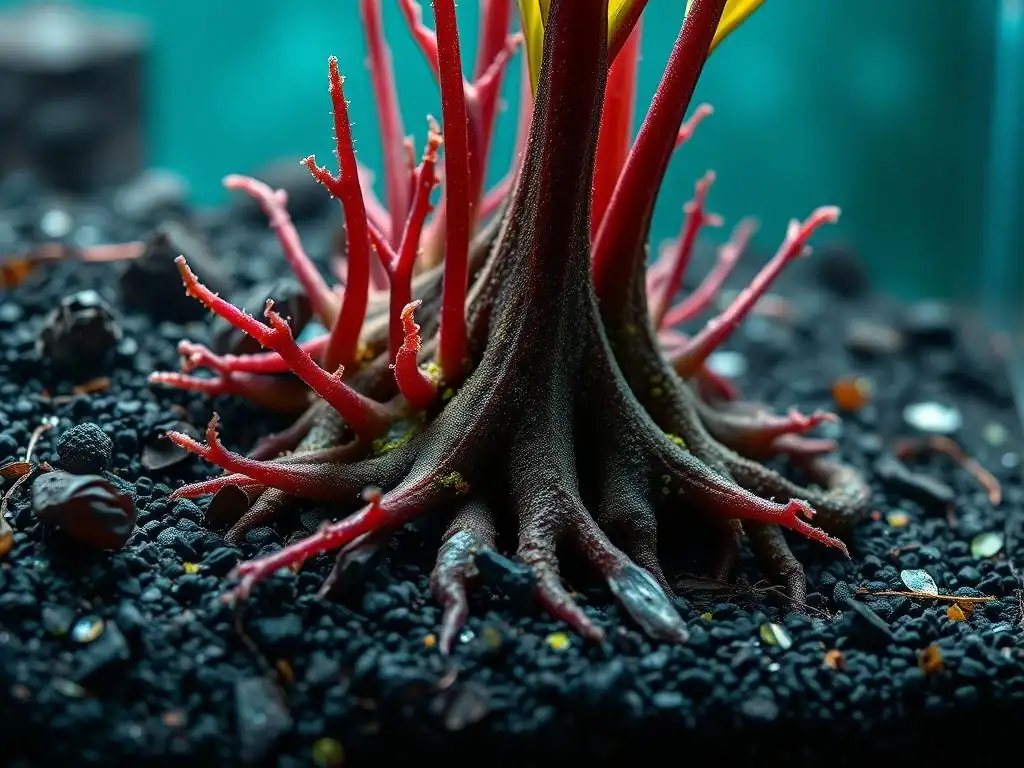
Almost all new aquarium substrates, particularly sand and fine gravel, contain varying amounts of fine dust and debris accumulated during processing and packaging. Thorough rinsing of the substrate before introduction to the aquarium is an absolutely crucial step to prevent persistent water cloudiness that can last for days or even weeks. For a 20-pound bag of sand, this process can take 15-20 minutes of continuous rinsing under running tap water until the water running off the substrate is completely clear.
Failing to adequately rinse the substrate will inevitably lead to a murky tank upon filling, necessitating multiple large water changes to clear the water, which can be a time-consuming and frustrating experience. This initial, meticulous rinsing directly contributes to establishing a clear and healthy aquarium substrate from the very beginning, setting the stage for a successful setup.
Avoiding Soaps and Detergents That Can Harm Plants
It is paramount to never use soaps, detergents, or any household cleaning chemicals to rinse or clean aquarium substrate. These substances contain surfactants and other compounds that are highly toxic to fish, invertebrates, and aquatic plants, even in minute trace amounts. Residues from these chemicals can leach into the aquarium water for extended periods, causing severe stress, illness, or death to livestock, and inhibiting plant growth or causing them to melt.
Only clean, dechlorinated water should be used for all substrate preparation. If tap water is used, ensure it has been treated with a water conditioner to neutralize chlorine and chloramines before it comes into contact with the substrate or any aquarium components. Adhering to this strict rule ensures that no harmful contaminants are introduced, thereby preserving the delicate biological balance and supporting a truly healthy aquarium substrate and ecosystem.
Adding Substrate Amendments for Enhanced Growth
Using Root Tabs for Targeted Nutrient Delivery
Root tabs are small, compressed capsules or tablets specifically designed to deliver concentrated nutrients directly to the root zone of aquatic plants. They typically contain a balanced blend of macronutrients (nitrogen, phosphorus, potassium) and essential micronutrients (such as iron, manganese, and zinc) that are slowly released over time. These amendments are particularly beneficial for supplementing inert substrates like sand or gravel, or for replenishing nutrients in older, depleted aquasoils.
To use them effectively, root tabs are inserted deep into the substrate, typically 1-2 inches away from the base of heavy root-feeding plants like Cryptocorynes or Echinodorus, and spaced every 4-6 inches for carpeting plants. A typical application frequency ranges from every 3 to 6 months, depending on plant density and growth. This targeted nutrient delivery ensures that plants have consistent access to the elements they need, promoting robust growth and maintaining a healthy aquarium substrate environment.
Incorporating Beneficial Bacteria Supplements
While not a direct nutrient amendment, incorporating beneficial bacteria supplements into the substrate during the initial setup can significantly accelerate the cycling process and establish a robust biological filter. These products, available in liquid or powdered forms, introduce cultures of nitrifying bacteria ( Nitrosomonas and Nitrobacter) that are essential for converting toxic ammonia and nitrite into less harmful nitrate. These bacteria rapidly colonize the porous surfaces of the substrate, hardscape, and filter media.
Adding these supplements directly to the substrate or soaking the substrate in a solution of the supplement before planting helps to kickstart the nitrogen cycle, reducing the duration and severity of the "new tank syndrome" (a period of high ammonia/nitrite). This proactive step helps to quickly establish a stable and healthy aquarium substrate environment, promoting overall system stability and allowing for safer introduction of fish and invertebrates sooner.
Maintaining a Healthy Aquarium Substrate
Regular Cleaning and Vacuuming Techniques
Removing Debris and Excess Nutrients
Regular substrate cleaning, typically performed with a gravel vacuum during weekly water changes, is paramount for maintaining a healthy aquarium substrate. This process removes accumulated fish waste, uneaten food, and decaying plant matter that settle within the substrate bed. If left to decompose, this organic debris releases ammonia and nitrates, which can significantly fuel nuisance algae growth, contribute to elevated nitrate levels, and stress aquatic life.
For an average 50-gallon planted tank, vacuuming about 25-30% of the substrate surface area during each 25% weekly water change is a good practice. Focus on areas where detritus visibly accumulates, such as open spaces or beneath feeding spots. This systematic approach helps to control nutrient buildup and maintain excellent water quality without overly disturbing the beneficial bacterial colonies that reside within the substrate.
Avoiding Over-Vacuuming, Which Can Disrupt Beneficial Bacteria
While cleaning is important, excessive or deep vacuuming of the entire substrate bed at once can be detrimental. This can remove a significant portion of the beneficial nitrifying bacteria that colonize the substrate, potentially leading to a mini-cycle—a temporary spike in ammonia and nitrite levels that can harm fish and invertebrates. In densely planted aquariums, deep vacuuming should be minimized or entirely avoided in areas with heavy root systems.
Plant roots and the surrounding substrate are teeming with beneficial microbes that are crucial for nutrient cycling and overall tank health. Instead, focus on surface detritus removal and spot cleaning around less planted areas or open spaces. Gentle siphoning to remove only the superficial layer of debris is often sufficient for established planted tanks, preserving the integrity of the healthy aquarium substrate and its vital microbial populations.
Monitoring Water Parameters and Adjusting Substrate as Needed
Testing pH, KH, and Nutrient Levels
Regular monitoring of key water parameters provides critical insights into the substrate's impact on the aquarium's chemistry and overall health. Essential tests include pH, KH (carbonate hardness), ammonia, nitrite, and nitrate. For example, if using an aquasoil, consistently testing KH to ensure it remains below 4 dKH indicates that the soil is effectively buffering the water to a soft, acidic state, ideal for many plants.
Low nitrate levels in a heavily planted tank with a nutrient-rich substrate might suggest that plants are efficiently consuming available nutrients, indicating a balanced system. Conversely, persistently high nitrate levels could point to insufficient plant mass, overfeeding, or inadequate water changes, all of which can strain the substrate's biological capacity. Regular testing allows for proactive adjustments to maintain a healthy aquarium substrate environment.
Addressing Substrate-Related Water Chemistry Issues
Based on water parameter test results, adjustments related to the substrate may be necessary. If an inert substrate (e.g., limestone-based gravel) is causing an undesirable rise in pH or KH due to its alkaline properties, it might need to be replaced with an inert, pH-neutral alternative like quartz or basalt sand. Alternatively, using reverse osmosis (RO) water with specific remineralizers or incorporating pH-lowering additives like peat can counteract the effect.
If plants show signs of nutrient deficiencies (e.g., yellowing new growth indicating iron deficiency) on an older aquasoil or inert substrate, it signals that the substrate's nutrient supply is depleted or insufficient. In such cases, targeted nutrient supplementation through root tabs or liquid fertilizers becomes essential to replenish the necessary elements, ensuring the continued health of the plants and the integrity of the healthy aquarium substrate.
Troubleshooting Common Substrate Problems
Algae Growth on Substrate
Causes of Algae and Effective Removal Methods
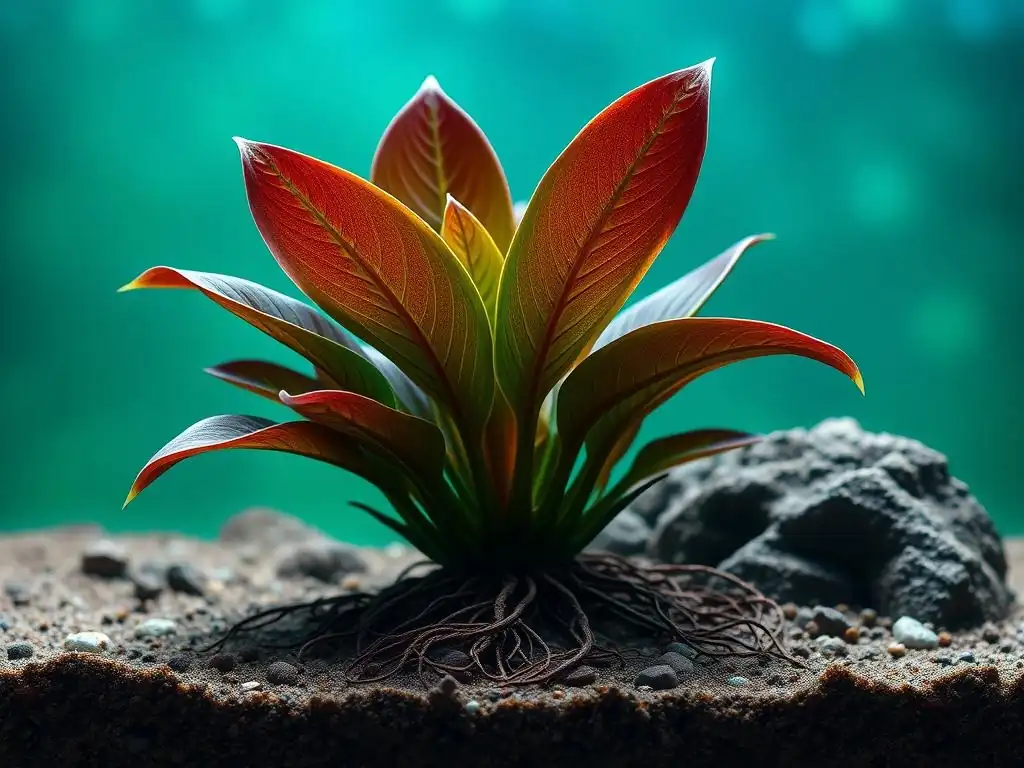
Algae growth on the substrate, often appearing as green dust algae, diatoms (brown algae), or black beard algae, typically indicates an imbalance within the aquarium ecosystem, primarily related to light, nutrients, or CO2. Common causes include excessive light duration (e.g., more than 8 hours per day), high nutrient levels (particularly nitrates and phosphates resulting from overfeeding, decaying organic matter, or insufficient water changes), or inadequate CO2 supply for plants to outcompete algae.
Manual removal is the immediate solution: gently siphon or brush off the algae during routine water changes. For diatoms, a soft brush or sponge can be effective. Long-term prevention involves addressing the root cause. This includes adjusting lighting schedules (e.g., reducing to 6-7 hours per day), reducing feeding amounts, increasing plant biomass to absorb excess nutrients, and ensuring proper CO2 levels in planted tanks to give plants a competitive edge.
Preventing Algae with Proper Lighting and Nutrient Balance
Achieving a precise balance between light intensity, CO2 availability, and nutrient levels is the most effective strategy for preventing algae on the substrate. In high-tech planted aquariums, maintaining consistent CO2 levels at 25-30 ppm during the light cycle, combined with a balanced fertilizer regimen (e.g., target NPK levels of 10:1:13 ppm and sufficient micronutrients like iron at 0.1-0.2 ppm), empowers aquatic plants to thrive and outcompete algae for resources.
Regular water changes (25-50% weekly) are also crucial as they dilute excess nutrients and pollutants that can contribute to algae blooms. Ensuring that the substrate itself is not accumulating excessive organic waste through proper maintenance (as discussed earlier) also plays a significant role. A well-maintained, healthy aquarium substrate with robust plant growth is inherently more resistant to algae infestations.
Anaerobic Zones and Hydrogen Sulfide Buildup
Identifying and Addressing Anaerobic Pockets
Anaerobic zones are oxygen-depleted areas that can form in compacted or deep sections of the substrate, particularly with fine sands or undisturbed soil layers. These zones are characterized by a black discoloration of the substrate and, when disturbed, can release hydrogen sulfide (H2S) gas, which has a distinct rotten egg smell. Hydrogen sulfide is highly toxic to fish and invertebrates, even in small concentrations, and can cause plant melt.
Signs of anaerobic pockets include plants struggling or dying in specific areas, or a general decline in fish health without other apparent causes. Addressing them involves carefully disturbing the affected areas to release trapped gases. This can be done by gently prodding the substrate with a blunt stick or long-nosed tweezers, but avoid disturbing large areas at once to prevent a massive release of H2S.
Improving Substrate Circulation to Prevent Anaerobic Conditions
Preventing anaerobic zones is more effective than treating them. Key strategies include ensuring an appropriate substrate depth—generally no more than 3-4 inches for fine substrates like sand, unless heavily planted. Introducing burrowing invertebrates, such as Malaysian Trumpet Snails (MTS), is an excellent biological solution, as they constantly tunnel through the substrate, aerating it and preventing compaction.
Densely planting the substrate also helps significantly, as plant roots actively transport oxygen into the substrate and create channels for water circulation. For example, a dense carpet of Dwarf Hairgrass will help keep the substrate aerated. Choosing a substrate with a slightly coarser texture, such as aquasoil, which maintains better interstitial flow, also contributes to a healthy aquarium substrate environment by minimizing anaerobic conditions.
Substrate Compaction and Root Suffocation
Preventing Compaction with Proper Planting Techniques
Substrate compaction occurs when substrate particles settle tightly together, reducing the interstitial spaces necessary for water and oxygen flow to plant roots. This can lead to root suffocation, nutrient lockout (where roots cannot absorb nutrients due to lack of oxygen), and overall plant decline. Fine sands are particularly prone to compaction, but even gravel can compact over time.
When planting, avoid pushing plants too deeply or packing the substrate too tightly around their roots. Create a small hole, insert the plant, and gently push the substrate around the roots without excessive force. For sand substrates, periodically using a long-nosed tweezers or a chopstick to gently aerate the substrate, especially in open areas, can help maintain its porosity. This gentle approach ensures a healthy aquarium substrate that allows for proper root respiration.
Aerating the Substrate to Improve Root Health
Regular, gentle aeration of the substrate can significantly improve root health and prevent compaction. This can be achieved by carefully inserting a long, blunt tool, such as a skewer or a dedicated substrate aerator, into the substrate and gently wiggling it to create small channels and pockets. This process allows water and oxygen to penetrate deeper into the substrate, benefiting root systems and the beneficial bacteria residing there.
For heavily planted areas, this aeration should be done cautiously to avoid damaging delicate root systems. The activity of burrowing invertebrates like Malaysian Trumpet Snails also naturally contributes to substrate aeration. By ensuring adequate water and oxygen circulation within the substrate, you create a more hospitable environment for plant roots to thrive, thereby maintaining a robust and healthy aquarium substrate.
Advanced Substrate Techniques for Aquascaping
Using Substrate Slopes and Terraces
Creating Depth and Visual Interest with Substrate Contours
Varying the substrate depth and creating intentional slopes or terraces is a fundamental advanced technique in aquascaping to achieve perspective, depth, and compelling visual interest. A common and highly effective approach is to create a higher substrate level at the back of the tank, gradually sloping downward towards the front. This technique creates an illusion of greater depth, making even shallow tanks (e.g., 12-18 inches deep) appear more expansive and natural.
This contouring is particularly prominent in Nature Aquarium style layouts, where it mimics natural landscapes such as hills or valleys, effectively drawing the viewer's eye from the foreground to the background. The subtle changes in elevation add dynamism and realism, transforming a flat tank bottom into a captivating three-dimensional scene.
Stabilizing Slopes with Hardscape and Plant Roots
Maintaining steep substrate slopes over time requires strategic stabilization to prevent slumping. Hardscape elements, such as carefully placed rocks (e.g., Seiryu Stone, Dragon Stone) or pieces of driftwood, can act as natural retaining walls, physically holding the substrate in place. The weight and structure of these elements provide essential support, especially for taller slopes.
Additionally, planting dense, strong-rooted plants on the slope itself helps to bind the substrate with their intricate root systems. Plants like Cryptocorynes or Echinodorus develop robust root networks that effectively "glue" the substrate particles together, providing organic reinforcement. For very steep or tall slopes, specialized substrate supports or mesh barriers can be discreetly placed underneath the substrate to provide additional long-term stability, ensuring the artistic integrity of the healthy aquarium substrate design.
Combining Different Substrates for Optimal Results
Layering Substrates for Targeted Nutrient Delivery and Aesthetic Appeal
Advanced aquascapers frequently employ the technique of layering different types of substrates to combine their distinct benefits for both plant growth and aesthetic appeal. A typical layering approach might begin with a base layer of nutrient-rich soil or laterite, approximately 1-2 inches thick, providing a long-term nutrient reservoir specifically for root-feeding plants. On top of this, a layer of aquasoil can be added, offering its buffering capacity and immediate nutrient release for a wider range of plants.
Finally, a top layer of inert cosmetic sand or fine gravel, often contrasting in color, is used for aesthetic appeal and ease of cleaning the visible surface. This multi-layered strategy allows for precise nutrient delivery where needed, while simultaneously achieving a desired visual effect, such as creating a pristine sand foreground. This intricate combination results in a highly effective and healthy aquarium substrate system tailored to specific plant and design requirements.
Substrate Combinations for Iwagumi vs. Dutch Aquascaping Styles
The choice of substrate combination is often dictated by the specific aquascaping style. For an Iwagumi layout, which emphasizes minimalist rock formations and a dense carpet of foreground plants, a uniform layer of nutrient-rich aquasoil (e.g., ADA Aqua Soil Amazonia) is almost universally preferred. This provides the ideal acidic, nutrient-rich environment necessary for carpeting plants like Dwarf Hairgrass or Monte Carlo to thrive and achieve their characteristic dense growth, while also complementing the stark beauty of the rocks.
In contrast, a Dutch aquascape, renowned for its dense groupings of various stem plants and absence of hardscape, might benefit from a deeper and richer substrate blend. This could involve a substantial base of nutrient-rich soil (e.g., a commercial plant substrate or a mix of organic soil and laterite) capped with a layer of fine gravel or coarse aquasoil. This ensures ample nutrients for the high biomass of plants and allows for easier re-planting and maintenance without excessive clouding, supporting a healthy aquarium substrate for the diverse and demanding needs of a Dutch style tank.
Achieving Stunning Aquascapes with the Right Substrate
Substrate Color and Texture in Aquascaping Design
Choosing Substrate That Complements Hardscape and Plant Selection
The color and texture of the substrate are powerful design elements that significantly influence the overall visual harmony and mood of an aquascape. Light-colored sands, such as natural beige or white quartz, can create a bright, airy, and expansive feel, effectively highlighting dark green plants and providing a sense of openness. Conversely, dark substrates, like black basalt sand or dark aquasoil, create a strong contrast that makes vibrant red and green plant colors "pop" and appear more intense, often favored in high-tech planted tanks.
The texture of the substrate should also complement the hardscape. For instance, fine, smooth sand pairs well with smooth river stones, creating a serene, natural riverbed appearance. In contrast, a coarser aquasoil or textured gravel might better suit rugged lava rock or driftwood, enhancing a more wild or mountainous aesthetic. Thoughtful selection ensures that the substrate is not merely functional but an integral part of a cohesive and healthy aquarium substrate design.
Creating a Natural and Harmonious Visual Effect
To achieve a truly natural and harmonious visual effect, aquascapers often draw inspiration from real-world landscapes. Using substrate colors found in nature, such as various shades of brown, beige, or black, helps to simulate authentic environments like forest floors, riverbeds, or volcanic plains. This natural palette enhances the realism of the aquascape.
Varying substrate textures within the same tank can also add significant visual interest and mimic natural transitions. For example, a large area of fine sand in the foreground can gradually transition to slightly coarser gravel or small pebbles around hardscape elements, creating depth and a sense of organic flow. This careful attention to color and texture makes the aquascape appear more lifelike and visually engaging, with the healthy aquarium substrate serving as the canvas for the entire composition.
Substrate as a Key Element of Aquascape Composition
Using Substrate to Guide the Eye and Create Focal Points
Beyond its practical functions, the substrate is a fundamental compositional element in aquascaping, capable of guiding the viewer's eye and creating compelling focal points. Strategically sloping the substrate from back to front is a classic technique that creates an illusion of greater depth, drawing the eye from the immediate foreground towards the distant background, enhancing the sense of perspective in the aquascape.
Furthermore, the deliberate placement of different substrate types or colors can be used to highlight specific hardscape elements or plant groupings. For instance, a pristine patch of bright cosmetic sand strategically placed in front of a dark, textured rock formation can draw immediate attention to the hardscape, making it a clear focal point. This thoughtful manipulation of the substrate's form and appearance makes the overall composition more dynamic, balanced, and visually engaging.
Aquascapes Showcasing Effective Substrate Use
Many award-winning aquascapes serve as prime examples of masterful substrate use, illustrating its pivotal role in achieving stunning designs. The iconic "Nature Aquarium" designs by Takashi Amano frequently utilize ADA Aqua Soil with dramatic slopes and contours to recreate breathtaking natural landscapes. These works demonstrate how a carefully chosen and strategically sculpted healthy aquarium substrate can define the entire scene, providing both the necessary nutrients for lush plant growth and the structural foundation for an artistic vision.
Similarly, Iwagumi layouts, characterized by their minimalist rock formations and dense carpeting plants, often feature a uniform, dark aquasoil. This choice not only provides the ideal growing conditions for the carpet but also creates a stark, elegant contrast that emphasizes the beauty of the rocks and the vibrant green of the plants, proving that simplicity in substrate choice can lead to profound visual impact. These examples underscore that the substrate is not just a base, but an integral part of the artistic and ecological success of an aquascape.
Frequently Asked Questions
What are the benefits of using a specific substrate instead of just gravel in my aquarium?
Using a specific substrate offers several advantages over gravel. It can improve plant growth by providing essential nutrients, enhance water quality through beneficial bacteria colonization, and create a more natural environment for your fish.
How do I choose the right substrate for my planted aquarium?
Consider the needs of your plants. Some plants require nutrient-rich substrates like aquatic soil or laterite, while others thrive in inert substrates like sand or gravel supplemented with liquid fertilizers. Research your plant species' requirements!
What is the difference between active and inert substrates?
Active substrates influence water chemistry, potentially lowering pH and providing nutrients. Inert substrates do not significantly alter water parameters and primarily serve as a physical medium for plant roots and beneficial bacteria.
How often should I replace or clean my aquarium substrate?
It depends on the type of substrate and the bioload of your tank. Generally, avoid complete substrate replacement, as it disrupts the beneficial bacteria colony. Regularly vacuum the substrate during water changes to remove detritus and debris.
Can I mix different types of substrates in my aquarium?
Yes, you can! Combining substrates can create a layered effect, offering the benefits of different materials. For example, you could use a nutrient-rich substrate at the bottom for plant roots and cap it with gravel or sand for a cleaner look.
Final Reflection: Cultivating Life from the Ground Up
The journey through the world of aquarium substrates reveals more than just healthy aquarium substrate choices; it unveils the foundational importance of creating thriving ecosystems within our glass-walled worlds. Understanding the nuances of each substrate, from inert gravel to nutrient-rich soils, empowers us to become true custodians of aquatic life, fostering environments where plants flourish and creatures thrive. This knowledge, far from being merely technical, resonates with the broader understanding of interconnectedness and the delicate balance of nature.
The impact of choosing the right substrate extends beyond the aesthetic appeal of a stunning aquascape. It directly influences the health and well-being of our aquatic inhabitants, shaping their environment and dictating their potential for growth and reproduction. This responsibility underscores the profound connection we have with these miniature ecosystems. The best aquarium is not just a beautiful display, but a thriving ecosystem where every element contributes to the overall health and harmony.
This quote encapsulates the essence of responsible aquascaping, reminding us that our choices have far-reaching consequences.
Now, as you step back from this guide, consider the power you hold to create life. Reflect on the knowledge you've gained and how you can apply it to nurture your own aquatic haven. Embrace the opportunity to experiment, learn, and refine your approach. Let the principles of balance, harmony, and informed decision-making guide you as you cultivate not just a beautiful aquascape, but a vibrant testament to the beauty and resilience of life itself.
Unearth Your Dream Aquascape!
Thanks for diving into the world of aquarium substrates! We hope this guide has given you the knowledge and inspiration to create a thriving aquatic ecosystem. Now, it's time to turn that knowledge into action.
Here’s how to get started:
- Dive Deeper: Choose one of the substrates discussed – gravel, soil, or specialized substrate – and research specific brands and reviews online. Knowledge is power, and finding the perfect fit is key!
- Share your experience: Post in our comments section, what type of substrate is your favorite one, and why?
- Join the Community: Start a thread in the Aquarium Mastery forum showcasing your current aquascape and asking for feedback on substrate improvements.
What unique substrate combination will you explore next to unlock your aquarium's full potential?