
Green Banded Goby: The Underrated Gem for Peaceful Nano Reefs

Welcome to Aquarium Mastery!
Ever wondered if there's a vibrant, personality-packed fish that could thrive in your nano reef without causing chaos? Prepare to be amazed! We're diving deep into the captivating world of the Green Banded Goby. Discover why this underrated gem might be the perfect addition to your peaceful saltwater aquarium and learn everything you need to know about Green banded goby care right here. Intrigued? Keep reading to unlock the secrets to a thriving and happy goby!
- Introduction to the Green Banded Goby for Nano Reefs
- Green Banded Goby Care: Essential Guidelines for a Thriving Fish
- Feeding Your Green Banded Goby: Diet and Nutritional Requirements
- Green Banded Goby Compatibility: Tank Mates for Peaceful Coexistence
- Setting Up a Green Banded Goby Tank: A Step-by-Step Guide
- Green Banded Goby Health and Disease Prevention
- Breeding Green Banded Gobies: A Challenging but Rewarding Endeavor
- Where to Buy Green Banded Gobies: Selecting Healthy Specimens
- Green Banded Goby: Are They Right for Your Nano Reef?
- Conclusion: The Allure of the Green Banded Goby for Nano Aquarium Enthusiasts
-
Frequently Asked Questions
- What is a Green Banded Goby and why is it suitable for a nano reef aquarium?
- What are the key considerations for Green Banded Goby care in terms of tank setup?
- What do Green Banded Gobies eat, and how often should they be fed?
- Are Green Banded Gobies compatible with other fish species in a reef tank?
- What are some common health issues to watch out for when keeping Green Banded Gobies?
- Final Reflection: Appreciating the Tiny Wonders
- Unleash the Vibrant Potential of Your Nano Reef!
Introduction to the Green Banded Goby for Nano Reefs
Why the Green Banded Goby is Perfect for Small Saltwater Aquariums
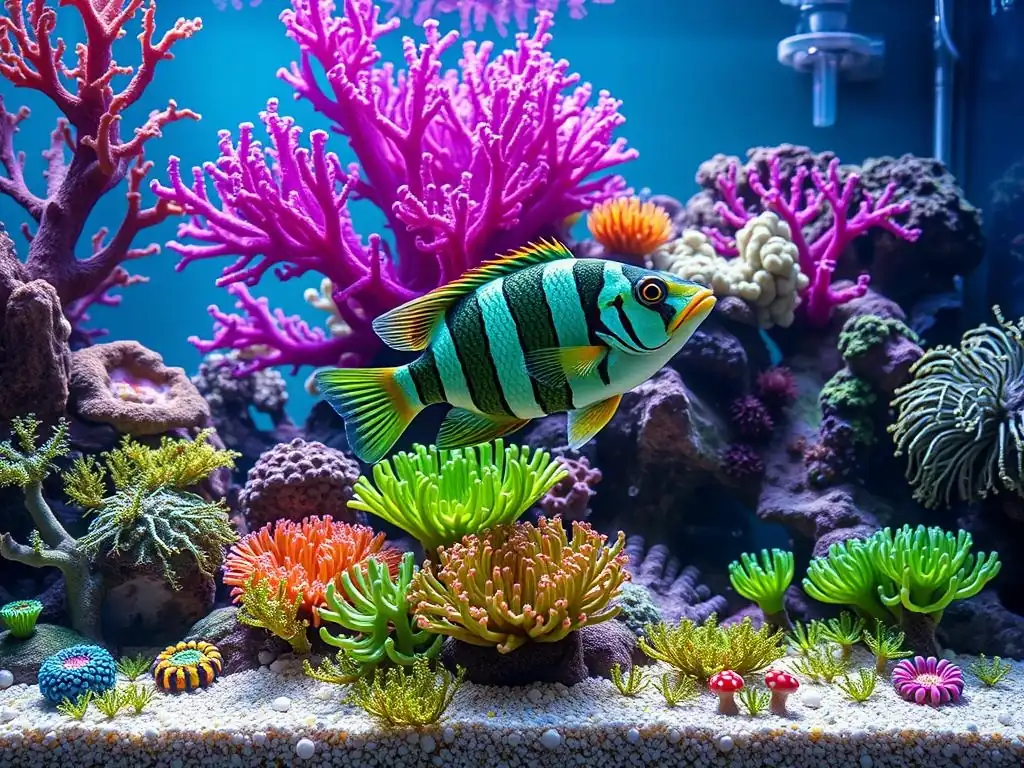
The Green Banded Goby ( Tigrigobius multifasciatus) stands out as an exceptional choice for nano reef aquariums due to its diminutive size, peaceful demeanor, and captivating appearance. Reaching an adult length of only about 1 to 1.5 inches (2.5 to 3.8 cm), this tiny fish fits comfortably into tanks as small as 5 to 10 gallons, making it ideal for aquarists with limited space. Unlike many larger marine species, its minimal bio-load helps maintain stable water parameters, a critical factor for the delicate balance of a nano reef environment.
Furthermore, their non-aggressive nature ensures they coexist harmoniously with other small, peaceful inhabitants, including various invertebrates like shrimp and snails, and other docile fish species. Their unique behavior of perching on rocks and surveying their surroundings adds a dynamic yet calming presence to the aquarium. This combination of small size, low impact, and gentle temperament makes the Green Banded Goby a top contender for those seeking to create a vibrant and balanced miniature marine ecosystem.
Overview of Tigrigobius multifasciatus (Green Banded Goby)
The Tigrigobius multifasciatus, commonly known as the Green Banded Goby, is a fascinating member of the Gobiidae family, native to the Western Atlantic Ocean, particularly found in the Caribbean. Its striking appearance features a slender body adorned with alternating bands of vibrant green and reddish-brown, often with subtle blue or yellow accents depending on the individual and its mood. These bands provide excellent camouflage among the live rock and sandy substrates of their natural habitat, where they typically reside in shallow reef areas.
These gobies are known for their shy yet curious personalities. They spend much of their time perched on rocks, coral, or even the sand, often observing their surroundings intently. While they can be found individually, they are also known to form small, loosely-knit groups in the wild, and can be kept in pairs or small harems in a sufficiently sized aquarium. Understanding their natural behaviors and habitat is crucial for successful Green banded goby care, ensuring their well-being and promoting their natural behaviors within the aquarium setting.
Green Banded Goby Care: Essential Guidelines for a Thriving Fish
Understanding Green Banded Goby Needs: A Comprehensive Care Guide
Effective Green banded goby care begins with a deep understanding of their specific requirements to ensure a long and healthy life. These small fish thrive in stable environments that mimic their natural reef habitats. Their average lifespan in a well-maintained home aquarium can range from 2 to 4 years, though some individuals have been known to live slightly longer under optimal conditions. They are relatively hardy once acclimated but are sensitive to sudden changes in water chemistry.
Key aspects of their care include providing ample hiding spots and perching locations, maintaining pristine water quality, and offering a varied diet. They are active hunters of small invertebrates in their natural environment, a behavior that should be supported in captivity through appropriate feeding. Paying close attention to these details is paramount for comprehensive Green banded goby care, allowing these charming fish to display their full range of natural behaviors and vibrant coloration.
Water Parameters for Green Banded Gobies: Maintaining Optimal Conditions
Maintaining precise and stable water parameters is fundamental to successful Green banded goby care. These fish require conditions that closely replicate their native marine environment. The ideal temperature range for Green Banded Gobies is between 72°F and 78°F (22°C to 25.5°C). Salinity should be kept stable within a specific gravity of 1.023 to 1.026. Fluctuations in salinity can cause significant stress and health issues for these delicate creatures.
Furthermore, pH levels should be maintained between 8.1 and 8.4. It is also crucial to keep ammonia and nitrite levels at undetectable zeros (0 ppm) and nitrates as low as possible, ideally below 10 ppm, though up to 20 ppm might be tolerated by very hardy specimens. Regular water changes, typically 10-20% weekly or bi-weekly, are essential for replenishing trace elements and removing accumulated nitrates. Consistent monitoring with reliable test kits is a non-negotiable aspect of their ongoing Green banded goby care.
Green Banded Goby Tank Size: Creating the Ideal Nano Reef Environment
When considering Green banded goby care, selecting the appropriate tank size is critical, especially given their nano reef suitability. For a single Green Banded Goby, a minimum tank size of 5 gallons (approximately 19 liters) is often recommended. This size provides enough swimming space and territory for an individual, allowing for adequate live rock aquascaping and stable water parameters.
However, if you plan to keep a pair or a small group of Green Banded Gobies, a larger tank of 10 to 20 gallons (approximately 38 to 76 liters) or more is advisable. This increased volume provides sufficient individual territories and reduces potential stress or aggression, particularly during breeding attempts.
The tank should also prioritize footprint over height, as these gobies primarily inhabit the lower and mid-sections of the water column, utilizing the substrate and rockwork for perching and shelter. A 10-gallon "long" tank, for example, offers more usable floor space than a 10-gallon "high" tank, making it a better choice for proper Green banded goby care.
Feeding Your Green Banded Goby: Diet and Nutritional Requirements
What to Feed Green Banded Gobies: Live, Frozen, and Prepared Foods
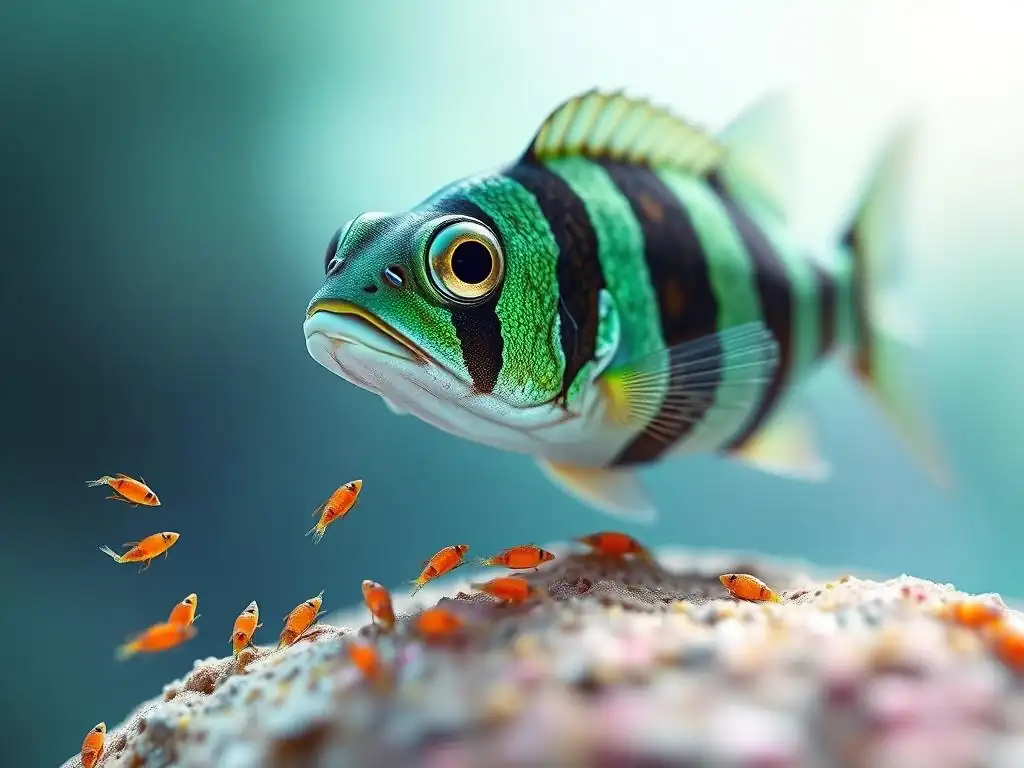
A diverse and nutritious diet is crucial for optimal Green banded goby care and their overall vitality. In their natural habitat, these gobies are micro-predators, primarily feeding on tiny crustaceans and other small invertebrates found in the sand and among live rock. To replicate this in the aquarium, offer a variety of high-quality foods. Live foods such as newly hatched brine shrimp or copepods are excellent for encouraging natural feeding behaviors and providing essential nutrients, particularly for newly acquired or finicky eaters.
Frozen foods should form the staple of their diet. Mysis shrimp, enriched brine shrimp, cyclop-eeze, and finely chopped clam or other marine-based preparations are readily accepted. Ensure the food particles are small enough for their tiny mouths. While some Green Banded Gobies may eventually accept high-quality prepared foods like marine pellets or flakes, these should only supplement their diet, not replace the frozen options. Always soak dry foods briefly before feeding to prevent bloating and ensure better digestion.
Green Banded Goby Feeding Schedule: How Often and How Much?
Establishing a consistent feeding schedule is an important aspect of Green banded goby care. Due to their small size and high metabolism, these gobies benefit from frequent, small feedings rather than large, infrequent meals. It is generally recommended to feed Green Banded Gobies two to three times per day. Each feeding should consist of an amount that they can consume entirely within 2 to 3 minutes. Overfeeding can quickly degrade water quality, leading to elevated nitrates and phosphates, which are detrimental to the health of both the fish and the entire nano reef ecosystem.
Observe your gobies during feeding time to ensure all individuals are getting enough food, especially if you keep more than one or if they are housed with more aggressive tank mates. If certain gobies appear thin or are not actively competing for food, consider target feeding using a pipette or turkey baster to deliver food directly to their vicinity. This attention to feeding frequency and quantity is a vital component of comprehensive Green banded goby care, ensuring they receive adequate nutrition without compromising water quality.
Green Banded Goby Compatibility: Tank Mates for Peaceful Coexistence
Best Tank Mates for Green Banded Gobies in a Nano Reef
Choosing appropriate tank mates is paramount for successful Green banded goby care, as their peaceful and often shy nature makes them susceptible to bullying from more aggressive species. Ideal companions are other small, docile fish that occupy different niches within the aquarium, minimizing competition for space and food. Good choices include other nano gobies like the Yellow Watchman Goby (if tank size permits and aggression is monitored), small blennies (e.g., Tailspot Blenny), or small clownfish species in a sufficiently sized tank.
Invertebrates are also excellent tank mates. Cleaner shrimp (e.g., Peppermint Shrimp, Skunk Cleaner Shrimp), various snail species (e.g., Nassarius snails, Turbo snails), and hermit crabs are typically safe and beneficial additions, as they help with tank maintenance without posing a threat to the goby. Corals of all types are also compatible, as Green Banded Gobies are not known to nip at corals. The key is to select tank mates that match the Green Banded Goby's calm temperament, ensuring a stress-free environment that supports optimal Green banded goby care.
Fish to Avoid with Green Banded Gobies: Preventing Aggression and Stress
To prevent aggression and undue stress, certain fish species should be strictly avoided when planning Green banded goby care. Any large or overtly aggressive fish, even those typically considered semi-aggressive, can easily intimidate or harm a small Green Banded Goby. Examples include larger damselfish, many angelfish species, triggerfish, and predatory lionfish. Even seemingly innocuous fish that grow larger, such as some tangs, can outcompete the tiny goby for food or space.
Similarly, other bottom-dwelling gobies or blennies that are known to be territorial, especially those of similar size and shape, might lead to inter-species aggression if the tank is too small. While some larger gobies like certain pistol shrimp gobies can coexist, careful observation is necessary. Ultimately, the goal is to create a peaceful community where the Green Banded Goby feels secure, a critical factor in their long-term Green banded goby care.
Setting Up a Green Banded Goby Tank: A Step-by-Step Guide
Choosing the Right Substrate and Aquascaping for Green Banded Gobies
The substrate and aquascaping are vital elements in creating an optimal environment for Green banded goby care. A fine sand bed, approximately 1-2 inches (2.5-5 cm) deep, is recommended. While Green Banded Gobies are not primarily sand-sifters like some other goby species, they do appreciate the ability to occasionally burrow or sift through the sand for microfauna. A fine aragonite sand also contributes to maintaining stable alkalinity and pH.
The aquascape should incorporate plenty of live rock, arranged to create numerous crevices, caves, and overhangs. These structures provide essential hiding spots and perching locations, which are crucial for the goby's sense of security and well-being. Consider creating small, protected areas where the goby can retreat if feeling threatened. A well-designed aquascape enhances the aesthetic appeal of the tank and directly supports the natural behaviors and comfort of your Green Banded Goby, making it an integral part of their comprehensive care.
Essential Equipment for a Green Banded Goby Nano Reef Tank
Setting up a Green Banded Goby nano reef tank requires specific equipment to ensure stable and healthy conditions. The primary components include:
- Aquarium: As discussed, a 5-gallon minimum for a single goby, 10-20 gallons for a pair or small group.
- Lighting: Appropriate reef lighting is necessary for any corals you plan to keep, but for the goby itself, moderate light is sufficient.
- Heater: A reliable heater with a thermostat to maintain a stable temperature between 72-78°F (22-25.5°C).
- Filtration: A hang-on-back (HOB) filter or small canister filter with mechanical and biological media is typically sufficient for nano tanks. A small protein skimmer can also be beneficial for larger nano setups (10+ gallons) to help export nutrients and maintain water clarity.
- Powerhead/Wavemaker: A small powerhead is needed to provide gentle to moderate water flow, mimicking natural reef currents. Avoid strong, direct flow that could stress the tiny goby.
- Saltwater Mix: High-quality marine salt mix to prepare saltwater for initial setup and water changes.
- Test Kits: Essential for monitoring water parameters: Salinity (refractometer preferred), Ammonia, Nitrite, Nitrate, pH, Alkalinity, Calcium, and Magnesium.
- Substrate: Fine aragonite sand.
- Live Rock: For biological filtration and aquascaping.
This equipment list forms the backbone of proper Green banded goby care, ensuring a stable and thriving environment.
Green Banded Goby Health and Disease Prevention
Common Green Banded Goby Diseases and Treatments
While generally hardy, Green Banded Gobies can be susceptible to common marine aquarium diseases if water quality is poor or stress levels are high. One of the most prevalent issues is Ich (White Spot Disease), caused by the parasite Cryptocaryon irritans. Symptoms include tiny white spots resembling salt grains on the body and fins, rapid breathing, and scratching against decor. Treatment often involves transferring the fish to a quarantine tank for copper-based medications or hyposalinity (lowering salinity).
Another concern is Velvet Disease (Amyloodinium ocellatum), which presents as a dusty, golden or brownish film on the fish, often accompanied by labored breathing and lethargy. This parasite is highly contagious and aggressive, requiring immediate treatment, usually with copper or chloroquine phosphate. Bacterial infections, manifesting as fin rot, cloudy eyes, or ulcers, can also occur, often due to poor water quality. These typically require broad-spectrum antibiotics, again ideally in a separate quarantine tank to avoid harming corals or invertebrates in the main display.
Maintaining a Healthy Green Banded Goby: Preventative Measures
Preventative measures are far more effective than treatment when it comes to Green banded goby care. The cornerstone of disease prevention is maintaining consistently pristine water quality. Regular water changes (10-20% weekly or bi-weekly), meticulous monitoring of parameters (ammonia, nitrite, nitrate, pH, salinity, temperature), and ensuring proper filtration are crucial. Overfeeding should be avoided as it leads to nutrient buildup and poor water quality.
Quarantining all new arrivals – fish, corals, and invertebrates – for at least 4-6 weeks in a separate tank is perhaps the single most important preventative step. This allows for observation and treatment of any potential diseases before they are introduced into the main display tank, protecting your existing inhabitants. Providing a balanced, varied diet strengthens the goby's immune system, making them more resilient to pathogens. Minimizing stress by providing ample hiding spots and compatible tank mates also plays a significant role in fostering a robust immune response and ensuring long-term Green banded goby care.
Breeding Green Banded Gobies: A Challenging but Rewarding Endeavor
Green Banded Goby Breeding Behavior: What to Expect
Breeding Green Banded Gobies in a home aquarium is a challenging but highly rewarding experience, offering insights into their natural life cycle. These gobies are known to be monogamous, forming strong pair bonds. Spawning typically occurs in a secluded area, often within a small cave or under an overhang. The male will prepare a nesting site and then entice the female to lay eggs. Green Banded Goby eggs are demersal, meaning they are laid on the substrate or a hard surface, usually in a cluster.
The male Green Banded Goby is responsible for guarding and fanning the eggs until they hatch, a process that usually takes about 3 to 5 days depending on water temperature. The fry, or larvae, are planktonic and extremely tiny upon hatching, making their rearing particularly difficult. They are almost microscopic and require very specific, live planktonic foods to survive their initial stages. Observing this intricate breeding behavior is a testament to dedicated Green banded goby care.
Creating a Breeding Environment for Green Banded Gobies
To encourage Green Banded Goby breeding, creating a dedicated breeding tank is highly recommended due to the delicate nature of the fry. A separate 10 to 20-gallon tank, specifically set up for breeding, provides a controlled environment free from predators and excessive water flow. The tank should include plenty of small, smooth rocks or ceramic tubes to serve as potential spawning sites. Maintaining stable and optimal water parameters, as outlined in the general Green banded goby care guidelines, is even more critical during the breeding process.
A varied and nutrient-rich diet for the parent fish, including live foods, can help condition them for spawning. Once eggs are laid and hatch, the challenge shifts to rearing the fry. This requires an extremely fine filter (or no filter, with frequent small water changes), very gentle aeration, and a consistent supply of appropriately sized live foods like rotifers for the first few weeks, followed by newly hatched brine shrimp as they grow. Success in breeding Green Banded Gobies showcases an advanced level of Green banded goby care and dedication.
Where to Buy Green Banded Gobies: Selecting Healthy Specimens
Choosing a Reputable Green Banded Goby Supplier
When acquiring Green Banded Gobies, selecting a reputable supplier is crucial for ensuring you receive healthy, well-acclimated specimens. Avoid impulse purchases from stores with questionable tank conditions or unknowledgeable staff. Look for local fish stores (LFS) that specialize in marine fish and demonstrate excellent husbandry practices, indicated by clean tanks, healthy-looking fish, and attentive staff. Many online retailers also offer Green Banded Gobies; when choosing an online vendor, research their reputation thoroughly through reviews and forums.
A good supplier will be able to provide information about the goby's origin (wild-caught vs. aquacultured, if known), how long they've had the fish, and their feeding habits. They should also pack the fish carefully for transport, minimizing stress. Aquacultured Green Banded Gobies, though less common than wild-caught, are often preferred as they are typically hardier and already accustomed to aquarium life, reducing the initial stress associated with Green banded goby care.
Assessing Green Banded Goby Health Before Purchase
Before making a purchase, meticulously assess the health of the Green Banded Goby you intend to buy. Spend time observing the fish in its holding tank. A healthy Green Banded Goby should exhibit active and alert behavior, perching confidently and moving with purpose. Check for clear eyes, intact fins without any tears or fraying, and a full, rounded belly (not sunken). Their coloration should be vibrant and distinct, without any dullness or unusual patches.
Avoid fish that are:
- Lethargic or listless: Lying motionless on the bottom for extended periods without responding to stimuli.
- Gasping at the surface: Indicates potential water quality issues or respiratory distress.
- Showing signs of disease: White spots (Ich), fuzzy patches (fungus), or cloudy eyes.
- Have clamped fins: A common sign of stress or illness.
- Are extremely thin or emaciated: Suggests chronic underfeeding or internal parasites.
A thorough visual inspection and observation of behavior are critical steps in ensuring you bring home a healthy specimen, laying a strong foundation for successful Green banded goby care.
Green Banded Goby: Are They Right for Your Nano Reef?
The Pros and Cons of Keeping Green Banded Gobies
Deciding if the Green Banded Goby is the right fit for your nano reef involves weighing their advantages and disadvantages.
Pros:
- Small Size: Perfect for nano tanks (5+ gallons).
- Peaceful Temperament: Excellent community fish for other small, docile species and invertebrates.
- Low Bio-load: Contributes minimally to tank waste, helping maintain stable water parameters.
- Captivating Behavior: Their perching and darting movements add charm and interest to the tank.
- Vibrant Coloration: The green and reddish-brown bands are visually appealing.
- Relatively Hardy: Once acclimated, they are robust, making Green banded goby care manageable for dedicated aquarists.
Cons:
- Shy Nature: Can be reclusive, especially initially, and may hide if housed with aggressive tank mates.
- Small Mouth: Requires very small, specific foods, which might necessitate target feeding.
- Sensitivity to Water Quality: While hardy, they do not tolerate fluctuating or poor water parameters.
- Difficulty in Breeding: Rearing fry is very challenging, requiring specialized setups and live foods.
- Not Always Readily Available: Can sometimes be harder to find than more common marine species.
Understanding these points helps in making an informed decision about integrating a Green Banded Goby into your aquarium, ensuring you are prepared for their specific Green banded goby care requirements.
Real-World Experiences with Green Banded Goby Behavior and Care
In the realm of personal accounts from aquarists, the Green Banded Goby often receives high praise for its charm and suitability for smaller setups. Many hobbyists report that while initially shy, these gobies quickly become comfortable in a stable environment, often perching prominently on favorite rock ledges or even the front glass, seemingly observing their human companions. Their distinct personality shines through as they dart out to snatch food, then quickly retreat to their chosen spot.
Anecdotal evidence suggests that Green Banded Gobies thrive best when kept singly or in established pairs, particularly in tanks under 10 gallons. In larger tanks (20+ gallons), some aquarists have successfully kept small groups of 3-5, provided there are ample hiding spots to diffuse any potential territorial squabbles, which are usually minor. The key takeaway from numerous experiences is that consistent water quality, a varied diet of tiny foods, and a peaceful tank environment are paramount for successful Green banded goby care, leading to a vibrant and long-lived addition to any nano reef.
Conclusion: The Allure of the Green Banded Goby for Nano Aquarium Enthusiasts
Frequently Asked Questions
What is a Green Banded Goby and why is it suitable for a nano reef aquarium?
The Green Banded Goby (Gobiosoma multifasciatum) is a small, peaceful fish ideal for nano reefs due to its small size and gentle temperament. They are generally reef-safe and don't bother corals.
What are the key considerations for Green Banded Goby care in terms of tank setup?
Green Banded Gobies require a well-established aquarium with plenty of live rock for hiding and foraging. Maintaining stable water parameters is crucial, and a protein skimmer is recommended for water quality.
What do Green Banded Gobies eat, and how often should they be fed?
They are primarily carnivorous, feeding on small invertebrates and algae. Offer a varied diet of small frozen foods and high-quality flake food several times a day to ensure they get enough to eat.
Are Green Banded Gobies compatible with other fish species in a reef tank?
Generally, yes. However, avoid keeping them with aggressive or boisterous fish that may outcompete them for food or bully them. They do best in peaceful community reef tanks with similarly sized, non-aggressive tank mates.
What are some common health issues to watch out for when keeping Green Banded Gobies?
Green Banded Gobies are generally hardy, but prone to parasitic infections such as ich if water quality is poor or they are stressed. Quarantine new additions and maintain pristine water conditions to prevent disease.
Final Reflection: Appreciating the Tiny Wonders
The information presented throughout this article highlights the remarkable adaptability and peaceful nature of the Green Banded Goby, qualities that make it an ideal addition to nano reef aquariums. In a world increasingly focused on large-scale solutions, it's crucial to remember the profound impact even the smallest creatures can have on maintaining balance and beauty within a closed ecosystem.
This exploration of Green Banded Goby care has underscored the importance of responsible reef keeping and the interconnectedness of all living things within an aquarium. The delicate balance of a nano reef, and the goby's role within it, serves as a microcosm of the larger environmental challenges we face. In nature, nothing exists alone.
- Rachel Carson. This quote resonates deeply when considering the symbiotic relationships and delicate ecosystems we strive to replicate in our home aquariums.
As you consider adding a Green Banded Goby to your own nano reef, or simply reflect on the information presented here, remember that even the smallest acts of care and attention can have a significant impact. Let us all strive to be mindful stewards of our aquatic environments, fostering a deeper appreciation for the tiny wonders that enrich our lives and remind us of the beauty and fragility of the natural world.
Unleash the Vibrant Potential of Your Nano Reef!
Thank you for exploring the fascinating world of the Green Banded Goby with us! We hope you found valuable insights into why this little gem deserves a place in your peaceful nano reef. Now, let's turn that knowledge into action and make your aquarium even more stunning!
- Dive into the details and consider adding a Green Banded Goby to your nano reef. It's an investment in vibrant color and natural pest control!
- Share your experiences! Join the Aquarium Mastery community forums and share your tips and tricks for keeping Green Banded Gobies thriving.
- Explore related nano reef inhabitants on Aquarium Mastery. Discover other compatible fish and invertebrates to create a balanced and beautiful ecosystem.
Ready to create the nano reef of your dreams, starting with a Green Banded Goby?