
Blenny Behavior Uncovered: Perching, Peeking, Playing & Personality Quirks

Welcome to Aquarium Mastery!
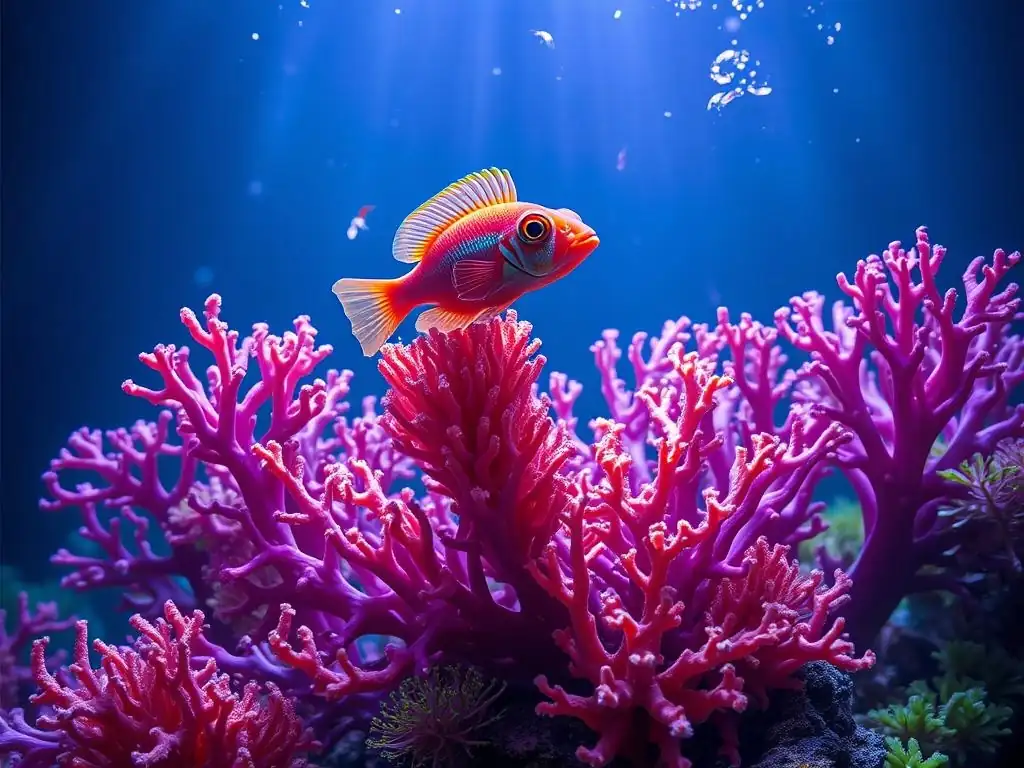
Ever wondered why your Blenny spends so much time perched in the most peculiar places? Dive in to uncover the fascinating secrets behind Blenny perching behavior tips and so much more! Get ready to unlock a deeper understanding of these captivating saltwater personalities and create the perfect environment for them to thrive. Intrigued? Let's explore the wonderful world of Blenny behavior!
- Understanding Blenny Behavior in the Aquarium: An Introduction
- Deciphering Blenny Perching Behavior Tips for Aquarium Success
- Blenny Peeking: Understanding Their Curious Nature
- Blenny Playfulness: Recognizing and Encouraging Enrichment
- Blenny Personality Quirks: Individual Differences & Unique Traits
- Optimizing Blenny Health Through Understanding Behavior
- Blenny Behavior and Tank Compatibility: Selecting Suitable Tank Mates
- Advanced Blenny Behavior: Breeding and Reproduction Considerations
- Conclusion: Appreciating the Complexities of Blenny Behavior
- Frequently Asked Questions
- Final Reflection: The Enduring Charm of Blenny Quirks
- Dive Deeper: Chart Your Own Blenny Adventure!
Understanding Blenny Behavior in the Aquarium: An Introduction
Blenny species are among the most charismatic and engaging inhabitants of saltwater aquariums, particularly popular in nano reef setups. Their unique behaviors, from their distinctive way of moving across rockwork to their curious peeking from crevices, make them fascinating subjects for aquarists. Understanding these specific behavioral traits is not just about appreciating their charm; it is fundamental to providing an optimal environment that promotes their health, reduces stress, and ensures their longevity within the confined aquarium ecosystem.
Beyond their aesthetic appeal, blennies offer a window into complex fish behavior. They exhibit a range of actions that provide clear indicators of their well-being, comfort level, and even their individual temperament. By closely observing their perching habits, their exploratory peeking, their playful foraging, and their unique personality quirks, aquarists can proactively address potential issues, enhance their quality of life, and create a truly thriving aquatic community. This article aims to decipher these behaviors, offering practical insights and blenny perching behavior tips to help you become a more insightful and successful blenny keeper.
Deciphering Blenny Perching Behavior Tips for Aquarium Success
Why Do Blennies Perch? Exploring Natural Perching Instincts
Blenny species, especially those from the Combtooth Blenny family (Blenniidae), exhibit a strong natural instinct to perch, a behavior deeply rooted in their wild reef habitats. They utilize their modified pelvic fins, which are often thick and almost finger-like, or stiff pectoral fins, to prop themselves up on various surfaces.
This elevated position serves multiple crucial purposes: it provides an advantageous vantage point for observing their surroundings, scanning for potential food sources like algae or small invertebrates, and maintaining vigilance against perceived threats or predators. For instance, a Lawnmower Blenny ( Salarias fasciatus) might spend upwards of 70% of its active daylight hours perched, meticulously surveying its territory for optimal grazing spots.
This perching behavior is also a highly effective strategy for energy conservation and predator avoidance. By perching on rocks, corals, or even the substrate, blennies minimize their exposure to open water, where they would be more vulnerable to larger, free-swimming predators. It allows them to quickly dart into a nearby crevice or bolt hole if danger arises. This innate need for secure perching spots is a critical consideration for any aquarist aiming to provide a stress-free environment for their blennies, directly influencing the type and arrangement of aquarium decor.
Blenny Perching Preferences: Ideal Substrates & Aquarium Decor
When considering blenny perching behavior tips, the choice and arrangement of aquarium decor are paramount. Blennies overwhelmingly prefer rough, textured surfaces that offer good grip, mimicking the uneven topography of natural coral reefs. Live rock is the quintessential substrate for this purpose, providing an abundance of nooks, crannies, and flat surfaces at varying heights. A well-scaped tank might incorporate 1.5 to 2 pounds of live rock per gallon, creating a complex structure with numerous perching opportunities. Species like the Starry Blenny ( Salarias ramosus) are particularly fond of perching on the highest points of rockwork, surveying their domain.
Beyond live rock, other decor elements can also serve as favored perching spots. Robust, large polyp stony (LPS) corals or even some soft corals can be used, provided they are securely anchored and the blenny's presence does not cause them stress or irritation.
Smooth, flat pieces of inert rock, ceramic caves, or even the aquarium glass itself (especially near the substrate or rock interface) are often utilized. Some blennies, such as the Midas Blenny ( Ecsenius midas), are known for their preference for perching in elevated positions, sometimes even resting on powerheads or overflow boxes, demonstrating their adaptability in finding suitable vantage points.
Optimizing Your Aquarium for Natural Blenny Perching
To truly optimize your aquarium for natural blenny perching, strategic aquascaping is essential. Arrange live rock to create multiple levels, overhangs, and varied surfaces, ensuring there are both vertical and horizontal perching opportunities throughout the tank. Aim for a design that provides at least three distinct perching zones at different heights within the aquarium, allowing the blenny to choose its preferred observation point. For smaller blenny species, a tank size of at least 20 gallons is recommended, offering sufficient space for diverse decor and territorial establishment.
Furthermore, ensure that all perching spots are stable and secure, preventing any risk of collapse or shifting that could startle or injure the blenny. Blennies generally prefer areas with moderate water flow, where they can comfortably perch without being constantly buffeted by strong currents.
While flow is important for overall tank health, excessive flow directly over preferred perching spots should be avoided. For the best blenny perching behavior tips, consider adding a few small, flat, stable pieces of rock directly on the sand bed or nestled into the rockwork at varying levels; these often become prime perching real estate, especially near areas where food is introduced or where algae growth is prevalent.
Blenny Peeking: Understanding Their Curious Nature
Interpreting Blenny Peeking Behavior: Signs of Curiosity or Stress?
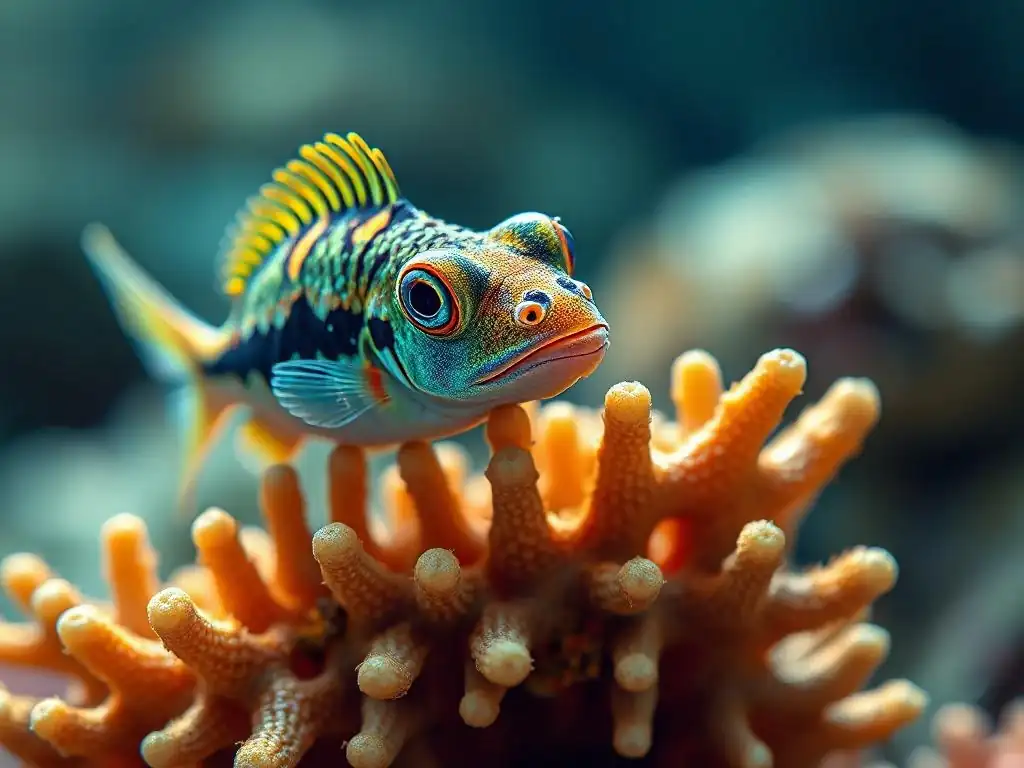
Blenny peeking behavior is a common and endearing trait, often indicative of a curious and comfortable fish. This involves the blenny partially emerging from a crevice, cave, or behind a piece of rock, with just its head or the front portion of its body visible, as it surveys its surroundings.
This is a natural exploratory behavior, allowing them to assess the environment, observe tank activity, and scout for food without fully exposing themselves. A healthy, well-adjusted blenny might peek out for 30 to 60 seconds before either fully emerging or retreating back into its sanctuary, demonstrating a sense of security within its chosen hiding spot.
However, interpreting blenny peeking behavior requires careful observation, as it can sometimes be a subtle indicator of stress. While normal peeking suggests comfort, excessive shyness, such as a blenny only peeking out when the lights are dim or off, or constantly darting back into hiding at the slightest movement, could signal underlying stress.
This stress might be due to new tank syndrome, aggressive tankmates, or unsuitable water parameters. Observe their overall body language: a relaxed blenny will have its fins spread naturally, whereas a stressed one might exhibit clamped fins or rapid breathing, exceeding 60-80 gill beats per minute at 78°F.
Providing Hiding Places and Safe Zones for Peeking Blennies
To foster natural peeking behaviors and ensure your blenny feels secure, providing ample and varied hiding places is crucial. Live rock, with its natural holes and crevices, is the most effective element for this purpose. Arrange the rockwork to create numerous bolt holes, tunnels, and caves that the blenny can easily dart into when startled or for resting periods. A minimum of 2-3 secure, appropriately sized bolt holes per blenny is highly recommended, offering them multiple escape routes and resting spots.
Beyond live rock, other elements can also contribute to safe zones. Small PVC pipes, ceramic caves, or even empty snail shells can be strategically placed within the aquascape. Variety in the size and type of hiding places is beneficial, as different blenny species, and even individuals, may have specific preferences.
For example, a Tailspot Blenny ( Ecsenius stigmatura) might prefer a very tight crevice, while a Lawnmower Blenny might appreciate a slightly larger cave or an area under an overhang. These safe zones are not just for retreat; they are essential for the blenny's sense of security, which in turn encourages them to explore and peek more confidently.
Encouraging Natural Peeking Behaviors in Your Blenny Tank
Encouraging natural peeking behaviors in your blenny tank primarily revolves around creating a stable, secure, and predictable environment. Maintaining consistent and optimal water parameters (e.g., salinity between 1.023-1.026, temperature between 75-80°F, zero ammonia and nitrite) is paramount, as fluctuating conditions can induce stress and make a blenny more reclusive. A regular feeding schedule also contributes to a sense of security, as the blenny learns when and where to expect food, reducing the need for constant, cautious foraging.
Furthermore, the introduction of the blenny itself should be done carefully, ideally using a drip acclimation method over 1-2 hours to minimize shock. Ensure that all tankmates are peaceful and non-aggressive. Overly boisterous or predatory fish can intimidate a blenny, causing it to remain hidden and reluctant to peek out. By providing a calm atmosphere with plenty of escape routes and stable conditions, you empower your blenny to feel safe enough to exhibit its natural curiosity, peeking out and interacting with its surroundings more frequently.
Blenny Playfulness: Recognizing and Encouraging Enrichment
Identifying Playful Behaviors in Blennies: Rock Hopping, Algae Grazing Patterns
While "playfulness" in fish may not equate to that of mammals, blennies certainly exhibit engaging and active behaviors that indicate contentment and good health. One of the most commonly observed "playful" behaviors, particularly among herbivorous blennies, is "rock hopping." This involves the blenny moving across the aquascape in a series of short, deliberate hops, using its pelvic fins to propel itself from one surface to another. This behavior is often associated with active foraging, as they systematically graze on algae and detritus. A healthy, active blenny might make 10-15 such hops within a few minutes, meticulously clearing surfaces.
Another indicative behavior is their distinctive algae grazing patterns. As they scrape algae from rocks and glass, blennies often leave behind clear, visible trails, demonstrating their diligent and often systematic feeding habits. A blenny that is actively grazing for several hours a day is a strong sign of good health and engagement with its environment. Some blennies also exhibit behaviors like "mouthing" the substrate or rockwork, sifting through the detritus for micro-organisms or food particles, which can be seen as an exploratory and enriching activity, keeping them constantly engaged with their surroundings.
Providing Aquarium Enrichment for Blennies: Toys and Activities
While blennies don't play with toys in the conventional sense, providing environmental enrichment is crucial for their mental stimulation and well-being. The most effective form of enrichment comes from a thoughtfully designed aquascape. Varied rockwork with numerous nooks, crannies, tunnels, and ledges provides an ever-changing landscape for exploration. Periodically, you can slightly rearrange small, non-critical pieces of decor to offer new visual stimuli and encourage further exploration. Even adding an empty, clean snail shell or a small, smooth ceramic cave can serve as a novel point of interest.
Food-based enrichment is also highly effective. For herbivorous blennies, attaching a piece of dried spirulina or nori to an algae clip can provide prolonged grazing activity, mimicking their natural foraging behaviors. Placing small, algae-covered rocks gathered from a separate, safe cultivation tank (never from the wild or unknown sources) into the main display can offer a fresh "grazing pasture." These activities encourage their innate behaviors, reduce boredom, and contribute significantly to their overall vitality, preventing the lethargy that can arise from a monotonous environment.
The Importance of Environmental Stimulation for Blenny Well-being
Environmental stimulation is not merely a luxury for blennies; it is a fundamental component of their well-being. A bland, unstimulating aquarium environment can lead to a range of negative outcomes, including lethargy, loss of appetite, increased stress, and even susceptibility to disease. Without adequate opportunities for exploration and engagement, blennies can become withdrawn and exhibit abnormal behaviors. A well-scaped tank, rich with varied topography and hiding spots, naturally encourages their inquisitive nature and promotes active movement.
By contrast, a stimulating environment directly supports the blenny's innate behaviors of foraging, perching, peeking, and exploring. This active engagement leads to a healthier, more vibrant fish that is less prone to stress-related issues. Blennies that are consistently stimulated and engaged are more likely to exhibit their full range of natural behaviors, maintain a robust appetite, and integrate well within a community tank. This careful attention to their environmental needs can significantly extend their lifespan, with many blennies living 3-5 years or more in optimal, stimulating conditions.
Blenny Personality Quirks: Individual Differences & Unique Traits
Recognizing Individual Blenny Personalities: Boldness, Shyness, Curiosity
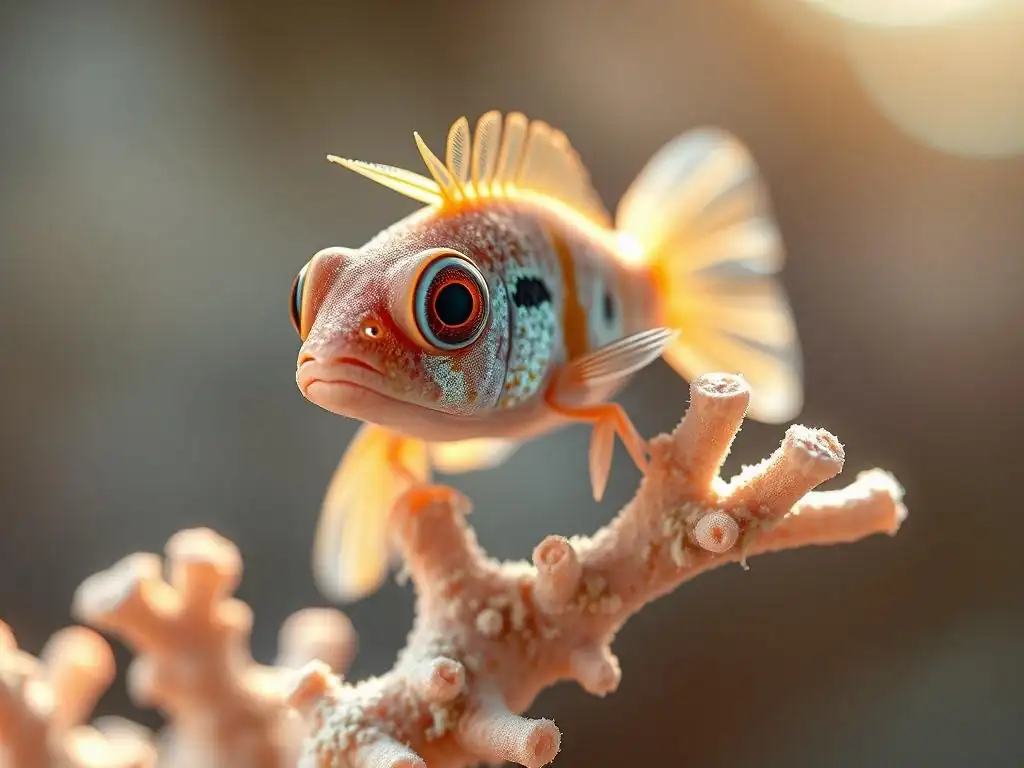
One of the most captivating aspects of keeping blennies is observing their individual personalities, which can vary significantly even within the same species. Some blennies, like certain Tailspot Blennies ( Ecsenius stigmatura), might be notably bold, constantly visible, and seemingly unafraid of human presence, often greeting their keepers at the glass. Others, however, possess a naturally shyer disposition, preferring to spend more time hidden and emerging only when they feel completely secure. This shyness can stem from their innate temperament rather than environmental stress.
To recognize these individual traits, aquarists should pay close attention to how quickly a blenny adapts to a new environment, its level of interaction with tankmates, and its willingness to accept food. A curious blenny might actively investigate new additions to the tank, while a timid one might retreat at the first sign of a disturbance. For instance, a Fang Blenny ( Meiacanthus species) might exhibit a more assertive and territorial personality compared to the generally peaceful Molly Miller Blenny ( Scartella cristata), even though both are blennies. Observing these nuances allows for a more personalized care approach.
How Blenny Personality Affects Tankmate Interactions
A blenny's individual personality plays a significant role in how it interacts with its tankmates and the overall harmony of the aquarium. A very bold blenny might occasionally assert its dominance, particularly if it feels its territory or food source is threatened. This could manifest as chasing slower-moving fish or attempting to claim a larger portion of the tank. Conversely, a particularly shy blenny might struggle to compete for food, becoming stressed by overly active or boisterous tankmates, leading to malnutrition or chronic stress.
Territoriality is another aspect influenced by personality, especially in male blennies during potential breeding periods. While many blennies are considered peaceful, some species or individuals can be aggressive towards conspecifics or fish with similar body shapes and diets. For example, two male Lawnmower Blennies in a tank under 75 gallons are highly likely to engage in territorial disputes. Understanding these potential interactions based on observed personality helps in selecting appropriate tankmates to prevent conflicts and ensure a peaceful community.
Adapting Your Care to Suit Your Blenny's Unique Personality
Adapting your aquarium care to suit your blenny's unique personality is key to its long-term health and happiness. For a shy blenny, emphasize dense rockwork with numerous intricate hiding spots and shaded areas, providing ample opportunities for retreat and security. Consider lower light intensity or areas of reduced lighting if extreme brightness seems to cause stress. For a bolder blenny, ensure there is enough open space for it to patrol without constantly harassing other inhabitants, and provide multiple feeding points if it tends to monopolize food.
Feeding strategies should also be tailored. A shy blenny might benefit from spot-feeding or target feeding to ensure it receives adequate nutrition without having to compete aggressively. For a bold blenny, spreading food widely across the tank can prevent it from dominating the feeding area. This personalized approach, considering the blenny's observed temperament, can significantly enhance its well-being, reducing stress and promoting natural behaviors. It transforms generalized care into a truly effective and rewarding experience for both the aquarist and the fish.
Optimizing Blenny Health Through Understanding Behavior
Linking Blenny Behavior to Health: Identifying Potential Issues
Observing your blenny's behavior is one of the most effective ways to monitor its health. Any significant deviation from its typical patterns can be an early indicator of potential issues. For example, a sudden loss of appetite, refusing to graze on algae, or a marked decrease in activity (e.g., stopping perching or peeking) are red flags. Other concerning signs include clamped fins, rapid breathing (significantly above its normal resting rate of around 60-80 gill beats per minute at 78°F), listlessness, or unusual scratching against decor, which could suggest parasitic infections.
Specific behavioral changes can point to particular problems. A blenny that suddenly spends all its time hiding might be stressed by tankmates, poor water quality, or an underlying illness. Conversely, a blenny that becomes unusually aggressive or erratic could be reacting to environmental stressors or internal discomfort. For instance, if a blenny stops its characteristic rock hopping and grazing, it might be suffering from an internal parasite or a nutritional deficiency. Consistent, daily observation allows aquarists to quickly identify these subtle shifts and intervene before conditions worsen.
Preventing Behavioral Problems Through Proper Tank Setup
Preventing behavioral problems in blennies begins with a proper tank setup that caters to their specific needs. A fully cycled aquarium (ensuring 0 ppm ammonia, 0 ppm nitrite, and low nitrates, typically below 20 ppm) provides a stable and non-toxic environment, which is fundamental to preventing stress-induced behaviors. An appropriately sized tank is also crucial; for example, a single Lawnmower Blenny generally requires a minimum of 30 gallons to thrive and establish adequate territory without feeling cramped.
Beyond water parameters and size, the physical environment must be rich and stimulating. Provide abundant live rock with numerous hiding spots, perching opportunities, and varied topography. A consistent and varied diet, including high-quality marine pellets, spirulina flakes, and frozen foods like mysis shrimp, prevents nutritional deficiencies that can manifest as behavioral issues. By establishing a stable, enriched environment from the outset, aquarists can proactively prevent many common behavioral problems and ensure their blenny's long-term health.
Addressing Behavioral Issues in Blennies: Re-arranging Decor
When behavioral issues arise in blennies, environmental adjustments can often provide effective solutions. If a blenny is exhibiting excessive shyness, aggression towards tankmates, or territorial disputes, re-arranging the rockwork can often alleviate the problem. This breaks up established sightlines and territories, creating new exploration opportunities and potentially reducing aggression by forcing a "reset" of territorial claims. A simple shift of a few key rocks can significantly alter the dynamics of the tank.
For issues like persistent aggression, consider adding more hiding spots or introducing a "time-out" period for the aggressor in a separate container within the tank for 24-48 hours. For shyness, ensure lighting isn't too intense and provide more shaded areas within the rockwork. If a blenny is not grazing or seems lethargic, evaluate its diet and water quality. Sometimes, simply rotating a few pieces of decor or adding a new, safe piece of live rock can re-engage a bored or stressed blenny, demonstrating that thoughtful environmental manipulation is a powerful tool in blenny care.
Blenny Behavior and Tank Compatibility: Selecting Suitable Tank Mates
Understanding Blenny Aggression: Minimizing Territorial Disputes
Understanding the nuances of blenny aggression is critical for maintaining a peaceful community tank. Many blennies are territorial, particularly towards conspecifics (members of the same species) or fish with similar body shapes and dietary requirements. For example, attempting to keep two male Lawnmower Blennies in a tank under 75 gallons is highly likely to result in aggressive territorial disputes, often leading to stress, injury, or even death for the weaker individual. This intra-species aggression is a significant factor to consider.
While generally peaceful towards other fish families, some blennies, especially certain Fang Blenny species, can exhibit occasional nipping behavior towards slow-moving fish or those with long, flowing fins, perceiving them as competition or threats. This inter-species aggression is typically less common but can occur if the blenny feels overcrowded or underfed. Providing ample space and hiding spots can significantly minimize these territorial disputes, allowing the blenny to establish its own safe zone without encroaching on others.
Choosing Compatible Tank Mates for a Peaceful Blenny Community
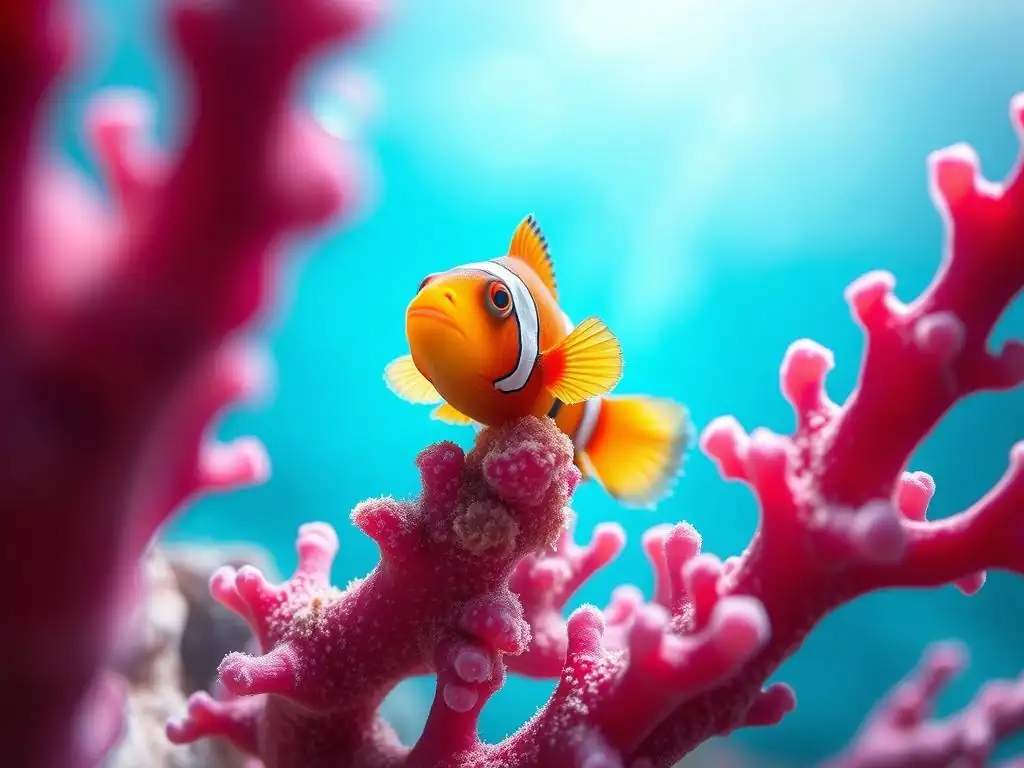
Selecting suitable tank mates is paramount for a peaceful blenny community. Ideal companions are generally small, peaceful fish that occupy different niches within the aquarium. Good choices often include small gobies (which, despite sometimes similar appearances, typically have distinct body shapes and behaviors), peaceful clownfish, small wrasses, and certain less aggressive damselfish. These species generally do not compete directly with blennies for food or territory, reducing the likelihood of conflict. For instance, a Royal Gramma ( Gramma loreto) is often an excellent, colorful companion for many blenny species.
It is crucial to avoid very aggressive or significantly larger fish that could intimidate or injure your blenny. Also, steer clear of fish that would directly compete for the blenny's primary food source (e.g., other herbivorous grazers in a small tank) or those that might outcompete them for hiding spots. Always match the size and temperament of potential tankmates. When introducing new fish, it is often beneficial to add the blenny first, or simultaneously with other peaceful fish, allowing it to establish its territory before more dominant species are introduced.
Observing Blenny Interactions: Monitoring for Stress and Aggression
Consistent observation of blenny interactions with their tankmates is essential for maintaining a healthy and harmonious aquarium. Daily monitoring allows you to identify early signs of stress or aggression, such as constant chasing, nipping at fins, a blenny perpetually hiding, or a noticeable lack of appetite. These behaviors are clear indicators that compatibility issues may be present and require intervention. A blenny that is constantly stressed by tankmates will often exhibit clamped fins, faded coloration, and an increased susceptibility to disease.
If aggression is observed, various interventions can be considered. Re-scaping the tank to create new territories and break up sightlines can often alleviate minor disputes. Adding more hiding spots provides additional refuge for the bullied fish. In more severe cases, temporarily removing the aggressor to a separate tank for a "time-out" period (e.g., 24-48 hours) can sometimes reset territorial dynamics upon reintroduction. Persistent stress from aggression can significantly shorten a blenny's lifespan, often reducing it by 30-50%, making timely intervention crucial for their well-being.
Advanced Blenny Behavior: Breeding and Reproduction Considerations
Understanding Blenny Mating Behaviors: Courtship Displays, Nest Building
For aquarists interested in advanced blenny behavior, understanding their mating and reproductive habits is fascinating. Most blennies are egg-layers, with males typically taking on the primary role of guarding the eggs. Courtship behaviors can be quite elaborate, involving a combination of color changes, fin displays, and intricate dances performed by the male to attract a female. For example, the male Molly Miller Blenny ( Scartella cristata) is known to darken his body coloration and perform a rapid "shimmy" dance to entice a receptive female towards his chosen nesting site.
Once a female is receptive, the male will lead her to a prepared nesting site. These nests are typically small, secure crevices, empty shells, or even small ceramic pots or PVC pipes provided by the aquarist. The female will then deposit her eggs, which can number from hundreds to several thousands depending on the species and size of the female, in the nest. The male then fertilizes the eggs and diligently guards them until they hatch, which usually occurs within 3 to 7 days, depending on water temperature and species.
Creating a Suitable Breeding Environment for Blennies
Creating a suitable breeding environment for blennies often necessitates a dedicated breeding tank to maximize success rates. A separate tank, typically ranging from 10 to 20 gallons, provides a stable and controlled environment free from predators or competition. This tank should be equipped with plenty of small caves, PVC pipes cut to appropriate sizes, or even small, overturned ceramic pots, which serve as ideal nesting sites for the male to claim and guard. The presence of multiple potential nesting sites allows the male to choose his preferred location.
Optimal water quality is paramount in a breeding setup, with parameters maintained within the blenny's preferred range. Slightly elevated temperatures (e.g., 78-80°F) can sometimes act as a trigger for spawning behavior. A high-quality, varied diet, rich in protein and spirulina, is essential for conditioning the breeding pair, ensuring they are in peak health to produce viable eggs and sperm. Consistent feeding and stable conditions are crucial for encouraging natural breeding behaviors.
Raising Blenny Fry: Diet and Water Quality
Raising blenny fry (larvae) is one of the most challenging aspects of blenny breeding due to their extremely small size and delicate nature. Blenny fry typically require microscopic live food for their initial days. Rotifers are often the first food of choice, followed by newly hatched artemia (brine shrimp nauplii) as they grow larger. Survival rates for blenny fry can be low, often less than 10-20% for novice breeders, highlighting the difficulty in providing adequate nutrition and pristine conditions for such tiny organisms.
Maintaining pristine water quality in the fry rearing tank is absolutely critical. This often necessitates frequent, small water changes (e.g., 10% daily) to remove waste and maintain stable parameters without shocking the delicate fry. A bare-bottom tank is often preferred, as it simplifies cleaning and prevents detritus buildup. Filtration should be gentle, typically using a sponge filter, to avoid sucking the tiny fry into equipment. Gentle aeration is also important to ensure adequate oxygen levels without creating strong currents that could stress the fry.
Conclusion: Appreciating the Complexities of Blenny Behavior
The world of blenny behavior is rich with fascinating complexities, offering aquarists a rewarding journey of observation and understanding. From their characteristic perching, which serves as both a vantage point and a safety mechanism, to their curious peeking from secure crevices, each behavior tells a story about their comfort, curiosity, and adaptability. Their endearing playfulness, often seen in their rock hopping and diligent grazing patterns, underscores the importance of environmental enrichment in fostering their well-being. Furthermore, recognizing the unique personality quirks of individual blennies allows for a truly personalized and effective care approach, ensuring their specific needs are met.
By delving into these behaviors, aquarists gain invaluable insights into the health, happiness, and social dynamics of their blennies. Understanding these intricate aspects, including crucial blenny perching behavior tips, not only optimizes their care but also deepens the appreciation for these charming nano reef personalities. A well-understood blenny is a healthy and vibrant blenny, contributing immense joy and life to any saltwater aquarium.
Frequently Asked Questions
How can I encourage my blenny to perch more often?
Blenny perching behavior is often influenced by available surfaces. Providing varied rockwork and artificial corals will give them more opportunities to perch. Ensure these surfaces are stable and secure.
What does it mean if my blenny suddenly stops perching?
A sudden change in perching behavior could indicate stress or illness. Check your water parameters and observe for other symptoms like lethargy or loss of appetite. Isolate the fish if necessary.
Are certain types of blennies more prone to perching than others?
Yes, some blenny species are naturally more inclined to perch. For instance, Bicolor Blennies and Barnacle Blennies are known for their frequent perching. Research your specific species for behavioral tendencies.
How important is water flow for blenny perching?
Moderate water flow can actually encourage perching. Blennies often perch in areas with gentle currents to catch food particles. However, avoid strong currents that could stress them.
Is it normal for a blenny to perch upside down?
Yes, some blennies, especially Barnacle Blennies, are known to perch upside down. This is perfectly normal and a part of their natural behavior. It allows them to access food and survey their surroundings.
Final Reflection: The Enduring Charm of Blenny Quirks
The insights into blenny behavior, particularly their perching prowess and playful personalities, are more relevant than ever as aquarium keeping becomes increasingly focused on creating naturalistic and enriching environments for our aquatic companions. Understanding these nuances allows us to move beyond simply housing fish to truly appreciating and catering to their individual needs, fostering a deeper connection with the underwater world we strive to recreate.
This exploration of blenny quirks has not only expanded our knowledge of these fascinating fish but also underscores the importance of observation and empathy in animal care. My own fascination with these little characters stems from witnessing their unique personalities firsthand, a reminder that even the smallest creatures possess a rich inner life. The greatness of a nation and its moral progress can be judged by the way its animals are treated.
- Mahatma Gandhi. This quote resonates deeply when considering the responsibility we have to understand and respect the needs of every animal under our care, blennies included.
Now, armed with a deeper understanding of blenny perching behavior and personality quirks, I encourage you to observe your own aquatic inhabitants with fresh eyes. Consider how you can further enrich their environment, providing ample perches, stimulating activities, and opportunities to express their natural behaviors. By embracing this mindful approach, we can transform our aquariums into thriving ecosystems where both fish and keepers flourish.
Dive Deeper: Chart Your Own Blenny Adventure!
Thanks for exploring the fascinating world of blennies with us! Now that you're armed with a wealth of knowledge about their quirky behaviors, it's time to put that understanding into action.
- Boldly observe your own blenny: Spend dedicated time watching its unique interactions within your aquarium. Document its preferred perches, peeking spots, and playful routines.
- Share your blenny's story: Head to online forums and share your personal stories, photos, or videos of your blenny's antics. Let's build a community of blenny enthusiasts!
- Brainstorm Enrichment Ideas: Can you create an environment that further stimulates your blenny? Perhaps by strategically placing new rock formations or hiding food in unexpected places?
What's the most surprising thing you've observed your blenny do, and how did you react? Share your insights in the comments below!