
Creating a Dragonet Paradise: The Perfect Nano Habitat & Pod Sanctuary

Welcome to Aquarium Mastery!
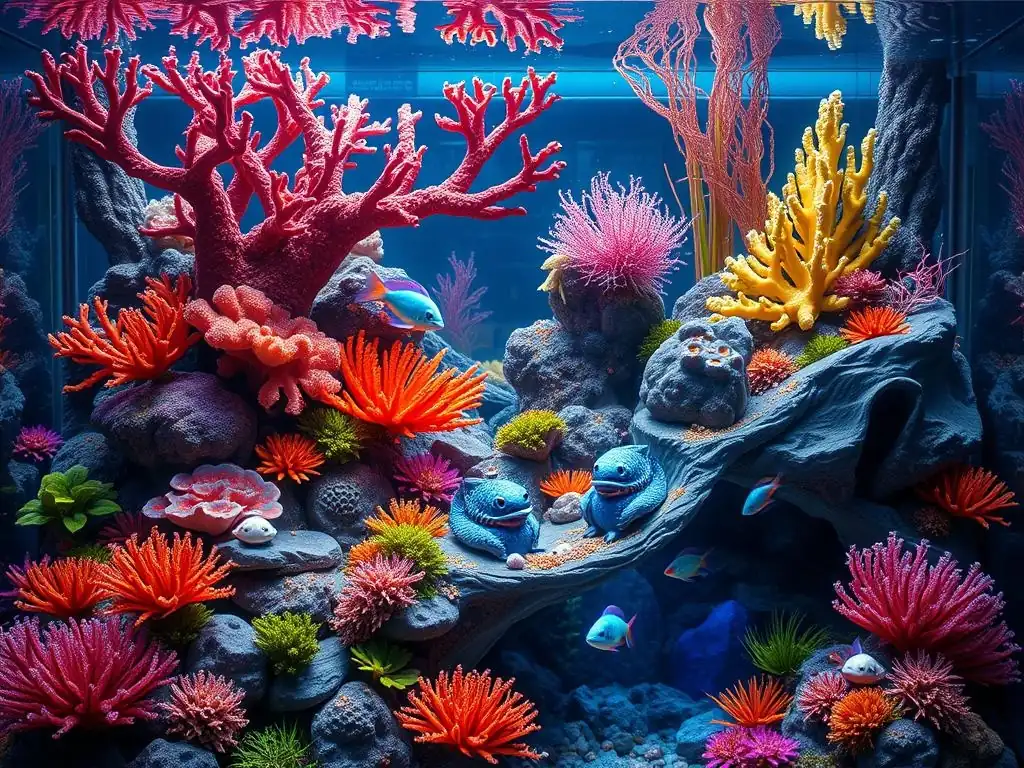
Ever dreamt of a shimmering slice of the ocean floor right in your living room? Discover the secrets to creating a thriving underwater world, starting with our deep dive into the captivating and often challenging world of Dragonets. In this guide, "Creating a Dragonet Paradise: The Perfect Nano Habitat & Pod Sanctuary," we'll unravel the mysteries of Dragonet tank setup, from selecting the perfect nano habitat to cultivating a flourishing pod population. Curious how to keep these stunning creatures happy and healthy? Let's explore!
- Creating a Mandarin Dragonet Paradise: The Perfect Nano Habitat & Pod Sanctuary
- Introduction: Unveiling the Mandarin Dragonet's Allure in Nano Reefs
-
Dragonet Tank Setup Guide: Essential Components
- Choosing the Right Nano Tank Size for Mandarin Dragonets
- Substrate Selection: Creating a Dragonet-Friendly Environment
- Lighting Considerations for a Vibrant Mandarin Dragonet Habitat
- Filtration Essentials: Maintaining Pristine Water Quality for Mandarin Dragonets
- The Importance of Flow: Replicating Mandarin Dragonet's Natural Habitat
- Building a Thriving Pod Sanctuary for Mandarin Dragonets
- Selecting Dragonet-Compatible Tank Mates
- Dragonet Care: Diet, Health, and Maintenance
- Troubleshooting Common Dragonet Tank Problems
- Maintaining Long-Term Success with Your Dragonet Nano Reef
- Conclusion: Enjoying Your Dragonet Paradise
-
Frequently Asked Questions
- What are the key considerations when setting up a dragonet tank?
- What size tank is recommended for a dragonet?
- How do I establish a copepod and amphipod (pod) population in my dragonet tank?
- What water parameters are crucial for dragonet health?
- What types of fish are incompatible with dragonets in a nano tank?
- Final Reflection: Nurturing Miniature Reefs
- Dive Deeper: Craft Your Dragonet Haven Now!
Creating a Mandarin Dragonet Paradise: The Perfect Nano Habitat & Pod Sanctuary
Introduction: Unveiling the Mandarin Dragonet's Allure in Nano Reefs
Why Mandarin Dragonets Thrive in Specialized Nano Aquariums
Mandarin Dragonets, with their striking labyrinthine patterns and vibrant coloration, are undoubtedly one of the most captivating fish in the marine aquarium hobby. Their small size, typically ranging from 2 to 4 inches, often leads new aquarists to consider them for nano reef tanks.
While seemingly ideal due to their minimal swimming space requirements, their success in a nano environment hinges entirely on a highly specialized setup focused on their unique dietary needs. A well-executed nano Dragonet tank setup guide allows for precise control over environmental factors and food availability, which is far more challenging in a larger, more diverse community tank.
A dedicated nano aquarium provides a controlled ecosystem where the Mandarin Dragonet's primary food source, live copepods and amphipods, can proliferate without excessive predation from other tank inhabitants. The smaller volume allows for easier monitoring and adjustment of water parameters, ensuring the stable conditions these delicate fish require. Furthermore, the focused nature of a Dragonet tank setup guide means that every element, from live rock placement to filtration, is optimized to support a thriving microfauna population, directly benefiting the Dragonet's long-term health and survival.
Understanding the Unique Needs of Mandarin Dragonets
The primary and most critical need for Mandarin Dragonets is a constant, abundant supply of live copepods and amphipods. Unlike most aquarium fish that readily accept prepared foods, Dragonets are specialized micropredators that slowly graze on these tiny crustaceans throughout the day. Their slow, deliberate feeding style means they cannot compete effectively with faster, more aggressive fish for food, making starvation a common cause of mortality in unsuited tanks.
Beyond their dietary demands, Mandarin Dragonets require a mature, stable marine environment. They are highly sensitive to fluctuating water parameters, especially ammonia and nitrite, and prefer established tanks with plenty of live rock for grazing, hiding, and providing a substrate for copepod reproduction. A successful Dragonet tank setup guide emphasizes biological filtration, low water flow, and a peaceful cohabitation strategy, ensuring the Dragonet can thrive without stress or competition.
Dragonet Tank Setup Guide: Essential Components
Choosing the Right Nano Tank Size for Mandarin Dragonets
When considering a Dragonet tank setup guide, the minimum tank size for a single Mandarin Dragonet is generally recommended to be 20-30 gallons. This volume is not primarily for swimming space, as Dragonets are relatively sedentary, but rather to provide sufficient surface area for live rock and sand, which are crucial for cultivating a self-sustaining population of copepods. A 30-gallon tank offers a more stable environment and a larger habitat for microfauna to multiply, significantly increasing the chances of long-term success.
For aquarists hoping to keep a pair of Mandarin Dragonets, a tank size of 50 gallons or more is often suggested. This larger footprint allows for distinct territories and reduces competition for food resources. Attempting to house a Dragonet in smaller tanks, such as 10-gallon nano cubes, is strongly discouraged, as the limited volume simply cannot support the constant, high demand for live food that these fish require, leading to rapid starvation.
Substrate Selection: Creating a Dragonet-Friendly Environment
Fine sand substrate is the ideal choice for a Dragonet tank setup guide, typically laid at a depth of 2 to 4 inches. Mandarin Dragonets frequently sift through the sand, searching for small invertebrates and detritus, making a soft, non-abrasive bottom essential for their comfort and natural foraging behavior. Aragonite sand is particularly beneficial as it helps to buffer pH and alkalinity (dKH levels ideally between 8-12), contributing to overall water stability.
A deeper sand bed also aids in the development of a diverse microfauna population, including various worms and crustaceans that the Dragonet may graze upon. Furthermore, a substantial sand bed can support anaerobic bacteria for denitrification, helping to reduce nitrates in the system. Using "live sand" can provide an initial boost to the beneficial bacterial colonies and microfauna, accelerating the maturation of the Dragonet's habitat.
Lighting Considerations for a Vibrant Mandarin Dragonet Habitat
Lighting for a Mandarin Dragonet tank setup guide should be moderate, focusing on supporting the growth of beneficial macroalgae (especially in a refugium) and the proliferation of copepods, rather than high-PAR requirements for demanding corals. LED lighting systems with adjustable intensity and spectrum are highly recommended, allowing the aquarist to fine-tune the environment. A typical photoperiod of 8-10 hours is sufficient.
Excessively intense lighting can lead to nuisance algae outbreaks, which compete with the microalgae that copepods feed on, potentially disrupting the Dragonet's food supply. While Dragonets themselves don't have specific lighting needs beyond a day/night cycle, the lighting choice indirectly impacts their well-being by influencing the health of their living food source. Some aquarists opt for moonlight settings to observe their Dragonets' nocturnal activities without disturbing them.
Filtration Essentials: Maintaining Pristine Water Quality for Mandarin Dragonets
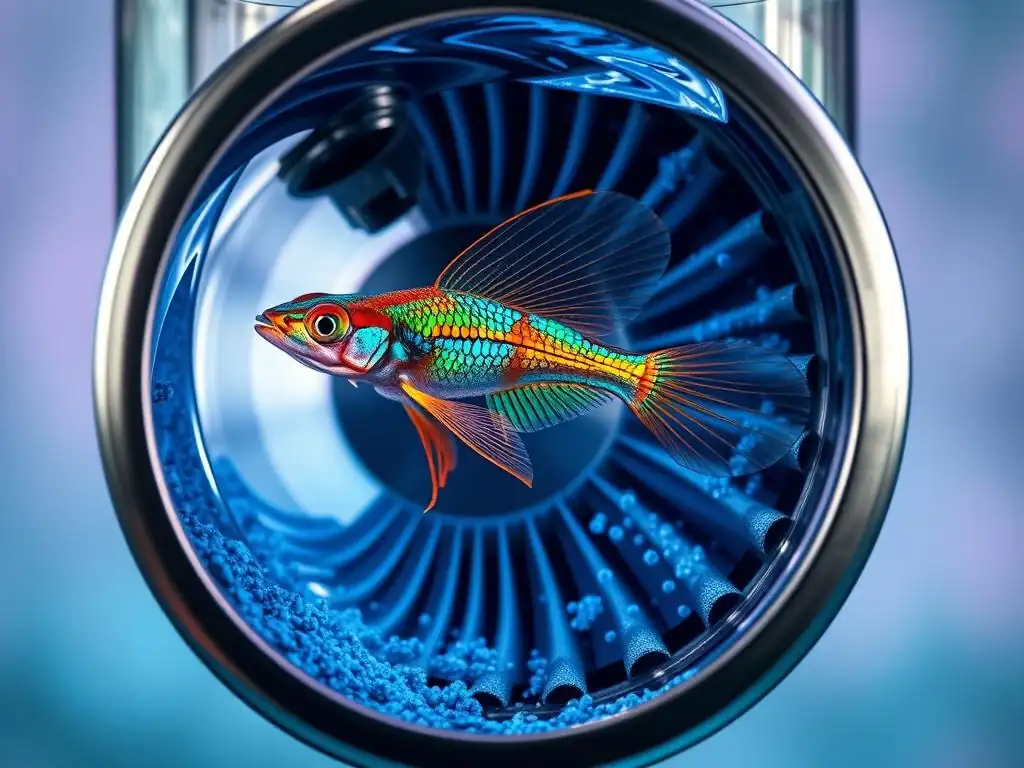
Effective biological filtration is paramount in any Dragonet tank setup guide. A mature live rock system, typically 1 to 1.5 pounds per gallon, provides extensive surface area for nitrifying bacteria, efficiently converting toxic ammonia and nitrite into less harmful nitrate. A protein skimmer, even in nano tanks, is highly recommended to remove organic waste before it breaks down, significantly reducing the bioload and maintaining excellent water clarity.
Mechanical filtration, such as filter socks or sponges, should be used judiciously and cleaned very frequently (daily or every other day) to prevent them from becoming nitrate factories. Chemical filtration, including activated carbon for water clarity and GFO (granular ferric oxide) for phosphate reduction, can be employed but should be monitored to avoid stripping essential trace elements. The emphasis should always be on biological stability and consistent maintenance.
The Importance of Flow: Replicating Mandarin Dragonet's Natural Habitat
Mandarin Dragonets originate from calm, sheltered lagoon areas of coral reefs, and thus prefer low-flow environments in the aquarium. Strong, direct currents can stress these slow-moving fish, making it difficult for them to forage for food and navigate their surroundings. A gentle, diffuse water flow that mimics their natural habitat is crucial for their well-being in a Dragonet tank setup guide.
Wavemakers or powerheads should be positioned to create indirect, broad circulation rather than concentrated jets. Aim for a turnover rate of approximately 5-10 times the tank volume per hour, ensuring adequate gas exchange and detritus suspension without creating excessive turbulence. This gentle flow allows copepods to settle and reproduce on live rock and substrate, ensuring a readily available food source for the Dragonet.
Building a Thriving Pod Sanctuary for Mandarin Dragonets
What are Copepods and Amphipods? Mandarin Dragonet's Natural Food Source
Copepods and amphipods are tiny, prolific crustaceans that form the cornerstone of a Mandarin Dragonet's diet. Copepods, such as Tisbe, Tigriopus, and Apocyclops species, are microscopic organisms that graze on detritus, bacteria, and phytoplankton within the aquarium. Amphipods are slightly larger, often visible to the naked eye, and also contribute to the clean-up crew by consuming algae and uneaten food.
These microcrustaceans are not merely food; they are vital components of the aquarium ecosystem, contributing to nutrient cycling and maintaining a healthy biological balance. For a successful Dragonet tank setup guide, understanding that these organisms are the primary food source is critical, as Dragonets are generally incapable of surviving on prepared foods alone, making a thriving pod population non-negotiable.
Establishing a Sustainable Pod Population
Establishing a sustainable copepod and amphipod population is arguably the most important step in a Dragonet tank setup guide. This process begins by introducing multiple strains of live copepods and amphipods into a newly cycled tank. It is crucial to allow the tank to mature for at least three to six months before introducing a Mandarin Dragonet. This extended period allows the initial pod cultures to reproduce and establish a robust, self-sustaining population within the live rock and substrate.
Incorporating ample quantities of porous live rock, ideally 1.5 pounds per gallon, provides extensive surface area and numerous hiding spots for pods to colonize and reproduce. Additionally, cultivating macroalgae, particularly species like Chaetomorpha or Gracilaria, within the display tank or a dedicated refugium, offers further shelter and grazing surfaces for the microfauna, significantly bolstering their numbers.
Refugiums: A Safe Haven for Pod Breeding
A refugium is an almost indispensable component for any serious Dragonet tank setup guide. It is a separate, dedicated compartment, often located within the sump, designed to cultivate macroalgae and allow copepods and amphipods to breed and multiply undisturbed by fish predators. This isolated environment ensures a continuous, robust supply of live food for the Mandarin Dragonet.
The refugium should be plumbed to allow a gentle flow of water from the main display tank to circulate through it, and then return to the display. This ensures that a steady stream of newly hatched and mature copepods are periodically "washed" into the main tank, providing a constant food source. Many aquarists run the refugium lights on a reverse photoperiod to the main display, which helps stabilize pH fluctuations throughout the 24-hour cycle.
Culturing Copepods: Boosting Pod Availability for Mandarin Dragonets
Even with a well-established refugium, external copepod culturing can provide an invaluable supplement, especially when first introducing a Dragonet or if the tank's natural pod population shows signs of depletion. This involves setting up simple, separate containers (e.g., 1-5 gallon buckets or clear plastic containers) with saltwater, an air stone for circulation, and a starter culture of copepods.
These external cultures are typically fed phytoplankton and allowed to multiply. Every few days, a portion of the culture is harvested by straining the water to concentrate the copepods, which are then added directly to the main display tank. This proactive approach ensures a consistent and abundant supply of live food, significantly boosting the Mandarin Dragonet's chances of long-term survival and health in any Dragonet tank setup guide.
Protecting Your Pod Population from Predators
Protecting the vital copepod and amphipod population is critical for the success of your Dragonet tank setup guide. The most significant threat comes from other fish that also graze on microfauna. It is imperative to avoid tank mates such as most wrasses (e.g., Six-line Wrasse, Melanurus Wrasse), blennies (e.g., Starry Blenny, Lawnmower Blenny), and certain gobies (e.g., Clown Gobies) that are highly efficient at consuming pods and will outcompete the slow-feeding Dragonet.
Furthermore, ensure that mechanical filtration, like filter socks, is not too fine, as it can inadvertently remove beneficial copepods from the water column. Regularly cleaning or replacing filter media will prevent the accumulation of detritus, which can negatively impact the health and reproduction of the microfauna. Maintaining stable water parameters also contributes to a thriving and resilient pod population.
Selecting Dragonet-Compatible Tank Mates
Ideal Tank Mates for a Peaceful Mandarin Dragonet Community
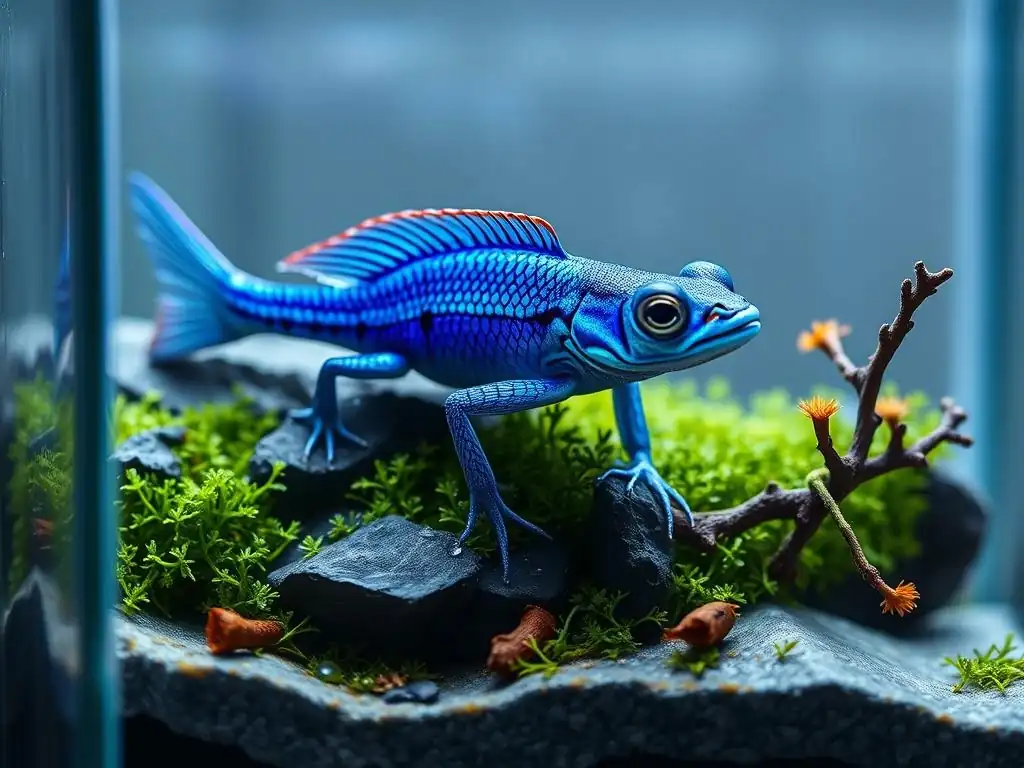
Selecting appropriate tank mates is crucial for a successful Dragonet tank setup guide, as competition for food is the primary concern. Ideal companions are peaceful, slow-moving, and do not share the Dragonet's primary dietary niche. Examples include small, docile seahorses (though their specific care requirements are demanding), certain species of pipefish (again, with careful consideration of their feeding needs), and very small, non-aggressive gobies that primarily consume prepared foods, such as the Yellow Watchman Goby (though monitor for any food competition).
In larger nano tanks (30+ gallons), some aquarists successfully keep a single, peaceful Ocellaris or Percula clownfish, provided they are well-fed on prepared foods and do not display any aggression towards the Dragonet. The key principle is to minimize bioload and ensure that any chosen tank mate will not harass the Dragonet or deplete its essential live food source.
Fish to Avoid: Preventing Competition and Stress
For a thriving Dragonet tank setup guide, it is absolutely essential to avoid fish that are known to be aggressive, fast-moving, or, most critically, efficient predators of copepods and amphipods. This includes nearly all species of wrasses, especially the highly active Halichoeres and Pseudocheilin genera, which can decimate a pod population in days. Most blennies, damselfish, and larger, more active gobies should also be avoided.
Even seemingly peaceful fish can inadvertently outcompete a slow-feeding Mandarin Dragonet for food, leading to chronic starvation. A good rule of thumb is to select tank mates that primarily consume prepared foods (flakes, pellets, frozen foods) and have a completely different foraging style than the Dragonet, ensuring there is no direct competition for the precious microfauna.
Invertebrate Companions: Enhancing the Nano Reef Ecosystem
Many invertebrates make excellent, non-competitive companions in a Dragonet tank setup guide, contributing to the overall health and aesthetics of the nano reef ecosystem. Various species of snails, such as Trochus, Nassarius, and Turbo snails, are highly beneficial for algae control and detritus consumption, without posing any threat to the Dragonet or its food source.
Hermit crabs, particularly Scarlet Reef Hermits, are generally safe and contribute to the clean-up crew. Cleaner shrimp, such as Peppermint Shrimp or Skunk Cleaner Shrimp, are also typically good additions, as they do not compete for copepods and can even provide cleaning services for other tank inhabitants. Small, reef-safe crabs like Emerald Crabs can be considered, but their behavior should be monitored to ensure they do not become aggressive towards other invertebrates or the Dragonet.
Dragonet Care: Diet, Health, and Maintenance
The Dragonet Diet: Ensuring Proper Nutrition
The cornerstone of a healthy Mandarin Dragonet's diet is a constant, abundant supply of live copepods and amphipods. While some Dragonets, particularly captive-bred specimens, can be "trained" over time to accept frozen foods like enriched brine shrimp or Mysis shrimp, this should always be considered a supplement and not the primary food source. Wild-caught Dragonets are especially difficult to convert to prepared foods.
To ensure proper nutrition, target feeding live copepods directly near the Dragonet using a turkey baster or pipet can be beneficial, especially if the tank's natural population seems insufficient. Additionally, enriching live foods with nutritional supplements like Selcon or Vita-Chem before adding them to the tank can significantly boost the Dragonet's vitamin and fatty acid intake, promoting vibrant coloration and overall health in your Dragonet tank setup guide.
Recognizing and Addressing Common Dragonet Health Issues
Common health issues in Mandarin Dragonets often stem from insufficient food or poor water quality. Signs of an unhealthy Dragonet include a sunken belly, indicating starvation, lethargy, faded coloration, clamped fins, or rapid breathing. Fin erosion, cloudy eyes, or white spots (Ich) can point to bacterial infections or parasitic infestations, often exacerbated by stress from inadequate conditions.
Addressing these issues requires immediate action. If starvation is suspected, significantly boost the live copepod supply and consider external culturing. For water quality issues, perform immediate water changes and test parameters thoroughly. If disease is present, consider isolating the fish for treatment in a separate quarantine tank, as many medications are harmful to corals and invertebrates in the main display. Early detection and intervention are critical for a Dragonet's delicate health.
Regular Water Changes: Maintaining a Healthy Environment
Regular water changes are fundamental to maintaining a stable and healthy environment for your Mandarin Dragonet. For a nano Dragonet tank setup guide, a weekly water change of 10-15% is often recommended. This practice effectively removes accumulated nitrates, phosphates, and other pollutants that can build up in a closed system, while simultaneously replenishing essential trace elements that are consumed by corals, invertebrates, and the biological processes within the tank.
Always use high-quality RODI (Reverse Osmosis Deionized) water mixed with a reputable marine salt mix to prepare the new saltwater. Ensure the temperature, salinity, and pH of the new water closely match that of the display tank to minimize stress on the Dragonet and other inhabitants. Consistency in water change routines is key to long-term success and paramount for a stable Dragonet paradise.
Acclimation Process: Introducing Your Dragonet Safely
The acclimation process for a new Mandarin Dragonet must be slow and meticulous to minimize shock, given their delicate nature. Drip acclimation is the preferred method, allowing the fish to gradually adjust to changes in temperature, salinity, and pH over an extended period. A drip rate of 2-3 drops per second over at least 60-90 minutes is highly recommended.
During acclimation and for several hours after the Dragonet is introduced into the tank, keep the aquarium lights off to reduce stress. Provide plenty of hiding spots within the live rockwork, allowing the new fish to settle in undisturbed. Avoid disturbing the Dragonet for the first few days, giving it ample time to explore its new surroundings and begin foraging in its new Dragonet tank setup guide.
Troubleshooting Common Dragonet Tank Problems
Ich and Parasites: Prevention and Treatment
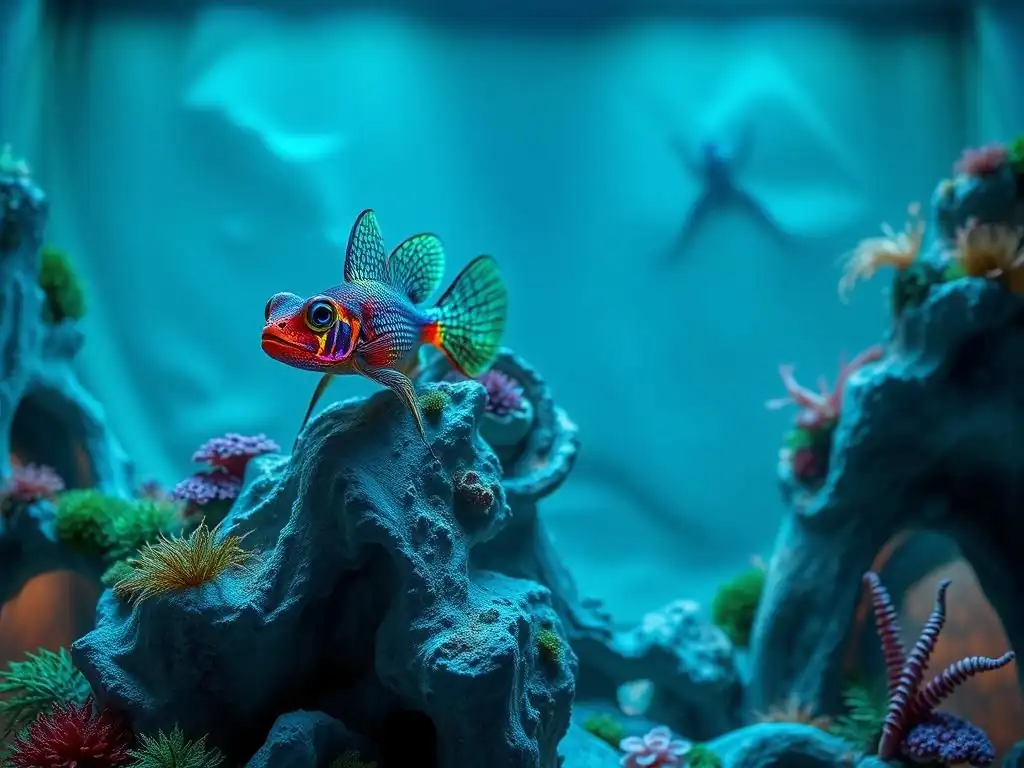
Ich ( Cryptocaryon irritans) and other external parasites are common threats in marine aquariums, and Dragonets are susceptible, especially if stressed. The most effective prevention strategy for any Dragonet tank setup guide is a rigorous quarantine (QT) protocol for all new fish, typically lasting 4-6 weeks. During QT, observe for symptoms and treat with appropriate medications like copper-based solutions or hyposalinity if necessary, before introducing the fish to the main display.
If parasites appear in the display tank, treatment becomes more complex due to the presence of corals and invertebrates. While UV sterilizers can help reduce free-swimming parasites, they are not a cure. The best approach in a display tank is to maintain pristine water quality, ensure optimal feeding, and reduce stress to boost the Dragonet's natural immune system, allowing it to fight off mild infestations.
Poor Water Quality: Identifying and Rectifying Issues
Poor water quality, characterized by elevated levels of ammonia, nitrite, or nitrate, is a frequent problem that severely impacts Dragonet health. Regular testing with reliable test kits (weekly or bi-weekly) is essential. High ammonia or nitrite typically indicates an immature nitrogen cycle or an overloaded biological filter, often due to overfeeding or insufficient live rock. Elevated nitrates usually point to infrequent water changes or inadequate organic waste removal.
To rectify poor water quality, perform immediate, substantial water changes (e.g., 25-50% for severe issues) to dilute pollutants. Reduce feeding amounts, ensure the protein skimmer is functioning optimally, and check that mechanical filtration is being cleaned regularly. Addressing the root cause, whether it's overfeeding, an underdeveloped biofilter, or insufficient maintenance, is paramount for the long-term success of your Dragonet tank setup guide.
Finicky Eating Habits: Encouraging Dragonets to Feed
Finicky eating habits in Mandarin Dragonets are almost always a direct indicator of an insufficient live copepod population within the tank. If your Dragonet is not actively grazing throughout the day, it is likely starving. The first and most crucial step is to significantly boost the live copepod supply, either by adding commercially available cultures or by enhancing your refugium's productivity and external culturing efforts.
For Dragonets that are particularly stubborn or appear emaciated, target feeding live copepods directly in front of the fish using a turkey baster or pipet can be effective. While challenging, some aquarists attempt to train Dragonets to accept frozen foods like enriched Mysis or brine shrimp by offering them alongside live foods. However, this should only be a supplementary measure, and never at the expense of a continuous live food supply.
Wasting Disease: Identifying and Addressing the Issue
Wasting disease in Mandarin Dragonets is a severe condition characterized by extreme weight loss, a noticeably sunken belly, and overall emaciation. This condition is almost exclusively caused by chronic starvation due to an insufficient supply of their primary food source, live copepods and amphipods. Affected Dragonets will appear lethargic, weak, and their vibrant coloration may fade significantly.
Addressing wasting disease requires immediate and aggressive intervention focused entirely on providing an abundant and continuous supply of live food. This means adding large quantities of live copepods daily, ensuring your refugium is thriving, and potentially setting up multiple external copepod cultures. Unfortunately, if the disease is advanced, recovery can be very difficult, highlighting the importance of preventative measures in a Dragonet tank setup guide.
Maintaining Long-Term Success with Your Dragonet Nano Reef
Regular Monitoring and Adjustment
Long-term success with a Mandarin Dragonet nano reef hinges on consistent, vigilant monitoring and proactive adjustments. Regularly test all key water parameters, including salinity (1.023-1.026 SG), temperature (76-80°F), pH (8.0-8.4), alkalinity (8-12 dKH), calcium (400-450 ppm), magnesium (1250-1350 ppm), nitrates, and phosphates. Observe your Dragonet daily for signs of active grazing, healthy coloration, and normal behavior, which are all indicators of well-being.
Be prepared to make small, timely adjustments to your feeding regimen, water change schedule, or filtration as needed based on your observations and test results. A proactive approach, where potential issues are identified and addressed early, is far more effective than reacting to full-blown problems, ensuring the sustained health and vibrancy of your Dragonet tank setup guide.
Continued Pod Culturing and Supplementation
Never assume that your tank's natural copepod population will indefinitely meet the demands of your Mandarin Dragonet. For truly long-term success, consistent pod culturing and supplementation are often necessary. Continue to culture copepods externally in dedicated containers, or regularly purchase and add commercially available live copepod cultures to your display tank and refugium.
A diverse mix of copepod species (e.g., Tisbe, Tigriopus, Apocyclops) is beneficial, as different species offer varied nutritional profiles and thrive in slightly different microhabitats. This ongoing commitment to boosting the Dragonet's food supply is the single most critical factor in ensuring its survival and thriving in your nano reef.
Ensuring a Stable and Thriving Ecosystem
The ultimate goal in a Dragonet tank setup guide is to create a stable, balanced, and thriving mini-ecosystem where every component works in harmony to support the delicate Mandarin Dragonet. This involves maintaining consistent water quality, providing ample live rock and macroalgae for biological filtration and pod habitat, and carefully selecting compatible tank mates that do not disrupt the delicate balance or compete for food.
Patience is a virtue in this endeavor. Allow your tank to fully mature for several months before introducing a Dragonet, giving the biological filter time to establish and the copepod population to flourish. This foundational stability is what transforms a simple tank into a true Dragonet paradise, offering years of enjoyment and a testament to dedicated aquarism.
Conclusion: Enjoying Your Dragonet Paradise
Frequently Asked Questions
What are the key considerations when setting up a dragonet tank?
The most important factors are establishing a thriving pod population for food, ensuring excellent water quality, and providing a stable environment free from aggressive tank mates.
What size tank is recommended for a dragonet?
While species vary, a nano tank (10-20 gallons) is often suitable for smaller dragonet species, provided it's dedicated to their needs. A larger tank is generally preferred for a more stable environment.
How do I establish a copepod and amphipod (pod) population in my dragonet tank?
Introduce a refugium or dedicated pod culture, seed the tank with live pods, and avoid using medications that can harm them. Regular feedings with phytoplankton can also help.
What water parameters are crucial for dragonet health?
Maintaining stable salinity, low nitrate levels, and a proper pH is essential. Regular testing and water changes are vital to prevent water quality issues.
What types of fish are incompatible with dragonets in a nano tank?
Avoid aggressive fish that will compete for food or harass the dragonet, such as larger gobies, blennies, or any fish known to be a food competitor.
Final Reflection: Nurturing Miniature Reefs
The journey of crafting a thriving dragonet habitat, as we've explored, isn't merely about assembling a tank; it's about cultivating a miniature ecosystem. This delicate balance, meticulously designed for these captivating creatures, mirrors the broader responsibility we have towards preserving the fragile beauty of our natural world. The principles of careful planning, diligent maintenance, and a deep understanding of symbiotic relationships extend far beyond the confines of a nano tank, offering valuable lessons for our interactions with the environment at large.
This pursuit of the perfect dragonet paradise has profoundly influenced my perspective on aquarium keeping, transforming it from a hobby into a mindful practice. Witnessing the intricate dance of life within a carefully curated environment underscores the interconnectedness of all living things. In the end, we will conserve only what we love; we will love only what we understand; and we will understand only what we are taught.
- Baba Dioum. This quote resonates deeply, reminding us that education and appreciation are the cornerstones of conservation, whether it's a sprawling coral reef or a humble nano tank.
Now, I invite you to reflect on the lessons learned from this "Dragonet Tank Setup Guide." Consider how the principles of balance, observation, and responsible stewardship can be applied to other areas of your life. Let the dedication required to create a dragonet paradise inspire you to cultivate a more harmonious relationship with the world around you, fostering a deeper appreciation for the delicate ecosystems that sustain us all.
Dive Deeper: Craft Your Dragonet Haven Now!
Thank you for exploring the intricacies of creating the perfect nano habitat for dragonets and pods. We hope this guide has empowered you with the knowledge to cultivate a thriving ecosystem for these fascinating creatures. Now, let's turn that knowledge into action!
Here are a few steps you can take to create your own Dragonet Paradise:
- Start planning your nano aquarium today! Research tank sizes, equipment, and suitable tank mates to ensure a harmonious environment.
- Explore creating a DIY pod hotel to boost pod populations and provide a continuous food source for your dragonets.
- Share your dragonet tank ideas and experiences with other hobbyists on forums or social media – inspire others to embark on this rewarding journey!
What unique aquascaping element will you incorporate to make your dragonet tank truly special?