
The Dance of Introduction: How Clownfish Test and Accept Their Anemone Hosts

Welcome to Aquarium Mastery!
Ever wondered how those adorable clownfish know which anemone to call home? Dive into the fascinating world of symbiosis with our Clownfish Anemone Introduction Compatibility Guide. Uncover the secrets of their delicate dance as we explore how clownfish test and ultimately accept their anemone hosts, ensuring a thriving and harmonious reef aquarium. Prepare to be amazed!
- Understanding Clownfish and Anemone Symbiosis
- The Clownfish Anemone Introduction Process
- Decoding Clownfish Behavior: Testing and Acceptance Signals
- Troubleshooting Clownfish Anemone Introduction Issues
- Optimizing the Aquarium Environment for Successful Introduction
- Long-Term Care: Maintaining a Healthy Clownfish-Anemone Relationship
- The Benefits of a Successful Clownfish-Anemone Symbiosis
- Advanced Tips for Clownfish and Anemone Keeping
-
Frequently Asked Questions
- How long does it typically take for a clownfish to host an anemone after introduction?
- What are the signs that a clownfish is not compatible with a particular anemone?
- What steps should I take to prepare my aquarium before introducing a clownfish and anemone?
- Can I introduce multiple clownfish to a single anemone at the same time?
- What should I do if my clownfish is ignoring the anemone and seems uninterested?
- Final Reflection: Embracing the Unknown
- Dive Deeper: Secure Your Clownfish Haven!
Understanding Clownfish and Anemone Symbiosis
The Unique Bond: Clownfish and Their Host Anemones
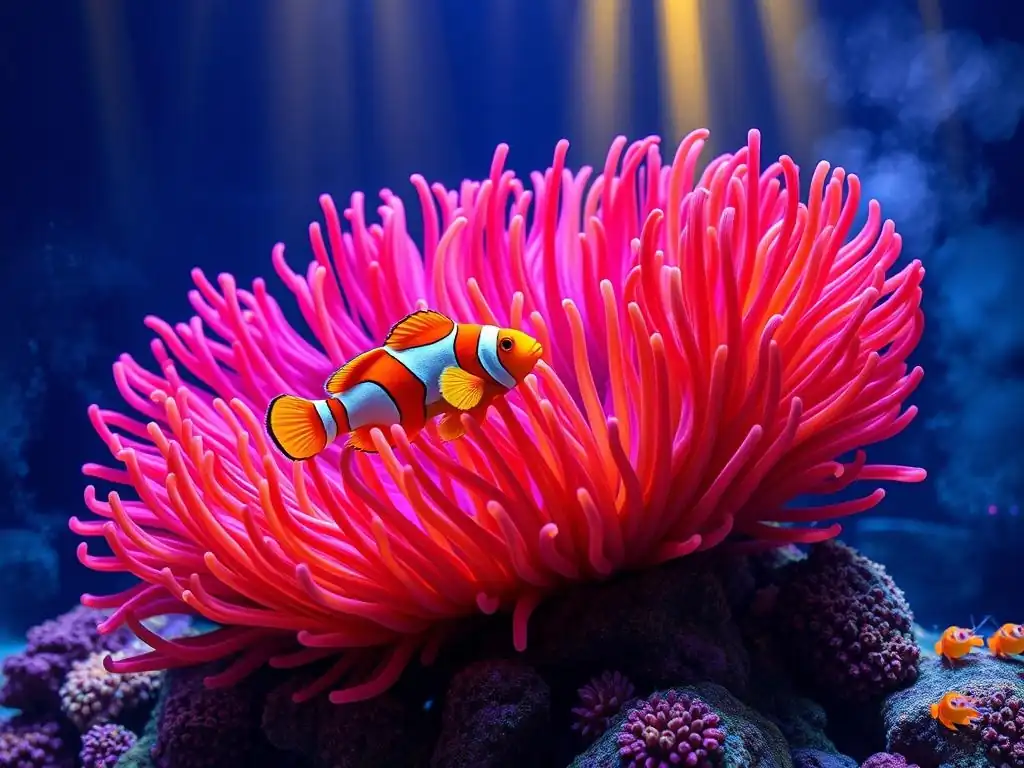
The relationship between clownfish and their host anemones is one of nature's most fascinating examples of mutualism, where both species benefit. Clownfish, belonging to the genus Amphiprion and Premnas, possess a unique mucus coating that prevents them from being stung by the anemone's nematocysts (stinging cells). In return for this immunity, the clownfish gains invaluable protection from predators, as very few marine animals dare to approach the venomous tentacles of an anemone. This symbiotic pairing forms a living fortress for the clownfish, offering a secure home and sanctuary.
Beyond protection, the clownfish actively contributes to the anemone's well-being. They clean the anemone's tentacles, removing parasites and debris, and may even aerate the water around the anemone by fanning their fins.
The anemone, in turn, often benefits from food scraps left behind by the clownfish, particularly from larger prey items. There are approximately 30 known species of clownfish, and they typically form symbiotic relationships with about 10 to 12 specific species of host anemones, such as the Bubble Tip Anemone ( Entacmaea quadricolor) or the Magnificent Sea Anemone ( Heteractis magnifica), showcasing a precise and evolved "Clownfish anemone introduction compatibility guide" in nature.
Why Anemones are Vital for Clownfish
For clownfish, the presence of a host anemone is not merely a preference but a fundamental aspect of their natural existence, providing both physical and psychological benefits. In the wild, an anemone serves as their primary defense mechanism against a myriad of predators, including larger fish like groupers and moray eels. Without this protective refuge, clownfish are significantly more vulnerable, leading to increased stress levels and a higher risk of predation, which can drastically shorten their lifespan compared to hosted individuals.
Even in the controlled environment of an aquarium, an anemone plays a crucial role in the clownfish's welfare. It provides a secure territory, reducing stress and encouraging natural behaviors such as nesting and breeding.
Studies have observed that clownfish housed without an anemone often exhibit more timid or erratic behavior, spending more time hiding or displaying higher levels of anxiety. While captive-bred clownfish can survive without a host, offering a suitable anemone enriches their lives, promotes natural instincts, and contributes to their overall health and longevity, making a comprehensive "Clownfish anemone introduction compatibility guide" essential for aquarists aiming for optimal well-being.
The Clownfish Anemone Introduction Process
Preparing for the Introduction: Ensuring a Healthy Environment
A successful clownfish anemone introduction hinges on meticulous preparation of the aquarium environment. Anemones are highly sensitive invertebrates that demand pristine and stable water parameters. Before considering an anemone, the aquarium should be well-established and mature, ideally at least six months old, to ensure a stable nitrogen cycle and sufficient beneficial bacteria. Key water parameters must be consistently maintained: ammonia and nitrite at undetectable levels (0 ppm), nitrates below 10-20 ppm, salinity between 1.023 and 1.025 specific gravity, temperature between 75-80°F (24-27°C), and a stable pH of 8.1-8.4.
Furthermore, the physical setup of the tank is paramount. Anemones require adequate space to thrive and move, with most host species needing a minimum of 30-50 gallons for a single specimen, and larger species demanding even more. Ensure ample live rock is present, providing stable attachment points and contributing to biological filtration.
Proper lighting (strong, reef-appropriate LEDs or T5 HO fixtures with PAR values typically above 150-200) and moderate, indirect water flow are critical for the anemone's health and ability to settle. These environmental conditions are non-negotiable for a thriving anemone, which in turn sets the stage for a positive "Clownfish anemone introduction compatibility guide" experience.
Selecting Compatible Clownfish and Anemone Species
Clownfish Species and Anemone Preferences
Choosing the right clownfish and anemone species is the cornerstone of a successful symbiotic relationship in an aquarium, directly impacting the "Clownfish anemone introduction compatibility guide." While clownfish are known for their host preferences, captive-bred individuals can sometimes be less selective due to never having encountered an anemone in their early lives.
However, understanding their natural inclinations significantly increases the chances of a successful pairing. For instance, the popular Ocellaris Clownfish ( Amphiprion ocellaris) and Percula Clownfish ( Amphiprion percula) are most commonly found hosting in Bubble Tip Anemones ( Entacmaea quadricolor), Sebae Anemones ( Heteractis crispa), and Magnificent Sea Anemones ( Heteractis magnifica).
Other notable pairings include the Maroon Clownfish ( Premnas biaculeatus), which frequently hosts in Bubble Tip and Sebae Anemones, and the Pink Skunk Clownfish ( Amphiprion perideraion), often found in Magnificent Sea Anemones or Malu Anemones ( Heteractis malu). While a clownfish might occasionally "host" in non-anemone items like powerhead pumps, specific corals (e.g., frogspawn or hammer corals), or even tank corners, these are not true symbiotic relationships and do not provide the same benefits as a genuine host anemone. Prioritizing species-specific compatibility is key to a rewarding and natural clownfish-anemone dynamic.
Avoiding Common Mistakes in Anemone Selection
Selecting an inappropriate anemone is a frequent pitfall for aquarists attempting a clownfish anemone introduction. One of the most critical errors is purchasing an anemone for an immature or unstable tank. Anemones are not beginner invertebrates; they require a well-established, biologically mature system with consistent water parameters to survive and thrive. Introducing an anemone into a new tank often leads to its rapid decline and death, wasting money and potentially polluting the aquarium.
Another common mistake is choosing anemone species that are not true hosts for clownfish or are notoriously difficult to keep. For example, Condy Anemones ( Condylactis gigantea), while often sold cheaply and mistaken for host anemones, are typically not accepted by clownfish and can even sting them severely.
Similarly, some host anemones, like the Gigantic Carpet Anemone ( Stichodactyla gigantea), grow extremely large and require massive tanks, making them unsuitable for most home aquariums. Always research the specific needs and compatibility of both the clownfish and anemone species before purchase, adhering strictly to a reliable "Clownfish anemone introduction compatibility guide" to prevent disappointment and harm to your livestock.
Gradual Acclimation: Introducing Clownfish to the Aquarium
The successful introduction of clownfish to an aquarium, especially one intended to house an anemone, begins with proper acclimation to minimize stress. Standard drip acclimation is highly recommended, allowing the fish to slowly adjust to the tank's water parameters over a period of 30 to 60 minutes. This gradual process helps prevent osmotic shock, which can be fatal. It's advisable to turn off the aquarium lights during acclimation and for several hours after introducing the clownfish to the main display tank; this reduces visual stress and allows the fish to explore its new environment calmly.
When introducing the clownfish, gently net it from the acclimation bucket and place it directly into the display tank, avoiding the transfer of any water from the shipping bag or bucket into your aquarium. This prevents the introduction of potential pathogens or undesirable chemicals.
If both the clownfish and the anemone are new additions, it can sometimes be beneficial to introduce the clownfish first, allowing it a few days to settle into the tank before the anemone is added. This strategy gives the clownfish time to gain confidence in its new surroundings, potentially making it more receptive to the anemone when it eventually arrives, optimizing the "Clownfish anemone introduction compatibility guide" process.
The Initial Interaction: Observing the "Dance" of Introduction
Once both the clownfish and the anemone are settled in the aquarium, the "dance" of introduction begins, a captivating period of observation for the aquarist. Initially, the clownfish may show little to no interest in the anemone, or it might cautiously hover at a distance, observing its potential host. This cautious approach can last for hours or even several days, as the clownfish assesses the anemone's presence and stability within its new environment. Patience is paramount during this stage.
As the clownfish gains confidence, it will begin to make tentative approaches, often darting towards the anemone's tentacles before quickly retreating. This behavior is a crucial part of the "Clownfish anemone introduction compatibility guide," as the clownfish is testing the anemone's stinging capabilities and beginning the process of building immunity. It's important to remember that not all clownfish will host immediately; some may take weeks or even months to fully embrace their anemone. Observing these initial interactions closely, without interference, is key to understanding the progress of their symbiotic bond.
Decoding Clownfish Behavior: Testing and Acceptance Signals
The Tentative Touch: Initial Contact with the Anemone
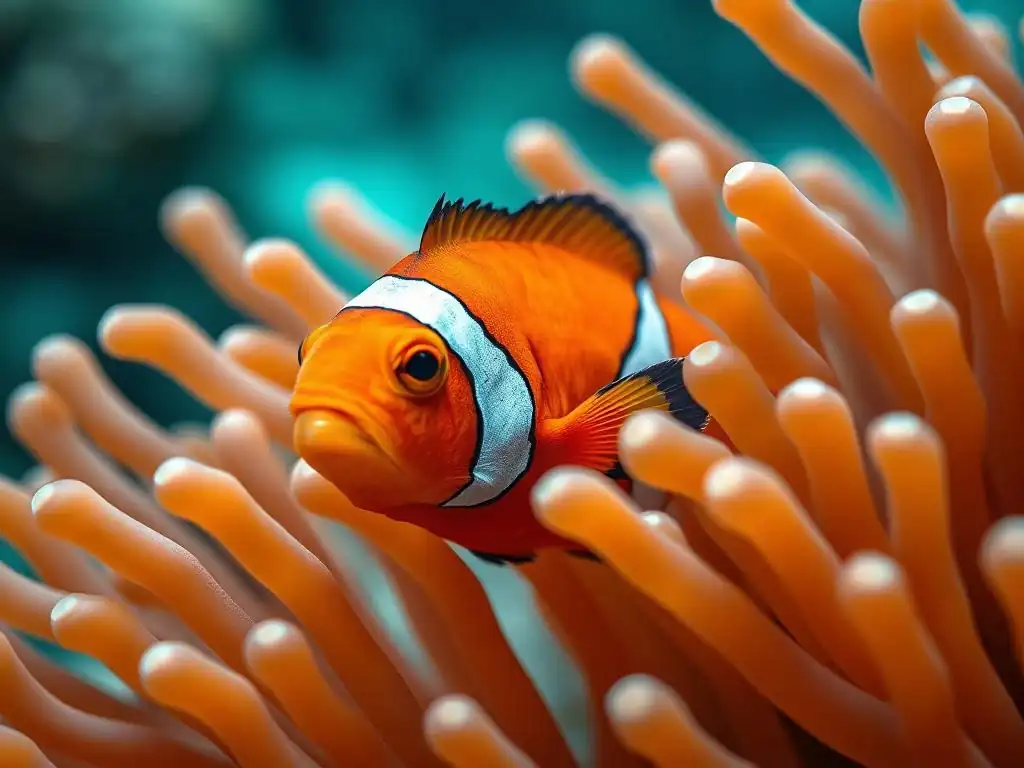
The journey of a clownfish accepting its anemone host often begins with a series of tentative, cautious touches. After days or even weeks of observing the anemone from a distance, the clownfish will make its first physical contact. This usually involves a quick, light brush against the very tips of the anemone's tentacles, often with its fins or a small part of its body. This initial touch serves as a crucial "test" for the clownfish, allowing it to gauge the anemone's stinging response and the potency of its nematocysts.
Following this initial contact, the clownfish may dart away quickly, seemingly startled, only to return moments later for another, slightly more prolonged touch. This repetitive behavior is a vital part of the "Clownfish anemone introduction compatibility guide," as the clownfish is slowly acclimatizing its unique mucus layer to the anemone's specific chemical signature. This stage is characterized by hesitation and repeated brief interactions, indicating the commencement of the immunity-building process without full immersion.
The Rubbing and Nipping Ritual: Stimulating Anemone Nematocysts
As the clownfish gains confidence and its mucus layer begins to adapt, it progresses to a more intimate "rubbing and nipping ritual" with the anemone. The clownfish will start to rub its entire body, including its belly and flanks, against the anemone's tentacles. This deliberate and sustained contact is essential for the transfer of the anemone's protective mucus to the clownfish's skin, effectively masking the clownfish's own chemical signature and rendering it immune to the anemone's sting. This process is a physiological marvel, enabling the clownfish to blend seamlessly with its host.
During this ritual, it's also common to observe the clownfish gently nipping at the anemone's oral disc or tentacles. While this might appear aggressive, it is generally considered a form of stimulation, potentially encouraging the anemone to extend its tentacles or release its protective mucus more readily. This active engagement helps to further solidify the symbiotic bond and accelerate the immunity-building process. The rubbing and nipping ritual is a clear signal that the clownfish is actively working towards full acceptance and integration into its new host, a key indicator in any "Clownfish anemone introduction compatibility guide."
Building Immunity: The Gradual Process of Anemone Acceptance
The process of a clownfish building immunity to an anemone's sting is a gradual physiological adaptation, not an instantaneous event. It involves the clownfish's unique mucus coat slowly acquiring chemical compounds from the anemone's own mucus, effectively mimicking the anemone's self-recognition signature. This allows the clownfish to be perceived as "part of the anemone" rather than a foreign object, thus preventing the firing of nematocysts. This adaptation can take anywhere from a few hours to several weeks, depending on the individual clownfish, its prior experience, and the specific anemone species.
During this period, minor stinging may still occur, especially during the initial, more aggressive rubbing phases, but it should not cause lasting harm to the clownfish. As the immunity develops, the clownfish will become increasingly comfortable, spending more and more time fully immersed within the anemone's tentacles. Eventually, it will sleep nestled deep within the anemone, showing no signs of discomfort or irritation. This full immersion and lack of adverse reaction signifies complete acceptance and a successful "Clownfish anemone introduction compatibility guide," marking the establishment of a stable, long-term symbiotic relationship.
Troubleshooting Clownfish Anemone Introduction Issues
Clownfish Ignoring the Anemone: Possible Causes and Solutions
One common frustration for aquarists is when their clownfish completely ignores a newly introduced anemone, despite all efforts following a "Clownfish anemone introduction compatibility guide." Several factors can contribute to this behavior. Captive-bred clownfish, never having encountered an anemone in their lives, may simply not recognize it as a potential host.
Stress from a new environment, aggressive tank mates, or even the anemone itself being unhealthy or unstable can deter the clownfish. Furthermore, if the anemone species is not a natural host for that specific clownfish, or if the anemone is not settled in a preferred location, the clownfish may show no interest.
To address this, ensure the aquarium environment is peaceful and stress-free for the clownfish. Confirm that the anemone species is indeed a compatible host for your clownfish. If the clownfish is captive-bred, patience is key; some may take weeks or even months to host.
You can try placing a small, non-stinging proxy host, like a small toadstool leather coral, near the anemone for the clownfish to initially interact with. Once the clownfish hosts the proxy, the proxy can gradually be moved closer to the anemone, sometimes encouraging the transition. Ensuring the anemone is firmly attached and healthy in a low-flow, low-light area can also make it more inviting.
Clownfish Being Stung by the Anemone: Understanding and Addressing the Problem
While a clownfish is immune to its host anemone's sting, instances of a clownfish being stung can occur during the initial introduction phase or if underlying issues are present. Minor, temporary stinging is normal as the clownfish builds its immunity and acquires the anemone's mucus coat. The clownfish might dart away quickly or show brief signs of discomfort, but these should subside. However, if the clownfish exhibits severe symptoms such as prolonged gasping, rapid breathing, visible lesions, or significant tissue damage, it indicates a serious problem.
Possible causes for severe stinging include an overly aggressive initial approach by the clownfish before full immunity is built, an anemone that is highly stressed and releasing more potent toxins (e.g., after a recent move or due to poor water quality), or a fundamental incompatibility between the clownfish and anemone species. If severe stinging occurs, it may be necessary to temporarily separate the clownfish and anemone into different tanks or use a tank divider.
Ensure pristine water quality, as poor conditions can stress both organisms. Re-evaluate your "Clownfish anemone introduction compatibility guide" for the specific species involved and consider if the anemone is truly healthy and settled.
Anemone Rejecting the Clownfish: Identifying and Resolving Compatibility Issues
Just as a clownfish might be hesitant, an anemone can also "reject" a clownfish, indicating compatibility issues or underlying stress. Anemone rejection is often manifested by the anemone retracting its tentacles, shrinking significantly when the clownfish approaches, or actively moving away from the clownfish across the rockwork. In some cases, the anemone might even sting the clownfish persistently, signaling that it does not accept it as a host. This behavior is usually a sign that the anemone is stressed, unhealthy, or simply not compatible with that particular clownfish.
To resolve this, first, ensure the anemone's health. Verify that lighting, water flow, and water parameters are optimal for the anemone species. Anemones require specific conditions to thrive, and if these are not met, they will be too stressed to host. Second, confirm that the clownfish species is a natural host for the anemone.
While some captive-bred clownfish are less selective, some anemones are very specific about their hosts. Third, assess tank aggression; other fish might be stressing the anemone or the clownfish. If the anemone continues to reject the clownfish despite ideal conditions and species compatibility, consider the possibility that the anemone may have already hosted another clownfish and is territorial, or that the individual personalities are simply not matching, requiring a re-evaluation of your "Clownfish anemone introduction compatibility guide" for this specific pairing.
Optimizing the Aquarium Environment for Successful Introduction
Water Quality and Stability
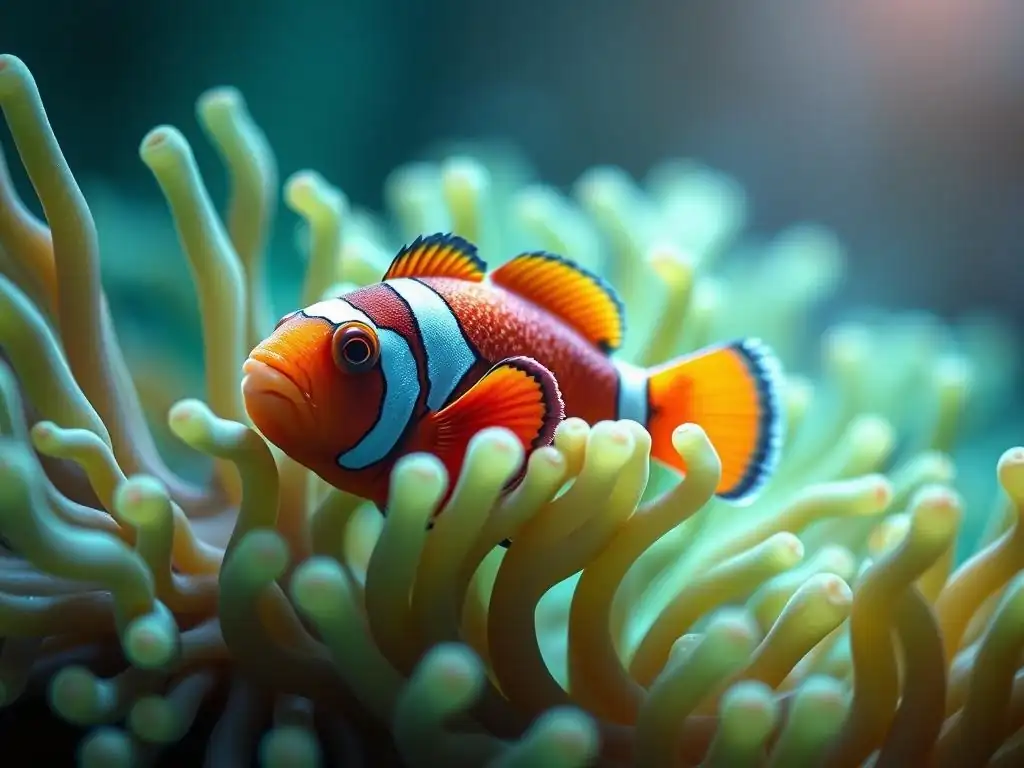
Maintaining impeccable water quality and stability is the single most critical factor for a successful clownfish anemone introduction and the long-term health of both species. Anemones are incredibly sensitive to fluctuations in water parameters and accumulate toxins quickly in poor conditions. Ammonia and nitrite must remain at zero ppm, and nitrates should be kept below 10-20 ppm through regular water changes and efficient filtration. A stable salinity of 1.024-1.025 and a consistent temperature range of 77-79°F (25-26°C) are also vital.
Beyond the basic nitrogen cycle, it's crucial to maintain stable levels of key reef parameters such as calcium (400-450 ppm), alkalinity (8-12 dKH), and magnesium (1250-1350 ppm). These elements are essential for the anemone's skeletal structure and overall physiological function. Regular testing and consistent dosing or water changes are necessary to prevent swings that can stress the anemone and, by extension, the clownfish. A clean, stable environment significantly reduces stress on both organisms, paving the way for a smoother "Clownfish anemone introduction compatibility guide" experience.
Proper Lighting and Flow
Appropriate lighting and water flow are indispensable for the health and vitality of host anemones, directly influencing their ability to thrive and host clownfish. Most host anemones, such as the Bubble Tip Anemone, rely heavily on their symbiotic zooxanthellae algae for nutrition, which requires strong, reef-appropriate lighting. This typically means high-output T5 fluorescent lights or modern LED fixtures capable of delivering high PAR (Photosynthetically Active Radiation) values, often above 150-200, across the entire spectrum. Inadequate lighting will cause the anemone to bleach, shrink, and eventually perish.
Water flow is equally important. Anemones prefer moderate, indirect flow that allows their tentacles to sway gently and naturally, facilitating nutrient uptake and waste removal. Avoid direct, blasting flow from powerheads, which can physically damage the anemone and prevent it from attaching securely or extending fully. The anemone should be able to inflate fully and move its tentacles freely without being ripped from its attachment point. Providing the correct balance of light and flow ensures the anemone is healthy and inviting, significantly increasing the chances of a successful "Clownfish anemone introduction compatibility guide."
Minimizing Stress
Minimizing stress for both the clownfish and the anemone is paramount for a successful introduction and lasting symbiosis. Stress can suppress immune systems, lead to disease, and hinder natural behaviors like hosting. When introducing new inhabitants, always do so gradually and observe their interactions. Avoid adding aggressive tank mates that might harass the clownfish or disturb the anemone, particularly during the initial acclimation period. A peaceful and stable environment encourages the clownfish to explore and eventually interact with its potential host.
Physical stress on the anemone should also be avoided. Ensure the anemone is placed in an area where it can attach its foot securely to rockwork, away from sharp edges or strong, direct currents. Do not attempt to force the clownfish into the anemone, as this will only cause more stress and can lead to rejection.
Consistent water parameters, a stable temperature, and a quiet aquarium environment contribute significantly to the overall well-being of both species. A calm and secure setting is a fundamental aspect of any effective "Clownfish anemone introduction compatibility guide," allowing the natural hosting process to unfold without undue pressure.
Long-Term Care: Maintaining a Healthy Clownfish-Anemone Relationship
Feeding and Nutrition
Maintaining a healthy clownfish-anemone relationship long-term requires dedicated attention to their individual nutritional needs. Clownfish are omnivores and should be fed a varied diet of high-quality marine pellets or flakes, supplemented with frozen foods such as mysis shrimp, brine shrimp, and spirulina. Feeding 1-2 times daily in small amounts helps maintain their health and vibrant coloration. Adequate nutrition for the clownfish directly contributes to its energy and willingness to interact with its host.
Anemones, while benefiting from their symbiotic zooxanthellae, also require direct feeding, especially host species. Depending on the species and size, target feed the anemone 1-3 times per week with small pieces of meaty marine foods like silverside, chopped shrimp, or mysis shrimp. Ensure the food is small enough for the anemone to ingest and place it gently on its oral disc. A well-fed anemone will be more robust, extend its tentacles fully, and be more receptive to hosting, reinforcing the success of your "Clownfish anemone introduction compatibility guide."
Monitoring for Health Issues
Continuous monitoring for health issues in both the clownfish and the anemone is crucial for the longevity of their symbiotic relationship. Regular visual inspections can help detect problems early, allowing for timely intervention. For clownfish, look for signs of stress or disease such as faded coloration, clamped fins, rapid breathing, white spots (ich), or unusual lesions. Any changes in appetite or behavior, like prolonged hiding or lethargy, warrant closer examination.
For the anemone, observe its overall appearance, inflation, and attachment. A healthy anemone should be fully inflated with extended tentacles, display vibrant coloration, and have a firmly attached foot. Signs of distress include shrinking, deflating, a pale or bleached appearance, a gaping mouth, or an inability to attach to the rockwork. If the anemone moves excessively around the tank, it might be searching for better conditions, signaling an underlying issue. Promptly addressing any observed health concerns ensures the stability and success of the "Clownfish anemone introduction compatibility guide" you've established.
Maintaining Water Parameters
Consistent and vigilant maintenance of water parameters is the bedrock of a thriving clownfish-anemone setup. Even after a successful introduction, neglecting water quality can quickly lead to stress, disease, and the breakdown of the symbiotic bond. Regular testing for ammonia, nitrite, and nitrate levels is non-negotiable, ensuring they remain at zero and below 10-20 ppm respectively. Salinity should be stable at 1.024-1.025, and temperature consistently between 77-79°F (25-26°C), avoiding sudden swings.
Beyond the basic parameters, regular monitoring of calcium (400-450 ppm), alkalinity (8-12 dKH), and magnesium (1250-1350 ppm) is essential for the anemone's long-term health and growth. These elements are consumed by the anemone and need to be replenished through routine water changes (e.g., 10-15% bi-weekly) or controlled dosing. A consistent maintenance schedule, including filter cleaning and substrate vacuuming, prevents the buildup of organic waste. Adherence to these practices ensures a stable and healthy environment, vital for the ongoing success outlined in any "Clownfish anemone introduction compatibility guide."
The Benefits of a Successful Clownfish-Anemone Symbiosis
Enhanced Visual Appeal
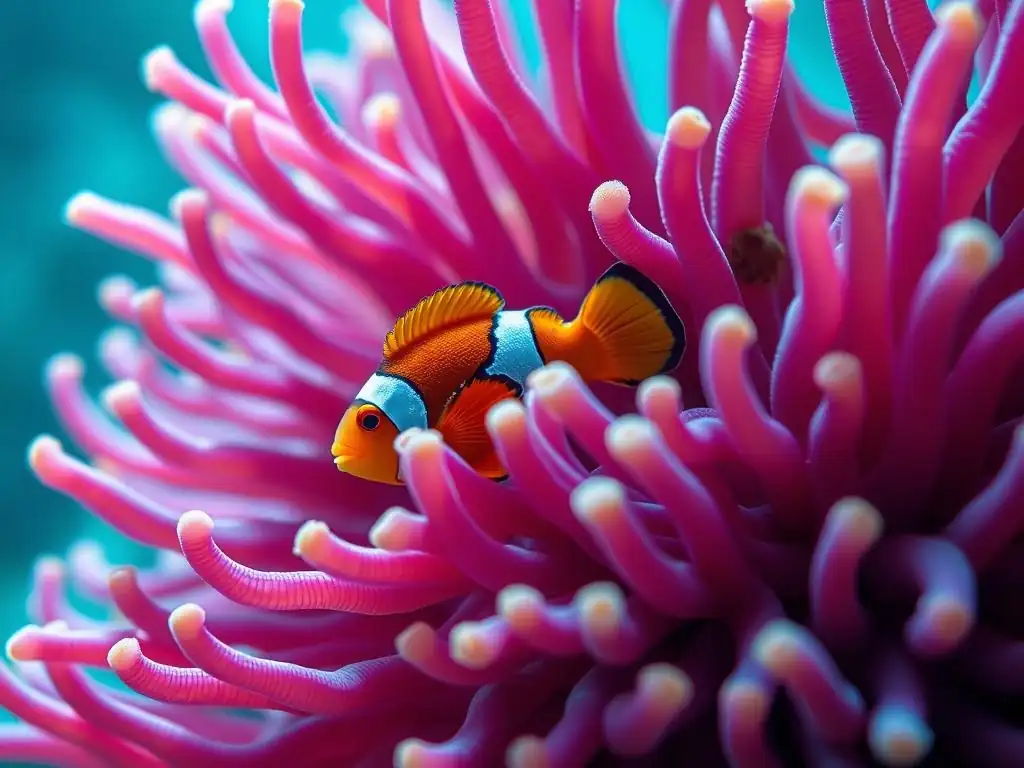
The successful establishment of a clownfish-anemone symbiosis dramatically enhances the visual appeal of any saltwater aquarium, transforming it into a dynamic living display. The vibrant colors of a healthy clownfish contrasting with the graceful, flowing tentacles of its host anemone create an undeniably captivating focal point. Unlike static decorations, this living interaction provides constant movement and natural beauty, drawing the eye and adding a profound sense of realism to the reef tank environment.
Witnessing the clownfish darting in and out of the anemone's tentacles, or nestled comfortably deep within its protective embrace, offers a unique and mesmerizing spectacle. This natural behavior brings the aquarium to life, showcasing a slice of the marine ecosystem within your home. The aesthetic value gained from a thriving clownfish and anemone pair far surpasses that of a tank with fish merely swimming among rocks, making a comprehensive "Clownfish anemone introduction compatibility guide" invaluable for aquarists seeking to maximize their tank's beauty.
Natural Behavior
One of the most rewarding aspects of a successful clownfish-anemone symbiosis is the opportunity to observe the clownfish exhibiting its full range of natural behaviors. When hosted, clownfish display their innate instincts, such as meticulously cleaning the anemone's tentacles, fanning water around its base, and actively defending their shared territory from perceived threats. This includes their characteristic "dance" of entering and exiting the anemone, a behavior rarely seen in clownfish without a host.
Furthermore, a hosted clownfish pair is significantly more likely to engage in breeding behaviors, laying eggs on a nearby rock or surface within the anemone's protective reach. Witnessing the male clownfish meticulously guarding and fanning the eggs is a testament to a truly successful and natural environment. This rich display of natural behavior provides a deeper, more enriching experience for the aquarist, moving beyond mere fishkeeping to the observation of complex ecological interactions, a direct outcome of following a robust "Clownfish anemone introduction compatibility guide."
Increased Clownfish Health and Longevity
Beyond the aesthetic and behavioral benefits, a successful clownfish-anemone symbiosis significantly contributes to the increased health and longevity of the clownfish. The anemone provides a secure and stress-free environment, which is crucial for the clownfish's immune system. In the wild, the constant threat of predation leads to chronic stress, but within the anemone's protective embrace, the clownfish can thrive without constant vigilance. This reduced stress load translates directly into better physical condition and a stronger ability to ward off diseases.
Additionally, clownfish often benefit from food scraps caught by the anemone, supplementing their diet. The consistent presence of a host also encourages more natural feeding patterns and activity levels. With optimal care and a stable host anemone, clownfish in captivity can live for remarkably long periods, often reaching 10 to 15 years or even longer, far exceeding the lifespan of unhosted clownfish in less ideal conditions. This extended lifespan and enhanced vitality are compelling reasons to prioritize a well-executed "Clownfish anemone introduction compatibility guide" in your aquarium.
Advanced Tips for Clownfish and Anemone Keeping
Encouraging Breeding
For aquarists aspiring to witness clownfish breeding, a successful and stable clownfish-anemone symbiosis is almost a prerequisite. To encourage spawning, ensure you have a bonded pair of clownfish; typically, the larger, more dominant fish will become the female, and the smaller will be the male. Provide a consistently pristine and mature aquarium environment, with all water parameters meticulously maintained. High-quality, varied nutrition for both the clownfish and the anemone is critical, as good health and ample energy reserves are essential for reproduction.
Offering a suitable, smooth spawning surface near the anemone, such as a flat piece of live rock or a terracotta pot, can significantly increase the chances of egg laying. Some aquarists find that slightly elevating the tank temperature (e.g., to 80°F or 27°C) or adjusting lighting cycles to mimic seasonal changes can stimulate spawning. While breeding clownfish is a challenging endeavor, a well-established pair comfortably hosted in a thriving anemone demonstrates the pinnacle of a successful "Clownfish anemone introduction compatibility guide" and overall aquarium husbandry, setting the stage for potential offspring.
Frequently Asked Questions
How long does it typically take for a clownfish to host an anemone after introduction?
The time varies greatly. Some clownfish will host almost immediately, while others may take several days or even weeks to establish a relationship. Patience is key and avoid forcing the interaction.
What are the signs that a clownfish is not compatible with a particular anemone?
Signs of incompatibility include the clownfish avoiding the anemone completely, showing signs of distress or irritation, or the anemone displaying a negative reaction (e.g., closing up tightly).
What steps should I take to prepare my aquarium before introducing a clownfish and anemone?
Ensure your tank is fully cycled and stable with appropriate water parameters. Acclimate both the clownfish and anemone separately to the tank conditions before attempting to introduce them to each other.
Can I introduce multiple clownfish to a single anemone at the same time?
Generally, it's best to introduce clownfish to an anemone one or two at a time, particularly if they are of different sizes. This allows them to establish a hierarchy and reduces stress on both the fish and the anemone.
What should I do if my clownfish is ignoring the anemone and seems uninterested?
Try adjusting the water flow or lighting to better suit the anemone's needs. Ensure the anemone is healthy and in a location where the clownfish feels safe and secure. You can also try gently wafting the clownfish near the anemone.
Final Reflection: Embracing the Unknown
The intricate dance of introduction between clownfish and anemone, as we've explored, is far more than a simple biological process; it's a powerful metaphor for navigating new relationships and environments. Just as the clownfish cautiously tests the waters, so too must we approach unfamiliar situations with patience, observation, and a willingness to adapt. The delicate balance of acceptance and rejection, of trial and error, is a universal language spoken not only in the coral reefs but also in our own lives.
This fascinating symbiosis reminds us that true connection requires vulnerability and a willingness to embrace the unknown. The clownfish's journey, from tentative touch to complete integration, mirrors our own struggles and triumphs in forming bonds and finding our place. As the renowned marine biologist Sylvia Earle once said, Even if you never have the chance to see or touch the ocean, the ocean touches you with every breath you take, every drop of water you drink, every bite you consume. Everyone, everywhere is inextricably connected to and utterly dependent upon the existence of the sea.
This interconnectedness extends beyond the physical realm, highlighting the importance of understanding and respecting the delicate ecosystems that sustain us, both literally and figuratively.
So, let us take inspiration from the clownfish and anemone. Consider the new relationships you are forging, the unfamiliar territories you are exploring. Are you approaching them with the same cautious curiosity, the same willingness to adapt and learn? Embrace the dance of introduction in your own life, and discover the profound beauty and resilience that can emerge from even the most tentative of beginnings.
Dive Deeper: Secure Your Clownfish Haven!
Thanks for exploring the fascinating relationship between clownfish and anemones! Now that you understand their delicate dance of introduction, let's put that knowledge into action.
Here's how you can create the perfect anemone home for your clownfish:
- Carefully Select Your Anemone: Do thorough research to ensure the anemone species you choose is compatible with your clownfish, considering its specific needs and temperament. Not all anemones are created equal!
- Create ideal conditions in your tank, with stable parameters, high lighting, and good flow, ensure that your aquarium can actually support the anemone before introducing it to the tank.
- Observe Closely and Patiently: Once introduced, watch your clownfish. Are they gently testing the anemone, or exhibiting signs of stress? Don't force the bond. Sometimes, a different anemone or a longer acclimation period is all it takes.
What unique observation did you notice in your tank during the initial introduction of clownfish and anemone? Share your experience in the comments below!