
Creating a "Pecking Order": How Cichlid Hierarchies Reduce Constant Fighting

Welcome to Aquarium Mastery!
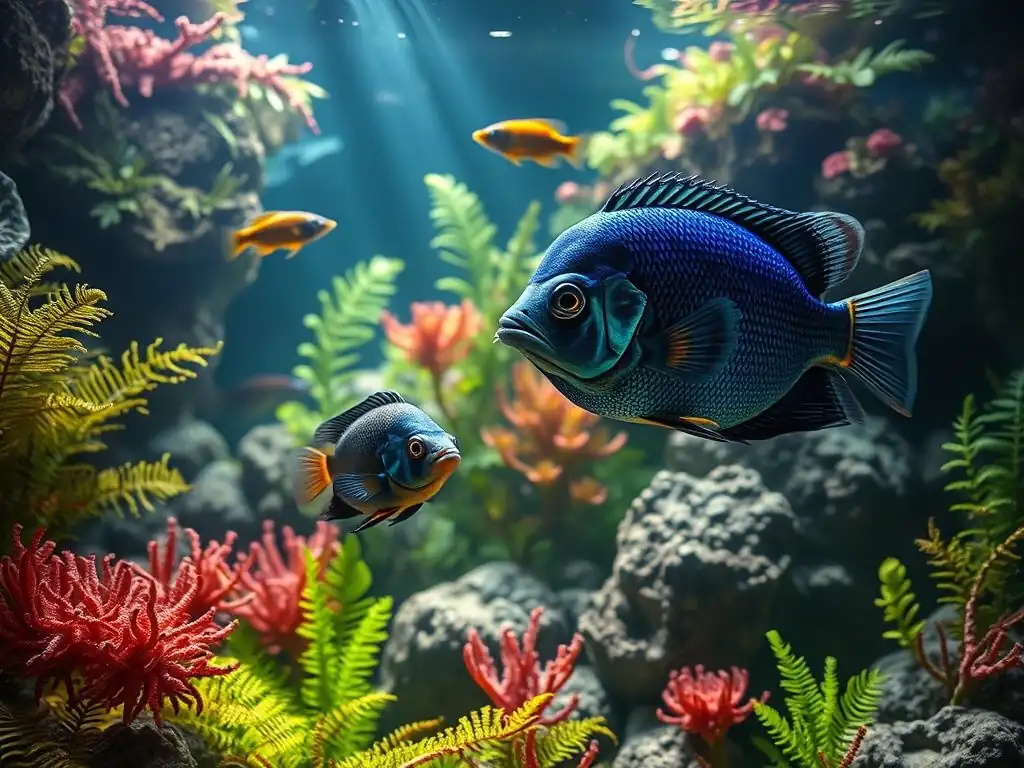
Ever wondered why your Cichlids are constantly bickering? Unravel the secrets to a peaceful tank with our guide to Cichlid hierarchy fighting solutions. Discover how establishing a natural "pecking order" can transform your aquarium from a battleground to a thriving ecosystem. Intrigued? Dive in and learn how to create harmony among your Cichlids!
- Establishing Social Harmony: Cichlid Hierarchies for Peaceful Aquariums
- Understanding Cichlid Behavior and Aquarium Dynamics
- Building a Stable Hierarchy: Steps to Reduce Cichlid Fighting
- Key Factors Influencing Cichlid Social Order
- Monitoring and Maintaining Cichlid Social Balance
- Practical Solutions for Managing Cichlid Aggression
- Dietary Management for Reducing Cichlid Aggression
- Long-Term Strategies for Peaceful Cichlid Communities
- Case Studies: Successful Cichlid Community Management
- Conclusion: Understanding Hierarchy is Key to Peaceful Cichlid Keeping
-
Frequently Asked Questions
- How does establishing a pecking order help reduce fighting among Cichlids?
- What are some signs that my Cichlids are establishing a hierarchy, and when should I intervene?
- What tank setup considerations can help minimize Cichlid aggression related to hierarchy?
- Besides tank setup, what other factors influence Cichlid hierarchy and fighting?
- What are some long-term strategies for maintaining a peaceful Cichlid tank once a hierarchy is established?
- Final Reflection: The Harmony of Hierarchy
- Establish Your Cichlid Kingdom!
Understanding Cichlid Behavior and Aquarium Dynamics
Root Causes of Cichlid Aggression: Territory, Mates, and Resources
Cichlids are inherently territorial fish, a trait deeply ingrained in their survival instincts. This territoriality is primarily driven by the need to secure vital resources such as breeding sites, food sources, and protective shelter. In the confined environment of an aquarium, the limited availability of these resources intensifies these natural instincts, leading to heightened competition and, consequently, aggression among individuals.
Beyond territory, competition for mates is a significant driver of cichlid aggression, particularly among males. Dominant males often display vibrant colors and elaborate courtship rituals to attract females, while simultaneously engaging in aggressive displays, chasing, and even physical altercations with rival males to assert their dominance and secure breeding rights. Similarly, competition for food can trigger aggressive encounters, especially during feeding times, as cichlids vie for the most accessible or largest portions, contributing to the overall aggressive dynamics within the tank.
In their natural habitats, such as the vast African Rift Lakes (e.g., Lake Malawi and Lake Tanganyika), cichlids exhibit complex social structures, including established hierarchies often referred to as "pecking orders." Dominant males typically claim and defend prime territories, which can span from a few square feet for smaller rock-dwelling Mbuna to several square yards for larger species, while submissive males and females form satellite groups or occupy less desirable areas. This natural Cichlid hierarchy helps to distribute aggression by defining roles and boundaries, minimizing constant, chaotic fighting.
These natural social structures demonstrate how aggression is channeled and managed within a group. For instance, in a natural Mbuna colony, a dominant male might tolerate several sub-dominant males within his visual range, provided they show clear submission, such as darkening their colors or fleeing. This established order reduces constant, energy-draining battles, allowing the group to focus on foraging and reproduction. Understanding these natural dynamics is crucial for developing effective Cichlid hierarchy fighting solutions in captive environments.
Creating a Balanced Ecosystem: Replicating Natural Behaviors in Captivity
To successfully manage cichlid aggression in an aquarium, it is essential to replicate, as closely as possible, the conditions that foster stable social structures in their natural environments. This involves designing the aquarium setup in a way that allows for the natural formation of a Cichlid hierarchy, where individuals can establish territories, display dominance, and, importantly, retreat when necessary without constant harassment.
This replication involves providing ample space, diverse rockwork, and visual barriers that mimic natural rock formations and underwater landscapes. For example, a well-structured Mbuna tank might include numerous caves and crevices, each potentially serving as a small territory or a safe haven. By providing these elements, aquarists can encourage the formation of a functional Cichlid hierarchy, thereby serving as a foundational Cichlid hierarchy fighting solution by allowing aggression to be diffused and managed naturally.
Building a Stable Hierarchy: Steps to Reduce Cichlid Fighting
Tank Size and Stocking Density: The Foundation of a Healthy Hierarchy
The size of the aquarium is paramount when housing cichlids, directly impacting their ability to establish a stable Cichlid hierarchy. For smaller Mbuna cichlids, a minimum of a 55-gallon tank (approximately 48 inches long) is often recommended, though a 75-gallon or larger tank provides significantly more space for territory formation and reduces perceived competition. Larger cichlid species, such as some Peacock cichlids or larger South American varieties, require tanks of 125 gallons or more to thrive and exhibit natural behaviors without excessive aggression.
Stocking density is another critical factor. While counterintuitive, controlled overstocking is often employed as a Cichlid hierarchy fighting solution for aggressive species like Mbuna. This strategy involves adding enough fish (e.g., 15-20 juvenile Mbuna in a 75-gallon tank) so that aggression is diffused across multiple targets, preventing one individual from being relentlessly bullied. However, this approach necessitates robust filtration and diligent water changes to maintain pristine water quality.
Achieving the correct male-to-female ratio is crucial for many cichlid species to minimize aggression. For instance, with many African cichlids, a ratio of one male to three or four females is often recommended. This disproportionate ratio helps to dilute the male's breeding aggression across multiple females, preventing any single female from being overly stressed or harassed by constant breeding attempts. It also reduces direct male-on-male aggression by limiting the number of competing males.
Optimizing cichlid numbers also means carefully selecting the total population to fit the tank's capacity while ensuring there are enough individuals to spread out aggression effectively. For example, keeping a single pair of highly aggressive Mbuna in a tank can lead to one fish being constantly harassed, whereas a group of 8-10 individuals of the same species, or a carefully selected mix of compatible species, can lead to a more stable and peaceful Cichlid hierarchy where aggression is distributed and less focused.
Introducing New Cichlids: Minimizing Disruption and Aggression
Introducing new cichlids into an established tank requires a strategic approach to minimize disruption to the existing Cichlid hierarchy and prevent severe aggression. A common technique is the "lights out" method, where the aquarium lights are turned off for several hours or overnight immediately after the new fish are added. This reduces visual stimulation and allows the new arrivals to acclimate to their surroundings and find hiding spots without immediate confrontation. Rearranging the existing decor before introduction can also help, as it disrupts established territories, forcing all fish to re-evaluate their surroundings simultaneously.
Furthermore, it is advisable to quarantine new fish in a separate tank for at least two to three weeks to ensure they are healthy and free of disease, preventing the introduction of pathogens to the main display tank. When introducing, adding multiple new fish at once, if compatible and within tank limits, can also help dilute aggression, as the established fish's aggression is spread among several targets rather than focused on a single newcomer. Introducing smaller, less dominant individuals is often preferable to larger, more assertive ones that might challenge the existing Cichlid hierarchy directly.
Species Compatibility: Selecting Cichlids with Complementary Temperaments
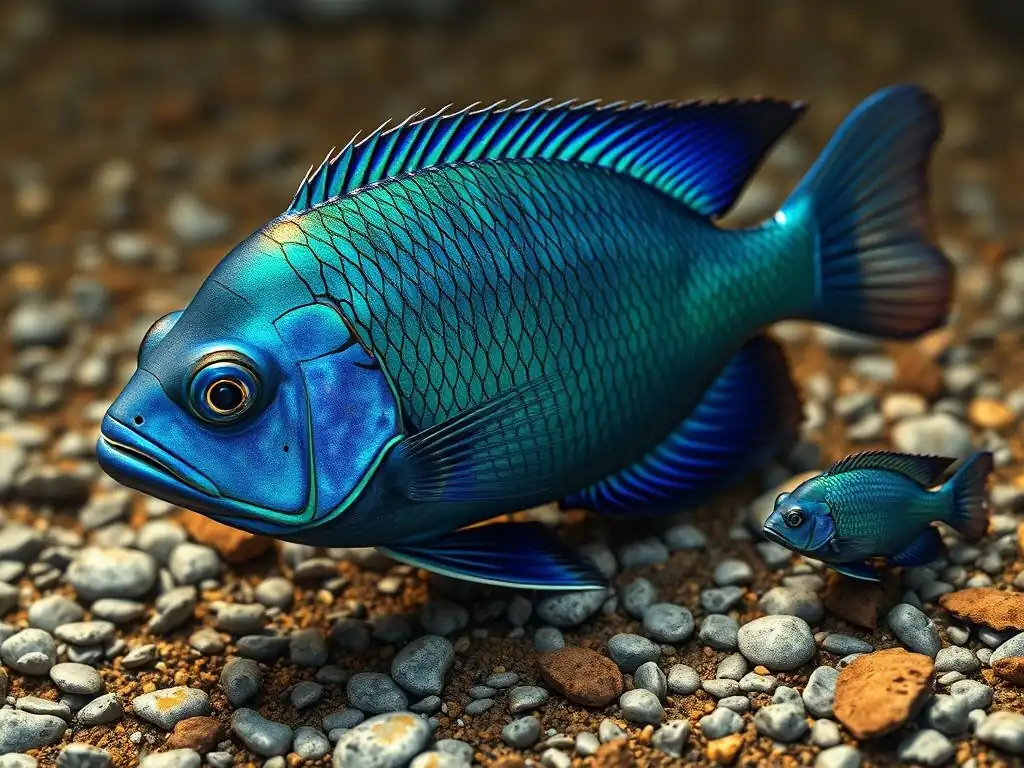
Successful cichlid community management heavily relies on selecting species with complementary temperaments. Mixing highly aggressive species, such as Pseudotropheus demasoni (known for their territorial intensity despite their small size), with more docile species like Labidochromis caeruleus (Yellow Labs), can lead to constant bullying and stress for the less aggressive fish. It is generally recommended to research each species thoroughly and group cichlids by their aggression levels, tank requirements, and natural habitats.
For example, a common approach for African cichlids is to create a "Malawi Mbuna only" tank or a "Peacock and Hap" tank, as these groups tend to have similar environmental needs and aggression thresholds. Even within these groups, some species are more aggressive than others. Melanochromis johannii (Electric Blue Johannii) are typically more aggressive than Iodotropheus sprengerae (Rusties). Understanding these nuances is a critical Cichlid hierarchy fighting solution, ensuring that the chosen community can coexist without constant conflict.
Territory and Retreats: Providing Ample Space and Hiding Places
Cichlids, particularly rock-dwelling species like Mbuna, have a strong innate need for defined territories. To facilitate the formation of a stable Cichlid hierarchy, the aquarium must be furnished with ample rockwork, caves, and visual barriers. For Mbuna, this means creating numerous distinct hiding spots and crevices, ideally more hiding spots than there are fish, allowing submissive individuals to escape aggression and claim temporary refuge.
For species like Peacock cichlids, which prefer more open swimming areas but still appreciate cover, strategically placed rock structures or driftwood can provide necessary retreats. A good rule of thumb is to aim for at least one distinct hiding spot per fish, plus additional visual breaks created by the arrangement of decor. For a 75-gallon Mbuna tank, this could translate to 20-30 individual rock caves or arches, ensuring that submissive fish have genuine safe zones. These retreats are vital for diffusing aggression and maintaining a functional Cichlid hierarchy.
Aquarium Design: Creating a Natural and Functional Environment
The overall design of the aquarium plays a pivotal role in shaping cichlid social order and serves as a fundamental Cichlid hierarchy fighting solution. A well-designed tank should not only mimic the cichlids' natural environment but also strategically break up lines of sight. Using tall rock structures, large pieces of driftwood, or even strategically placed PVC pipes (hidden by rocks) can create visual barriers that prevent dominant fish from constantly seeing and harassing submissive individuals.
By creating a complex environment with numerous pathways, tunnels, and dead ends, fish are forced to navigate around obstacles, which naturally diffuses aggression. This design prevents a single dominant fish from establishing absolute control over the entire tank and allows submissive fish to find temporary relief from pursuit. A functional environment encourages the formation of multiple, smaller territories rather than a single, overarching one, contributing significantly to a more peaceful and stable Cichlid hierarchy.
Observing Cichlid Interactions: Recognizing Dominance and Submission Signals
Vigilant observation of cichlid interactions is essential for maintaining social balance and identifying potential issues within the Cichlid hierarchy. Dominant behaviors often include flaring gills, intense coloration, chasing, nipping, and displaying aggressively towards other fish. Submissive behaviors, conversely, are typically characterized by pale coloration, clamped fins, hiding for prolonged periods, rapid darting movements, and avoiding eye contact with dominant individuals.
While occasional chasing or minor squabbles are normal within a healthy Cichlid hierarchy, constant, relentless pursuit of one individual, or the appearance of torn fins, scales missing, or other injuries, indicates a breakdown in the social order. Learning to distinguish between normal hierarchical interactions and problematic aggression is crucial for timely intervention. For instance, a quick chase that ends with the submissive fish darting into a cave is generally normal, but continuous harassment that prevents a fish from feeding or resting is a clear red flag.
Identifying and Addressing Excessive Aggression: Intervention Strategies
Excessive aggression in a cichlid tank manifests in several clear signs beyond typical hierarchical displays. These include consistent fin nipping leading to torn fins, significant scale loss, refusal of a specific individual to eat, or a fish constantly hiding and showing signs of severe stress, such as faded colors or rapid breathing. If these signs persist for more than 24-48 hours, intervention is likely required to prevent injury or even death.
Initial intervention strategies can include simply observing closely to confirm the aggressor and victim, then considering immediate, less intrusive changes. For example, slightly rearranging some decor can sometimes disrupt established territories enough to reduce conflict without fully re-scaping. If a specific aggressor is identified, ensuring there are ample hiding spots for the victim is paramount. These early steps can often prevent the need for more drastic Cichlid hierarchy fighting solutions.
Maintaining pristine water quality is a fundamental aspect of optimizing the aquarium environment for social stability and reducing aggression. Poor water parameters, such as elevated ammonia, nitrite, or nitrate levels (e.g., nitrates consistently above 20 ppm), can significantly stress cichlids, making them more susceptible to disease and more prone to aggressive behavior. Regular water changes (e.g., 25-30% weekly) and robust filtration are crucial for keeping the water clean and stable, which directly reduces stress levels in the fish.
Beyond water chemistry, maintaining consistent environmental factors like temperature (e.g., 78-82°F or 25.5-27.5°C for most African cichlids) and lighting cycles is also important. Sudden fluctuations in temperature or erratic lighting can cause stress, disrupting the delicate Cichlid hierarchy. Providing a consistent and stable environment contributes significantly to the overall well-being of the fish, thereby fostering a more peaceful and harmonious community.
Practical Solutions for Managing Cichlid Aggression
Re-Scaping the Aquarium: Disrupting Established Territories and Reducing Conflict
One of the most effective Cichlid hierarchy fighting solutions for persistent aggression is to completely re-scape the aquarium. This involves removing all existing decor, such as rocks and driftwood, and then re-arranging them in an entirely new configuration. The purpose of this drastic measure is to disrupt all established territories and force every fish in the tank to re-establish their claims simultaneously.
When the environment is completely new, the dominant fish lose their familiar landmarks and established power bases, often resulting in a temporary reduction in aggression as all fish are preoccupied with exploring and finding new hiding spots and territories. This method effectively resets the Cichlid hierarchy, often allowing a more balanced social order to emerge. It's advisable to perform this carefully, perhaps even moving fish to a temporary holding tank during the re-scape to minimize stress.
Enhancing Hiding Spots: Creating Safe Zones for Submissive Individuals
If specific individuals are being relentlessly targeted, enhancing the number and quality of hiding spots is a crucial Cichlid hierarchy fighting solution. This means adding more caves, rock piles, or even artificial decor specifically designed to provide safe zones. These hiding spots should be genuinely inaccessible to larger, more aggressive fish. For instance, creating small crevices that only the bullied fish can fit into, or tall, narrow structures that break line of sight, can offer effective refuge.
For Mbuna, consider adding more lava rock, Texas holey rock, or ceramic caves, ensuring they have multiple openings and escape routes. For Peacock cichlids, provide more driftwood or larger, more intricate rock formations that offer nooks and crannies. The goal is to provide enough secure spaces for submissive individuals to retreat and feel safe, reducing their stress and preventing physical injury, thereby stabilizing the Cichlid hierarchy.
Isolating Aggressive Individuals: Short-Term Solutions for Behavioral Correction
When a single cichlid becomes excessively aggressive and disrupts the entire Cichlid hierarchy, short-term isolation can be an effective behavioral correction. This involves temporarily removing the aggressor from the main tank and placing it in a separate quarantine tank or a large breeder box within the main tank for a few days to a week. This "time-out" period allows the Cichlid hierarchy in the main tank to stabilize without the aggressor's influence.
Upon reintroduction, the aggressive fish often loses its dominant status, as the other fish have had time to re-establish their pecking order. Sometimes, the aggressor will be less dominant upon return, or it may need permanent rehoming if its aggressive tendencies persist and continue to threaten the well-being of the community. This method serves as a direct Cichlid hierarchy fighting solution by addressing the source of the conflict.
Dietary Management for Reducing Cichlid Aggression
Feeding Techniques: Minimizing Competition and Ensuring Equal Access
Feeding time can be a significant trigger for cichlid aggression, as fish compete fiercely for food. To minimize this competition and ensure all fish receive adequate nutrition, specific feeding techniques can be employed. Spreading food widely across the surface of the tank, or even feeding in multiple spots simultaneously, can help distribute the food more evenly, preventing dominant fish from monopolizing the meal.
Additionally, feeding smaller, more frequent meals throughout the day instead of one large meal can reduce the intensity of the feeding frenzy. For example, feeding two or three small pinches of food a day rather than one large one. This strategy helps to keep all fish satiated and reduces the perceived scarcity of food, thereby lessening the aggressive competition that often arises during feeding times and contributing to a more peaceful Cichlid hierarchy.
Nutritional Considerations: Selecting Food to Promote Health and Reduce Stress
The nutritional content of a cichlid's diet directly impacts its health, energy levels, and overall stress. A diet that is inappropriate or lacking in essential nutrients can lead to stress, which in turn can exacerbate aggressive behaviors. For instance, Mbuna cichlids, being primarily herbivorous, require a high-quality spirulina-based flake or pellet. Feeding them too much protein can lead to bloat and other digestive issues, causing discomfort and increasing irritability.
Conversely, carnivorous or omnivorous cichlids like many Peacock cichlids require a diet richer in protein, derived from sources like krill, brine shrimp, or high-quality cichlid pellets. Ensuring a species-appropriate diet promotes optimal health and reduces stress, indirectly contributing to a more peaceful Cichlid hierarchy. Supplements like vitamins or garlic guard can also be used to boost immunity and further reduce stress, making fish less prone to aggression.
Long-Term Strategies for Peaceful Cichlid Communities
Maintaining Water Quality: Preventing Stress and Disease
Consistent and meticulous maintenance of water quality is paramount for the long-term health and stability of a cichlid community. Poor water conditions, characterized by elevated levels of ammonia, nitrites, or nitrates, act as significant stressors on fish, weakening their immune systems and making them more susceptible to disease. Stressed fish are also more likely to exhibit aggressive behaviors, disrupting the established Cichlid hierarchy.
Regular water changes, typically 25-30% weekly, are essential to dilute accumulated nitrates and replenish essential minerals. A robust filtration system, often including mechanical, biological, and chemical filtration, is also critical for removing waste products and maintaining stable water parameters. Keeping nitrates below 20 ppm and ensuring a stable pH (e.g., 7.8-8.6 for African Rift Lake cichlids) creates an environment where fish are less stressed, healthier, and thus more likely to maintain a peaceful Cichlid hierarchy.
Optimizing Tank Size: Providing Adequate Space for Growing Cichlids
While a tank might seem adequately sized for juvenile cichlids, it is crucial to consider their adult size and growth rate when planning for long-term peaceful coexistence. A 55-gallon tank, for example, might comfortably house a group of young Mbuna, but as these fish mature and reach their full size (e.g., 4-6 inches for many species), the tank can quickly become overcrowded. Overcrowding invariably leads to increased stress and intensified aggression, collapsing the established Cichlid hierarchy.
Therefore, it is vital to either purchase fish with their adult size in mind or be prepared to upgrade tank size as the cichlids mature. For instance, a group of adult Metriaclima estherae (Red Zebra Cichlids) will require at least a 75-gallon tank, and preferably larger, to maintain a stable Cichlid hierarchy and minimize territorial disputes. Proactive planning for tank size optimization is a core Cichlid hierarchy fighting solution.
Regularly Assessing Stocking Levels: Ensuring Long-Term Sustainability
As cichlids grow, breed, or if new fish are introduced, the overall stocking level of the tank can change significantly. What was once a balanced community might become overpopulated, leading to a breakdown in the Cichlid hierarchy and a surge in aggression. Therefore, regularly assessing the stocking levels is a crucial long-term strategy for maintaining peace.
Periodically review the number, size, and temperament of all fish in the tank. If aggression becomes unmanageable despite other interventions, or if fish appear stressed due to overcrowding, it may be necessary to rehome certain individuals or groups. This proactive management ensures the long-term sustainability of the community, preventing chronic stress and injury, and maintaining a stable Cichlid hierarchy as a continuous Cichlid hierarchy fighting solution.
Case Studies: Successful Cichlid Community Management
Lake Malawi Mbuna Community: Achieving Balance Through Stocking and Design
A successful example of a peaceful Lake Malawi Mbuna community can be observed in a well-managed 125-gallon aquarium. This tank houses a diverse group of 25-30 Mbuna species, including Labidochromis caeruleus (Yellow Labs), Pseudotropheus saulosi, and Cynotilapia afra (Cobalt Blue Cichlids), with a carefully balanced male-to-female ratio where possible (e.g., 1 male to 3-4 females for each species). The tank is heavily aquascaped with porous lava rock, creating more than 40 distinct caves, tunnels, and visual barriers.
The success of this setup lies in the combination of controlled overstocking and intricate design. The high stocking density diffuses aggression, as no single fish becomes the sole target of a dominant individual. Simultaneously, the extensive rockwork provides ample territories for each cichlid to claim, along with numerous safe retreats for submissive fish. This combination allows a complex and dynamic Cichlid hierarchy to form, where aggression is channeled and diffused, resulting in a vibrant, active, and remarkably peaceful community with minimal fighting.
South American Cichlid Biotope: Creating a Harmonious Community
Another successful case study involves a 75-gallon South American cichlid biotope, focusing on a pair of Apistogramma cacatuoides (Dwarf Cichlids) as the primary cichlid species. The tank is designed with natural driftwood branches, leaf litter (such as Indian almond leaves), and dense planting of broad-leafed plants like Anubias and Java Fern. This setup replicates a blackwater environment, providing the cichlids with numerous visual breaks and potential breeding sites.
To further enhance the community's harmony, a small school of peaceful dither fish, such as 15-20 Cardinal Tetras, is included. These dither fish swim actively in the open water, signaling to the Apistogramma that the environment is safe, which encourages the cichlids to be more outgoing and less stressed.
The combination of specific territorial zones for the Apistogramma and the presence of dither fish effectively manages their natural territoriality, allowing them to establish a localized Cichlid hierarchy without impacting the tank's overall peace. This demonstrates how Cichlid hierarchy principles can be adapted to different cichlid types and their unique social needs.
Conclusion: Understanding Hierarchy is Key to Peaceful Cichlid Keeping
Successfully keeping cichlids hinges on a deep understanding of their inherent social behaviors and hierarchical instincts. Aggression, while often perceived as a problem, is a natural component of cichlid social dynamics. By recognizing that cichlids naturally form a "pecking order" or Cichlid hierarchy, aquarists can proactively design and manage their tanks to harness this behavior as a powerful Cichlid hierarchy fighting solution.
Through careful species selection, appropriate tank sizing, strategic aquascaping that provides ample territories and retreats, and vigilant monitoring of fish interactions, aquarists can create a stable and harmonious environment. Maintaining pristine water quality, optimizing feeding techniques, and being prepared to intervene with practical solutions further contribute to a thriving community. Ultimately, by replicating conditions that foster natural social structures, enthusiasts can enjoy the vibrant beauty and fascinating behaviors of cichlids with minimal conflict, transforming potential aggression into a dynamic, balanced ecosystem.
Frequently Asked Questions
How does establishing a pecking order help reduce fighting among Cichlids?
Establishing a pecking order creates a stable social structure where Cichlids understand their place. This reduces the need for constant challenges for dominance, minimizing aggressive behaviors and injuries.
What are some signs that my Cichlids are establishing a hierarchy, and when should I intervene?
Signs include chasing, fin nipping, and submissive posturing. Intervene if the fighting is excessive, leading to injuries, or if a particular Cichlid is constantly bullied and unable to feed.
Provide ample hiding places like rocks and caves to allow subordinate Cichlids to escape aggression. Overcrowding can exacerbate fighting, so ensure adequate tank size for the species and number of Cichlids.
Besides tank setup, what other factors influence Cichlid hierarchy and fighting?
Water quality plays a vital role; poor water quality can stress Cichlids, increasing aggression. Diet is also crucial; provide a balanced diet to reduce competition for food.
What are some long-term strategies for maintaining a peaceful Cichlid tank once a hierarchy is established?
Regularly monitor the tank for signs of instability or bullying. Consistent water changes and a stable environment are vital to maintain the established pecking order and prevent future conflicts.
Final Reflection: The Harmony of Hierarchy
The intricacies of cichlid social structures, as explored in this article, are not merely an academic curiosity; they offer profound insights into the nature of conflict resolution and the establishment of order within complex systems. Understanding how cichlid hierarchies reduce constant fighting is surprisingly relevant today, as we grapple with similar challenges in human societies, from workplace dynamics to international relations. The lessons learned from these vibrant, scaled communities can inform our own approaches to creating more stable and peaceful environments.
The enduring fascination with cichlid behavior stems from its uncanny resemblance to our own social complexities. Observing these fish navigate their intricate pecking orders reminds us that hierarchy, while often viewed negatively, can be a powerful tool for minimizing conflict and fostering cooperation. The ultimate measure of a man is not where he stands in moments of comfort and convenience, but where he stands at times of challenge and controversy.
- Martin Luther King, Jr. This quote, though about human character, resonates deeply with the cichlid experience, highlighting how established hierarchies provide a framework for navigating challenges and maintaining stability even in the face of inherent competition.
As you reflect on the strategies employed by cichlids to maintain peace within their tanks, consider how these principles might be applied to your own life. Are there areas where a clearer understanding of social dynamics could reduce conflict and promote harmony? Let the "pecking order" of the cichlid world inspire you to cultivate environments, both personal and professional, where respect, understanding, and clearly defined roles contribute to a more peaceful and productive existence.
Establish Your Cichlid Kingdom!
Thank you for diving into the fascinating world of cichlid hierarchies. We hope you found these insights valuable for creating a more peaceful aquarium. Now, let's translate that knowledge into action!
Here's how you can further explore and apply these principles:
- Carefully observe your cichlids for the next week, noting any changes in their behavior after implementing these hierarchy-supporting techniques.
- Research uncommon cichlid species known for their unique social structures and consider adding one to your community to observe different hierarchical dynamics.
- Share your cichlid hierarchy success stories (or challenges!) with other hobbyists on aquarium forums and social media groups.
What's the most surprising thing you've learned about cichlid social structures, and how will you apply it to your own aquarium management?