
Sand Sifting Starfish (Archaster typicus): Friend or Foe to Your Sand Bed Fauna?

Welcome to Aquarium Mastery!
Ever wondered if that Sand Sifting Starfish is truly the helpful cleanup crew member you hoped for? Are they a friend or foe to the delicate ecosystem thriving within your aquarium's sand bed? Dive in and explore our in-depth guide to Sand Sifting Starfish care and discover the secrets to keeping these fascinating creatures – and your entire saltwater aquarium – healthy and vibrant. Let's uncover the truth together!
- Sand Sifting Starfish (Archaster typicus): Friend or Foe to Your Sand Bed Fauna? - Aquarium Mastery
- Introduction to Sand Sifting Starfish for Reef Aquariums
- Understanding the Archaster typicus: A Deep Dive
- The Role of Sand Sifting Starfish in Your Reef Tank Ecosystem
- Sand Sifting Starfish Care: A Comprehensive Guide
- Selecting Compatible Tank Mates for Sand Sifting Starfish
- Sand Sifting Starfish Breeding and Reproduction in Captivity
- Troubleshooting Common Sand Sifting Starfish Issues
- Alternatives to Sand Sifting Starfish for Sand Bed Maintenance
- Conclusion: Is a Sand Sifting Starfish Right for Your Aquarium?
-
Frequently Asked Questions
- What exactly is a sand sifting starfish, and why is it relevant to my aquarium?
- Are sand sifting starfish beneficial for all aquariums?
- What are the potential downsides of keeping a sand sifting starfish?
- What are the key factors to consider before introducing a sand sifting starfish to my aquarium?
- How can I ensure my sand sifting starfish gets enough food in my aquarium?
- Final Reflection: The Delicate Balance of the Sand Bed
- Transform Your Aquarium: Embrace the Sand Sifting Starfish!
Sand Sifting Starfish (Archaster typicus): Friend or Foe to Your Sand Bed Fauna? - Aquarium Mastery
Introduction to Sand Sifting Starfish for Reef Aquariums
The sand sifting starfish, specifically Archaster typicus, is a popular and often debated inhabitant for marine reef aquariums. Renowned for its constant activity and unique method of foraging, this echinoderm is frequently introduced into tanks with the intention of maintaining a pristine sand bed. Its role is to continuously sift through the substrate, consuming detritus and uneaten food particles, thereby contributing to the overall cleanliness and health of the aquarium environment.
However, the question of whether this creature is a true asset or a potential liability to your delicate reef ecosystem often arises among aquarists. While its benefits in aeration and waste removal are undeniable, concerns about its long-term survival in captivity and its impact on beneficial microfauna are valid. This comprehensive guide will delve into the intricacies of Archaster typicus care, exploring its natural behaviors, specific needs, and how to best integrate it into your saltwater aquarium.
Understanding the Archaster typicus: A Deep Dive
Identifying the True Sand Sifting Starfish (Archaster typicus)
Proper identification is crucial when considering a sand sifting starfish for your aquarium, as several species are often mislabeled. The true sand sifting starfish, Archaster typicus, typically possesses five arms, though variations with four or six arms can occasionally occur. Its coloration usually ranges from a light tan to a sandy brown, often blending seamlessly with the substrate it inhabits. The surface of its body is covered in a granular texture, lacking the prominent spines or raised structures seen on some other starfish species.
It is vital to distinguish Archaster typicus from predatory starfish, such as those belonging to the Astropecten genus, which are commonly mistaken for sand sifters due to their similar appearance and burrowing habits. Unlike Archaster typicus, Astropecten species are active predators that will consume small snails, bivalves, and other beneficial invertebrates within the sand bed, potentially decimating your tank's microfauna.
The key difference lies in their diet and feeding mechanism: Archaster typicus sifts sand through its mouth, extracting detritus, while Astropecten engulfs prey whole. A mature Archaster typicus can reach a diameter of approximately 4 to 6 inches (10 to 15 cm).
Natural Habitat and Diet of Sand Sifting Starfish
In their natural environment, Archaster typicus starfish thrive across the Indo-Pacific region, inhabiting shallow, sandy bottoms, seagrass beds, and rubble zones. They are typically found in areas with soft substrates where they can readily burrow and forage. Their survival in these vast natural settings is attributed to an abundant supply of food sources distributed throughout the expansive sand beds.
The primary diet of the sand sifting starfish consists of detritus, microscopic organic particulate matter, micro-algae, and tiny invertebrates that reside within the substrate. They employ a unique feeding strategy: as they move across or beneath the sand, they engulf large quantities of substrate through their central mouth.
Specialized structures then filter out the edible organic material, and the clean sand is expelled, leaving behind characteristic trails or disturbed patches. This continuous sifting activity is essential for their nutrient intake and highlights why a mature, food-rich sand bed is paramount for successful sand sifting starfish care in a captive environment.
Sand Sifting Starfish Lifespan and Size Considerations
The lifespan of an Archaster typicus in a home aquarium can vary significantly, largely dependent on the quality of its environment and the consistency of its care. With optimal sand sifting starfish care, including stable water parameters, a mature sand bed, and sufficient food availability, these starfish can live for several years, potentially reaching 3 to 5 years or even longer. However, starvation due to insufficient detritus in smaller or newer tanks is a common cause of premature demise.
As mentioned, an adult Archaster typicus typically grows to a diameter of 4 to 6 inches (10 to 15 cm). This modest size makes them suitable for a variety of reef tank sizes, provided the sand bed offers ample foraging territory.
It's important to consider their adult size when planning your aquarium layout and estimating the necessary volume of sand to sustain them. A general guideline suggests that a well-established sand bed in a tank of at least 50 gallons is often the minimum required to support a single healthy sand sifting starfish, though larger tanks with extensive sand beds offer better long-term prospects.
The Role of Sand Sifting Starfish in Your Reef Tank Ecosystem

Benefits of Sand Sifting Starfish for Sand Bed Health
The primary appeal of the sand sifting starfish lies in its potential to act as a natural cleanup crew member, tirelessly working to maintain the health of your aquarium's substrate. Their continuous movement through the sand bed offers several ecological advantages that can contribute to a more stable and cleaner reef environment.
Aeration and Detritus Removal by Sand Sifting Starfish
One of the most significant benefits Archaster typicus provides is the aeration of the sand bed. As the starfish burrows and sifts, it constantly turns over the substrate, preventing compaction. This action introduces oxygen into deeper layers of the sand, which is crucial for preventing the formation of anaerobic pockets. Anaerobic zones, characterized by a lack of oxygen, can lead to the production of harmful gases like hydrogen sulfide, which are toxic to marine life. By disrupting these zones, the sand sifting starfish helps maintain a healthier, more oxygenated substrate.
In addition to aeration, these starfish are highly efficient at detritus removal. Their feeding process involves consuming vast amounts of organic waste, uneaten food, and other particulate matter embedded within the sand. This continuous consumption of detritus helps to reduce the accumulation of decaying organic material, which, if left unchecked, can degrade water quality and fuel nuisance algae growth. The diligent work of the sand sifting starfish contributes directly to a cleaner sand bed and, by extension, a healthier aquarium environment.
Nutrient Cycling and the Sand Sifting Starfish
Beyond physical cleaning, the sand sifting starfish plays a subtle yet important role in the nutrient cycling of a reef tank. By consuming detritus and organic waste, they effectively remove these nutrients from the water column and the immediate surface of the sand, processing them internally. This action contributes to the overall nutrient export from the system, preventing the buildup of nitrates and phosphates, which are common culprits behind undesirable algae blooms.
Their activity within the sand bed can also indirectly facilitate beneficial microbiological processes. The constant turning of the sand helps distribute nitrifying and denitrifying bacteria throughout the substrate, enhancing their efficiency in converting harmful ammonia and nitrites into less toxic nitrates, and further reducing nitrates into nitrogen gas. Thus, the sand sifting starfish acts as a biological aid, supporting the microbial communities that are fundamental to maintaining stable water chemistry and a balanced ecosystem in your reef aquarium.
Potential Drawbacks of Keeping Sand Sifting Starfish
While the benefits are appealing, it's essential to consider the potential challenges and drawbacks associated with keeping Archaster typicus in a captive environment. These concerns primarily revolve around their specific dietary needs and their interaction with other inhabitants of the sand bed.
Starvation Risks and Maintaining a Healthy Sand Bed
The most significant risk associated with sand sifting starfish care is starvation. In their natural habitat, these starfish have access to vast expanses of sand beds teeming with detritus and microscopic organisms. In a closed aquarium system, especially smaller or newer tanks, the available food source can be severely limited. A sand bed that appears clean to the naked eye may not contain enough microscopic detritus to sustain a starfish long-term.
For a sand sifting starfish to thrive, it requires a well-established and mature sand bed, typically one that has been accumulating detritus and microfauna for at least 6 to 12 months. A minimum sand depth of 2-4 inches (5-10 cm) is recommended, and a large surface area, often cited as at least one square foot of sand bed per starfish, is crucial. Without sufficient natural food, the starfish will slowly starve, often exhibiting a gradual decline in health before ultimately perishing.
Impact on Beneficial Microfauna and Invertebrates
While Archaster typicus is primarily a detritivore, its constant sifting and consumption of organic matter inevitably includes the ingestion of beneficial microfauna. Small copepods, amphipods, tiny worms, and other microscopic invertebrates that colonize the sand bed are an integral part of the reef ecosystem's food web. These organisms serve as a natural food source for many fish, including delicate species like mandarin gobies.
The presence of a sand sifting starfish can significantly deplete these populations, potentially impacting other tank inhabitants that rely on them for sustenance. While it helps to clean the sand, it also acts as a highly efficient predator of these tiny creatures. Therefore, aquarists must weigh the benefits of sand bed cleaning against the potential reduction in the biodiversity of their sand bed and the food availability for other animals.
Sand Sifting Starfish Compatibility with Other Tank Inhabitants
Generally, Archaster typicus is considered a reef-safe invertebrate and is compatible with most peaceful fish and corals. It does not actively prey on corals or larger invertebrates. However, their compatibility is limited by the presence of known starfish predators. Harlequin Shrimp ( Hymenocera picta), certain pufferfish, triggerfish, and some large predatory wrasses (e.g., Coris Wrasses) will readily consume starfish, making them unsuitable tank mates.
Furthermore, while not directly aggressive, large, active sand-sifting gobies (like Diamond Watchman Gobies) can sometimes compete with starfish for food resources within the sand bed, or even inadvertently stress them through excessive sand excavation. Ensuring adequate space and food availability for all sand-dwelling inhabitants is a key aspect of successful sand sifting starfish care.
Sand Sifting Starfish Care: A Comprehensive Guide
Providing optimal sand sifting starfish care is paramount for the long-term health and survival of Archaster typicus in a home aquarium. This involves careful acclimation, maintaining stable water parameters, understanding their feeding habits, and ensuring a suitable sand bed environment.
Acclimation Process for Sand Sifting Starfish
Starfish are extremely sensitive to sudden changes in salinity, pH, and temperature. Therefore, a slow and meticulous acclimation process is critical for the survival of your new sand sifting starfish. The drip acclimation method is highly recommended, allowing the starfish to gradually adjust to your aquarium's water parameters over an extended period.
Begin by floating the sealed bag in your sump or tank for 15-20 minutes to equalize temperature. Then, open the bag and carefully pour the starfish and its water into a clean bucket or container. Using an airline tube with a knot or valve, set up a slow drip from your display tank into the bucket.
Aim for a drip rate of about 2-3 drops per second. Continue this process for at least 2 to 4 hours, or until the volume of water in the bucket has quadrupled. Throughout this process, it is absolutely essential to keep the starfish fully submerged in water at all times.
Never expose a starfish to air, as this can cause air bubbles to become trapped in their delicate water vascular system, leading to severe damage or death. Once acclimated, gently net the starfish (still submerged) and transfer it to your tank, placing it directly onto the sand bed.
Ideal Tank Parameters for Sand Sifting Starfish
Maintaining stable and appropriate water parameters is a cornerstone of effective sand sifting starfish care. Like all echinoderms, they are particularly intolerant of fluctuating conditions and elevated levels of nitrates or phosphates. Regular testing and consistent maintenance are key to their well-being.
Water Chemistry Requirements for Optimal Sand Sifting Starfish Health
For optimal sand sifting starfish health, the following water chemistry parameters should be consistently maintained within their respective ranges:
- Alkalinity (dKH): 8-12 dKH
- Calcium (ppm): 400-450 ppm
- Magnesium (ppm): 1250-1350 ppm
- Nitrates (ppm): As low as possible, preferably below 10 ppm
- Phosphates (ppm): As low as possible, preferably below 0.03 ppm
While these ranges are ideal, stability is often more critical than hitting a precise number within the range. Sudden swings in any of these parameters can cause significant stress to the starfish and potentially lead to decline. Regular water changes and consistent dosing (if applicable) are vital for maintaining these conditions.
Temperature and Salinity Considerations
Temperature and salinity are two fundamental parameters that must be kept stable for healthy sand sifting starfish care. The ideal temperature range for Archaster typicus is between 72-78°F (22-26°C). Extreme temperatures, whether too high or too low, can stress the starfish and impair its metabolic functions.
Salinity, or specific gravity, should be maintained within the range of 1.023 to 1.026. Again, consistency is paramount. Even small, rapid fluctuations in salinity can be detrimental to starfish, leading to osmotic shock. Using a reliable refractometer for testing and performing regular top-offs with RODI water to compensate for evaporation are crucial practices to ensure a stable salinity environment.
Feeding Your Sand Sifting Starfish: Ensuring Adequate Nutrition
Ensuring adequate nutrition is arguably the most challenging aspect of long-term sand sifting starfish care, as their primary food source is often invisible to the naked eye. While they are efficient scavengers, the limited volume of an aquarium compared to their natural habitat often means supplementation is necessary.
Supplementing Diet with Detritus, Algae, and Small Invertebrates
In a truly mature and heavily stocked reef tank with a deep, established sand bed, a sand sifting starfish might find enough natural food to sustain itself. However, in most home aquariums, especially those with aggressive filtration or active sand-sifting fish, supplementation will be necessary. Since they consume microscopic particles, direct target feeding is impractical. Instead, broadcast feeding of fine-particulate foods is the most effective method.
Consider broadcasting foods such as marine snow, finely crushed spirulina flakes, powdered algae, or even finely ground sinking pellets designed for invertebrates. These tiny particles will settle into the sand bed, providing a supplementary food source. Some aquarists also report success by allowing a small amount of detritus to accumulate in certain areas of the sand bed, which the starfish can then consume. The goal is to ensure a continuous, albeit subtle, supply of organic matter for the starfish to sift through.
Recognizing Signs of Starvation in Sand Sifting Starfish
Recognizing the signs of starvation early is critical for successful sand sifting starfish care. A healthy Archaster typicus will be actively moving and sifting through the sand bed most of the time, often burrowing completely out of sight. Signs of starvation or stress include:
- Loss of activity: The starfish becomes sluggish, spending extended periods motionless on the sand surface, glass, or rockwork, rather than actively sifting.
- Shriveling arms: The arms may appear thinner, shriveled, or curled upwards at the tips.
- Loss of tube feet grip: The starfish may struggle to adhere to the glass or rockwork, indicating a weakening of its tube feet.
- Pale coloration: The vibrant sandy color may fade, becoming noticeably paler or developing white, necrotic patches.
- A "deflated" appearance: The central disc or arms may appear sunken or deflated rather than firm and plump.
If any of these signs are observed, immediate action to increase food availability and improve water quality is essential to prevent further decline.
Maintaining a Healthy Sand Bed for Your Starfish
The sand bed is not just a decorative element; it is the sand sifting starfish's habitat and primary food source. Proper management of the substrate is therefore a crucial component of long-term sand sifting starfish care.
Substrate Depth and Composition for Sand Sifting Starfish
For Archaster typicus to thrive, a sufficiently deep and appropriately composed sand bed is imperative. A minimum depth of 2 to 4 inches (5 to 10 cm) is generally recommended, allowing the starfish ample room to burrow and sift effectively. Shallower sand beds may not provide enough volume of substrate to sustain their feeding habits.
Regarding composition, fine to medium grain sand is ideal. Aragonite sand with a grain size ranging from sugar-fine (0.5 mm) up to about 2 mm is suitable. Avoid very coarse gravel or crushed coral, as these substrates are difficult for the starfish to sift through and may not hold sufficient detritus. A larger surface area of sand bed is also beneficial, as it directly correlates to the amount of available food.
Avoiding Over-Cleaning the Sand Bed
While detritus can be a source of nitrates, aggressive or overly frequent cleaning of the sand bed can be detrimental to a sand sifting starfish. Vigorous gravel vacuuming or deep stirring of the entire sand bed will remove the very food source that the starfish relies upon. This can quickly lead to starvation, even in a well-established tank.
Instead of deep cleaning, practice selective or light surface siphoning during water changes, targeting only visibly excessive detritus or areas prone to buildup. Gentle, localized stirring of the top inch or two of sand can be done periodically to prevent compaction without completely stripping the beneficial microfauna and food particles. Allowing a healthy amount of detritus to accumulate naturally in the sand bed is part of responsible sand sifting starfish care.
Recognizing and Treating Sand Sifting Starfish Diseases
Starfish, including Archaster typicus, are generally hardy invertebrates when kept in stable, pristine water conditions. However, they can be susceptible to diseases, often as a result of poor water quality, physical injury, or prolonged stress (especially from starvation). Recognizing the signs early is crucial, though treatment options are often limited and challenging in a home aquarium.
Common symptoms of distress or disease include lesions, white patches, tissue necrosis, loss of arms (though they can regenerate if the central disc is intact), and a general lack of activity or "melting" appearance. Bacterial infections are a common culprit. Unfortunately, many common aquarium medications, especially copper-based treatments, are highly toxic to all invertebrates, including starfish. If a starfish shows signs of disease, the first step should always be to rigorously check and stabilize all water parameters.
Isolating the affected starfish in a quarantine tank with pristine water may offer a chance for recovery, but success is not guaranteed. Iodine dips are sometimes used with extreme caution for suspected bacterial infections, but this should only be done by experienced aquarists due to the risk of overdose. Prevention through excellent sand sifting starfish care remains the best strategy.
Selecting Compatible Tank Mates for Sand Sifting Starfish
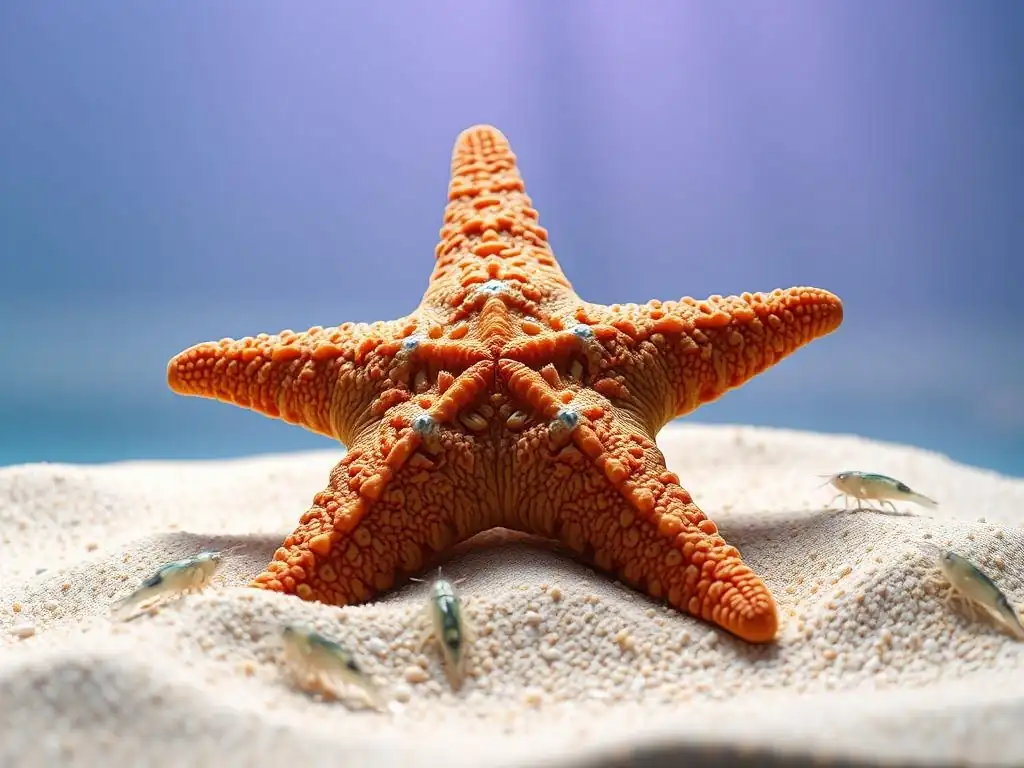
Choosing appropriate tank mates is a critical aspect of ensuring the safety and well-being of your Archaster typicus. While generally peaceful, certain species can pose a direct threat or compete excessively for vital resources.
Best Tank Mates for a Sand Sifting Starfish
The sand sifting starfish is considered reef-safe and typically coexists peacefully with a wide array of common reef inhabitants. Ideal tank mates include:
- Most Peaceful Reef Fish: Clownfish, gobies (other than large sand-sifting species), blennies, tangs, angelfish (excluding large, predatory species), and most damselfish. These fish generally ignore the starfish.
- Other Peaceful Invertebrates: Snails (e.g., Nassarius snails, turbo snails), hermit crabs (ensure they have appropriately sized shells to prevent aggression), peppermint shrimp, cleaner shrimp, and most ornamental shrimp.
- Corals: Archaster typicus does not typically bother corals. Its sifting action is confined to the sand bed, and it does not graze on coral polyps.
The key is to select tank mates that are not known predators of starfish and do not aggressively compete for the same limited food sources within the sand bed.
Incompatible Species to Avoid
To ensure the safety of your sand sifting starfish, avoid introducing or housing it with the following incompatible species:
- Starfish Predators:
- Harlequin Shrimp (Hymenocera picta): These shrimp specialize in preying on starfish and will actively hunt and consume Archaster typicus.
- Pufferfish: Many species of pufferfish, such as Dogface Puffers, have strong beaks designed for crushing shells and will readily consume starfish.
- Triggerfish: Similar to pufferfish, triggerfish are highly opportunistic predators with powerful jaws that can easily damage or consume starfish.
- Large Predatory Wrasses: Certain wrasse species, particularly those known for their predatory nature or large adult size (e.g., some Coris Wrasses, Hogfish), may view starfish as a food source.
- Aggressive Sand-Sifting Fish: While some sand-sifting gobies can be compatible, very large or numerous ones might excessively disturb the sand bed or compete too heavily for the limited food supply, potentially stressing the starfish. Research specific goby species carefully.
Always research the compatibility of any new addition before introducing it to a tank containing a sand sifting starfish to prevent unnecessary harm or stress.
Sand Sifting Starfish Breeding and Reproduction in Captivity
The reproduction of sand sifting starfish ( Archaster typicus) in a home aquarium setting is extremely rare and largely undocumented. While they do reproduce sexually in the wild, the specific conditions and larval requirements make captive breeding a significant challenge.
Challenges of Breeding Sand Sifting Starfish
The primary challenges associated with breeding Archaster typicus in captivity stem from their complex reproductive cycle and the specific needs of their planktonic larval stage. Starfish are typically gonochoristic, meaning sexes are separate, but they are visually indistinguishable. Spawning usually involves external fertilization, where males and females release gametes into the water column in response to environmental cues such as temperature changes or lunar cycles.
Once fertilized, the eggs develop into free-swimming, planktonic larvae that drift in the water column for an extended period, feeding on microscopic phytoplankton. Providing the correct type and density of specific phytoplankton species required by these larvae, along with maintaining pristine water quality for several weeks or months, is exceptionally difficult in a closed system. The survival rate of these larvae in captivity is typically very low.
Limited Knowledge on Sand Sifting Starfish Reproduction
Due to the significant challenges in culturing their larvae, there is very limited knowledge and even fewer documented cases of successful, sustained sand sifting starfish reproduction in home aquariums or even commercial aquaculture facilities. Most Archaster typicus available in the aquarium trade are wild-caught specimens, imported from their natural Indo-Pacific habitats.
This lack of captive breeding success highlights the importance of responsible sand sifting starfish care, as their population in the hobby relies almost entirely on wild populations. Aquarists are encouraged to ensure they can provide the necessary long-term care to avoid contributing to unsustainable collection practices.
Troubleshooting Common Sand Sifting Starfish Issues
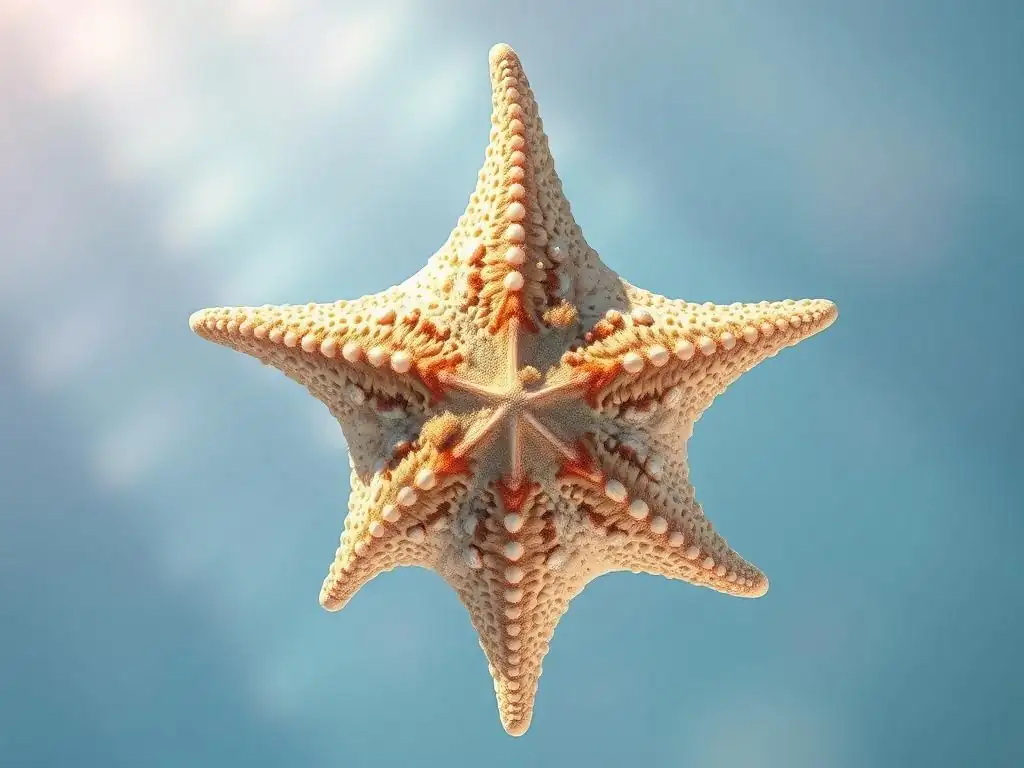
Even with diligent sand sifting starfish care, issues can arise. Understanding common problems and how to address them can significantly improve the chances of your starfish thriving.
Addressing Sand Sifting Starfish Starvation
Starvation is by far the most common and critical issue faced by Archaster typicus in captivity. If you observe signs of starvation such as shriveling arms, loss of activity, or a "deflated" appearance, immediate action is required.
First, assess your sand bed. Is it deep enough (at least 2-4 inches)? Is it mature (6+ months old)? Has it been over-cleaned?
If the sand bed is new or too clean, consider gently broadcasting fine, nutrient-rich foods like marine snow, spirulina powder, or finely crushed flake food directly over the sand bed more frequently. If your tank is too small or too sterile to sustain the starfish, the most humane option might be to move it to a larger, more established system or a refugium with a deep, mature sand bed. Avoid aggressive sand vacuuming, as this removes their food source. Ensure your filtration isn't too efficient at removing all detritus.
Dealing with Injuries or Diseases
Starfish can be susceptible to physical injuries, often from falls, aggressive tank mates, or being caught in powerheads. Diseases, often bacterial in nature, can manifest as lesions, white patches, or tissue deterioration.
If an injury occurs, ensure water quality is pristine to prevent secondary infections. Starfish possess remarkable regenerative capabilities; a lost arm can regrow if the central disc remains intact and the environment is favorable. For suspected diseases, the first and most important step is to thoroughly test and stabilize all water parameters, especially nitrates and salinity. Isolate the affected starfish in a quarantine tank with stable, clean water if possible.
Avoid using copper-based medications, as they are lethal to invertebrates. Some aquarists have used very dilute iodine dips for bacterial infections, but this should be approached with extreme caution and only as a last resort, as starfish are highly sensitive. Prevention through stable, high-quality water and appropriate tank mates is always the best approach to sand sifting starfish care.
Preventing Predation by Other Tank Inhabitants
While Archaster typicus is generally reef-safe, certain tank inhabitants pose a direct threat. Preventing predation is crucial for their survival.
Before introducing a sand sifting starfish, thoroughly research all existing and potential tank mates. If you have known starfish predators such as Harlequin Shrimp, Triggerfish, or Pufferfish, do not introduce a sand sifting starfish. If a predatory fish is observed harassing or consuming the starfish, it must be removed from the tank immediately. Ensure that the starfish has ample space to move and burrow within the sand bed, reducing the likelihood of it becoming an easy target on exposed rockwork. Proper tank mate selection is a fundamental aspect of responsible sand sifting starfish care.
Alternatives to Sand Sifting Starfish for Sand Bed Maintenance
For aquarists concerned about the long-term viability of sand sifting starfish in their systems, or those with tanks unsuitable for Archaster typicus, several excellent alternatives exist for maintaining a healthy sand bed.
Other Sand Sifting Invertebrates for Reef Tanks
Several other invertebrate species can contribute to sand bed health, each with its own advantages:
- Tiger Sand Conchs (Conomurex luhuanus): These snails are highly effective sand sifters, constantly moving through the top layers of the substrate, consuming detritus and uneaten food. They are generally considered safer for microfauna populations than starfish, as their sifting is less disruptive to deeper layers. They are also relatively hardy and easier to sustain.
- Nassarius Snails (Nassarius vibex, Nassarius distortus): While not deep sifters, Nassarius snails are excellent scavengers that work the very surface of the sand bed. They are highly active, emerging from the sand quickly when food is introduced, and consume detritus and leftover food particles. They are a valuable part of any cleanup crew but won't aerate deeper sand layers.
- Certain Gobies (e.g., Diamond Watchman Goby, Sleeper Goby): These fish actively sift sand through their gills, extracting food particles and expelling clean sand. They are highly efficient at keeping the sand bed clean and aerated. However, they can create large sand mounds, potentially burying corals, and their constant sifting can sometimes irritate certain corals with sand "showers." They also require a very deep sand bed (at least 4-6 inches) to thrive.
Manual Sand Bed Maintenance Techniques
Beyond biological cleaners, manual techniques remain essential for comprehensive sand bed maintenance, regardless of your chosen cleanup crew. These methods allow aquarists to control the level of detritus and prevent compaction without relying solely on animals.
- Light Surface Siphoning: During routine water changes, use a gravel vacuum to lightly siphon the surface of the sand bed. Focus on areas where detritus visibly accumulates, such as around rockwork or under powerheads. Avoid deep vacuuming that removes beneficial microfauna.
- Gentle Stirring: Periodically, gently stir the top inch or two of the sand bed with a small tool or your hand. This helps prevent compaction and releases trapped detritus into the water column, where it can be removed by mechanical filtration (e.g., filter socks or sponges). Do not stir the entire sand bed at once, as this can release a large amount of trapped pollutants, causing a water quality spike.
- Targeted Flow: Position powerheads strategically to create gentle flow across the sand bed. This helps prevent detritus from settling and accumulating in dead spots, keeping it suspended for removal by the tank's filtration system.
Combining these manual techniques with an appropriate cleanup crew provides a robust strategy for maintaining a healthy and pristine sand bed.
Conclusion: Is a Sand Sifting Starfish Right for Your Aquarium?
Deciding whether to add a sand sifting starfish ( Archaster typicus) to your reef aquarium requires careful consideration of its specific needs against your tank's capabilities. While these fascinating echinoderms offer distinct advantages in sand bed maintenance, they also come with significant responsibilities.
Weighing the Pros and Cons of Sand Sifting Starfish Ownership
On the positive side, Archaster typicus is an exceptional natural cleaner. Its continuous sifting activity effectively aerates the sand bed, preventing the formation of harmful anaerobic pockets, and diligently consumes detritus and uneaten food, contributing to overall water quality. For a mature, large tank with an established deep sand bed, a sand sifting starfish can be a highly beneficial and visually interesting addition, complementing other cleanup crew members.
However, the primary drawback is the high risk of starvation in tanks that cannot provide a consistent and abundant supply of microscopic detritus. Smaller tanks, newer setups, or those with very aggressive filtration often lack the necessary food source, leading to the starfish's slow demise. Furthermore, their sifting can impact beneficial microfauna populations, which are vital for other sand-dwelling inhabitants. Responsible sand sifting starfish care demands a commitment to understanding and meeting these unique dietary and environmental requirements.
Responsible Sand Sifting Starfish Keeping Practices
Ultimately, a sand sifting starfish is a suitable inhabitant for your aquarium if, and only if, you can genuinely meet its specific needs. This means:
- A Mature, Deep Sand Bed: Your tank should have a sand bed of at least 2-4 inches (5-10 cm) depth that has been established for many months (preferably 6-12+ months) to ensure a healthy accumulation of detritus and microfauna.
- Adequate Tank Size: Larger tanks (e.g., 50 gallons or more) with a significant sand bed footprint are generally more suitable for sustaining Archaster typicus long-term.
- Minimal Over-Cleaning: Avoid aggressive vacuuming or deep stirring of the sand bed, which would strip their food source.
- Appropriate Tank Mates: Ensure no predatory fish or invertebrates are present that would harm the starfish.
- Consistent Water Quality: Maintain stable and optimal water parameters, as starfish are highly sensitive to fluctuations.
By adhering to these responsible sand sifting starfish keeping practices, you can provide a thriving environment for this unique invertebrate, allowing it to contribute positively to your reef ecosystem. If these conditions cannot be met, alternative sand-sifting invertebrates or manual maintenance techniques are more appropriate and humane choices for your aquarium.
Frequently Asked Questions
What exactly is a sand sifting starfish, and why is it relevant to my aquarium?
A sand sifting starfish, such as the Archaster typicus, is a type of starfish that burrows through the sand bed in your aquarium. They are relevant because they can significantly impact the ecosystem within the sand.
Are sand sifting starfish beneficial for all aquariums?
No, they are not. They are best suited for larger, well-established aquariums with a deep sand bed. In smaller or newer tanks, they can quickly deplete the available food sources.
What are the potential downsides of keeping a sand sifting starfish?
The primary downside is that they can decimate the beneficial microfauna in your sand bed, potentially leading to nutrient imbalances and harming the overall ecosystem. They can also starve in immature or poorly fed tanks.
What are the key factors to consider before introducing a sand sifting starfish to my aquarium?
Consider the size of your tank, the depth of your sand bed (it should be at least 3 inches), and the maturity of your aquarium's ecosystem. Also, ensure you have a consistent source of food for the starfish.
How can I ensure my sand sifting starfish gets enough food in my aquarium?
Supplement their diet with detritus-based foods or small sinking pellets. Regularly observe the starfish's behavior to ensure it's actively foraging and not showing signs of starvation or stress.
Final Reflection: The Delicate Balance of the Sand Bed
The intricate ecosystem within our aquariums, particularly the sand bed, is often overlooked, yet it's a crucial foundation for a thriving aquatic environment. Understanding the role of creatures like the Archaster typicus, or sand sifting starfish, is paramount to responsible reef keeping. This article has explored the nuances of sand sifting starfish care, highlighting both the potential benefits and risks they pose to the delicate balance of the sand bed fauna.
The debate surrounding the Archaster typicus underscores a larger truth about our relationship with the natural world: our actions, however well-intentioned, can have profound and unforeseen consequences. We must strive to be informed stewards, carefully considering the impact of our choices on the ecosystems we seek to replicate. The good man is the friend of all living things.
- Mahatma Gandhi. This quote reminds us that even within the confines of our aquariums, we have a moral obligation to ensure the well-being of all creatures, large and small.
As you consider adding a sand sifting starfish to your aquarium, or perhaps re-evaluate the role of one already present, I encourage you to reflect on the information presented here. Consider the size and maturity of your sand bed, the existing population of beneficial organisms, and your ability to provide supplemental feeding if necessary. Ultimately, the decision rests with you, but let it be an informed decision, guided by a commitment to the health and sustainability of your entire reef ecosystem. Strive to be a responsible aquarist, and you will be rewarded with a thriving and beautiful underwater world.
Transform Your Aquarium: Embrace the Sand Sifting Starfish!
Thank you for diving into the world of the Sand Sifting Starfish and its impact on your aquarium's ecosystem. Now that you're equipped with a better understanding of this fascinating creature, let's turn that knowledge into action!
Here's how you can take the next step:
- Assess your aquarium's sand bed! Observe the diversity and health of your current sand bed fauna. Are there enough detritus and microorganisms to sustain a Sand Sifting Starfish?
- Consider a targeted introduction of beneficial microfauna. If your sand bed seems depleted, introduce copepods or amphipods to create a thriving ecosystem before adding a starfish.
- Share your experience! Engage with fellow aquarists on forums or social media. Have you successfully kept a Sand Sifting Starfish? What challenges did you face?
What innovative approach will you take to ensure a balanced and thriving sand bed ecosystem in your aquarium?