
Pistol Shrimp Power: More Than Just a Snap!

Welcome to Aquarium Mastery!
Ever heard the snap of a tiny shrimp that can stun its prey? Dive into the fascinating world of Pistol Shrimp tank compatibility and unlock the secrets to successfully integrating these incredible invertebrates into your freshwater or saltwater aquarium. Are you ready to discover which tank mates will thrive alongside these miniature marvels? Let's explore!
- Understanding the Pistol Shrimp: A Comprehensive Guide for Aquarium Keepers
- Pistol Shrimp Tank Compatibility: Key Considerations for a Thriving Aquarium
- Setting Up the Ideal Pistol Shrimp Habitat: Creating a Suitable Environment
- Pistol Shrimp Care: Diet, Maintenance, and Potential Problems
- The Benefits of Keeping Pistol Shrimp: More Than Just Pest Control
- Conclusion: Embracing the Power of the Pistol Shrimp in Your Aquarium
-
Frequently Asked Questions
- What exactly is "Pistol Shrimp Tank Compatibility," and why is it important?
- Which fish are generally considered safe tank mates for pistol shrimp?
- What is the significance of the goby-shrimp symbiotic relationship?
- Are there any fish or invertebrates that should never be kept with pistol shrimp?
- How can I ensure a successful "Pistol Shrimp Tank Compatibility" in my aquarium?
- Final Reflection: The Symphony of the Reef
- Unleash Your Inner Shrimp Enthusiast!
Understanding the Pistol Shrimp: A Comprehensive Guide for Aquarium Keepers
Introduction to Alpheidae: Meet the Pistol Shrimp Family
The Alpheidae family, commonly known as pistol shrimp or snapping shrimp, represents an extraordinary group of marine crustaceans renowned for their unique and powerful snapping claw. Comprising over 600 described species globally, these fascinating invertebrates inhabit diverse marine environments, from coral reefs to seagrass beds and muddy estuaries, playing crucial roles in their respective ecosystems. Their appeal in the aquarium hobby stems not only from their intriguing behavior but also from their often vibrant coloration and potential for symbiotic relationships.
Each species within the Alpheidae family possesses a distinctive large claw, disproportionately sized compared to its body, which is the secret behind their iconic "snap." While many species remain relatively small, typically ranging from 1 to 5 centimeters (0.4 to 2 inches) in length, their impact on the surrounding environment can be profound. Their presence in a saltwater aquarium adds a dynamic layer of natural behavior, making them a captivating subject for observation for aquarists interested in unique invertebrate profiles and their specific requirements, including careful consideration of pistol shrimp tank compatibility.
Pistol Shrimp Anatomy: How the "Snap" Works
The pistol shrimp's most defining anatomical feature is its highly specialized snapping claw, often referred to as the "pistol" or "hammer" claw. This claw consists of two main parts: a movable dactyl (the "thumb") and a fixed propus (the "finger"). Unlike a typical pincer claw, this modified appendage is designed for rapid closure rather than gripping. When the shrimp prepares to snap, it slowly opens the dactyl, creating a high-pressure chamber by locking it into place.
The actual "snap" occurs when the shrimp swiftly releases the dactyl, which slams into a groove on the propus with incredible force. This creates a high-speed jet of water, traveling at speeds estimated to exceed 30 meters per second (over 65 miles per hour), which is then followed by a phenomenon known as cavitation. The smaller, non-snapping claw serves as a more conventional pincer, used for manipulating food, exploring their environment, and engaging in more delicate tasks.
The Sonic Weapon: Understanding Cavitation and its Effects
The water jet generated by the pistol shrimp's snapping claw moves so rapidly that it creates a low-pressure bubble, or cavitation bubble, in the water. This bubble is a vacuum filled with water vapor from the sudden pressure drop. Within microseconds, the surrounding higher pressure water causes this bubble to violently collapse. The implosion of this cavitation bubble generates a powerful shockwave and a burst of light known as sonoluminescence, where temperatures within the collapsing bubble can momentarily reach an estimated 5,000 Kelvin (approximately 8,500°F), similar to the surface of the sun.
This rapid collapse produces an audible "snap" that can reach decibel levels exceeding 210 dB at close range, making pistol shrimp one of the loudest animals in the ocean. The primary purpose of this sonic weapon is to stun or kill small prey, such as crabs, small fish, or other invertebrates, allowing the shrimp to then consume them. Additionally, the shockwave serves as an effective defense mechanism, deterring potential predators and establishing territorial boundaries within their burrows and surrounding substrate, a critical aspect when considering pistol shrimp tank compatibility.
Pistol Shrimp Tank Compatibility: Key Considerations for a Thriving Aquarium
Defining Pistol Shrimp Tank Compatibility: What You Need to Know
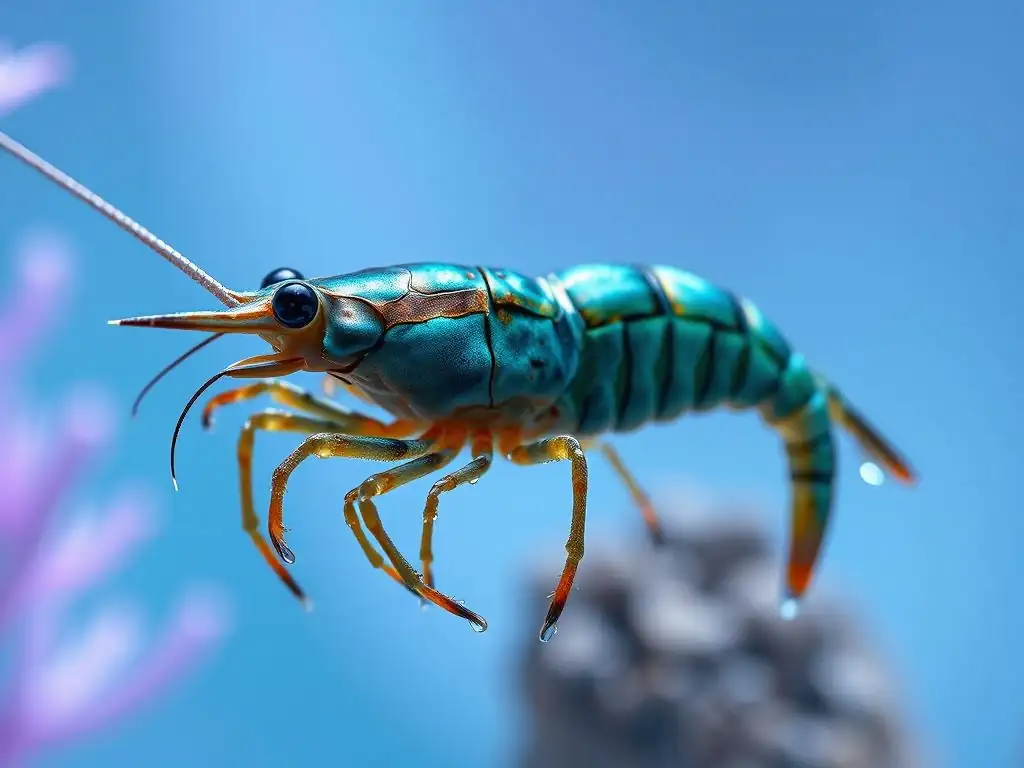
Pistol shrimp tank compatibility refers to the careful selection of tank mates that can coexist peacefully and safely with a pistol shrimp in a confined aquarium environment. This involves understanding the shrimp's natural behaviors, predatory instincts, and specific environmental needs, as well as the characteristics of potential tank inhabitants. A well-planned setup minimizes stress for all creatures, prevents predation or aggression, and ensures the long-term health and stability of the entire aquarium ecosystem.
Achieving optimal pistol shrimp tank compatibility requires foresight regarding the size of the tank, the temperament of fish and other invertebrates, and the availability of adequate hiding places. Improper choices can lead to a range of issues, from the shrimp being preyed upon by larger, aggressive fish to the shrimp itself inadvertently harming smaller, delicate invertebrates with its powerful snap. Therefore, thorough research into species-specific behaviors and requirements is paramount before introducing any new inhabitant into a pistol shrimp's domain.
Assessing Compatibility with Fish Species: Choosing the Right Tank Mates
Safe Fish Species for Pistol Shrimp Tanks: Clownfish, Firefish, and More
When planning for pistol shrimp tank compatibility with fish, selecting peaceful, non-predatory species that occupy different ecological niches is crucial. Many popular reef fish can coexist harmoniously with pistol shrimp. For instance, various species of clownfish ( Amphiprion spp.) are generally excellent choices; their mid-water swimming habits and territorial nature around an anemone (if present) mean they rarely interact directly with the bottom-dwelling shrimp. Similarly, firefish gobies ( Nemateleotris spp. ), such as the Purple Firefish or Helfrich's Firefish, are small, timid, and typically hover in the water column, posing no threat to the shrimp.
Other compatible fish often include small, peaceful gobies that do not form symbiotic relationships with shrimp, such as the Diamond Watchman Goby ( Valenciennea puellaris) or the Lawnmower Blenny ( Salarias fasciatus). These species are primarily herbivorous or detritivores, often spending their time sifting sand or grazing algae, which means their paths rarely cross in a confrontational manner with the pistol shrimp. Their calm demeanor and non-aggressive feeding habits ensure a peaceful coexistence, contributing to a balanced and stable aquarium environment.
Fish to Avoid: Species That May Prey on or Harass Pistol Shrimp
Conversely, several fish species are entirely unsuitable for a tank housing pistol shrimp due to their predatory nature or aggressive tendencies. Large predatory fish, such as lionfish ( Pterois spp. ), groupers ( Epinephelinae), or certain moray eels (e.g., Snowflake Eel, Echidna nebulosa), will view a pistol shrimp as a natural food source, making their compatibility virtually zero. Even a single snap from a pistol shrimp is unlikely to deter a determined predator of this size.
Aggressive and territorial fish, like many damselfish species ( Pomacentridae), or highly boisterous triggerfish ( Balistidae), can also pose a significant threat. These fish may harass or physically injure the shrimp, especially during molting when the shrimp is most vulnerable. Furthermore, some wrasse species, particularly larger ones or those known to consume invertebrates (e.g., some Coris or Halichoeres wrasses), should be avoided as they may actively hunt and consume the shrimp. Prioritizing careful selection is key to successful pistol shrimp tank compatibility.
Invertebrate Tank Mates: Compatibility with Other Shrimp, Crabs, and Snails
Compatible Invertebrates: Peppermint Shrimp, Turbo Snails
When considering pistol shrimp tank compatibility with other invertebrates, many species can coexist peacefully, often occupying different ecological niches within the aquarium. Peppermint shrimp ( Lysmata wurdemanni), widely known for their ability to control Aiptasia anemones, are generally excellent tank mates.
They are active cleaners and scavengers, typically found on rocks or glass, and do not compete directly with pistol shrimp for burrowing space or food. Similarly, various cleaner shrimp species, such as the Skunk Cleaner Shrimp ( Lysmata amboinensis) or Blood Red Fire Shrimp ( Lysmata debelius), are also compatible, as their cleaning stations are typically located on rockwork, far from the shrimp's burrow.
Herbivorous snails, including Turbo snails ( Turbanidae), Astrea snails ( Astrea tecta), and Nassarius snails ( Nassarius spp. ), are highly beneficial for algae control and detritus removal, and they pose no threat to pistol shrimp. Small, peaceful hermit crabs, such as Dwarf Blue Leg Hermit Crabs ( Clibanarius tricolor) or Scarlet Hermit Crabs ( Paguristes cadenati), can also be compatible. While hermit crabs occasionally scavenge, their diet and behavior typically do not conflict with the pistol shrimp, though it's always wise to monitor interactions, especially if food competition arises.
Incompatible Invertebrates: Species That May Compete or Predate
Conversely, certain invertebrates are absolutely incompatible with pistol shrimp and should never be housed together. The most prominent example is the mantis shrimp ( Stomatopoda), which are highly predatory and possess a powerful punching or spearing claw capable of easily killing a pistol shrimp. Introducing these two species into the same tank will almost invariably result in the demise of the pistol shrimp.
Large, opportunistic crabs, such as some species of Mithrax crabs if they grow too large, or certain shore crabs, can also become a threat, especially to a molting or smaller pistol shrimp. While some emerald crabs ( Mithraculus sculptus) are generally peaceful, larger individuals might prey on smaller or vulnerable shrimp.
Furthermore, housing multiple pistol shrimp of different species, or even two individuals of the same species unless they are a proven mated pair, is generally not recommended. Pistol shrimp are highly territorial and will often engage in aggressive battles for space, frequently resulting in injury or death to one of the combatants, making careful consideration of pistol shrimp tank compatibility crucial even among their own kind.
Pistol Shrimp and Goby Symbiosis: A Perfect Partnership?
The Goby-Shrimp Bond: How They Benefit Each Other
One of the most captivating and well-documented examples of mutualistic symbiosis in the marine world is the relationship between certain species of pistol shrimp and gobies. In this remarkable partnership, the pistol shrimp, with its exceptional burrowing abilities, constructs and maintains a shared burrow within the substrate, providing a secure refuge for both itself and its goby partner. The burrow offers protection from predators, a safe place to rest, and a retreat during adverse conditions.
In return for shelter, the goby acts as the "eyes" for the nearly blind shrimp. With its superior eyesight, the goby stands guard at the entrance of the burrow, constantly scanning for potential threats. When danger approaches, the goby signals the shrimp by flicking its tail, often maintaining physical contact with the shrimp's antenna. Upon receiving the warning, both creatures immediately retreat into the safety of the burrow. This mutual arrangement significantly enhances the survival chances for both the shrimp and the goby, demonstrating a prime example of successful pistol shrimp tank compatibility.
Choosing the Right Goby Species for Your Pistol Shrimp
For aquarists aiming to recreate this fascinating symbiosis, selecting the appropriate goby species is crucial for successful pistol shrimp tank compatibility. The most commonly paired and readily available goby species include various Watchman Gobies, such as the Yellow Watchman Goby ( Cryptocentrus cinctus) and the Diamond Watchman Goby ( Valenciennea puellaris). Other excellent choices include many species from the Amblyeleotris genus, such as Randall's Goby ( Amblyeleotris randalli) or the Guttata Shrimp Goby ( Amblyeleotris guttata).
When choosing a goby, it is important to ensure that it is a known symbiotic species and that its size is appropriate for the pistol shrimp. A goby that is too large might unintentionally crush the shrimp, while one that is too small might be overly timid or unable to effectively warn the shrimp. Introducing the shrimp first and allowing it to establish a burrow, then adding the goby, often yields the most successful pairing, as the goby will naturally seek out the existing shelter.
Setting Up the Ideal Pistol Shrimp Habitat: Creating a Suitable Environment
Tank Size and Substrate: Creating a Comfortable Home
Establishing an appropriate habitat is fundamental for successful pistol shrimp tank compatibility and the overall well-being of the shrimp. For a single pistol shrimp, a minimum tank size of 10 gallons (approximately 38 liters) is generally recommended, while a 20-gallon (approximately 76 liters) or larger aquarium is advisable for a pistol shrimp and its symbiotic goby partner to ensure adequate space for burrowing and swimming. The most critical element of their habitat is the substrate.
Pistol shrimp are expert burrowers, and a deep sand bed is absolutely essential for their security and natural behavior. A depth of at least 3 to 4 inches (7.5 to 10 cm) of fine to medium grain sand, such as aragonite sand with a grain size of 0.5 to 2 mm, will allow them to construct stable and intricate burrow systems.
It is also vital to ensure that any rockwork is securely placed directly on the bottom glass of the tank, rather than on the sand, to prevent it from being undermined by the shrimp's burrowing and potentially collapsing, which could trap or injure the shrimp.
Water Parameters: Maintaining Optimal Conditions for Pistol Shrimp
Maintaining stable and optimal water parameters is paramount for the health and longevity of pistol shrimp, particularly due to their delicate molting process. The specific gravity (salinity) should be kept consistently between 1.023 and 1.026. Temperature should range from 72-78°F (22-26°C), and pH levels should be maintained between 8.1 and 8.4. Fluctuations in these parameters can cause significant stress, leading to molting issues or overall decline in health.
Beyond the basic parameters, alkalinity, calcium, and magnesium levels are critically important for the formation of the shrimp's exoskeleton and successful molting. Ideal ranges include alkalinity between 8-12 dKH, calcium between 400-450 ppm, and magnesium between 1250-1350 ppm. Regular testing and consistent supplementation, if necessary, are vital to ensure these elements are available. Given their sensitivity, excellent water quality with low nitrate and phosphate levels is also essential, reinforcing the importance of a well-maintained system for pistol shrimp tank compatibility.
Providing Shelter and Hiding Places: Essential for Pistol Shrimp Security
Beyond the crucial deep sand bed for burrowing, providing ample physical shelter and numerous hiding places within the aquascape is essential for a pistol shrimp's security and comfort. A well-constructed rockscape with plenty of crevices, caves, and overhangs offers additional retreats and reduces stress. Even if the shrimp primarily uses its burrow, having accessible rocky hideouts provides alternative safe zones, especially important during the vulnerable post-molt period.
When arranging live rock, ensure that it is stable and unlikely to shift or collapse, even with the shrimp's diligent burrowing activity. Creating a foundation of larger, stable rocks directly on the tank bottom before adding sand can prevent accidents. These secure hiding spots are not only vital for the shrimp's sense of security but also contribute significantly to successful pistol shrimp tank compatibility by allowing the shrimp to retreat from more active or larger tank mates, minimizing potential stress or conflicts.
Pistol Shrimp Care: Diet, Maintenance, and Potential Problems
Feeding Your Pistol Shrimp: What to Offer and How Often
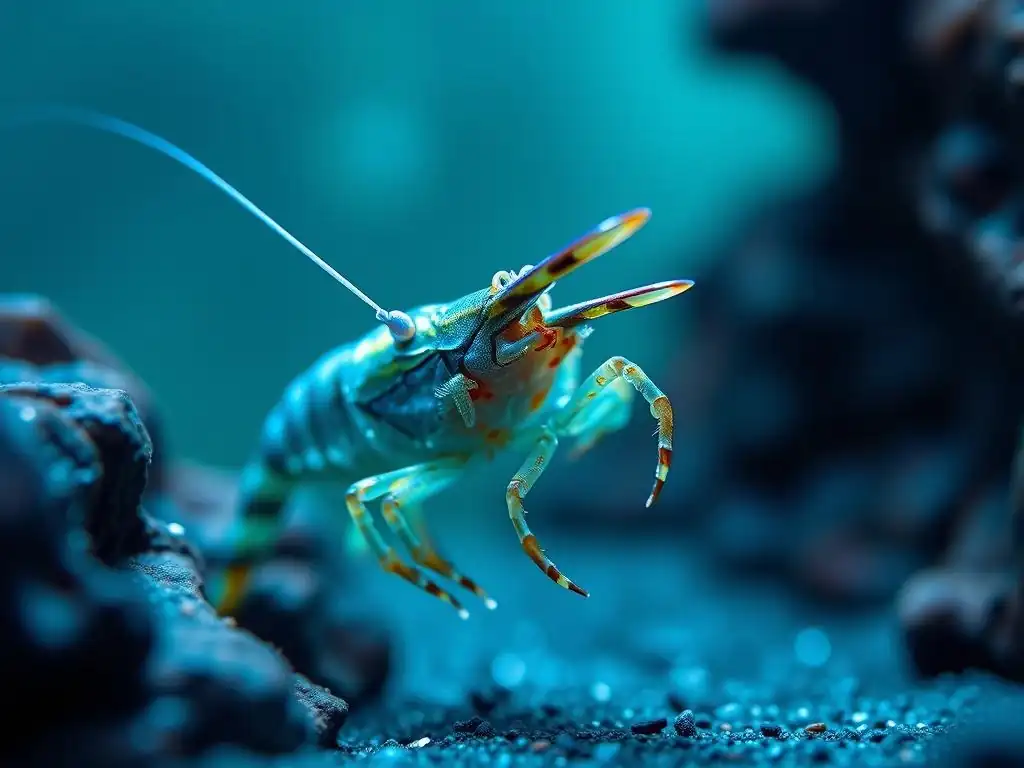
Pistol shrimp are carnivorous and require a diet rich in meaty foods to thrive. While they may scavenge for detritus and small organisms within the sand bed, supplemental feeding is crucial, especially in an aquarium setting. Suitable food options include small pieces of frozen mysis shrimp, brine shrimp, finely chopped silversides, or high-quality sinking pellets formulated for carnivorous invertebrates. Due to their often reclusive nature and potential competition from faster tank mates, target feeding can be highly beneficial.
Feeding frequency typically ranges from daily to every other day, depending on the shrimp's size and activity level. If the pistol shrimp shares a burrow with a symbiotic goby, the goby will often bring food back to the shrimp, or the shrimp may emerge to share the goby's meal. Observing the shrimp's behavior and body condition will help determine the appropriate feeding schedule. Ensuring they receive adequate nutrition is a key component of effective pistol shrimp tank compatibility and overall health.
Maintaining Water Quality: Essential Tips for a Healthy Tank
Consistent and high water quality is paramount for the health of pistol shrimp, particularly given their sensitivity to environmental changes and the demands of their molting cycle. Regular water changes are critical; a bi-weekly or monthly change of 10-20% of the tank volume helps to remove accumulated nitrates and phosphates while replenishing essential trace elements that the shrimp utilize. Always use reverse osmosis/deionized (RO/DI) water when mixing saltwater to avoid introducing unwanted contaminants.
Effective filtration, encompassing mechanical, chemical, and biological methods, is necessary to maintain low nutrient levels and clear water. A robust biological filter will process ammonia and nitrite, while mechanical filtration removes particulate matter, and chemical filtration (e.g., activated carbon) polishes the water. Consistent monitoring of water parameters, including salinity, temperature, pH, alkalinity, calcium, and magnesium, is essential to ensure stability, which directly impacts the shrimp's ability to successfully molt and thrive within its established pistol shrimp tank compatibility.
Common Issues and Troubleshooting: Recognizing and Addressing Problems
Dealing with Aggression: Managing Interactions with Tank Mates
While pistol shrimp are generally peaceful towards non-symbiotic fish, aggression can sometimes arise, particularly if tank space is limited or if incompatible tank mates are introduced. Symptoms of aggression might include the shrimp repeatedly snapping at fish or other invertebrates without provocation, or actively chasing them away from its burrow. This behavior usually stems from territorial disputes or perceived threats.
To mitigate aggression, first ensure that the tank size is adequate for all inhabitants and that there are plenty of hiding spots and rockwork to break up lines of sight. Re-evaluating pistol shrimp tank compatibility is crucial; if highly aggressive or predatory fish are present, they may need to be removed. Providing target feeding can reduce competition for food. If aggression occurs between two pistol shrimp, separation might be necessary unless they are a confirmed breeding pair, as they are highly territorial towards conspecifics.
Addressing Molting Issues: Ensuring Successful Shedding
Molting, the process of shedding their old exoskeleton to grow, is a critical and vulnerable period for pistol shrimp. Problems during molting are often indicative of underlying issues in the aquarium environment. Symptoms of a problematic molt include an incomplete shed (where parts of the old shell remain attached), lethargy, a white or opaque appearance to the shrimp's body, or ultimately, death.
The primary causes of molting issues are poor water quality, specifically unstable or insufficient levels of alkalinity, calcium, and magnesium, which are vital for shell formation. Stress, often from incompatible tank mates or inadequate hiding places, can also contribute. To address these problems, ensure water parameters are consistently optimal and stable through regular testing and supplementation.
Providing a secure, stress-free environment with ample hiding spots is also essential. In some cases, a high-quality iodine supplement can be considered, though it should be used cautiously and precisely, as overdosing can be harmful. Leaving the shed exoskeleton in the tank for a short period allows the shrimp to reabsorb valuable minerals.
The Benefits of Keeping Pistol Shrimp: More Than Just Pest Control
Natural Pest Control: How Pistol Shrimp Help Maintain a Healthy Ecosystem
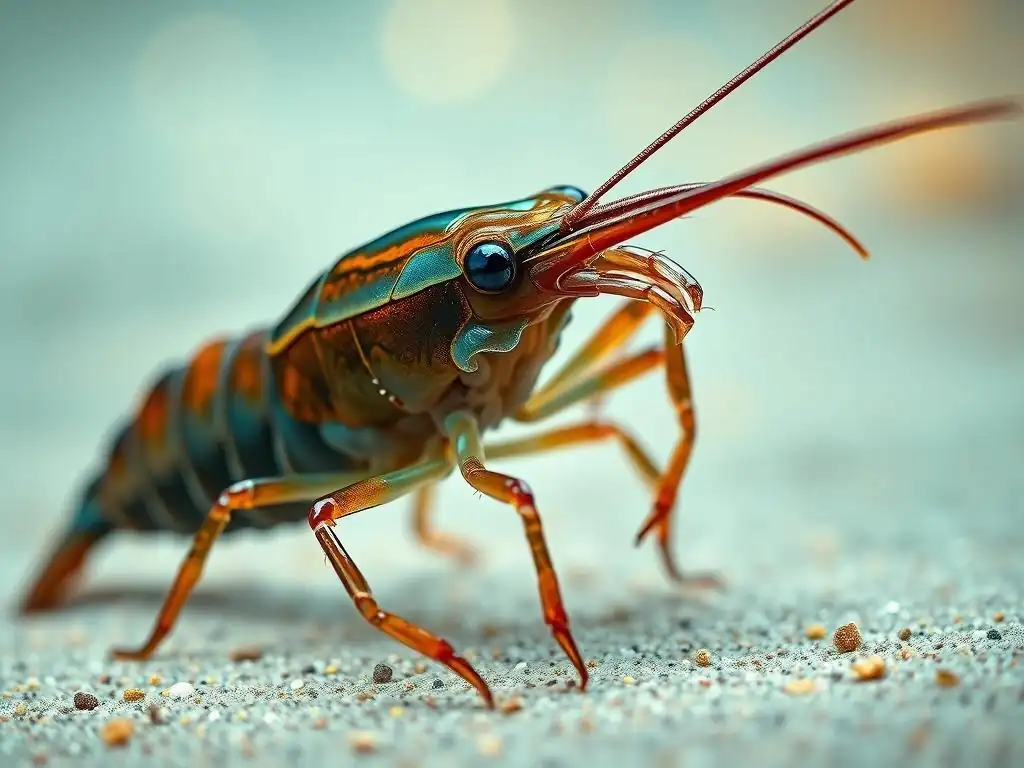
While not their primary role, pistol shrimp can contribute to the natural pest control and overall health of an aquarium ecosystem, albeit indirectly for most species. Some specific species, like Alpheus bellulus (Tiger Pistol Shrimp), have been anecdotally reported to consume small Aiptasia anemones, though they are not as reliable as Peppermint Shrimp for dedicated pest control. More broadly, their constant burrowing activity is highly beneficial.
Their diligent excavation and sifting of the sand bed help to aerate the substrate, preventing the formation of anoxic (oxygen-deprived) dead spots that can harbor harmful bacteria and release undesirable compounds. This continuous disturbance also helps to turn over detritus and organic matter, making it more accessible to beneficial bacteria and facilitating its breakdown, thus contributing to a cleaner and healthier substrate. This active role in substrate maintenance is a significant, if often overlooked, benefit to the overall tank's stability and pistol shrimp tank compatibility.
Unique Behaviors: Observing Fascinating Interactions in Your Aquarium
One of the most compelling reasons to keep pistol shrimp is the sheer fascination of observing their unique behaviors. The powerful "snap" itself, an audible and visible demonstration of their incredible biological mechanism, is a constant source of wonder. Hearing the distinct click emanating from your aquarium adds an exciting, natural soundscape. Beyond the snap, their burrowing habits are mesmerizing to watch as they meticulously excavate and reshape the substrate.
The quintessential highlight for many aquarists is witnessing the symbiotic relationship between a pistol shrimp and its goby partner. Observing the goby standing guard, flicking its tail to warn the shrimp, and both instantly retreating into their shared burrow when sensing danger provides a captivating glimpse into the intricate partnerships found in marine ecosystems. These unique interactions add a dynamic, educational, and engaging dimension to any home aquarium, enriching the experience of maintaining diverse marine life.
Contributing to a Balanced Reef Environment: The Pistol Shrimp's Role
Pistol shrimp play a vital, often underestimated, role in maintaining a balanced reef environment, both in the wild and in a home aquarium. Their continuous burrowing and sifting of the sand bed are crucial for substrate aeration, preventing compaction and the buildup of toxic hydrogen sulfide gas in deeper anaerobic zones. This constant turnover promotes a healthy ecosystem within the sand bed, benefiting countless micro-organisms and contributing to overall water quality.
By disturbing the substrate, pistol shrimp also contribute to nutrient cycling. They can unearth trapped detritus and organic material, making it available for processing by the filtration system or consumption by other detritivores. Their presence enhances the biodiversity of the aquarium, mimicking the complex natural habitats found on coral reefs. This active contribution to substrate health and ecological balance makes pistol shrimp far more than just an interesting novelty; they are valuable members of a thriving reef ecosystem, solidifying their positive impact on overall pistol shrimp tank compatibility.
Conclusion: Embracing the Power of the Pistol Shrimp in Your Aquarium
Frequently Asked Questions
What exactly is "Pistol Shrimp Tank Compatibility," and why is it important?
Pistol Shrimp Tank Compatibility refers to the ability of a pistol shrimp to coexist peacefully and beneficially with other tank inhabitants. Understanding this is crucial to avoid aggression, predation, or instability within your aquarium ecosystem.
Which fish are generally considered safe tank mates for pistol shrimp?
Generally, peaceful, non-aggressive fish that don't compete for bottom-dwelling resources are good companions. Examples include small gobies, dartfish, and certain types of wrasses that are not known to prey on invertebrates.
What is the significance of the goby-shrimp symbiotic relationship?
This is a mutually beneficial relationship where the goby acts as a "watchman," alerting the shrimp to danger. In return, the shrimp provides a burrow for the goby, offering shelter and protection.
Are there any fish or invertebrates that should never be kept with pistol shrimp?
Yes, aggressive predators like triggerfish, larger predatory crabs, and mantis shrimp should be avoided. They will likely prey upon or harass the pistol shrimp, leading to its demise.
How can I ensure a successful "Pistol Shrimp Tank Compatibility" in my aquarium?
Research thoroughly! Carefully select compatible tank mates based on temperament, size, and dietary needs. Also, ensure the tank is large enough to provide adequate space and hiding places for all inhabitants.
Okay, here's a final reflection designed to fit your article "Pistol Shrimp Power: More Than Just a Snap!" and its focus on "Pistol Shrimp Tank Compatibility," using the structure you provided.
Final Reflection: The Symphony of the Reef
The exploration of pistol shrimp tank compatibility, as we've seen, is more than just a checklist of species; it's a deep dive into the delicate balance of a miniature ecosystem. Understanding these intricate relationships is crucial for responsible reef keeping and ensuring the well-being of all inhabitants. The success of a reef tank hinges on respecting the natural order, even within the confines of glass walls.
This journey into the world of pistol shrimp and their potential tank mates has underscored the importance of informed decision-making in aquariums. It's a reminder that we, as keepers, are stewards of these fragile environments, and our choices have profound consequences. In nature, nothing exists alone.
- Rachel Carson. This quote resonates deeply when considering the complex web of interactions within a reef tank, where the compatibility of even the smallest creatures can determine the overall health and vitality of the entire system.
Now, armed with this knowledge, I encourage you to reflect on your own role in the reef-keeping community. Consider how you can apply these insights to create thriving, harmonious environments for your aquatic companions. Let's strive to move beyond simply owning a reef tank, and instead, embrace the responsibility of cultivating a sustainable and balanced ecosystem, one snap and one compatible species at a time.
Unleash Your Inner Shrimp Enthusiast!
Thanks for diving deep into the fascinating world of pistol shrimp! We hope you've gained a new appreciation for these tiny titans and their incredible sonic abilities. Now, it's time to take your passion to the next level!
Here are a few ways to continue your journey:
- Start a Shrimp-tastic Journal: Document your observations of shrimp behavior in your aquarium (or research! ), noting any unusual interactions or snapping patterns. You might just uncover new insights!
- Champion Shrimp Conservation: Share this article with fellow aquarium lovers to spread awareness about the importance of protecting these unique creatures and their habitats.
- Explore the Bioacoustics of the Deep: Delve into the world of underwater soundscapes, researching how other marine animals use sound to communicate and navigate, and present your findings in an easy-to-understand blog.
Ready to observe and contribute to the knowledge of these extraordinary crustaceans?