
Cerith, Trochus, Astrea, Turbo: Choosing the Right AlgaeEating Snails for Your Reef

Welcome to Aquarium Mastery!
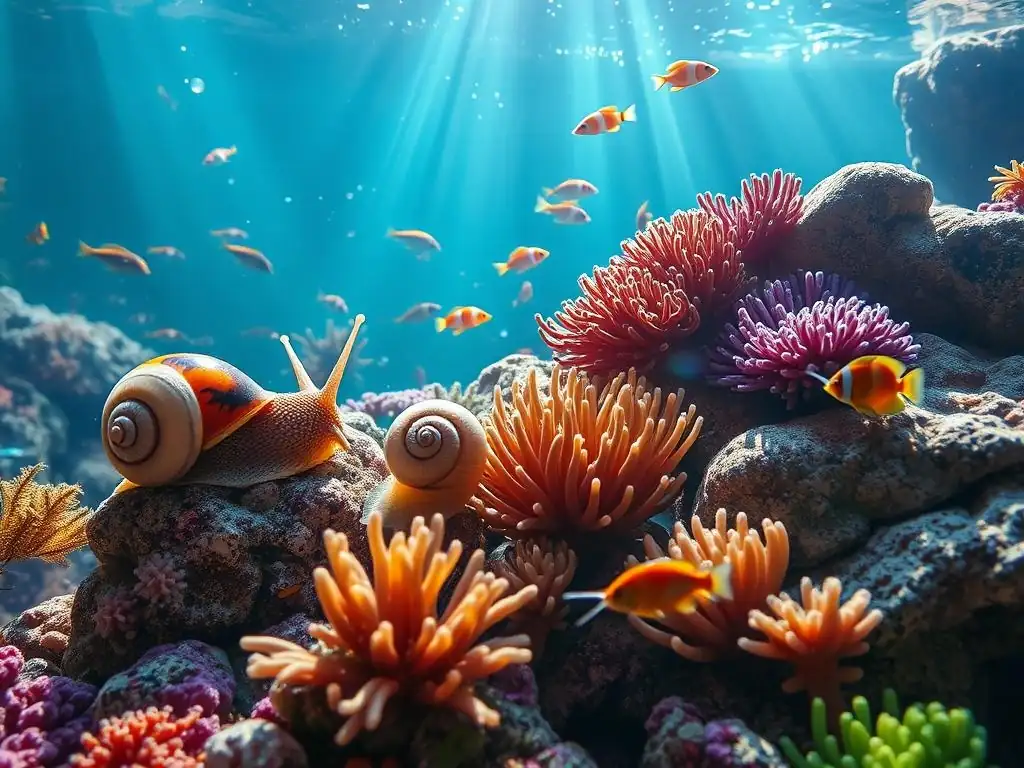
Ever wondered which reef snails eat algae best and keep your precious coral thriving? Choosing the right cleanup crew is crucial for a healthy reef tank, but with so many options like Cerith, Trochus, Astrea, and Turbo snails, where do you even begin? Dive in and let's unravel the secrets to selecting the perfect algae-eating snails for your reef aquarium – your vibrant underwater world awaits!
Understanding Algae Growth in Reef Tanks
Factors Contributing to Algae Blooms in Marine Aquariums
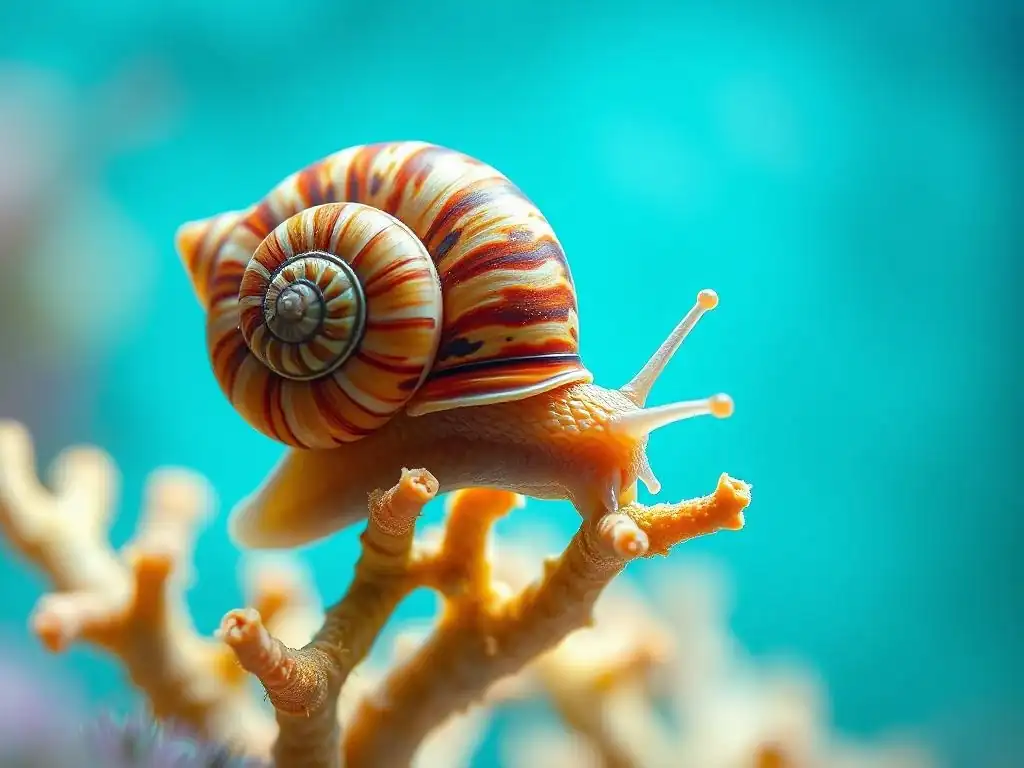
Algae blooms are a common challenge for reef aquarists, often signaling an imbalance in the delicate marine ecosystem. The primary culprits behind excessive algae growth are elevated nutrient levels, specifically nitrates and phosphates. These nutrients can accumulate from various sources, including overfeeding fish, decaying organic matter like uneaten food or dead organisms, and insufficient water changes.
For instance, even small amounts of uneaten food can break down, releasing phosphates that can quickly fuel an algae explosion, especially when concentrations exceed 0.03 parts per million (ppm). Furthermore, the quality of source water plays a critical role; tap water, even if dechlorinated, often contains silicates and phosphates that act as direct fertilizers for many types of algae.
Beyond nutrient availability, other environmental factors significantly influence algae proliferation. Inadequate or excessive lighting, particularly in terms of duration and intensity, can stimulate algae growth. Many reef aquarists find that leaving lights on for more than 10-12 hours a day can contribute to algae issues, as algae often outcompete corals for light resources in nutrient-rich conditions.
Poor water circulation, which creates stagnant areas where detritus can settle and decompose, also contributes to localized nutrient hotspots. Moreover, a lack of a robust clean-up crew, which includes effective reef snails that eat algae, allows initial algae spores to establish and spread unchecked, leading to more significant problems down the line.
Different Types of Algae Found in Reef Tanks and Their Impact
Reef tanks can host a variety of algae types, each presenting its own challenges and indicating specific underlying issues. Diatoms, often appearing as a brown, dusty film, are common in new or immature tanks as silicates become available. While generally harmless and self-limiting as the tank matures, persistent diatom blooms can indicate high silicate levels in source water or excessive detritus.
Hair algae, or filamentous algae, is one of the most frustrating types, forming long, green strands that can quickly blanket rocks and corals. Its presence almost always signals elevated nitrates and phosphates, and if left unchecked, it can smother corals by blocking light and inhibiting their ability to feed, directly impacting the aesthetic and health of the reef.
Another prevalent type is cyanobacteria, often mistakenly called "red slime algae," which is actually a photosynthetic bacterium. It appears as a dark red, purple, or even black slimy mat that spreads rapidly, especially in areas of low flow. Cyanobacteria thrives on nitrates and phosphates, often preferring low oxygen environments.
Dinoflagellates (Dinos) are another concerning type, presenting as snot-like brown or clear stringy films, sometimes with bubbles. They can be highly toxic to tank inhabitants and are notoriously difficult to eradicate, often indicating a severe nutrient imbalance or an overwhelmed biological filter. Bubble algae, characterized by green, spherical growths, can also be problematic; while some reef snails eat algae including certain types of bubble algae, manual removal can release spores, leading to further spread.
The Role of Nutrient Control in Preventing Algae Problems
Effective nutrient control is the cornerstone of preventing and managing algae problems in a reef aquarium. The most fundamental strategy involves regular and consistent water changes, typically 10-20% weekly or bi-weekly, using high-quality Reverse Osmosis/Deionized (RO/DI) water. This process directly removes accumulated nitrates, phosphates, and other dissolved organic compounds that fuel algae growth. For example, a 20% weekly water change in a 100-gallon system effectively removes a significant portion of dissolved nutrients, helping to keep parameters like nitrates below 10 ppm and phosphates below 0.05 ppm, which are desirable targets for a healthy, algae-free reef.
Beyond water changes, diligent husbandry practices are crucial. This includes careful feeding to prevent uneaten food from decaying, siphoning out detritus from sumps and display tanks, and regular cleaning of filter socks and protein skimmers. Utilizing phosphate-removing media like Granular Ferric Oxide (GFO) or biopellets can actively strip phosphates from the water column, significantly reducing the primary food source for many algae types.
Furthermore, maintaining a diverse and active clean-up crew, featuring various reef snails that eat algae such as Cerith, Trochus, and Turbo snails, provides continuous grazing pressure. These snails constantly scour surfaces, consuming algae before it can establish a foothold, making them an indispensable part of a proactive algae management strategy.
Frequently Asked Questions
What types of algae do reef snails typically eat?
Reef snails consume a variety of algae, including hair algae, diatoms, and cyanobacteria. The specific type they prefer can vary depending on the snail species.
How many reef snails should I add to my aquarium?
The number of snails depends on your tank size and algae levels. A good starting point is 1 snail per gallon for severe algae problems, adjusting based on results.
Which reef snail is best for controlling hair algae?
Turbo snails are generally considered the best for controlling hair algae, due to their large size and voracious appetite. However, they can sometimes knock over corals.
Are reef snails compatible with all reef inhabitants?
Most reef snails are peaceful, but some larger species like Turbo snails can accidentally disturb corals. Always research compatibility with your specific reef ecosystem.
What should I do if my reef snails are not eating algae?
Check your water parameters and ensure they are within acceptable ranges. Also, make sure there's enough algae available; supplemental feeding may be necessary if algae is scarce.
Final Reflection: The Silent Guardians of Our Reefs
The delicate balance within a reef aquarium hinges on the often-unseen labor of its inhabitants, and as we've explored, the selection of effective algae-eating snails is paramount to maintaining that equilibrium. The choices we make in stocking our tanks directly impact the health and vibrancy of these miniature ecosystems, underscoring the responsibility we bear as reef keepers to understand the specific needs and contributions of each species.
This journey into the world of Cerith, Trochus, Astrea, and Turbo snails has highlighted not just their individual strengths in combating algae, but also the broader importance of biodiversity within our reef tanks. My own experiences have shown me that a carefully curated cleanup crew, tailored to the specific algae challenges, can be far more effective than relying on a single "super snail." In nature, there are no rewards or punishments; there are consequences.
- Robert Green Ingersoll. This quote reminds us that our actions, whether informed or not, have direct consequences on the delicate balance of our reef environments.
As you consider the future of your own reef aquarium, I encourage you to reflect on the lessons learned here. Don't just see these snails as mere cleanup tools, but as vital partners in creating a thriving underwater world. Take the time to observe, research, and understand the unique needs of your reef, and choose your algae-eating snails wisely. By doing so, you'll not only combat unwanted algae but also contribute to the long-term health and beauty of your reef, ensuring its vibrant future for years to come.
Ignite Your Reef: Unleash the Algae-Busting Power!
Thank you for diving into the world of reef-cleaning snails! Now that you're armed with the knowledge to select the perfect algae-eating crew, it's time to take action and create a thriving ecosystem.
Here are a few things you can do to continue your reef-keeping journey:
- Prioritize your selection! Carefully observe your aquarium's specific algae types and choose the snails that target those issues most effectively.
- Delve deeper into the nuances of reef keeping. Visit our resources for a complete understanding!
- Share your algae-control triumphs (and tribulations!) on social media and tag us!
Ready to witness the transformative power of the right snails in your reef tank?