
Breeding Clownfish at Home: The Ultimate Guide for Aspiring Aquarists

Welcome to Aquarium Mastery!
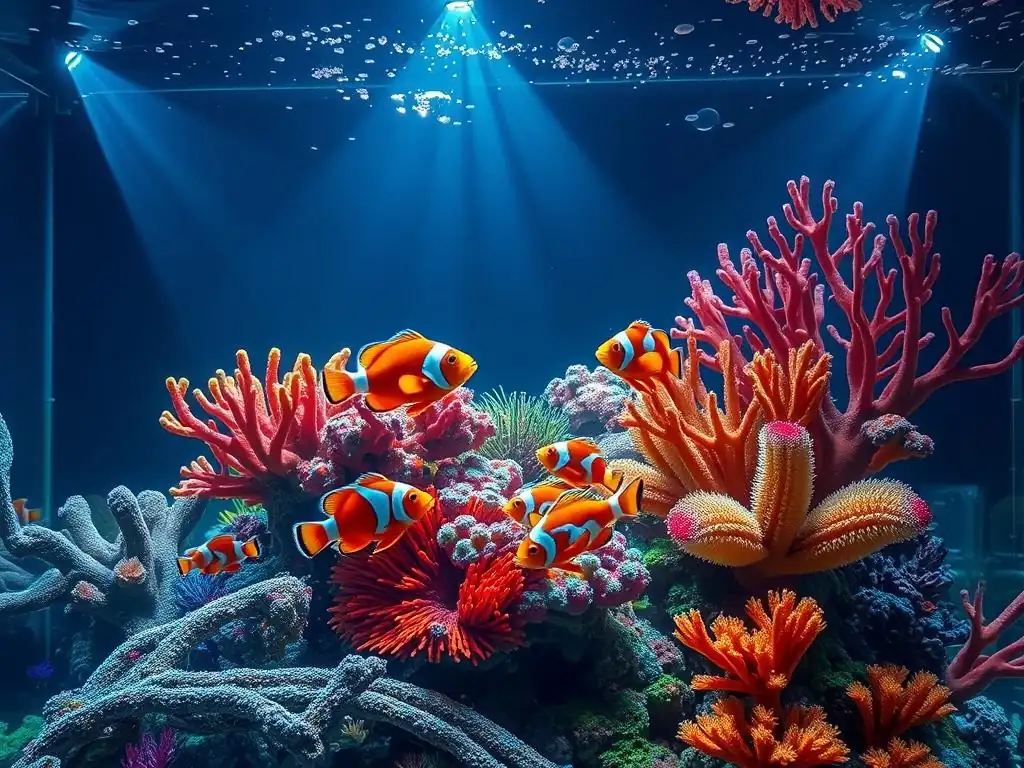
Ever dreamed of witnessing the magic of clownfish breeding right in your own living room? Breeding clownfish in a home aquarium can seem like a daunting task, but with the right knowledge and a little dedication, it's absolutely achievable. Dive into our ultimate guide and discover the secrets to creating the perfect environment for these captivating creatures to thrive and reproduce. Are you ready to embark on this rewarding journey? Let's get started!
- Introduction to Clownfish Breeding in Home Aquariums
- Setting Up Your Clownfish Breeding Tank: Essential Equipment and Conditions
- Choosing the Right Clownfish Pair for Breeding
- The Clownfish Breeding Process: From Spawning to Hatching
- Raising Clownfish Fry: A Detailed Guide to Larval Care
- Troubleshooting Common Clownfish Breeding Problems
- Growing Out Juvenile Clownfish: Preparing for Sale or Trade
- Advanced Clownfish Breeding Techniques
- Conclusion: The Rewards of Clownfish Breeding in Your Home Aquarium
-
Frequently Asked Questions
- How difficult is it to breed clownfish in a home aquarium?
- What size tank is recommended for breeding clownfish?
- What are the key water parameters needed for successful clownfish breeding?
- What do clownfish fry eat, and how often should they be fed?
- How long does it take for clownfish eggs to hatch, and what care is required after hatching?
- Final Reflection: Nurturing Life's Tiny Miracles
- Unveil Your Inner Aquarist: Start Breeding Clownfish Today!
Introduction to Clownfish Breeding in Home Aquariums
Why Breed Clownfish at Home?
Engaging in clownfish breeding home aquarium projects offers a unique blend of personal satisfaction and a tangible contribution to marine conservation. By successfully breeding clownfish in a controlled environment, aquarists can reduce the demand for wild-caught specimens, helping to alleviate pressure on natural reef populations. This practice supports sustainable aquaculture and ensures a healthier, more robust supply of captive-bred fish for the hobby. Furthermore, observing the intricate breeding behaviors and the miraculous transformation from tiny eggs to vibrant fry is an incredibly rewarding experience that deepens one's connection to the marine world.
Beyond the environmental benefits, clownfish breeding at home can also be an educational endeavor, providing invaluable insights into marine biology and the delicate balance of an aquatic ecosystem. It challenges an aquarist's skills in water chemistry, nutrition, and disease prevention, pushing them to master advanced husbandry techniques. Many hobbyists also find a sense of community by sharing their experiences and knowledge with others, potentially even establishing a small-scale operation to supply local fish stores or fellow enthusiasts with their captive-bred clownfish.
Is Clownfish Breeding Right for You? Considering the Commitment
Undertaking clownfish breeding home aquarium projects requires a significant commitment of time, resources, and patience. It's not merely about setting up a tank; it involves dedicated daily care, meticulous observation, and a willingness to learn from both successes and failures. Aspiring breeders must be prepared to invest in specialized equipment, such as rotifer cultures and fry foods, and allocate considerable time for feeding the delicate larvae, which often require multiple feedings throughout the day and night during their initial, critical weeks.
The journey of breeding clownfish at home can be challenging, with potential setbacks like infertile eggs, fry mortality, or issues with water quality. However, these challenges also present opportunities for growth and learning. Before embarking on this endeavor, it's crucial to assess your current aquarium experience, available space, and financial capacity. A successful clownfish breeding home aquarium operation demands consistent dedication, but the rewards—witnessing new life emerge and contributing to the hobby's sustainability—are profoundly fulfilling.
Setting Up Your Clownfish Breeding Tank: Essential Equipment and Conditions
Choosing the Right Size Breeding Tank for Clownfish
The ideal tank size for a clownfish breeding home aquarium setup is crucial for the pair's comfort, successful spawning, and ease of maintenance. While some pairs might spawn in tanks as small as 10-15 gallons, a 20-gallon long or a 30-40 gallon breeder tank is generally recommended as a minimum. These larger footprints provide ample swimming space for the adult pair, reduce territorial aggression, and offer a more stable environment for water parameters, which is vital for egg development and overall fish health.
A larger tank also allows for more consistent water temperatures and salinity, minimizing fluctuations that could stress the breeding pair or harm developing eggs. For species like the popular Ocellaris or Percula clownfish, a 20-gallon long (approximately 30"x12"x12") offers sufficient horizontal space for the pair to establish a territory and lay eggs on a chosen surface, such as a terracotta pot or a piece of tile. For larger species or multiple pairs (though not recommended for beginners), even larger tanks, perhaps 50-75 gallons, would be necessary to accommodate their needs and reduce potential conflicts.
Essential Equipment for a Clownfish Breeding Setup
Establishing a dedicated clownfish breeding home aquarium requires specific equipment to ensure optimal conditions for spawning and larval survival. Unlike a typical display tank, the breeding setup prioritizes stability, hygiene, and the unique needs of developing fry. Key components include a reliable heating system, appropriate filtration, specialized lighting, and dedicated surfaces for egg deposition.
Filtration and Water Quality for Clownfish Breeding
Maintaining pristine water quality is paramount for clownfish breeding success. For the adult breeding tank, simple, efficient filtration is often preferred. Sponge filters, air-driven and weighted to sit on the bottom, are an excellent choice because they provide gentle biological filtration without creating strong currents that could disturb eggs or tiny fry if they hatch prematurely.
These filters also avoid the risk of sucking up delicate larvae, a common issue with power filters or sumps. It's advisable to use two sponge filters to allow for staggered cleaning, maintaining a consistent bacterial colony. For the fry tank, even simpler aeration or very gentle air stone bubbling might be sufficient, as water changes will be frequent and more critical than mechanical filtration.
Chemical filtration, such as activated carbon, should be used sparingly or avoided during the actual breeding cycle, especially when eggs are present, as it can remove beneficial compounds or medications if treatment becomes necessary. Instead, focus on mechanical removal of detritus through regular siphoning and frequent, small water changes to manage nitrates and phosphates. The goal is a stable, clean environment that mimics natural reef conditions as closely as possible, supporting both adult health and the delicate development of clownfish eggs.
Lighting for Clownfish Spawning and Larval Development
Lighting plays a role in signaling the natural day-night cycle for clownfish, which is important for their spawning behavior. For a clownfish breeding home aquarium, moderate, consistent lighting is generally sufficient, typically a photoperiod of 12-14 hours. High-intensity lighting, often used for coral growth, is not necessary and can even be detrimental by promoting excessive algae growth on spawning surfaces, which might deter the pair or smother eggs. Simple LED or fluorescent fixtures designed for general aquarium illumination work well.
More importantly, once the eggs are laid, the lighting should remain consistent. For the subsequent fry tank, very dim lighting or even complete darkness for the first few hours after hatching can be beneficial, as newly hatched clownfish larvae are highly sensitive to light. As they develop and begin to feed, a low-intensity light source is needed to help them locate their microscopic food sources, such as rotifers. A small, adjustable LED light positioned near the fry tank can provide this controlled illumination.
Heating and Temperature Control for Optimal Breeding
Precise and stable temperature control is critical for successful clownfish breeding. Clownfish typically spawn readily when the water temperature is maintained consistently between 78-82°F (25.5-27.8°C). Fluctuations outside this range can stress the fish, inhibit spawning, or negatively impact egg development. A reliable, submersible aquarium heater, appropriately sized for the tank volume, is essential. Using two smaller heaters instead of one large one can provide a safeguard against heater failure and help maintain a more even temperature distribution.
It is highly recommended to use an external temperature controller in conjunction with the heater. This device provides an additional layer of safety by preventing the heater from overheating the water if its internal thermostat malfunctions. Maintaining this stable warm temperature encourages the pair to condition themselves for spawning and ensures that the eggs develop at an optimal rate, leading to a higher hatch rate for your clownfish breeding home aquarium efforts.
Preparing the Breeding Tank: Cycling and Water Parameters
Before introducing your chosen breeding pair, the clownfish breeding home aquarium must be fully cycled. This process establishes a robust colony of beneficial nitrifying bacteria that convert toxic ammonia and nitrite into less harmful nitrate. A proper cycle typically takes 4-6 weeks and can be initiated using a live rock, a small piece of established filter media from another tank, or by adding a bacterial starter culture. Rushing this step can lead to unstable water parameters, stressing the fish and jeopardizing breeding success.
Once cycled, regular testing of water parameters becomes a daily or weekly routine, especially as the fish begin to breed. Key parameters to monitor include ammonia, nitrite, nitrate, pH, salinity, alkalinity, and calcium. Consistency is more important than hitting exact target numbers, but aiming for a stable environment within acceptable ranges will significantly increase your chances of successful clownfish breeding.
Maintaining Ideal Water Chemistry for Clownfish Breeding
For optimal clownfish breeding home aquarium conditions, specific water chemistry parameters must be meticulously maintained. Salinity should be kept stable at 1.024-1.026 specific gravity, ideally using a high-quality refractometer for accuracy. The pH should be between 8.1 and 8.4, and alkalinity (dKH) between 8-12. Calcium levels should be maintained at 400-450 ppm. Regular partial water changes, typically 10-20% weekly, using properly mixed and aged saltwater, are crucial for replenishing trace elements and removing accumulated nitrates.
Beyond the basic parameters, attention to detail also involves avoiding sudden changes. When performing water changes, ensure the new water matches the tank's existing temperature and salinity as closely as possible. Consistent water quality reduces stress on the breeding pair, encourages spawning, and provides the best possible environment for the delicate eggs and subsequent clownfish fry. Any deviation can lead to reduced fertility, fungal growth on eggs, or even complete cessation of spawning activity.
Selecting Your Clownfish Breeding Pair: Compatibility and Health
The success of your clownfish breeding home aquarium hinges significantly on the selection of a healthy and compatible breeding pair. Clownfish are protandrous hermaphrodites, meaning they are born male and the largest, most dominant fish in a group will eventually become female. This natural sex change mechanism is key to forming a successful breeding pair. Often, aquarists start with two juvenile clownfish of varying sizes, allowing them to naturally pair up and for the larger one to transition into a female.
When choosing fish, look for active, alert specimens with vibrant coloration, clear eyes, and no visible signs of disease, such as fin rot, cloudy eyes, or white spots (Ich). Avoid fish that appear listless, have clamped fins, or show any lesions. A healthy pair is the cornerstone of a productive clownfish breeding program, ensuring robust offspring and consistent spawning.
Choosing the Right Clownfish Pair for Breeding
Identifying Male and Female Clownfish for Breeding
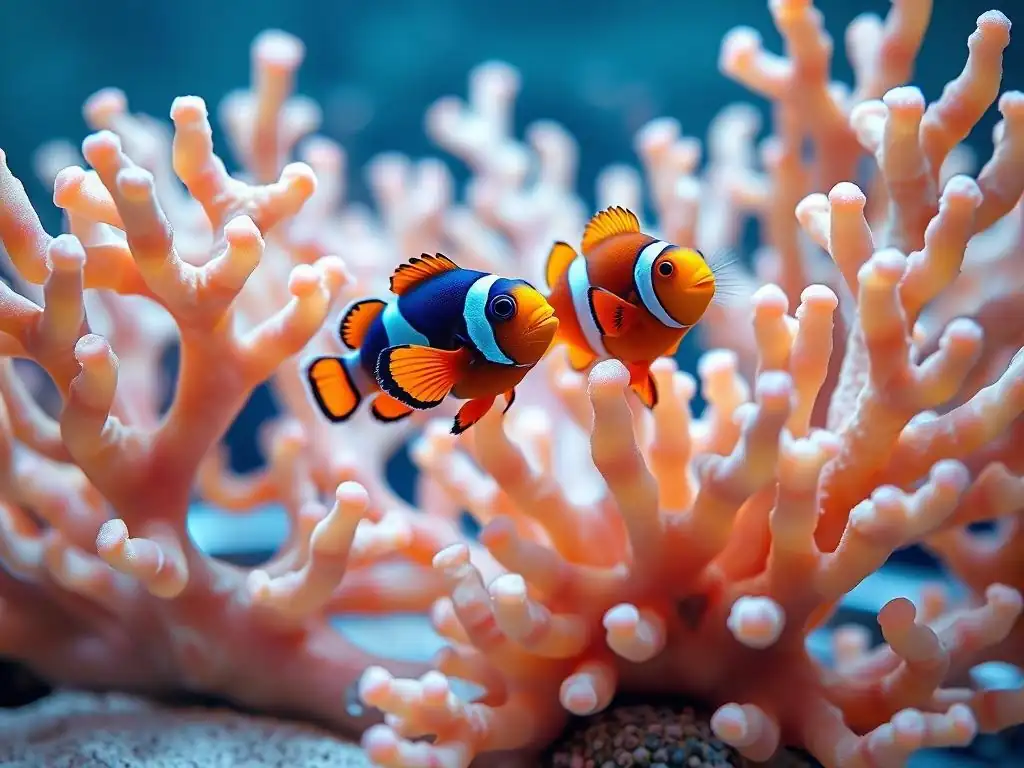
Identifying the sexes of clownfish for clownfish breeding home aquarium purposes is relatively straightforward once they begin to pair up. Clownfish exhibit protandrous hermaphroditism, meaning all clownfish are born male. In a group, the largest and most dominant individual will undergo a sex change to become the female, while the second largest will remain a functional male. The female will typically be noticeably larger than the male, sometimes by a factor of two or three times in length and girth.
Observing a size disparity is the most reliable visual cue. A pair where the female is significantly larger than the male indicates a well-established pair ready for clownfish reproduction. While it's possible to introduce two juveniles and allow them to pair naturally, starting with an already bonded pair from a reputable breeder or supplier can accelerate the process, as the sex change and pairing ritual can take several months to over a year in a home aquarium.
Selecting a Healthy and Compatible Clownfish Pair
The foundation of a successful clownfish breeding home aquarium lies in acquiring a healthy and compatible pair. When selecting your clownfish, whether from a local fish store or a fellow hobbyist, prioritize their overall health. Look for fish that are active, swimming freely, and showing no signs of disease such as torn fins, lesions, white spots, or labored breathing. Their coloration should be vibrant and their bodies full, not emaciated.
Compatibility is equally important. If you are not purchasing an already bonded pair, it's best to introduce two juvenile clownfish of different sizes. The larger one will typically become the female, and the smaller one will remain the male. Observe their interaction closely; a healthy pairing will show a clear dominance hierarchy but without excessive aggression. The male will often "shiver" or "tremble" in front of the female, a submissive behavior that indicates a strong bond and readiness for clownfish breeding. Avoid pairs that exhibit constant fighting or bullying, as this stress will inhibit spawning.
Introducing the Pair to the Breeding Tank: Minimizing Stress
Introducing your chosen clownfish breeding pair to their dedicated tank requires careful attention to minimize stress, which can delay or prevent spawning. Begin by drip acclimating them slowly to the new tank's water parameters over at least an hour, or even longer, to allow them to adjust to differences in salinity, pH, and temperature. Sudden changes can induce shock or stress, potentially leading to disease or a reluctance to breed.
Once acclimated, release them into the pre-cycled breeding tank. Provide plenty of hiding spots, even if they are just PVC pipes or terracotta pots, to give them a sense of security and reduce initial territorial disputes. Keep the lighting subdued for the first day or two. Observe their behavior closely; a healthy pair will explore their new environment, establish territories, and begin to interact. Minimize external disturbances, loud noises, or sudden movements around the tank during this critical initial period to ensure a calm and conducive environment for your clownfish breeding home aquarium project.
The Clownfish Breeding Process: From Spawning to Hatching
Understanding the Clownfish Breeding Cycle
The clownfish breeding cycle in a home aquarium is a fascinating, predictable process once a pair has bonded and conditioned. Spawning typically occurs every 10 to 14 days, with the frequency influenced by factors such as water quality, diet, and temperature. The female initiates the process by cleaning a chosen spawning site, often a flat rock, a terracotta pot, or a piece of tile, sometimes even the glass bottom. The male then joins in, meticulously preparing the surface for the eggs.
Once the site is prepared, the female will make repeated passes over it, depositing small, oval-shaped eggs, usually orange or reddish in color. The male follows closely behind, fertilizing the eggs with each pass. A typical clutch can range from a few hundred to over a thousand eggs, depending on the size and age of the female. This entire process, from cleaning to egg deposition, can take several hours, usually occurring in the late afternoon or early evening.
Creating the Ideal Spawning Conditions
To encourage regular spawning in your clownfish breeding home aquarium, replicating ideal natural conditions is key. A stable water temperature between 78-82°F (25.5-27.8°C) is crucial, as is consistent high-quality nutrition. Feed the breeding pair a varied diet of high-quality frozen foods (e.g., mysis shrimp, enriched brine shrimp, spirulina-enriched foods) and flake or pellet foods multiple times a day. This ensures they receive all necessary nutrients and lipids for egg production.
Providing a suitable spawning substrate is also vital. While some clownfish will lay eggs directly on the tank glass, offering a terracotta pot turned on its side, a flat piece of ceramic tile, or a smooth rock will often be preferred. The pair will meticulously clean this surface before depositing eggs. Maintaining low stress levels by minimizing external disturbances and ensuring consistent water parameters further contributes to a successful and regular clownfish breeding routine.
Clownfish Spawning Behavior: What to Expect
Observing the clownfish spawning behavior is one of the most rewarding aspects of clownfish breeding home aquarium efforts. Prior to spawning, the pair will become noticeably more active around their chosen spawning site. The female will often rub her belly against the surface, testing it, while the male will engage in vigorous cleaning, using his mouth to clear away any detritus or algae. The male may also display "shivering" or "quivering" behavior in front of the female, a courtship ritual.
During the actual spawning, the female will make repeated passes, laying adhesive, oval-shaped eggs in neat rows. The eggs are typically orange to reddish-brown when first laid, indicating their health and fertility. The male follows immediately behind, fertilizing the eggs. This synchronized dance can last for several hours. Once all eggs are laid, both parents, but primarily the male, will diligently guard and fan the eggs, ensuring proper oxygenation and preventing fungal growth. This parental care is a clear sign of a successful clownfish breeding event.
Caring for Clownfish Eggs: Incubation and Protection
After the eggs are laid, the male clownfish takes on the primary role of caring for them in the clownfish breeding home aquarium. He will diligently fan the eggs with his pectoral fins, which provides crucial oxygenation and helps to remove any detritus or dead eggs. He will also mouth the eggs, meticulously cleaning them and removing any infertile or fungused eggs. This parental care is vital for the successful development of the clownfish eggs.
The eggs typically hatch within 7 to 10 days, depending on the water temperature. As they approach hatching, their color will darken, and you will begin to see the silver eyes of the developing fry through the egg membrane. It's crucial to ensure that the water flow around the eggs is gentle yet sufficient to prevent stagnation and fungal growth. Overly strong currents can dislodge the eggs, while insufficient flow can lead to oxygen deprivation.
Preventing Fungus on Clownfish Eggs
Fungus is a common threat to developing clownfish eggs in a clownfish breeding home aquarium. It appears as a white, fuzzy growth on the egg cluster and typically indicates dead or unfertilized eggs, which then spread to healthy ones. The primary defense against fungus is diligent parental care, as the male clownfish will actively clean and remove affected eggs. However, if parental care is lacking or the clutch is very large, additional measures may be necessary.
Ensuring strong, yet gentle, water circulation directly over the eggs is paramount. This prevents stagnant water pockets where fungus thrives. If you notice signs of fungus, carefully siphoning out the affected eggs can help prevent its spread. Some breeders opt for very mild doses of antifungal treatments, but this should be approached with caution as it can also impact healthy eggs. Maintaining optimal water quality and temperature also significantly reduces the likelihood of fungal outbreaks.
Ensuring Proper Water Circulation for Egg Health
Proper water circulation around clownfish eggs is absolutely critical for their development and to prevent fungal infections in a clownfish breeding home aquarium. The male clownfish naturally provides this by fanning the eggs, but supplemental circulation can also be beneficial, especially for large clutches or if the male's fanning seems inadequate. Gentle water flow ensures a constant supply of oxygen to the developing embryos and helps to sweep away waste products.
Positioning an air stone or a small, low-flow powerhead (aimed away from the eggs to avoid direct impingement) near the spawning site can enhance circulation. The goal is to create a gentle current that washes over the eggs without dislodging them. This consistent flow is vital for maintaining the viability of the clownfish eggs and significantly increases the hatch rate, paving the way for the next stage of clownfish breeding home aquarium success: raising the fry.
Raising Clownfish Fry: A Detailed Guide to Larval Care
Hatching Clownfish Eggs: Timing and Observation
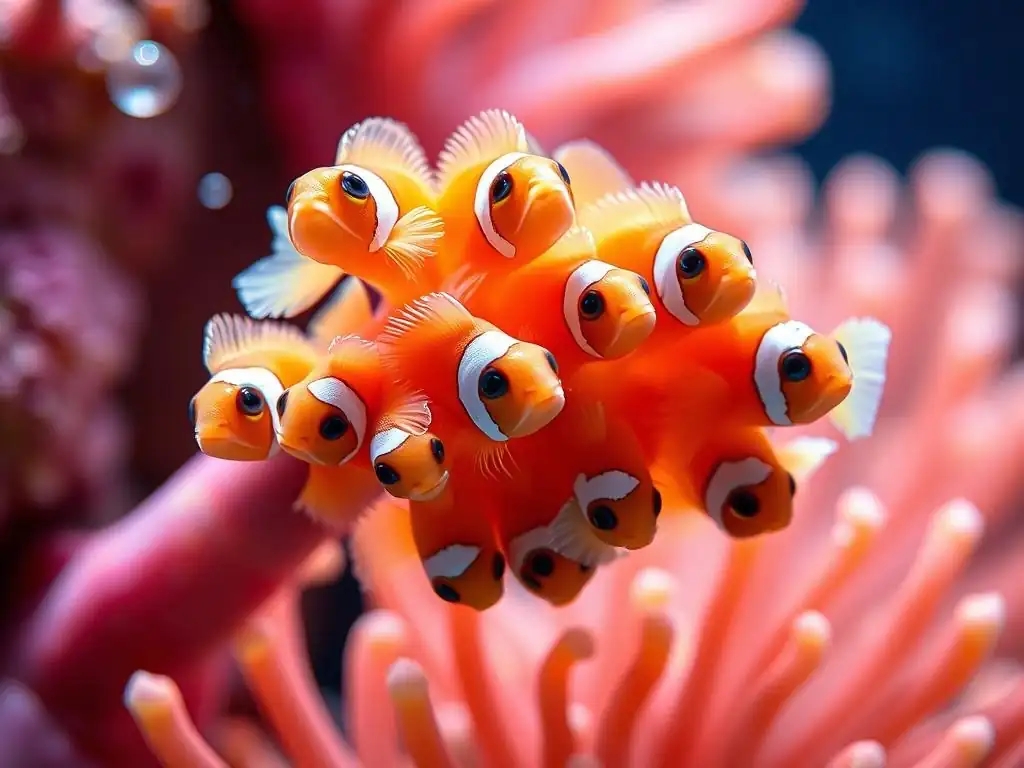
The hatching of clownfish eggs is a delicate and often dramatic event, typically occurring 7 to 10 days after spawning, usually at night, shortly after the tank lights go out. As the eggs near hatching, their color will change from a vibrant orange to a duller, more translucent appearance, and the tiny silver eyes of the developing fry will become clearly visible within the egg membrane. This "silver eye" stage is a strong indicator that hatching is imminent, often within 24-48 hours.
To prepare for hatching in your clownfish breeding home aquarium, it's crucial to remove the egg cluster (if it's on a removable substrate like a tile or pot) and transfer it to a dedicated fry rearing tank. If the eggs are on the tank glass, the adult pair must be removed. This prevents the adults from consuming the newly hatched fry.
The fry tank should be prepared beforehand with appropriate water parameters and a gentle air stone for circulation. Once hatched, the minute, almost transparent larvae will be drawn to a light source, making them easier to observe and manage.
The Critical First Days: Feeding Clownfish Fry
The first few days of a clownfish fry's life are the most critical, largely due to their incredibly small size and specific dietary requirements. Newly hatched clownfish larvae are typically around 3-4 millimeters long and possess a very small mouth, making them unable to consume standard aquarium foods. Their survival hinges entirely on the immediate availability of appropriately sized live food, usually within hours of hatching, as their yolk sac is depleted very quickly.
Failure to provide the correct food during this initial period is the leading cause of high clownfish fry mortality rates in clownfish breeding home aquarium setups. They require microscopic organisms that are both small enough to fit into their mouths and nutritious enough to fuel their rapid growth. This critical stage demands diligent observation and a ready supply of live feed cultures.
Choosing the Right First Foods for Clownfish Larvae
For the initial feeding of clownfish fry, the choice of food is paramount due to their extremely small mouthparts. The industry standard and most successful first food is rotifers (specifically Brachionus plicatilis). These microscopic organisms, typically 100-200 microns in size, are perfectly suited for newly hatched clownfish larvae. They are easily digestible and provide the essential nutrients needed for the fry's rapid development.
Beyond rotifers, some advanced breeders might experiment with smaller copepod nauplii, but rotifers remain the most accessible and reliable first food for clownfish breeding home aquarium projects. It is crucial to enrich the rotifers with a high-quality nutritional supplement (e.g., Selco, Nannochloropsis algae) for at least 12-24 hours before feeding to ensure they are packed with essential fatty acids and vitamins, which are vital for the fry's health and survival.
Rotifers: The Cornerstone of Clownfish Fry Nutrition
Rotifers are undeniably the cornerstone of successful clownfish fry nutrition during their first critical week or so. These tiny zooplankton provide the perfect size and nutritional profile for newly hatched clownfish larvae, whose mouths are too small to consume even newly hatched brine shrimp. A consistent, high-density culture of rotifers (e.g., 10-20 rotifers per milliliter of water in the fry tank) must be maintained and fed to the fry continuously or in multiple small feedings throughout the day and night.
Culturing rotifers for your clownfish breeding home aquarium requires a separate setup, typically involving a dedicated container, an air pump for aeration, and a microalgae feed (such as Nannochloropsis or Tetraselmis). Maintaining healthy, dense rotifer cultures ensures a steady supply of live food, which is absolutely essential to prevent starvation and achieve high survival rates for your delicate clownfish fry. Without a reliable rotifer culture, clownfish breeding success is severely limited.
Maintaining Water Quality in the Fry Tank
Maintaining impeccable water quality in the clownfish fry tank is arguably as critical as providing adequate food. Due to the high feeding frequency and the metabolic waste of hundreds of tiny larvae, nitrates and ammonia can rapidly accumulate, becoming toxic. Unlike adult tanks, mechanical filtration is often avoided in fry tanks to prevent sucking up the delicate larvae, so water changes become the primary method of waste removal.
Daily, small water changes (10-20%) are typically necessary, using aged, temperature-matched, and salinity-matched saltwater. Gentle aeration via an air stone is usually the only form of "filtration," providing oxygen and some circulation. Siphoning the bottom of the tank daily to remove uneaten food and waste is also crucial. This diligent maintenance regimen is vital for the survival and healthy development of the clownfish fry in your clownfish breeding home aquarium.
Weaning Clownfish Fry onto Dry Food
The process of weaning clownfish fry from live foods like rotifers onto dry, prepared foods is a significant milestone in clownfish breeding home aquarium efforts. This transition typically begins when the fry are around 7-10 days old and have grown sufficiently, their mouths now large enough to accept slightly larger particles. Successfully weaning them reduces the reliance on live food cultures, making ongoing care much more manageable.
High-quality, finely powdered dry foods specifically designed for marine fish larvae, such as Otohime A or B, or various brands of micro-pellets, are excellent choices. Begin by introducing the dry food in very small quantities alongside the live rotifers, gradually increasing the proportion of dry food while decreasing the live feed over several days. Observe the fry closely to ensure they are actively consuming the dry food. This gradual transition minimizes stress and ensures the fry continue to receive adequate nutrition as they grow.
Preventing Diseases in Clownfish Fry: Hygiene and Observation
Preventing diseases in clownfish fry is paramount, as they are highly susceptible to pathogens due to their undeveloped immune systems and the often dense conditions in rearing tanks. Strict hygiene practices are the first line of defense in any clownfish breeding home aquarium. All equipment used in the fry tank, from feeding pipettes to siphons, should be meticulously cleaned and ideally sterilized before each use to prevent the introduction of bacteria or parasites.
Constant, vigilant observation is also critical. Look for any changes in behavior, such as lethargy, abnormal swimming patterns, or signs of physical ailments like white spots or discolored patches. Early detection allows for prompt intervention, though treating diseases in fry can be challenging. Maintaining pristine water quality through regular water changes and avoiding overfeeding are the most effective preventive measures against outbreaks. A healthy, stress-free environment is the best defense for your delicate clownfish fry.
Troubleshooting Common Clownfish Breeding Problems
Why Aren't My Clownfish Breeding? Identifying Potential Issues
One of the most common frustrations in clownfish breeding home aquarium endeavors is when a seemingly healthy pair fails to spawn. Several factors can contribute to this lack of activity. First, ensure your pair is truly a bonded male and female with a clear size difference; sometimes two males will "pair" but never breed. Age is another factor; clownfish typically reach sexual maturity around 1.5 to 2 years of age, so younger pairs may simply not be ready.
Environmental conditions play a huge role. Suboptimal water parameters (e.g., fluctuating temperature, incorrect salinity, high nitrates), insufficient or inconsistent feeding with a high-quality, varied diet, or persistent stress (e.g., from excessive tank activity, loud noises, or an unsuitable tank environment) can all inhibit spawning. Reviewing your setup, diet, and water parameters methodically and making gradual adjustments can often resolve the issue and encourage your clownfish breeding pair to begin their reproductive cycle.
Dealing with Aggression in the Breeding Pair
While clownfish pairs typically establish a harmonious relationship with the female being dominant, aggression can sometimes arise, especially in a clownfish breeding home aquarium where space is limited. Mild chasing or nipping from the larger female towards the male is normal and part of their pairing dynamic, but excessive or persistent aggression that results in physical injury or extreme stress to the male is a problem that needs addressing.
Aggression can be exacerbated by insufficient space, lack of hiding spots for the male, or an imbalance in the pair dynamic. If severe aggression occurs, consider adding more visual barriers or structures (like PVC pipes or terracotta pots) to the tank to provide the male with refuge. In extreme cases, temporary separation of the male (e.g., using a tank divider) might be necessary to allow him to recover. Ensuring the pair is well-fed and that water parameters are stable can also reduce stress-induced aggression, promoting a more conducive environment for clownfish breeding.
Egg Loss and Fungus: Prevention and Treatment
Egg loss and fungal infections are common setbacks in clownfish breeding home aquarium efforts. Eggs can be lost due to being unfertilized, dislodged by strong currents, or consumed by the parents if they are stressed or inexperienced. Fungus, appearing as white, fuzzy growth, typically attacks dead or unfertilized eggs and can quickly spread to healthy ones, leading to significant clutch loss.
Prevention is key. Ensure proper water circulation around the eggs through gentle aeration, which provides oxygen and helps prevent stagnation where fungus thrives. The male's diligent fanning and cleaning of the eggs are also vital; if he's not performing this role effectively, it could indicate stress or inexperience. If fungus appears, the male will often try to remove affected eggs. For large outbreaks, carefully siphoning out the affected eggs can help. Maintaining pristine water quality and a stable environment will significantly reduce the likelihood of these issues, improving your clownfish breeding success.
Fry Mortality: Diagnosing and Addressing the Causes
High clownfish fry mortality is a disheartening but common challenge in clownfish breeding home aquarium projects, especially for beginners. The primary cause of death in newly hatched fry is almost always starvation. Their tiny mouths require microscopic live food (rotifers) almost immediately upon hatching, and if this food is not present in sufficient quantities and density, the fry will perish within days. Inconsistent feeding schedules or insufficient rotifer enrichment are also major contributors.
Other significant causes include poor water quality (ammonia, nitrite, or nitrate spikes), sudden temperature or salinity fluctuations, and disease outbreaks. Overcrowding in the fry tank can also lead to stress and reduced growth. To mitigate mortality, ensure a continuous, dense supply of enriched rotifers from the moment of hatching, perform daily small water changes using perfectly matched water, and avoid overfeeding to prevent water fouling. Meticulous hygiene in the fry tank and vigilant observation for any signs of distress are also crucial for improving clownfish breeding survival rates.
Growing Out Juvenile Clownfish: Preparing for Sale or Trade
Providing Adequate Space for Growing Clownfish
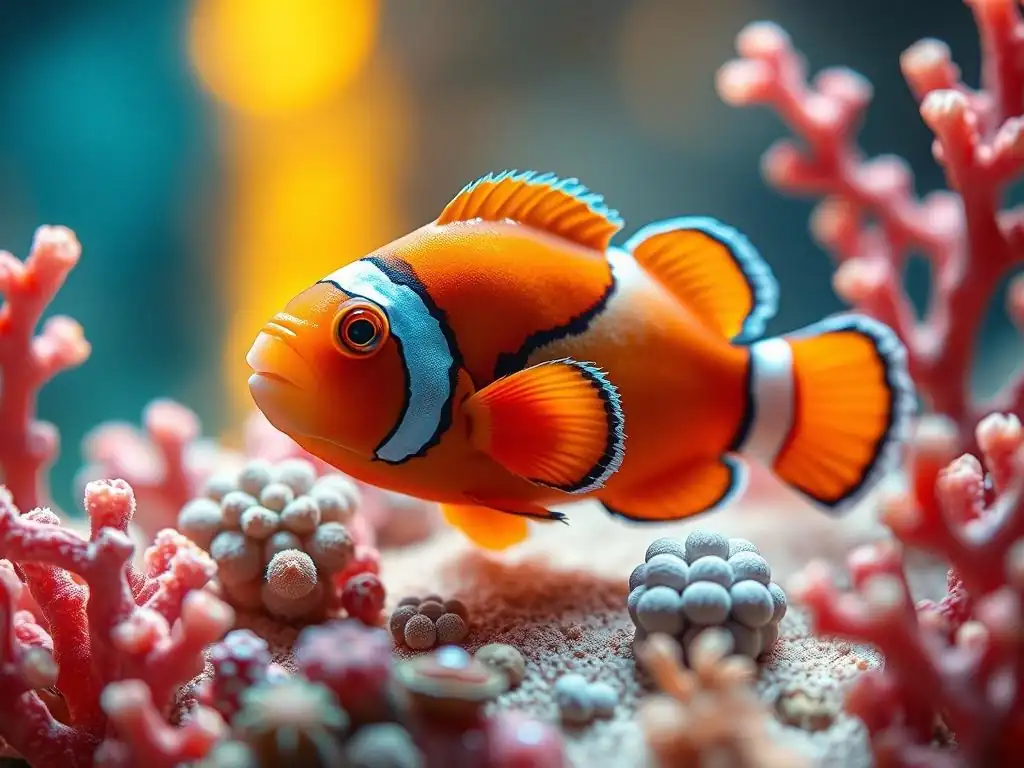
As clownfish fry grow into juveniles, their space requirements increase significantly. What was once adequate for hundreds of microscopic larvae will quickly become overcrowded for dozens of growing fish. Overcrowding can lead to stunted growth, increased aggression, and higher susceptibility to disease, all of which are detrimental to your clownfish breeding home aquarium efforts.
Once the fry have fully metamorphosed and are actively consuming dry foods (typically around 3-4 weeks post-hatch), they should be moved to larger grow-out tanks. A good rule of thumb is to provide at least 1-2 gallons of water per juvenile clownfish initially, increasing this as they grow larger. Multiple grow-out tanks may be necessary to accommodate different sizes or batches of fish. Adequate space promotes healthy growth, vibrant coloration, and reduces stress, preparing them well for their future homes.
Maintaining Optimal Water Quality for Juvenile Development
Maintaining optimal water quality is as crucial for growing juvenile clownfish as it is for the breeding pair and the fry. As the juveniles consume more food and produce more waste, regular water changes become even more important in the grow-out tanks of your clownfish breeding home aquarium. Weekly water changes of 20-30% are recommended, using properly mixed and aged saltwater that matches the tank's parameters.
Consistent monitoring of ammonia, nitrite, and nitrate levels is essential. While the juveniles are more robust than the fry, they are still sensitive to poor water conditions. A reliable filtration system, such as sponge filters or a small hang-on-back filter, can be introduced at this stage to assist with biological and mechanical filtration. Keeping nitrates low (below 20 ppm) and ensuring stable pH (8.1-8.4) and salinity (1.024-1.026) will promote rapid, healthy growth and vibrant coloration, key indicators of successful clownfish breeding.
Grading and Separating Clownfish by Size
As juvenile clownfish grow, it's common to observe variations in their growth rates, leading to different sizes within the same batch. To prevent aggression and potential cannibalism, it is crucial to grade and separate clownfish by size in your clownfish breeding home aquarium. Larger, more dominant individuals may bully or even consume smaller tank mates, especially if food is scarce or space is limited.
Regularly sorting your juvenile clownfish into separate grow-out tanks based on their size (e.g., small, medium, large) helps ensure that all fish have equal access to food and reduces stress from constant harassment. This practice also allows you to optimize feeding for each size group. Grading not only improves survival rates but also results in more uniformly sized, healthier clownfish, making them more appealing for sale or trade within the clownfish breeding community.
Preparing Clownfish for Sale or Trade: Quarantine and Observation
Once your juvenile clownfish have reached a marketable size (typically 1-1.5 inches), preparing them for sale or trade requires a final phase of careful management: quarantine and observation. Even if the fish appear healthy, a dedicated quarantine tank for at least 2-4 weeks is highly recommended before introducing them to a new system or sending them to a buyer. This practice protects both your main breeding system and the recipient's tank from potential disease transmission.
During quarantine, observe the clownfish closely for any signs of illness, such as white spots, fin rot, or unusual behavior. Continue to provide a high-quality diet and maintain pristine water parameters. This period allows the fish to de-stress and ensures they are robust and healthy for their new homes. Properly preparing your clownfish for sale or trade reflects professionalism and contributes positively to the reputation of your clownfish breeding home aquarium operation, fostering trust within the hobby.
Advanced Clownfish Breeding Techniques
Selective Breeding for Desired Traits
Once a solid foundation in basic clownfish breeding home aquarium practices is established, aquarists can explore advanced techniques like selective breeding. This involves carefully choosing breeding pairs based on desirable traits, such as unique color patterns, enhanced finnage, or increased hardiness. For instance, many popular designer clownfish morphs, like "Snowflake," "Picasso," or "Black Ice," are the result of years of selective breeding programs.
To engage in selective breeding, you would identify offspring from your clutches that exhibit the desired characteristics most strongly. These individuals would then be raised to maturity and potentially paired with another clownfish displaying similar or complementary traits. This process requires patience and meticulous record-keeping over multiple generations. Through selective breeding, hobbyists can contribute to the development of new and exciting variations within the clownfish breeding hobby, pushing the boundaries of what's possible in a home aquarium.
Understanding Clownfish Genetics and Variations
A deeper dive into clownfish breeding home aquarium can involve understanding the basic genetics behind their various color patterns and mutations. Most designer clownfish morphs are the result of specific genetic mutations that affect pigment production or pattern development. For example, the "Picasso" pattern in Percula clownfish is often linked to a dominant gene that causes irregular white banding.
While the full genetic mapping of every clownfish variation is complex, understanding dominant and recessive traits can help predict the outcomes of specific pairings. For instance, breeding a standard Ocellaris with a "Black Ocellaris" will likely yield a mix of both, while breeding two "Snowflake" clownfish might produce a higher percentage of "Snowflake" offspring, along with some "Extreme Snowflakes" or standard Ocellaris, depending on the specific genetic background. This knowledge allows advanced clownfish breeding enthusiasts to intentionally create new and exciting patterns, adding a scientific layer to the hobby.
Breeding Different Clownfish Species (Hybridization Considerations)
Breeding different species of clownfish, known as hybridization, is an advanced and often debated topic in clownfish breeding home aquarium circles. While some clownfish species can interbreed (e.g., Ocellaris and Percula, leading to "Percularis" hybrids), this practice is generally not recommended for beginners. Hybridization can produce offspring with unique appearances, but it also carries ethical and practical considerations.
One primary concern is the potential for diluting the genetic purity of individual species, especially if hybrids are unknowingly introduced back into the general trade as purebreds. Furthermore, some hybrid crosses may result in infertile offspring or fish with reduced vigor. While it can be a fascinating genetic experiment for experienced aquarists, those embarking on clownfish breeding should typically focus on successfully breeding pure strains of a single species before considering the complexities and implications of hybridization.
Conclusion: The Rewards of Clownfish Breeding in Your Home Aquarium
Contributing to the Sustainability of the Aquarium Hobby
Embarking on clownfish breeding home aquarium projects offers a profound opportunity to contribute directly to the sustainability of the marine aquarium hobby. By successfully producing captive-bred clownfish, you actively reduce the demand for wild-caught specimens, thereby lessening the ecological footprint on delicate coral reef ecosystems. Each clownfish you raise from egg to adult represents one less fish taken from the ocean, playing a vital role in conservation efforts and promoting responsible aquaculture practices within the industry.
This commitment to captive breeding not only benefits wild populations but also results in hardier, more disease-resistant fish for fellow aquarists. Captive-bred clownfish are already accustomed to aquarium life and prepared foods, making them easier to care for and less prone to stress and common ailments. Your dedication to clownfish breeding directly supports a more ethical and environmentally conscious future for marine aquaria.
The Satisfaction of Raising Clownfish from Egg to Adult
Beyond the significant contribution to sustainability, the personal satisfaction derived from clownfish breeding home aquarium is immense and deeply rewarding. Witnessing the entire life cycle of these charismatic fish, from the meticulous parental care of the eggs to the miraculous hatching of microscopic fry, and finally, their transformation into vibrant juvenile clownfish, is an unparalleled experience. It's a testament to your dedication, skill, and patience as an aquarist.
Successfully raising a batch of clownfish from egg to adult provides a profound sense of accomplishment and a unique connection to the marine world. It refines your understanding of water chemistry, fish nutrition, and larval care, pushing your husbandry skills to new heights. The journey of clownfish breeding is challenging, but the joy of seeing your efforts culminate in healthy, thriving offspring makes every late-night feeding and meticulous water change unequivocally worthwhile.
Frequently Asked Questions
How difficult is it to breed clownfish in a home aquarium?
Breeding clownfish can be challenging but is achievable with proper research and dedication. It requires specific environmental conditions and understanding of their breeding behavior.
What size tank is recommended for breeding clownfish?
A tank of at least 20 gallons is recommended, although larger is better. This provides ample space for the pair to establish a territory and for the growing fry.
What are the key water parameters needed for successful clownfish breeding?
Maintaining stable and pristine water parameters is crucial. This includes a specific gravity of 1.025, a pH between 8.0 and 8.4, and a temperature of 80-82°F.
What do clownfish fry eat, and how often should they be fed?
Clownfish fry require very small food items, such as rotifers or copepods, multiple times a day. A consistent and nutritious diet is essential for their survival and growth.
How long does it take for clownfish eggs to hatch, and what care is required after hatching?
Clownfish eggs typically hatch in 6-11 days, depending on the water temperature. After hatching, the fry need a separate rearing tank and careful monitoring of water quality and feeding.
Final Reflection: Nurturing Life's Tiny Miracles
The journey of breeding clownfish, as we've explored, isn't just about mastering the technicalities of water parameters and feeding schedules; it's about participating in a delicate dance of life and creation. The ability to replicate a slice of the ocean's vibrant ecosystem within the confines of our homes speaks volumes about our dedication to understanding and preserving the natural world. This endeavor, though challenging, offers a profound connection to the intricate beauty of marine life, a connection that resonates far beyond the confines of a home aquarium.
This pursuit of home-based clownfish breeding has not only enriched the hobbyist community but also subtly reshaped our understanding of marine conservation. Witnessing the fragility and resilience of these tiny creatures firsthand fosters a deeper appreciation for the ocean's delicate balance. It reminds us that even small actions, like responsibly breeding clownfish, can contribute to a larger narrative of sustainability and ethical sourcing within the aquarium trade. In the end, we will conserve only what we love; we will love only what we understand; and we will understand only what we are taught.
- Baba Dioum. This quote perfectly encapsulates the power of hands-on experience in cultivating a sense of responsibility towards our planet.
As you embark on your own clownfish breeding adventure, remember that you're not just a hobbyist; you're a steward of life. Take the knowledge and insights gained here, and use them to not only successfully breed clownfish but also to advocate for responsible aquarium practices and marine conservation. Let the vibrant colors of your home-bred clownfish serve as a constant reminder of the beauty we must protect and the profound impact we can have, one tiny miracle at a time.
Unveil Your Inner Aquarist: Start Breeding Clownfish Today!
Thanks for diving deep into the fascinating world of clownfish breeding! You've now got a solid foundation to start your own aquarium adventure. Let's transform that knowledge into action:
- Take the plunge: Begin setting up your breeding tank – research specific equipment needs and create the perfect environment.
- Join our community forum on AquariumMastery.com and share your initial setup plans – get personalized feedback and support.
- Think beyond Nemo: Research rare and unique clownfish varieties to breed for a truly exceptional project.
What's the first step you'll take to transform your aquarium into a thriving clownfish breeding haven?