
Acclimating New Clownfish to an Established Anemone: A StressFree Guide

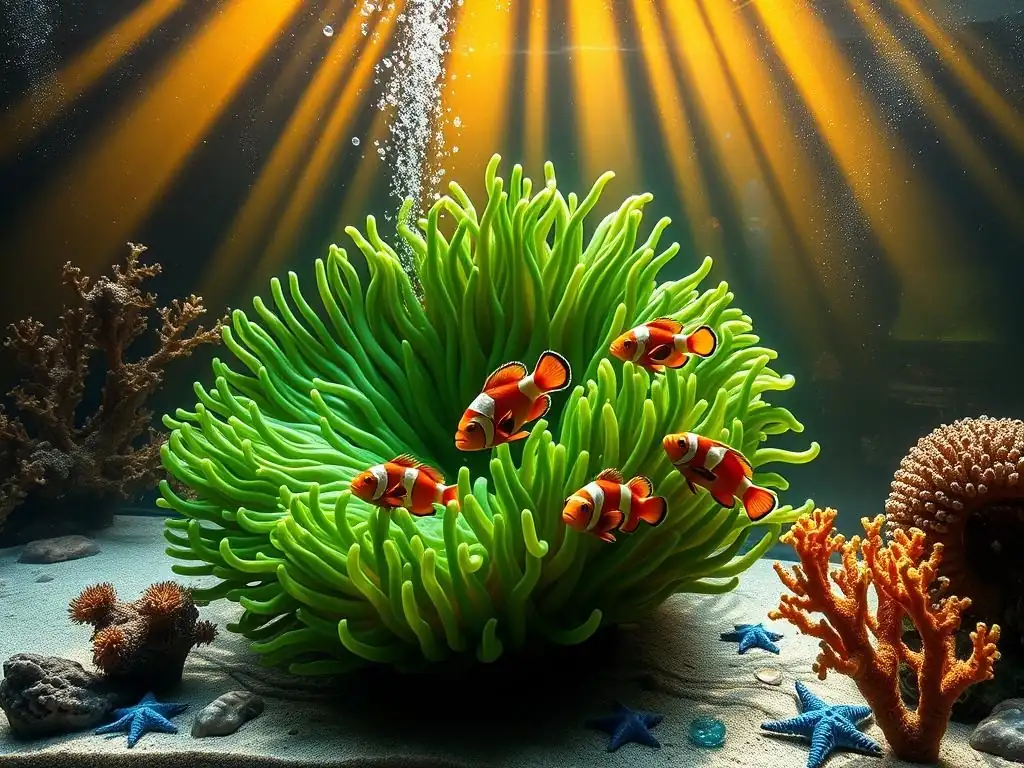
Welcome to Aquarium Mastery!
Ever wondered how to introduce a new clownfish to its anemone friend without the chaos? You've landed in the right place! Our Clownfish Anemone Acclimation: A StressFree Guide dives deep into proven methods to ensure a smooth and harmonious transition. Ready to unlock the secrets to a thriving symbiotic relationship in your saltwater aquarium? Let's get started and learn how to make your clownfish feel right at home!
- Acclimating New Ocellaris Clownfish to an Established Bubble-Tip Anemone: A Stress-Free Guide
- Understanding the Clownfish-Anemone Relationship for Successful Acclimation
- Preparing Your Aquarium for New Clownfish and Anemone Introduction
- Step-by-Step Guide to Acclimating Clownfish to Anemones
- Encouraging Clownfish to Host an Anemone: Tips and Tricks
- Addressing Common Clownfish Acclimation Challenges
- Maintaining a Healthy Clownfish-Anemone Ecosystem
- Long-Term Care for Thriving Clownfish and Anemones
- Troubleshooting Failed Acclimation Attempts: A Rescue Plan
-
Frequently Asked Questions
- How long should I float the bag containing my new clownfish in the aquarium before release?
- What is drip acclimation and why is it important for clownfish and anemones?
- How do I encourage my clownfish to host with the anemone after acclimation?
- What are the signs of stress in a newly acclimated clownfish?
- What should I do if my clownfish refuses to host with the anemone after several days?
- Final Reflection: Harmony in the Reef
- Ignite Your Reef: Pair Your Clownfish Today!
Acclimating New Ocellaris Clownfish to an Established Bubble-Tip Anemone: A Stress-Free Guide
Understanding the Clownfish-Anemone Relationship for Successful Acclimation
The Symbiotic Bond: Why Clownfish Need Anemones
The relationship between clownfish and anemones is one of the most iconic examples of symbiosis in the marine world, specifically a mutualistic one. Clownfish, such as the popular Ocellaris clownfish (Amphiprion ocellaris), possess a unique mucus coating that allows them to live safely within the anemone's stinging tentacles, which would be lethal to most other fish. In this protective embrace, the clownfish gains refuge from predators like triggerfish and moray eels, which typically avoid the anemone's powerful nematocysts. Additionally, the clownfish benefits from food scraps and detritus that the anemone doesn't consume, ensuring a more consistent food supply.
In return for its shelter, the clownfish actively cleans the anemone, removing parasites and debris from its tentacles, which contributes to the anemone's overall health. Some studies also suggest that the clownfish's movements within the anemone's tentacles can improve water circulation, aiding in nutrient delivery and waste removal for the anemone. While clownfish can survive without an anemone in a captive environment, observed behavior indicates that those hosted by an anemone exhibit reduced stress levels, more natural behaviors, and often healthier coloration, making a successful clownfish anemone acclimation stressfree guide highly desirable for their well-being.
Choosing the Right Anemone for Ocellaris Clownfish
For Ocellaris clownfish, the Bubble-Tip Anemone (Entacmaea quadricolor) is overwhelmingly the most common and suitable host choice. Its relatively robust nature and natural affinity for Ocellaris make it an ideal candidate for hobbyists seeking to establish this iconic pairing. While Ocellaris clownfish have been known to host in other species like Sebae Anemones (Heteractis crispa) or Magnificent Anemones (Heteractis magnifica), these alternatives are often more challenging to care for, requiring more specific lighting and water flow conditions, and thus are not recommended for beginners.
When selecting a Bubble-Tip Anemone, prioritize health over size. A healthy anemone will appear full and inflated, with vibrant coloration (ranging from greens, browns, and reds depending on its zooxanthellae) and sticky tentacles that gently adhere to your finger when touched. Avoid anemones that are deflated, have a gaping mouth, or show signs of bleaching or tissue necrosis, as these indicate severe stress or disease and are unlikely to thrive or successfully host. Ensuring a healthy host is the first crucial step in a stress-free clownfish acclimation to anemone.
Factors Affecting Ocellaris Clownfish and Bubble-Tip Anemone Compatibility
Several factors influence the successful pairing of Ocellaris clownfish and Bubble-Tip Anemones. Firstly, the size of the anemone relative to the clownfish is important. While a small clownfish will readily host a large anemone, a very large clownfish attempting to host a disproportionately small anemone can stress the anemone, potentially causing it to retract or move excessively. Bubble-Tip Anemones can grow quite large, often reaching 12-20 inches in diameter, so ensure your tank is adequately sized to accommodate its full potential growth, generally requiring at least 30-50 gallons for a single specimen.
Secondly, the anemone's establishment and health in the aquarium are paramount before introducing the clownfish. Anemones are highly sensitive to water quality fluctuations and require stable conditions to thrive. It is highly recommended that the Bubble-Tip Anemone be established in the aquarium for at least 3-6 months, demonstrating stable health, consistent inflation, and a secure attachment point, before any clownfish anemone acclimation stressfree guide attempts. Introducing clownfish to a new or stressed anemone significantly reduces the chances of successful hosting and can even harm the anemone.
Preparing Your Aquarium for New Clownfish and Anemone Introduction
Ensuring Optimal Water Parameters for Clownfish and Anemones
Maintaining stable and optimal water parameters is the cornerstone of a healthy marine aquarium, especially when housing sensitive inhabitants like clownfish and anemones. For Ocellaris clownfish and Bubble-Tip Anemones, the ideal parameters include a stable salinity of 1.024-1.026 specific gravity (SG), a temperature range of 76-82°F (24-28°C), and a pH between 8.1-8.4. Crucially, ammonia and nitrite levels must be undetectable (0 ppm), and nitrates should be kept as low as possible, ideally below 10 ppm, as anemones are particularly sensitive to elevated nitrates.
Beyond the basic parameters, essential elements for anemone health, such as calcium, alkalinity (dKH), and magnesium, must also be maintained within optimal ranges. Aim for Calcium levels between 400-450 ppm, Alkalinity between 8-12 dKH, and Magnesium between 1250-1350 ppm. Regular testing, perhaps weekly for basic parameters and bi-weekly for major elements, is vital. For example, a 75-gallon reef tank with an established Bubble-Tip Anemone might require daily or every-other-day dosing of alkalinity and calcium supplements to maintain stability, depending on the bioload and other corals present, ensuring a robust environment for a stress-free clownfish acclimation to anemone.
Quarantine Procedures for New Clownfish: Minimizing Disease Risk
Implementing a strict quarantine procedure for all new fish, including Ocellaris clownfish, is non-negotiable for preventing the introduction of diseases into your main display tank. A separate quarantine tank (QT) of 10-20 gallons, equipped with a heater, a small power filter (with mechanical and biological media), and some PVC pipes or inert decor for hiding, is sufficient for a pair of clownfish. The QT should be bare-bottom for easy cleaning and disease observation.
New clownfish should remain in the quarantine tank for a minimum of 3-4 weeks. During this period, observe them daily for any signs of disease, such as white spots (Ich), rapid breathing, clamped fins, or abnormal swimming.
If diseases like Marine Ich (Cryptocaryon irritans) are observed, treatments such as copper-based medications (e.g., Chemi-Pure Copper at 0.5-0.8 ppm) or hyposalinity (gradually reducing salinity to 1.008-1.009 SG) can be administered in the QT without risking your main tank's inhabitants, especially sensitive invertebrates like your established anemone. This diligent approach significantly reduces stress and disease risk for the clownfish anemone acclimation stressfree guide.
Creating a Stress-Free Environment Before Acclimation
Before introducing your newly quarantined Ocellaris clownfish to the display tank, take steps to minimize potential stressors in their new home. Dimming the aquarium lights by 50-70% for the first 24-48 hours after introduction can significantly reduce visual shock and encourage the clownfish to explore their new surroundings more calmly. This also helps prevent them from darting into glass or rockwork in a panicked state, which can lead to injury.
Additionally, ensure that any strong powerheads or wavemakers are temporarily turned off or set to a very low flow during the initial introduction to prevent the small clownfish from being tossed around. While the anemone needs flow, a brief reduction will not harm it. Ensure there are ample hiding spots within the rockwork for the clownfish to retreat to if they feel threatened. Minimizing activity around the tank and avoiding sudden movements for the first few hours after introduction will further contribute to a calm environment, setting the stage for a successful clownfish anemone acclimation stressfree guide.
Step-by-Step Guide to Acclimating Clownfish to Anemones
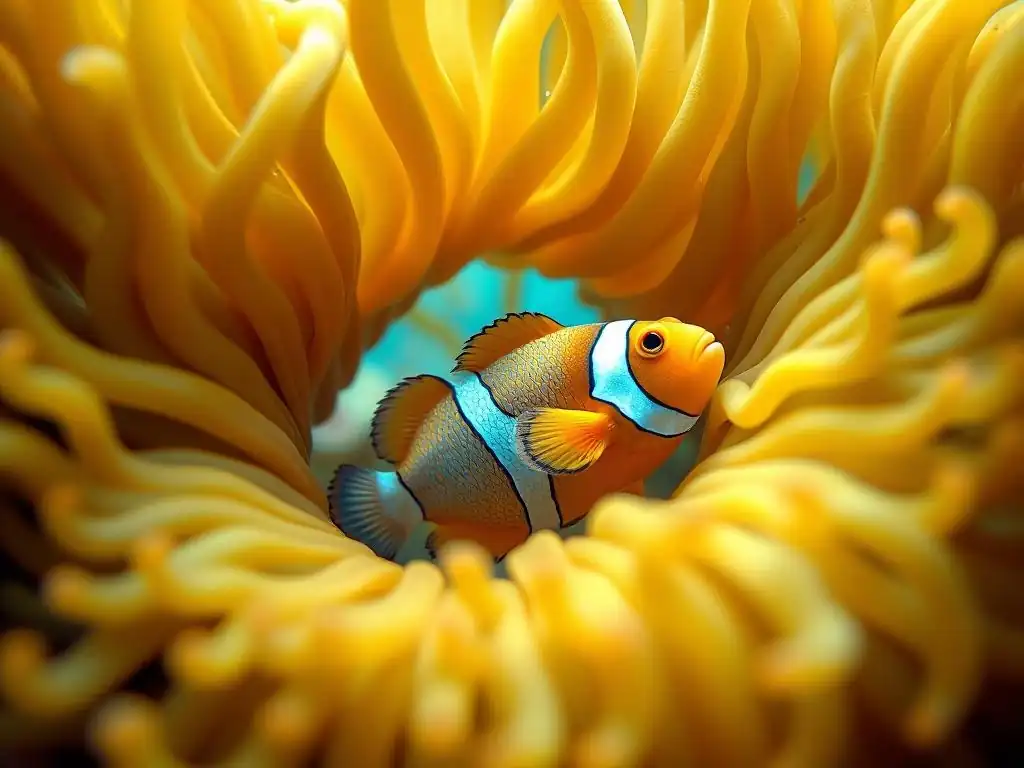
Step 1: Gradual Temperature Acclimation for Clownfish
The first crucial step in the clownfish anemone acclimation process is to equalize the water temperature between the transport bag and your aquarium. Temperature shock can be highly stressful and even fatal for marine fish. To perform this, simply float the sealed bag containing your new Ocellaris clownfish in your display tank or sump for approximately 15-20 minutes.
During this period, do not open the bag. The goal is to allow the water temperature inside the bag to slowly adjust to the temperature of your aquarium water through thermal conduction. This gradual change, typically within 1-2 degrees Fahrenheit over the 15-minute period, prevents a sudden thermal shock that could compromise the clownfish's immune system or cause immediate stress reactions.
Step 2: Drip Acclimation: Adjusting Clownfish to Tank Water Chemistry
After temperature acclimation, the next vital step is drip acclimation, which slowly introduces your aquarium's water chemistry to the clownfish. This method is particularly effective for sensitive marine fish, as it minimizes stress from sudden changes in pH, salinity, and other parameters. Begin by carefully opening the transport bag and pouring the clownfish and its water into a clean, appropriately sized container (e.g., a 1/2 to 1-gallon plastic container).
Using airline tubing, create a drip line from your display tank into the container. You can start the siphon by sucking on one end of the tubing, then tie a knot in the tubing or use an airline control valve to regulate the drip rate to a slow, consistent pace of 1-2 drops per second.
Allow this drip to continue until the water volume in the container has at least quadrupled, which typically takes 45-60 minutes for a 1/2 gallon container. This gradual mixing ensures the clownfish slowly adapts to your tank's specific water parameters, greatly contributing to a stress-free clownfish acclimation to anemone.
Step 3: Introducing the Clownfish to the Aquarium: A Gentle Approach
Once drip acclimation is complete, it's time to introduce your Ocellaris clownfish to their new home. Carefully net the clownfish from the acclimation container, taking care to minimize stress and physical contact. Avoid transferring any of the acclimation water from the container into your display tank, as this water is often high in ammonia and other wastes from transport.
Gently release the clownfish into the display tank, ideally in a low-flow area near the established Bubble-Tip Anemone or a hiding spot. It's often beneficial to have the main tank's lights dimmed and powerheads on a lower setting or temporarily off during this introduction to prevent the fish from being immediately overwhelmed. A calm and gentle introduction is a critical component of a successful clownfish anemone acclimation stressfree guide.
Step 4: Observing Clownfish Behavior After Introduction: Signs of Stress or Acceptance
After introducing the clownfish, continuous observation over the next 24-48 hours is crucial to gauge their acclimation success. Look for signs of stress, which may include rapid breathing, clamped fins (fins held tightly against the body), faded coloration, erratic swimming, or excessive hiding. These behaviors indicate the clownfish is struggling to adapt to its new environment.
Conversely, signs of acceptance and comfort include calm swimming, exploring the tank, natural coloration, and, most importantly, showing interest in the anemone. While immediate hosting is not guaranteed and can take days or even weeks, a healthy, stress-free clownfish will eventually begin to approach and "test" the anemone's tentacles. For example, a well-acclimated clownfish might start picking at the rockwork or showing curiosity about its surroundings within the first few hours, in contrast to a stressed fish that remains hidden and unresponsive.
Encouraging Clownfish to Host an Anemone: Tips and Tricks
Strategic Placement of the Anemone in the Aquarium
The location of the Bubble-Tip Anemone within your aquarium can significantly influence whether your Ocellaris clownfish chooses to host it. Anemones are motile and will move to find their ideal spot based on light, flow, and attachment points, but initial strategic placement can encourage interaction. Place the anemone in an area with moderate, indirect water flow and stable, appropriate lighting (e.g., PAR levels of 150-250 for Bubble-Tips), ensuring it has a secure crevice or rock for its foot to attach.
Ideally, position the anemone near where your clownfish frequently rests or hides, or in a central, accessible location within their territory. While the anemone may eventually move, a good initial placement can prompt the clownfish to investigate it sooner. For instance, if your clownfish consistently hovers near a particular rock, try to place the anemone on or very close to that rock, giving it the opportunity to attach nearby. This deliberate placement can shorten the time it takes for the clownfish to initiate hosting, making the clownfish anemone acclimation stressfree guide more efficient.
Reducing Competition from Other Fish During Acclimation
The presence of other fish, particularly aggressive or highly territorial species, can add significant stress to new clownfish during their acclimation period, potentially hindering their ability to host an anemone. It is strongly advised against introducing any new, potentially aggressive tank mates simultaneously with your clownfish. If you have existing inhabitants, observe their behavior closely.
Ensure that existing tank mates are not harassing the newly introduced clownfish. If aggression is noted (e.g., nipping, chasing), consider temporarily rearranging some of the rockwork to disrupt established territories. Providing ample hiding spots for the clownfish—such as PVC pipes or additional rock caves—can also offer them refuge from dominant fish. For example, in a 50-gallon tank, a single pair of Ocellaris clownfish is generally recommended, as introducing additional clownfish or highly territorial damsels can lead to increased stress and aggression, making successful clownfish anemone acclimation challenging.
Addressing Common Clownfish Acclimation Challenges
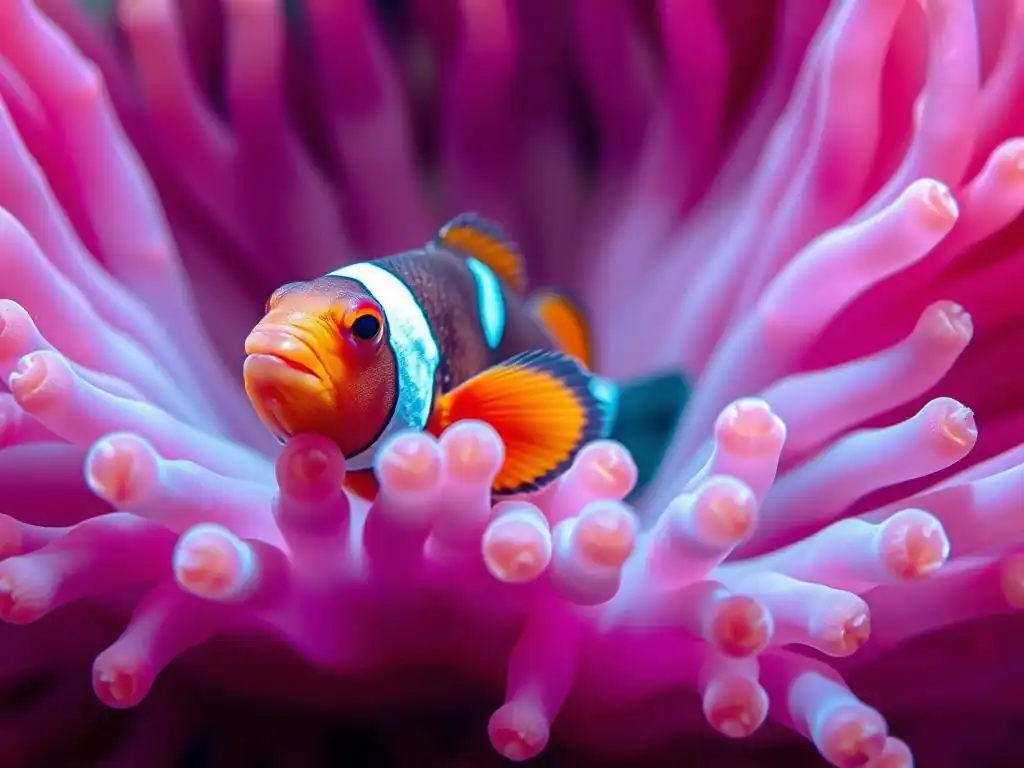
Clownfish Ignoring the Anemone: Troubleshooting and Solutions
One of the most common challenges in the clownfish anemone acclimation process is when the clownfish, especially captive-bred specimens, initially ignores the host anemone. It's important to remember that not all clownfish will host immediately, and some may never host, particularly if they haven't been exposed to an anemone before. Patience is key, as it can take days, weeks, or even months for a clownfish to decide to host.
If after 1-2 weeks your Ocellaris clownfish shows no interest, ensure all water parameters are perfect and stable, as stress can inhibit natural behaviors. You can try placing a small, laminated picture of a clownfish hosting an anemone against the outside of the tank near the anemone; this visual cue can sometimes trigger the instinct.
Another gentle technique involves placing a mirror against the tank for short periods (5-10 minutes, once or twice a day) to stimulate territorial behavior, which might draw the clownfish's attention to the area where the anemone resides. Avoid forcibly pushing the clownfish into the anemone, as this can cause undue stress and potential injury to both the fish and the anemone.
Aggression Between Clownfish and Existing Tank Inhabitants
When introducing new Ocellaris clownfish, particularly if you already have clownfish or other territorial fish in the tank, aggression can become a significant issue. Clownfish are known to establish a pecking order and can be territorial, especially as they mature. If aggression occurs between new and existing clownfish, or between new clownfish and other tank inhabitants, immediate intervention may be necessary to ensure a stress-free clownfish acclimation.
One effective strategy is to rearrange the tank's rockwork. This disrupts established territories and forces all fish to re-establish their claims, often reducing initial aggression. Ensuring adequate space is also critical; for instance, a 50-gallon tank is generally the minimum recommended for a single pair of Ocellaris clownfish, and attempting to keep multiple clownfish pairs in smaller tanks often leads to chronic aggression. If aggression persists, temporarily isolating the aggressor in a clear breeder box within the tank for 24-48 hours can sometimes "reset" the pecking order without removing the fish from the main system entirely.
Anemone Rejection: Understanding and Resolving the Issue
While the focus is often on the clownfish accepting the anemone, sometimes the anemone itself shows signs of "rejection" or distress. An anemone moving excessively around the tank, shrinking, failing to inflate, or exhibiting a gaping mouth are all signs it is unhappy with its environment. This can be caused by unsuitable water parameters, insufficient lighting, improper flow, or even harassment from other tank inhabitants.
If your Bubble-Tip Anemone begins to move rapidly or appear stressed, immediately re-test all water parameters, paying close attention to nitrates (which should be below 10 ppm) and alkalinity. Anemones are highly sensitive to poor water quality. Ensure the anemone is receiving adequate lighting (e.g., PAR levels of 150-250 for Bubble-Tips) and moderate, indirect flow.
For example, if nitrates are elevated to 20 ppm, a 25% water change combined with reducing feeding and increasing protein skimming can often bring parameters back into line. If the anemone detaches from its spot, gently guide it to a suitable crevice in the rockwork where it can reattach, ensuring it has stable footing and is not being swept into powerheads.
Maintaining a Healthy Clownfish-Anemone Ecosystem
Regular Water Changes and Testing for Optimal Health
Consistent maintenance of water quality is paramount for the long-term health and stability of a clownfish-anemone ecosystem. Regular water changes are crucial for replenishing essential trace elements, diluting accumulated nitrates and phosphates, and maintaining overall water purity. For most established reef tanks with a clownfish-anemone pair, a 10-15% water change every one to two weeks is a good general guideline. For example, in a 75-gallon tank, a 10-gallon water change every week would ensure consistent water quality.
Equally important is a rigorous testing regimen. Beyond the daily checks for temperature and salinity, weekly tests for ammonia, nitrite, and nitrate are essential to confirm the nitrogen cycle's stability. Bi-weekly or weekly tests for pH, alkalinity, calcium, and magnesium are also critical, particularly for anemones that consume these elements for skeletal growth and overall health. Maintaining these parameters within their optimal ranges (e.g., pH 8.1-8.4, Alk 8-12 dKH, Ca 400-450 ppm, Mg 1250-1350 ppm) prevents stress and promotes a thriving environment, reinforcing the principles of a clownfish anemone acclimation stressfree guide.
Proper Feeding Strategies for Clownfish and Anemones
A balanced and appropriate feeding strategy is vital for both Ocellaris clownfish and Bubble-Tip Anemones. Clownfish are omnivores and thrive on a varied diet. Feed them high-quality marine pellets or flakes once or twice daily, in small amounts they can consume within a few minutes. Supplement their diet with frozen foods such as mysis shrimp, brine shrimp (enriched), and spirulina-enriched foods 2-3 times per week. For instance, a small pinch of flake food in the morning and a quarter-cube of frozen mysis shrimp in the evening would be a suitable daily regimen for a pair of Ocellaris clownfish.
Bubble-Tip Anemones, while relying heavily on photosynthesis from their zooxanthellae, also benefit from supplemental feeding, especially in tanks with lower nutrient levels. Feed the anemone small, pea-sized pieces of marine-based foods like silversides, shrimp, or mysis shrimp directly to its oral disc (mouth) once or twice a week. This provides them with essential nutrients not supplied by light alone, promoting growth and vitality. Ensure the food is small enough for the anemone to engulf easily, preventing nutrient spikes in the tank.
Recognizing and Treating Common Clownfish and Anemone Diseases
Early recognition and prompt treatment of diseases are crucial for the health of your clownfish-anemone ecosystem. For Ocellaris clownfish, common ailments include Marine Ich (Cryptocaryon irritans), characterized by small white spots (like salt grains) on the body and fins, and Marine Velvet (Amyloodinium ocellatum), which appears as a dusty, yellowish film. Fin rot, indicated by frayed or deteriorating fins, can also occur.
Many of these diseases are exacerbated by stress or poor water quality. For instance, if Ich is suspected, a 3-5 minute freshwater dip (pH and temperature matched) can provide temporary relief, followed by treatment in a separate quarantine tank using copper-based medications.
Anemones, while not susceptible to the same parasitic diseases as fish, can suffer from conditions like mouth gape, deflation, tissue necrosis, or bleaching. Bleaching, a loss of coloration, often indicates stress from insufficient light, high temperatures, or poor water quality, causing the anemone to expel its symbiotic zooxanthellae.
If an anemone bleaches, check lighting and water parameters immediately; increasing light intensity by 10-20% (if too low) or performing a 20% water change can often reverse early stages. Tissue necrosis, a more severe sign, requires immediate intervention to identify and correct the underlying environmental issue, as it can quickly lead to the anemone's demise.
Long-Term Care for Thriving Clownfish and Anemones
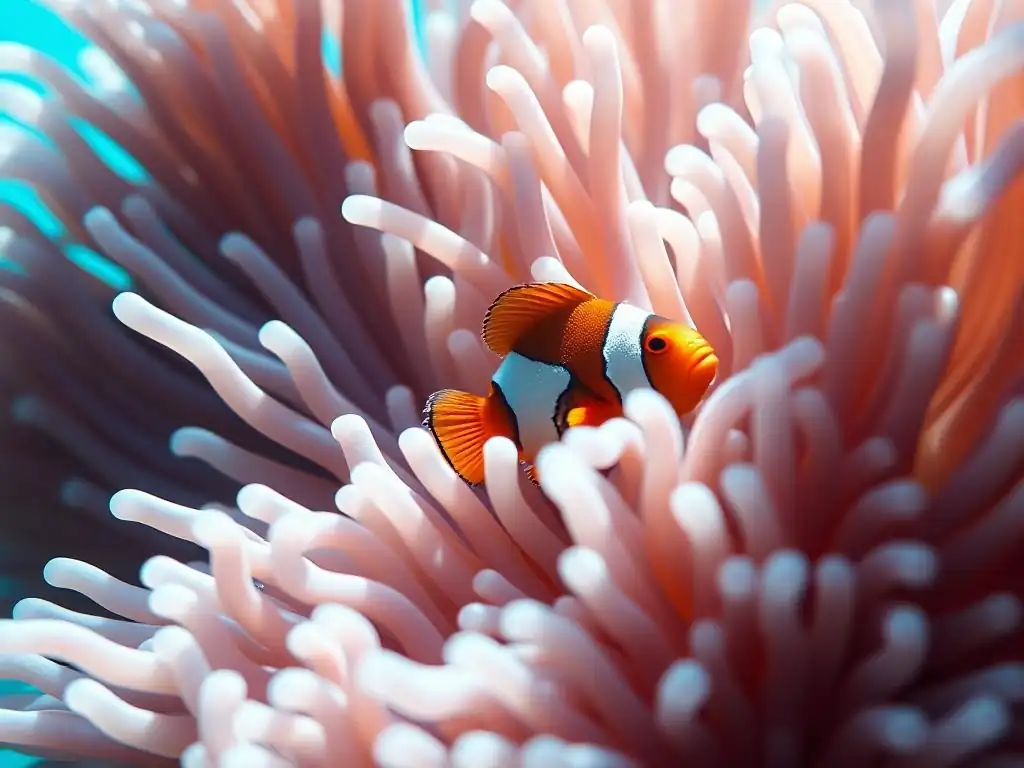
Monitoring Anemone Growth and Health
Over time, a healthy Bubble-Tip Anemone can grow significantly, sometimes doubling its size within 6-12 months under optimal conditions. Regular monitoring of its growth and overall health is crucial for the long-term well-being of your clownfish-anemone ecosystem. Observe its daily inflation: a healthy anemone will fully inflate its tentacles and body, especially during the day. Its tentacles should remain sticky to the touch, and its coloration should be vibrant and consistent.
Conversely, signs of decline include persistent deflation, a gaping mouth (especially if visible for extended periods), a loss of color (bleaching), or excessive movement around the tank. An anemone that frequently moves indicates it is unhappy with its current location's light, flow, or attachment point. For example, if a Bubble-Tip Anemone consistently shrinks to less than half its usual size for more than 24 hours, it's a strong indicator of stress, prompting an immediate check of all water parameters and lighting. This proactive monitoring is key to maintaining a stress-free clownfish acclimation environment for the long term.
Ensuring Adequate Lighting for Anemone Photosynthesis
Adequate and appropriate lighting is absolutely critical for the long-term health and survival of Bubble-Tip Anemones. Like corals, anemones host symbiotic zooxanthellae within their tissues, which perform photosynthesis to provide the anemone with a significant portion of its nutritional needs. Insufficient or incorrect lighting is a common cause of anemone stress, leading to bleaching and decline.
For Bubble-Tip Anemones, moderate to high lighting intensity is generally required, with a Photosynthetically Active Radiation (PAR) range of 150-250 at the anemone's location being ideal. High-quality LED fixtures designed for reef tanks, T5 fluorescent lighting, or metal halides can all provide suitable light, but their placement and intensity must be carefully calibrated. For example, a 75-gallon tank housing a Bubble-Tip Anemone might require a 150-watt LED fixture or a 6-bulb T5 setup to provide sufficient PAR levels. Regularly verifying light intensity, ideally with a PAR meter, ensures the anemone is receiving the energy it needs to thrive.
Preventing Overcrowding: Planning for Future Growth
While your Ocellaris clownfish may only reach 3-4 inches in length, a Bubble-Tip Anemone can grow substantially, potentially reaching 12-20 inches in diameter. Furthermore, healthy Bubble-Tip Anemones can sometimes split, resulting in two or more individual anemones. Planning for this potential growth is essential to prevent overcrowding and maintain a stable, healthy environment.
Overcrowding can lead to increased competition for space, light, and nutrients, as well as elevated waste levels, all of which stress both the clownfish and the anemone. If your anemone grows too large for its space or splits, you may need to consider upgrading to a larger aquarium (e.g., from a 50-gallon to a 75-gallon or 100-gallon tank) to comfortably accommodate the increased bioload and physical size.
For instance, a single 15-inch Bubble-Tip Anemone can take up a significant footprint in a 50-gallon tank, leaving little room for other inhabitants or if it were to split. Proactive planning ensures a continued stress-free clownfish acclimation and a thriving ecosystem.
Troubleshooting Failed Acclimation Attempts: A Rescue Plan
Identifying the Root Cause of Acclimation Failure
If, despite your best efforts, your Ocellaris clownfish or established Bubble-Tip Anemone exhibits persistent stress or declines after an acclimation attempt, a systematic approach to identifying the root cause is crucial. Start by meticulously re-evaluating every aspect of your aquarium setup and the acclimation process. Immediately re-test all water parameters: salinity, temperature, pH, ammonia, nitrite, and nitrate. Even slight deviations, such as a pH swing of more than 0.2 units or nitrate levels consistently above 20 ppm, can cause significant stress.
Review your acclimation method: Was the temperature equalization sufficient? Was the drip acclimation slow enough and for an adequate duration (e.g., 45-60 minutes)? Consider the tank's inhabitants: Is there any subtle aggression from existing tank mates that you might have missed? Finally, assess the anemone's health before introduction: Was it fully established and vibrant, or did it show any initial signs of stress? For example, if the clownfish shows clamped fins and rapid breathing 48 hours post-introduction, but water parameters are perfect, consider potential aggression from another fish or insufficient hiding spots as the underlying cause.
Implementing Corrective Measures to Improve the Environment
Once the potential root cause of acclimation failure has been identified, implementing targeted corrective measures is the next step in your rescue plan. If water parameters are off, perform a series of small, frequent water changes (e.g., 10% daily for 3-5 days) to gradually bring parameters back into line, rather than a single large change which can cause more shock. For instance, if nitrates are at 30 ppm, a 10% water change will reduce them to approximately 27 ppm, allowing for a gentler adjustment.
If aggression from tank mates is the issue, consider temporarily removing the aggressor to a separate tank, or adding more hiding spots to the main display. If the anemone is showing signs of distress (e.g., moving excessively), verify its lighting and flow are appropriate for its species and location. You might need to adjust the intensity of your lights or reposition powerheads to provide more moderate, indirect flow. These precise adjustments are vital for a successful clownfish anemone acclimation stressfree guide.
When to Seek Expert Advice: Consulting with an Aquarium Specialist
While a comprehensive clownfish anemone acclimation stressfree guide provides extensive information, there are times when persistent issues or severe symptoms warrant seeking professional advice. If, after implementing corrective measures for a week or more, your clownfish or anemone continues to decline, exhibits unexplained symptoms, or if you experience multiple unexplained mortalities, it's time to consult an expert.
This could involve reaching out to an experienced local fish store (LFS) with a strong marine section, engaging with knowledgeable members of online aquarium forums, or, for more serious or complex issues, contacting a professional aquarium maintenance service or a marine veterinarian. These specialists can offer diagnostic services, provide specific medication recommendations, or even conduct on-site water quality analysis and system evaluations. Many professional aquarium services offer consultation visits, which can range from $75 to $150 for an initial assessment, providing invaluable insights that can save your valuable livestock.
Frequently Asked Questions
How long should I float the bag containing my new clownfish in the aquarium before release?
Float the bag for approximately 15-30 minutes to equalize the water temperature between the bag and your aquarium. This helps minimize temperature shock.
What is drip acclimation and why is it important for clownfish and anemones?
Drip acclimation involves slowly introducing your aquarium water to the bag containing the clownfish. This gradually adjusts the water chemistry, reducing osmotic shock and stress for both the fish and the anemone in the long run.
How do I encourage my clownfish to host with the anemone after acclimation?
Patience is key! Gently direct the clownfish towards the anemone. A low water flow and dimmed lighting can also encourage interaction.
What are the signs of stress in a newly acclimated clownfish?
Look for signs like rapid breathing, erratic swimming, loss of color, or hiding excessively. Address any water quality issues immediately.
What should I do if my clownfish refuses to host with the anemone after several days?
Ensure the anemone is healthy and receiving adequate light. Try placing a small piece of food near the anemone to attract the clownfish. If still no hosting, consider adding a different species of anemone.
Final Reflection: Harmony in the Reef
The delicate dance of introducing a new clownfish to its anemone home is more than just a technical process; it's a microcosm of the broader challenge of fostering harmony in any new environment. Just as we strive to minimize stress for these vibrant creatures, so too should we prioritize empathy and understanding when navigating new relationships and communities in our own lives. The principles of patience, observation, and gradual integration extend far beyond the aquarium.
This journey of acclimation, both in the reef and in our own lives, underscores the profound impact of careful introduction and mindful interaction. The success of this process hinges on recognizing the vulnerability of the newcomer and respecting the established order. The best way to find yourself is to lose yourself in the service of others.
This quote, often attributed to Mahatma Gandhi, resonates deeply here, reminding us that true connection arises from selfless consideration and a willingness to adapt.
As you consider the steps outlined in this guide, remember that the principles of stress-free acclimation apply to so much more than just clownfish and anemones. Take a moment to reflect on the new environments you've entered, the relationships you've forged, and the ways you can cultivate greater understanding and empathy in your interactions. Embrace the patience and observation required to foster harmony, and you'll find that the rewards, like a thriving reef, are immeasurable.
Ignite Your Reef: Pair Your Clownfish Today!
Thank you for diving into our guide on acclimating clownfish! We hope you now feel equipped to create a thriving and harmonious ecosystem. The true magic happens when theory meets practice, so let’s take that next step together.
Ready to take your aquarium to the next level? Here's how:
- Take the plunge and introduce your clownfish to their anemone using the gentle acclimation techniques described above. Don't wait – a happy pair awaits!
- Share your clownfish introduction success (or learning experiences!) in the comments below. Your insights can help fellow aquarists achieve their reef dreams.
- Explore advanced anemone care tips on AquariumMastery.com. Uncover expert secrets to keep both your anemone and clownfish flourishing.
What unique method will you try to ensure a stress-free introduction for your clownfish pair?