
Carpet Anemones (Stichodactyla spp.): Giants of the Reef & Their Clownfish Partners

Welcome to Aquarium Mastery!
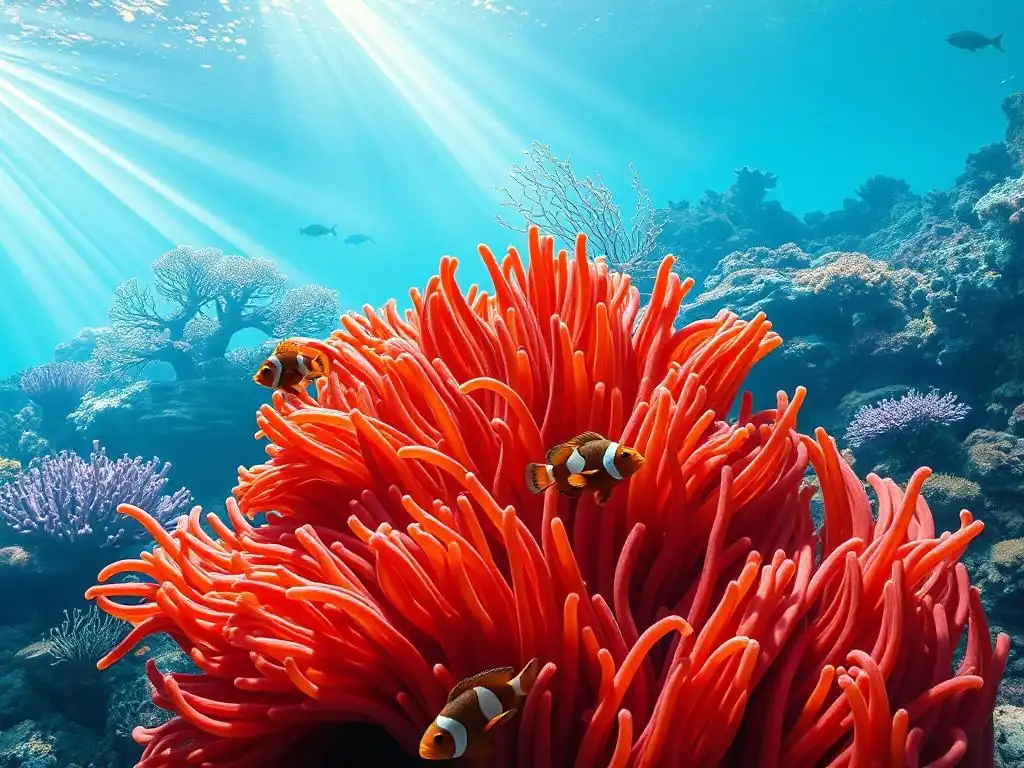
Ever wondered about the secret to a thriving reef tank, where vibrant clownfish dance amongst the mesmerizing tentacles of a carpet anemone? Dive in and discover the captivating world of Clownfish hosting carpet anemones. This fascinating relationship is more complex than it seems, and understanding its nuances is key to creating a healthy and stunning saltwater aquarium. Ready to unlock the secrets?
- Understanding Carpet Anemones: An Introduction for Saltwater Aquarists
- The Symbiotic Relationship: Clownfish Hosting Carpet Anemones
- Setting Up a Thriving Aquarium for Carpet Anemones and Clownfish
- Caring for Carpet Anemones in a Reef Tank Environment
- Choosing the Right Clownfish for Your Carpet Anemone
- Identifying and Addressing Potential Problems with Carpet Anemones
- Breeding Carpet Anemones: An Advanced Aquarist Challenge
- The Allure of Carpet Anemones: A Rewarding Reef Addition
-
Frequently Asked Questions
- How do I choose the right carpet anemone for my clownfish?
- What are the ideal water parameters for carpet anemones to thrive?
- What should I feed my carpet anemone and how often?
- Why is my clownfish not immediately hosting in the carpet anemone?
- What are common problems associated with keeping carpet anemones and how can I prevent them?
- Final Reflection: A Symphony of Symbiosis
- Embark on Your Own Reef Adventure!
Understanding Carpet Anemones: An Introduction for Saltwater Aquarists
What are Carpet Anemones (Stichodactyla spp. )?
Carpet anemones, scientifically classified under the genus Stichodactyla, are among the most iconic and visually striking invertebrates found in the marine aquarium hobby. These magnificent creatures are characterized by their large, disc-shaped bodies, which can spread out like a living carpet, and their dense covering of short, sticky tentacles.
Their vibrant coloration, ranging from electric greens and blues to striking reds and purples, makes them a captivating focal point in any well-maintained reef tank. In their natural habitat, they are predominantly found in the shallow, sun-drenched waters of the Indo-Pacific reefs, often anchoring their muscular foot in sandy or rubble-strewn bottoms.
These impressive anemones are renowned for their substantial size, with some species, such as Stichodactyla gigantea, capable of reaching diameters exceeding 3 feet (approximately 90 cm) in the wild, though captive specimens typically remain smaller, often around 12-24 inches (30-60 cm). Their highly adhesive tentacles are equipped with potent nematocysts, stinging cells that allow them to capture prey and deter predators. This powerful sting is also why they are selective about their tank mates, making careful planning essential for aquarists aiming for successful clownfish hosting carpet anemones in their systems.
Why Carpet Anemones are Highly Sought After by Clownfish Keepers
Carpet anemones are exceptionally popular among saltwater aquarists, particularly those dedicated to keeping clownfish, primarily because they are natural and preferred hosts for a wide array of Amphiprion (clownfish) species. The dynamic and visually stunning interaction of clownfish hosting carpet anemones creates a miniature, living slice of a natural reef ecosystem within the home aquarium. Witnessing a clownfish darting in and out of the protective embrace of a large, colorful carpet anemone is a truly mesmerizing experience that few other aquarium inhabitants can replicate.
Beyond their role as ideal hosts, carpet anemones are also highly prized for their unique aesthetic appeal. Their large size, undulating bodies, and diverse, often iridescent color patterns add unparalleled beauty and a sense of maturity to a reef tank. For many aquarists, successfully maintaining a healthy carpet anemone and observing the complex symbiotic relationship of clownfish hosting carpet anemones represents a significant achievement in advanced reef keeping, showcasing a commitment to replicating natural marine behaviors and environments.
Different Species of Carpet Anemones: Identification Guide
Identifying different species of Stichodactyla is crucial for aquarists, as each has distinct care requirements and hosting preferences for clownfish hosting carpet anemones. The most commonly encountered species in the hobby include Stichodactyla gigantea, Stichodactyla haddoni, and Stichodactyla mertensii, with the smaller Stichodactyla tapetum also occasionally available.
Stichodactyla gigantea, or the Giant Carpet Anemone, is characterized by its relatively short, blunt, and densely packed tentacles, often giving its surface a wavy or ruffled appearance. It is highly adhesive and can attach its foot firmly to rockwork or sand. This species is perhaps the most sought-after for clownfish hosting carpet anemones, as it readily hosts popular species like Ocellaris ( Amphiprion ocellaris) and Percula ( Amphiprion percula) clownfish. Stichodactyla haddoni, or Haddon's Carpet Anemone, features longer, more finger-like tentacles and is exceptionally sticky, often burrowing its foot deep into the sand. While it can host clownfish such as Sebae ( Amphiprion sebae) and Saddleback ( Amphiprion polymnus) clownfish, its very potent sting can be a deterrent for some clownfish species and can cause significant irritation to human skin. Stichodactyla mertensii, Mertens' Carpet Anemone, is often the largest, with a flat, disc-like shape and very short, almost granular tentacles. It typically prefers to attach to vertical surfaces or overhangs and can host a variety of clownfish, though its immense size makes it less common in typical home aquariums. Finally, Stichodactyla tapetum, the Mini-Carpet Anemone, is considerably smaller, usually staying under 6 inches (15 cm) in diameter, and can be a suitable host for smaller clownfish in nano or smaller reef tanks.
The Symbiotic Relationship: Clownfish Hosting Carpet Anemones
Why Clownfish Choose Carpet Anemones as Hosts
The remarkable ability of clownfish hosting carpet anemones is a classic example of mutualism in the marine world, driven by the clownfish's unique adaptation to an otherwise deadly environment. Clownfish possess a specialized mucus layer that covers their entire body, providing immunity to the powerful stinging nematocysts of the anemone. This protective coating is gradually developed through a delicate acclimation process where the clownfish gently brushes against the anemone's tentacles, allowing its mucus to absorb chemicals from the anemone, effectively camouflaging it from the anemone's stinging cells. This process can take several hours or even days.
Once acclimated, the carpet anemone becomes a safe haven for the clownfish, offering unparalleled protection from predators such as lionfish, moray eels, and other large piscivores that would otherwise prey on the vulnerable clownfish. The dense, sticky tentacles of the Stichodactyla species provide an impenetrable fortress, allowing the clownfish to retreat into its folds at the first sign of danger. In return for this sanctuary, clownfish often bring food scraps to their host, clean its tentacles of debris, and may even help improve water circulation around the anemone by their constant movement.
Benefits of Clownfish and Carpet Anemone Symbiosis
The symbiotic relationship between clownfish hosting carpet anemones offers distinct advantages to both partners, fostering a healthier and more robust ecosystem. For the clownfish, the primary benefit is an almost impenetrable sanctuary from predators. Living within the anemone's tentacles ensures a safe refuge where they can sleep, spawn, and raise their young without fear of being hunted. This protection dramatically increases the clownfish's survival rate compared to those without an anemone host. Furthermore, the clownfish often benefits from food scraps that the anemone captures but does not fully consume, providing a supplemental food source.
Conversely, the carpet anemone also reaps significant benefits from its resident clownfish. While the clownfish's direct contribution to the anemone's diet is minimal, their constant movement within the tentacles helps to improve water circulation, which aids in respiration and waste removal for the anemone. Clownfish are also known to actively defend their host from potential predators or opportunistic browsers, such as butterflyfish or angelfish, that might attempt to nip at the anemone's tissue. This active defense mechanism, coupled with the cleaning services provided by the clownfish, contributes to the overall health and longevity of the carpet anemone, making the clownfish hosting carpet anemones partnership a truly remarkable example of mutualistic survival.
How Clownfish Protect Carpet Anemones from Predators
Clownfish are fiercely territorial and exhibit remarkable bravery in defending their host carpet anemone from potential threats, acting as vigilant guardians of their shared home. Despite their relatively small size, a pair of clownfish hosting carpet anemones will aggressively chase away any fish that approaches too closely or appears to pose a threat to their anemone. This defensive behavior is instinctive and crucial for the anemone's well-being, as many reef fish, such as certain triggerfish, puffers, or even some angelfish, might otherwise attempt to nip at or consume the anemone's tissue.
Their protective actions involve a combination of rapid darting movements, fin-flaring, and even nipping at the perceived intruder. While they cannot deter large, determined predators, their constant vigilance against smaller, opportunistic feeders significantly reduces the stress and potential damage to the carpet anemone. This active defense ensures that the anemone can dedicate its energy to growth and photosynthesis rather than constantly defending itself, further solidifying the intricate and beneficial clownfish hosting carpet anemones relationship that thrives in a healthy reef environment.
Setting Up a Thriving Aquarium for Carpet Anemones and Clownfish
Tank Size Requirements for Carpet Anemones
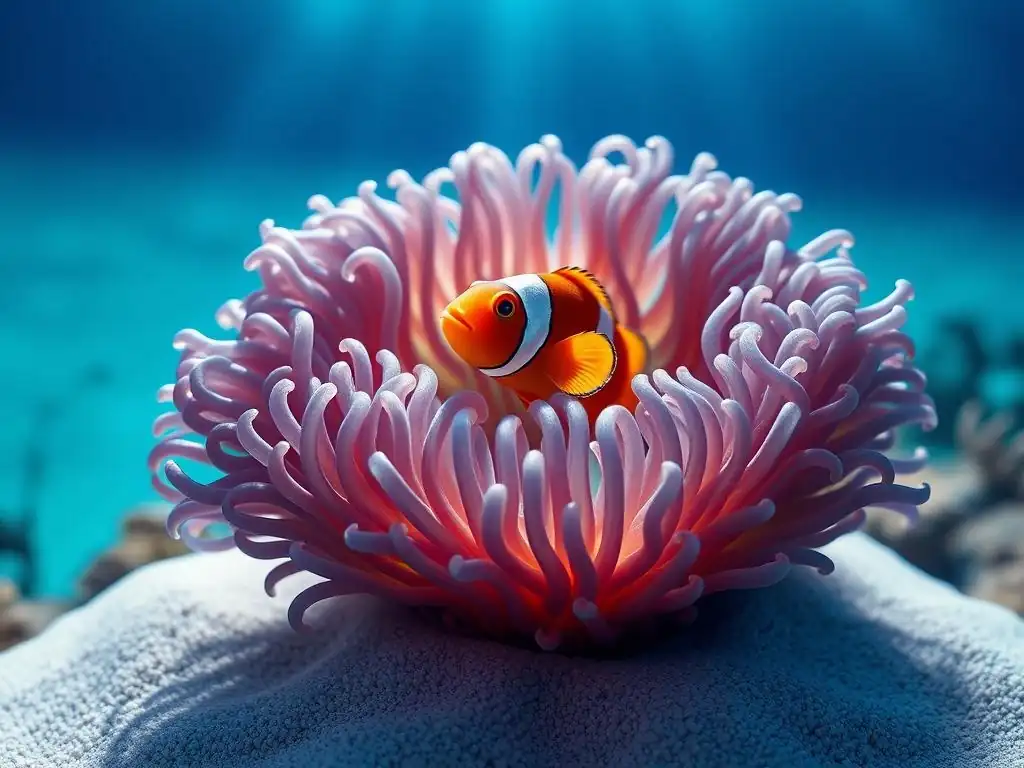
The formidable size that carpet anemones can attain necessitates a significantly large aquarium to ensure their long-term health and the safety of other tank inhabitants. For species like Stichodactyla gigantea and Stichodactyla mertensii, a minimum tank size of 100-120 gallons (approximately 380-450 liters) is generally recommended for a single specimen, even when they are relatively small upon purchase. Mature specimens of these species can easily require tanks of 180 gallons (680 liters) or more to provide adequate space for their expansion and to prevent them from stinging other sessile invertebrates or becoming impinged by rockwork.
Stichodactyla haddoni, while still large, might be accommodated in a slightly smaller minimum of 75 gallons (280 liters), but will also benefit immensely from larger volumes. The sheer volume of water is critical not only for physical space but also for maintaining stable water parameters, which are paramount for these sensitive creatures. Providing ample room allows the anemone to move and find its preferred spot without encroaching on other corals, ensuring a harmonious environment for the clownfish hosting carpet anemones and the rest of the reef community.
Essential Water Parameters for Healthy Carpet Anemones
Maintaining pristine and stable water parameters is absolutely non-negotiable for the health and longevity of carpet anemones. These invertebrates are highly sensitive to fluctuations, and even minor inconsistencies can lead to stress, bleaching, or decline. The ideal temperature range should be consistently maintained between 75-82°F (24-28°C), with an optimal target of around 78°F (25.5°C). Salinity is critical and should be kept stable at a specific gravity of 1.024-1.026, or a corresponding PSU (Practical Salinity Units) of 34-35.
For chemical parameters, a stable pH between 8.1 and 8.4 is essential, along with alkalinity (dKH) levels of 8-12, calcium (Ca) at 400-450 ppm, and magnesium (Mg) at 1200-1350 ppm. These parameters support the anemone's skeletal structure and overall metabolic processes. Furthermore, nitrates and phosphates should be kept as close to zero as possible, ideally below 5 ppm for nitrates and 0.03 ppm for phosphates, as elevated levels can contribute to poor health and bleaching. Regular and consistent water testing, at least weekly, is paramount to ensure these conditions are met for clownfish hosting carpet anemones to thrive.
Lighting Needs for Optimal Carpet Anemone Growth and Color
Carpet anemones, like many other photosynthetic invertebrates, rely heavily on their symbiotic zooxanthellae algae for nutrition, making high-intensity lighting a fundamental requirement for their long-term health, vibrant coloration, and robust growth. The Photosynthetically Active Radiation (PAR) levels for these anemones should ideally be in the range of 200-400 PAR at the anemone's location, depending on the species and its specific light acclimation. Too little light will lead to bleaching and slow decline, while too much light introduced too quickly can also cause bleaching.
Suitable lighting options include high-output T5 fluorescent fixtures, metal halide lamps, or high-quality LED systems specifically designed for reef aquariums. When introducing a new carpet anemone, it is crucial to acclimate it gradually to the tank's lighting, starting with lower intensity or shorter photoperiods and slowly increasing over several weeks. A typical photoperiod of 6-8 hours per day is generally sufficient once acclimated. Providing the correct spectrum and intensity of light ensures the zooxanthellae flourish, directly benefiting the anemone and supporting the vibrant display of clownfish hosting carpet anemones.
Substrate and Aquascaping Considerations for Carpet Anemones
Proper substrate and aquascaping are vital for the well-being of carpet anemones, as they significantly influence the anemone's ability to anchor securely and thrive. For species like Stichodactyla haddoni that prefer to burrow their foot, a deep sand bed of at least 4-6 inches (10-15 cm) of fine to medium-grain sand is highly recommended. Other species, such as Stichodactyla gigantea, can anchor to rockwork or sand, but a stable, open area is still preferred. The substrate should be clean and free of sharp debris that could injure the anemone's delicate foot.
When aquascaping, it is crucial to provide ample open space around the intended location of the carpet anemone. These anemones can grow very large and possess a potent sting that can damage or kill corals and other sessile invertebrates within their reach. A clearance of at least 6-12 inches (15-30 cm) from other corals is advisable, allowing the anemone to expand fully without causing harm. Ensure any rockwork is stable and won't shift, as a dislodged anemone can be injured by powerheads or overflows. Creating a suitable environment from the outset sets the stage for a healthy and thriving clownfish hosting carpet anemones display.
Caring for Carpet Anemones in a Reef Tank Environment
Feeding Carpet Anemones: Diet and Frequency
While carpet anemones primarily derive energy from their symbiotic zooxanthellae through photosynthesis, supplemental feeding is crucial for their optimal health, growth, and vibrant coloration, especially in a captive environment where light might not perfectly mimic natural conditions. Their diet should consist of small, meaty marine-grade foods, such as chopped fresh or frozen shrimp, silversides, mysis shrimp, or small pieces of fish. Specialized anemone foods, often a blend of marine proteins and lipids, are also excellent choices.
The frequency of feeding depends on the anemone's size, the intensity of its lighting, and the presence of clownfish hosting carpet anemones which may bring small food particles to their host. Generally, feeding 1-2 times per week for smaller specimens and 2-3 times per week for larger ones is a good starting point. Food should be offered directly to the anemone's oral disc (mouth), ensuring the pieces are small enough to be ingested without causing stress. Observe the anemone's response; a healthy anemone will quickly grab and consume the food. Overfeeding can lead to water quality issues, so a balanced approach is key.
Maintaining Water Quality for Carpet Anemone Health
Maintaining impeccable water quality is arguably the most critical aspect of caring for carpet anemones in a reef tank environment. These invertebrates are extremely sensitive to pollutants and fluctuations in water parameters, making rigorous water quality management paramount. Regular water changes are essential, typically 10-20% bi-weekly or 5-10% weekly, using high-quality RO/DI (Reverse Osmosis/Deionization) water mixed with a reputable marine salt mix. This replenishes essential trace elements and helps to export accumulated nitrates and phosphates, which can become toxic at elevated levels.
Beyond water changes, robust filtration is a necessity. A high-quality protein skimmer is indispensable for removing organic waste before it breaks down into harmful compounds. Ample live rock, typically 1-1.5 pounds per gallon, provides natural biological filtration and denitrification. Many aquarists also employ a refugium, GFO (Granular Ferric Oxide) reactors for phosphate removal, and activated carbon for chemical filtration, all contributing to a stable and pristine environment. Consistent monitoring of temperature, salinity, pH, alkalinity, calcium, and magnesium ensures that the delicate balance required for the thriving clownfish hosting carpet anemones ecosystem is maintained.
Preventing and Treating Common Carpet Anemone Diseases
Preventing common diseases and issues in carpet anemones relies almost entirely on providing an optimal and stable environment, as treatment options for sick anemones are limited and often challenging in a home aquarium. The most common issues are not diseases in the traditional sense but rather stress responses that can lead to decline. These include bleaching (loss of zooxanthellae due to stress from light, temperature, or water quality), tissue necrosis (often bacterial infections exacerbated by poor water quality or physical damage), and prolonged deflation or detachment.
To prevent these problems, ensure stable water parameters, appropriate high-intensity lighting, consistent feeding, and adequate water flow. Avoid sudden changes in any of these factors. Physical damage during handling or from aggressive tank mates can also lead to infections; therefore, minimal handling and careful tank mate selection are crucial. If an anemone shows signs of stress, the first step is always to meticulously check and correct all water parameters. In cases of bacterial infection, some experienced aquarists may attempt broad-spectrum antibiotics in a dedicated quarantine tank, but this is often a last resort and success rates can be low. A healthy environment, crucial for clownfish hosting carpet anemones, is the best defense.
Acclimation Process for New Carpet Anemones
The acclimation process for new carpet anemones is a critical step that significantly impacts their long-term survival and success in a home aquarium, given their extreme sensitivity to changes in water parameters. Drip acclimation is by far the most recommended method, allowing for a very slow and gradual adjustment to the new tank's salinity, pH, and temperature. This process should ideally last for 1-2 hours, with a slow drip rate of 1-2 drops per second, gradually replacing the water in the shipping bag with tank water.
During acclimation and for the first few hours after introduction, the aquarium lights should be dimmed or turned off completely to minimize stress on the anemone. Once acclimated, carefully place the anemone in a low-flow area of the tank where it has suitable rockwork or a deep sand bed to anchor itself. Avoid directly touching the anemone's oral disc or foot, as this can cause damage. Observe the anemone closely over the next few days for signs of stress such as prolonged deflation, failure to attach, or loss of color. A successful acclimation sets the foundation for a healthy and thriving clownfish hosting carpet anemones display.
Choosing the Right Clownfish for Your Carpet Anemone
Compatible Clownfish Species for Carpet Anemones
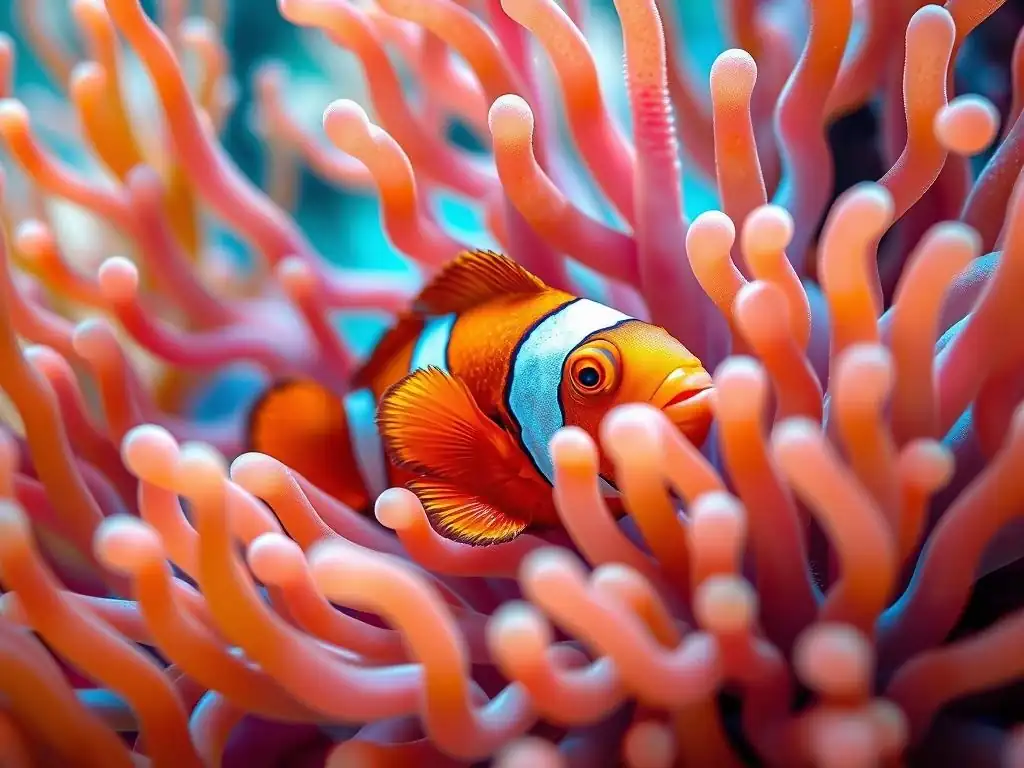
Not all clownfish species will host with every type of anemone, and conversely, not all anemones are suitable hosts for every clownfish. When considering clownfish hosting carpet anemones, specific compatibility is key to a successful and natural-looking symbiotic relationship. Stichodactyla gigantea (Giant Carpet Anemone) is one of the most versatile hosts and is known to readily accept a wide range of clownfish, including the popular Ocellaris ( Amphiprion ocellaris), Percula ( Amphiprion percula), Pink Skunk ( Amphiprion perideraion), Sebae ( Amphiprion sebae), and Clarkii ( Amphiprion clarkii) clownfish. This makes S. gigantea a top choice for many aquarists seeking to observe classic clownfish hosting carpet anemones behavior.
Stichodactyla haddoni (Haddon's Carpet Anemone), due to its extremely potent sting, is generally hosted by a more limited range of clownfish, primarily Sebae, Clarkii, and Saddleback ( Amphiprion polymnus) clownfish, which appear to have a higher tolerance or more robust mucus coating. Stichodactyla mertensii (Mertens' Carpet Anemone), while massive, can host similar species to S. gigantea, but its sheer size often limits its practicality for most home aquariums. Finally, the smaller Stichodactyla tapetum (Mini-Carpet Anemone) is best suited for diminutive clownfish such as Ocellaris or Percula. Researching specific host-clownfish pairings is crucial before making a purchase.
Introducing Clownfish to a Carpet Anemone: A Gradual Approach
Introducing clownfish to a carpet anemone requires patience and a gradual approach to maximize the chances of successful clownfish hosting carpet anemones. It is generally recommended to introduce the clownfish to the aquarium first, allowing them to acclimate to the new environment and establish themselves for a few days to a week. Once the clownfish are settled and eating well, and the carpet anemone is firmly established, fully open, and healthy, the introduction of the clownfish to the anemone can begin.
Simply placing the clownfish in the tank with the anemone is often sufficient. The clownfish's natural instinct to seek a host will typically lead them to the anemone. Avoid attempting to force the clownfish into the anemone, as this can stress both animals and deter hosting. Some aquarists find it helpful to dim the lights or turn them off for a few hours after introduction, as this can encourage the clownfish to explore and find the anemone in a less stressful environment. The process of clownfish hosting carpet anemones can take anywhere from a few hours to several weeks, or even months, for the clownfish to fully embrace their new home. Patience and observation are key during this period.
Potential Issues: Clownfish Not Hosting in Carpet Anemones
While the image of clownfish hosting carpet anemones is iconic, it's important to understand that not all clownfish will host with an anemone, even if it's a species known to be a compatible host. Several factors can contribute to a clownfish's reluctance or refusal to host. One of the most common reasons is that many clownfish available in the hobby are tank-bred. These fish may have never been exposed to an anemone, and thus, the instinctive behavior to seek a host may be diminished or absent. They might instead host inanimate objects like powerheads, rockwork, or even specific types of corals.
Other factors include stress, poor water quality, or an unhealthy anemone. If the anemone is not thriving, stressed, or showing signs of discomfort, the clownfish may sense this and avoid it. Additionally, if the clownfish is stressed from moving, incompatible tank mates, or an inadequate environment, it may not feel secure enough to initiate the hosting process. While providing a healthy, stable environment for both the anemone and the clownfish is the best approach to encourage clownfish hosting carpet anemones, aquarists should be prepared for the possibility that some clownfish may simply never host, and this should not be forced.
Identifying and Addressing Potential Problems with Carpet Anemones
Recognizing Signs of Stress in Carpet Anemones
Promptly recognizing signs of stress in carpet anemones is crucial for their survival, as these sensitive invertebrates can decline rapidly once compromised. A healthy carpet anemone should be fully inflated, with its oral disc open and tentacles extended, displaying vibrant coloration. It should also be firmly attached to its chosen substrate or rockwork, and its tentacles should be very sticky to the touch. Any deviation from these characteristics can indicate stress or illness.
Key signs of stress include prolonged deflation (remaining shrunken for extended periods), a gaping mouth (appearing unnaturally open), sloughing or shedding of tissue, and a significant loss of color (bleaching). If the anemone detaches from its anchor point and begins to float around the tank, this is a severe sign of distress and immediate intervention is required to prevent it from being damaged by powerheads or overflows. Such detachment often indicates severe water quality issues, drastic parameter swings, or prolonged irritation. Addressing these issues swiftly is paramount for the clownfish hosting carpet anemones to remain healthy.
Dealing with Carpet Anemone Bleaching
Carpet anemone bleaching is a serious condition where the anemone expels its symbiotic zooxanthellae algae, leading to a loss of coloration and, if prolonged, eventual starvation. This phenomenon is primarily a stress response, most commonly triggered by sudden or drastic changes in water temperature (either too high or too low), excessive or insufficient lighting, poor water quality (elevated nitrates/phosphates), or even prolonged physical irritation. For instance, a sudden increase in PAR from a new light fixture without proper acclimation can cause severe bleaching within days.
To address bleaching, the first and most critical step is to identify and rectify the underlying stressor. If lighting is suspected, gradually reduce intensity or photoperiod. Ensure water parameters are stable and within optimal ranges, performing small, frequent water changes if necessary. Increasing supplemental feeding of meaty foods can help provide the anemone with nutrients while it attempts to re-establish its zooxanthellae population. Recovery from bleaching can take weeks to months, and severe, prolonged bleaching can be fatal. Prevention through stable and optimal conditions is always the best strategy for clownfish hosting carpet anemones.
Addressing Injuries and Tears in Carpet Anemones
Injuries and tears in carpet anemones, while less common than stress-induced issues, can occur due to various reasons, including strong or erratic water currents dislodging them, improper handling during tank maintenance, or aggression from incompatible tank mates. A healthy anemone possesses remarkable regenerative capabilities, and small tears or abrasions may heal on their own, provided the water quality is pristine and the anemone is not under additional stress.
However, larger tears, rips, or significant tissue damage can be problematic, potentially leading to secondary bacterial infections or further tissue necrosis. In such cases, maintaining immaculate water quality with zero nitrates and phosphates is crucial to facilitate healing and prevent infection. Some advanced aquarists might consider carefully removing severely necrotic tissue, but this is a delicate procedure that can cause further stress and is generally not recommended for the average hobbyist. Ensuring the anemone is placed in a stable, low-flow area free from physical obstructions or aggressive tank mates is the best preventative measure to avoid injuries, thereby protecting the clownfish hosting carpet anemones partnership.
Breeding Carpet Anemones: An Advanced Aquarist Challenge
Challenges and Limitations of Carpet Anemone Propagation in Captivity
Breeding carpet anemones ( Stichodactyla spp.) in captivity, particularly through sexual reproduction, presents significant challenges and remains largely beyond the scope of the average home aquarist. While these anemones do reproduce sexually in the wild, requiring very specific environmental cues for spawning and the subsequent development of planktonic larvae, replicating these conditions in a closed system is exceedingly difficult. The successful rearing of larval stages to a settled anemone is a rare occurrence, even in advanced research facilities.
Asexual reproduction, primarily through fission (where the anemone splits into two or more individuals), can occasionally occur naturally in a home aquarium. However, this is often an unpredictable event and can sometimes be a sign of stress rather than robust health, or simply a response to ideal, stable conditions. It is not a reliable or controllable method for propagation. Furthermore, fragmentation, a common method for propagating certain corals, is generally not recommended for carpet anemones. Their delicate tissue and complex internal structures make them highly susceptible to fatal damage from cutting, and they do not readily regenerate from small fragments. Therefore, large-scale, controlled captive breeding of clownfish hosting carpet anemones and their hosts is largely unachieved in the hobby.
The Allure of Carpet Anemones: A Rewarding Reef Addition
Why Carpet Anemones are a Popular Choice for Experienced Aquarists
Carpet anemones hold a unique and prominent place in the hearts of experienced aquarists due to their unparalleled visual impact and the captivating biological interactions they facilitate. Their impressive size, often reaching over a foot in diameter in home aquariums, combined with their vibrant, often iridescent colors, makes them an undeniable centerpiece in any large reef tank. They instantly transform an aquarium into a dynamic, living ecosystem.
Beyond their aesthetic appeal, the primary draw for many is the mesmerizing symbiotic relationship of clownfish hosting carpet anemones. Witnessing this natural behavior unfold daily, as clownfish dart in and out of the anemone's protective tentacles, provides a constant source of fascination and a deeper connection to the marine world. Successfully maintaining a healthy carpet anemone is a testament to an aquarist's advanced husbandry skills and dedication, offering immense satisfaction and a long-term display that can thrive for many years, becoming a truly rewarding addition to a mature reef tank.
Considerations Before Purchasing a Carpet Anemone
Before embarking on the journey of owning a carpet anemone, several critical considerations must be thoroughly evaluated to ensure the well-being of the anemone and the overall success of the aquarium. Firstly, their significant size potential necessitates a large, mature aquarium, typically 75 gallons (280 liters) or more, with stable water parameters that have been consistent for at least six months.
Anemones are highly sensitive to new or unstable environments. Secondly, their powerful sting means careful planning for tank mate compatibility is essential; they can injure or kill corals and other sessile invertebrates within their reach, requiring ample open space around them.
Thirdly, carpet anemones are a long-term commitment. They are long-lived animals, potentially thriving for a decade or more with proper care, and they require consistent high-intensity lighting, regular feeding, and pristine water quality. Their purchase cost can be substantial, and ongoing maintenance, including the electricity for high-power lighting and the expense of quality foods, should be factored in. Thorough research into the specific Stichodactyla species and its requirements is paramount, as is ensuring the chosen clownfish hosting carpet anemones are compatible, preventing impulse purchases that often lead to poor outcomes for these magnificent creatures.
Ethical Considerations when Buying Carpet Anemones
When considering the acquisition of a carpet anemone, ethical considerations play an increasingly important role for responsible aquarists. The vast majority of carpet anemones available in the hobby are wild-caught, meaning they are collected directly from natural reef ecosystems. Over-collection can contribute to the degradation of these delicate environments and impact the wild populations of both the anemones themselves and the clownfish hosting carpet anemones in their natural habitats. Therefore, it is crucial to inquire about the source of the anemone from your retailer.
While tank-raised or aquacultured carpet anemones are exceedingly rare due to the aforementioned propagation challenges, supporting vendors who prioritize sustainable collection practices and demonstrate excellent holding conditions for their livestock is vital. A healthy anemone will be fully inflated, firmly attached, and vibrant in color, without any signs of tears, necrosis, or bleaching. Choosing a healthy specimen from a reputable dealer not only increases your chances of success but also promotes responsible trade practices that minimize the impact on fragile marine ecosystems, ensuring these beautiful animals can be enjoyed by future generations of aquarists.
Frequently Asked Questions
How do I choose the right carpet anemone for my clownfish?
Choosing the right carpet anemone involves considering its size, species, and compatibility with your specific clownfish species. Research which anemone species your clownfish are known to host in the wild and ensure your tank is large enough.
What are the ideal water parameters for carpet anemones to thrive?
Carpet anemones require stable and pristine water conditions. This includes a specific gravity of 1.024-1.026, a pH of 8.1-8.4, and a temperature between 72-78°F. Consistent monitoring is crucial.
What should I feed my carpet anemone and how often?
Carpet anemones benefit from supplemental feeding with small pieces of meaty foods like mysis shrimp or chopped seafood. Feed them 1-2 times per week, ensuring the food doesn't pollute the tank.
Why is my clownfish not immediately hosting in the carpet anemone?
It can take time for a clownfish to accept a carpet anemone as its host. Patience is key; ensure the anemone is healthy and the tank environment is stable. Some clownfish may never host.
What are common problems associated with keeping carpet anemones and how can I prevent them?
Common issues include bleaching due to poor water quality or insufficient lighting, and injury from tankmates. Maintain stable water parameters, provide adequate lighting, and choose compatible tankmates to prevent these problems.
Final Reflection: A Symphony of Symbiosis
The intricate dance between carpet anemones and clownfish, explored throughout this article, isn't just a fascinating biological phenomenon; it's a powerful reminder of the interconnectedness of life and the delicate balance within our ecosystems. Understanding this symbiosis is crucial now more than ever, as coral reefs face unprecedented threats from climate change and human activity, impacting the very foundations of these complex relationships.
This captivating partnership has not only shaped the vibrant tapestry of coral reefs but also profoundly influenced our understanding of mutualism in nature. Witnessing the resilience and adaptability of these creatures, and their unwavering dependence on each other, underscores the fragility and beauty of the natural world. In nature, nothing exists alone.
- Rachel Carson. This quote perfectly encapsulates the essence of the anemone-clownfish relationship, highlighting the vital role each species plays in the other's survival and the overall health of the reef.
As we conclude this exploration of clownfish hosting carpet anemones, let us carry forward a deeper appreciation for the intricate web of life that sustains us all. Consider how you can contribute to the preservation of these vital ecosystems, whether through conscious consumer choices, supporting conservation efforts, or simply spreading awareness. The future of these magnificent creatures, and indeed the health of our planet, depends on our collective action and a renewed commitment to protecting the wonders of the natural world.
Embark on Your Own Reef Adventure!
Thanks for diving into the fascinating world of carpet anemones and their clownfish companions. We hope you've learned something new about these giants of the reef and their unique symbiotic relationship. Now, let's translate that knowledge into action!
Here's how you can continue your reef exploration:
- Start planning your own anemone-friendly aquarium. Research suitable tank sizes, lighting, and filtration for carpet anemones and their clownfish partners.
- Explore the ethics of anemone keeping. Consider sourcing sustainably and supporting captive breeding programs. Challenge yourself to find a local breeder committed to responsible practices.
- Share your newfound knowledge! Teach a friend or family member about the importance of symbiotic relationships in the ocean, and how they can contribute to marine conservation.
What's the first step you'll take to create a thriving home for your own reef inhabitants, or how will you inspire others to care about these fascinating creatures?