
Saddleback Clownfish (Amphiprion polymnus): Unveiling Its Unique Anemone Partnerships

Welcome to Aquarium Mastery!
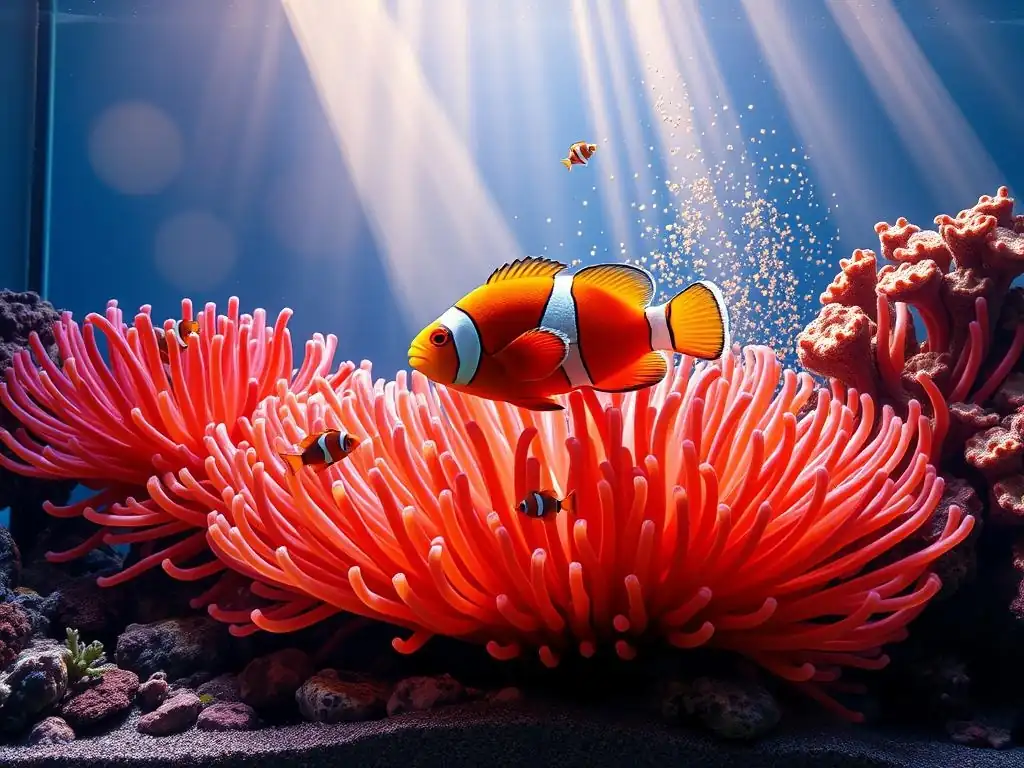
Dive into the captivating world of saltwater aquariums and discover the secrets to keeping your underwater ecosystems thriving. Are you ready to unlock the mysteries of the Saddleback Clownfish and its fascinating anemone partnerships? Explore our guide to Saddleback clownfish anemone care and learn how to create the perfect symbiotic haven for these captivating creatures. What makes this relationship so unique, and how can you replicate it in your own aquarium? Let's find out!
- Introduction to Saddleback Clownfish and Anemone Symbiosis
- Saddleback Clownfish Anemone Care: Creating the Perfect Habitat
- Selecting Saddleback Clownfish for Your Aquarium
- Feeding Saddleback Clownfish and Their Anemone Hosts
- Saddleback Clownfish Behavior and Social Dynamics
- Breeding Saddleback Clownfish: A Comprehensive Guide
- Common Health Issues and Troubleshooting
- Saddleback Clownfish Anemone Care: Advanced Techniques
- Conclusion: Mastering Saddleback Clownfish Anemone Care
-
Frequently Asked Questions
- What type of anemone is best suited for a Saddleback Clownfish?
- What water parameters are crucial for maintaining a healthy anemone in a Saddleback Clownfish tank?
- How often should I feed my Saddleback Clownfish and its host anemone?
- What are some common signs of an unhealthy anemone that I should watch out for?
- Can I introduce a Saddleback Clownfish and an anemone into a new aquarium at the same time?
- Final Reflection: Embracing Symbiosis in Our Lives
- Dive Deeper: Become a Clownfish Connoisseur!
Introduction to Saddleback Clownfish and Anemone Symbiosis
Understanding the Saddleback Clownfish: A Profile of Amphiprion polymnus
The Saddleback Clownfish, scientifically known as Amphiprion polymnus, is a captivating inhabitant of Indo-Pacific reefs, particularly prevalent in regions stretching from the Western Pacific to parts of Indonesia and the Philippines. Distinguished by its dark, often black or deep brown body adorned with one or two prominent white "saddles" or bands across its back, this species typically reaches a maximum size of 4 to 5 inches (10-12 cm) in a well-maintained home aquarium. Its robust build and unique coloration make it a popular choice among marine aquarists seeking a visually distinct clownfish.
Beyond its striking appearance, Amphiprion polymnus is valued for its relative hardiness and adaptability in captivity compared to some other clownfish species. With proper Saddleback clownfish anemone care and a stable environment, these fish can enjoy a considerable lifespan, often living for 6 to 10 years, and sometimes even longer, in a thriving saltwater aquarium. Their active swimming patterns and engaging personalities contribute significantly to the dynamic appeal of a reef tank setup.
The Crucial Role of Anemones in Saddleback Clownfish Life
The relationship between Saddleback Clownfish and their host anemones is a classic example of mutualism, a symbiotic partnership where both organisms benefit. In their natural habitat, the clownfish gains invaluable protection from predators by seeking refuge within the anemone's stinging tentacles. The clownfish possesses a unique mucous coating that prevents it from being stung by the anemone, allowing it to safely hide and even sleep amongst the deadly tentacles that deter other fish.
In return for shelter, the Saddleback Clownfish contributes to the anemone's well-being. It helps aerate the anemone's tentacles, removes detritus and parasites, and may even bring food scraps back to its host. While Amphiprion polymnus can successfully live without a host anemone in a captive environment, providing a suitable anemone allows aquarists to observe these fascinating natural behaviors, making dedicated Saddleback clownfish anemone care a highly rewarding aspect of marine aquaria.
Saddleback Clownfish Anemone Care: Creating the Perfect Habitat
Choosing the Right Anemone Species for Saddleback Clownfish
Ideal Anemone Hosts for Amphiprion polymnus in Captivity
When considering Saddleback clownfish anemone care, selecting the appropriate host species is paramount. The Bubble Tip Anemone ( Entacmaea quadricolor) is widely recognized as one of the most common and suitable hosts for Amphiprion polymnus in captivity, readily accepting Saddleback Clownfish. Other natural hosts that can be successfully kept in a home aquarium include the Sebae Anemone ( Heteractis crispa) and the Magnificent Anemone ( Heteractis magnifica). These anemones vary in size, with Bubble Tip Anemones often expanding to 12-18 inches (30-45 cm) in diameter under optimal conditions, requiring significant space.
The choice of anemone should also consider its overall hardiness and availability. Bubble Tip Anemones are generally more robust and forgiving for novice aquarists, while species like the Sebae Anemone can be more challenging to maintain long-term, demanding very stable and pristine water conditions. Ensuring the chosen anemone is healthy from the outset, with plump tentacles and a firmly attached foot, lays the foundation for successful Saddleback clownfish anemone care and a thriving symbiotic relationship.
Anemone Compatibility Considerations for a Thriving Clownfish Tank
Beyond selecting a suitable host, careful consideration of tank size and overall compatibility within the aquarium ecosystem is crucial for effective Saddleback clownfish anemone care. For a single pair of Saddleback Clownfish and their host anemone, a minimum tank size of 30 gallons (approximately 113 liters) is often suggested, though a 50-75 gallon (190-280 liter) tank is highly recommended for greater stability and to accommodate the anemone's potential growth. Anemones require ample open space to expand without touching other corals or tank inhabitants, as their powerful nematocysts (stinging cells) can harm or even kill other sessile invertebrates.
It is also important to consider the anemone's potential for movement. Anemones will relocate if they are unhappy with light, flow, or water parameters, and can sting corals in their path or even get sucked into powerheads. Therefore, adequate spacing, typically 6-12 inches (15-30 cm) from sensitive corals, is necessary. Mixing multiple large or aggressive anemone species in smaller tanks is generally discouraged due to territorial disputes and the risk of chemical warfare, which can negatively impact overall tank health and the success of Saddleback clownfish anemone care.
Maintaining Optimal Water Parameters for Anemones and Saddleback Clownfish
Water Chemistry Requirements for Anemone Health
Maintaining precise and stable water chemistry is the cornerstone of successful Saddleback clownfish anemone care. Anemones, particularly those that host clownfish, rely heavily on dissolved minerals for their health and structural integrity. Key parameters include calcium levels, which should be maintained between 400-450 ppm (parts per million), and alkalinity, ideally kept at 8-12 dKH (degrees of carbonate hardness). Magnesium, vital for preventing calcium precipitation and maintaining alkalinity, should range from 1250-1350 ppm. Regular testing, at least weekly, is essential to monitor these levels and make necessary adjustments through dosing.
Furthermore, controlling nutrient levels is critical. Nitrates should ideally be kept below 10-20 ppm, and phosphates below 0.03 ppm. Elevated levels can stress anemones, leading to tissue necrosis, recession, or bleaching, and can also fuel nuisance algae growth. Regular partial water changes, typically 10-20% bi-weekly using high-quality RO/DI (reverse osmosis/deionized) water mixed with a good marine salt mix, are fundamental for nutrient export and replenishing trace elements, ensuring a pristine environment for both the anemone and the Saddleback Clownfish.
The Importance of Stable Salinity and Temperature
Stability in salinity and temperature is paramount for the well-being of both Saddleback Clownfish and their host anemones. Salinity should be consistently maintained within a narrow range of 1.024-1.026 specific gravity (or 35 ppt). Fluctuations, even by small increments (e.g., more than 0.002 in 24 hours), can induce significant stress, leading to anemone retraction, tissue damage, or expulsion of zooxanthellae (bleaching), and can severely impact the clownfish's immune system. The use of an auto top-off (ATO) system is highly recommended to compensate for evaporation and maintain consistent salinity.
Similarly, temperature stability is non-negotiable. The ideal temperature range for Saddleback Clownfish and their host anemones is typically between 75-82°F (24-28°C). Sudden temperature swings, such as a drop or rise of more than 2-3°F within a few hours, can be detrimental. Consistent monitoring with a reliable thermometer and the use of appropriately sized heaters and chillers (if necessary) are crucial. Stability in these parameters minimizes physiological stress, allowing the symbiotic relationship to flourish and enhancing the overall success of Saddleback clownfish anemone care.
Lighting and Flow Requirements for Anemone and Clownfish Well-being
Providing Adequate Lighting for Photosynthetic Anemones
Most host anemones, including the popular Bubble Tip Anemone, are photosynthetic, meaning they rely on symbiotic algae (zooxanthellae) within their tissues to produce energy from light. Therefore, providing adequate and appropriate lighting is a cornerstone of Saddleback clownfish anemone care. Strong illumination from T5 HO (High Output) fluorescent lights, Metal Halide, or modern LED fixtures is essential. The Photosynthetically Active Radiation (PAR) levels required typically range from 150-300 PAR, depending on the specific anemone species and its placement within the tank.
When introducing a new anemone, it is often advisable to acclimate it to the tank's lighting gradually. Start with lower intensity or shorter photoperiods (e.g., 6 hours) and slowly increase over several weeks to prevent light shock or bleaching. A consistent photoperiod, typically 8-10 hours daily, is important for the anemone's metabolic processes. Insufficient lighting will cause the anemone to fade in color, shrink, or even perish, ultimately impacting the well-being of its Saddleback Clownfish host.
Ensuring Proper Water Circulation for Anemone Health
Beyond lighting, proper water circulation is vital for the health of both the anemone and the Saddleback Clownfish. Anemones require moderate to strong, turbulent water flow to prevent detritus from settling on their tentacles and base, which can lead to tissue decay. Good flow also ensures that food particles, oxygen, and essential nutrients are delivered to the anemone, and waste products are carried away. Powerheads or wavemakers strategically placed in the aquarium are often necessary to achieve the desired flow patterns.
However, it is crucial to avoid direct, laminar (straight-line) flow, which can damage the anemone's delicate tissues or cause it to detach from its substrate. Instead, aim for indirect, oscillating, or chaotic flow that mimics the natural surge found on coral reefs. Anemones are known to move around the tank to find their preferred flow conditions, so providing a variety of flow zones is beneficial. A well-circulated tank also benefits the Saddleback Clownfish by keeping the water oxygenated and preventing dead spots where detritus can accumulate, contributing to overall successful Saddleback clownfish anemone care.
Selecting Saddleback Clownfish for Your Aquarium
Identifying Healthy Saddleback Clownfish Specimens
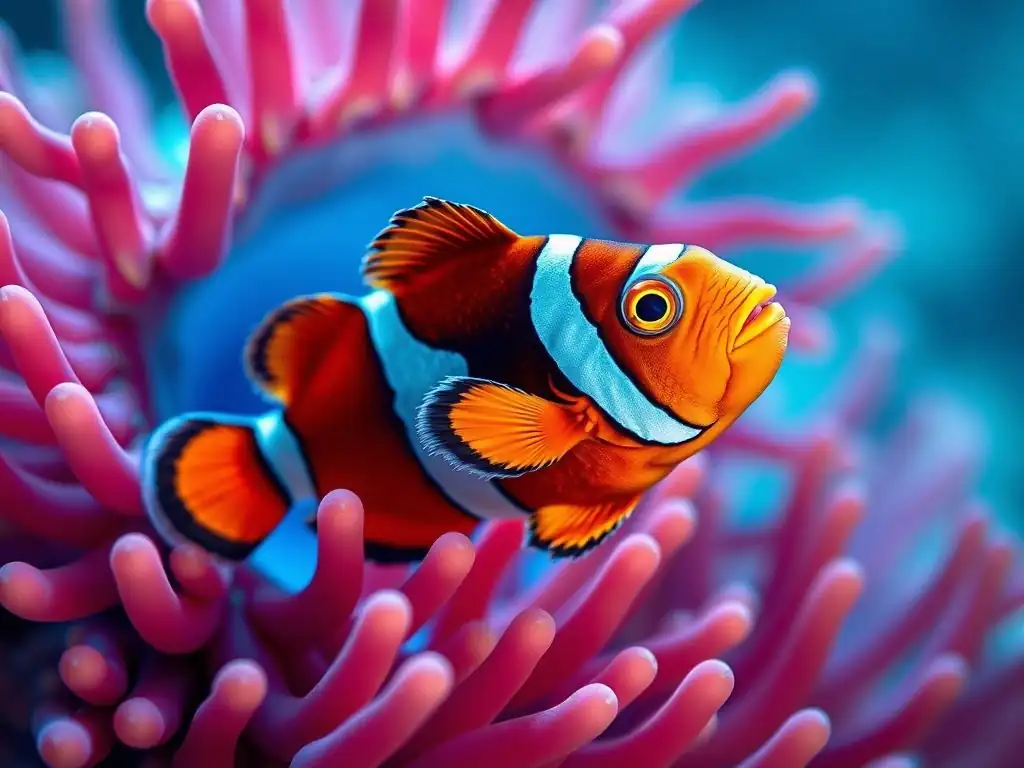
When acquiring Saddleback Clownfish for your aquarium, careful observation of potential specimens is crucial to ensure their health and successful integration. A healthy Saddleback Clownfish should exhibit vibrant, clear coloration, with its distinctive white saddles sharply defined against its dark body. Its fins should be intact, without any signs of fraying, nips, or damage, and its eyes should be clear and bright, not cloudy or sunken. The fish should appear plump and well-fed, avoiding any signs of emaciation or pinched bellies.
Observe the fish's behavior within the retail tank. Healthy specimens will typically be active and alert, swimming purposefully, and displaying curiosity. Avoid fish that are lethargic, constantly hiding, gasping at the surface, or exhibiting labored breathing (rapid gill movement exceeding 80 breaths per minute). Check for any external parasites such as ich (appearing as tiny white spots, roughly 0.5-1mm in diameter, resembling salt grains) or velvet (a dusty, gold-like sheen on the body). Inquire about their feeding habits and how long they have been at the facility to gauge their stability.
Acclimation Process: Introducing Saddleback Clownfish to Your Tank
Proper acclimation is a critical step in minimizing stress and ensuring the successful transfer of Saddleback Clownfish to their new home. The drip acclimation method is highly recommended for its gentle approach. Begin by floating the sealed bag in your aquarium for 15-20 minutes to equalize temperature. Then, place the fish and its shipping water into a clean bucket or container. Using airline tubing with a knot or valve, slowly drip water from your display tank into the container, aiming for a drip rate of 1-2 drops per second.
Continue this process for 45-60 minutes, allowing the water volume in the container to slowly double. This gradual introduction to your tank's specific pH, salinity, and temperature parameters significantly reduces shock. Once acclimation is complete, carefully net the Saddleback Clownfish and gently release it into your display tank. Crucially, avoid introducing any of the shipping water into your aquarium to prevent potential introduction of pathogens or undesirable substances. Turn off your aquarium lights during acclimation and for several hours afterward to reduce stress on the newly introduced fish.
Quarantine Procedures for New Clownfish Arrivals
Implementing a dedicated quarantine tank (QT) for all new Saddleback Clownfish arrivals is a non-negotiable best practice for responsible Saddleback clownfish anemone care. A QT, typically a 10-20 gallon (38-75 liter) tank for a single clownfish or pair, should be set up with a heater, a small sponge filter (for biological filtration), and PVC pipes or simple rock structures for hiding. This bare-bottom setup allows for easy observation and medication.
New clownfish should remain in quarantine for a minimum of 3-4 weeks. This period allows you to observe them for any signs of disease, such as ich or velvet, and to treat them prophylactically if desired (e.g., with copper-based medications for parasites, but never in the main display tank with invertebrates). Quarantine prevents the introduction of diseases into your established display tank, safeguarding your existing inhabitants and investment. Regular water changes should be performed in the QT, using water from your main display tank to help the fish gradually adapt to its eventual home parameters.
Feeding Saddleback Clownfish and Their Anemone Hosts
Nutritional Needs of Saddleback Clownfish
Saddleback Clownfish are omnivores, requiring a diverse and high-quality diet to thrive in the aquarium environment. Their daily diet should consist of a variety of marine-based foods. High-quality marine flake foods and small pellets (e.g., 1-2mm size) specifically formulated for marine omnivores should form the staple. Supplement this with frozen foods such as mysis shrimp, brine shrimp (preferably enriched with spirulina or other vitamins), and finely chopped krill or other meaty seafood.
For optimal health and coloration, feed your Saddleback Clownfish small amounts 2-3 times per day. Ensure the food is consumed within a few minutes to prevent excess waste from polluting the water. A good quality clownfish diet should contain at least 40-50% protein to support their growth and energy needs. Occasionally supplementing their diet with vitamin-enriched liquid supplements (e.g., once or twice a week) can further boost their immune system and enhance their natural vibrancy, contributing to overall robust Saddleback clownfish anemone care.
Feeding Strategies to Support Anemone Health
Direct Feeding Techniques for Anemones
While host anemones derive significant nutrition from their symbiotic zooxanthellae through photosynthesis, supplemental direct feeding is highly beneficial, especially for larger specimens or those showing signs of stress or fading color. Offer small, meaty food items directly to the anemone's tentacles 1-2 times per week. Suitable foods include frozen mysis shrimp, finely chopped silversides, krill, or specialized anemone pellets.
Use a turkey baster or a long feeding stick to gently place the food onto the anemone's tentacles. Observe its reaction; a healthy anemone will typically grasp the food and bring it to its mouth within a few minutes. Avoid overfeeding, as uneaten food can decompose and foul the water, leading to poor water quality. If the anemone rejects the food or regurgitates it later, it may not be hungry or could be experiencing stress, prompting a review of water parameters and lighting as part of comprehensive Saddleback clownfish anemone care.
The Role of Clownfish in Anemone Nutrition
Beyond direct feeding, the Saddleback Clownfish plays an indirect yet valuable role in its host anemone's nutrition. In their natural symbiotic relationship, clownfish often bring food scraps back to their host anemone. As the clownfish feeds within or near the anemone, small pieces of uneaten food may drift onto the anemone's tentacles, providing an opportunistic meal for the host. This natural behavior provides a consistent, albeit minor, supplemental food source for the anemone.
Furthermore, the waste products produced by the Saddleback Clownfish, primarily in the form of ammonia, nitrates, and phosphates, can be utilized by the zooxanthellae living within the anemone's tissues. These byproducts act as nutrients for the symbiotic algae, which in turn produce sugars and other organic compounds that the anemone can absorb. This completes a localized nutrient cycling loop, demonstrating the intricate and mutually beneficial nature of the clownfish-anemone partnership, and highlighting a subtle yet important aspect of Saddleback clownfish anemone care.
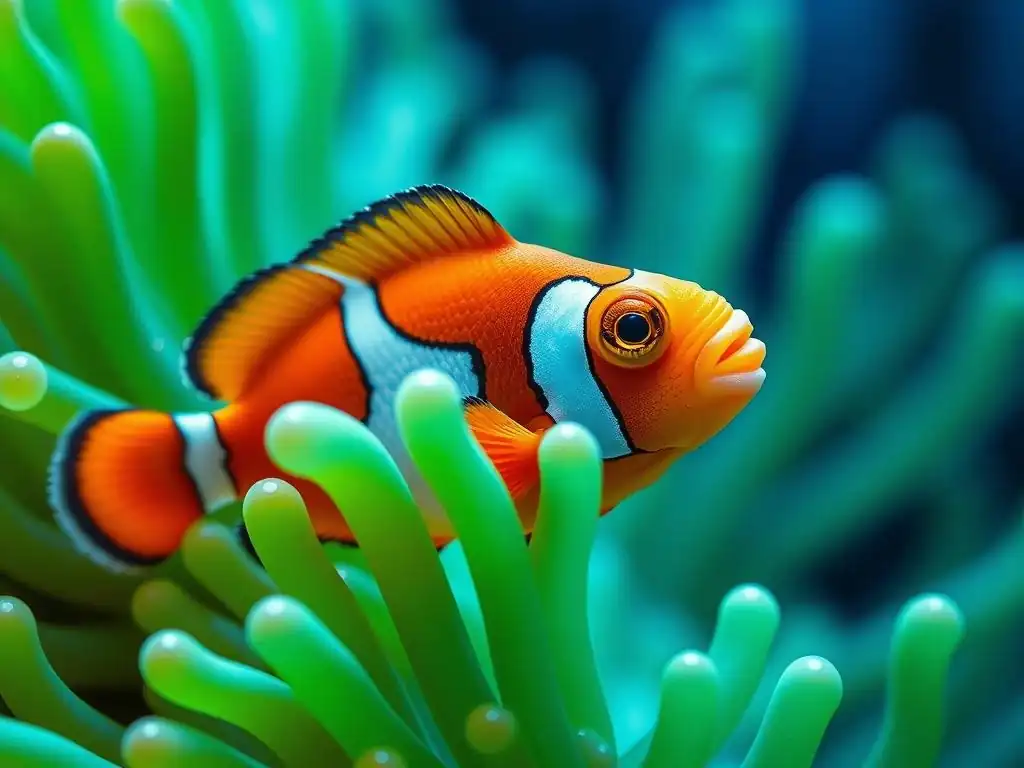
Saddleback Clownfish, like all clownfish species, exhibit a fascinating social structure characterized by protandrous hermaphroditism. This means all Saddleback Clownfish are born male, with the ability to change sex to female later in life. In a group of juvenile Saddleback Clownfish, the largest and most dominant individual will undergo a sex change to become the female, while the second largest will develop into the breeding male. All other smaller individuals in the group will remain non-reproductive males or juveniles, maintaining a strict pecking order.
When introducing Saddleback Clownfish to an aquarium, it is generally recommended to introduce a single pair (a larger female and a smaller male) or a small group of 3-5 juveniles into a sufficiently large tank (e.g., 75+ gallons). In a group scenario, a natural hierarchy will form as they mature. However, in smaller tanks (below 50 gallons), it is best to stick to a single pair to avoid excessive aggression as the fish grow and establish their dominance, ensuring a harmonious environment for Saddleback clownfish anemone care.
Potential Aggression and Tank Mate Considerations
While Saddleback Clownfish are generally considered relatively peaceful compared to some other clownfish species, they can exhibit territorial aggression, especially as they mature or establish a breeding pair. This aggression is typically directed towards other clownfish, particularly those of similar size or coloration, or towards other fish that encroach upon their host anemone or perceived territory. Therefore, careful consideration of tank mates is essential for long-term harmony.
Suitable tank mates for Saddleback Clownfish include other peaceful community fish that are not overly boisterous or aggressive. Good choices often include gobies, blennies, cardinalfish, certain wrasses, and small tangs (in appropriately sized tanks). Avoid very large or predatory fish that might see the clownfish as prey, or fish known to nip at anemones or other corals. Providing ample swimming space, especially in a longer tank (e.g., a 4-foot long tank for a pair and their anemone), can help disperse potential aggression and reduce stress, contributing to successful Saddleback clownfish anemone care.
Observing Natural Behaviors in the Aquarium Environment
Observing the natural behaviors of Saddleback Clownfish within the aquarium is one of the most rewarding aspects of their care. When provided with a suitable host anemone, you will frequently witness the clownfish darting in and out of its tentacles, a behavior that is both mesmerizing and indicative of a healthy symbiotic relationship. They will often "host" in the anemone, brushing against its tentacles, and sometimes even bringing food scraps back to it, as previously discussed.
Beyond their interaction with the anemone, Saddleback Clownfish exhibit interesting swimming patterns and social dynamics. A bonded pair will often swim together, display synchronized movements, and engage in "shivering" or "quivering" displays, particularly when approaching a potential spawning site. If a breeding pair forms, you might observe them meticulously cleaning a flat surface near their anemone, preparing for egg deposition. These natural behaviors provide valuable insights into their biology and underscore the importance of dedicated Saddleback clownfish anemone care to allow these fascinating displays to unfold.
Breeding Saddleback Clownfish: A Comprehensive Guide
Setting Up a Breeding Tank for Saddleback Clownfish
For aquarists interested in breeding Saddleback Clownfish, a dedicated breeding tank is highly recommended to maximize success rates. A 20-30 gallon (75-113 liter) aquarium is generally sufficient for a single breeding pair. The tank should be relatively bare, featuring a few pieces of PVC pipe or inert rock for hiding spots, and a terracotta pot, a flat piece of slate, or a ceramic tile to serve as a designated spawning surface. While Saddleback Clownfish will readily breed without a host anemone, including a small, healthy host can encourage more natural behaviors and potentially increase spawning frequency.
Maintain stable water parameters in the breeding tank, mirroring those of a healthy reef aquarium: salinity at 1.025, temperature around 78-80°F (25.5-26.7°C), and low nitrates. Filtration can be minimal, often a simple sponge filter or a small hang-on-back (HOB) filter to provide gentle water movement and biological filtration, avoiding strong currents that could harm delicate eggs or larvae. Dim lighting or a natural daylight cycle is often preferred to reduce stress on the breeding pair.
Identifying Mating Pairs and Spawning Behaviors
Identifying a mating pair of Saddleback Clownfish is relatively straightforward once they reach maturity. The female will be noticeably larger and more robust than the male, often by 1-2 inches (2.5-5 cm). Bonded pairs will exhibit distinct courtship behaviors, including synchronized swimming, side-by-side "shimmying" or "quivering" movements, and increased territoriality around their chosen spawning site. They may also engage in "cleaning" behaviors, meticulously rubbing their bodies against a flat surface, such as a rock, tile, or the base of their host anemone, preparing it for egg deposition.
Spawning typically occurs in the late afternoon or early evening. The female will begin by laying adhesive, oval-shaped eggs in rows on the cleaned surface, usually numbering between 200-500 eggs per spawn, though larger, more mature females can produce over 1,000 eggs. Immediately after the female lays a patch of eggs, the male will follow closely behind, fertilizing them. Spawning events can occur every 10-14 days in a well-conditioned and stable breeding setup, a testament to successful Saddleback clownfish anemone care leading to reproduction.
Raising Saddleback Clownfish Fry: A Comprehensive Guide
Caring for Clownfish Eggs and Larvae
Once the Saddleback Clownfish eggs are laid, the male takes on the primary responsibility for their care. He will diligently guard the clutch, fanning them with his fins to ensure adequate oxygenation and removing any unfertilized or fungus-covered eggs. The eggs, initially orange or reddish, will gradually darken as they develop, and tiny silver eyes will become visible within 5-7 days. Hatching typically occurs 7-10 days after spawning, usually at night, at temperatures around 78-80°F (25.5-26.7°C).
For successful larval rearing, it's best to move the eggs or newly hatched larvae to a separate larval rearing tank. This tank should be small (e.g., 5-10 gallons), meticulously clean, and equipped with only gentle aeration (a fine air stone) and a heater. Newly hatched Saddleback Clownfish larvae are tiny, planktonic, and approximately 3-4mm in length. The first 24-48 hours are critical as they absorb their yolk sac, after which they require their first external food source.
First Foods and Weaning Strategies for Clownfish Fry
The critical challenge in raising Saddleback Clownfish fry is providing an appropriate first food due to their minuscule size. Rotifers ( Brachionus plicatilis) are the essential initial food source for newly hatched clownfish larvae. Rotifers should be cultured and fed continuously for the first 7-10 days, ensuring they are nutritionally enriched or "gut-loaded" with high-quality phytoplankton. Maintaining a dense concentration of rotifers (e.g., 10-15 rotifers per mL) is crucial for the fry's survival during this vulnerable stage.
After approximately 7-10 days, as the fry grow slightly (reaching about 6-8mm), they can be gradually weaned onto larger live foods. Newly hatched brine shrimp nauplii are an excellent second food. Over the next few weeks, as the fry continue to develop and undergo metamorphosis (typically around 2-3 weeks post-hatch), they can be transitioned onto finely crushed high-quality marine flake food and micro pellets. This careful progression of feeding strategies is vital for successful Saddleback clownfish anemone care when attempting breeding, ensuring high survival rates for the delicate fry.
Common Health Issues and Troubleshooting
Recognizing Symptoms of Disease in Saddleback Clownfish
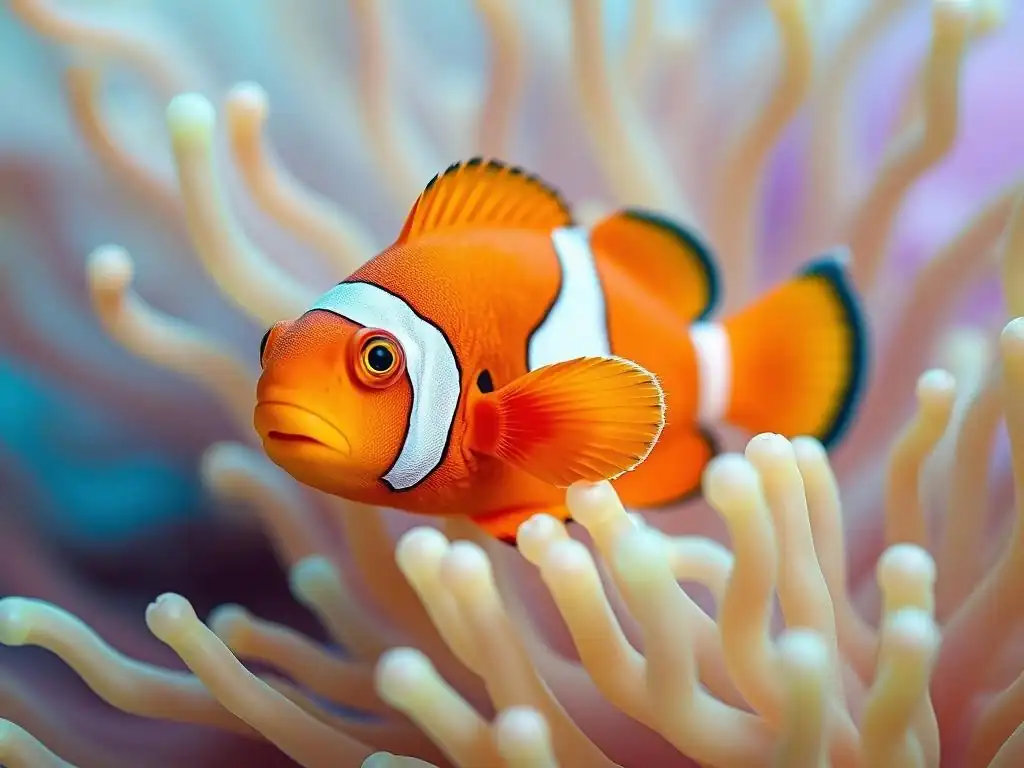
Recognizing the early symptoms of disease in Saddleback Clownfish is crucial for prompt intervention and successful treatment. Common indicators of ill health include faded or dull coloration, clamped fins held close to the body, rapid or labored breathing (gill movements exceeding 80 breaths per minute), and a noticeable loss of appetite. External signs may manifest as white spots (Ich, Cryptocaryon irritans, appearing as tiny salt-like grains, typically 0.5-1mm in diameter), a dusty or gold-like sheen on the body (Velvet, Amyloodinium ocellatum), or frayed and deteriorating fins (fin rot).
Other symptoms to watch for include abnormal swelling, sores, lesions, or a general lethargy where the fish remains stationary or hides excessively. Any unusual swimming patterns, such as darting, scratching against rocks (flashing), or disorientation, should also raise concern. Upon noticing any of these symptoms, it's advisable to isolate the affected Saddleback Clownfish in a separate hospital tank immediately. Early detection and intervention significantly improve the chances of recovery, underscoring a vital aspect of Saddleback clownfish anemone care.
Addressing Anemone Health Problems and Decline
Anemones are sensitive invertebrates, and their decline can quickly impact the well-being of their host Saddleback Clownfish. Symptoms of an unhealthy anemone include retracted or shriveled tentacles, a deflated appearance, significant loss of color (bleaching, indicating zooxanthellae expulsion), a gaping mouth that remains open, an inability to firmly attach its foot to rockwork, or excessive movement around the tank. These signs often point to underlying issues with water quality, lighting, or flow.
To troubleshoot anemone health problems, immediately test all critical water parameters: salinity, temperature, alkalinity, calcium, magnesium, nitrates, and phosphates. Ensure they are within optimal ranges and are stable. Verify that lighting intensity and spectrum are appropriate for the anemone species.
Check water flow to ensure it's adequate but not directly blasting the anemone. If an anemone is severely stressed or appears to be dying, it should be carefully removed from the display tank to prevent it from decomposing and fouling the entire system, which can trigger a catastrophic tank crash. This is a critical, albeit difficult, decision in Saddleback clownfish anemone care.
Preventing and Treating Common Aquarium Ailments
Prevention is the most effective strategy against common aquarium ailments in Saddleback Clownfish and their host anemones. Rigorous quarantine procedures for all new livestock (fish and invertebrates) are paramount to prevent the introduction of pathogens into your established display tank. Maintaining pristine and stable water quality through regular partial water changes (e.g., 10-20% weekly or bi-weekly), using high-quality RO/DI water, and providing a balanced, nutritious diet are fundamental. Avoid overcrowding the aquarium, as this contributes to stress and increased bioload.
For treating common ailments, a dedicated hospital tank is essential. For parasitic infections like Ich, treatments such as hyposalinity (gradually lowering salinity to 1.009-1.010 for 3-4 weeks) or copper-based medications can be effective in the hospital tank. Bacterial infections may require broad-spectrum antibiotics. Always follow medication instructions carefully and precisely. Never use copper-based medications or many common fish medications in a display tank containing invertebrates, including anemones, as they are highly toxic to them. Implementing these preventative and treatment measures is key to effective Saddleback clownfish anemone care.
Saddleback Clownfish Anemone Care: Advanced Techniques
Optimizing Anemone Growth and Coloration
For aquarists seeking to optimize the growth and vibrant coloration of their host anemone, advanced Saddleback clownfish anemone care techniques can be employed. Beyond regular direct feeding, consider supplementing the anemone's diet with amino acid solutions or specialized liquid anemone foods occasionally. Ensuring the Saddleback Clownfish itself receives a rich, varied diet also indirectly benefits the anemone, as the clownfish's waste products and any food scraps it brings can contribute to the anemone's nutrition.
Maintaining incredibly stable water parameters is paramount. While general ranges are important, minimizing daily fluctuations in calcium, alkalinity, and magnesium (e.g., keeping swings below 5% daily) will foster optimal skeletal growth and physiological function. Regular dosing of trace elements like iodine, strontium, and potassium, especially if depleted by strong protein skimming or heavy coral loads, can also support anemone health and enhance its natural pigmentation. Consistent, high-quality lighting with appropriate PAR and spectrum will ensure robust zooxanthellae populations, leading to deeper, more vibrant colors.
Managing Algae Growth Around Anemones
Nuisance algae growth around the base or tentacles of a host anemone can irritate it, potentially causing it to retract or move, and is a common challenge in Saddleback clownfish anemone care. Excessive algae, such as diatoms or hair algae, often indicates elevated nutrient levels (nitrates and phosphates) in the aquarium. Manual removal during water changes, gently siphoning or brushing off the algae from the rockwork near the anemone, is a good immediate solution.
For long-term management, focus on reducing the primary sources of nutrients. This includes feeding less, ensuring all new water additions are made with high-quality RO/DI water, and improving overall filtration. Employing a highly efficient protein skimmer, establishing a refugium with macroalgae (like Chaetomorpha) to outcompete nuisance algae, or utilizing chemical filtration media such as GFO (granular ferric oxide) or activated carbon can significantly lower nitrates and phosphates. Introducing appropriate algae-eating snails or hermit crabs (ensuring they won't disturb the anemone) into the clean-up crew can also help keep nuisance algae in check.
Dealing with Anemone Movement and Placement
Anemones are motile creatures and will move around the aquarium if they are unhappy with their current conditions, whether it's insufficient light, unfavorable flow, or undesirable water parameters. While natural, this movement can be problematic if the anemone stings other corals in its path or positions itself in a dangerous location, such as near a powerhead's intake. A key aspect of advanced Saddleback clownfish anemone care is to minimize this unwelcome movement.
The best strategy is prevention: ensure all water parameters are optimal, stable, and consistent from the moment the anemone is introduced. Place the anemone in a mature tank with stable rockwork that offers crevices for its foot to anchor securely. If an anemone does move to an undesirable spot, you can sometimes gently guide it by creating less favorable conditions in its current location (e.g., slightly altering flow) or providing a more appealing spot nearby.
Never forcibly remove an anemone from a surface, as this can severely injure its foot, leading to its demise. In some cases, providing a dedicated "anemone island" – an isolated rock structure – can help contain its movement.
Conclusion: Mastering Saddleback Clownfish Anemone Care
The Rewards of a Thriving Symbiotic Relationship
Mastering Saddleback clownfish anemone care culminates in the profound reward of observing one of nature's most captivating symbiotic relationships unfold within your home aquarium. The sight of the vibrant Amphiprion polymnus darting fearlessly amongst the stinging tentacles of its host anemone is a constant source of wonder and education. A well-maintained tank showcasing this dynamic partnership not only adds immense beauty to any space but also serves as a living testament to the aquarist's dedication and understanding of marine ecosystems.
Beyond the visual appeal, a thriving symbiotic relationship signifies a healthy and balanced aquarium environment. The active interaction between the Saddleback Clownfish and its anemone indicates optimal water parameters, appropriate lighting, and sufficient nutrition for both species. This long-term success provides immense satisfaction, offering continuous opportunities to learn about marine biology and the intricate interdependencies that define coral reef life.
Resources for Further Learning about Saddleback Clownfish and Anemones
The journey of Saddleback clownfish anemone care is a continuous learning process. To further enhance your knowledge and skills, actively seek out reputable resources. Consult established marine aquarium forums and communities where experienced aquarists share insights and troubleshooting tips. Explore scientific journals and credible online databases for specific research papers on Amphiprion polymnus behavior, physiology, and anemone symbiosis, which can provide deeper scientific understanding.
Regularly review updated husbandry guidelines from trusted aquarium publications and marine biology institutions. The field of marine aquaria is constantly evolving, with new techniques, equipment, and understanding emerging frequently. Staying informed about the latest advancements in water chemistry management, feeding strategies, and disease prevention will empower you to provide the best possible care for your Saddleback Clownfish and their fascinating anemone hosts, ensuring their long-term health and the continued enjoyment of your thriving marine ecosystem.
Frequently Asked Questions
What type of anemone is best suited for a Saddleback Clownfish?
While Saddleback Clownfish can host in a few anemone species, they are most commonly found in association with the Heteractis crispa (Sebae Anemone) and, less frequently, the Stichodactyla haddoni (Haddon's Carpet Anemone). Providing one of these anemones increases the likelihood of a successful pairing.
What water parameters are crucial for maintaining a healthy anemone in a Saddleback Clownfish tank?
Maintaining stable water parameters is essential. Key parameters include a specific gravity of 1.024-1.026, a temperature of 72-78°F, and proper levels of alkalinity, calcium, and magnesium.
How often should I feed my Saddleback Clownfish and its host anemone?
Saddleback Clownfish should be fed 2-3 times per day with a variety of high-quality marine foods. The anemone can be fed small pieces of meaty food 1-2 times per week to supplement its nutritional needs.
What are some common signs of an unhealthy anemone that I should watch out for?
Signs of an unhealthy anemone include deflated appearance, bleaching (loss of color), and a reluctance to attach to the substrate. Immediately address any water quality issues if you notice these symptoms.
Can I introduce a Saddleback Clownfish and an anemone into a new aquarium at the same time?
It's generally recommended to establish the aquarium and allow the anemone to acclimate for several weeks before introducing the Saddleback Clownfish. This gives the anemone time to stabilize and establish itself.
Final Reflection: Embracing Symbiosis in Our Lives
The intricate dance between the Saddleback clownfish and its anemone host, as explored throughout this article, serves as a powerful reminder of the interconnectedness of life and the delicate balance of ecosystems. Understanding the nuances of Amphiprion polymnus anemone care isn't just about aquarium keeping; it's about appreciating the profound relationships that sustain our planet and recognizing the importance of responsible stewardship.
This symbiotic relationship, so vital to the Saddleback clownfish, mirrors the many dependencies and collaborations that shape our own world. Witnessing the clownfish's reliance on the anemone for protection and the anemone's potential benefit from the clownfish's presence underscores the beauty and necessity of mutual support. In nature, nothing exists alone.
- Rachel Carson. This quote encapsulates the very essence of the Saddleback clownfish's existence and serves as a potent metaphor for the interconnectedness of all living things, including ourselves.
As you consider the complexities of Saddleback clownfish anemone care, I invite you to reflect on the symbiotic relationships in your own life. How can you foster greater understanding and support within your own communities? What actions can you take to nurture the delicate balance of our shared environment? Let the lessons learned from the Amphiprion polymnus inspire you to cultivate a deeper appreciation for the interconnectedness of all life and to actively contribute to a more harmonious and sustainable future.
Dive Deeper: Become a Clownfish Connoisseur!
Thanks for exploring the fascinating world of the Saddleback Clownfish! We hope you now appreciate the intricacies of their anemone relationships and unique behaviors. Now, let's put that knowledge to good use:
- Take the plunge and research if a Saddleback Clownfish is right for your home aquarium. Consider the specific needs of both the fish and its host anemone for a thriving aquatic ecosystem.
- Share this article with fellow aquarium enthusiasts! Spread the word about the wonder of these captivating creatures.
- Instead of buying, explore local aquarium societies or rescues to see if a Saddleback Clownfish needs a new home.
Ready to transform your aquarium knowledge into action?