
Land vs. Water: Finding the Right Balance for Your Freshwater and SemiAquatic Crabs

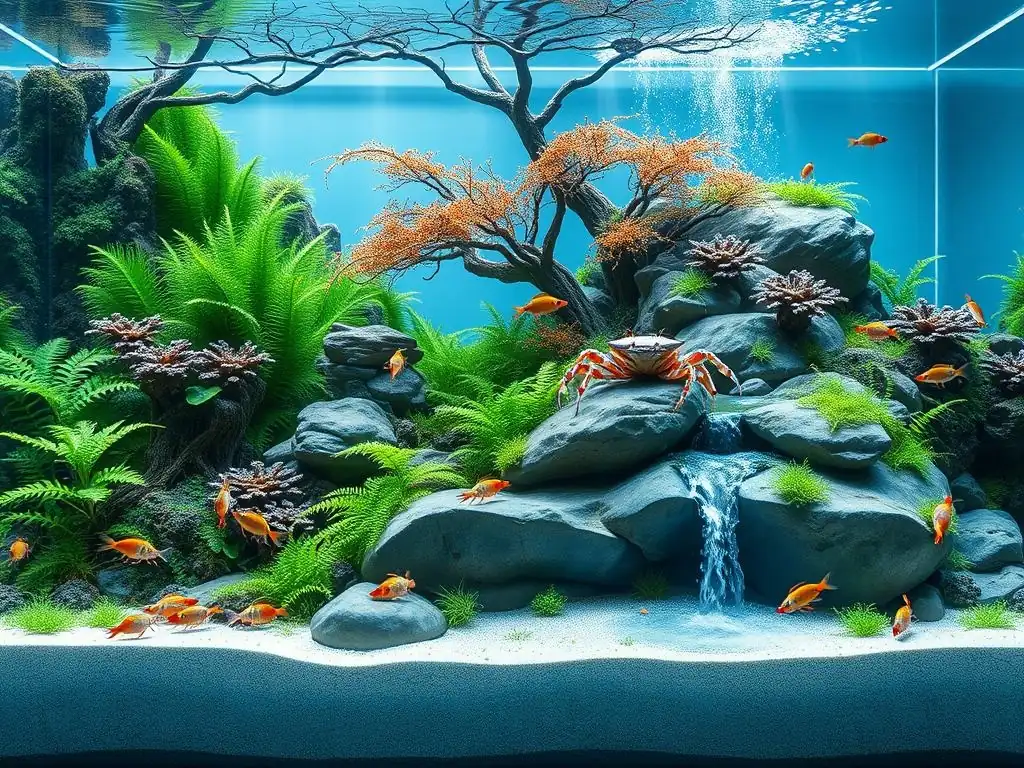
Welcome to Aquarium Mastery!
Intrigued by the fascinating world of freshwater crabs and their unique needs? Land vs. Water: Finding the Right Balance for Your Freshwater and SemiAquatic Crabs explores the delicate ecosystems these captivating creatures require. Dive in to discover the secrets of freshwater crab care balance and unlock the key to a thriving crab habitat! Curious to learn more? Let's get started!
- Land vs. Water: Achieving Optimal Freshwater Crab Care
- Understanding the Habitat Needs of Freshwater and Semi-Aquatic Crabs
- Creating the Ideal Land Area for Your Crabs
- Designing the Perfect Aquatic Zone for Freshwater Crabs
- Feeding Your Freshwater and Semi-Aquatic Crabs: A Balanced Diet
- Crab Species-Specific Land and Water Requirements
- Maintaining the Land-Water Balance: Troubleshooting Common Issues
- Essential Equipment for a Balanced Crab Habitat
- Achieving Optimal Freshwater Crab Care: A Summary of Best Practices
-
Frequently Asked Questions
- What is the ideal land-to-water ratio for a semi-aquatic freshwater crab enclosure?
- What are some essential water parameters to monitor for freshwater crabs?
- How do I create a suitable land environment for my freshwater crabs?
- What type of food should I offer my freshwater crabs?
- How often should I perform water changes in my freshwater crab aquarium?
- Final Reflection: The Delicate Dance of Land and Water
- Unleash Your Crab-Keeping Potential!
Land vs. Water: Achieving Optimal Freshwater Crab Care
Understanding the Habitat Needs of Freshwater and Semi-Aquatic Crabs
The Importance of a Balanced Environment for Crab Health
Creating a precisely balanced environment is paramount for the long-term health and well-being of freshwater and semi-aquatic crabs. These fascinating invertebrates require specific conditions to thrive, encompassing both aquatic and terrestrial elements.
An imbalance, such as insufficient land access or improper water chemistry, can lead to severe health issues, including respiratory distress, shell rot, molting complications, and even premature death. For instance, many semi-aquatic species, like the popular Red Claw Crab, possess gills adapted for both aquatic and atmospheric oxygen uptake; prolonged submersion without land access can lead to drowning, while extended periods out of water in low humidity can cause desiccation.
Moreover, a properly structured habitat that maintains the delicate freshwater crab care balance significantly reduces stress, which is a major contributor to disease. Crabs are highly sensitive to their surroundings, and a lack of appropriate hiding spots, stable parameters, or suitable substrate can induce chronic stress, weakening their immune systems. Providing distinct zones that cater to their innate behaviors—burrowing, climbing, foraging, and molting—ensures they can exhibit natural behaviors, leading to a more robust and longer life, often extending their typical lifespan of 2-5 years in captivity when conditions are optimal.
Distinguishing Between Freshwater and Semi-Aquatic Crab Species
It is crucial to differentiate between truly freshwater (fully aquatic) and semi-aquatic crab species, as their habitat requirements, particularly the land-to-water ratio, vary significantly. Fully aquatic freshwater crabs, such as the Thai Micro Crab (Limnopilos naiyanetri), spend their entire lives submerged and do not require a land area. Their tank setup is similar to that of typical freshwater fish, focusing on water parameters, filtration, and aquatic décor.
In contrast, semi-aquatic crabs, which include popular species like the Vampire Crab (Geosesarma dennerle), Red Claw Crab (Pseudosesarma moeshi), and Panther Crab (Parathelphusa pantherina), necessitate access to both land and water. These species periodically emerge from the water to breathe air, forage, or molt in a terrestrial environment. For example, Vampire Crabs are predominantly terrestrial, requiring only a small, shallow water dish, whereas Red Claw Crabs need a substantial land area but also a significant body of water, often brackish, for swimming and hydration. Understanding these distinctions is the first step in achieving an effective freshwater crab care balance.
Creating the Ideal Land Area for Your Crabs
Substrate Choices for Terrestrial Crab Habitats: Coco Fiber, Sand, and Peat Moss
Selecting the appropriate substrate for the terrestrial portion of your crab's habitat is critical for their health and comfort. Coco fiber, derived from coconut husks, is a highly recommended choice due to its excellent moisture retention capabilities, which helps maintain crucial humidity levels. It is also soft, allowing crabs to burrow easily, a natural behavior essential for molting and stress reduction.
When using coco fiber, ensure it is thoroughly rinsed and expanded with dechlorinated water to remove any residual salts or impurities. A depth of at least 4-6 inches (approximately 10-15 cm) is ideal for most semi-aquatic species to facilitate proper burrowing.
Mixing coco fiber with other substrates like play sand or peat moss can further enhance the habitat. Fine-grained play sand (calcium-free) can be used to create firmer burrowing tunnels or distinct digging areas. Peat moss, while also good for humidity, can be slightly acidic and should be used sparingly or in combination with coco fiber, especially for species that prefer neutral to slightly alkaline conditions.
Always avoid substrates with sharp edges, like crushed coral or coarse gravel, on the land portion, as these can injure delicate crab exoskeletons or appendages. The right substrate mix is foundational to the freshwater crab care balance.
Landscaping Ideas: Providing Hiding Places and Enrichment
Effective landscaping on the terrestrial side of a crab habitat goes beyond aesthetics; it provides vital hiding places, enrichment, and security. Crabs are naturally shy and vulnerable, especially during molting, and require ample secluded spots where they can feel safe. Cork bark flats, hollow logs, PVC pipes, coconut shells, and smooth, non-porous rocks are excellent choices for creating caves, tunnels, and crevices. Arrange these elements to form multiple hiding options, ensuring that each crab has at least one designated safe haven, which helps mitigate aggression in multi-crab setups.
Beyond mere concealment, a varied landscape offers mental and physical enrichment. Incorporate climbing opportunities using driftwood branches or textured rocks that extend from the water to the land. Live, non-toxic plants such as Pothos, Spider Plants, or small ferns (ensure they are pesticide-free) can be rooted in the substrate to provide cover and help maintain humidity. Creating different levels and textures within the land area encourages natural exploration and foraging behaviors, contributing significantly to a stimulating and healthy environment, which is a key aspect of freshwater crab care balance.
Maintaining Proper Humidity Levels on Land
Maintaining high and stable humidity levels on the terrestrial side of a semi-aquatic crab tank is absolutely critical for their respiratory health and successful molting. Many semi-aquatic crabs breathe air through specialized gills that must remain moist to function effectively; low humidity can cause their gills to dry out, leading to suffocation.
Ideal humidity levels typically range from 70% to 90% for most semi-aquatic species like Vampire Crabs, though some may tolerate slightly lower levels. This can be achieved through regular misting with dechlorinated water, using a humidity-retaining substrate like coco fiber, and employing a tight-fitting lid to trap moisture within the enclosure.
Monitoring humidity with a reliable hygrometer is essential to prevent desiccation-related issues. If humidity drops too low, crabs may become lethargic, struggle to breathe, or, most critically, fail to complete their molt. Molting is a highly vulnerable process, and insufficient humidity can cause the old exoskeleton to stick, leading to "stuck molts" that are often fatal. Conversely, excessively high humidity combined with poor ventilation can lead to mold growth or bacterial issues. Striking the right balance is paramount for their survival and a cornerstone of effective freshwater crab care balance.
Designing the Perfect Aquatic Zone for Freshwater Crabs
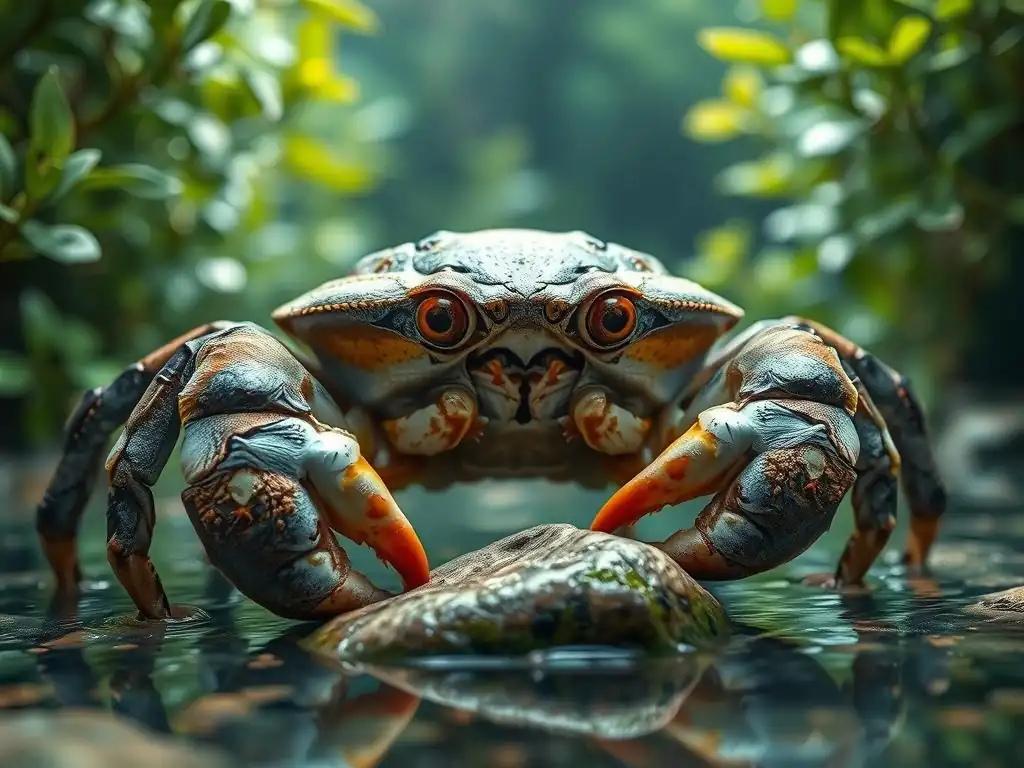
Water Parameters: Temperature, pH, and Hardness for Crab Health
The aquatic zone's water parameters are just as crucial as the land environment for a complete freshwater crab care balance. For most freshwater and semi-aquatic crabs, a stable water temperature between 72-82°F (22-28°C) is generally suitable, though species-specific needs may vary. Fluctuations can cause stress and weaken their immune systems. The pH level is also vital; most freshwater crabs thrive in a neutral to slightly alkaline range, typically between 6.5 and 7.5. Extreme pH levels can cause chemical burns to their delicate gills and exoskeletons.
Water hardness, specifically General Hardness (GH) and Carbonate Hardness (KH), plays a significant role in shell development and overall health. A GH range of 8-15 dGH (degrees of General Hardness) and a KH of 5-10 dKH (degrees of Carbonate Hardness) are often recommended. Sufficient calcium and magnesium, measured by GH, are necessary for the formation of a strong exoskeleton, particularly after molting. KH, or alkalinity, acts as a buffer, stabilizing the pH and preventing dangerous fluctuations. Regular testing of these parameters is non-negotiable for maintaining optimal conditions.
Filtration and Water Changes: Keeping the Aquatic Environment Clean
Maintaining pristine water quality in the aquatic zone is fundamental to the freshwater crab care balance. Proper filtration is essential to remove physical debris and process harmful nitrogenous waste products like ammonia and nitrite. Sponge filters are an excellent choice for crab tanks as they provide gentle flow, offer ample surface area for beneficial bacteria, and are crab-safe, preventing limbs from being caught. For larger tanks, a hang-on-back (HOB) filter with a pre-filter sponge over the intake can also be effective, provided the flow is not too strong, as crabs prefer calm water.
Beyond filtration, regular water changes are indispensable. A routine of 25-30% water change weekly or bi-weekly, depending on tank size and bio-load, helps remove accumulated nitrates, replenish essential minerals, and maintain overall water purity. Always use a dechlorinator when adding tap water to neutralize chlorine and chloramines, which are highly toxic to crabs. Neglecting water changes can lead to elevated toxins, causing lethargy, shell erosion, and increased susceptibility to disease, undermining all efforts to achieve a healthy freshwater crab care balance.
Aquatic Plants and Decor: Creating a Natural Crab Habitat
Integrating appropriate aquatic plants and decor into the water zone contributes significantly to a natural and functional crab habitat. Live aquatic plants, such as Anubias, Java Fern, and Cryptocoryne species, are excellent choices as they are robust, can tolerate various water conditions, and are less likely to be uprooted by active crabs. These plants provide additional hiding spots, a sense of security, and contribute to water oxygenation and nutrient absorption, which can help in algae control. Ensure any plants introduced are thoroughly rinsed and free of pesticides.
For decor, smooth rocks, driftwood, and ceramic or PVC pipes can create additional hiding places and climbing structures that extend from the water to the land area. Always ensure that any decor is non-toxic, has no sharp edges that could injure a crab, and is securely placed to prevent collapses. The design should facilitate easy access between the aquatic and terrestrial zones, with ramps or gently sloped substrates. A well-decorated aquatic environment not only enhances the tank's aesthetic appeal but also provides essential refuge and enrichment, reinforcing the overall freshwater crab care balance.
Feeding Your Freshwater and Semi-Aquatic Crabs: A Balanced Diet
What Do Freshwater Crabs Eat? Pellets, Flakes, and Live Foods
Most freshwater and semi-aquatic crabs are omnivores, requiring a varied and balanced diet to thrive. High-quality sinking pellets formulated for crustaceans or omnivorous fish should form the staple of their diet. Look for pellets rich in spirulina, shrimp meal, and other protein sources. Fish flakes can also be offered, but ensure they sink or are placed where crabs can easily access them, as crabs are primarily bottom-feeders. A diverse diet is crucial for providing all necessary nutrients and contributes directly to the freshwater crab care balance.
Supplementing commercial foods with fresh and live options is highly beneficial. Small portions of blanched vegetables like spinach, kale, or zucchini can provide essential vitamins and fiber. Protein sources such as frozen or live bloodworms, brine shrimp, small earthworms, and even gut-loaded crickets (for larger species) can be offered occasionally. Always ensure any live food comes from a reputable source to avoid introducing parasites or diseases. Avoid feeding citrus fruits or avocado, which can be harmful.
Supplementing Their Diet: Calcium and Other Essential Nutrients
Calcium is arguably the most critical dietary supplement for freshwater and semi-aquatic crabs, vital for the development and hardening of their exoskeleton, especially after molting. Without adequate calcium, crabs can suffer from soft shell syndrome, molting failures, and general weakness. Excellent sources of dietary calcium include cuttlebone (often sold for birds), which can be placed directly in the water or on land, calcium blocks designed for reptiles or invertebrates, and calcium-rich vegetables like broccoli or dark leafy greens.
Beyond calcium, a complete and varied diet typically provides other essential nutrients. However, some aquarists opt for iodine supplements, as iodine also plays a role in successful molting. These are usually added to the water in very small, controlled doses. Over-supplementation can be harmful, so it's generally best to focus on a diverse diet that naturally provides a wide range of vitamins, minerals, and trace elements. A well-rounded nutritional plan is a cornerstone of achieving optimal freshwater crab care balance.
Feeding Frequency and Portion Control for Optimal Crab Health
Establishing an appropriate feeding frequency and exercising strict portion control are vital for maintaining the health of your freshwater and semi-aquatic crabs and preventing water quality issues. Adult crabs generally benefit from being fed 3-4 times a week, while juveniles, which are growing rapidly, may require daily feeding. The exact frequency can vary based on species, size, and metabolism. It is important to observe your crabs' eating habits; if they consume all food quickly, you may be feeding the right amount, but if food remains for extended periods, you are likely overfeeding.
Portion control involves offering only what the crabs can consume within a few hours, ideally within an hour for most foods. Uneaten food left in the tank will quickly decompose, leading to a spike in ammonia and nitrite levels, which are highly toxic. Promptly remove any uneaten food to prevent water fouling and bacterial growth. Consistent, controlled feeding habits not only ensure your crabs receive adequate nutrition but also significantly contribute to maintaining stable water parameters and overall freshwater crab care balance.
Crab Species-Specific Land and Water Requirements
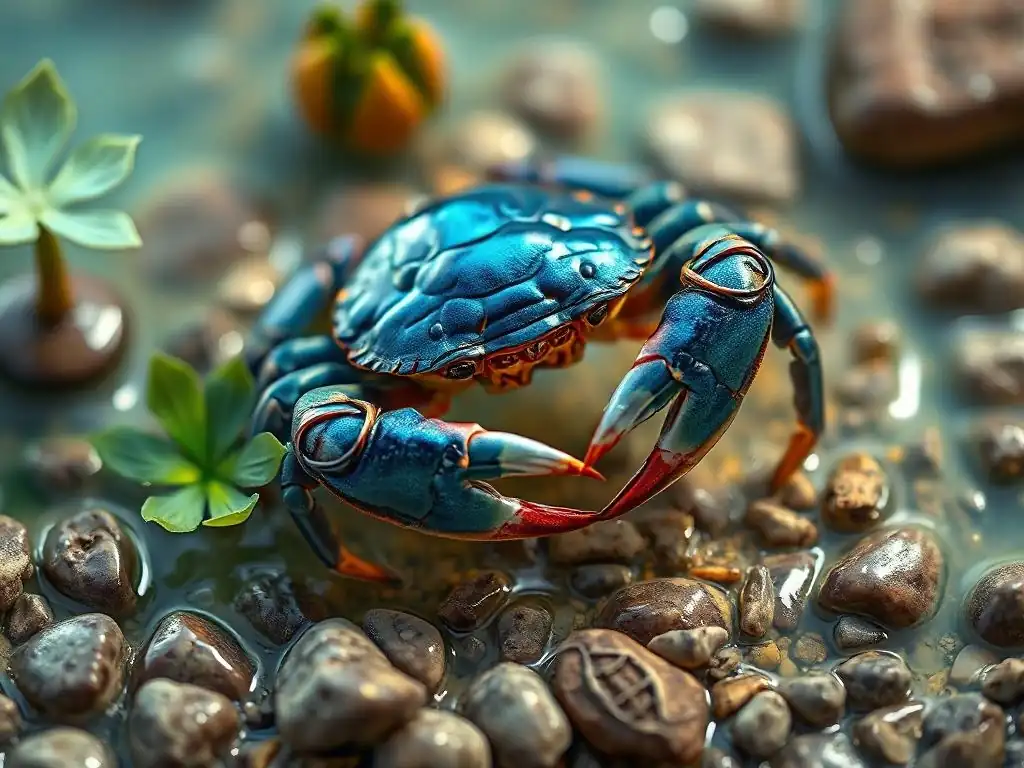
Red Claw Crab Care: Balancing Brackish Water and Land
Red Claw Crabs (Pseudosesarma moeshi) are a common species in the pet trade, but their specific needs are often misunderstood, leading to poor outcomes. Despite being sold as "freshwater" crabs, they are truly brackish water species and thrive in water with a specific gravity of 1.005 to 1.010, achieved by adding marine salt to dechlorinated fresh water. Maintaining this brackish environment is critical for their long-term health and vibrant coloration, as pure freshwater can lead to lethargy and shell issues over time.
In addition to their unique water salinity requirement, Red Claw Crabs are highly semi-aquatic, demanding a significant land area—ideally, at least 50-70% of their habitat—that is easily accessible from the water. They spend substantial time out of the water, foraging and breathing air. The land portion should offer deep substrate for burrowing (e.g., 4-6 inches of coco fiber or sand) and numerous hiding spots.
A tank size of at least 10 gallons per crab is recommended, with larger tanks preferred for groups to minimize territorial disputes. Achieving this specific freshwater crab care balance, with its brackish water component, is key to their survival.
Vampire Crab Habitat: High Humidity and Shallow Water
Vampire Crabs (Geosesarma spp. ), named for their striking yellow eyes, are perhaps the most terrestrial of the commonly kept semi-aquatic crabs. Hailing from Southeast Asian rainforests, they require an extremely high humidity environment, typically between 80-90% or more, to prevent desiccation. Their setup is often referred to as a "paludarium" or "terrarium with a water feature" rather than an aquarium, as the land area dominates.
The aquatic zone for Vampire Crabs needs to be very small and shallow—just a few inches deep—often consisting of a water dish or a small pool within the substrate. The land area should be densely planted with moisture-loving plants like various mosses, ferns, and small, non-toxic terrestrial plants. Deep, moist substrate (e.g., coco fiber, sphagnum moss, leaf litter) is essential for burrowing and molting. Providing ample hiding spots among roots, rocks, and foliage is crucial. Their specific needs emphasize that the freshwater crab care balance for Vampire Crabs heavily leans towards the terrestrial side.
Panther Crab Tank Setup: Recreating Their Natural Environment
Panther Crabs (Parathelphusa pantherina), originating from Sulawesi, Indonesia, are beautiful, primarily aquatic but still semi-aquatic crabs that require a well-structured habitat. While they spend more time submerged than Vampire Crabs, they still need readily accessible land for basking and breathing air. Their natural environment includes lakes and rivers with rocky shores and submerged vegetation, which should be replicated in their tank setup. A 50/50 land-to-water split is often ideal, or even slightly more water than land, provided there are plenty of exit points.
For the aquatic zone, Panther Crabs prefer clean, well-oxygenated water with a temperature between 75-82°F (24-28°C) and a pH of 7.0-8.0. They are relatively large and produce a significant bio-load, necessitating robust filtration (e.g., a canister filter or powerful HOB filter) and frequent water changes. The land area should offer stable climbing surfaces and hiding spots. Unlike Red Claw Crabs, Panther Crabs are truly freshwater. Their active nature and size mean they require a spacious tank, often 20 gallons or more for a single adult, to properly achieve the freshwater crab care balance.
Maintaining the Land-Water Balance: Troubleshooting Common Issues
Crab Molting Problems: Ensuring a Safe Molting Environment
Molting is a critical and vulnerable process for crabs, involving the shedding of their old exoskeleton to allow for growth. Problems during molting, often stemming from an improper land-water balance, can be fatal. Signs of an impending molt include lethargy, reduced appetite, and a dulling of shell color. During this period, crabs require undisturbed hiding places, both on land and in water, as they are soft-bodied and highly susceptible to predation or injury.
Common molting issues include "stuck molts" where the crab cannot fully shed its old shell, often due to insufficient humidity on land or inadequate calcium in their diet. Ensuring the terrestrial humidity is consistently high (e.g., 70-90% for semi-aquatics) and that their diet is rich in calcium and iodine are paramount preventive measures. Additionally, maintaining stable water parameters and providing a stress-free environment free from aggressive tank mates helps ensure a successful molt. A careful freshwater crab care balance directly supports this vital biological process.
Algae Control in Crab Tanks: Preventing Overgrowth
Algae overgrowth can be a common issue in the aquatic section of crab tanks, detracting from aesthetics and potentially indicating an imbalance in the system. Excessive algae typically results from a combination of too much light (e.g., prolonged lighting cycles, direct sunlight) and high nutrient levels (e.g., nitrates and phosphates from overfeeding or infrequent water changes). While some algae can provide foraging opportunities, a thick layer can impede water circulation and signal poor water quality.
Effective algae control involves addressing the root causes. Reduce lighting periods to 8-10 hours per day. Implement a consistent schedule of 25-30% weekly or bi-weekly water changes to dilute nutrient levels. Ensure you are not overfeeding and promptly remove any uneaten food. Appropriate filtration helps remove free-floating algae spores. Compatible aquatic tank mates like Nerite snails can also assist in consuming algae without posing a threat to the crabs. Maintaining a good freshwater crab care balance through diligent husbandry is the best defense against algae.
Aggression Between Crabs: Minimizing Territorial Disputes
Aggression between crabs, particularly among semi-aquatic species, is a common issue that can lead to injury or even death, and often stems from inadequate space or resources. Crabs are territorial, and when housed in insufficient numbers or in tanks that lack sufficient hiding spots, they will compete for prime locations and food. Signs of aggression include chasing, nipping at legs or claws, and defensive posturing.
To minimize territorial disputes, provide a tank that is adequately sized for the number of crabs you intend to keep; for instance, a 20-gallon long tank is generally recommended for a pair of Red Claw Crabs, with larger tanks for groups. Crucially, ensure there are more hiding places than crabs, both on land and in water, so each individual has multiple options for refuge. Distribute food widely during feeding to prevent competition.
Researching species-specific compatibility before purchasing is also vital, as some species are naturally more aggressive or solitary. A well-designed habitat that considers these factors is key to achieving a peaceful freshwater crab care balance.
Essential Equipment for a Balanced Crab Habitat
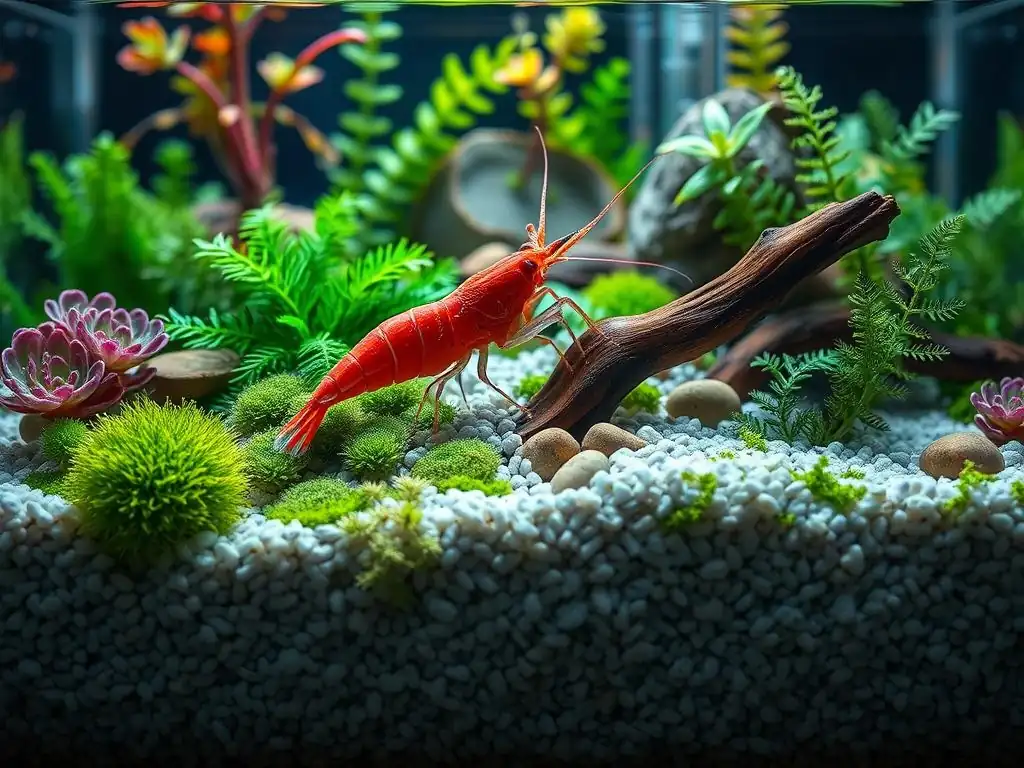
Choosing the Right Tank Size for Land and Water
Selecting the appropriate tank size is foundational to establishing and maintaining the freshwater crab care balance. For semi-aquatic crabs, the tank's footprint (length and width) is often more important than its height, as they require significant horizontal space for both their land and water areas. A 10-gallon tank might suffice for a single small species like a Vampire Crab with a minimal water dish, but a 20-gallon long tank (30 inches x 12 inches x 12 inches) is a more suitable minimum for a pair of Red Claw Crabs, allowing for ample land and water separation.
Larger tanks, such as 30 or 40-gallon breeders, are highly recommended for housing multiple crabs or for larger species like Panther Crabs, providing more stable environments and reducing aggression. When planning the setup, consider the desired land-to-water ratio for your specific species. For example, a 20-gallon long tank can be partitioned to create a 50/50 or 60/40 land-to-water split effectively, providing sufficient space for both critical zones. Adequate tank size is the first step in providing a suitable and balanced habitat.
Heating and Lighting for Optimal Crab Health
Proper heating and lighting are essential components of a healthy freshwater crab care balance. For the aquatic section, a submersible aquarium heater is usually necessary to maintain stable water temperatures within the species-specific range, typically 72-82°F (22-28°C). Ensure the heater is appropriately sized for the water volume and features a thermostat for consistent temperature. The land area generally relies on ambient room temperature, but if your home is consistently cool, a low-wattage heat mat adhered to the side or back of the tank (never underneath) can provide supplemental warmth for the terrestrial zone.
For lighting, a standard low to moderate intensity LED aquarium light is usually sufficient. Its primary purpose is to support any live plants in the tank and provide a natural day/night cycle for the crabs. A consistent light cycle of 10-12 hours per day is recommended. Avoid intense or specialized UV lighting unless specifically required by a particular species, as most freshwater and semi-aquatic crabs do not have such requirements and can be stressed by overly bright conditions.
Monitoring Water Parameters with Testing Kits
Regular monitoring of water parameters is non-negotiable for maintaining the delicate freshwater crab care balance. Essential liquid-based test kits for ammonia, nitrite, and nitrate are vital, as these nitrogenous compounds are highly toxic and can quickly accumulate in crab tanks due to their waste production. Ammonia and nitrite should always read 0 ppm, while nitrate levels should be kept below 20 ppm through regular water changes.
Beyond the nitrogen cycle, test kits for pH, General Hardness (GH), and Carbonate Hardness (KH) are also crucial. pH levels should be stable and within the species-specific range (e.g., 6.5-7.5 for most freshwater crabs). GH indicates the overall mineral content, particularly calcium and magnesium, essential for exoskeleton health. KH measures alkalinity, which buffers pH fluctuations. Regular testing, ideally weekly or bi-weekly, allows you to identify and correct imbalances promptly, preventing stress and disease and ensuring a thriving environment.
Achieving Optimal Freshwater Crab Care: A Summary of Best Practices
Achieving optimal freshwater crab care balance hinges on a holistic approach that meticulously integrates both terrestrial and aquatic needs. Understanding the specific requirements of your crab species, whether fully aquatic or semi-aquatic, is the foundational step. This involves researching their preferred land-to-water ratio, specific water parameters like temperature, pH, and hardness, and dietary needs.
A successful habitat consistently provides a generously sized tank with distinct, easily accessible land and water zones. The terrestrial area must feature a deep, moisture-retaining substrate for burrowing and ample hiding spots, alongside consistently high humidity. The aquatic zone demands pristine water quality maintained through appropriate filtration and regular water changes, stable parameters, and safe decor.
A varied diet, rich in calcium and other essential nutrients, is paramount for healthy growth and successful molting. Regular monitoring of water conditions, vigilant observation for signs of stress or disease, and prompt troubleshooting of issues like aggression or molting problems are all critical for ensuring the long-term health and vitality of these captivating invertebrates.
Frequently Asked Questions
What is the ideal land-to-water ratio for a semi-aquatic freshwater crab enclosure?
The ideal ratio depends on the species, but generally, aim for a 70/30 split, with 70% land and 30% water. This provides ample space for both burrowing and swimming.
What are some essential water parameters to monitor for freshwater crabs?
Maintaining proper water chemistry is crucial. Monitor pH, ammonia, nitrite, and nitrate levels. Aim for a pH between 7.0 and 8.0 and zero ammonia and nitrite.
How do I create a suitable land environment for my freshwater crabs?
Use a substrate like coconut fiber or peat moss to retain moisture for easy burrowing. Provide hides like rocks, driftwood, and caves for security and molting.
What type of food should I offer my freshwater crabs?
Freshwater crabs are omnivores. Offer a varied diet of commercial crab pellets, vegetables, and protein sources like bloodworms or small pieces of fish.
How often should I perform water changes in my freshwater crab aquarium?
Perform partial water changes (25-50%) weekly or bi-weekly to maintain water quality. This helps remove accumulated waste and keeps the environment healthy and balanced.
Final Reflection: The Delicate Dance of Land and Water
The insights shared throughout this article underscore a crucial point: achieving the right balance in freshwater crab care is paramount to their well-being. What might seem like a simple matter of providing both land and water is, in reality, a nuanced understanding of their specific needs, mirroring the delicate ecosystems they inhabit in the wild. Neglecting this balance can lead to stress, illness, and ultimately, a shortened lifespan for these fascinating creatures.
This careful consideration of land and water ratios, substrate types, and environmental enrichment transcends mere pet ownership; it speaks to a deeper respect for the natural world. My own journey into freshwater crab keeping has taught me the profound responsibility we undertake when bringing a piece of that world into our homes. In nature, nothing exists alone.
- Rachel Carson. This quote perfectly encapsulates the interconnectedness of land and water, and the vital role each plays in the life of a freshwater crab. Understanding and replicating this connection is the key to their thriving in captivity.
Now, I invite you to reflect on your own approach to freshwater crab care. Are you truly providing the optimal environment for your crabs to flourish? Consider the lessons learned here, and strive to create a habitat that not only meets their basic needs but also stimulates their natural behaviors and promotes their overall health. By embracing this mindful approach, you can unlock the joy of witnessing these captivating creatures thrive and contribute to a greater understanding of the delicate balance of life itself.
Unleash Your Crab-Keeping Potential!
Thanks for diving into the world of freshwater and semi-aquatic crabs! We hope you've gained valuable insights into creating the perfect habitat for these fascinating creatures. Now it's time to put that knowledge into action and truly elevate your crab-keeping game.
Here are a few things you can do next:
- Craft the Ideal Crabitat: Dedicate this weekend to re-evaluating and optimizing your current enclosure, focusing on a 50/50 land-to-water ratio and incorporating diverse hiding spots.
- Document & Share: Capture the transformation of your crabitat and share your "before & after" photos with the Aquarium Mastery community. Inspire others with your innovative setup!
- Explore The Unexpected: Research and incorporate one unexpected enrichment item to your setup. Perhaps a climbing structure made of cholla wood, or a shallow dish of leaf litter for foraging.
What's the most creative land/water feature you're planning to incorporate into your crabitat? Share your ideas in the comments!