
Allard's Clownfish (Amphiprion allardi): East African Gem & Its Host Anemones

Welcome to Aquarium Mastery!
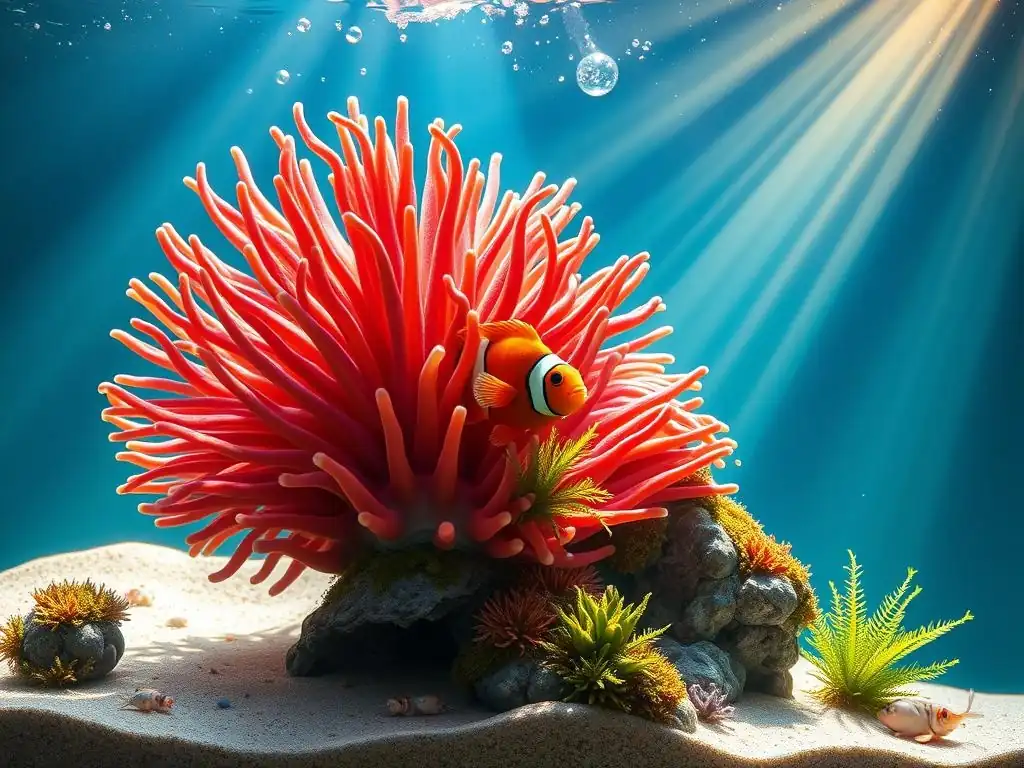
Ever been captivated by the vibrant allure of the Allard's Clownfish? These East African gems are more than just pretty faces, and understanding their specific needs is key to their thriving in your saltwater aquarium. Dive in to uncover everything you need to know about Allard Clownfish care requirements, from selecting the perfect host anemone to ensuring optimal water parameters. Ready to unlock the secrets to keeping these beauties happy and healthy? Let's get started!
- Introduction to Allard's Clownfish: A Captivating Addition to Your Saltwater Aquarium
- Allard Clownfish Care Requirements: Essential Guidelines for a Healthy Life
- Selecting the Right Host Anemone for Allard's Clownfish: Creating a Symbiotic Relationship
- Setting Up Your Allard's Clownfish Tank: Creating a Suitable Habitat
- Allard's Clownfish Tank Mates: Compatible Species for a Peaceful Aquarium
- Allard's Clownfish Health and Disease Prevention: Keeping Your Fish Healthy
- Breeding Allard's Clownfish: A Challenging but Rewarding Endeavor
- Purchasing Allard's Clownfish: Selecting Healthy Specimens
- Troubleshooting Common Issues with Allard's Clownfish Care
- Conclusion: Mastering Allard Clownfish Care for a Thriving Reef Aquarium
-
Frequently Asked Questions
- How difficult is it to care for Allard's Clownfish compared to other clownfish species?
- What type of anemone is the best host for Allard's Clownfish in a home aquarium?
- What are the ideal water parameters for an Allard's Clownfish aquarium?
- What should I feed Allard's Clownfish to ensure they stay healthy and vibrant?
- How large does an aquarium need to be to comfortably house a pair of Allard's Clownfish and their host anemone?
- Final Reflection: Embracing the Delicate Balance
- Dive Deeper: Unlock the Secrets of Allard's Clownfish!
Introduction to Allard's Clownfish: A Captivating Addition to Your Saltwater Aquarium
Allard's Clownfish Overview: Origin, Appearance, and Temperament
The Allard's Clownfish, Amphiprion allardi, is a vibrant and captivating species native to the Western Indian Ocean, specifically found along the coastlines of East Africa, including countries like Kenya, Tanzania, and Mozambique. This distinctive clownfish typically inhabits shallow reef environments, often observed in depths ranging from 1 to 20 meters, where it forms symbiotic relationships with specific host anemones. Its striking appearance features a dark, almost black body, contrasted sharply by two prominent white vertical bands.
The first band is located just behind the eye, while the second crosses the mid-body. A key identifying characteristic is its bright orange to yellow caudal (tail) fin, which provides a vivid splash of color against its darker body.
In terms of temperament, the Allard's Clownfish is generally considered semi-aggressive, particularly when establishing territories or defending its host anemone. While a single specimen or a bonded pair can coexist peacefully in a well-sized reef tank, they may display aggression towards other clownfish species or similar-looking fish if tank space is limited.
When kept in pairs, the larger and more dominant fish will develop into the female, while the smaller fish remains male. This species is known for its hardiness once acclimated, making it a suitable choice for aquarists who can meet its specific Allard clownfish care requirements and provide a stable environment.
Benefits of Keeping Allard's Clownfish in a Reef Tank
Incorporating Allard's Clownfish into a reef aquarium offers numerous aesthetic and behavioral benefits that enrich the overall tank experience. Their striking coloration, with the deep black body, crisp white bands, and vibrant orange tail, provides a dynamic visual contrast against the blues and greens of live rock and corals.
Unlike some more reclusive species, Amphiprion allardi is an active swimmer that readily explores its environment, especially when hosting in an anemone, offering constant visual interest and adding a lively dimension to the aquarium's ecosystem. Their relatively robust nature, provided proper Allard clownfish care requirements are met, also makes them a resilient choice compared to more delicate marine species.
Beyond their visual appeal, the Allard's Clownfish's most fascinating contribution to a reef tank is their potential to host in a symbiotic anemone. Observing the intricate dance between the clownfish and its chosen anemone – how the fish gently nestles among stinging tentacles, seemingly immune to their potent nematocysts – is a truly captivating natural spectacle.
This mutualistic relationship not only highlights a wonder of marine biology but also can encourage the anemone to remain in a preferred location within the tank, as the clownfish's presence often deters potential predators of the anemone. Furthermore, clownfish can be quite interactive with their caretakers, often swimming to the front of the tank during feeding times, adding a personalized element to the aquarium hobby.
Allard Clownfish Care Requirements: Essential Guidelines for a Healthy Life
Understanding Optimal Water Parameters for Allard's Clownfish
Meeting precise water parameters is fundamental to successful Allard clownfish care requirements and ensuring the long-term health and vitality of Amphiprion allardi. These fish thrive in stable marine conditions that mimic their natural East African reef habitat. The ideal temperature range for Allard's Clownfish is between 75-82°F (24-28°C), with minimal daily fluctuations.
Salinity should be maintained within a specific gravity of 1.020 to 1.025, or 30-35 parts per thousand (ppt), which is crucial for their osmotic regulation. Furthermore, the pH level should consistently range from 8.1 to 8.4. Regular testing of these parameters – ideally daily or every other day during initial setup and weekly thereafter – is essential to detect any deviations quickly, allowing for immediate corrective action before stress impacts the fish.
Maintaining pristine water quality extends beyond just temperature, salinity, and pH; it also encompasses controlling nitrates, nitrites, and ammonia, which should always be at undetectable levels (0 ppm). Effective filtration is paramount in this regard, combining mechanical filtration (e.g., filter socks, sponges) to remove particulate matter, chemical filtration (e.g., activated carbon, GFO) to absorb dissolved organics and phosphates, and robust biological filtration (e.g., live rock, bio-media) to process nitrogenous waste.
Regular water changes are also a non-negotiable aspect of Allard clownfish care requirements, typically involving replacing 10-20% of the tank water bi-weekly or 25% monthly. This practice replenishes essential trace elements, reduces accumulated pollutants, and helps stabilize overall water chemistry, preventing the buildup of harmful compounds that can stress marine fish.
Allard's Clownfish Diet and Feeding Habits: What to Feed Your Clownfish
Providing a varied and nutritious diet is a cornerstone of Allard clownfish care requirements, directly influencing their coloration, activity levels, and disease resistance. As omnivores, Amphiprion allardi requires a balanced intake of both meaty and vegetable matter. They are generally eager eaters and will readily accept a range of prepared foods. To ensure comprehensive nutrition, it is recommended to feed them small amounts two to three times per day, rather than one large feeding, allowing them to consume all food within a few minutes to prevent excess from decaying in the tank.
Recommended Food Types: Flakes, Pellets, and Frozen Foods
A diverse diet for Allard's Clownfish should include high-quality marine flake foods and pellets formulated for omnivorous marine fish, rich in spirulina and marine proteins. These provide essential vitamins and minerals in a convenient form. Supplementing with frozen foods is crucial for optimal health; excellent choices include mysis shrimp, brine shrimp (especially spirulina-enriched varieties), finely chopped krill, and various marine preparations containing ingredients like clam, squid, and seaweed.
For instance, feeding a mix of frozen mysis shrimp and a high-quality marine pellet daily ensures they receive both protein and necessary roughage. Occasionally, offering small pieces of nori (seaweed) or a marine-based gel food can further diversify their vegetable intake, mimicking the algal grazing they might perform in the wild.
Feeding Schedule and Avoiding Overfeeding in Allard's Clownfish
Establishing a consistent feeding schedule is important for the routine of Allard's Clownfish. Feeding them two to three small meals per day, for example, once in the morning, once in the afternoon, and once in the evening, helps maintain their energy levels without overwhelming the tank's filtration system. It is critical to avoid overfeeding, as this is a common pitfall in marine aquarium keeping.
Overfeeding not only leads to uneaten food decaying and polluting the water, causing spikes in nitrates and phosphates, but it can also contribute to obesity in fish and encourage nuisance algae growth. A good rule of thumb is to offer only what the fish can consume completely within two to three minutes.
If food remains after this period, reduce the quantity for the next feeding. Regularly monitoring the fish's body condition and the tank's water parameters will help fine-tune the feeding regimen, ensuring optimal Allard clownfish care requirements are met.
Selecting the Right Host Anemone for Allard's Clownfish: Creating a Symbiotic Relationship
Understanding Anemone-Clownfish Symbiosis in Allard's Clownfish
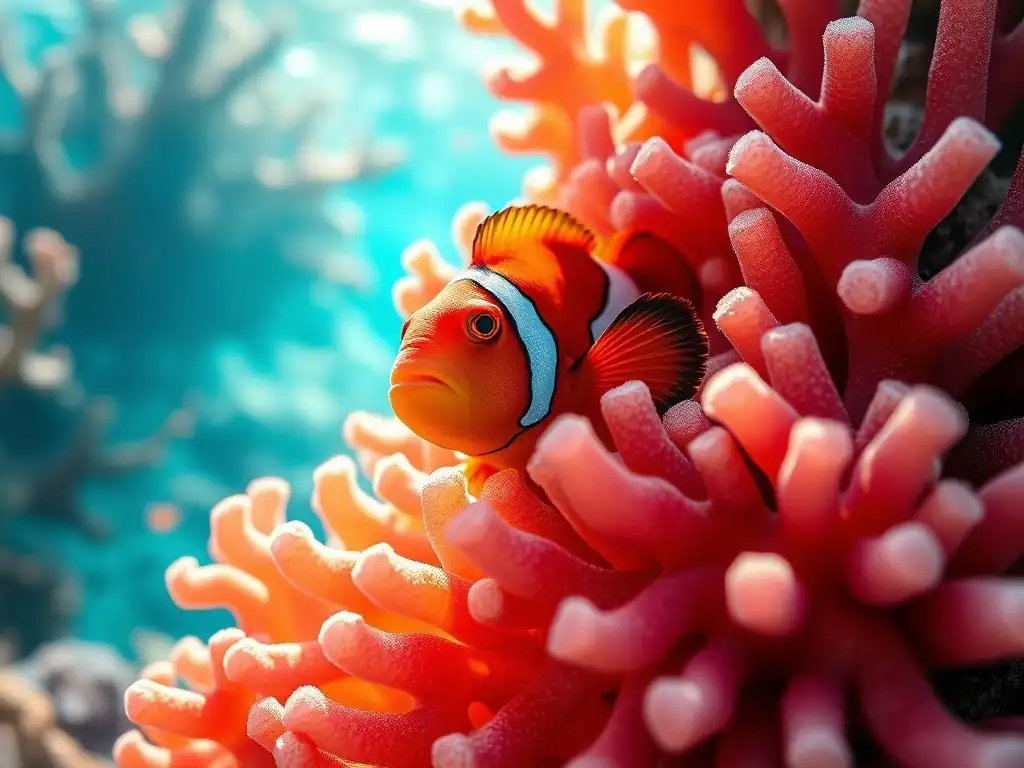
The symbiotic relationship between clownfish and sea anemones is one of nature's most remarkable partnerships, and it is a captivating aspect of Allard clownfish care requirements for reef aquarists. In this mutualistic arrangement, the Allard's Clownfish benefits from the anemone's stinging tentacles, which provide formidable protection against predators. The clownfish develops a protective mucus coat that prevents it from being stung, allowing it to safely reside within the anemone's embrace.
In return, the clownfish offers several advantages to its host. It actively cleans the anemone, removing parasites and debris, and may even defend the anemone from certain predatory fish that would otherwise consume its tentacles.
Furthermore, the clownfish's constant movement among the tentacles can improve water circulation around the anemone, aiding in respiration and nutrient uptake. While the symbiotic relationship often forms naturally, it's important to note that not all Allard's Clownfish will host an anemone, especially if they are captive-bred and have never encountered one. However, providing a suitable host anemone greatly enhances the fish's natural behavior and overall well-being, making the aquarium a more enriching environment for both the fish and the observer. Patience is often required, as some clownfish may take days or even weeks to fully accept a new host.
Compatible Host Anemones for Amphiprion allardi
For aquarists aiming to facilitate the iconic clownfish-anemone symbiosis, selecting the correct host anemone is a critical aspect of Allard clownfish care requirements. While clownfish can sometimes host in non-anemone corals or even powerheads in the absence of a true host, providing one of their natural partners promotes healthier, more natural behavior. The Allard's Clownfish is known to associate with several specific species of anemones in the wild, which are also available in the aquarium trade.
The Magnificent Sea Anemone (Heteractis magnifica)
The Magnificent Sea Anemone, Heteractis magnifica, is a preferred natural host for Amphiprion allardi in the wild. This large, often vividly colored anemone can grow up to 20 inches (50 cm) in diameter and is characterized by its long, tapering tentacles that are often tipped with a contrasting color. Providing a Heteractis magnifica requires significant commitment, as it needs very strong lighting (PAR values typically 250-400 µmol/m²/s), high water flow, and pristine water quality to thrive.
Its large size necessitates a mature aquarium of at least 75 gallons, ideally larger, with stable parameters and plenty of open sandbed for its base to attach. A healthy H. magnifica can live for many years, offering a stable home for your Allard's Clownfish.
The Sebae Anemone (Heteractis crispa)
Another natural host for Amphiprion allardi is the Sebae Anemone, Heteractis crispa. This anemone is commonly available but often collected in poor condition, sometimes bleached or stressed. Healthy specimens typically have long, sticky tentacles that can be white, tan, or even purple.
They require moderate to strong lighting (PAR 150-300 µmol/m²/s) and moderate water flow. While not as large as H. magnifica, a Heteractis crispa can still reach up to 12-18 inches (30-45 cm) in diameter, making a 50-gallon tank a minimum for its accommodation alongside a pair of Allard's Clownfish. Providing stable water parameters, particularly consistent alkalinity (8-12 dKH) and calcium (400-450 ppm), is essential for its long-term health and ability to host.
The Bulb Tentacle Anemone (Entacmaea quadricolor)
The Bulb Tentacle Anemone, Entacmaea quadricolor, also known as the Bubble Tip Anemone, is a highly popular and relatively hardy choice for hosting various clownfish, including Amphiprion allardi. This anemone is recognized by its unique bulbous or "bubble" tips on its tentacles, though these can sometimes elongate depending on lighting and flow. E. quadricolor typically requires moderate to strong lighting (PAR 150-300 µmol/m²/s) and moderate water flow, and it often prefers to anchor its foot deep within rockwork crevices.
They come in a range of colors, from green to rose to red, and can grow to about 8-12 inches (20-30 cm) in diameter. Due to its more adaptable nature compared to Heteractis species, the Bubble Tip Anemone is often recommended for aquarists new to keeping host anemones, making it a practical choice for meeting Allard clownfish care requirements related to symbiosis.
Providing the Ideal Environment for Host Anemones
Successfully keeping a host anemone is paramount for the long-term well-being of both the anemone and the Allard's Clownfish, as their health is intertwined. Anemones, particularly the species that host clownfish, are demanding invertebrates with specific environmental needs. Foremost is appropriate lighting; most host anemones rely heavily on zooxanthellae, symbiotic algae within their tissues, for nutrition through photosynthesis.
This necessitates strong, high-quality lighting, often requiring specialized LED or T5HO fixtures capable of delivering sufficient PAR (Photosynthetically Active Radiation) values, typically ranging from 150 to 400 µmol/m²/s depending on the species. A full spectrum light with strong blue components is generally preferred to mimic natural reef conditions.
Beyond lighting, stable water parameters are non-negotiable for anemone health. This includes consistent temperature (75-82°F), salinity (1.023-1.025 SG), and pH (8.1-8.4), alongside adequate levels of calcium (400-450 ppm), alkalinity (8-12 dKH), and magnesium (1250-1350 ppm). Proper water flow is also crucial; anemones require moderate to strong, turbulent flow to bring food and oxygen to their tentacles and remove waste, preventing dead spots.
Finally, anemones benefit from target feeding small, meaty foods such as finely chopped shrimp, mysis shrimp, or silversides a few times a week. Providing a secure attachment point, often in rockwork crevices or on a sandy substrate depending on the species, is also vital, as anemones will move if they are not content with their placement, potentially stinging other tank inhabitants in the process.
Setting Up Your Allard's Clownfish Tank: Creating a Suitable Habitat
Tank Size Recommendations for Allard's Clownfish and Host Anemone
Determining the appropriate tank size is a foundational aspect of Allard clownfish care requirements, directly impacting the fish's health, behavior, and the stability of the entire aquarium ecosystem. For a single Allard's Clownfish, a minimum tank size of 30 gallons (approximately 114 liters) is generally recommended. This provides adequate swimming space and helps maintain stable water parameters. However, if the goal is to keep a bonded pair or to introduce a host anemone, a significantly larger tank is necessary.
For a pair of Allard's Clownfish with a host anemone, a tank of at least 50 to 75 gallons (190-285 liters) is highly advisable. This larger volume offers several critical advantages: it provides more stable water chemistry, diluting waste products more effectively and reducing the impact of minor parameter fluctuations. It also offers ample space for the anemone to expand and move if it chooses, without encroaching on other corals or fish.
Furthermore, a larger tank allows for more intricate aquascaping with live rock, creating ample hiding spots and territories that can help mitigate potential aggression, especially if other tank mates are introduced. Investing in a larger tank from the outset minimizes the need for future upgrades and provides a more forgiving environment for both the fish and the aquarist.
Choosing the Right Substrate and Rockwork for a Natural Environment
The selection of substrate and rockwork is integral to creating a natural and functional habitat that meets Allard clownfish care requirements. For substrate, a fine aragonite sand bed is highly recommended. A depth of 1-2 inches (2.5-5 cm) is typically sufficient for aesthetic purposes and for hosting beneficial bacteria, while a deeper sand bed (4-6 inches or 10-15 cm) can support a flourishing deep sand bed (DSB) system, which aids in denitrification and nitrate reduction. Fine sand also mimics their natural reef environment and is gentle on any fish that might occasionally rest on the bottom.
Live rock is arguably the most crucial component of the aquascape. It serves as the primary biological filter, housing vast colonies of beneficial bacteria that convert harmful ammonia and nitrites into less toxic nitrates. Beyond filtration, live rock provides essential hiding spots and territories for the Allard's Clownfish, reducing stress and offering a sense of security.
It also serves as a substrate for the attachment of a host anemone, providing the necessary stability and crevices for its foot. When aquascaping, aim for a structure with plenty of caves, arches, and overhangs, ensuring stability so rocks do not shift or fall. Approximately 1-1.5 pounds of live rock per gallon of tank volume is a good starting point, providing both ample filtration and a visually appealing, natural reef structure.
Lighting Requirements for Allard's Clownfish and Host Anemones
While Allard's Clownfish themselves do not have highly specific lighting requirements beyond a standard reef tank spectrum, the presence of a host anemone dramatically elevates the importance of appropriate lighting as a key aspect of Allard clownfish care requirements. Anemones rely heavily on their symbiotic zooxanthellae algae for energy, and these algae perform photosynthesis. Therefore, the right intensity and spectrum of light are crucial for the anemone's survival and health, which in turn influences the clownfish's well-being.
Importance of Proper Lighting for Anemone Health
Proper lighting is indispensable for the long-term health and vitality of host anemones. Zooxanthellae, the microscopic algae living within the anemone's tissues, convert light energy into food for the anemone. Insufficient lighting will cause the anemone to slowly starve and potentially bleach (expel its zooxanthellae), leading to a decline in health and eventual demise.
Conversely, too much light, or a sudden increase in intensity, can also stress an anemone. For species like the Magnificent Sea Anemone ( Heteractis magnifica), high PAR levels, typically ranging from 250 to 400 µmol/m²/s, are required, often necessitating powerful LED or T5HO fixtures placed adequately above the water surface. The Bubble Tip Anemone ( Entacmaea quadricolor) is slightly more adaptable but still thrives with moderate to strong lighting, generally requiring PAR values between 150 and 300 µmol/m²/s.
The photoperiod, typically 10-12 hours per day, should also be consistent. A full-spectrum light with a strong blue component (around 10,000K to 20,000K) best mimics natural sunlight in a reef environment, promoting healthy growth and vibrant coloration for both the anemone and the Amphiprion allardi.
Allard's Clownfish Tank Mates: Compatible Species for a Peaceful Aquarium
Best Tank Mates for Allard's Clownfish in a Community Reef Tank
Choosing appropriate tank mates is a crucial consideration for Allard clownfish care requirements to ensure a harmonious and thriving community reef aquarium. While Allard's Clownfish can be semi-aggressive, particularly towards other clownfish or when defending their host anemone, they generally coexist well with a variety of peaceful to semi-aggressive marine species.
Excellent choices include various species of gobies, such as Watchman Gobies ( Cryptocentrus cinctus) or Diamond Watchman Gobies ( Valenciennea puellaris), which occupy the bottom stratum and pose no threat. Blennies, like the Lawnmower Blenny ( Salarias fasciatus) or Tailspot Blenny ( Salarias fasciatus), are also good candidates, contributing to algae control.
Other suitable tank mates include small, peaceful wrasses like the Six-Line Wrasse ( Pseudocheilinus hexataenia) or certain fairy wrasses ( Cirrhilabrus spp. ), which add color and activity without being overly aggressive. Cardinalfish, such as Banggai Cardinalfish ( Pterapogon kauderni), are also excellent choices, being slow-moving and generally non-confrontational.
For invertebrates, various snails (e.g., Nassarius, Trochus, Turbo), hermit crabs, and cleaner shrimp (e.g., Lysmata amboinensis) are highly compatible and beneficial for tank maintenance. The key is to select fish that are not overly boisterous, possess a different body shape or swimming pattern, and occupy different ecological niches to minimize direct competition or territorial disputes with your Amphiprion allardi.
Fish to Avoid: Aggressive Species That May Threaten Allard's Clownfish
To maintain a peaceful and safe environment, it is equally important to know which fish species to avoid when considering Allard clownfish care requirements for a community setup. Large, overtly aggressive predators pose a significant threat. This includes species like large groupers, lionfish ( Pterois spp.), and certain moray eels, which view smaller fish, including clownfish, as potential prey. Even if the Allard's Clownfish is hosting an anemone, these predators can still pose a risk.
Furthermore, highly territorial and aggressive species such as large tangs (e.g., Vlamingi Tang, Sohal Tang), triggerfish (e.g., Clown Triggerfish, Picasso Triggerfish), and some larger angelfish (e.g., Emperor Angelfish, Queen Angelfish) should generally be avoided. These fish can harass or injure clownfish, especially if the tank is not adequately sized to provide sufficient territory for all inhabitants.
While some aquarists successfully keep multiple clownfish species together in very large tanks, it is generally advised against in typical home aquariums due to the high likelihood of interspecific aggression between different clownfish species. Even within the same species, introducing multiple Allard's Clownfish that are not a bonded pair can lead to significant conflict, with the dominant fish potentially bullying or even killing the subordinate ones.
Allard's Clownfish Health and Disease Prevention: Keeping Your Fish Healthy
Common Diseases Affecting Allard's Clownfish and Their Treatment
Despite their general hardiness, Allard's Clownfish, like all marine fish, can be susceptible to common aquarium diseases if Allard clownfish care requirements are not consistently met. Stress from poor water quality, inadequate diet, or aggressive tank mates can weaken their immune system, making them vulnerable. Recognizing the symptoms early and having a plan for treatment are crucial for recovery. Two of the most prevalent and concerning diseases in marine aquariums are Marine Ich and Brooklynella.
Recognizing and Treating Marine Ich (White Spot Disease)
Marine Ich, caused by the parasite Cryptocaryon irritans, is perhaps the most common and feared disease among marine aquarists. It manifests as small, white spots resembling grains of salt scattered across the fish's body, fins, and gills. Infected Allard's Clownfish may also exhibit flashing (rubbing against tank decorations), rapid breathing, lethargy, and a loss of appetite.
If left untreated, the parasite can severely damage the gills, leading to suffocation. Effective treatment typically involves transferring the infected fish to a separate quarantine tank. Here, methods such as hyposalinity (gradually reducing salinity to 1.009-1.010 specific gravity for several weeks) or copper-based medications can be employed.
It is vital to note that copper is toxic to invertebrates and should never be used in a display reef tank. Another effective strategy is the "fallow tank" method, where the display tank is left without fish for 6-8 weeks, allowing the Cryptocaryon life cycle to break due to the absence of a host.
Preventing and Managing Brooklynella Hostilis
Brooklynella Hostilis, often referred to as "Clownfish Disease" due to its common occurrence in clownfish, is a highly contagious and rapidly fatal ciliate parasite. Symptoms appear quickly and can include a milky white film or excessive mucus on the fish's body, rapid and labored breathing, lethargy, clamped fins, and in advanced stages, skin sloughing off. Unlike Ich, Brooklynella does not present with distinct white spots, making early identification critical.
Due to its aggressive nature, immediate treatment is necessary. Formalin dips are highly effective, typically a 30-60 minute bath in a separate container, followed by transfer to a clean quarantine tank. Freshwater dips (5-10 minutes in dechlorinated freshwater with matching temperature and pH) can also provide temporary relief by shocking the parasites off the fish.
However, sustained treatment in a quarantine setup is essential. Maintaining excellent water quality and implementing strict quarantine procedures for all new fish are the best preventative measures against both Ich and Brooklynella, significantly reducing the likelihood of these diseases impacting your Allard's Clownfish.
Quarantine Procedures for New Allard's Clownfish
Implementing a rigorous quarantine procedure for all new Allard's Clownfish (and any new marine livestock) is perhaps the single most important preventative measure in Allard clownfish care requirements to safeguard the health of your established display tank. A dedicated quarantine tank (QT) of at least 10-20 gallons should be set up with basic filtration (sponge filter or small hang-on-back filter), a heater, and PVC pipes or inert decorations for hiding spots. This tank should be run for 4-6 weeks, allowing ample time for any latent diseases to manifest.
During the quarantine period, observe the new clownfish closely for any signs of illness, such as lethargy, abnormal breathing, spots, lesions, or unusual behavior. It is common practice to administer prophylactic treatments, such as a copper-based medication or a series of freshwater/formalin dips, even if no symptoms are visible, to eradicate common parasites like Ich and Brooklynella before they can enter the main system.
Regular small water changes in the QT, using water from the main display tank, can help acclimate the fish to your specific water parameters. Only after the quarantine period is complete, with the fish showing no signs of disease and eating vigorously, should it be slowly acclimated and introduced to the main display tank, significantly reducing the risk of introducing pathogens to your established reef.
Breeding Allard's Clownfish: A Challenging but Rewarding Endeavor
Creating a Breeding Environment for Allard's Clownfish
Breeding Allard's Clownfish, while challenging, can be a highly rewarding experience for dedicated aquarists. The first step in creating a suitable breeding environment is to establish a well-bonded, mature pair of Amphiprion allardi. Clownfish are protandrous hermaphrodites, meaning all are born male and the largest, most dominant fish in a group will transform into the female.
A pair can be formed by introducing two juveniles, allowing them to establish a hierarchy, or by purchasing a pre-established pair from a reputable breeder. A dedicated breeding tank, typically 30 gallons or larger for a single pair, is ideal to prevent predation on eggs or fry by other tank inhabitants.
Optimal water parameters, mirroring their general Allard clownfish care requirements, are crucial: stable temperature (around 78-80°F or 25-27°C), salinity (1.023-1.025 SG), and pristine water quality with undetectable nitrates. Providing a suitable spawning surface is essential; this can be a flat piece of slate, a ceramic tile, or even a half-buried clay flowerpot, preferably placed near or under the protection of a host anemone if one is present.
Enhanced nutrition, including a variety of high-quality frozen and live foods like mysis shrimp, enriched brine shrimp, and krill, fed multiple times daily, will condition the pair for spawning. A consistent light cycle (e.g., 14 hours on, 10 hours off) can also help stimulate breeding behavior.
Identifying Mating Pairs and Observing Breeding Behavior
Identifying a mating pair of Allard's Clownfish involves observing their interaction and behavior over time. Once a hierarchical pair is established, with the larger fish being the female and the smaller the male, courtship rituals will begin. The male will often engage in fin twitching, body shaking, and cleaning a chosen spawning site, typically a flat rock or a flowerpot base, usually in close proximity to their host anemone. This cleaning behavior can last for several days before spawning occurs.
Spawning usually happens in the morning, with the female laying a clutch of adhesive, oval-shaped eggs on the prepared surface. The number of eggs can vary significantly, ranging from 100 to over 1,000, depending on the female's size and condition. The eggs are typically orange or reddish in color and are meticulously guarded and fanned by the male, who diligently aerates them and removes any unfertilized or fungal-infected eggs.
The female may also participate in guarding but the male is the primary caretaker. The eggs will gradually darken as they develop, and hatching typically occurs 7-10 days after spawning, usually at night. Observing this intricate parental care is a fascinating part of meeting Allard clownfish care requirements in a breeding context.
Raising Allard's Clownfish Fry
Raising Allard's Clownfish fry is arguably the most challenging aspect of their breeding, requiring meticulous attention to detail and specific resources. The fry are planktonic upon hatching, meaning they drift in the water column and are extremely tiny, often measuring only a few millimeters. For successful rearing, the fry should be siphoned out of the breeding tank shortly after hatching (usually within an hour or two before the main tank lights come on) and transferred to a separate, dedicated larval rearing tank, which should be kept dimly lit.
The initial diet for Allard's Clownfish fry is critical. For the first few days, they require rotifers ( Brachionus plicatilis), which are microscopic zooplankton that match the fry's tiny mouthparts. These rotifers must be enriched with highly nutritious phytoplankton to ensure the fry receive adequate fatty acids and vitamins.
After approximately 3-5 days, as the fry grow, they can be transitioned to newly hatched brine shrimp nauplii, which are larger and easier to culture. Maintaining pristine water quality in the larval tank is paramount; daily partial water changes (10-20%) are often necessary, along with gentle aeration and minimal filtration to prevent the delicate fry from being sucked in. Despite best efforts, mortality rates for clownfish fry can be high, but with consistent effort and proper nutrition, it is possible to raise a small percentage to juvenile size, fulfilling the ultimate goal of advanced Allard clownfish care requirements.
Purchasing Allard's Clownfish: Selecting Healthy Specimens
Where to Buy Allard's Clownfish: Reputable Sources
When adding Allard's Clownfish to your aquarium, selecting healthy specimens from reputable sources is a critical step in ensuring their successful integration and long-term well-being. The quality of the fish directly impacts their resilience to stress and disease, making this decision paramount in meeting Allard clownfish care requirements. Local Fish Stores (LFS) can be an excellent option if they have a strong reputation for knowledgeable staff, clean tanks, and healthy livestock. Observe their facilities; tanks should be free of sick or dead fish, and staff should be able to answer questions about the fish's origin, diet, and recent health.
Online vendors also offer a wide selection, often including captive-bred specimens, which are generally hardier and less prone to disease than wild-caught fish. When purchasing online, research customer reviews, check their return and live arrival policies, and ensure they have robust shipping procedures. Aquaculture facilities are increasingly providing captive-bred Allard's Clownfish, which are highly recommended. These fish are already accustomed to aquarium life, prepared foods, and often have a lower parasite load, making their transition to your home aquarium much smoother. Always prioritize sources that demonstrate a commitment to animal welfare and provide detailed information about their fish.
What to Look for When Buying Allard's Clownfish
Once you've identified a reputable source, knowing what to look for when selecting individual Allard's Clownfish is essential for ensuring you bring home a healthy specimen. A healthy Amphiprion allardi should be active and alert, swimming freely and exhibiting natural behaviors for its species. Avoid fish that are lethargic, sitting at the bottom of the tank, or hiding excessively (unless they are newly introduced and still adjusting). Their fins should be intact, without any tears, nips, or signs of fin rot. The eyes should be clear and bright, not cloudy or sunken.
Inspect the fish's body for any visible signs of disease, such as white spots (Ich), fuzzy patches (fungus), red sores, or excessive mucus. The coloration should be vibrant and consistent with the species' description – a dull or faded appearance can indicate stress or illness. Observe the fish during feeding time; a healthy Allard's Clownfish should be eager to eat and readily accept food.
Finally, inquire about how long the fish has been at the store's facility. Fish that have been quarantined and eating well for several days or weeks are generally more stable and better candidates for your aquarium, reducing potential issues related to Allard clownfish care requirements upon introduction to your system.
Troubleshooting Common Issues with Allard's Clownfish Care
Addressing Anemone Issues: Common Anemone Problems
While the symbiotic relationship between Allard's Clownfish and their host anemones is captivating, anemones themselves can present challenges that require careful attention as part of Allard clownfish care requirements. One common issue is an anemone moving excessively around the tank. This often indicates dissatisfaction with its current placement, typically due to inadequate lighting, insufficient water flow, or unsuitable substrate.
Anemones will seek out ideal conditions, and their movement can sting or damage corals and other sessile invertebrates in their path. To mitigate this, ensure the anemone is placed in an area with appropriate PAR levels for its species and moderate to strong, turbulent water flow.
Another frequent problem is an anemone shrinking, deflating, or appearing shriveled for extended periods. While occasional inflation and deflation are normal, prolonged shrinking can signal stress, insufficient food, or poor water quality. Test all water parameters meticulously, especially ammonia, nitrite, nitrate, salinity, and alkalinity.
Ensure target feeding with meaty foods (e.g., mysis shrimp, finely chopped fish) a few times a week. Bleaching, where an anemone loses its vibrant color and turns white, is a severe sign of stress, usually caused by too much light, too little light, sudden changes in lighting, high water temperatures, or prolonged poor water quality. Addressing these environmental factors promptly is critical for the anemone's recovery and the continued well-being of its Allard's Clownfish host.
Resolving Aggression Issues: Solutions for Aggressive Behavior
Allard's Clownfish, while generally peaceful within their own pair, can exhibit aggressive behaviors, particularly towards other fish or sometimes even within a newly formed pair. Addressing these issues is an important aspect of Allard clownfish care requirements to maintain a harmonious aquarium. Intraspecific aggression, where the larger female bullies the smaller male, is sometimes observed.
While a certain level of dominance is normal for clownfish pairs, excessive aggression that results in the male being constantly harassed or injured necessitates intervention. Ensuring the tank is large enough (75+ gallons for a pair with an anemone) and provides ample hiding spots for the male can help. If severe, temporary separation or re-homing one fish might be necessary.
Interspecific aggression, where Allard's Clownfish harass other tank mates, usually stems from territoriality, especially if they are hosting an anemone. They will vigorously defend their chosen territory. To resolve this, ensure adequate tank size to reduce perceived competition for space. Providing numerous hiding spots and breaking up lines of sight with rockwork can help diffuse aggression.
Introducing fish simultaneously or adding the clownfish last to an established community can also reduce territorial disputes. If a specific tank mate is consistently targeted, it might be necessary to remove the victim fish. Avoiding overly similar-looking fish or other clownfish species in the same tank is also a key preventative measure, as these are often the primary targets of aggression from Amphiprion allardi.
Conclusion: Mastering Allard Clownfish Care for a Thriving Reef Aquarium
Mastering Allard clownfish care requirements is a rewarding journey that culminates in a vibrant and thriving reef aquarium. From understanding their East African origins and striking appearance to providing precise water parameters and a diverse diet, every aspect contributes to the well-being of Amphiprion allardi. The intricate symbiotic dance with compatible host anemones like Heteractis magnifica or Entacmaea quadricolor remains a highlight, demanding careful attention to lighting and water quality for both partners.
Successful Allard clownfish care requirements also encompass meticulous tank setup, including appropriate sizing and natural aquascaping, alongside thoughtful selection of peaceful tank mates to avoid conflict. Proactive health management, through diligent observation and strict quarantine protocols, is indispensable for preventing and treating common marine diseases. For the dedicated aquarist, even the challenging endeavor of breeding Allard's Clownfish offers profound insights into their life cycle. By adhering to these comprehensive guidelines, enthusiasts can ensure their Allard's Clownfish not only survive but truly flourish, becoming a captivating centerpiece in any saltwater aquarium.
Frequently Asked Questions
How difficult is it to care for Allard's Clownfish compared to other clownfish species?
Allard's Clownfish are considered to be moderately difficult to care for. They are more sensitive to water quality fluctuations than some other clownfish varieties, requiring a stable and well-maintained environment.
What type of anemone is the best host for Allard's Clownfish in a home aquarium?
While they can host in several anemones, the most common and recommended anemone for Allard's Clownfish is the Bubble Tip Anemone (Entacmaea quadricolor). They also may accept Magnificent Anemones (Heteractis magnifica).
What are the ideal water parameters for an Allard's Clownfish aquarium?
Ideal parameters include a temperature of 72-78°F, a specific gravity of 1.024-1.026, pH between 8.1-8.4, and ammonia and nitrite levels at zero. Regular water changes are crucial to maintain these conditions.
What should I feed Allard's Clownfish to ensure they stay healthy and vibrant?
Allard's Clownfish are omnivores and should be fed a varied diet. Offer them high-quality marine flake food, frozen foods such as mysis shrimp and brine shrimp, and occasional vegetable matter.
How large does an aquarium need to be to comfortably house a pair of Allard's Clownfish and their host anemone?
A minimum tank size of 30 gallons is recommended for a pair of Allard's Clownfish with a suitable anemone. Larger tanks of 40 gallons or more are preferable, especially with other tankmates.
Final Reflection: Embracing the Delicate Balance
The journey into understanding Allard's Clownfish and its symbiotic relationship with host anemones underscores the fragility and interconnectedness of marine ecosystems. As we've explored the specific care requirements of these East African gems, it becomes strikingly clear that their survival, both in the wild and in our aquariums, hinges on our commitment to responsible stewardship. The allure of these vibrant creatures should never overshadow the responsibility we bear to protect their delicate world.
This exploration has not only deepened our understanding of the intricate dance between clownfish and anemone, a relationship built on mutual benefit and survival, but also highlights the broader implications of our actions on the ocean's biodiversity. In the end, we will conserve only what we love; we will love only what we understand; and we will understand only what we are taught.
- Baba Dioum. This quote resonates deeply, reminding us that education and awareness are the cornerstones of conservation.
Now, armed with knowledge of Allard's Clownfish care requirements and an appreciation for their natural habitat, I invite you to reflect on your own role in preserving our planet's precious marine life. Consider the choices you make, the products you consume, and the actions you take, and ask yourself: how can I contribute to a future where these vibrant ecosystems continue to thrive? Let us all strive to be responsible stewards, ensuring that future generations can marvel at the beauty and wonder of Allard's Clownfish and their anemone homes.
Dive Deeper: Unlock the Secrets of Allard's Clownfish!
Thank you for exploring the fascinating world of Allard's Clownfish! We hope you’ve gained a new appreciation for these vibrant fish and their anemone partners. Now, let’s turn that knowledge into action!
- Share your newfound passion: Start a conversation about Allard's Clownfish with fellow aquarium enthusiasts on social media or in online forums. Spread the word about their unique beauty and the importance of responsible aquarium keeping.
- Delve further: Research compatible anemone species for a potential Allard's Clownfish setup in your own aquarium, ensuring you can provide the perfect symbiotic home.
- Think outside the box: Explore creating a DIY anemone-safe powerhead cover.
Ready to share your insights or ask a burning question about Allard's Clownfish? What's one surprising fact you learned today that you'll share with someone else?