
Taming the Fury: Proven Strategies to Manage Mbuna Cichlid Aggression

Welcome to Aquarium Mastery!
Ever wondered how to keep the peace in a vibrant Mbuna cichlid community? Taming the Fury: Proven Strategies to Manage Mbuna Cichlid Aggression is your ultimate guide. Unlock the secrets to a harmonious tank and discover effective methods to minimize conflict and maximize the beauty of these fascinating fish. Intrigued? Dive in to learn more!
- Understanding Mbuna Cichlid Aggression: Why It Happens
- Proven Strategies for Mbuna Cichlid Aggression Control
- Advanced Techniques for Managing Mbuna Cichlid Aggression
- Long-Term Mbuna Aggression Management and Prevention
- Conclusion: Achieving a Peaceful Mbuna Cichlid Community
-
Frequently Asked Questions
- What are the primary reasons for aggression in Mbuna cichlid aquariums?
- How does tank size and aquascaping affect Mbuna cichlid aggression?
- What is the ideal stocking density for Mbuna cichlids to minimize aggression?
- What role does diet play in managing Mbuna cichlid aggression?
- What are some practical methods to disrupt established hierarchies and reduce aggression?
- Final Reflection: Cultivating Harmony in the Aquarium
- Unleash Mbuna Harmony!
Understanding Mbuna Cichlid Aggression: Why It Happens
The Territorial Nature of Mbuna Cichlids
Mbuna cichlids, native to the rocky shores of Lake Malawi, are inherently territorial. Their natural habitat consists of vast stretches of rocky outcrops, providing numerous caves and crevices that serve as prime real estate for establishing territories, breeding sites, and foraging grounds. This evolutionary adaptation means that in an aquarium setting, Mbuna will instinctively attempt to claim and defend specific areas, often leading to aggressive encounters with perceived rivals.
This territorial drive is a primary factor in Mbuna cichlid aggression control challenges. Males, in particular, will fiercely guard their chosen caves or rock formations, chasing away any fish that encroaches upon their defined boundaries. Even females can display territoriality, especially when preparing to spawn or holding eggs. Understanding this fundamental aspect of their behavior is crucial for designing an aquarium environment that minimizes conflict.
Within a Mbuna cichlid community, a complex social hierarchy quickly forms, characterized by dominance and submission. Typically, a single dominant male will emerge, displaying the most vibrant coloration and taking the lead in territorial defense. Subordinate males will often exhibit duller colors and may be constantly harassed, leading to significant stress and potential injury. This "pecking order" is a natural, albeit aggressive, component of their social structure.
This hierarchy dictates interactions, with the dominant fish asserting control over resources like food and prime territories. Aggression, such as chasing, nipping, and displaying, is used to reinforce this social order. When managing Mbuna cichlid aggression, it's vital to recognize the signs of excessive dominance, as a single overly aggressive individual can terrorize an entire tank, leading to stress-related diseases and even fatalities among weaker tank mates.
Overcrowding and Its Impact on Mbuna Aggression
One of the most common catalysts for heightened Mbuna cichlid aggression is insufficient tank space, leading to overcrowding. While "controlled overstocking" is a strategy sometimes employed for Mbuna, true overcrowding, where the tank size cannot support the bioload or provide adequate territories, is detrimental. In a cramped environment, the natural territorial instincts of Mbuna become amplified, as there are simply not enough hiding spots or personal spaces for all individuals.
For instance, a tank smaller than 55 gallons (approximately 208 liters) is generally considered too small for even a modest group of Mbuna cichlids, as it restricts their ability to establish distinct territories and escape aggressive encounters. In such confined conditions, stress levels skyrocket, immune systems weaken, and the frequency and intensity of aggressive interactions increase dramatically. This can result in constant chasing, fin nipping, and even the death of weaker fish due to relentless bullying, making Mbuna cichlid aggression control nearly impossible.
Dietary Factors Contributing to Mbuna Aggressiveness
The diet provided to Mbuna cichlids plays a significant, often overlooked, role in their overall temperament and aggression levels. In their natural Lake Malawi habitat, Mbuna are primarily herbivorous, feeding on aufwuchs – a layer of algae and microorganisms scraped from rocks. Their digestive systems are adapted for processing plant matter, not high levels of animal protein.
When Mbuna are fed diets rich in animal protein, such as bloodworms, beef heart, or flake foods with high protein content, it can lead to several issues. Firstly, it can cause digestive problems like Malawi bloat, a life-threatening condition. Secondly, and relevant to Mbuna cichlid aggression control, a high-protein diet can fuel increased energy levels and, consequently, heightened aggression. Anecdotal evidence from experienced aquarists suggests that Mbuna fed an improper diet tend to be more irritable and prone to violent outbursts compared to those maintained on a proper herbivorous diet.
Proven Strategies for Mbuna Cichlid Aggression Control
Optimizing Tank Size and Aquascaping for Mbuna
The Importance of Rockwork and Hiding Places
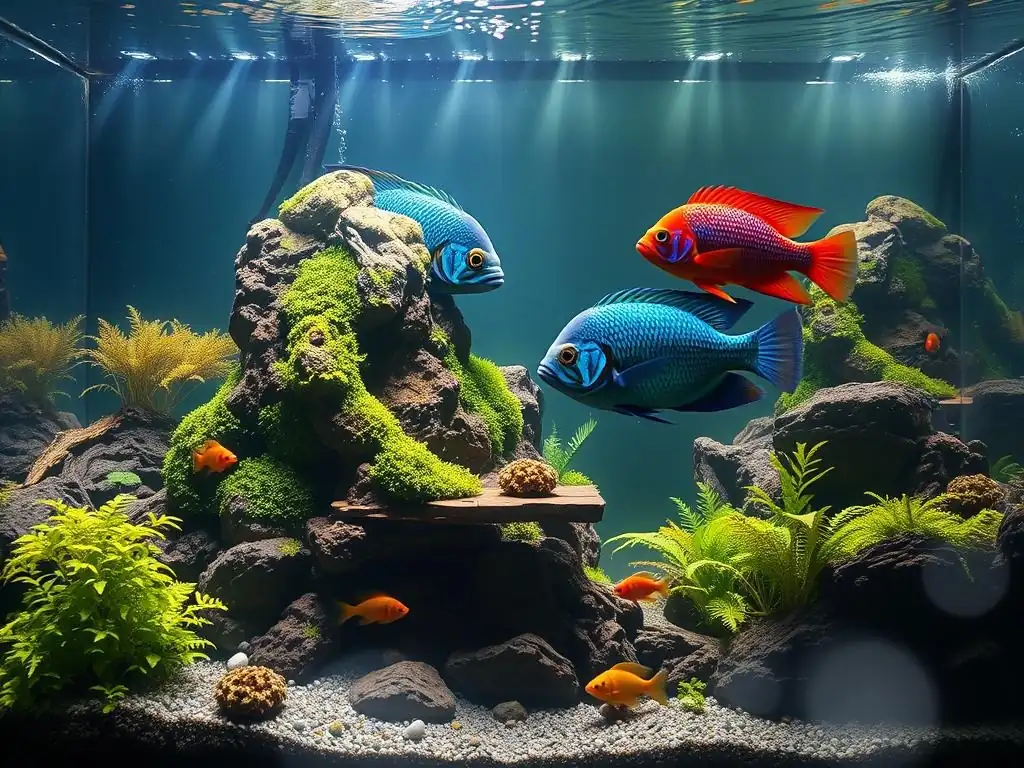
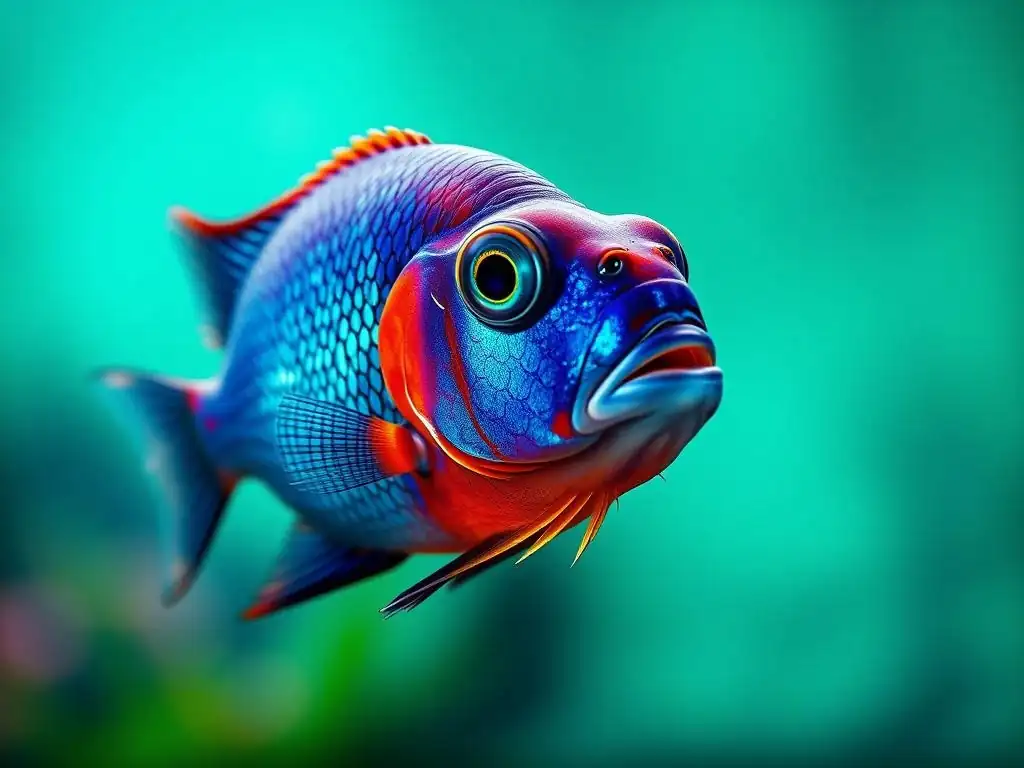
Effective Mbuna cichlid aggression control begins with the physical layout of their environment. Extensive rockwork is paramount, serving as the foundation for territories and providing crucial hiding places. These structures, often made from lava rock, Texas holey rock, slate, or other inert stones, should be stacked to create numerous caves, tunnels, and line-of-sight breaks. The goal is to obscure direct views across the tank, preventing dominant fish from constantly seeing and harassing subordinates.
A good rule of thumb is to aim for at least one primary cave or hiding spot per fish, plus several additional secondary retreats. For example, in a 75-gallon tank housing 15 Mbuna, you would ideally provide 20-25 distinct rock formations or cave systems. This abundance of cover allows bullied fish to escape and recover, diffusing aggression and promoting a more peaceful community.
Creating Territories to Reduce Mbuna Fighting
Beyond just providing hiding places, strategic aquascaping involves deliberately creating multiple, distinct territories within the tank. This can be achieved by arranging large rock formations to form natural barriers, effectively breaking the tank into several smaller "zones." Each zone can then be claimed by a dominant male, distributing the aggression rather than concentrating it on a single target.
For instance, a long, low rock structure running horizontally across the tank can divide the foreground from the background, while tall, vertical stacks can create separate "towers" or "islands" of territory. This intelligent design helps in Mbuna cichlid aggression control by allowing individuals to establish their own domains without constant direct confrontation, reducing the overall stress levels in the aquarium.
Substrate Considerations for Mbuna Tank Setup
The choice of substrate also plays a subtle yet important role in Mbuna cichlid aggression control. Mbuna are natural diggers and sifters, constantly moving the substrate to search for food or to excavate and modify their chosen caves. Therefore, a fine, soft substrate like aragonite sand or pool filter sand is highly recommended.
Aragonite sand, in particular, offers the added benefit of helping to buffer the water's pH, keeping it in the ideal alkaline range (7.8-8.6) that Mbuna thrive in. A soft substrate also prevents injuries to their mouths as they sift. Allowing them to engage in natural digging behaviors can also provide a healthy outlet for their energy, potentially reducing boredom-induced aggression.
Implementing Mbuna Stocking Strategies for Reduced Aggression
Overstocking vs. Appropriate Stocking Levels for Mbuna
The concept of "controlled overstocking" is a widely debated but often effective strategy for Mbuna cichlid aggression control. Rather than sparsely stocking a tank, which can lead to a single dominant male relentlessly harassing a few subordinates, a higher density of fish can actually diffuse aggression. With many fish present, aggression is spread out among numerous individuals, preventing any one fish from becoming the sole target of bullying.
However, this strategy requires robust filtration and diligent maintenance. For example, a 75-gallon aquarium might house 15-20 adult Mbuna, depending on their species and individual temperament. This is a higher density than typically recommended for other fish types, but it is critical for managing Mbuna cichlid aggression. The key is to avoid true overcrowding, which overwhelms the tank's biological capacity and leads to poor water quality.
Introducing New Mbuna Cichlids to the Tank
Introducing new Mbuna into an established tank requires careful planning to minimize disruption and aggression. The existing fish will have well-defined territories and a stable hierarchy, and new additions can upset this balance. One common technique is to rearrange the tank decor significantly just before introducing the new fish. This disrupts all existing territories, forcing every fish to find a new spot and creating a more level playing field for the newcomers.
Another effective method is to introduce new fish after the tank lights have been off for several hours, or even overnight. This allows the new arrivals to acclimate and find hiding spots before the established residents are fully active. Introducing multiple new fish at once, rather than just one, can also help spread out initial aggression, preventing a single new fish from being targeted relentlessly.
Sex Ratio Considerations for Mbuna Cichlid Groups
An imbalanced sex ratio is a major contributor to Mbuna cichlid aggression. Male Mbuna are significantly more aggressive than females, especially towards other males and even towards females during breeding attempts. To mitigate this, a high female-to-male ratio is crucial. A common recommendation is to aim for at least 3-4 females for every male of a particular species.
For example, if you plan to keep Labidochromis caeruleus (Electric Yellow Cichlid), and you want two males, you should aim for six to eight females. This not only diffuses male-on-male aggression by reducing direct competition but also lessens the stress on individual females from constant male courtship attempts. Identifying sexes can be challenging with juvenile Mbuna, which often means buying a larger group and later rehoming excess males as they mature.
Dietary Management for Tempering Mbuna Behavior
Choosing the Right Food for Mbuna Cichlids
As previously mentioned, Mbuna are primarily herbivorous. Therefore, the cornerstone of their diet should be high-quality spirulina flakes or pellets. These foods are specifically formulated to meet their nutritional needs, providing the necessary plant-based proteins and fibers. Reputable brands offer foods with 30-40% protein content, derived primarily from plant sources like spirulina algae and vegetable matter.
Foods that are high in animal protein, such as bloodworms, tubifex worms, or even some generic fish flakes, should be avoided or given only very sparingly as an occasional treat. Feeding an inappropriate diet not only risks health issues like Malawi bloat but also contributes to heightened Mbuna cichlid aggression by over-energizing the fish and potentially disrupting their digestive systems, leading to discomfort and irritability.
Feeding Frequency and Portion Control to Minimize Aggression
How often and how much you feed your Mbuna can also influence Mbuna cichlid aggression. Overfeeding or feeding large, infrequent meals can lead to intense competition at feeding time, where dominant fish gorge themselves while subordinates struggle to get enough food. This can exacerbate existing hierarchical aggression.
Instead, it is advisable to feed smaller portions 2-3 times a day. Each feeding should consist of an amount that the fish can consume entirely within 30-60 seconds. This approach ensures that all fish have a better chance to eat and reduces the frantic competition that can trigger aggressive outbursts. It also helps maintain better water quality by preventing uneaten food from decaying.
Vegetable Matter and Its Role in Mbuna Diet
Incorporating fresh vegetable matter into the Mbuna diet is highly beneficial for both their health and temperament. Blanched zucchini, spinach, or peas (shelled) can be offered a few times a week. These provide essential fiber and nutrients that mimic their natural diet of aufwuchs and detritus.
The high fiber content aids digestion, preventing common issues like constipation and bloat that can arise from processed foods. A healthy digestive system contributes to a less stressed and, consequently, less aggressive fish. Furthermore, providing natural vegetable matter offers dietary variety, which can enrich their environment and potentially reduce boredom-related aggression.
Water Quality and Its Influence on Mbuna Aggression Levels
Maintaining Optimal Water Parameters for Mbuna
Stable and optimal water parameters are fundamental to Mbuna cichlid aggression control. Mbuna originate from Lake Malawi, which has very specific water conditions: highly alkaline (pH 7.8-8.6), hard (GH 150-300 ppm), and warm (76-82°F or 24-28°C). Fluctuations in these parameters can cause significant stress, weakening their immune systems and making them more prone to aggressive behavior as a reaction to discomfort.
Regular testing of pH, ammonia, nitrite, and nitrate levels is essential. Ammonia and nitrite should always be at zero, while nitrates should be kept below 20 ppm. Consistent water chemistry reduces physiological stress, contributing to a calmer and healthier community.
Regular Water Changes and Their Impact
Regular and substantial water changes are non-negotiable for a healthy Mbuna tank and are critical for Mbuna cichlid aggression control. Given the high bioload often present in Mbuna setups (due to controlled overstocking), nitrates can accumulate rapidly. High nitrate levels, even if not immediately lethal, are chronic stressors that contribute to a decline in overall fish health and can directly intensify aggression.
Performing weekly water changes of 25-50% is highly recommended for most Mbuna tanks. This dilutes nitrates, replenishes essential minerals, and removes dissolved organic compounds that can irritate fish. Clean, fresh water directly translates to healthier, less stressed fish, which in turn reduces the likelihood of aggressive outbursts stemming from discomfort or illness.
The Role of Filtration in Reducing Aggression
Robust filtration is paramount in any Mbuna cichlid aquarium, especially when employing controlled overstocking. A powerful filtration system handles the significant bioload, ensuring that ammonia and nitrite are efficiently converted and nitrates are managed between water changes. Effective filtration directly supports stable water parameters, which, as noted, is key for Mbuna cichlid aggression control.
Canister filters, sumps, or multiple large hang-on-back filters are often necessary. These systems provide ample biological media for beneficial bacteria, mechanical filtration for clear water, and often chemical filtration to remove undesirable compounds. A well-filtered tank maintains pristine water quality, minimizing stressors that can trigger aggression and ensuring a healthier, more peaceful environment for your Mbuna.
Advanced Techniques for Managing Mbuna Cichlid Aggression
Utilizing Dither Fish to Reduce Mbuna Aggressiveness
Selecting Compatible Dither Fish Species
Dither fish are fast-moving, non-aggressive, mid-water swimming species that can be introduced into a Mbuna tank to help manage Mbuna cichlid aggression. They serve as a distraction and can draw out shy or bullied Mbuna from hiding. When selecting dither fish, it's crucial to choose species that are too large to be eaten by the Mbuna, are not territorial themselves, and can tolerate the same hard, alkaline water conditions.
Good candidates include larger rainbowfish species such as Boeseman's Rainbowfish ( Melanotaenia boesemani) or Banded Rainbowfish ( Melanotaenia trifasciata), which grow to 4-6 inches and are robust swimmers. Another option might be certain larger, peaceful Synodontis catfish, though these are bottom dwellers. Avoid small, delicate, or slow-moving fish, as they will quickly become targets or food.
The Benefits of Dither Fish in a Mbuna Tank
The primary benefit of dither fish for Mbuna cichlid aggression control is their ability to diffuse tension. Their constant movement in the open water can distract aggressive Mbuna, redirecting their focus away from their tank mates. Furthermore, the presence of dither fish can signal to the Mbuna that the environment is safe, reducing their natural skittishness and encouraging them to spend more time in the open.
This perceived safety can reduce stress-induced aggression, as the Mbuna feel less compelled to constantly defend their territories from perceived threats. Dither fish can also act as "target fish" in a beneficial way, absorbing some of the minor chasing that might otherwise be directed at other Mbuna, thus spreading out the overall aggression within the tank.
Implementing Tank Dividers for Problematic Mbuna
Creating Temporary or Permanent Tank Divisions
For instances of extreme or persistent Mbuna cichlid aggression from a single individual, tank dividers can be a highly effective, albeit temporary or last-resort, solution. These dividers, typically made from clear acrylic or rigid plastic mesh, can be used to separate a problematic fish from the rest of the community. They can be installed to create a temporary "time-out" section for an overly aggressive bully or a bullied fish needing recovery, or for more permanent separation if a particular fish consistently causes harm.
Dividers can be purchased commercially or custom-made to fit the tank precisely. For example, a mesh divider might be used for a few days to let a bullied fish heal, while an acrylic divider could provide a more robust, long-term separation for an unmanageable dominant male, allowing him to be seen but not interact physically with others.
Reducing Visual Contact Between Aggressive Individuals
The main advantage of tank dividers in Mbuna cichlid aggression control is their ability to completely eliminate physical confrontation and significantly reduce visual contact. Even if an aggressive fish can see its target through a clear divider, the inability to chase or nip can lead to a reduction in its aggressive drive over time. This forced separation allows both the aggressor and the victim to de-stress.
If a highly aggressive male is causing constant turmoil, isolating him with a divider for a week or two can sometimes "reset" his behavior. Upon reintroduction, he may be less dominant, or the other fish may have established stronger territories in his absence. This technique offers a non-lethal method of intervention when other strategies have failed to mitigate Mbuna cichlid aggression.
Observing Mbuna Behavior and Identifying Problem Fish
Recognizing Signs of Excessive Aggression
Diligent observation is key to effective Mbuna cichlid aggression control. Aquarists must learn to recognize the subtle and overt signs of excessive aggression. These include constant chasing, fin nipping leading to torn or ragged fins, faded coloration (especially in bullied fish), clamped fins, rapid breathing, and a general reluctance to eat or come out of hiding.
A fish that is constantly hiding, refusing food, or showing visible signs of injury (e.g., missing scales, open sores from nips) is likely under severe stress from bullying. Conversely, a fish that is constantly displaying, flaring, and relentlessly pursuing multiple tank mates is probably the primary aggressor. Early identification of these behaviors allows for timely intervention before serious harm occurs.
Removing or Isolating Problem Mbuna Cichlids
Once a problematic fish has been identified, whether it's an overly aggressive bully or a chronically bullied individual, removal or isolation may be necessary. If a fish is consistently terrorizing the entire tank, despite all other Mbuna cichlid aggression control strategies, its removal might be the only way to restore peace. This could involve placing it in a separate quarantine tank, a dedicated "time-out" tank, or rehoming it to another aquarist.
Similarly, a fish that is being relentlessly bullied to the point of starvation or severe injury may need to be removed to recover in a safe, isolated environment. Sometimes, simply removing the most dominant fish can cause a new hierarchy to form, which may or may not be less aggressive. This step is often a last resort but can be crucial for the well-being of the entire community.
Long-Term Mbuna Aggression Management and Prevention
Maintaining a Stable Aquarium Environment for Mbuna
Long-term Mbuna cichlid aggression control hinges on maintaining a consistently stable aquarium environment. This means avoiding sudden fluctuations in water parameters, temperature, or lighting cycles. Mbuna thrive on predictability; any abrupt changes can trigger stress, which in turn leads to heightened aggression. Regularly checking water parameters, performing scheduled water changes, and ensuring consistent feeding routines contribute significantly to this stability.
For instance, a sudden drop in temperature due to a heater malfunction or a drastic change in pH from an improper water change can stress the fish, making them more irritable and prone to lashing out. A stable environment fosters a sense of security for the fish, allowing them to settle into their social dynamics with less friction.
Regular Monitoring of Mbuna Behavior and Tank Dynamics
Effective Mbuna cichlid aggression control is an ongoing process that requires diligent observation. Daily monitoring of the fish's behavior and the overall tank dynamics is essential. Look for changes in coloration, feeding habits, swimming patterns, and interactions between individuals. Are certain fish always hiding? Is one fish constantly chasing another? Are there any new nips or tears on fins?
Early detection of escalating aggression or a shift in the social hierarchy allows for proactive intervention. For example, noticing that a previously submissive male is starting to show more dominant colors and challenge the alpha might prompt you to re-evaluate your stocking or aquascaping before a major conflict erupts. This continuous vigilance is a cornerstone of successful Mbuna keeping.
Adapting Strategies as Mbuna Mature and Establish Territories
Mbuna cichlid aggression control strategies are not static; they need to evolve as the fish mature. Juvenile Mbuna are often less aggressive, but as they grow into adults, their territorial instincts become much stronger, and their hierarchical structures solidify. A tank that was perfectly harmonious with young fish might become a battleground as they reach full size and sexual maturity.
This might necessitate adjustments to your aquascaping, adding more rockwork, or even rehoming certain individuals if aggression becomes unmanageable. For example, a male that was once a peaceful subordinate might mature into an aggressive alpha, requiring changes to the tank's layout to accommodate his new dominance. Flexibility and adaptability are key to managing Mbuna cichlid aggression over the long term.
The Ethical Considerations of Keeping Mbuna Cichlids
Keeping Mbuna cichlids, with their inherent aggression, comes with significant ethical considerations. As aquarists, we have a responsibility to provide an environment that minimizes stress and suffering. This means understanding their natural behaviors and proactively implementing strategies for Mbuna cichlid aggression control. It is not ethical to simply "let them fight it out," as this often leads to severe injury, chronic stress, and premature death for the weaker fish.
If, despite all efforts, a peaceful community cannot be maintained, ethical considerations dictate that you must be prepared to rehome problematic or severely bullied fish. This might involve finding another experienced aquarist with a suitable tank or, as a last resort, returning them to a local fish store that can take them. The welfare of the fish must always be the top priority.
Conclusion: Achieving a Peaceful Mbuna Cichlid Community
Taming the fury of Mbuna cichlids is a rewarding challenge that requires a deep understanding of their natural behaviors and a proactive approach to tank management. Successful Mbuna cichlid aggression control hinges on a multi-faceted strategy that begins with intelligent tank design, emphasizing ample rockwork and distinct territories. Implementing appropriate stocking levels and maintaining a favorable sex ratio are crucial for diffusing aggression across the community.
Furthermore, a proper herbivorous diet, combined with vigilant water quality management, significantly reduces stress-induced aggression. For persistent issues, advanced techniques like dither fish or temporary tank dividers can offer much-needed relief. Ultimately, long-term success in achieving a peaceful Mbuna cichlid community depends on continuous observation, adaptability, and a commitment to the ethical care of these fascinating, vibrant fish. With diligent effort and the proven strategies outlined, aquarists can enjoy the dynamic beauty of a thriving Mbuna tank.
Frequently Asked Questions
What are the primary reasons for aggression in Mbuna cichlid aquariums?
Mbuna aggression stems primarily from territoriality, overcrowding, and competition for resources. Understanding these factors is crucial for effective management.
How does tank size and aquascaping affect Mbuna cichlid aggression?
Larger tanks with ample rockwork and hiding places reduce aggression by providing more territories. This helps to dissipate aggression by allowing fish to escape conflict.
What is the ideal stocking density for Mbuna cichlids to minimize aggression?
Overcrowding exacerbates aggression. Aim for a high stocking density but with a balanced ratio of males to females to avoid excessive competition.
What role does diet play in managing Mbuna cichlid aggression?
A varied and balanced diet reduces competition for food, which can fuel aggression. Ensure all fish get enough food with frequent, smaller feedings.
What are some practical methods to disrupt established hierarchies and reduce aggression?
Rearranging the tank aquascaping regularly disrupts established territories and hierarchies. Introducing new fish strategically can also help to diffuse aggression.
Final Reflection: Cultivating Harmony in the Aquarium
The strategies outlined in this article, while focused on the specific challenge of managing Mbuna cichlid aggression, resonate far beyond the confines of the aquarium. Understanding the underlying causes of conflict, implementing preventative measures, and fostering a balanced environment are principles applicable to countless situations, reminding us that proactive management is key to achieving harmony in any ecosystem, be it aquatic or human.
The enduring popularity of Mbuna cichlids, despite their aggressive tendencies, speaks volumes about our fascination with complex systems and the delicate balance of power. This article underscores the importance of responsible stewardship, not just in aquariums, but in all aspects of our lives, urging us to understand and mitigate potential conflicts before they escalate. Peace is not merely the absence of war, but the presence of justice.
- Albert Einstein. This quote perfectly encapsulates the essence of Mbuna cichlid aggression control; it's not just about stopping the fighting, but about creating a fair and equitable environment for all inhabitants.
As you consider the lessons learned from taming the fury of Mbuna cichlids, I invite you to reflect on the environments you inhabit – your home, your workplace, your community. Are there imbalances that need addressing? Are there proactive steps you can take to foster a more harmonious and balanced ecosystem? Embrace the principles of understanding, prevention, and balance, and you too can cultivate a more peaceful and thriving world, one aquarium, one relationship, one interaction at a time.
Unleash Mbuna Harmony!
Thank you for diving deep into the world of Mbuna cichlids! We hope you've gained valuable insights to create a more peaceful aquarium. Now, let's turn knowledge into action:
- Immediately assess your tank's current stocking levels and hiding spots. Are there enough caves and territories for each fish? This is the first step to reducing aggression.
- Share this article with fellow cichlid enthusiasts! Your experience could help others create thriving Mbuna communities.
- Try something unexpected: Rearrange your tank décor! A fresh layout can disrupt established territories and help reset the aggression dynamic.
Ready to transform your Mbuna tank from a battleground to a balanced ecosystem? What one practical change will you implement this week?