
Are Your Saltwater Shrimp Reef Safe? A SpeciesbySpecies Breakdown

Welcome to Aquarium Mastery!
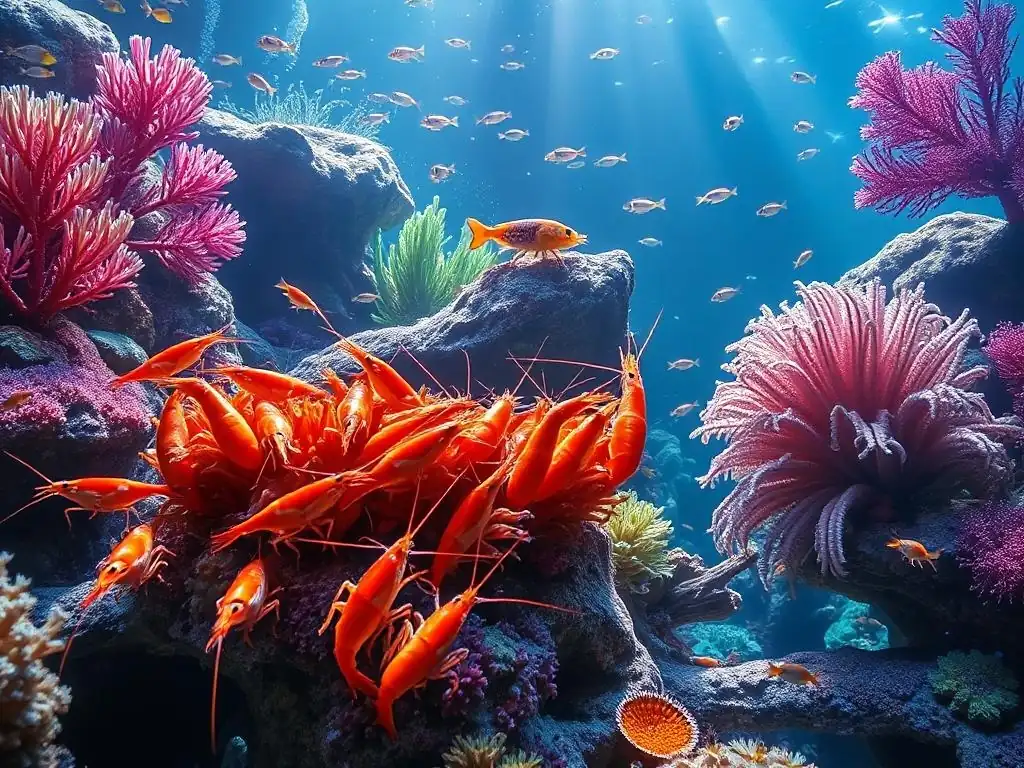
Ever wondered if those vibrant saltwater shrimp you've been eyeing are truly reef safe? It's a question that plagues many aquarists! Dive in to our species-by-species breakdown of Saltwater Shrimp Reef Safety and discover which crustaceans are friends, and which are foes, to your precious corals. Unlocking the secrets to a thriving, harmonious reef tank starts here!
- Saltwater Shrimp in Reef Tanks: A Species Guide
- Understanding Reef Compatibility
- Reef-Safe Shrimp Species
- Shrimp to Avoid in Reef Tanks
- Identifying Reef-Safe Shrimp
- Introducing Shrimp to Your Reef Tank
- Maintaining a Healthy Reef for Shrimp
- Troubleshooting Shrimp Problems
- Key Takeaways for Reef Keepers
-
Frequently Asked Questions
- What does it mean for a saltwater shrimp to be "reef safe"?
- Which saltwater shrimp are generally considered the most reef safe?
- Are all shrimp species compatible with all types of corals?
- What factors besides species influence whether a shrimp is reef safe?
- How can I determine if a shrimp is harming my reef aquarium?
- Final Reflection: Navigating the Reef with Shrimp Safety in Mind
- Ignite Your Reef Tank's Potential!
Saltwater Shrimp in Reef Tanks: A Species Guide
Understanding Reef Compatibility
Reef Ecosystem Balance
Maintaining a thriving reef aquarium hinges on a delicate ecological balance, where every inhabitant plays a role. The introduction of any new species, including saltwater shrimp, can significantly impact this equilibrium. A healthy reef ecosystem relies on stable water parameters, efficient waste processing, and harmonious interactions between corals, fish, and various invertebrates. Shrimp, particularly those serving as part of the clean-up crew, contribute to this balance by consuming detritus, algae, and even parasites, thus reducing nutrient buildup and promoting overall tank health.
However, the success of integrating saltwater shrimp into a reef tank is entirely dependent on their inherent compatibility with corals and other sessile invertebrates. Even seemingly small additions can disrupt years of growth and stability if their natural behaviors clash with the reef environment. For instance, a shrimp species that nips at coral polyps, even occasionally, can cause stress, tissue recession, and ultimately lead to the loss of valuable coral colonies, undermining the very foundation of the reef system.
Risks of Incompatible Shrimp
Introducing shrimp that are not truly reef-safe poses several significant risks to the delicate reef ecosystem. The most direct threat often comes from predatory or opportunistic feeding behaviors. Certain shrimp species might view small fish, other desirable invertebrates like snails or hermit crabs, or even the polyps of corals as potential food sources, especially if their specific dietary needs are not met or if they are underfed. This can lead to a rapid decline in the population of beneficial clean-up crew members or damage to expensive coral specimens.
Beyond direct predation, incompatible shrimp can also introduce competition for resources, leading to stress for other tank inhabitants. They might outcompete smaller, more docile shrimp or fish for food, or establish territories that disrupt the peace of the aquarium. Furthermore, there's always a risk of introducing diseases or parasites if new specimens are not properly quarantined. Even if a shrimp doesn't actively harm corals, its waste production or general behavior could contribute to an imbalance in water chemistry if the tank is already pushing its biological filtration limits, impacting the overall saltwater shrimp reef safety of the environment.
Reef-Safe Shrimp Species
Cleaner Shrimp (Lysmata amboinensis)
Benefits for Reef Tanks
The Skunk Cleaner Shrimp, Lysmata amboinensis, is perhaps the most iconic and universally recommended saltwater shrimp reef safety species for reef aquariums. Renowned for their symbiotic cleaning behavior, these shrimp actively remove parasites and dead tissue from the bodies of fish, even entering their mouths and gills without harm. This natural "cleaning station" behavior not only benefits the fish by improving their health but also offers a fascinating spectacle for aquarists. Beyond their cleaning duties, they are excellent scavengers, diligently foraging for uneaten food and detritus, contributing significantly to the tank's clean-up crew.
These shrimp typically grow to an adult size of about 2 to 3 inches (5-7.5 cm) and can live for 2 to 3 years in a well-maintained reef environment. Their peaceful demeanor and vibrant red and white coloration make them a visually appealing and highly beneficial addition. They rarely bother corals or other invertebrates, focusing instead on their scavenging and cleaning tasks, which solidifies their reputation for excellent saltwater shrimp reef safety.
Care Requirements
Caring for Cleaner Shrimp is relatively straightforward, making them suitable for both novice and experienced reef keepers. They thrive in stable reef parameters: salinity between 1.023 and 1.026 specific gravity, a temperature range of 72-78°F (22-26°C), pH levels of 8.1-8.4, and alkalinity between 8-12 dKH. While they will scavenge for food, supplemental feeding with high-quality frozen foods like mysis shrimp, brine shrimp, or specialized invertebrate pellets is recommended, especially in tanks with minimal uneaten food.
Molting is a critical process for shrimp growth, typically occurring every few weeks to months depending on their size and growth rate. During this period, they shed their exoskeleton and are vulnerable. Providing ample rockwork with crevices and hiding spots is essential for their safety post-molt. Maintaining stable water parameters, particularly calcium and alkalinity, is vital for proper exoskeleton development.
Peppermint Shrimp (Lysmata wurdemanni)
Aiptasia Control
The Peppermint Shrimp, Lysmata wurdemanni, is highly valued in the reef keeping hobby primarily for its documented ability to consume nuisance Aiptasia anemones. Aiptasia can quickly proliferate in reef tanks, stinging corals and becoming an unsightly pest. While not every individual Peppermint Shrimp will be an aggressive Aiptasia eater, many will actively seek out and consume these anemones, making them a popular biological control method. Their effectiveness can vary, with some individuals clearing a tank of Aiptasia within weeks, while others show less interest.
These shrimp are generally small, reaching an adult size of 1 to 2 inches (2.5-5 cm). Their translucent bodies with reddish-brown stripes make them somewhat camouflaged against rockwork. When successfully employed for Aiptasia control, they can significantly reduce the need for chemical treatments, offering a natural and continuous solution to this common reef tank problem, enhancing saltwater shrimp reef safety by removing a threat to corals.
Tank Compatibility
Peppermint Shrimp are generally considered peaceful and highly compatible with most reef tank inhabitants, including various corals, fish, and other invertebrates. They are nocturnal by nature, often hiding during the day and becoming more active at night to forage. While primarily detritivores and Aiptasia eaters, they will also readily accept supplemental feedings of frozen foods like mysis or enriched brine shrimp.
It is important to note that while generally safe, there have been isolated reports of Peppermint Shrimp, particularly when underfed, nipping at zoanthids or other soft corals. However, such instances are relatively rare and usually attributed to insufficient food availability. For optimal saltwater shrimp reef safety, ensuring a well-fed environment and providing plenty of hiding spots helps mitigate any potential issues. They can be kept in groups, as they are not typically aggressive towards their own kind.
Fire Shrimp (Lysmata debelius)
Color and Behavior
The Fire Shrimp, or Blood Shrimp ( Lysmata debelius), is one of the most visually stunning invertebrates available to reef aquarists. Its striking deep red body adorned with bright white "socks" or spots on its legs and antennae makes it a focal point in any aquarium. Unlike the more outgoing Cleaner Shrimp, Fire Shrimp tend to be shyer and more reclusive, often preferring to hide in caves or under ledges during the day, emerging primarily during dusk or dawn, or when food is introduced.
Despite their shy nature, they are excellent scavengers and will help keep the tank clean by consuming detritus and uneaten food. They can grow up to 2 inches (5 cm) and have a lifespan of 2-3 years under optimal conditions. Their vibrant coloration and peaceful demeanor towards corals and fish make them a highly sought-after species for their aesthetic contribution and excellent saltwater shrimp reef safety.
Sensitivity and Acclimation
Fire Shrimp are known to be more sensitive to changes in water parameters than some other Lysmata species, making proper acclimation crucial for their survival. A slow drip acclimation process, typically lasting 60 to 90 minutes, is highly recommended to gradually equalize the salinity, pH, and temperature between their transport water and the aquarium water. Rapid changes can induce significant stress, leading to molting issues or even death.
They require pristine water quality, with stable parameters consistent with other reef inhabitants: salinity 1.024-1.026, temperature 72-78°F (22-26°C), and negligible nitrates and phosphates. Providing ample rockwork with secure hiding spots is essential for these shy creatures to feel secure, especially after molting. While they will scavenge, supplemental feeding with small meaty foods like mysis shrimp or finely chopped seafood will ensure their nutritional needs are met.
Harlequin Shrimp (Hymenocera picta)
Starfish Diet
The Harlequin Shrimp, Hymenocera picta, is a truly unique and specialized species known for its exclusive diet of starfish. This makes them an invaluable asset for aquarists dealing with nuisance starfish, such as the common Asterina starfish, which can sometimes proliferate and consume coral polyps. Harlequin Shrimp are highly efficient predators of starfish; they will often flip a starfish onto its back, then consume it limb by limb, keeping it alive to ensure freshness.
Their specialized diet means they are not suitable for general reef tanks unless there is a consistent and reliable supply of starfish. They typically grow to about 2 inches (5 cm) in length and feature a striking white or cream body with large purple, pink, or red spots, making them highly distinctive. Their very specific dietary requirements mean their saltwater shrimp reef safety is tied to their food source; they will not harm corals, but they will decimate any starfish, including desirable ones like serpent stars, if not adequately fed.
Specific Care Needs
The most critical aspect of Harlequin Shrimp care is providing a constant supply of their sole food source: starfish. Without starfish, they will starve. For hobbyists looking to control Asterina starfish, a pair of Harlequins can often clear a tank within a few weeks to months. However, once the Asterina population is depleted, the aquarist must either provide cultured starfish (e.g., chocolate chip starfish limbs) or be prepared to rehome the shrimp.
These shrimp are generally peaceful towards other reef tank inhabitants, including corals and fish, as long as their dietary needs are met. They prefer stable reef parameters and a mature tank with plenty of rockwork for hiding. Due to their specific diet, they are considered an advanced species and are not recommended for beginners unless they are fully committed to providing the necessary food source. Their unique feeding behavior makes them a fascinating, albeit demanding, addition to the right dedicated setup.
Shrimp to Avoid in Reef Tanks
Mantis Shrimp (Odontodactylus scyllarus)
Predatory Behavior
Mantis shrimp, particularly the "smasher" types like Odontodactylus scyllarus (Peacock Mantis Shrimp), are highly intelligent and incredibly powerful predators. They possess specialized raptorial appendages capable of delivering devastating blows or lightning-fast impales. Smasher mantis shrimp can generate forces equivalent to a .22 caliber bullet, strong enough to crack snail shells, crush crabs, and instantly kill fish. Their hunting prowess extends to virtually any small to medium-sized inhabitant of a reef tank, making them a severe threat to fish, other invertebrates (including desirable snails, crabs, and other shrimp), and even larger prey.
These shrimp are highly territorial and will aggressively defend their burrows. While some smaller species might be less destructive, the larger "smasher" types are unequivocally not reef-safe. Their presence guarantees the systematic elimination of most other tank inhabitants over time, undermining the very purpose of a community reef setup.
Tank Damage Potential
Beyond their predatory behavior, large mantis shrimp pose a significant risk of physical damage to the aquarium itself. Their powerful smashing claws are capable of cracking or even shattering glass aquarium walls, especially thinner ones (e.g., 1/4 inch or 6mm glass). Many experienced aquarists have reported instances of their tanks failing due to an unexpected mantis shrimp strike. This risk increases with the size of the mantis shrimp; larger specimens, some exceeding 6 inches (15 cm), can exert immense force.
For this reason, mantis shrimp are typically housed in species-specific tanks with thick acrylic or glass walls, often reinforced, to prevent structural damage. Their burrowing habits can also undermine rock structures, potentially causing rock slides that could damage corals or injure other inhabitants. Their potential for destruction makes them completely incompatible with a mixed reef environment, posing a direct threat to the integrity of the aquarium.
Camel Shrimp (Rhynchocinetes durbanensis)
Coral Nipping
The Camel Shrimp, Rhynchocinetes durbanensis, is a common sight in local fish stores due to its striking red and white banded coloration and distinctive humped back. While often marketed as a clean-up crew member, their saltwater shrimp reef safety is highly questionable. They are notorious for nipping at and consuming the polyps of various corals, particularly soft corals like zoanthids, palythoa, and even some LPS (Large Polyp Stony) corals. This behavior is more pronounced if they are underfed or if natural food sources are scarce in the aquarium.
Even if they don't consume entire polyps, constant nipping can stress corals, leading to tissue recession, vulnerability to disease, and ultimately, the death of coral colonies. Many aquarists have experienced significant losses of valuable corals after introducing Camel Shrimp, making them a risky addition to any reef tank, despite their appealing appearance.
Identification
Identifying the Camel Shrimp is relatively straightforward due to its unique physical characteristics. Its most prominent feature is a pronounced hump on its back, giving it a camel-like appearance. The body is typically translucent with distinct red and white or reddish-brown bands that wrap around its segmented body. They also possess long, slender antennae and a rostrum (a pointed extension from the head) that curves upwards.
They typically grow to an adult size of about 1.5 to 2 inches (4-5 cm). Because of their widespread availability and visual appeal, it's easy for unsuspecting aquarists to purchase them without realizing their potential for coral damage. Always double-check the species name and research its specific reef compatibility before introducing any new shrimp, especially those with a known history of coral nipping like the Camel Shrimp.
Boxer Shrimp (Stenopus hispidus)
Territoriality
The Banded Coral Shrimp, or Boxer Shrimp ( Stenopus hispidus), is another popular, visually appealing shrimp known for its long, white antennae and red and white banded body. However, their saltwater shrimp reef safety is often debated due to their highly territorial and aggressive nature. They are known to be quite dominant and will actively defend their chosen territory, often a rock crevice or cave, from other invertebrates. This territoriality can lead to direct confrontations with other shrimp species, including smaller cleaner or peppermint shrimp, often resulting in injury or even death for the less dominant individual.
While they are sometimes seen performing cleaning duties for fish, similar to Lysmata species, their aggressive tendencies often outweigh this benefit in a mixed reef environment. Introducing multiple Boxer Shrimp into a single tank is generally not recommended unless it's a very large aquarium with ample space and hiding spots, as they will fight over territory.
Potential for Aggression
Beyond territorial disputes with other invertebrates, Boxer Shrimp also possess powerful claws and can be opportunistic predators. While they generally do not bother healthy, adult fish, smaller or weaker fish, especially those that are slow-moving or sick, can become targets. They have been known to capture and consume small gobies, blennies, or newly introduced fry. Furthermore, they can pose a threat to other shrimp species, even those larger than themselves, especially during or immediately after a molt when the victim is vulnerable.
Their aggressive nature extends to other members of the clean-up crew as well; small snails or hermit crabs might become targets, particularly if the shrimp is underfed. For these reasons, despite their attractive appearance, the Boxer Shrimp is generally considered a questionable addition to a community reef tank where the goal is harmonious coexistence of diverse species. Their potential for aggression makes them a species to approach with caution when considering saltwater shrimp reef safety.
Identifying Reef-Safe Shrimp
Observing Behavior
One of the most immediate indicators of a shrimp's potential saltwater shrimp reef safety is its behavior in the retail environment. When observing shrimp at your local fish store, pay close attention to how they interact with other tank inhabitants. Look for species that exhibit peaceful scavenging behaviors, calmly picking at detritus or uneaten food without bothering fish or corals in the display tank. Cleaner shrimp, for instance, are often seen soliciting fish for cleaning services, a clear sign of their beneficial nature.
Conversely, avoid shrimp that display aggressive posturing, constantly flicking their tails, or attempting to strike at other invertebrates or fish. While this can be challenging in a crowded store tank, observing for any signs of direct predation or nipping at corals is a red flag. A shrimp that spends all its time hiding or appears overly stressed might also be a poor candidate for introduction into a stable reef environment.
Pre-Purchase Research
The most reliable method for ensuring saltwater shrimp reef safety is thorough pre-purchase research. Before buying any shrimp, take the time to research its scientific name ( genus and species) and common name. Utilize reputable online forums, dedicated aquarium websites (like AquariumMastery.com), and marine biology resources to gather information on its typical diet, adult size, lifespan, and most importantly, its compatibility with corals, fish, and other invertebrates.
Pay particular attention to reports from other aquarists regarding specific behaviors like coral nipping, predation on small fish, or aggression towards other shrimp. Cross-referencing information from multiple sources helps to build a comprehensive understanding of a species' true nature in a captive reef environment. Never rely solely on a store's label or a quick glance; dedicated research is paramount for long-term success.
Consulting Experts
When in doubt about a shrimp's saltwater shrimp reef safety, consult with experienced aquarists or knowledgeable staff at reputable local fish stores. These individuals often have firsthand experience with a wide variety of marine species and can provide valuable insights into their behavior and compatibility in a reef setting. They can offer advice on specific species, suggest alternatives, or even identify potential risks that might not be immediately obvious from online research.
Many experienced aquarists participate in online forums or local aquarium clubs, offering a wealth of collective knowledge. Presenting them with the specific species you are considering, along with details about your existing tank inhabitants and setup, can help them provide tailored advice. Leveraging the expertise of others is a wise strategy to prevent costly mistakes and ensure the well-being of your reef tank.
Introducing Shrimp to Your Reef Tank
Acclimation Procedures
Proper acclimation is a critical step to ensure the survival and long-term health of any new marine invertebrate, especially delicate creatures like saltwater shrimp. The most recommended method is drip acclimation, which slowly equalizes the temperature, salinity, and pH between the water the shrimp arrived in and your aquarium water. This gradual process minimizes osmotic shock, a common cause of stress and mortality for newly introduced shrimp.
To perform drip acclimation, place the shrimp (still in its transport bag or a small container) into your sump or a separate bucket. Use airline tubing to create a siphon from your display tank into the shrimp's container, tying a knot or using a control valve to regulate the drip rate to about 2-3 drops per second. Allow the water volume in the shrimp's container to triple over a period of 60 to 90 minutes. Once acclimated, gently net the shrimp and release it into the display tank, discarding the old water.
Gradual Introduction
Once acclimated, the method of introduction into the main display tank can also impact the shrimp's initial stress levels and its ability to integrate safely. It is often beneficial to introduce new shrimp when the aquarium lights are dim or off. This allows the shrimp to explore its new surroundings and find hiding spots without the immediate stress of bright illumination or the attention of curious (or potentially aggressive) tank mates.
Place the shrimp gently into an area with low flow, preferably near some rockwork or a suitable hiding spot. Avoid simply dumping it into the tank from a high point, as this can cause unnecessary trauma. Giving the shrimp a calm, quiet transition period helps it adjust to the new environment and reduces the likelihood of it being perceived as a threat or a meal by existing inhabitants, thereby improving its chances of survival and becoming a successful addition to your reef.
Post-Introduction Monitoring
After introducing new saltwater shrimp, continuous monitoring for the first few days to weeks is essential. Observe their behavior closely: are they actively exploring, feeding, and interacting peacefully with other tank inhabitants? Look for signs of stress, such as lethargy, unusual hiding, or rapid breathing. Also, watch for any signs of aggression from existing fish or invertebrates towards the new shrimp.
Pay particular attention during feeding times to ensure the shrimp is getting enough food, especially if it's a shy species. Monitor water parameters closely for any fluctuations that might indicate stress on the system or the new inhabitant. Early detection of problems allows for timely intervention, whether it's adjusting feeding, providing more hiding spots, or, in rare cases, rehoming the shrimp if it proves incompatible despite initial research. Regular observation ensures the long-term saltwater shrimp reef safety and well-being of the entire reef community.
Maintaining a Healthy Reef for Shrimp
Water Parameter Stability
Maintaining stable and optimal water parameters is paramount for the health and longevity of saltwater shrimp in a reef tank. Shrimp are highly sensitive to sudden fluctuations in salinity, temperature, pH, and nutrient levels. For most reef-safe shrimp, ideal parameters include a specific gravity of 1.024-1.026, a stable temperature range of 72-78°F (22-26°C), and a pH between 8.1 and 8.4. Furthermore, maintaining appropriate levels of alkalinity (8-12 dKH), calcium (400-450 ppm), and magnesium (1200-1350 ppm) is crucial for their exoskeleton formation and healthy molting process.
Sudden drops or spikes in any of these parameters can induce significant stress, leading to molting issues, susceptibility to disease, or even death. Regular testing with reliable test kits, consistent water changes (typically 10-20% bi-weekly or monthly), and the use of high-quality salt mix are fundamental practices to ensure the stable environment shrimp need to thrive.
Feeding Strategies
While many reef-safe shrimp species like Cleaner Shrimp and Peppermint Shrimp are excellent scavengers that will consume detritus and uneaten fish food, supplemental feeding is often necessary to ensure their optimal health and growth. Relying solely on leftover food from fish may not provide sufficient nutrition, especially in tanks with efficient filtration or a small bioload.
Offer small amounts of high-quality frozen foods such as mysis shrimp, enriched brine shrimp, or finely chopped seafood a few times a week. Target feeding using a turkey baster can ensure shyer shrimp or those in competitive environments receive their share. For specialized feeders like Harlequin Shrimp, a constant supply of their specific diet (starfish) is non-negotiable. Proper nutrition not only supports their growth and vibrant coloration but also helps prevent them from developing undesirable behaviors like coral nipping due to hunger, ensuring their continued saltwater shrimp reef safety.
Avoiding Copper-Based Medications
A critical rule for any reef keeper housing invertebrates, including saltwater shrimp, is to never use copper-based medications in the main display tank. Copper, even in very low concentrations, is highly toxic to all invertebrates, including shrimp, snails, crabs, and corals. It is commonly used to treat parasitic infections in fish (e.g., Ich, Marine Velvet) but will inevitably lead to the death of your invertebrate clean-up crew and damage or kill your corals.
If a fish in a reef tank requires copper treatment, it must be removed to a separate quarantine tank for medication. Always check the ingredients list of any aquarium medication or additive before introducing it to a reef tank. Opt for invertebrate-safe treatments or quarantine methods for fish diseases. This strict avoidance of copper is one of the most important aspects of maintaining saltwater shrimp reef safety and the overall health of your reef ecosystem.
Troubleshooting Shrimp Problems
Identifying and Treating Diseases
Saltwater shrimp are generally hardy, but they can occasionally suffer from diseases, often related to poor water quality, stress, or nutritional deficiencies. Common issues are often linked to molting problems, such as an incomplete molt or difficulty shedding the old exoskeleton, which can be a sign of iodine deficiency or unstable water parameters (especially alkalinity and calcium). Bacterial infections can manifest as cloudy patches, lethargy, or discoloration, though these are less common for shrimp themselves compared to fish.
Prevention through stable water parameters, proper nutrition, and slow acclimation is key. If a shrimp appears diseased, isolating it in a small quarantine tank can prevent potential spread and allow for observation. Unfortunately, specific medications for shrimp diseases are limited and often involve treating the underlying water quality issue or providing iodine supplements. Always avoid broad-spectrum medications not specifically labeled as reef-safe.
Addressing Aggression
While most reef-safe shrimp are peaceful, aggression can occasionally arise, either from the shrimp itself or towards the shrimp from other tank inhabitants. If a shrimp, such as a Boxer Shrimp, exhibits aggression towards other invertebrates or small fish, it may need to be rehomed to a species-specific tank or a larger setup where it has ample space and fewer potential targets. This is rare for Lysmata species, but important to monitor.
Conversely, if fish or other invertebrates are harassing the shrimp, assess the compatibility of your tank inhabitants. Providing more hiding spots for the shrimp, especially after molting, can reduce stress. Sometimes, aggressive fish might need to be rehomed if they consistently pose a threat to your shrimp or other desired invertebrates. Ensuring the shrimp is well-fed can also reduce opportunistic nipping from the shrimp itself.
Dealing with Molting Issues
Molting is a crucial process for shrimp growth and health, where they shed their old exoskeleton. An incomplete or difficult molt is a common problem that can lead to the shrimp's death. Signs of a problematic molt include the shrimp struggling to free itself from its old shell, a deformed new shell, or the shrimp appearing weak and lethargic after attempting to molt.
The primary causes are typically poor water quality (especially fluctuating salinity, pH, or temperature), lack of essential minerals like iodine, or insufficient nutrition. To prevent molting issues, ensure consistent and stable water parameters as outlined previously. Some aquarists choose to dose iodine supplements, though this should be done cautiously and accurately, as overdosing can be harmful. A varied and nutritious diet, including high-quality frozen foods, also supports healthy molting. Providing plenty of crevices and hiding spots gives the shrimp a safe place to retreat during its vulnerable post-molt period.
Key Takeaways for Reef Keepers
Research and Planning
The cornerstone of successful reef keeping, especially when considering the addition of saltwater shrimp, is thorough research and meticulous planning. Before any purchase, dedicate significant time to understanding the specific needs, behaviors, and compatibility of the shrimp species you are interested in. Rely on reputable sources, cross-reference information, and learn from the experiences of other aquarists.
This proactive approach helps to prevent common pitfalls, such as introducing a shrimp that will harm corals or other tank inhabitants, or one that has care requirements you cannot meet. Understanding the nuances of saltwater shrimp reef safety for each species prevents costly mistakes and ensures the long-term harmony and health of your delicate reef ecosystem.
Choosing the Right Shrimp
Selecting the right shrimp species is critical for maintaining a thriving and peaceful reef tank. Prioritize species with a proven track record of saltwater shrimp reef safety, such as Cleaner Shrimp ( Lysmata amboinensis), Peppermint Shrimp ( Lysmata wurdemanni), and Fire Shrimp ( Lysmata debelius). These species are generally peaceful, beneficial members of the clean-up crew, and pose minimal threat to corals or other invertebrates.
Avoid species known for their aggressive tendencies, predatory behavior, or coral-nipping habits, such as Mantis Shrimp, Camel Shrimp, and Boxer Shrimp, unless you are setting up a specialized tank specifically for them. A careful selection process, guided by research, ensures that your new shrimp will be a beneficial and beautiful addition rather than a source of problems.
Ensuring Long-Term Health
The commitment to saltwater shrimp reef safety extends beyond initial selection and introduction; it encompasses ongoing care and maintenance. Long-term health for your shrimp, and indeed your entire reef tank, relies on consistent adherence to best practices. This includes maintaining stable and optimal water parameters through regular testing and water changes, providing a varied and nutritious diet through supplemental feeding, and being vigilant about avoiding harmful substances like copper-based medications.
Regular observation of your shrimp's behavior and appearance can help you detect potential issues early, allowing for timely intervention. By providing a stable, clean, and appropriate environment, you ensure your saltwater shrimp can thrive, contribute positively to your reef ecosystem, and remain a fascinating and valuable part of your underwater world for years to come.
Frequently Asked Questions
What does it mean for a saltwater shrimp to be "reef safe"?
Being "reef safe" means a shrimp species is unlikely to harm corals or other invertebrates in a reef aquarium. This generally means they won't eat or excessively irritate these delicate organisms.
Which saltwater shrimp are generally considered the most reef safe?
Cleaner shrimp (Lysmata amboinensis) and Fire shrimp (Lysmata debelius) are popular and generally considered very reef safe. They actively remove parasites from fish and are peaceful.
Are all shrimp species compatible with all types of corals?
No, some shrimp species, especially larger or more aggressive ones, may nip at corals or disturb them. Researching the specific needs of your coral types is vital.
What factors besides species influence whether a shrimp is reef safe?
Factors like the shrimp's individual personality, tank size, and availability of food can influence its behavior. Underfed shrimp may turn to corals as a food source.
How can I determine if a shrimp is harming my reef aquarium?
Watch for signs like coral retraction, tissue damage, or excessive mucus production. Also, observe the shrimp's behavior to see if it's constantly picking at corals.
This exploration of saltwater shrimp and their reef compatibility arrives at a crucial moment, as the popularity of reef aquariums continues to surge. Understanding the delicate balance within these ecosystems is paramount to their long-term health and the ethical responsibility of aquarists. The potential for unintended consequences, stemming from a lack of knowledge about shrimp behavior, underscores the importance of informed decision-making when stocking a reef tank.
This journey through various shrimp species has highlighted the nuanced relationship between these crustaceans and the coral reefs they inhabit. The realization that even seemingly harmless creatures can disrupt the intricate web of life within a reef aquarium is a powerful reminder of our role as stewards of these miniature ecosystems. In the end, we will conserve only what we love; we will love only what we understand; and we will understand only what we are taught.
- Baba Dioum's words resonate deeply, urging us to continuously learn and appreciate the complexities of the natural world we seek to recreate in our homes.
Now, armed with this knowledge, consider the choices you make when building your own reef. Let this guide serve not just as a reference, but as a catalyst for thoughtful consideration. Strive to create a thriving, balanced environment where all inhabitants, from the smallest coral polyp to the most vibrant shrimp, can flourish. The beauty and resilience of a reef aquarium are a testament to the power of informed stewardship – embrace that power and cultivate a piece of the ocean's magic responsibly.
Ignite Your Reef Tank's Potential!
Thanks for diving deep into the world of saltwater shrimp and reef compatibility! We hope you now feel empowered to make informed decisions for your thriving reef ecosystem. Ready to take the next step?
- Carefully Observe: Introduce a small number of your chosen shrimp species and closely monitor their behavior for any signs of coral nipping or harassment over the course of a week.
- Join the Aquarium Mastery community and share your shrimp-tastic reef adventures!
- Research alternative shrimp species known for their peaceful nature and vibrant colors.
What fascinating shrimp species are you most excited to introduce to your reef, and what precautions will you take to ensure a harmonious environment?