
Nano Reef CleanUp Crews: Mighty Invertebrates for Small Aquariums

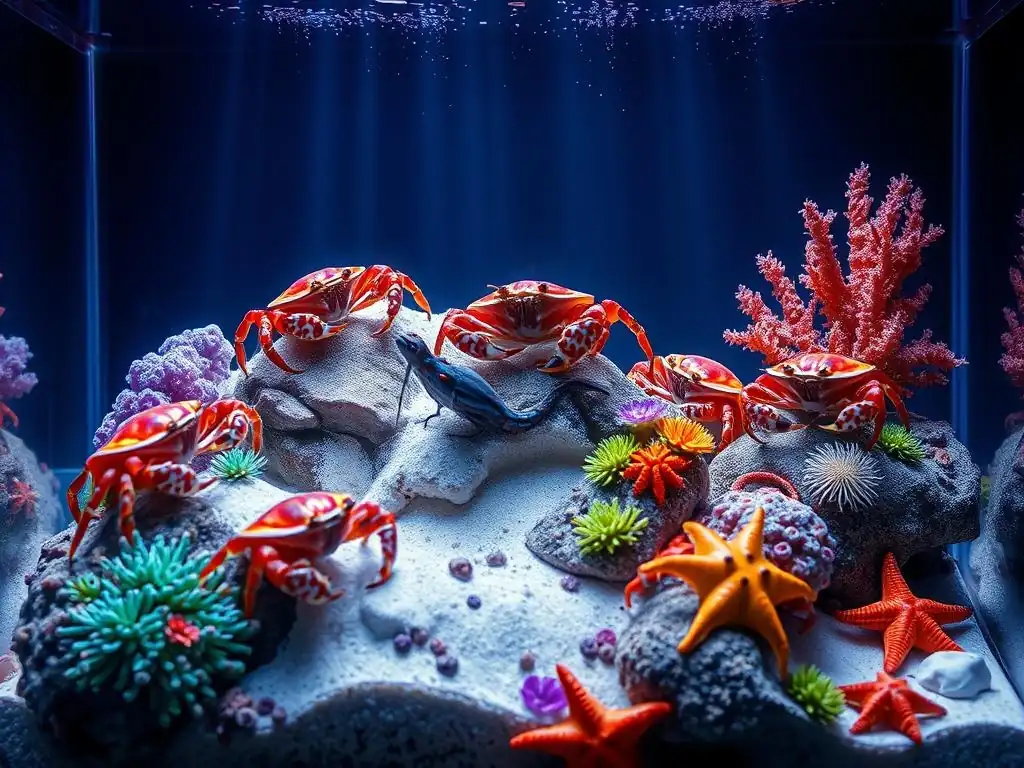
Welcome to Aquarium Mastery!
Ever wondered how to keep a tiny slice of the ocean sparkling clean? Dive in with us as we explore the fascinating world of nano reef cleanup crews! These miniature invertebrate marvels are the unsung heroes of small saltwater aquariums, working tirelessly to maintain a healthy and thriving ecosystem. Intrigued? Discover which species are best suited for your nano reef and how to create the perfect environment for these beneficial critters to flourish. Let's unlock the secrets to a pristine nano reef together!
- Understanding the Nano Reef Ecosystem and the Need for a CleanUp Crew
- Top Invertebrates for Your Nano Reef CleanUp Crew
-
Choosing the Right Nano Reef CleanUp Crew: A Step-by-Step Guide
- Assessing Your Nano Reef's Needs: Identifying Algae Types and Detritus Buildup
- Determining the Appropriate Number of Invertebrates for Your Nano Reef Volume
- Compatibility Considerations: Ensuring a Peaceful Nano Reef Environment
- Sourcing Healthy Invertebrates: Choosing Reputable Suppliers for Your CUC
- Introducing Your Nano Reef CleanUp Crew: Acclimation and Care
- Troubleshooting Common Nano Reef CleanUp Crew Problems
- The Long-Term Benefits of a Thriving Nano Reef CleanUp Crew
-
Frequently Asked Questions
- What is a nano reef cleanup crew and why is it important?
- What types of invertebrates are typically included in a nano reef cleanup crew?
- How many cleanup crew members do I need for my nano reef?
- What do I need to consider when selecting a cleanup crew for my nano reef?
- How do I properly acclimate a new cleanup crew to my nano reef aquarium?
- Final Reflection: The Tiny Titans of Reef Ecology
- Ignite Your Nano Reef's Ecosystem!
Understanding the Nano Reef Ecosystem and the Need for a CleanUp Crew
What is a Nano Reef Aquarium? Defining the Scale and Challenges
A nano reef aquarium is typically defined as a saltwater tank with a volume of less than 30 gallons, often ranging from 5 to 20 gallons. These compact ecosystems are popular among aquarists due to their smaller footprint and lower initial cost compared to larger reef tanks. However, their diminutive size presents unique challenges, primarily related to stability and waste management.
The limited water volume in a nano reef means that water parameters can fluctuate rapidly, and pollutants, such as nitrates and phosphates, can accumulate quickly. This makes maintaining a balanced and healthy environment particularly difficult. Without adequate biological filtration and efficient waste removal, nano reefs are highly susceptible to nuisance algae outbreaks and declining water quality, which can stress or even kill inhabitants.
The Crucial Role of a CleanUp Crew (CUC) in Nano Reef Health
A CleanUp Crew (CUC) in a reef aquarium refers to a diverse group of invertebrates, primarily snails, hermit crabs, and shrimp, that specialize in consuming undesirable organic matter. Their primary function is to act as natural janitors, grazing on nuisance algae, scavenging uneaten food, and processing detritus that accumulates on rocks, sand, and tank surfaces. This continuous activity is fundamental to a thriving reef system.
The presence of an active nano reef cleanup crew is paramount for nutrient cycling and maintaining pristine water conditions. By consuming decaying organic matter and various types of algae, they prevent the buildup of nitrates and phosphates, which are the leading causes of unsightly algae blooms. This proactive approach significantly reduces the need for constant manual scrubbing and siphoning, allowing the aquarist to enjoy the beauty of their small reef with less arduous maintenance.
Why Nano Reefs Need Specialized CleanUp Crews: Addressing Unique Challenges
Nano reef aquariums require a specifically chosen nano reef cleanup crew due to their inherent limitations. The small volume of water means that even minor imbalances can have significant consequences. Larger, more robust cleanup crew members suitable for conventional reef tanks often grow too big, produce too much waste, or become overly aggressive in a confined nano environment, potentially harming corals or smaller fish.
Therefore, the ideal nano CUC consists of smaller, less aggressive, and highly efficient species that can effectively manage waste without overwhelming the system. These specialized invertebrates are adept at reaching tight spaces, controlling specific types of algae, and processing detritus in a confined footprint. Their diligent work helps to stabilize the delicate ecosystem, preventing the rapid escalation of nutrient issues that are common in these miniature marine environments.
Top Invertebrates for Your Nano Reef CleanUp Crew
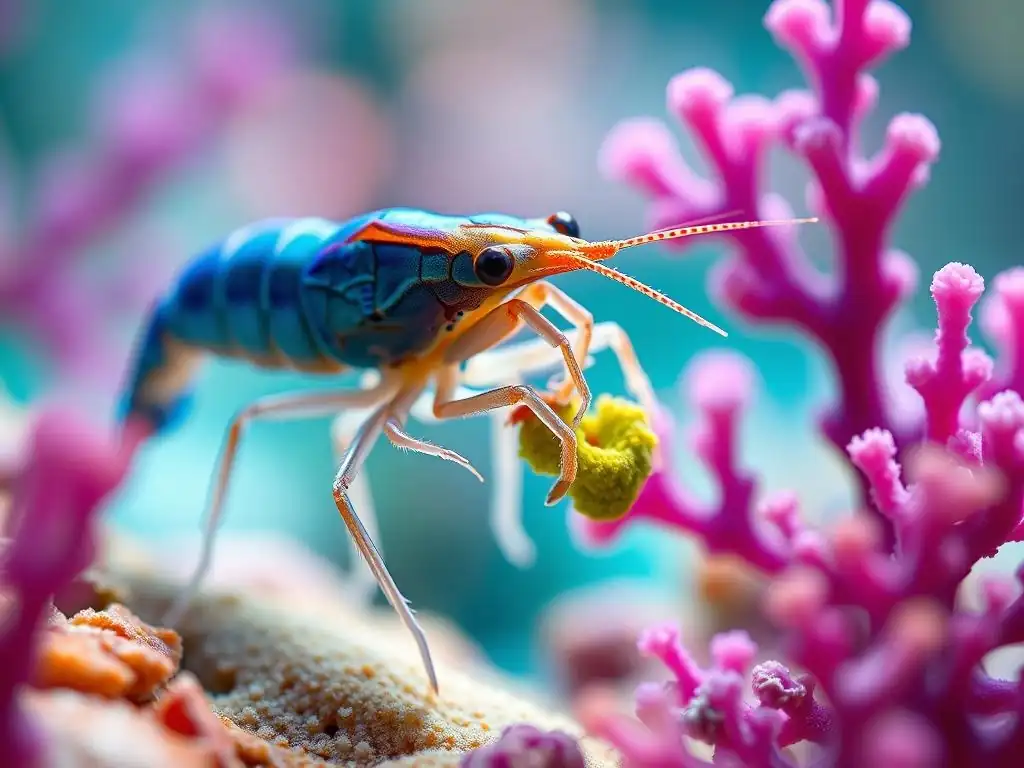
Snails: The Foundation of Your Nano Reef CUC
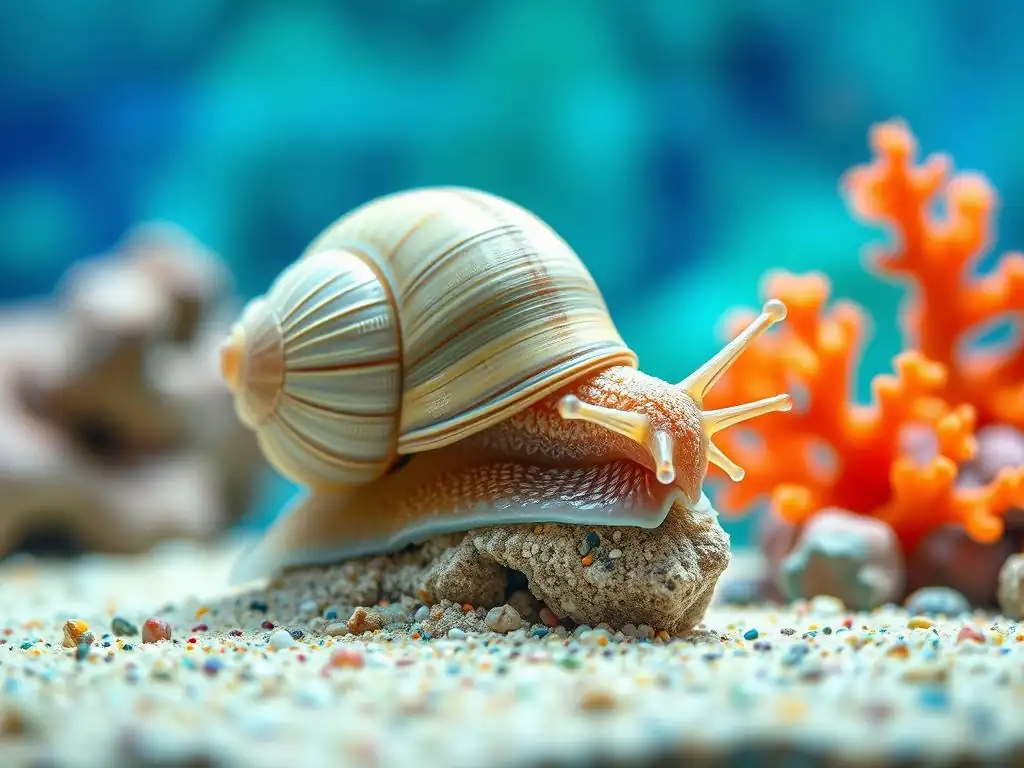
Snails are often considered the backbone of any nano reef cleanup crew, providing constant grazing pressure on various types of algae. Their slow but persistent nature allows them to thoroughly clean surfaces without disturbing corals or other inhabitants. Different snail species specialize in consuming specific types of algae or detritus, making a diverse mix highly beneficial for comprehensive tank maintenance.
Their small size and generally peaceful demeanor make them ideal candidates for the confined spaces of a nano reef. Most snails are herbivorous, focusing on algae, but some also act as detritivores, consuming decaying organic matter. Including a variety of snail species ensures that all areas of your nano tank, from the glass to the sand bed and live rock, receive thorough attention.
Cerith Snails: Algae Grazers and Detritus Removers for Nano Tanks
Cerith snails (e.g., Cerithium atratum) are highly valued members of any nano reef cleanup crew due to their versatile cleaning abilities. These small, conical-shelled snails are excellent grazers of film algae, diatoms, and even some types of cyanobacteria from live rock and glass surfaces. Their elongated snouts allow them to reach into crevices and small gaps that other snails might miss.
Beyond algae grazing, Cerith snails also play a crucial role as detritivores, sifting through the sand bed to consume uneaten food and decaying organic matter. This helps to keep the substrate clean and prevent the buildup of anaerobic pockets. Typically growing to about 0.5 to 1 inch, they are perfectly sized for tanks as small as 5 gallons, with a common stocking guideline being 1-2 snails per 5 gallons for effective light cleanup.
Nassarius Snails: Scavengers for Uneaten Food in Small Reefs
Nassarius snails (e.g., Nassarius vibex) are indispensable scavengers for the sand bed in a nano reef. These active snails are known for their ability to burrow into the substrate during the day and emerge quickly when they detect food in the water, often described as "sniffing" out decaying matter. They primarily consume uneaten food, detritus, and decaying organisms, preventing these pollutants from breaking down and fouling the water.
Their burrowing behavior also provides the added benefit of aerating the sand bed, which helps prevent the formation of harmful anaerobic zones. Nassarius snails typically remain small, around 0.5 to 1 inch, making them ideal for nano tanks with a sand substrate. A recommended density for a nano reef cleanup crew often includes 1 Nassarius snail per 2-3 gallons to ensure efficient scavenging and sand maintenance.
Nerite Snails: Effective Algae Control on Glass and Decorations in Nano Aquariums
Nerite snails (e.g., Nerita spp.) are widely regarded as one of the most effective algae eaters for the glass and hard surfaces of a nano reef aquarium. With their distinctive round, often colorful shells, these snails are tireless grazers of tough green algae, diatoms, and other tenacious films that adhere to tank walls, powerheads, and decorations. Their strong rasping mouthparts are particularly adept at scraping off resilient algal growths.
Unlike some other marine snails, Nerite snails found in the aquarium trade often originate from brackish or freshwater environments, though they adapt well to saltwater. They will not reproduce in a saltwater aquarium, preventing overpopulation issues. Growing to approximately 0.5 to 1 inch, a common stocking rate for a nano reef cleanup crew is 1 Nerite snail per 3-5 gallons, depending on the severity of the algae problem.
Hermit Crabs: Nano Reef CleanUp Crew Members with Personality
Hermit crabs add a dynamic element to the nano reef cleanup crew, offering both aesthetic appeal and practical benefits. Their constant movement and scavenging habits make them excellent for controlling various types of nuisance algae and consuming detritus from hard-to-reach areas. However, careful selection is crucial, as some larger or more aggressive species can pose a threat to other invertebrates or even small fish in a confined nano environment.
It is essential to provide a good supply of appropriately sized empty shells for hermit crabs as they grow, as they will otherwise resort to taking shells from snails, potentially harming your valuable snail population. Despite this consideration, their diligent work and engaging personalities make them a popular choice for many nano reef enthusiasts looking to bolster their CUC.
Dwarf Hermit Crabs: Safe and Effective Algae Eaters for Nano Reefs
Dwarf hermit crabs, such as the Dwarf Blue Leg Hermit Crab ( Clibanarius tricolor) and Dwarf Red Tip Hermit Crab ( Clibanarius rutilus), are among the most popular and safest choices for a nano reef cleanup crew. These tiny crustaceans are highly effective at consuming various types of nuisance algae, including dreaded hair algae, from live rock and substrate. They are also opportunistic scavengers, picking up bits of uneaten food and detritus.
Growing to a maximum size of about 0.5 to 0.75 inches, their small stature ensures they won't outgrow a nano tank or pose a significant threat to corals or other tank inhabitants. It is crucial to provide a constant supply of empty shells slightly larger than their current one to prevent them from preying on your snails for their shells. A general guideline is 1-2 dwarf hermit crabs per 5-10 gallons for effective algae control in a nano reef.
Scarlet Reef Hermit Crabs: A Colorful Addition to Your Nano Tank's CUC
The Scarlet Reef Hermit Crab ( Paguristes cadenati) is a vibrant and active member of a nano reef cleanup crew, instantly recognizable by its striking bright red legs. These hermits are primarily herbivorous, making them excellent grazers of various algae types, including nuisance green hair algae. They are also known to scavenge for detritus and uneaten food, contributing to overall tank cleanliness.
While they can grow up to 1.5 inches, smaller individuals (under 1 inch) are highly recommended for nano tanks to ensure they remain appropriate for the confined space and are less likely to disturb corals. Scarlet Reef Hermit Crabs are generally considered peaceful compared to other hermit species, but like all hermits, they require a consistent supply of empty shells to prevent them from harming snails. A suggested stocking density for a nano reef is approximately 1 crab per 10-15 gallons.
Shrimp: Tiny but Mighty Cleaners for Nano Reefs
Shrimp are invaluable additions to a nano reef cleanup crew, offering specialized cleaning services that go beyond mere algae consumption. Many species are highly effective at scavenging detritus and uneaten food, while others possess unique abilities, such as consuming nuisance pests or acting as symbiotic cleaners for fish. Their active and often fascinating behaviors also add visual interest to the aquarium.
When selecting shrimp for a nano reef, it's important to consider their adult size, compatibility with other inhabitants, and specific cleaning roles. While some shrimp are general scavengers, others are highly specialized, making them targeted solutions for particular tank issues. Their delicate nature means careful acclimation is always necessary.
Peppermint Shrimp: Aiptasia Control Specialists for Nano Aquariums
Peppermint Shrimp ( Lysmata wurdemanni) are highly sought after by nano reef aquarists for their remarkable ability to consume Aiptasia anemones. Aiptasia are common and fast-spreading pests that can quickly overrun a reef tank, stinging corals and becoming an unsightly nuisance. While not every individual Peppermint Shrimp will actively target Aiptasia, many are highly effective at eradicating these pests.
Beyond Aiptasia control, these translucent shrimp with red stripes also act as general scavengers, consuming uneaten food and detritus from the rockwork and substrate. Growing up to 2-3 inches, they are suitable for nano tanks 10 gallons and larger. For Aiptasia eradication, it is often recommended to introduce 1-2 Peppermint Shrimp per 10 gallons, or more for severe infestations, observing their behavior closely.
Skunk Cleaner Shrimp: Parasite Removal and Tank Cleaning in Nano Reefs
The Skunk Cleaner Shrimp ( Lysmata amboinensis), with its distinctive white stripe running down its back, is a highly popular and beneficial addition to a nano reef cleanup crew. These charismatic shrimp are renowned for their symbiotic cleaning behavior, where they set up "cleaning stations" and remove parasites, dead skin, and mucus from various fish species. This not only benefits the fish but also adds an engaging dynamic to the tank.
In addition to their cleaning services, Skunk Cleaner Shrimp are excellent general scavengers, diligently picking up uneaten food and detritus from all areas of the aquarium. They typically grow to about 2-3 inches and are generally peaceful with most reef inhabitants, making them suitable for nano tanks 10-15 gallons and up. A single Skunk Cleaner Shrimp can provide significant cleaning benefits and interactive behavior in a nano reef.
Other Beneficial Invertebrates for Nano Reef CleanUp
While snails, hermit crabs, and shrimp form the core of most nano reef cleanup crews, other lesser-known invertebrates can also provide valuable niche cleaning services. These additions can offer specialized detritus removal or sand bed maintenance, further enhancing the overall health and stability of your small reef ecosystem. However, careful consideration of their size and specific needs is crucial for a nano environment.
These less common members of a nano CUC often operate discreetly, working in the substrate or within the rockwork, contributing to the hidden processes that keep a reef thriving. Their inclusion can provide a more comprehensive approach to waste management, targeting areas or types of detritus that other members might overlook.
Brittle Stars: Detritus Eaters for Nano Reef Substrates
Brittle stars, particularly the smaller species often referred to as "micro brittle stars," are highly efficient detritus eaters that excel at cleaning the nooks and crannies of live rock and the substrate in a nano reef. With their slender, often spiny arms radiating from a central disc, they are adept at reaching into tight spaces to scavenge for uneaten food, decaying organic matter, and other detritus that settles in the tank.
Many micro brittle stars are nocturnal and largely remain hidden within the rockwork, emerging at night to scavenge. They typically have an arm span of less than 2-3 inches, making them perfectly suited for nano aquariums without overwhelming the visual space. They often arrive as hitchhikers on live rock, and a healthy population can significantly contribute to detritus control and nutrient export in a nano reef system.
Sea Cucumbers (Smaller Species): Sand Bed Cleaners for Nano Reefs
Certain small species of sea cucumbers, such as the Tiger Tail Sea Cucumber ( Synaptula lamperti), can be highly effective sand bed cleaners for larger nano reef aquariums (typically 20 gallons and above). These unique invertebrates operate by ingesting sand and digesting the organic detritus and microorganisms within it, then expelling clean sand. This constant sifting action helps to keep the sand bed oxygenated and free of accumulated waste.
However, caution is advised with sea cucumbers, especially in small, closed systems. Many species grow too large or are too sensitive for nano tanks. Furthermore, some sea cucumbers can release toxins into the water if severely stressed or if they die, which can be catastrophic in a small volume. Therefore, only very small, proven reef-safe species should be considered, and careful research and observation are paramount, often limiting their use to more experienced nano aquarists.
Choosing the Right Nano Reef CleanUp Crew: A Step-by-Step Guide
Assessing Your Nano Reef's Needs: Identifying Algae Types and Detritus Buildup
Before acquiring any nano reef cleanup crew members, it is crucial to thoroughly assess the specific needs of your aquarium. Observe the tank closely to identify the types of nuisance algae present – whether it's green film algae on the glass, stringy hair algae on the rocks, or brown diatoms covering surfaces. Also, note where detritus tends to accumulate, such as in crevices, under rocks, or within the sand bed.
This assessment will guide your selection process, allowing you to choose invertebrates that specialize in addressing your particular issues. For instance, if you have prevalent film algae, more Nerite or Cerith snails might be beneficial. If hair algae is a problem, dwarf hermit crabs could be a targeted solution. Understanding your tank's unique challenges ensures a more effective and efficient nano CUC.
Determining the Appropriate Number of Invertebrates for Your Nano Reef Volume
One of the most critical aspects of assembling a nano reef cleanup crew is determining the correct stocking density. Overstocking a nano tank with CUC members can lead to starvation for the invertebrates once their food source is depleted, resulting in their demise and subsequent nutrient spikes. Conversely, too few members will be ineffective at controlling algae and detritus.
A general rule of thumb is to start conservatively, adding a small number of invertebrates and observing their impact over several weeks. For a 10-gallon nano reef, a starting point might be 3-5 small snails (a mix of Cerith and Nassarius), and 1-2 dwarf hermit crabs. Adjustments can then be made based on ongoing observations of algae levels and detritus accumulation. It's always better to understock slightly and add more later than to overstock from the outset.
Compatibility Considerations: Ensuring a Peaceful Nano Reef Environment
Ensuring compatibility among your nano reef cleanup crew members and with existing tank inhabitants is vital for a peaceful and thriving ecosystem. While most snails and shrimp are generally non-aggressive, certain hermit crab species can become problematic, potentially preying on snails for their shells or even harassing small, slow-moving fish. Always research the adult size and temperament of any invertebrate before introducing it.
Furthermore, consider your fish selection carefully. Some fish species, such as certain wrasses, triggerfish, or puffers, are known to prey on snails, crabs, and shrimp, rendering your nano CUC ineffective. Even some corals can sting and harm invertebrates if they come into contact. Providing ample hiding spots and ensuring a balanced population can help mitigate potential conflicts within your nano reef.
Sourcing Healthy Invertebrates: Choosing Reputable Suppliers for Your CUC
The health and vitality of your nano reef cleanup crew members are paramount to their success and your tank's stability. Always source your invertebrates from reputable suppliers or local fish stores that maintain clean, well-kept systems. Observe the animals carefully before purchase: they should be active, have good color, and show no signs of damage or disease. Avoid purchasing from tanks where there are many dead or dying specimens, as this often indicates poor husbandry or disease.
A trustworthy supplier will typically have a good turnover of livestock and be knowledgeable about the specific needs of each species. Inquire about their acclimation procedures and quarantine protocols, if any. Investing in healthy, robust invertebrates from the start significantly increases their chances of survival and their effectiveness in maintaining your nano reef.
Introducing Your Nano Reef CleanUp Crew: Acclimation and Care
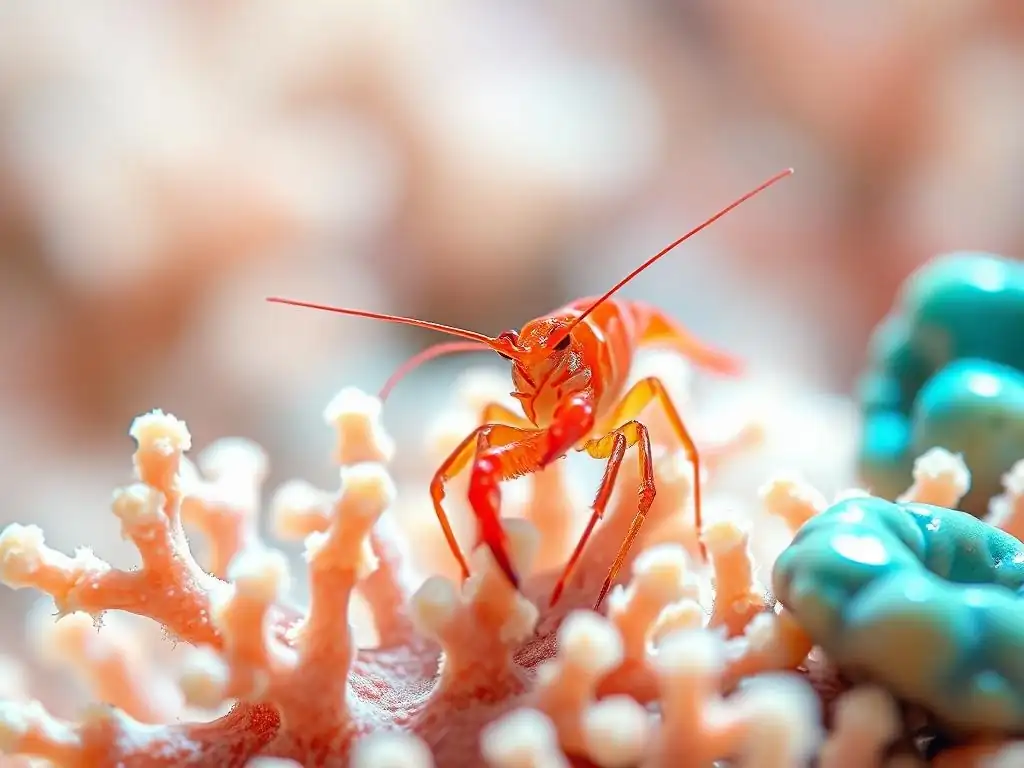
Proper Acclimation Techniques for Invertebrates in Nano Reef Tanks
Invertebrates, especially those destined for a nano reef, are extremely sensitive to sudden changes in water parameters such as salinity, pH, and temperature. Improper acclimation is a leading cause of CUC mortality. The drip acclimation method is highly recommended as the safest and most effective way to introduce new invertebrates. This slow process allows the animals to gradually adjust to the new water chemistry, minimizing shock.
To drip acclimate, place the invertebrates and their bag water into a separate container. Use airline tubing to siphon water from your display tank into the container, tying a knot or using a control valve to regulate the drip rate to about 1-2 drops per second. Allow the water volume in the container to slowly double over a period of 1 to 2 hours. Once acclimated, gently net the invertebrates and place them into the nano reef, avoiding transferring any of the shipping water into your tank.
Maintaining Optimal Water Parameters for Your Nano Reef CUC
The health and longevity of your nano reef cleanup crew are directly tied to the stability and quality of your water parameters. Invertebrates are particularly sensitive to fluctuations and poor water conditions. Key parameters to consistently monitor and maintain include salinity (1.023-1.026 specific gravity), temperature (75-78°F or 24-25.5°C), pH (8.1-8.4), alkalinity (7-11 dKH), calcium (400-450 ppm), and magnesium (1250-1350 ppm).
Regular testing and consistent water changes (e.g., 10-20% weekly or bi-weekly) are crucial in a nano reef to keep these parameters stable and dilute accumulating nitrates and phosphates. Avoid using medications, especially copper-based treatments, in a reef tank, as these are highly toxic to invertebrates. A stable and clean environment ensures your nano CUC can thrive and perform its vital cleaning duties effectively.
Feeding Your CleanUp Crew: Supplementing Their Diet When Necessary
While your nano reef cleanup crew primarily subsists on nuisance algae, detritus, and uneaten food, there may be instances when supplemental feeding is necessary. In very clean or mature nano tanks with minimal algae growth, or if you have a particularly large CUC, their natural food sources might become depleted. Signs of underfeeding include inactive snails, hermit crabs attacking snails for shells, or a general decline in activity.
To supplement their diet, you can offer sinking algae wafers, spirulina flakes, or small pieces of sinking pellet food a few times a week. Drop the food near where the CUC members congregate, preferably after the main lights are off to allow them undisturbed access. Be cautious not to overfeed, as excess food will only contribute to nutrient buildup, negating the CUC's purpose and potentially leading to new algae problems.
Observing Your CleanUp Crew: Monitoring Health and Addressing Potential Issues
Regular observation of your nano reef cleanup crew is essential for monitoring their health and addressing any potential issues promptly. Check for signs of activity: snails should be moving and grazing, hermit crabs should be active and seeking new shells, and shrimp should be cleaning or scavenging. Look for any visible damage, unusual color changes, or inactivity, which can indicate stress or illness.
It's also important to ensure all members are accounted for. If an invertebrate dies, it should be removed from the tank as quickly as possible to prevent its decomposition from fouling the water and causing an ammonia spike, which is particularly dangerous in a small nano reef volume. Consistent monitoring allows you to identify and rectify problems early, ensuring the long-term success of your nano CUC.
Troubleshooting Common Nano Reef CleanUp Crew Problems
Invertebrate Deaths: Identifying Causes and Preventing Future Losses
Experiencing invertebrate deaths in a nano reef cleanup crew can be disheartening, but understanding the root causes is crucial for prevention. Common culprits include improper acclimation, which can lead to osmotic shock; unstable or fluctuating water parameters (e.g., sudden drops in salinity, temperature swings, or ammonia/nitrite spikes); and the presence of copper-based medications, which are highly toxic to invertebrates. Predation by aggressive fish or even larger, more dominant CUC members can also be a factor.
To minimize losses, always perform slow drip acclimation for new arrivals. Regularly test your water parameters to ensure stability and optimal ranges. Research the compatibility of all tank inhabitants before introduction. If multiple deaths occur quickly, re-evaluate your husbandry practices, check for hidden predators, and consider the age of your CUC members, as some have shorter lifespans. Prompt removal of deceased invertebrates is vital to prevent ammonia spikes in the small nano volume.
Algae Blooms Despite a CleanUp Crew: Addressing Underlying Nutrient Issues
While a nano reef cleanup crew is highly effective at managing nuisance algae, their presence alone does not guarantee a completely algae-free tank, especially if persistent algae blooms occur. This often indicates an underlying issue with excessive nutrient levels, primarily nitrates and phosphates, which serve as fuel for algae growth. The CUC consumes the algae, but if the nutrient supply is constant, new algae will continuously grow.
To address this, identify and rectify the source of excess nutrients. Common culprits include overfeeding, using unpurified tap water (which can contain phosphates), decaying organic matter (dead spots, uneaten food), and infrequent water changes. Implement rigorous nutrient export methods such as regular 10-20% weekly water changes using RODI water, ensuring proper protein skimming, and potentially adding nutrient-absorbing media like GFO (granular ferric oxide) or a small macroalgae refugium to your nano system.
Predator-Prey Interactions: Protecting Your CleanUp Crew from Aggressive Tank Mates
Even the most diligent nano reef cleanup crew can be decimated if housed with incompatible tank mates. Certain fish species are notorious for preying on invertebrates, viewing snails, crabs, and shrimp as convenient snacks. Examples include some wrasses (e.g., six-line wrasse can pick at small snails), triggerfish, puffers, hawkfish, and even some larger damselfish. Even seemingly peaceful fish can occasionally nip at or consume smaller CUC members, especially if underfed.
Before introducing any new fish to your nano reef, thoroughly research its compatibility with invertebrates. If you notice signs of aggression or missing CUC members, observe your fish closely. Providing ample hiding spots within the live rock can offer some protection for your CUC members. If predation persists, the only long-term solution may be to rehome the aggressive fish to a larger, more appropriate system where it won't threaten your invaluable nano reef cleanup crew.
The Long-Term Benefits of a Thriving Nano Reef CleanUp Crew
Maintaining a Healthy and Balanced Nano Reef Ecosystem
A well-selected and thriving nano reef cleanup crew is indispensable for the long-term health and stability of your miniature marine ecosystem. These invertebrates work tirelessly around the clock, continuously processing organic waste, grazing on nuisance algae, and aerating the substrate. Their consistent activity helps prevent the rapid accumulation of nitrates and phosphates, which are the primary drivers of instability and pest outbreaks in nano tanks.
By maintaining a cleaner environment, the nano CUC reduces stress on corals and fish, allowing them to flourish. They contribute significantly to the biological filtration chain, ensuring that the delicate balance of your nano reef is preserved. This proactive approach to waste management creates a more resilient and vibrant ecosystem that is less prone to sudden crashes or unsightly problems.
Reducing the Need for Manual Algae Removal and Detritus Siphoning
One of the most appreciated benefits of an effective nano reef cleanup crew is the significant reduction in the need for tedious manual maintenance. While they don't eliminate the need for all human intervention, a robust CUC dramatically cuts down on the frequency and intensity of tasks like scrubbing algae from the glass, siphoning detritus from the sand bed, and picking nuisance algae off live rock.
This frees up valuable time for the aquarist to simply enjoy observing their nano reef. By having a team of natural janitors working diligently, you can spend less time with your hands in the tank and more time appreciating the intricate beauty and dynamic life within your small aquatic world, making the nano reef keeping experience more enjoyable and less of a chore.
Enhancing the Overall Aesthetics and Enjoyment of Your Nano Reef Aquarium
Beyond their crucial functional roles, a thriving nano reef cleanup crew significantly enhances the overall aesthetics and enjoyment of your aquarium. A tank free of unsightly algae and accumulated detritus is inherently more visually appealing, allowing the vibrant colors of your corals and fish to truly shine. The clear glass and clean rockwork create a pristine display that showcases the beauty of the marine environment.
Moreover, the diverse behaviors of the invertebrates themselves add an engaging and dynamic element to the nano reef. Watching a Nassarius snail emerge from the sand to scavenge, a cleaner shrimp tending to a fish, or a hermit crab exploring its surroundings adds another layer of fascination to the hobby. Knowing that your nano reef cleanup crew is diligently maintaining a healthy and beautiful environment provides immense satisfaction and peace of mind.
Frequently Asked Questions
What is a nano reef cleanup crew and why is it important?
A nano reef cleanup crew is a small group of invertebrates specifically chosen to maintain the cleanliness of a nano reef aquarium. They are important because they control algae, detritus, and uneaten food, contributing to a stable and healthy environment.
What types of invertebrates are typically included in a nano reef cleanup crew?
Common members include snails like Nerites and Ceriths, small hermit crabs, and sometimes specific shrimp species. These creatures are chosen for their ability to consume different types of algae and detritus without harming corals.
How many cleanup crew members do I need for my nano reef?
The number depends on the tank size and bioload, but a general rule is 1-2 snails per gallon and a few small hermit crabs. It's essential to avoid overcrowding and monitor their effectiveness, adjusting the numbers as needed.
What do I need to consider when selecting a cleanup crew for my nano reef?
Consider the specific algae or detritus problems you're facing, the temperament of your fish, and the size and compatibility of the invertebrates. Research each species thoroughly to ensure they are reef-safe and suitable for a nano tank.
How do I properly acclimate a new cleanup crew to my nano reef aquarium?
Acclimation is crucial to prevent shock and ensure survival. Float the bag in the tank for 15-30 minutes to equalize temperature, then slowly drip tank water into the bag over an hour to gradually adjust salinity.
Final Reflection: The Tiny Titans of Reef Ecology
The intricate balance of a nano reef aquarium, as we've explored, hinges on the diligent work of its cleanup crew: the unsung heroes of a thriving ecosystem. These miniature invertebrates, often overlooked, are the key to maintaining water quality and preventing algal blooms, proving that even the smallest creatures can have a monumental impact.
This exploration has highlighted how crucial these tiny organisms are for the success of nano reef keeping. It's a reminder that even in controlled environments, nature's inherent processes are paramount. In nature, nothing exists alone.
- Rachel Carson. This quote perfectly encapsulates the symbiotic relationship between the reef inhabitants and the cleanup crew, a delicate dance that dictates the health and beauty of the entire system.
As you consider the information presented, I encourage you to reflect on the power of small actions and their profound impact on the larger picture. Whether you're a seasoned reef keeper or just beginning your journey, remember that nurturing these tiny titans is an investment in the overall health and vibrancy of your nano reef, and a testament to the beauty of ecological balance.
Ignite Your Nano Reef's Ecosystem!
Thank you for diving deep into the world of nano reef cleanup crews! Now that you're equipped with the knowledge to maintain a thriving micro-ecosystem, let's put that expertise into action and unlock the full potential of your miniature reef.
Here’s how you can take the next step:
- Prioritize your cleanup crew: Identify and acquire the ideal invertebrate team tailored to your nano reef's specific needs and inhabitants, focusing on a balance that targets algae and detritus.
- Explore beyond the basics: Research and experiment with less common, specialized invertebrates that can tackle unique challenges in your nano reef, like controlling cyanobacteria or aiptasia.
- Share your success (and struggles!): Document your cleanup crew's journey and contribute to the community by posting before-and-after photos or advice on forum.
What unexpected cleanup challenges are you excited to overcome in your nano reef?