
Common Health Issues in Freshwater Crabs: Early Signs and Effective Solutions

Welcome to Aquarium Mastery!
Ever wondered if your freshwater crab is really as happy as it seems? Dive into our comprehensive guide on Freshwater crab health problems and learn to spot the early warning signs that could save your crustacean companion. Discover effective solutions and unlock the secrets to a thriving, healthy crab habitat. Ready to become a true crab care expert? Let's get started!
- Understanding Freshwater Crab Health and Preventing Common Problems
- Identifying Early Warning Signs of Freshwater Crab Illness
-
Common Freshwater Crab Health Problems and Their Solutions
- Shell Disease in Freshwater Crabs: Diagnosis and Treatment
- Parasitic Infections in Freshwater Crabs: Prevention and Management
- Bacterial Infections Affecting Freshwater Crab Health
- Fungal Infections in Freshwater Crabs: Identification and Remedies
- Injuries and Trauma in Freshwater Crabs: First Aid and Recovery
- Water Quality Issues and Their Impact on Freshwater Crab Health
- Diagnosing Freshwater Crab Diseases: A Step-by-Step Approach
- Treatment and Recovery Strategies for Freshwater Crabs
- Preventing Freshwater Crab Health Problems: Best Practices
- Ensuring Long-Term Health and Well-being for Your Freshwater Crabs
-
Frequently Asked Questions
- What are some common early signs of illness in freshwater crabs?
- What are the most frequent causes of health problems in freshwater crabs maintained in aquariums?
- How important is water quality for the health of freshwater crabs?
- What should I do if I suspect my freshwater crab has a shell disease?
- What kind of diet is best for preventing health issues in freshwater crabs?
- Final Reflection: Nurturing the Delicate Ecosystem of Freshwater Crab Health
- Uncover Your Crab's Secret to a Happy Life!
Understanding Freshwater Crab Health and Preventing Common Problems
The Importance of Proactive Freshwater Crab Care
Proactive care is paramount in preventing freshwater crab health problems, as prevention is significantly more effective and less stressful than treating an existing illness. Freshwater crabs, like all aquatic invertebrates, are sensitive to their environment, and even minor fluctuations can lead to stress, weakening their immune systems. For instance, consistent exposure to even low levels of ammonia (above 0.0 ppm) or nitrite (above 0.0 ppm) can severely compromise a crab's health, making it susceptible to various infections. A well-maintained habitat can reduce the incidence of common freshwater crab health problems by an estimated 70-80%.
Consistent maintenance and diligent observation are crucial for catching the earliest signs of freshwater crab health problems before they escalate. Regular tank cleaning and water changes, for example, can prevent the buildup of toxins that often trigger health issues. Early intervention for problems like minor shell discoloration, if addressed promptly through improved water quality, can prevent full-blown shell rot, which can be fatal in 40-50% of severe, untreated cases. Such vigilance dramatically improves the chances of successful recovery and ensures the long-term well-being of your freshwater crabs.
Creating an Optimal Environment to Minimize Crab Health Risks
Creating an optimal environment is fundamental to minimizing freshwater crab health problems. This involves maintaining stable water parameters within the ideal range for your specific crab species. For most common freshwater crabs like Red Claw Crabs or Thai Micro Crabs, a temperature range of 72-78°F (22-26°C), a pH between 6.5 and 7.5, and moderate hardness (GH 5-15 dGH, KH 3-10 dKH) are generally recommended. Sudden pH swings of even 0.5 units within a 24-hour period can cause significant stress, leading to a weakened immune response and increased vulnerability to disease.
Beyond water chemistry, the physical setup of the tank plays a vital role in preventing freshwater crab health problems. Providing a soft substrate like sand or fine gravel helps prevent injuries to delicate limbs and allows for natural burrowing behavior. Ample hiding spots, such as caves, driftwood, and dense plant cover, reduce stress and offer security, especially during vulnerable periods like molting.
Overstocked tanks, for example, housing more than one Red Claw Crab per 10 gallons of water, often lead to increased aggression, higher waste production, and subsequently, poor water quality, all of which exacerbate freshwater crab health problems. A properly filtered 20-gallon tank can comfortably house 2-3 small freshwater crabs without undue stress.
Identifying Early Warning Signs of Freshwater Crab Illness
Behavioral Changes Indicating Potential Health Issues in Freshwater Crabs
Behavioral changes are often the first indicators of potential freshwater crab health problems. A healthy crab is typically active, exploring its environment, and foraging for food. Signs of concern include pronounced lethargy, reduced activity levels, or excessive hiding that goes beyond its normal nocturnal habits.
For instance, if a Thai Micro Crab, normally observed actively filter-feeding in the water column, becomes completely still and unresponsive for extended periods (e.g., more than 6-8 hours during its active phase), it's a significant red flag. Similarly, a sudden refusal to eat for 24-48 hours, especially for species that typically feed daily, indicates a problem.
Other concerning behavioral shifts include abnormal movement patterns, such as stumbling, loss of coordination, or an inability to right itself if overturned. Stress stemming from poor environmental conditions or disease can also manifest as frantic attempts to escape the tank or unusual aggression towards tank mates, even among typically docile species. Conversely, a crab that becomes unusually withdrawn and unresponsive to stimuli might also be suffering. Approximately 60% of early freshwater crab health problems are first noticed by vigilant aquarists through these subtle yet critical behavioral shifts.
Physical Symptoms and Abnormalities: A Visual Guide to Crab Health
Physical symptoms and abnormalities provide a visual guide to diagnosing freshwater crab health problems. Healthy crab shells are typically vibrant, smooth, and free of imperfections. Any discoloration, such as white patches, dark spots, dullness, or a loss of natural pigmentation (e.g., a normally bright red claw becoming pale), warrants immediate attention.
Shell pitting, erosion, or the presence of soft spots on the carapace are clear indicators of potential shell disease or mineral deficiencies. For example, a healthy Red Claw Crab should exhibit a distinct bright red claw and a mottled brown-green carapace; any significant dullness or the appearance of a thin, white film on the shell is a cause for concern.
Beyond the shell, observe the crab's limbs for any signs of injury or degradation. While limb loss can occur during molting and regenerate, unexplained or traumatic limb loss outside of molting is a sign of stress, aggression, or disease. Look for unusual growths, cloudy eyes, or any visible external parasites, which might appear as small white dots, stringy filaments, or fuzzy patches. Pale gills or unusually rapid gill movements can indicate respiratory distress, often linked to poor water quality or systemic freshwater crab health problems. Early detection of these visual cues is crucial for prompt and effective intervention.
Recognizing Molting Problems in Freshwater Crabs
Molting is a critical and vulnerable process for freshwater crabs, and problems during this phase are a common cause of freshwater crab health problems. A healthy molt involves the crab shedding its entire old exoskeleton in one piece, typically within a few hours, after which it will hide for several days to allow its new, soft shell to harden.
Signs of a molting problem include an incomplete molt, where parts of the old shell remain stuck to the crab, or a prolonged molting process that extends beyond 24 hours. Tragically, a crab may also die during the molting process itself, often found partially out of its old shell.
Several factors can contribute to molting problems, including insufficient calcium or other essential minerals in the water or diet, poor water quality, high stress levels, or a lack of secure hiding spots. For example, a diet consisting solely of fish flakes, lacking in calcium-rich foods, can lead to a soft shell after molting, leaving the crab highly vulnerable.
Maintaining appropriate water hardness (e.g., GH 8-12 dGH for many species) and providing calcium sources like blanched spinach, cuttlebone, or calcium supplements can significantly reduce molting failures, potentially by up to 30%. Ensuring a calm, undisturbed environment during this period is also vital for successful molting and preventing severe freshwater crab health problems.
Common Freshwater Crab Health Problems and Their Solutions
Shell Disease in Freshwater Crabs: Diagnosis and Treatment
Identifying Shell Rot and Chitin Degradation
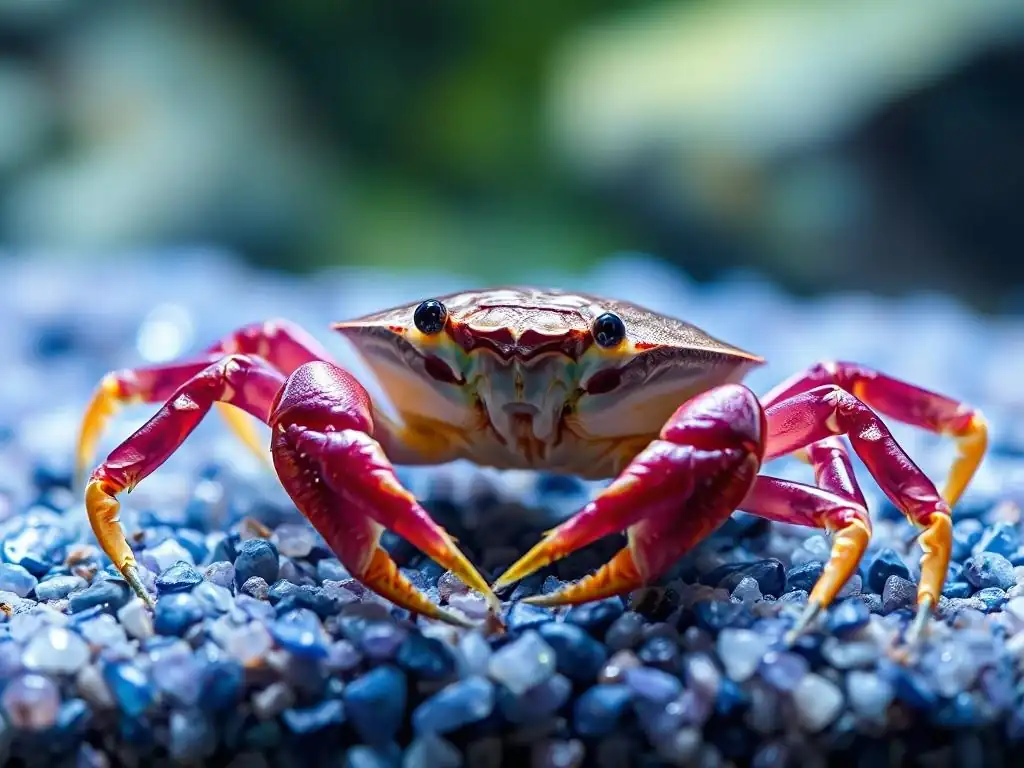
Shell rot typically manifests as unsightly black or brown spots, pitting, or erosion on the exoskeleton of freshwater crabs. It often starts at the edges of the carapace or at the joints of the legs and claws, and can rapidly spread across the shell.
This condition is primarily caused by bacterial or fungal infections, frequently exacerbated by poor water quality, high organic loads, or physical injuries that compromise the shell's integrity. In its early stages, shell rot might appear as small, subtle dark specks, but it can quickly progress to deeper lesions if left unaddressed, posing a significant threat to the crab's well-being.
Chitin degradation, on the other hand, presents as a softening or "melting" of the crab's shell, sometimes accompanied by white, fuzzy patches or a general dullness of the carapace. This issue is commonly linked to suboptimal water parameters, particularly consistently low pH levels (below 6.5 for most species) or a severe deficiency in essential minerals, such as calcium and magnesium, which are crucial for shell formation.
It's important to differentiate these symptoms from the natural softening of the shell that occurs immediately prior to molting. Unlike molting, chitin degradation is progressive and does not resolve naturally without intervention, contributing to serious freshwater crab health problems.
Effective Treatments for Shell Disease
For mild cases of shell rot or chitin degradation, the primary and most effective treatment involves immediate and significant improvement of water quality. This often entails performing daily 10-20% water changes to reduce bacterial load and dilute harmful toxins.
Adding aquarium salt (non-iodized, e.g., 1 teaspoon per 5 gallons) as a short-term dip or in the quarantine tank can provide a mild antiseptic effect, but prolonged exposure should be avoided for freshwater species. For more severe bacterial or fungal infections, specific invertebrate-safe antibacterial or antifungal medications (e.g., those containing methylene blue for dips, or Maracyn 2 for systemic issues) may be necessary, always with careful attention to dosing to avoid harming the sensitive crab.
In advanced cases where shell integrity is severely compromised, some aquarists attempt gentle topical treatments. This might involve carefully cleaning the affected areas with a soft brush (like a new, soft toothbrush) and applying a highly dilute povidone-iodine solution (e.g., 1 part iodine to 10 parts water) directly to the lesions, ensuring the crab is not submerged in the solution.
This method should only be attempted by experienced individuals for superficial infections and with extreme caution, as improper application can cause further stress or harm. Beyond medication, ensuring a diet rich in calcium and iodine is vital for supporting shell repair and regeneration during subsequent molts, helping to prevent recurrence of these freshwater crab health problems.
Parasitic Infections in Freshwater Crabs: Prevention and Management
Types of Parasites Affecting Freshwater Crabs
Freshwater crabs can be affected by various parasites, though severe infestations are less common than bacterial or fungal issues. External parasites like hydra, which appear as small, white, stinging polyps resembling tiny anemones, can attach to the crab's shell or appendages. While often harmless in small numbers, heavy infestations can irritate the crab or impede movement.
Leeches, though rarer, can also attach externally, causing irritation and feeding on the crab's hemolymph. Internal parasites, such as certain nematodes, are less frequently observed but can be introduced through live foods or new tank inhabitants, leading to symptoms like lethargy, unexplained weight loss, or visible worms in waste.
Another common external organism sometimes mistaken for a fungal infection is Vorticella, a type of sessile ciliate. These appear as fluffy, white, often stalked growths on the crab's shell or gills. While Vorticella are often commensal, meaning they benefit without harming the host, a heavy infestation can become problematic, particularly if it accumulates on the gills, potentially impeding respiration or interfering with the molting process. Identifying the specific type of parasite is crucial, as treatment strategies for these varied freshwater crab health problems differ significantly.
Treatment Options for Parasitic Infestations
Treatment for parasitic infestations in freshwater crabs requires careful consideration due to their sensitivity to many common antiparasitic medications. For external parasites like hydra or mild Vorticella infestations, improving water quality is often the first and most effective step, as these organisms thrive in nutrient-rich, stagnant conditions. A short-term salt dip (e.g., 1 tablespoon of aquarium salt per gallon for 5-10 minutes, with constant observation) can sometimes dislodge external parasites. Manual removal of visible leeches can be attempted carefully with tweezers.
For more widespread or persistent external parasitic freshwater crab health problems, or internal parasites, specific medications may be necessary. However, many common fish medications containing ingredients like malachite green, copper, or formalin are highly toxic to invertebrates and should be avoided or used with extreme caution at significantly reduced dosages, preferably under the guidance of an aquatic veterinarian.
Praziquantel, an anthelmintic, might be considered for certain internal worm infestations, but again, invertebrate compatibility and precise dosing are critical. In all cases, transferring the affected crab to a clean quarantine tank is essential to prevent spread and allow for targeted treatment without harming other tank inhabitants.
Bacterial Infections Affecting Freshwater Crab Health
Recognizing Symptoms of Bacterial Infections
Bacterial infections are a common and serious category of freshwater crab health problems, often arising from stress, poor water quality, or injuries that breach the exoskeleton. Symptoms can vary but commonly include lethargy, a significant loss of appetite, and unusual discoloration such as red streaks on limbs or joints. The crab's eyes may become cloudy, or a general white/grey film might develop over parts of its body. For example, a crab that suddenly stops eating and develops a reddish tinge on its underside or around its joints might be suffering from a systemic bacterial infection, which can progress rapidly.
These infections can manifest as external lesions, sometimes resembling severe shell rot but with more widespread systemic signs indicating internal involvement. They can lead to rapid deterioration of the crab's condition, potentially resulting in organ failure if left untreated. Bacterial infections are particularly dangerous because they can quickly overwhelm a crab's compromised immune system, especially if the underlying cause, such as poor water quality, is not simultaneously addressed. Early recognition of these signs is vital for successful treatment of these serious freshwater crab health problems.
Treatment Strategies for Bacterial Infections in Freshwater Crabs
The initial step in treating bacterial freshwater crab health problems is to isolate the affected crab in a clean quarantine tank. This prevents the spread of infection to other tank inhabitants and allows for precise medication without impacting the main aquarium's beneficial bacteria or other sensitive invertebrates. Maintaining pristine water quality in the quarantine tank, with daily 10-15% water changes, is crucial to reduce stress and support the crab's immune system during recovery.
For confirmed bacterial infections, broad-spectrum antibiotics designed for aquarium use may be administered. However, extreme caution is advised, as many common fish antibiotics (e.g., certain types of erythromycin, tetracycline) can be fatal to invertebrates, including crabs.
Medications containing Kanamycin or Furan-2 are sometimes used, but dosage for crabs must be carefully researched or advised by a specialist, as even a 10-20% dosing error can have severe consequences. A mild aquarium salt bath (e.g., 1 teaspoon per gallon for 15-20 minutes, with careful observation) can also provide temporary relief and help combat external bacterial loads, but it is not a substitute for targeted antibiotic treatment for systemic infections.
Fungal Infections in Freshwater Crabs: Identification and Remedies
Identifying Common Fungal Infections
Fungal infections in freshwater crabs typically present as distinct white, cottony growths on the shell, limbs, or gills. These growths are often dense and fuzzy, resembling a patch of cotton wool. They commonly start in areas where the crab has sustained an injury, is stressed, or where the chitin (exoskeleton) has been damaged, creating an entry point for fungal spores. Unlike some bacterial films or parasitic ciliates like Vorticella, true fungal growths are usually more three-dimensional and opaque.
A common culprit is Saprolegnia, a water mold that thrives in tanks with fluctuating temperatures, high organic waste, and poor water circulation. If left untreated, these infections can rapidly spread, leading to significant tissue damage and impeding the crab's ability to move, feed, or even breathe if the gills are affected. Identifying these distinctive white, cottony patches early is key to preventing widespread fungal freshwater crab health problems.
Effective Antifungal Treatments for Crabs
For mild fungal infections in freshwater crabs, improving water quality is often the most critical initial step. This involves thorough tank cleaning, regular water changes, and ensuring adequate filtration and aeration to reduce organic waste and inhibit fungal growth. Topical application of a dilute antifungal solution can be effective for localized infections; for instance, a short dip in a solution containing methylene blue (e.g., 1 drop per gallon for a 5-10 minute dip) can sometimes help.
For more severe or widespread fungal freshwater crab health problems, specific antifungal medications designed for aquariums may be necessary. However, similar to antibiotics, many common antifungal treatments (e.g., those containing malachite green or formalin) are highly toxic to invertebrates. If such medications are used, they should only be administered in a quarantine tank, at significantly reduced dosages, and with extreme caution. Always prioritize products explicitly labeled as invertebrate-safe or consult with an aquatic veterinarian for precise dosing to avoid further harm to the sensitive crab.
Injuries and Trauma in Freshwater Crabs: First Aid and Recovery
Causes of Injuries in Aquarium Crabs
Injuries and trauma are unfortunately common freshwater crab health problems in aquarium environments. A primary cause is aggression from incompatible tank mates, such as overly aggressive fish (e.g., some cichlids, larger gouramis) or territorial disputes among multiple crabs, leading to nipped legs, lost claws, or even carapace damage. Studies suggest that up to 20% of freshwater crab health problems in community tanks can be attributed to aggression.
Sharp or unstable tank decor, like jagged rocks or poorly secured driftwood, can also cause cuts or abrasions if crabs attempt to climb or burrow around them. Furthermore, falls from elevated surfaces within the aquarium, such as filter intakes or large decorations, can result in significant carapace cracks or internal trauma.
Crabs are particularly vulnerable to injury during their molting process. Their new exoskeleton is soft and delicate immediately after shedding the old one, making them highly susceptible to physical damage. Accidental handling during this period, or disturbances within the tank that cause them to emerge from hiding prematurely, can lead to serious injury or a failed molt, which is often fatal. Ensuring a safe, stable environment with appropriate tank mates and secure decor is paramount to minimizing the risk of these traumatic freshwater crab health problems.
Providing Supportive Care for Injured Crabs
When a freshwater crab sustains an injury, immediate supportive care is crucial for its recovery and to prevent secondary freshwater crab health problems. The first step is to gently isolate the injured crab in a clean, quiet quarantine tank. This provides a stress-free environment, protects it from further aggression, and allows for close monitoring. The quarantine tank should have simple filtration, a heater to maintain stable temperature, and plenty of secure hiding spots where the crab can feel safe.
Maintaining pristine water quality in the quarantine tank is paramount to prevent secondary bacterial or fungal infections from developing in the wound. Perform daily small water changes (e.g., 10-15%) and ensure ammonia and nitrite levels remain at zero. Lost limbs will typically regenerate over subsequent molts, a process that can take 2-3 successful molts for full limb regrowth.
Provide easily accessible, nutritious food to support the crab's energy needs for healing and regeneration. For significant carapace cracks, some advanced aquarists have carefully applied a thin layer of aquarium-safe super glue gel (cyanoacrylate) to seal small, non-critical cracks, but this is an advanced technique and should only be attempted by experienced individuals, as improper application can cause more harm than good.
Water Quality Issues and Their Impact on Freshwater Crab Health
Ammonia and Nitrite Poisoning in Crabs
Ammonia (NH3/NH4+) and nitrite (NO2-) are highly toxic compounds that are frequently the underlying cause of severe freshwater crab health problems, even at very low concentrations. For sensitive species, ammonia levels as low as 0.25 ppm can induce significant stress and organ damage, while sustained exposure can be lethal. Symptoms of ammonia and nitrite poisoning include lethargy, labored or rapid gill movement (gasping at the surface), loss of appetite, and general malaise. These toxins directly impair the crab's ability to absorb oxygen and can cause internal organ damage.
These harmful compounds typically build up in aquariums with inadequate filtration, overfeeding, overstocking, or in newly set up tanks that have not completed the nitrogen cycle. For example, a small 5-gallon tank housing 2-3 Red Claw Crabs can experience a rapid ammonia spike to 1.0 ppm or higher within 24-48 hours if filtration is insufficient and waste accumulates, leading to acute freshwater crab health problems. Immediate and drastic water changes are necessary to dilute these toxins and prevent irreversible damage.
Maintaining Optimal Water Parameters for Crab Health
Maintaining optimal and stable water parameters is the cornerstone of preventing freshwater crab health problems. Regular testing for ammonia, nitrite, and nitrate is crucial; ammonia and nitrite should always be at 0 ppm. Nitrate, the end product of the nitrogen cycle, should be kept below 20 ppm through consistent weekly water changes (e.g., 25-30%). A reliable liquid test kit is essential for accurate readings, as test strips can sometimes be less precise, with up to a 15-20% deviation in readings.
Beyond the nitrogen cycle parameters, maintaining a stable pH (e.g., 6.8-7.5 for most species) and appropriate general hardness (GH 8-15 dGH) are vital for the crab's overall health and the integrity of its exoskeleton. Sudden fluctuations in pH or temperature can cause immense stress. Ensuring proper filtration, avoiding overfeeding, and selecting appropriate tank mates will minimize the accumulation of waste products and help maintain a healthy, stable environment, thereby significantly reducing the risk of water quality-related freshwater crab health problems.
Diagnosing Freshwater Crab Diseases: A Step-by-Step Approach
Observing Crab Behavior and Physical Appearance
The first and most accessible step in diagnosing freshwater crab health problems is through diligent daily observation of their behavior and physical appearance. Start by noting any deviations from their normal activity patterns: is the crab usually active but now lethargic for more than 24 hours? Is it hiding excessively, or, conversely, attempting to escape the tank? Pay close attention to its feeding habits; a healthy crab typically responds quickly to food, whereas a prolonged refusal to eat is a significant warning sign.
Following behavioral assessment, conduct a thorough visual inspection of the crab's physical condition. Carefully examine the shell for any discoloration, pitting, erosion, or the presence of fuzzy growths. Check all limbs for integrity, proper movement, and any signs of injury or degradation. Also, inspect the gills for any irritation or visible parasites. By meticulously observing these aspects, you can often detect subtle early signs of freshwater crab health problems, leading to more timely and effective treatment.
Water Testing for Accurate Diagnosis
Once behavioral or physical anomalies are noted, the immediate next step in diagnosing freshwater crab health problems is to conduct comprehensive water testing. Poor water quality is estimated to be the root cause of approximately 70% of freshwater crab health issues. Test for ammonia, nitrite, nitrate, pH, temperature, general hardness (GH), and carbonate hardness (KH). Even a slight elevation in ammonia (e.g., 0.1 ppm) can be profoundly stressful for sensitive crabs and indicate a problem in the tank's biological filtration.
Utilize a high-quality liquid test kit for accuracy, as these provide more precise readings compared to often less reliable test strips. Compare your current readings to the optimal parameters recommended for your specific crab species. For instance, if your tank's pH has suddenly dropped from its usual 7.0 to 6.0, this significant and rapid change can induce severe stress and contribute directly to the crab's health decline. Accurate water testing provides critical insights into potential environmental stressors contributing to freshwater crab health problems.
Consulting with a Veterinarian or Experienced Aquarist
For complex, persistent, or undiagnosed freshwater crab health problems, consulting with a professional is a crucial diagnostic step. An aquatic veterinarian possesses specialized knowledge to offer precise diagnoses, potentially involving microscopic examination of samples (e.g., gill swabs, shell scrapings), and can prescribe appropriate medications that are safe and effective for invertebrates. Many veterinary clinics now offer telehealth consultations, which can be a convenient option for initial assessments and advice.
In cases where a dedicated aquatic veterinarian is unavailable, seeking advice from highly experienced aquarists or reputable local fish store specialists can be invaluable. These individuals often have practical experience with common freshwater crab health problems and specific remedies that have proven effective. However, always approach such advice with a critical mind, cross-reference information when possible, and prioritize the crab's well-being and safety above all else, especially when considering medication.
Treatment and Recovery Strategies for Freshwater Crabs
Quarantine Procedures for Sick Crabs
Implementing proper quarantine procedures is a cornerstone of effective treatment and recovery for freshwater crab health problems. A dedicated quarantine tank, typically a 5-10 gallon setup, is essential for isolating sick crabs.
This isolation serves a dual purpose: it prevents any potential disease from spreading to healthy tank mates in the main aquarium, and it allows for targeted treatment of the affected crab without impacting the delicate ecosystem or beneficial bacteria in the primary tank. The quarantine tank should be equipped with a simple filter, a heater to maintain stable temperatures, and plenty of hiding spots to reduce the crab's stress.
During the quarantine period, maintaining pristine water quality is paramount for supporting the crab's recovery. Perform daily water changes of 20-30% in the quarantine tank, using dechlorinated fresh water that matches the parameters (temperature, pH) of the main tank to minimize shock. This consistent water quality helps reduce the overall bacterial load, flushes out toxins, and creates an optimal environment for the crab's immune system to focus on healing. A clean, stable environment significantly improves the chances of successful recovery from freshwater crab health problems.
Medication and Supplementation
Administering medication to freshwater crabs requires extreme caution due to their inherent sensitivity to many common aquarium treatments. Antibiotics, antifungals, or antiparasitics should only be used after a careful and accurate diagnosis, and with precise dosing. It is crucial to research the invertebrate compatibility of any medication thoroughly, as many products designed for fish are highly toxic and can be fatal to crabs. Even a 10-20% dosing error can have severe consequences for these sensitive creatures. If possible, consult an aquatic veterinarian for specific recommendations on safe and effective treatments for freshwater crab health problems.
Beyond medication, supplementation plays a vital role in recovery, especially for shell-related freshwater crab health problems or molting issues. Providing a source of calcium and iodine, such as a cuttlebone in the tank or specific iodine drops formulated for invertebrates, can significantly support shell repair, regeneration of lost limbs, and successful molting. Ensure the crab receives a balanced and nutritious diet rich in essential vitamins and minerals, as good nutrition is fundamental to strengthening its immune system and supporting the healing process.
Supporting the Molting Process During Recovery
The molting process is a particularly vulnerable time for freshwater crabs, and providing adequate support during recovery from freshwater crab health problems is critical. Ensure the recovering crab has access to ample calcium and iodine through its diet or water supplementation, as these minerals are essential for the formation of its new, stronger exoskeleton. Create a calm, stress-free environment within its tank or quarantine setup, providing numerous secure hiding spots where it can retreat and feel safe during this delicate period.
It is imperative not to disturb a molting crab, as interference can lead to a failed or incomplete molt, which is often fatal. If an incomplete molt occurs, resist the urge to manually pull off the old shell, as this can cause severe internal injury. Instead, focus on optimizing water parameters and continuing a nutrient-rich diet to support the crab's strength for its next molt. A successful and complete molt often signifies a significant turn for the better in a crab's recovery from various freshwater crab health problems, indicating it is regaining its strength and health.
Preventing Freshwater Crab Health Problems: Best Practices
Regular Water Changes and Tank Maintenance
Regular water changes and consistent tank maintenance are arguably the most critical best practices for preventing freshwater crab health problems. Performing weekly water changes of 20-30% of the tank volume effectively dilutes accumulated nitrates and replenishes essential minerals that crabs utilize. During these changes, thoroughly siphon the gravel or substrate to remove uneaten food, detritus, and accumulated waste, which are primary contributors to poor water quality and the proliferation of harmful bacteria.
Beyond water changes, regular cleaning of filter media is essential. Rinse mechanical filter media (like sponges) in old tank water to preserve beneficial bacteria while removing trapped debris. Avoid overfeeding, as excess food quickly decays, leading to dangerous ammonia spikes and overall deterioration of water quality. Adhering to this routine significantly reduces the risk of a wide array of freshwater crab health problems by maintaining a clean and stable environment.
Proper Nutrition and Diet for Healthy Crabs
Providing proper nutrition and a varied diet is fundamental to ensuring healthy freshwater crabs and preventing common freshwater crab health problems. Offer a diverse diet that includes high-quality sinking pellets formulated for invertebrates, supplemented with blanched vegetables (such as spinach, zucchini, or peas), frozen or live bloodworms, and brine shrimp. Importantly, include calcium-rich foods or supplements, such as small pieces of cuttlebone or calcium supplements designed for invertebrates, to support robust shell formation and successful molting.
Feed small amounts multiple times a day rather than one large meal to prevent overfeeding, which can quickly foul the water. Ensure that all crabs, especially shyer individuals, have adequate access to food and are not outcompeted by more aggressive tank mates. A well-rounded diet strengthens the crab's immune system, promotes healthy growth, and significantly reduces its susceptibility to various freshwater crab health problems.
Choosing Compatible Tank Mates to Avoid Stress and Injury
Choosing compatible tank mates is a crucial preventative measure to avoid stress, aggression, and physical injuries that can lead to freshwater crab health problems. Select peaceful, non-aggressive fish species that are unlikely to nip at the crab's delicate legs or claws. Avoid large, fast-moving fish or known fin-nippers, as well as aggressive species like some cichlids or larger gouramis, which can intimidate or injure crabs. Small, placid community fish such as tetras, rasboras, or small peaceful catfish are generally more suitable companions.
Beyond species compatibility, ensure the aquarium provides adequate space and numerous hiding spots for all inhabitants. Overcrowding significantly increases territorial disputes and stress among tank mates, which can directly result in aggression and injury to crabs. Providing ample caves, driftwood, and dense plant cover allows crabs to retreat and feel secure, thereby minimizing conflicts and reducing the likelihood of stress-induced freshwater crab health problems.
Monitoring Water Parameters and Maintaining Stability
Consistent monitoring of water parameters and maintaining their stability are non-negotiable best practices for preventing freshwater crab health problems. Test your aquarium water at least weekly for ammonia, nitrite, nitrate, pH, temperature, general hardness (GH), and carbonate hardness (KH). The goal is to keep ammonia and nitrite at absolute zero (0 ppm) and nitrates below 20 ppm. Consistency is key; sudden fluctuations in pH (e.g., a 0.5 pH swing within 24 hours) or temperature can severely stress crabs, making them highly vulnerable to disease.
Invest in a reliable liquid test kit for accurate readings, as these provide more precise measurements than many test strips. Maintain a log of your water parameter readings over time to identify any trends or potential issues before they escalate into severe freshwater crab health problems. Use an appropriately sized heater to ensure the water temperature remains stable within the recommended range for your specific crab species, avoiding any abrupt thermal shocks.
Ensuring Long-Term Health and Well-being for Your Freshwater Crabs
Creating a Stress-Free Environment
Creating a consistently stress-free environment is paramount for ensuring the long-term health and well-being of your freshwater crabs and preventing persistent freshwater crab health problems. Provide an abundance of hiding spots such as caves, driftwood, and dense live or artificial plants. Crabs thrive in cluttered environments where they can retreat and feel secure, especially during vulnerable periods like molting. For nocturnal species, dimming the aquarium lights or providing shaded areas can also significantly reduce stress.
Minimize sudden changes in the tank environment, such as drastic water parameter shifts, or loud noises and vibrations outside the tank. A stable, quiet, and predictable environment allows crabs to exhibit natural behaviors and reduces chronic stress, which is a major contributing factor to weakened immune systems and the onset of various freshwater crab health problems. Consistent environmental stability promotes resilience and vitality.
Providing Enrichment and Stimulation
Providing environmental enrichment and stimulation goes beyond basic needs and significantly contributes to the long-term well-being of freshwater crabs. Offer a varied substrate that allows for natural burrowing and foraging behaviors, such as fine sand or small, smooth gravel. Introduce varied decor, like different types of driftwood or smooth rocks, that allow for climbing and exploration. Some crabs enjoy interacting with live plants, using them for cover or even foraging on their surfaces.
Consider providing different types of food in various locations to encourage natural foraging behaviors and mental stimulation. For instance, placing a small piece of blanched vegetable in one area and a sinking pellet in another can promote exploration. Ensuring each crab has ample space and multiple hiding spots can also reduce competition and allow shyer individuals to feed and rest comfortably. This subtle form of enrichment helps prevent boredom, reduces stress, and contributes to overall vitality, making crabs less susceptible to freshwater crab health problems.
Regular Observation and Monitoring
Regular, dedicated observation and monitoring are the ultimate best practices for ensuring the long-term health and well-being of your freshwater crabs. Make it a daily habit to spend a few minutes simply watching your crabs. Look for any subtle changes in their behavior, such as activity levels, appetite, or interaction with their environment. Are they as active as usual? Are they eating readily? Are they hiding excessively or, conversely, acting unusually exposed?
Maintain a detailed journal of your observations, including water parameter readings, feeding schedules, and any minor changes or treatments administered. This record can be invaluable for identifying long-term patterns, understanding your individual crab's specific needs, and catching the earliest signs of potential freshwater crab health problems before they become severe. Proactive monitoring allows for timely intervention, significantly improving outcomes and promoting a healthy, long life for your freshwater crabs.
Frequently Asked Questions
What are some common early signs of illness in freshwater crabs?
Early signs often include decreased activity, loss of appetite, and changes in shell color or texture. These can indicate underlying health problems that need immediate attention.
What are the most frequent causes of health problems in freshwater crabs maintained in aquariums?
Poor water quality, improper diet, and stress from inadequate tank conditions are common culprits. These factors can weaken the crab's immune system, making them susceptible to disease.
How important is water quality for the health of freshwater crabs?
Water quality is crucial. Poor water quality leads to ammonia and nitrite poisoning, which can severely damage a crab's gills and overall health.
What should I do if I suspect my freshwater crab has a shell disease?
Isolate the affected crab and consult with a veterinarian specializing in aquatic animals or a knowledgeable aquarium specialist. They can diagnose the specific issue and recommend appropriate treatment.
What kind of diet is best for preventing health issues in freshwater crabs?
A varied diet including high-quality crab pellets, vegetables, and occasional protein sources like bloodworms is ideal. This ensures they receive all the necessary nutrients for optimal health.
Final Reflection: Nurturing the Delicate Ecosystem of Freshwater Crab Health
The exploration of freshwater crab health problems, as detailed in this article, underscores the critical importance of proactive care and informed observation in maintaining the well-being of these fascinating creatures. Understanding the early signs of common ailments and implementing effective solutions is not merely about keeping crabs alive; it's about preserving the delicate balance of the freshwater ecosystems they inhabit. The knowledge shared here empowers enthusiasts and researchers alike to become better stewards of these often-overlooked members of our aquatic world.
The impact of understanding freshwater crab health extends far beyond the individual hobbyist. It speaks to a broader awareness of the interconnectedness of all living things and the responsibility we have to protect biodiversity. The health and vitality of these crabs are indicators of the overall health of their environment, and neglecting their needs can have cascading effects. The fate of the smallest creature is linked to the fate of us all.
This quote, though often applied to larger environmental issues, resonates deeply with the care we give to even the smallest inhabitants of our planet.
As you reflect on the information presented, consider how you can apply this knowledge in your own life, whether you're a seasoned crab keeper or simply an admirer of nature. Let this article serve as a reminder that even seemingly small actions, like diligently monitoring water parameters or providing a varied diet, can make a profound difference in the lives of these creatures and the health of our planet. Embrace the opportunity to learn, to observe, and to act as a responsible guardian of the freshwater crab and its fragile world.
Uncover Your Crab's Secret to a Happy Life!
Thanks for diving into the world of freshwater crab health! Now that you're equipped with the knowledge to spot early warning signs, it's time to take action and ensure your crustacean companions thrive.
Here's how you can make a difference today:
- Prioritize a Complete Health Check: Schedule a dedicated observation period this week to carefully examine each of your crabs for any changes in behavior, shell condition, or eating habits. Document your findings for future reference.
- Research one new natural food source beneficial for shell health and incorporate it into your crab's diet this month. Think beyond standard pellets!
- Share your insights and challenges! Join our Aquarium Mastery community forum and post a photo of your crab, asking for feedback on their appearance or behavior.
What surprising change will you make this week to improve your crab's environment and overall well-being?