
Can Mbuna and Peacocks Live Together? A Compatibility Deep Dive

Welcome to Aquarium Mastery!
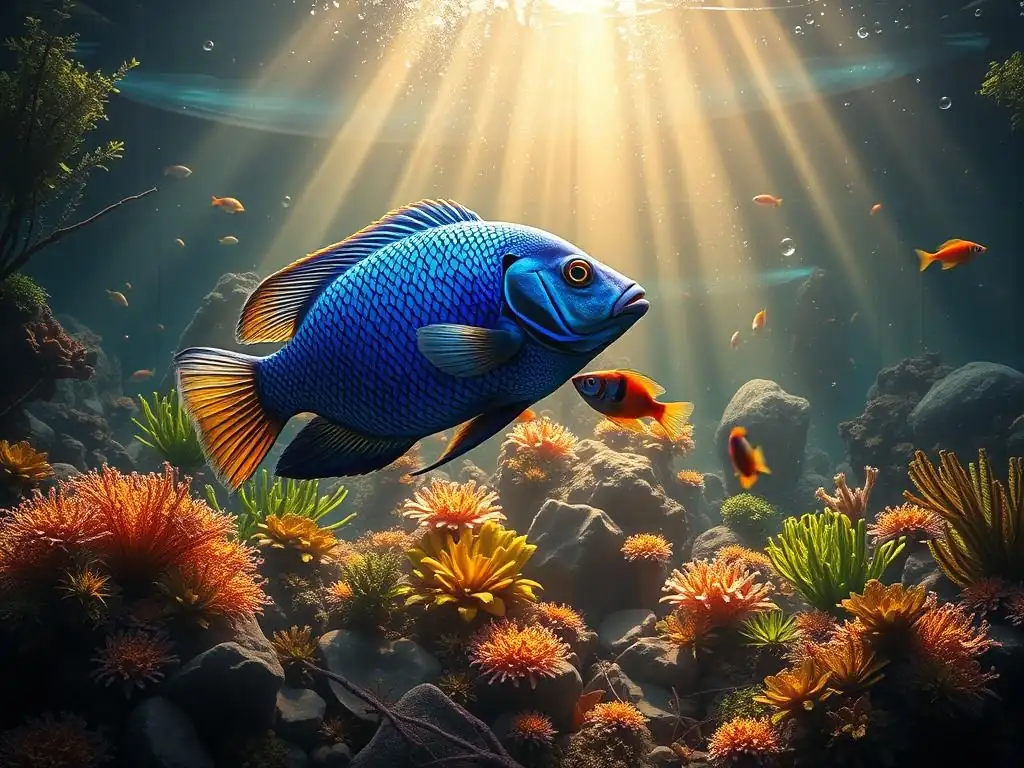
Ever wondered if you can create the ultimate African cichlid community tank? The vibrant colors of Mbuna and Peacocks are undeniably tempting, but can these two personalities really coexist? Dive in as we tackle the burning question of Mbuna peacock compatibility issues, uncovering the secrets to a peaceful (or not-so-peaceful!) aquarium. Get ready to explore the nuances and discover if your dream tank is truly possible!
- Understanding Mbuna Cichlids: Aggression, Diet, and Tank Requirements
- Exploring Peacock Cichlids: Temperament, Diet, and Tank Needs
- Mbuna Peacock Compatibility Issues: Addressing the Challenges
- Mitigating Mbuna Peacock Compatibility Problems: Potential Solutions
- Mbuna vs. Peacock Tank Mates: Alternative Options
- Hybridization Risks: Understanding the Potential for Crossbreeding
- Real-World Experiences: Case Studies of Mbuna and Peacock Tanks
- The Verdict: Is Mbuna Peacock Compatibility Possible?
-
Frequently Asked Questions
- How compatible are Mbuna and Peacock Cichlids in a typical aquarium setting?
- What are the main reasons Mbuna and Peacocks often clash in an aquarium?
- Can Mbuna and Peacocks ever be successfully kept together?
- What tank size is absolutely necessary if one insists on housing Mbuna and Peacocks together?
- What are some safer alternative tank mates for Peacock Cichlids?
- Final Reflection: Navigating the Waters of Coexistence
- Unlock the Secrets: Transform Your Cichlid Tank Today!
Understanding Mbuna Cichlids: Aggression, Diet, and Tank Requirements
Mbuna Species Overview: Characteristics and Temperament
Mbuna cichlids, originating from the rocky shores of Lake Malawi, are renowned for their vibrant colors and highly territorial nature. The name "Mbuna" itself translates to "rock-dweller," accurately describing their natural habitat and behavior. Species like the Electric Yellow (Labidochromis caeruleus), Maingano (Melanochromis cyaneorhabdos), and Demasoni (Pseudotropheus demasoni) are popular examples, each exhibiting a distinct level of aggression, with some, like the Demasoni, being notoriously feisty. Their temperament is characterized by constant territorial defense, especially among males, which can lead to significant stress and injury in an improperly set up tank.
In their natural environment, Mbuna establish complex social hierarchies within rock formations, with dominant males controlling specific territories and harems of females. This innate behavior translates directly to the aquarium, where a typical 75-gallon tank might realistically support a community of 15-20 adult Mbuna, provided ample rockwork is present to create visual breaks and individual territories. Without sufficient space and structure, their aggression intensifies, often resulting in constant chasing, fin nipping, and even fatalities, particularly if less aggressive species are present.
Dietary Needs of Mbuna: Primarily Herbivorous
The diet of Mbuna cichlids is predominantly herbivorous, consisting primarily of algae and biofilm scraped from rocks in Lake Malawi. Their digestive systems are specifically adapted to process fibrous plant matter, making a high-protein diet detrimental to their health. Feeding Mbuna foods rich in animal protein, such as bloodworms or certain fish flakes, can lead to severe gastrointestinal issues, most notably Malawi Bloat, a condition characterized by swelling, lethargy, and often fatal organ damage.
Therefore, a proper Mbuna diet in captivity should focus on high-quality spirulina-based flakes or pellets. Supplementation with blanched vegetables like zucchini, spinach, or romaine lettuce can also be beneficial, mimicking their natural grazing habits. It is crucial to avoid overfeeding and to provide multiple small feedings throughout the day to ensure all fish get enough food without excessive competition, typically 2-3 small meals daily that can be consumed within 2-3 minutes.
Ideal Tank Setup for Mbuna: Rockwork, Filtration, and Water Parameters
An ideal tank setup for Mbuna cichlids is paramount for their well-being and to manage their aggressive tendencies. A minimum tank size of 55 gallons is often recommended for a small group, but a 75-gallon tank or larger is significantly better, providing more space to diffuse aggression. The tank should be densely aquascaped with an abundance of rockwork, creating numerous caves, tunnels, and visual barriers. This extensive hardscaping allows individual fish to establish territories and provides hiding spots for submissive individuals, reducing direct confrontations by breaking line of sight.
Water parameters for Mbuna must closely mimic their natural Lake Malawi environment. This means maintaining a high pH, typically between 7.8 and 8.6, and hard water with a GH (General Hardness) of 10-18 dGH and a KH (Carbonate Hardness) of 180-240 ppm. The temperature should be kept stable between 76-82°F (24-28°C).
Due to their high bioload and the need for pristine water quality, robust filtration is essential. Canister filters or large hang-on-back filters with a high GPH (gallons per hour) turnover rate, often exceeding 10 times the tank volume per hour, are highly recommended to handle waste and maintain water clarity.
Exploring Peacock Cichlids: Temperament, Diet, and Tank Needs
Peacock Cichlid Species Overview: Colors and Behavior
Peacock cichlids, belonging to the genus Aulonocara, are celebrated for their stunning array of iridescent colors and more docile temperament compared to their Mbuna cousins. Unlike Mbuna, Peacocks are typically open-water dwellers, preferring sandy substrates and intermediate zones of Lake Malawi where rocks transition to open sand.
Popular species include the Electric Blue Aulonocara (Aulonocara stuartgranti "Ngara"), Sunshine Peacock (Aulonocara stuartgranti "Maleri"), and Ruby Red Peacock (a hybrid often derived from various Aulonocara species). While males are incredibly vibrant, females are generally drabber, a characteristic that helps differentiate sexes and manage aggression, as males can be territorial towards each other.
Their behavior is generally less aggressive than Mbuna, focusing more on displaying to females and establishing loose territories in sandy areas rather than fiercely defending rock structures. A typical adult Peacock cichlid reaches about 4-6 inches in length. In a community setting, a single male Peacock can often be kept with multiple females (a ratio of 1 male to 3-4 females is ideal) to diffuse any male-on-male aggression. They are generally peaceful towards other species of similar size and temperament, making them appealing for mixed cichlid tanks, provided careful consideration is given to compatibility.
Dietary Needs of Peacocks: Omnivorous Requirements
Peacock cichlids are primarily omnivorous, with a natural diet consisting of small invertebrates such as insect larvae and crustaceans found within the sandy substrate of Lake Malawi. They employ a unique hunting strategy, sifting through sand with their specialized mouths to detect and consume these buried organisms. This dietary preference means they require a balanced diet in captivity that includes both plant and animal matter, distinct from the strictly herbivorous Mbuna.
In the aquarium, a high-quality cichlid pellet or flake food should form the staple of their diet. This can be supplemented with frozen or live foods such as brine shrimp, Mysis shrimp, and bloodworms, which provide essential proteins and fats. It is important to feed a varied diet to ensure all nutritional needs are met. While they can tolerate some vegetable matter, excessive amounts can lead to deficiencies. Feeding small portions 2-3 times a day is recommended to prevent overfeeding and maintain water quality.
Ideal Tank Setup for Peacocks: Open Space and Water Quality
The ideal tank setup for Peacock cichlids prioritizes open swimming space over dense rockwork, reflecting their natural habitat. A minimum tank size of 55 gallons is often suggested for a small group, but a 75-gallon tank or larger offers significantly more room for a healthy community.
The substrate should ideally be fine sand, as Peacocks enjoy sifting through it, a behavior that is both natural and beneficial for their well-being. While large open areas are preferred, some rock formations or caves should be provided on one side of the tank to offer hiding spots and establish loose territories for males.
Maintaining pristine water quality is crucial for Peacock cichlids, as they are sensitive to fluctuating parameters and high nitrate levels. Like Mbuna, they thrive in hard, alkaline water with a pH range of 7.8-8.6, a GH of 10-18 dGH, and a KH of 180-240 ppm. The water temperature should be stable between 76-82°F (24-28°C). Powerful filtration, such as a canister filter or a robust hang-on-back filter, is essential to manage their bioload and keep the water clean. Regular weekly water changes of 25-50% are vital to prevent the buildup of nitrates and maintain optimal water conditions.
Mbuna Peacock Compatibility Issues: Addressing the Challenges
The Core Problem: Differing Aggression Levels
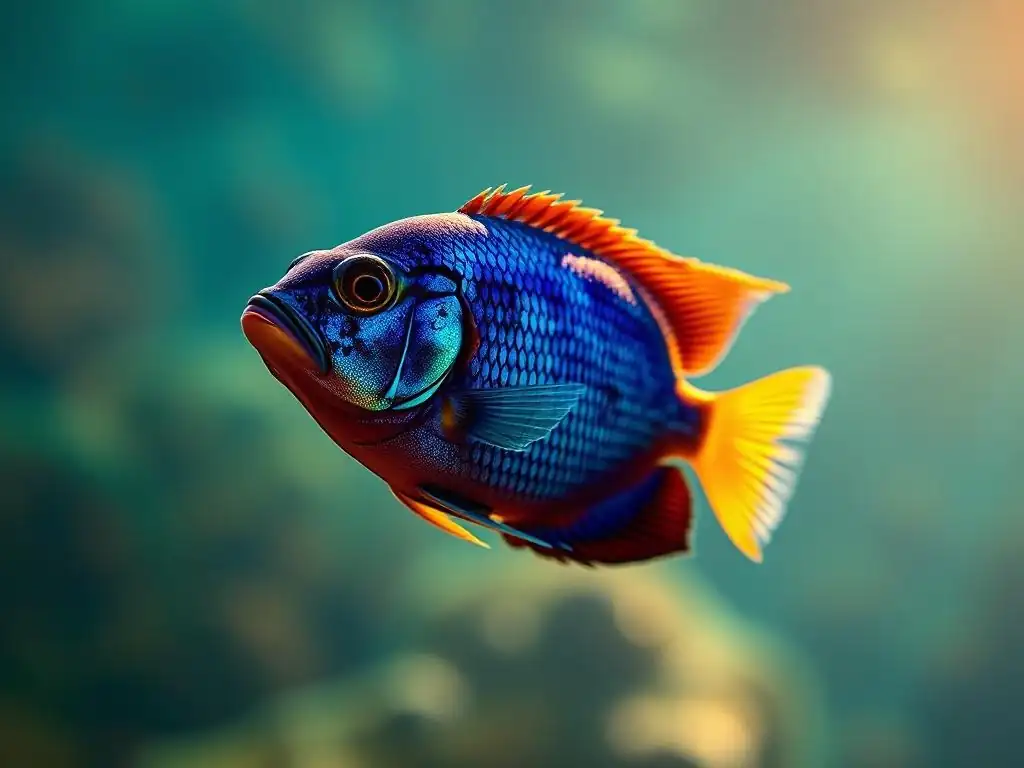
One of the most significant Mbuna peacock compatibility issues stems from their vastly different aggression levels and territorial behaviors. Mbuna are highly aggressive, intensely territorial rock-dwellers that constantly defend their chosen crevices and rock formations. They are known for relentless chasing, fin nipping, and even outright attacks on perceived rivals. Peacocks, on the other hand, are generally more docile, preferring open water and establishing less rigid territories, often around sandy areas. When these two are mixed, the aggressive nature of Mbuna often overwhelms the more peace-loving Peacocks.
This disparity in temperament inevitably leads to stress for the Peacock cichlids. They may be constantly harassed, denied access to food, and forced to hide, which weakens their immune systems and makes them highly susceptible to disease. In a 75-gallon tank, even a single dominant Mbuna male can terrorize an entire group of Peacocks, leading to chronic stress, physical injuries like torn fins, and ultimately, premature death. This fundamental difference in behavioral patterns makes Mbuna peacock compatibility a constant uphill battle, often resulting in an unhealthy and unstable aquarium environment.
Dietary Incompatibility: Why Feeding Matters
Beyond aggression, dietary incompatibility presents another critical set of Mbuna peacock compatibility issues. Mbuna cichlids are primarily herbivores, with digestive systems adapted to process algae and plant matter. Feeding them a high-protein diet, which is suitable for the omnivorous Peacocks, can lead to severe health problems, most notably Malawi Bloat. This condition, caused by an inability to properly digest animal proteins and fats, results in internal organ damage and is frequently fatal, with survival rates often below 30% once symptoms appear.
Conversely, Peacocks, being omnivores, require a balanced diet that includes both plant and animal proteins for optimal health and vibrant coloration. A strictly herbivorous diet, appropriate for Mbuna, would deprive Peacocks of essential nutrients, leading to deficiencies, stunted growth, and a dull appearance. Attempting to feed both groups in a single tank often means compromising on diet for one or both species, leading to long-term health consequences. This inherent dietary conflict is a primary reason why Mbuna peacock compatibility is so challenging to achieve without compromising the well-being of the fish.
Water Parameter Discrepancies: The Impact on Health
While both Mbuna and Peacock cichlids originate from Lake Malawi and share similar general water parameters (high pH, hard water), subtle differences in their ideal conditions or tolerance levels can contribute to Mbuna peacock compatibility issues when housed together. Both prefer a pH between 7.8 and 8.6, and high alkalinity and hardness. However, the constant stress induced by aggression and improper diet can make fish more vulnerable to even minor fluctuations or less-than-perfect water quality, exacerbating underlying health issues.
For instance, the heightened metabolic stress from continuous harassment can cause Peacocks to produce more waste, leading to faster degradation of water quality. If filtration is not exceptionally robust or water changes are not frequent enough (e.g., less than 50% weekly in a mixed tank), the accumulation of nitrates can quickly become problematic. While the basic parameters might align, the cumulative effect of stress, sub-optimal diet, and increased bioload from an aggressive mix can push the system beyond its capacity, leading to weakened immune systems and a higher susceptibility to common aquarium diseases like Ich or bacterial infections.
Mitigating Mbuna Peacock Compatibility Problems: Potential Solutions
Overstocking the Tank: A Controversial Approach
One widely discussed, albeit controversial, strategy to mitigate Mbuna peacock compatibility issues is deliberate overstocking. The theory behind this approach is that by increasing the number of fish in the tank, aggression is "diluted" among more individuals, preventing any single fish from being relentlessly targeted. For a 75-gallon tank, this might mean housing 20-30 adult cichlids, far more than typical recommendations. This high density can overwhelm territorial instincts, as there are too many fish to chase and defend against effectively.
However, overstocking comes with significant drawbacks. It drastically increases the bioload, demanding exceptionally powerful filtration (e.g., canister filters rated for 200+ gallons on a 75-gallon tank) and very frequent, large water changes (e.g., 50-75% weekly) to maintain pristine water quality. Despite diluting aggression, stress levels can still be high due to cramped conditions, and diseases can spread rapidly. This method does not eliminate Mbuna peacock compatibility issues but rather attempts to manage the symptoms, requiring diligent maintenance and a deep understanding of water chemistry.
Creating Visual Barriers: Rockwork and Decorations for Reduced Aggression
Creating extensive visual barriers through elaborate rockwork and decorations is a crucial method for reducing aggression and managing Mbuna peacock compatibility issues. Mbuna, being territorial, will naturally claim specific rock formations as their own. By providing numerous caves, tunnels, and line-of-sight breaks throughout the aquarium, you allow fish to establish individual territories and provide escape routes for submissive individuals. This prevents a single dominant fish from seeing and harassing others across the entire tank.
A well-designed aquascape will feature tall rock structures that reach near the surface, creating vertical territories, and multiple overlapping caves at various levels. Using inert rocks like lava rock, Texas Holey Rock, or slate can create a natural and intricate environment. For a 75-gallon tank, dedicating 40-50% of the tank volume to rock structures can significantly reduce direct confrontations. This strategic placement helps to diffuse aggression and allows both Mbuna and Peacocks to find their own space, making a mixed tank marginally more feasible.
Careful Species Selection: Choosing Less Aggressive Mbuna and Peacocks
Careful species selection is paramount in attempting to reduce Mbuna peacock compatibility issues. Not all Mbuna are equally aggressive, nor are all Peacocks equally robust. Opting for less aggressive Mbuna species can significantly improve the chances of a successful mixed tank. Good choices for Mbuna include the Electric Yellow Lab (Labidochromis caeruleus), Rusty Cichlid (Iodotropheus sprengerae), and Saulosi (Pseudotropheus saulosi). These species generally exhibit lower levels of inter-species aggression compared to notorious species like the Demasoni or Kenyi.
When selecting Peacocks, it is advisable to choose more robust and active species that can better withstand potential harassment, such as the Sunshine Peacock ( Aulonocara stuartgranti "Maleri") or Red Shoulder Peacock ( Aulonocara hansbaenschi). Avoiding very delicate or shy Peacock species is essential. Furthermore, maintaining a proper male-to-female ratio (e.g., 1 male to 3-4 females) for each species can help diffuse aggression within their own kind, which can indirectly reduce overall tank stress. This selective approach is one of the most effective ways to proactively address potential Mbuna peacock compatibility issues.
Implementing a Strict Feeding Schedule: Controlling Diet and Reducing Competition
Implementing a strict and thoughtful feeding schedule is vital to address the dietary component of Mbuna peacock compatibility issues. Given their differing dietary needs, a compromise must be reached. One common strategy is to feed a high-quality spirulina-based pellet or flake as the staple for the entire tank, satisfying the Mbuna's herbivorous requirements. For the Peacocks' omnivorous needs, small, targeted feedings of a higher protein food (like frozen Mysis shrimp or a quality omnivore pellet) can be administered, ensuring they consume it quickly before the Mbuna can dominate.
Feeding small amounts multiple times a day (e.g., 3-4 times) rather than one large meal can also help reduce competition and ensure all fish receive adequate nutrition. This approach minimizes the risk of Malawi Bloat in Mbuna while still providing essential protein for Peacocks. Closely monitoring feeding behavior is necessary to ensure the Peacocks are not being outcompeted. While this strategy doesn't completely eliminate the dietary Mbuna peacock compatibility issues, it significantly mitigates the risks associated with improper feeding.
Mbuna vs. Peacock Tank Mates: Alternative Options
Suitable Tank Mates for Mbuna (That Aren't Peacocks)
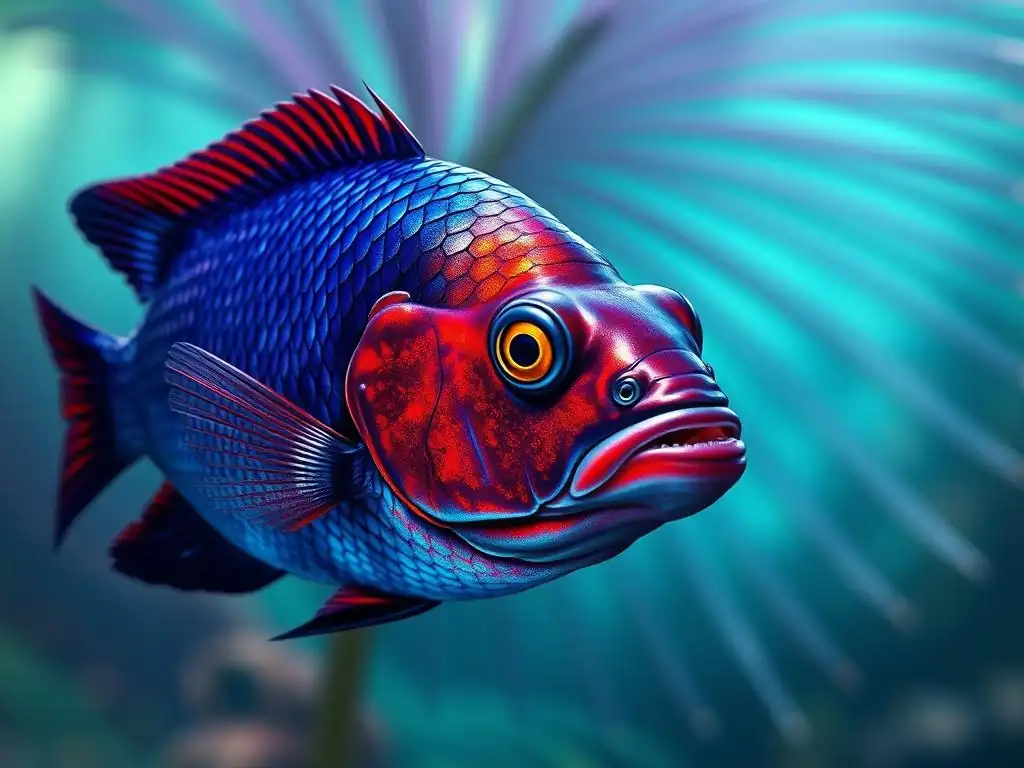
For aquarists seeking to avoid Mbuna peacock compatibility issues, the most straightforward solution for Mbuna is to keep them in a species-specific tank or with other Mbuna cichlids. Ideal tank mates for Mbuna are other Mbuna species that share similar aggression levels and dietary needs. This ensures a consistent environment and reduces inter-species conflict. Excellent choices include various species from the genera Labidochromis (e.g., Electric Yellow Lab), Iodotropheus (e.g., Rusty Cichlid), Pseudotropheus (e.g., Saulosi), and Metriaclima (e.g., Red Zebra).
When combining Mbuna, it's crucial to select species that are roughly the same size and to avoid highly aggressive individuals with very docile ones. Maintaining a proper male-to-female ratio (typically 1 male to 3-4 females per species) helps to diffuse aggression by spreading the male's attention among multiple females. Overstocking, as previously mentioned, can also be employed in an all-Mbuna tank to spread aggression and prevent any single fish from being targeted. A well-planned Mbuna-only tank can be a vibrant, active, and relatively stable environment.
Suitable Tank Mates for Peacocks (That Aren't Mbuna)
If the goal is to keep Peacock cichlids, avoiding Mbuna peacock compatibility issues is best achieved by housing them with other Peacock species or certain types of Haplochromis cichlids (often referred to as "Haps"). Peacocks from different Aulonocara species can typically coexist peacefully, creating a stunning display of colors. Good examples include the various "forms" of Aulonocara stuartgranti, Aulonocara jacobfreibergi, and Aulonocara baenschi.
Certain Haplochromis species, such as Copadichromis borleyi (Kadango) or Otopharynx lithobates (Sulfurhead), can also make suitable tank mates for Peacocks. These Haps generally share similar dietary requirements and a more moderate temperament, preferring open swimming space and sandy substrates. As with Peacocks, maintaining a male-to-female ratio of 1:3 or 1:4 is advisable to reduce male aggression. Researching the specific temperament and size of each potential Haplochromis species is essential to ensure they are compatible with Peacocks and will not lead to undue stress or conflict.
Hybridization Risks: Understanding the Potential for Crossbreeding
Identifying Hybrid Cichlids: Recognizing the Signs
One significant, often overlooked, risk when attempting to address Mbuna peacock compatibility issues in a mixed tank is the potential for hybridization. Despite being from different genera ( Maylandia/Pseudotropheus for Mbuna and Aulonocara for Peacocks), these two groups of Lake Malawi cichlids can and often will interbreed in the confines of an aquarium. This occurs primarily because natural mate choice cues are limited, and fish may breed with the most available partner. Identifying hybrid cichlids can be challenging, as they often exhibit a mix of characteristics from both parent species.
Signs of hybridization typically include unusual color patterns that do not match any known purebred species, or a blending of body shapes and fin structures from both Mbuna and Peacock parents. For example, a hybrid might have the elongated body of a Peacock but with the vertical barring more typical of an Mbuna, or a strange, muted coloration. Observing fry is often the clearest indication, as their appearance may deviate significantly from the expected purebred offspring. Once hybridization occurs, it contributes to the loss of distinct genetic lines, diminishing the integrity of the species.
Ethical Considerations: Responsible Fishkeeping Practices
The risk of hybridization carries significant ethical considerations for responsible fishkeeping. The intentional breeding of hybrid cichlids is generally frowned upon within the hobby, as it contributes to the dilution of pure bloodlines and can hinder conservation efforts for wild populations. Many aquarists strive to maintain genetically pure strains of cichlids, recognizing their unique characteristics and ecological importance. Hybridization in home aquariums can inadvertently lead to the spread of mixed-gene fish into the broader hobby, making it difficult for future generations of aquarists to acquire true-to-type specimens.
To uphold ethical practices, it is advisable to avoid mixing Mbuna and Peacocks if breeding is a possibility or if maintaining pure strains is a priority. If accidental breeding occurs, preventing further generations of hybrids is key. This might involve separating the parents, culling the hybrid fry, or ensuring that any offspring are clearly identified as hybrids if they are rehomed. Responsible fishkeeping emphasizes understanding the species' natural behaviors and needs, including their reproductive compatibility, to ensure the long-term health and genetic integrity of the fish in our care.
Real-World Experiences: Case Studies of Mbuna and Peacock Tanks
Case Study 1: A Failed Mbuna and Peacock Community Tank
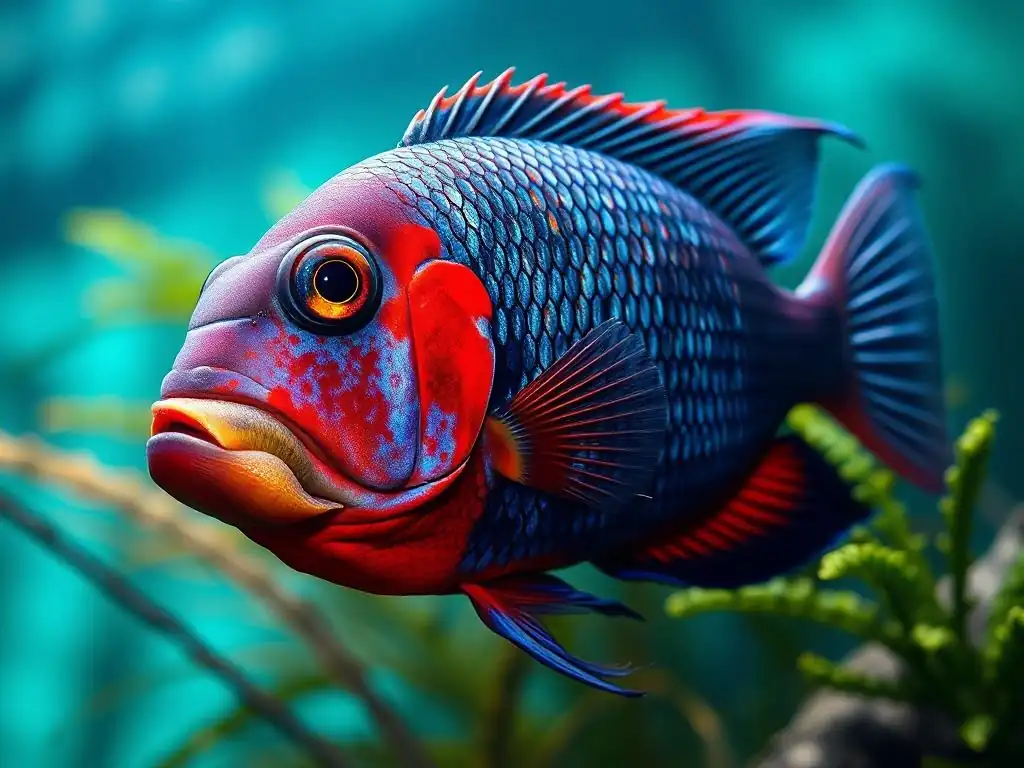
Consider the experience of an aquarist, "Mark," who attempted to house Mbuna and Peacocks in a 55-gallon tank. Mark introduced two aggressive Mbuna species—a male Pseudotropheus elongatus (Mpanga) and a male Maylandia estherae (Red Zebra)—alongside three relatively delicate Peacock cichlids, including an Aulonocara baenschi (Benga Peacock). The tank had moderate rockwork, providing some hiding spots but lacking sufficient visual barriers. Mark fed a general cichlid flake that was moderately high in protein.
Within the first month, the Mpanga Mbuna established dominance, relentlessly chasing the Peacocks. The Benga Peacock, in particular, became withdrawn, spending most of its time hiding behind the heater. Its fins were constantly nipped, and it struggled to get enough food.
Despite Mark's efforts to increase water changes to 30% twice weekly, the stress led to a weakened immune system. Within three months, the Benga Peacock and another Peacock cichlid succumbed to secondary bacterial infections, while the third Peacock displayed severe fin rot. This case vividly illustrates the significant Mbuna peacock compatibility issues that arise from differing aggression levels and improper dietary management in an inadequate setup.
Case Study 2: A Carefully Managed Mixed Cichlid Aquarium
In contrast, "Sarah," an experienced aquarist, successfully maintains a mixed Mbuna and Peacock tank, albeit with considerable effort and a large setup. Sarah's tank is a 125-gallon system, heavily overstocked with 35 adult cichlids. Her species selection was meticulous: she chose less aggressive Mbuna like Electric Yellow Labs ( Labidochromis caeruleus) and Rusties ( Iodotropheus sprengerae), alongside more robust Peacock species such as the Sunshine Peacock ( Aulonocara stuartgranti "Maleri") and the Red Shoulder Peacock ( Aulonocara hansbaenschi). The tank features an elaborate rock structure covering approximately 60% of the tank footprint, creating countless caves and line-of-sight breaks.
Sarah employs dual canister filters, rated for a total of 300 gallons, ensuring exceptional water quality. She performs 60% water changes twice weekly, meticulously vacuuming the sand substrate. Feeding is done with a high-quality spirulina-based pellet, supplemented with a targeted, quick feeding of frozen Mysis shrimp for the Peacocks a few times a week, ensuring the Mbuna don't consume it all.
While occasional minor squabbles occur, the aggression is diffused across the large number of fish and extensive rockwork. This case demonstrates that while Mbuna peacock compatibility issues are inherent, they can be managed in very specific, high-effort scenarios, typically by advanced hobbyists with substantial resources and dedication.
The Verdict: Is Mbuna Peacock Compatibility Possible?
Weighing the Risks and Rewards
When considering Mbuna peacock compatibility, it is crucial to weigh the inherent risks against the perceived rewards. The risks are substantial and multifaceted: significant aggression leading to stress, injury, and death for the less dominant Peacocks; critical dietary incompatibilities that can cause fatal digestive issues like Malawi Bloat in Mbuna; and the potential for hybridization, which dilutes genetic purity and raises ethical concerns. These challenges often lead to an unstable, unhealthy, and ultimately unrewarding aquarium experience for the fish and the aquarist.
The primary "reward" is often the aesthetic appeal of a tank combining the distinct colors and behaviors of both Mbuna and Peacocks. However, this visual diversity often comes at the cost of the fish's well-being. For the vast majority of aquarists, particularly those with standard tank sizes (under 100 gallons) and limited experience with aggressive cichlids, the risks far outweigh any potential benefits. The inherent Mbuna peacock compatibility issues make a harmonious mixed tank a rare and difficult achievement.
Recommendations for Experienced Aquarists
For highly experienced aquarists with a deep understanding of African cichlid behavior, substantial resources, and a willingness to commit significant time and effort, a very carefully planned mixed Mbuna and Peacock tank might be attempted. Such an endeavor would require a tank of at least 125 gallons, preferably larger, to provide ample space for territory and diffusion of aggression. It necessitates meticulous species selection, focusing exclusively on the least aggressive Mbuna and the most robust Peacock species.
Furthermore, an experienced aquarist would need to implement extreme overstocking, provide an exceptionally intricate and dense rockscape with numerous visual breaks, and maintain unparalleled water quality through robust over-filtration and frequent, large water changes (e.g., 60-70% twice weekly). A strict and nuanced feeding regimen to address dietary differences is also non-negotiable. Even with all these precautions, a backup plan for separating highly aggressive or stressed individuals is essential, as success is never guaranteed, and the Mbuna peacock compatibility issues remain a persistent challenge.
Alternative Cichlid Community Tank Options
Given the pervasive Mbuna peacock compatibility issues, the most reliable and recommended approach for a thriving African cichlid aquarium is to avoid mixing these two groups entirely. Instead, aquarists can opt for species-specific tanks or carefully curated communities that minimize stress and maximize the well-being of the fish.
- Mbuna-Only Tanks: Creating a vibrant community of various Mbuna species with similar aggression levels and dietary needs, heavily stocked with ample rockwork, is an excellent and widely successful option.
- Peacock-Only Tanks: A tank dedicated solely to Peacock cichlids, featuring sandy substrates and open swimming areas, allows their beautiful colors and less aggressive behaviors to flourish.
- Peacock and Haplochromis Mixes: For those desiring more diversity, a community of Peacock cichlids and certain compatible Haplochromis species (e.g., Copadichromis, Otopharynx) can be highly successful, as they generally share similar temperaments and dietary requirements.
By choosing compatible tank mates and understanding the specific needs of each cichlid group, aquarists can create a stable, healthy, and visually stunning aquarium without grappling with the formidable Mbuna peacock compatibility issues.
Frequently Asked Questions
How compatible are Mbuna and Peacock Cichlids in a typical aquarium setting?
Mbuna and Peacocks have significant compatibility issues due to their differing temperaments and dietary needs. Mbuna are generally more aggressive and require a vegetable-based diet, while Peacocks are more peaceful and need a protein-rich diet.
What are the main reasons Mbuna and Peacocks often clash in an aquarium?
The primary reasons for conflict are aggression and dietary differences. Mbuna are territorial and can bully the more docile Peacocks. Also, feeding them the wrong diet can lead to malnutrition and health problems.
Can Mbuna and Peacocks ever be successfully kept together?
While not recommended, it is possible under very specific and carefully managed conditions. This requires a very large tank, overcrowding with fish (to dilute aggression), and meticulous monitoring.
What tank size is absolutely necessary if one insists on housing Mbuna and Peacocks together?
At a minimum, a 75-gallon tank is required, but larger is always better. The larger the tank, the more space for fish to establish territories and avoid confrontation.
What are some safer alternative tank mates for Peacock Cichlids?
Consider other peaceful African Cichlids with similar dietary needs, such as Haplochromis species. Avoid aggressive species and those that compete for the same food sources to ensure a peaceful community tank.
The intricate dance of Mbuna and Peacock cichlids, as we've explored, highlights the broader challenges of harmonious coexistence in any environment. Understanding the nuances of their temperaments, dietary needs, and habitat preferences isn't just about creating a thriving aquarium; it's a microcosm of the delicate balance required for diverse communities to flourish. The potential for conflict, the need for careful planning, and the rewards of a well-managed ecosystem resonate far beyond the glass walls of a fish tank.
This exploration of Mbuna peacock compatibility underscores the importance of understanding and respecting differences. It reminds us that successful integration requires more than just good intentions; it demands careful consideration, proactive management, and a willingness to adapt. In the end, we will conserve only what we love; we will love only what we understand; and we will understand only what we are taught.
- Baba Dioum. This quote perfectly encapsulates the need for knowledge and empathy when attempting to bridge divides, whether in an aquarium or in the wider world.
As you consider the lessons learned from the Mbuna and Peacock cichlid experience, I invite you to reflect on the ecosystems you inhabit – your workplace, your community, your family. Are there opportunities to foster greater understanding and harmony? Can you apply the principles of careful planning, proactive management, and adaptability to create a more balanced and thriving environment for all? Embrace the challenge of navigating these complex waters, and you may find that the rewards of coexistence are far greater than you ever imagined.
Unlock the Secrets: Transform Your Cichlid Tank Today!
Thanks for diving deep with us into the fascinating world of Mbuna and Peacock Cichlids! We hope you found valuable insights into creating a thriving, harmonious aquarium. Now, let's take that knowledge and put it into action.
Here are a few steps you can take right now to elevate your cichlid-keeping game:
- Carefully re-evaluate your current tank setup. Considering everything we've discussed, can you optimize the environment to better suit both Mbuna and Peacocks?
- Share your cichlid journey! Post photos or videos of your aquarium on social media using #AquariumMastery and connect with other enthusiasts.
- Delve deeper into cichlid behavior. Research a specific species mentioned in this article to understand their unique needs and quirks.
Ready to create the ultimate cichlid paradise? What specific changes will you implement in your tank this week?