
The Delicate Balance: Maintaining Water Chemistry for Happy Clownfish & Anemones

Welcome to Aquarium Mastery!
Ever wonder how to create the perfect symbiotic relationship between your clownfish and anemone? It all starts with understanding the delicate balance of your aquarium's water chemistry. This isn't just about keeping things clean; it's about creating a thriving ecosystem. Dive into our article " The Delicate Balance: Maintaining Water Chemistry for Happy Clownfish & Anemones" to unlock the secrets to a vibrant and healthy saltwater tank. Ready to discover the key to a truly flourishing underwater world? Let's get started!
- Understanding the Vital Role of Water Chemistry in Clownfish & Anemone Health
-
Key Water Parameters for a Thriving Clownfish Anemone Tank
- Salinity: Maintaining the Right Salt Levels for Clownfish and Anemones
- Temperature: Achieving the Optimal Temperature Range for Clownfish and Anemone
- pH: Ensuring Stable pH Levels for a Healthy Reef Environment
- Alkalinity: Buffering pH Swings in Your Clownfish Anemone Aquarium
- Ammonia, Nitrite, and Nitrate: The Nitrogen Cycle and its Impact on Clownfish & Anemones
- Testing Your Water: Essential Tools and Techniques for Clownfish & Anemone Tanks
-
Maintaining Optimal Water Chemistry: Practical Tips and Techniques
- Water Changes: The Cornerstone of a Healthy Aquarium
- Choosing the Right Salt Mix for Your Clownfish Anemone System
- Filtration: Mechanical, Chemical, and Biological Filtration Explained
- Protein Skimming: Removing Organic Waste Before it Decomposes
- Substrate and Live Rock: Their Role in Biological Filtration
- Troubleshooting Common Water Chemistry Problems in Clownfish Anemone Aquariums
- Specific Water Chemistry Considerations for Different Anemone Species
- The Importance of Trace Elements for Clownfish and Anemone Health
- Preventing Water Chemistry Issues: Proactive Aquarium Management
- Conclusion: Creating a Stable and Healthy Environment for Your Clownfish and Anemone
-
Frequently Asked Questions
- How crucial is water chemistry for clownfish and anemones in a saltwater aquarium?
- What are the key water parameters I need to monitor for a clownfish and anemone tank?
- What salinity level is ideal for a clownfish and anemone aquarium?
- How can I maintain stable water chemistry in my clownfish and anemone tank?
- What are some common water chemistry problems that affect clownfish and anemones, and how can I address them?
- Final Reflection: The Symphony of Marine Life
- Dive Deeper: Transform Your Reef into a Clownfish Paradise!
Understanding the Vital Role of Water Chemistry in Clownfish & Anemone Health
Why Proper Water Parameters are Crucial for Clownfish and Anemone Symbiosis
The health and longevity of clownfish and their symbiotic anemones are inextricably linked to the stability and quality of their aquatic environment. This delicate partnership, where the clownfish gains protection from predators within the anemone's stinging tentacles and the anemone benefits from food scraps and increased water circulation, relies entirely on optimal water chemistry.
Any deviation from ideal parameters can severely stress both organisms, potentially leading to disease, tissue necrosis in anemones, or even the breakdown of this vital symbiosis. For instance, a sudden drop in pH from 8.2 to 7.8, or a rapid temperature fluctuation of more than 3°F (1.5°C), can cause an anemone to retract, expel its symbiotic zooxanthellae (bleaching), or become unresponsive, directly impacting the clownfish's host.
Maintaining precise and stable water chemistry for clownfish and anemones is not merely about preventing immediate harm; it's about fostering a thriving ecosystem where both species can exhibit their natural behaviors, grow, and even reproduce. Unstable parameters, such as fluctuating salinity or elevated nutrient levels, weaken the immune systems of clownfish, making them susceptible to common marine ailments like Ich or Brooklynella.
Similarly, anemones, being highly sensitive invertebrates, will quickly show signs of distress—such as shrinking, losing color, or failing to grip surfaces—if their water chemistry is not consistently within their preferred ranges. Therefore, understanding and actively managing the clownfish anemone water chemistry is the cornerstone of successful long-term husbandry.
The Interconnectedness of Water Quality and Clownfish Anemone Health
The overall water quality in a marine aquarium acts as the lifeblood for its inhabitants, directly influencing their physiological processes and overall well-being. For clownfish and anemones, every aspect of water quality, from dissolved oxygen levels to the presence of trace elements, plays a critical role.
Poor water quality, characterized by high levels of toxic compounds or nutrient imbalances, creates a chronic stress environment that compromises the immune system of the clownfish and inhibits the vital functions of the anemone. For example, sustained nitrate levels above 20 parts per million (ppm) can lead to lethargy and increased susceptibility to disease in clownfish, while anemones may fail to expand fully or show stunted growth.
Beyond direct toxicity, the interconnectedness of water quality means that one parameter often influences another, creating a cascading effect. Low alkalinity, for instance, directly impacts pH stability, making the system more prone to drastic pH swings that are highly detrimental to both clownfish and anemones. Furthermore, the absence of essential trace elements, even in minute quantities, can impair metabolic functions in both species, affecting everything from coloration to cellular repair. Therefore, achieving a holistic balance in clownfish anemone water chemistry is essential, recognizing that each parameter contributes to the robust health and resilience of these captivating marine organisms.
Key Water Parameters for a Thriving Clownfish Anemone Tank
Salinity: Maintaining the Right Salt Levels for Clownfish and Anemones
Salinity, the measure of dissolved salts in water, is arguably one of the most critical parameters for any marine aquarium, especially one housing clownfish and anemones. Marine organisms are osmoregulators, meaning they actively control the balance of water and salts within their bodies relative to their external environment.
The ideal specific gravity (a measure of salinity) for a clownfish and anemone tank ranges from 1.023 to 1.026, with many aquarists aiming for a consistent 1.025. Fluctuations outside this narrow range, even by as little as 0.002 in specific gravity, can induce severe osmotic stress, forcing the fish and anemone to expend excessive energy to maintain their internal balance, leading to weakened immune systems and susceptibility to disease.
Monitoring salinity accurately is paramount. Refractometers are generally preferred over hydrometers for their precision, and they should be calibrated regularly with a 35 ppt (parts per thousand) reference solution to ensure accurate readings. Maintaining stable salinity also means accounting for evaporation, which removes only pure water, thus increasing the concentration of salts in the remaining water. Utilizing an auto top-off (ATO) system with RODI (Reverse Osmosis De-Ionized) water is highly recommended to consistently replenish evaporated water and prevent gradual salinity creep, thereby safeguarding the delicate clownfish anemone water chemistry.
Temperature: Achieving the Optimal Temperature Range for Clownfish and Anemone
Temperature profoundly influences the metabolic rates of all aquatic life, impacting everything from oxygen solubility to immune function and biological processes. For clownfish and their host anemones, a stable temperature range of 75°F to 80°F (24°C to 27°C) is generally considered optimal.
Within this range, clownfish are active and healthy, and anemones can efficiently photosynthesize with their zooxanthellae and digest food. Temperatures outside this range can cause significant stress; for instance, temperatures consistently above 82°F (28°C) can lead to oxygen depletion and accelerate the metabolism of both organisms to an unhealthy degree, potentially causing "bleaching" in anemones as they expel their symbiotic algae.
Rapid temperature fluctuations are even more detrimental than consistent readings slightly outside the ideal range. A swing of just 2-3°F (1-1.5°C) within a few hours can shock and severely stress both clownfish and anemones, making them prone to illness. Therefore, a reliable heater with a thermostat, or even two smaller heaters for redundancy in larger tanks, is essential. Additionally, ensuring proper water flow prevents hot or cold spots, contributing to overall stability in clownfish anemone water chemistry.
pH: Ensuring Stable pH Levels for a Healthy Reef Environment
pH is a measure of the acidity or alkalinity of the water, expressed on a scale of 0 to 14. For a thriving clownfish anemone tank, maintaining a stable pH between 8.0 and 8.4, with an ideal target of 8.1 to 8.3, is crucial.
This range supports the physiological functions of marine organisms, including enzyme activity and the calcification processes essential for anemones and other invertebrates. Significant deviations from this range, particularly prolonged periods below 7.8, can inhibit the growth of beneficial bacteria, stress fish by affecting their blood's oxygen-carrying capacity, and severely impair an anemone's ability to thrive, leading to tissue recession or even death.
pH levels in an aquarium can fluctuate throughout the day, typically dropping at night due to the respiration of inhabitants and rising during the day with photosynthesis. While minor diurnal swings (0.1-0.2 pH units) are normal, larger swings indicate underlying issues, often related to low alkalinity or poor gas exchange. Regular testing and addressing the root cause of instability are vital for maintaining the correct clownfish anemone water chemistry.
Alkalinity: Buffering pH Swings in Your Clownfish Anemone Aquarium
Alkalinity, also known as carbonate hardness (dKH), is the water's capacity to neutralize acids and buffer against pH swings. It's a critical parameter for clownfish and anemone tanks, especially those with corals or other calcifying invertebrates, as it provides the essential carbonate ions used for skeletal growth. The recommended alkalinity range for a healthy marine aquarium is 8-12 dKH, with many successful reef keepers aiming for a consistent 8-10 dKH. Maintaining stable alkalinity directly contributes to stable pH, preventing the dangerous fluctuations that can stress sensitive marine life.
When alkalinity levels drop below 7 dKH, the water's buffering capacity is significantly reduced, making the pH highly susceptible to rapid and drastic drops. This can be particularly detrimental to anemones, which rely on a stable supply of carbonate ions for their overall health and physiological functions. Regular testing of alkalinity, ideally 2-3 times per week, allows aquarists to monitor consumption and replenish carbonate ions through water changes or supplementation with balanced buffer solutions, ensuring the robustness of clownfish anemone water chemistry.
Ammonia, Nitrite, and Nitrate: The Nitrogen Cycle and its Impact on Clownfish & Anemones
The nitrogen cycle is the fundamental biological process that converts toxic waste products in an aquarium into less harmful forms. Understanding and managing this cycle is paramount for the health of clownfish and anemones.
- Ammonia (NH3/NH4+): This highly toxic compound is produced from fish waste, uneaten food, and decaying organic matter. Even concentrations as low as 0.25 ppm can be lethal to clownfish and anemones, causing gill damage and preventing oxygen uptake. In a healthy, cycled tank, ammonia levels should always be 0 ppm.
- Nitrite (NO2-): Ammonia is converted into nitrite by nitrifying bacteria. Nitrite is also highly toxic, interfering with the blood's ability to carry oxygen, leading to "brown blood disease." Like ammonia, nitrite levels in a mature tank should always be 0 ppm.
- Nitrate (NO3-): Nitrite is further converted into nitrate by a different group of beneficial bacteria. While less toxic than ammonia or nitrite, high nitrate levels can still be detrimental, causing chronic stress, inhibiting growth, and fueling nuisance algae blooms. For clownfish and anemones, nitrate levels should ideally be kept below 10-20 ppm, though some successful reef tanks tolerate up to 40 ppm with no apparent ill effects, this is often the upper limit for sensitive invertebrates.
Maintaining 0 ppm ammonia and 0 ppm nitrite is non-negotiable for a healthy clownfish anemone system, achieved through robust biological filtration. Controlling nitrates involves regular water changes, proper feeding, and effective waste removal strategies, all contributing to pristine clownfish anemone water chemistry.
Testing Your Water: Essential Tools and Techniques for Clownfish & Anemone Tanks
Choosing the Right Test Kits for Accurate Water Chemistry Analysis
Accurate water testing is the cornerstone of maintaining optimal clownfish anemone water chemistry. While various options exist, liquid reagent test kits are widely recommended for their precision and reliability in marine aquariums. Brands like Salifert, API, Hanna, and Red Sea offer comprehensive kits for essential parameters such as ammonia, nitrite, nitrate, pH, alkalinity, calcium, and magnesium. These kits involve precise measurements of reagents and water samples, leading to more accurate results compared to less reliable dip strips, which often lack the sensitivity required for sensitive reef environments.
For salinity, a quality refractometer is indispensable. It measures the refractive index of light through the water, providing a highly accurate specific gravity or parts per thousand (ppt) reading. It's crucial to calibrate the refractometer before each use, or at least weekly, using a specific calibration fluid (e.g., 35 ppt solution) to ensure its readings remain precise. Investing in reliable test kits and a good refractometer is a foundational step in proactive aquarium management, ensuring you have the data needed to make informed decisions about your clownfish anemone water chemistry.
Regular Water Testing Schedule for Monitoring Aquarium Health
Consistent monitoring of water parameters is far more effective than sporadic testing, allowing aquarists to detect trends and address issues before they become critical. A recommended testing schedule for a clownfish and anemone tank includes:
- Daily or Every Other Day (during cycling or initial setup): Ammonia, Nitrite. Once established, test immediately if any signs of stress or illness appear.
- 2-3 Times Per Week: pH, Alkalinity, Salinity, Temperature. These parameters can fluctuate more rapidly and require frequent checks to ensure stability. For instance, if alkalinity is being consumed quickly, testing every 2 days allows for timely supplementation.
- Weekly: Nitrate, Calcium, Magnesium. These parameters tend to change more slowly but are essential for long-term health and growth of anemones. If nutrient export methods are effective, nitrate might only need checking bi-weekly.
- Monthly or Bi-Monthly: Phosphate, Iodine, Strontium (if supplementing). These elements are consumed more slowly or only need occasional checks to ensure they are within target ranges.
Keeping a logbook of all test results is highly beneficial. This allows you to track patterns, identify potential problems early, and correlate specific readings with tank activities (e.g., feeding habits, water changes), providing invaluable insight into your clownfish anemone water chemistry.
Understanding Water Test Results and Identifying Potential Issues
Interpreting water test results is key to effective aquarium management. Each parameter provides a clue about the overall health and balance of your clownfish anemone system. For example, a reading of 0.25 ppm ammonia, even if low, indicates a problem with biological filtration or an overload of organic waste, demanding immediate action. Similarly, consistently low alkalinity readings (e.g., below 7 dKH) despite regular water changes signal a high demand from calcifying organisms (like anemones) or insufficient buffering capacity, requiring targeted supplementation.
High nitrate levels, consistently above 20 ppm, often point to overfeeding, overcrowding, or insufficient water changes and nutrient export. Conversely, a pH that consistently drops below 8.0, especially overnight, might be a symptom of low alkalinity, poor gas exchange, or high CO2 levels in the room. By understanding what each parameter signifies and comparing current readings to ideal ranges, aquarists can effectively diagnose problems and implement appropriate solutions, maintaining the delicate balance of clownfish anemone water chemistry.
Maintaining Optimal Water Chemistry: Practical Tips and Techniques
Water Changes: The Cornerstone of a Healthy Aquarium
Regular water changes are arguably the most effective and fundamental practice for maintaining pristine clownfish anemone water chemistry. This process serves multiple vital functions: it removes accumulated nitrates, phosphates, and other dissolved organic pollutants that filtration alone cannot fully export; it replenishes essential trace elements and minerals that are consumed by inhabitants; and it helps stabilize critical parameters like alkalinity and calcium.
For a typical clownfish and anemone tank, a 10-20% water change weekly or bi-weekly is highly recommended. For instance, in a 50-gallon tank, a 15% weekly water change means removing 7.5 gallons of old water and replacing it with freshly mixed, temperature-matched saltwater.
The importance of using properly mixed saltwater cannot be overstated. The new water should be mixed with a high-quality marine salt mix and allowed to aerate for at least 24 hours to ensure all salts are fully dissolved and the pH is stable. Crucially, the temperature and salinity of the new water should match that of the display tank as closely as possible to prevent shocking the inhabitants. Consistent, well-executed water changes are a powerful tool in preventing a multitude of water chemistry issues and promoting a thriving environment for your clownfish and anemones.
Choosing the Right Salt Mix for Your Clownfish Anemone System
The choice of marine salt mix significantly impacts the baseline clownfish anemone water chemistry. Not all salt mixes are created equal; they vary in their composition and the levels of essential elements they provide. For a tank housing sensitive invertebrates like anemones, it is crucial to select a high-quality "reef formula" or "pro" salt mix.
These mixes are specifically formulated to provide not only the basic sodium chloride but also balanced levels of calcium, magnesium, alkalinity, and a spectrum of trace elements vital for the health and calcification of anemones. Brands such as Red Sea Coral Pro, Instant Ocean Reef Crystals, and Fritz RPM Salt are popular choices known for their consistent formulations.
Using a consistent brand and type of salt mix is also important. Switching frequently between different brands can introduce subtle imbalances in trace elements or buffer systems, potentially leading to instability in water parameters. Always ensure the salt is fully dissolved and the salinity is accurately measured and matched to your display tank before adding it during water changes. This attention to detail ensures that the foundational clownfish anemone water chemistry is always optimal.
Filtration: Mechanical, Chemical, and Biological Filtration Explained
Effective filtration is a multi-faceted approach to maintaining clean and stable clownfish anemone water chemistry. It typically involves three primary types: mechanical, chemical, and biological.
Mechanical Filtration: Removing Particulate Matter for Water Clarity
Mechanical filtration physically removes suspended particulate matter from the water column, improving clarity and preventing the breakdown of solid waste into dissolved pollutants. This includes uneaten food, fish waste, and detritus. Common mechanical filtration media include filter socks, sponges, and filter floss. Filter socks, for instance, are highly effective at trapping fine particles, often rated at 100 or 200 microns.
The key to effective mechanical filtration is regular maintenance. Filter socks should be cleaned or replaced every few days, and sponges or floss should be rinsed or replaced weekly. If left uncleaned, these media can become "nitrate factories," as the trapped organic matter decomposes and releases nutrients back into the water, undermining the very clownfish anemone water chemistry they are meant to protect.
Chemical Filtration: Using Activated Carbon and Other Media
Chemical filtration utilizes specialized media to remove dissolved organic compounds, toxins, odors, and discoloration that mechanical and biological filtration cannot. Activated carbon is the most common chemical filter media, highly effective at adsorbing a wide range of pollutants, including phenols and medications. It helps maintain crystal clear water and removes substances that can stress marine life. Typically, activated carbon needs to be replaced every 2-4 weeks as its adsorption sites become saturated.
Other chemical media include Granular Ferric Oxide (GFO) for phosphate removal and Purigen for broader organic waste removal. Phosphates, even at low concentrations (e.g., above 0.03 ppm), can fuel aggressive nuisance algae blooms. By incorporating appropriate chemical filtration and replacing it regularly, aquarists can proactively manage nutrient levels and maintain superior clownfish anemone water chemistry.
Biological Filtration: Establishing a Thriving Nitrogen Cycle
Biological filtration is the cornerstone of a healthy marine aquarium, facilitating the essential nitrogen cycle. This process relies on beneficial bacteria that colonize surfaces within the tank, converting highly toxic ammonia (from waste) into less toxic nitrite, and then converting nitrite into relatively less harmful nitrate. Without robust biological filtration, ammonia and nitrite would quickly accumulate to lethal levels.
The primary forms of biological filtration in a clownfish and anemone tank are live rock and the sand bed. Live rock, with its porous structure, offers an immense surface area for nitrifying bacteria to colonize. A well-cured live rock can house up to 20,000 square feet of surface area per pound.
A deep sand bed (typically 4 inches or more) can also contribute to biological filtration, including anaerobic zones that help reduce nitrates. Other biological media like bio-balls or ceramic rings can supplement, but live rock remains paramount for a natural reef environment. Establishing a complete nitrogen cycle is non-negotiable before introducing clownfish or anemones, ensuring the foundational clownfish anemone water chemistry is safe.
Protein Skimming: Removing Organic Waste Before it Decomposes
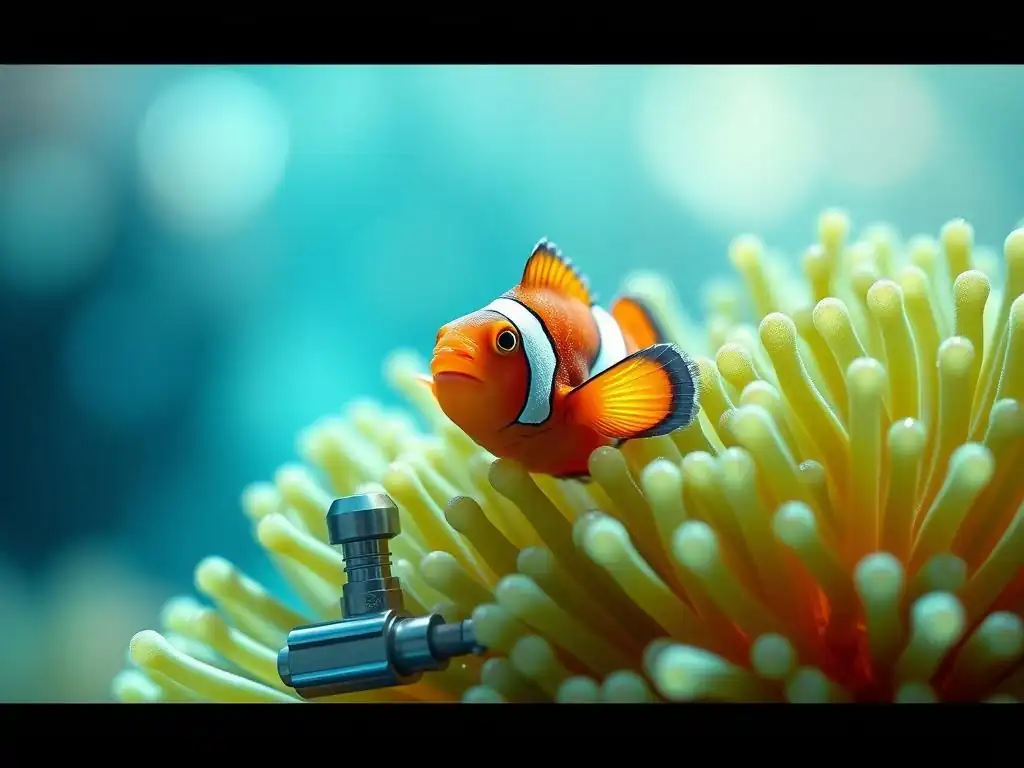
Protein skimming is an indispensable component of filtration for most marine aquariums, particularly those housing clownfish and anemones. A protein skimmer works by creating a large volume of tiny air bubbles within a chamber, to which dissolved organic compounds (DOCs) and particulate matter adhere. These protein-laden bubbles rise to the surface, forming a foam that is collected in a removable cup. By physically removing these organic wastes before they decompose, a protein skimmer significantly reduces the bioload on the biological filter and prevents the accumulation of nitrates and phosphates.
Beyond nutrient export, protein skimmers also contribute to gas exchange, helping to maintain stable pH by off-gassing excess carbon dioxide and increasing dissolved oxygen levels. A well-sized and properly functioning skimmer can remove a substantial amount of dissolved organic carbon, often reducing the need for frequent large water changes for nutrient control. For instance, a quality skimmer in a 75-gallon tank might remove several milliliters of dark, nutrient-rich skimmate daily, directly improving clownfish anemone water chemistry.
Substrate and Live Rock: Their Role in Biological Filtration
In a clownfish and anemone aquarium, the substrate (sand or gravel) and live rock play crucial roles beyond just aesthetics; they are primary sites for biological filtration and overall ecosystem health. Live rock, imported from natural reef environments or aquacultured, is highly porous and provides an enormous surface area for the colonization of beneficial nitrifying and denitrifying bacteria. These bacteria are essential for the nitrogen cycle, converting toxic ammonia and nitrite into less harmful nitrate.
A general guideline is to use 1 to 1.5 pounds of live rock per gallon of tank volume for optimal biological filtration. For example, a 60-gallon tank would benefit from 60-90 pounds of quality live rock.
Similarly, the substrate, particularly a deep sand bed (DSB) of 4 inches or more, can host anaerobic bacteria in its lower layers. These bacteria can perform denitrification, converting nitrate gas (N2), which then escapes the system. A shallow sand bed (less than 2 inches) primarily acts as a mechanical filter, trapping detritus. Both live rock and a well-maintained sand bed contribute significantly to the stability of clownfish anemone water chemistry by fostering a diverse microbial community that processes waste and maintains nutrient balance.
Troubleshooting Common Water Chemistry Problems in Clownfish Anemone Aquariums
High Ammonia or Nitrite Levels: Identifying the Cause and Implementing Solutions
Elevated ammonia or nitrite levels are red flags in any marine aquarium, signaling a critical imbalance in the nitrogen cycle. For clownfish and anemones, even trace amounts (e.g., 0.25 ppm ammonia) can cause severe stress, gill damage, and lead to rapid decline or death. Common causes include:
- New Tank Syndrome: The tank is not fully cycled, and beneficial bacteria populations are insufficient.
- Overfeeding: Excess uneaten food decomposes, releasing ammonia.
- Overstocking: Too many fish produce more waste than the biological filter can process.
- Dead Animal: A deceased fish or invertebrate decaying in the tank.
- Filter Crash: Loss of beneficial bacteria due to power outage, medication, or filter media changes.
Solutions require immediate action:
- Perform a large water change (25-50%) to dilute toxins. For example, if ammonia is 0.5 ppm in a 40-gallon tank, a 50% water change will reduce it to 0.25 ppm, providing immediate relief.
- Stop feeding for 1-2 days, then feed very sparingly.
- Remove any decaying organic matter.
- Increase aeration with an air stone to maximize dissolved oxygen.
- Consider adding a high-quality bottled beneficial bacteria product to boost biological filtration.
- If in a new tank, continue cycling until levels are consistently 0 ppm. Consistent monitoring of clownfish anemone water chemistry is vital during this period.
Nitrate Buildup: Strategies for Reducing Nitrate Concentrations
While less acutely toxic than ammonia or nitrite, chronically high nitrate levels (e.g., above 20-40 ppm) can lead to stress, inhibit growth, and fuel nuisance algae blooms in clownfish and anemone tanks. Common causes include:
- Overfeeding: Excess nutrients from uneaten food.
- Overcrowding: High bioload produces more waste than can be exported.
- Infrequent Water Changes: Not removing accumulated nitrates.
- Ineffective Mechanical Filtration: Detritus building up and breaking down.
- Insufficient Biological Filtration: Anaerobic zones for denitrification are lacking.
Strategies for reduction:
- Regular, consistent water changes: A 10-20% weekly water change is highly effective. If nitrates are 50 ppm, a 25% weekly change might be needed until levels drop.
- Reduce feeding: Feed smaller amounts, more frequently, only what fish can consume in 2-3 minutes.
- Improve mechanical filtration: Clean or replace filter socks/floss daily or every other day to prevent detritus buildup.
- Add nitrate-reducing media: Products like biopellets, sulfur denitrator, or nitrate-specific resins can help.
- Establish a refugium: A separate sump area with macroalgae (e.g., Chaetomorpha) can effectively absorb nitrates and phosphates.
- Ensure adequate protein skimming: A good skimmer removes organic waste before it breaks down into nitrates. Proactive management of clownfish anemone water chemistry is key to keeping nitrates in check.
pH Instability: Diagnosing and Correcting pH Swings
pH instability, characterized by significant daily swings or a consistent drift outside the ideal range (8.0-8.4), can be highly stressful for clownfish and especially sensitive anemones. Common causes include:
- Low Alkalinity: The primary cause; insufficient buffering capacity to resist pH changes.
- Poor Gas Exchange: High CO2 levels in the water (due to inadequate surface agitation or high ambient room CO2) can lower pH.
- Overstocking/Overfeeding: High organic load can consume buffers and produce acids.
- Lack of Fresh Air Exchange: A tightly sealed room can lead to CO2 buildup.
Diagnosing and correcting pH swings:
- Test Alkalinity: This is the first step. If alkalinity is below 7 dKH, supplement with a quality alkalinity buffer or two-part solution to bring it into the 8-10 dKH range.
- Increase Surface Agitation: Aim powerheads at the surface, or use an air stone to improve gas exchange and off-gas CO2.
- Ventilate the Room: Open windows or use a fan to circulate fresh air, especially if the tank is in a closed-off area.
- Check Top-off Water: Ensure your RODI water is truly 0 TDS; impurities can affect pH.
- Consider a Refugium with Macroalgae: Macroalgae consumes CO2 during the day, helping to stabilize pH. Maintaining stable clownfish anemone water chemistry depends on addressing the root cause of pH fluctuations.
Algae Blooms: Controlling Algae Growth Through Water Chemistry Management
Algae blooms, whether green hair algae, diatoms, or cyanobacteria, are usually a symptom of nutrient imbalances in the aquarium, primarily high nitrates and phosphates. While some algae are natural, excessive growth smothers corals and anemones and indicates poor clownfish anemone water chemistry. Common causes include:
- High Nitrates and Phosphates: Excess nutrients from overfeeding, overstocking, or insufficient water changes/filtration. Phosphate levels above 0.03 ppm are a common trigger for nuisance algae.
- Excessive Lighting: Too long a photoperiod or too intense lighting for the tank's nutrient levels.
- Lack of Herbivores: Insufficient grazing fish or invertebrates.
Controlling algae growth through water chemistry management:
- Reduce Nutrient Levels:
- Perform regular, larger water changes (e.g., 20-25% weekly) to dilute nitrates and phosphates.
- Reduce feeding amount and frequency.
- Ensure proper protein skimming and regularly clean the skimmer cup.
- Utilize chemical media like GFO (Granular Ferric Oxide) to absorb phosphates.
- Consider a refugium with macroalgae to outcompete nuisance algae for nutrients.
- Optimize Lighting: Reduce photoperiod to 8-10 hours, and ensure light intensity is appropriate for your tank.
- Manual Removal: Physically remove as much algae as possible during maintenance.
- Introduce Clean-up Crew: Snails (e.g., Turbo, Trochus) and hermit crabs can help graze on algae. Addressing the underlying nutrient issues in the clownfish anemone water chemistry is crucial for long-term algae control.
Specific Water Chemistry Considerations for Different Anemone Species
While general parameters apply, some anemone species commonly hosted by clownfish have slightly different sensitivities or preferences. Tailoring clownfish anemone water chemistry to the specific host anemone can significantly improve its health and longevity.
Water Chemistry Requirements for Bubble Tip Anemones (Entacmaea quadricolor)
The Bubble Tip Anemone (BTA) is one of the most popular and relatively hardy host anemones for clownfish, particularly for Ocellaris and Percula clownfish. They are known for their distinctive bulbous tips, though these may not always be present depending on lighting and flow. Key water parameters for BTAs:
- Salinity: Stable 1.024-1.026 specific gravity.
- Temperature: Consistent 75-80°F (24-27°C).
- pH: Stable 8.1-8.3.
- Alkalinity: 8-10 dKH.
- Calcium: 400-450 ppm.
- Magnesium: 1250-1350 ppm.
- Nitrates: Below 10-20 ppm.
- Phosphates: Below 0.03 ppm.
BTAs require moderate to strong lighting (typically LED or T5 HO) and moderate, turbulent water flow to keep them healthy and allow them to expand fully. While more forgiving than some other species, they still thrive best with consistent, pristine clownfish anemone water chemistry.
Water Chemistry Requirements for Carpet Anemones (Stichodactyla spp.)
Carpet Anemones, including species like Stichodactyla gigantea, S. haddoni, and S. mertensii, are among the most beautiful but also the most challenging host anemones to keep. They are extremely sensitive to water quality fluctuations and require very specific conditions. Many clownfish species, including larger ones, will host in these. Key water parameters for Carpet Anemones:
- Salinity: Very stable 1.025-1.026 specific gravity. Even minor shifts can cause distress.
- Temperature: Consistent 76-79°F (24.5-26°C).
- pH: Very stable 8.1-8.3, with minimal diurnal swing.
- Alkalinity: 8-11 dKH.
- Calcium: 420-450 ppm.
- Magnesium: 1300-1380 ppm.
- Nitrates: Ideally below 5 ppm, absolutely no more than 10 ppm.
- Phosphates: Undetectable (0.00-0.01 ppm).
Carpet Anemones demand extremely high light intensity and very strong, turbulent water flow. Due to their sensitivity, maintaining impeccable clownfish anemone water chemistry is critical for their survival. They are not recommended for novice aquarists.
Water Chemistry Requirements for Sebae Anemones (Heteractis crispa)
Sebae Anemones are another common host anemone, recognizable by their often purple or blue tips and white or tan columns. They are sensitive, and often arrive bleached from collection, making proper acclimation and stable water chemistry crucial for their recovery and long-term health. Clownfish like Perculas and Ocellaris often host in them. Key water parameters for Sebae Anemones:
- Salinity: Stable 1.024-1.026 specific gravity.
- Temperature: Consistent 76-80°F (24.5-27°C).
- pH: Stable 8.1-8.3.
- Alkalinity: 8-10 dKH.
- Calcium: 400-450 ppm.
- Magnesium: 1280-1350 ppm.
- Nitrates: Below 10 ppm.
- Phosphates: Below 0.03 ppm.
Sebae Anemones require moderate to strong lighting and moderate to strong water flow. They are particularly prone to stress from poor water quality and need a mature, stable tank with consistent clownfish anemone water chemistry to thrive. They also tend to move more frequently than BTAs, seeking their preferred spot.
The Importance of Trace Elements for Clownfish and Anemone Health
Essential Trace Elements and Their Role in Aquarium Ecosystems
Beyond the major parameters like salinity, pH, and alkalinity, marine aquariums, especially those housing sensitive invertebrates like anemones, rely on a delicate balance of trace elements. These are elements found in natural seawater in very small concentrations (parts per billion or parts per million), yet they are crucial for a multitude of biological processes. Key trace elements and their roles include:
- Iodine: Essential for crustacean molting, can aid in anemone health and coloration, and acts as an antiseptic.
- Strontium: Involved in calcification processes for corals and anemones, contributing to skeletal growth.
- Molybdenum: Plays a role in enzymatic reactions and nutrient cycling.
- Iron: Crucial for photosynthesis in zooxanthellae (the symbiotic algae within anemones) and macroalgae.
- Potassium: Important for nerve function and cellular processes.
While consumed in small amounts, deficiencies or excesses of these elements can impact the health, growth, and vibrant coloration of both clownfish and their host anemones. Maintaining proper clownfish anemone water chemistry includes ensuring these vital micronutrients are available.
Supplementing Trace Elements: When and How to Dose
In a well-maintained clownfish and anemone tank with regular water changes (e.g., 10-20% weekly), many essential trace elements are replenished naturally by the fresh saltwater mix. For fish-only tanks, this replenishment is often sufficient. However, in heavily stocked reef tanks, or those with large, healthy anemones that actively consume these elements, supplementation may become necessary.
It is generally recommended to test for specific trace elements before blindly dosing, as overdosing can be more harmful than a slight deficiency. For instance, while iodine is beneficial, excessive levels can be toxic. Alternatively, a balanced all-in-one trace element supplement designed for reef aquariums can be used according to the manufacturer's instructions. These supplements are formulated to provide a broad spectrum of trace elements in appropriate ratios. When supplementing, always dose slowly and monitor your tank inhabitants for any adverse reactions. Consistency and careful monitoring of clownfish anemone water chemistry are vital to ensure proper trace element balance.
Preventing Water Chemistry Issues: Proactive Aquarium Management
Quarantine New Additions: Preventing Disease and Contamination
One of the most effective proactive measures to maintain stable clownfish anemone water chemistry and overall tank health is to quarantine all new fish and invertebrates before introducing them to the main display tank. A dedicated quarantine tank (QT) allows you to observe new arrivals for signs of disease (e.g., marine Ich, velvet, Brooklynella), treat them if necessary, and acclimate them to your system's parameters without risking the health of your established inhabitants. A typical quarantine period is 4-6 weeks.
Introducing sick or stressed fish directly into the main tank can lead to a disease outbreak that rapidly compromises water quality and stresses all inhabitants, including your clownfish and anemones. Furthermore, new livestock can sometimes introduce pests or parasites that can directly impact water chemistry or the well-being of the anemone. By quarantining, you prevent these potential threats from ever entering your carefully balanced clownfish anemone water chemistry.
Careful Feeding Practices: Avoiding Overfeeding and Waste Buildup
Overfeeding is a leading cause of poor water quality and nutrient imbalances in marine aquariums. Uneaten food quickly decomposes, releasing ammonia, nitrite, and ultimately nitrates and phosphates into the water column. This directly elevates nutrient levels, stresses inhabitants, and fuels nuisance algae blooms, making it challenging to maintain stable clownfish anemone water chemistry.
To prevent overfeeding:
- Feed small amounts multiple times a day rather than one large meal. Clownfish, for instance, can be fed a small pinch of high-quality pellet or flake food twice daily, only what they can consume in 2-3 minutes.
- Observe your fish: If food is left floating or settling on the substrate after a few minutes, you are feeding too much.
- Consider using a feeding ring or target feeding to ensure food is consumed and not dispersed throughout the tank.
- Thaw frozen foods in a separate container and rinse them with RODI water before feeding to remove nutrient-rich packing juices. Mindful feeding practices are a simple yet powerful way to proactively manage your tank's chemistry.
Regular Maintenance: Staying Ahead of Potential Problems
Consistent and routine maintenance is the ultimate proactive strategy for preventing water chemistry issues and ensuring a thriving clownfish and anemone environment. It allows aquarists to identify and address minor problems before they escalate into major crises. Key regular maintenance tasks include:
- Weekly Water Changes: As discussed, essential for nutrient export and replenishment.
- Cleaning Protein Skimmer Cup: Empty and rinse the skimmer cup daily or every few days to ensure efficient organic waste removal.
- Replacing Filter Media: Regularly change or rinse mechanical filter media (floss, sponges) and chemical media (carbon, GFO) to prevent them from becoming nutrient sources.
- Wiping Down Glass/Acrylic: Prevents algae buildup and allows for clear viewing of inhabitants and their health.
- Checking Equipment: Regularly inspect heaters, pumps, and powerheads for proper function. Ensure all equipment is clean and free of blockages.
- Observation: Spend time observing your clownfish and anemones daily for any changes in behavior, appearance, or expansion. These are often the first indicators of underlying water chemistry issues.
By adhering to a consistent maintenance schedule, aquarists can stay ahead of potential problems, ensuring the long-term stability and health of their clownfish anemone water chemistry.
Conclusion: Creating a Stable and Healthy Environment for Your Clownfish and Anemone
The captivating symbiosis between clownfish and their host anemones is a wonder of the marine world, a delicate dance that can thrive beautifully in a home aquarium when the right conditions are met. At the heart of this success lies an unwavering commitment to maintaining precise and stable clownfish anemone water chemistry. Every parameter, from salinity and temperature to pH, alkalinity, and the nitrogen cycle components, contributes to the overall well-being and resilience of these unique inhabitants.
Achieving this delicate balance is not a one-time task but an ongoing journey of consistent monitoring, proactive maintenance, and informed intervention. By investing in accurate test kits, adhering to a regular testing schedule, performing diligent water changes, optimizing filtration, and implementing careful feeding practices, aquarists can create an environment that mimics the pristine conditions of their natural habitat. Understanding the specific needs of your chosen anemone species further refines this approach, ensuring that both clownfish and anemone not only survive but truly flourish, showcasing their vibrant colors and fascinating behaviors for years to come.
Frequently Asked Questions
How crucial is water chemistry for clownfish and anemones in a saltwater aquarium?
Water chemistry is absolutely crucial. Anemones are highly sensitive and clownfish, while more resilient, thrive in stable water parameters. Poor water quality leads to stress, disease, and potentially death.
What are the key water parameters I need to monitor for a clownfish and anemone tank?
The most important parameters are salinity, pH, ammonia, nitrite, and nitrate. Maintaining stable levels within the recommended ranges is essential for their health and well-being. Also, monitor temperature as it is important.
What salinity level is ideal for a clownfish and anemone aquarium?
The ideal salinity for a saltwater aquarium housing clownfish and anemones is typically between 1.024 and 1.026 specific gravity. Regularly check with a reliable refractometer or hydrometer to ensure consistent levels.
How can I maintain stable water chemistry in my clownfish and anemone tank?
Regular water changes are fundamental. Proper filtration, including biological filtration, and avoiding overfeeding are also vital. Also, use high-quality salt mix.
What are some common water chemistry problems that affect clownfish and anemones, and how can I address them?
Common issues include high nitrate levels, pH swings, and ammonia spikes. Address these with water changes, improved filtration, and reducing the bioload in your aquarium.
Final Reflection: The Symphony of Marine Life
The intricacies of maintaining optimal water chemistry for clownfish and anemones, as we've explored, are not merely a scientific exercise but a testament to our responsibility as stewards of these delicate ecosystems. The health and vibrancy of these symbiotic relationships, mirrored in the success of our aquariums, serve as a microcosm of the larger challenges facing our oceans today.
This exploration has underscored how deeply interconnected all life is, even within the confines of a glass tank. Understanding and respecting the delicate balance of water chemistry is not just about keeping fish alive; it's about fostering a thriving environment that reflects the beauty and complexity of the natural world. In nature, nothing exists alone.
- Rachel Carson. This quote reminds us that our actions, however small, ripple outwards, impacting the entire system.
Now, consider the lessons learned. How can you apply this dedication to balance and harmony to other aspects of your life? Let the meticulous care you invest in your clownfish and anemones inspire you to cultivate similar equilibrium in your relationships, your work, and your connection to the planet. Embrace the challenge, and become a champion for the delicate balances that sustain us all.
Dive Deeper: Transform Your Reef into a Clownfish Paradise!
Thank you for exploring the intricacies of water chemistry and its vital role in the well-being of your clownfish and anemones. Now that you're equipped with this knowledge, let's put it into action and create an even more thriving aquatic environment.
Here are a few things you can do:
- Re-evaluate your testing schedule. Dedicate some time this week to meticulously analyze your water parameters using a reliable test kit. Note any inconsistencies and adjust your maintenance routine accordingly.
- Share your newfound knowledge! Spread the word and help fellow aquarists by posting on your favorite aquarium forum or social media group, helping others to better understand this delicate dance.
- Dare to experiment! Research a less common coral species known for its sensitivity to water chemistry and consider adding it to your reef, using it as a "canary in the coal mine" to fine-tune your system.
What surprising adjustment have you made to your water chemistry that has led to the most significant improvement in your reef's health?