
Designer Clownfish Breeding: Genetics, Pairing Strategies, and Ethical Considerations

Welcome to Aquarium Mastery!
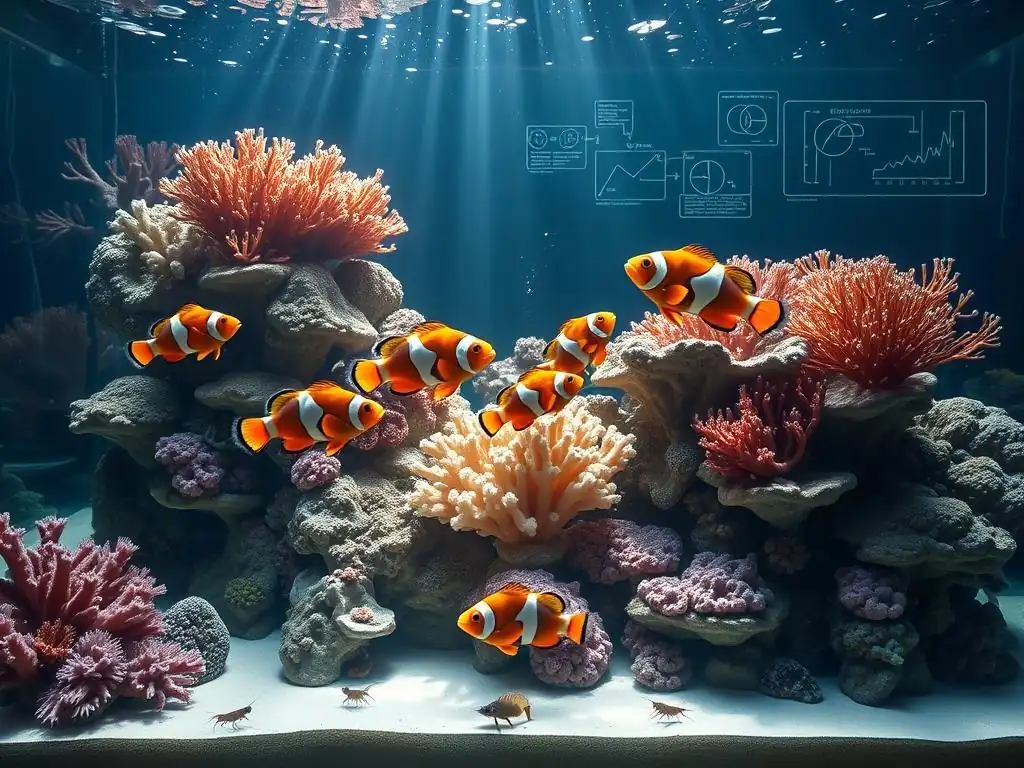
Ever wondered about the secrets behind those vibrant, uniquely patterned clownfish you see in reef tanks? This article dives deep into the fascinating world of clownfish breeding, exploring the genetics, pairing strategies, and crucial ethical considerations involved in creating "designer" varieties. Prepare to uncover the science and art behind this captivating aspect of the saltwater aquarium hobby and discover if clownfish breeding genetics strategies ethical practices are right for you. Keep reading to unlock the secrets!
- Clownfish Breeding: Genetics, Pairing, and Ethical Practices
- Understanding Clownfish Breeding
- Clownfish Genetics: Building Blocks of Traits
- Pairing Strategies for Breeding Success
- Spawning to Hatching: The Breeding Process
- Raising Clownfish Fry: Nurturing the Next Generation
- Popular Clownfish Varieties
- Ethical Considerations in Clownfish Breeding
- Health Management in Clownfish Broods
- Advanced Breeding Techniques
- Conclusion: Future of Clownfish Breeding
-
Frequently Asked Questions
- How does genetics play a role in designer clownfish breeding?
- What are some effective pairing strategies for breeding clownfish?
- What ethical considerations should breeders keep in mind when breeding designer clownfish?
- What are the best water parameters for successful clownfish breeding?
- Where can I find more in-depth information about clownfish breeding and genetics?
- Final Reflection: The Future of Responsible Clownfish Breeding
- Unleash the Clownfish Breeder Within!
Clownfish Breeding: Genetics, Pairing, and Ethical Practices
Understanding Clownfish Breeding
Introduction to Clownfish Breeding
Clownfish, with their vibrant colors and captivating symbiotic relationship with anemones, have long been a cornerstone of the marine aquarium hobby. Their popularity has driven significant demand, traditionally met by wild collection. However, in recent decades, captive breeding of clownfish has surged, transforming the industry and offering hobbyists more resilient, disease-resistant fish. This shift not only provides a sustainable source but also opens the door to fascinating genetic exploration and the development of unique "designer" morphs.
Successfully breeding clownfish in a home aquarium requires dedication and a solid understanding of their biology, environmental needs, and reproductive cycles. It's a rewarding endeavor that connects aquarists more deeply with the marine life they cherish, allowing them to observe the entire life cycle from egg to adult fish. The complexities involved, from precise water chemistry to specialized larval feeding, make it a true test of an aquarist's skill.
Motivations for Breeding Clownfish
One primary motivation for engaging in clownfish breeding is the significant economic potential. Designer clownfish morphs, such as 'Lightning Maroon' or 'Picasso' Perculas, can command high prices in the market, often ranging from $100 to over $1,000 per fish, depending on rarity and pattern quality. This demand for unique genetic variations makes breeding a viable small-scale aquaculture venture, reducing the financial barrier to entry compared to some other marine species.
Beyond financial incentives, clownfish breeding plays a crucial role in marine conservation. By providing a consistent supply of tank-bred fish, breeders directly reduce the pressure on wild populations, which face threats from habitat degradation and over-collection. Furthermore, captive-bred clownfish are generally hardier and more adaptable to aquarium life, having never experienced the stress of capture or the transition from the wild. The personal satisfaction of nurturing a new generation of fish and contributing to the hobby's sustainability is also a powerful driver for many aquarists.
Clownfish Genetics: Building Blocks of Traits
Basic Principles of Genetics in Clownfish
At its core, clownfish breeding genetics follows the same fundamental principles as genetics in other organisms. Traits like color, pattern, and fin shape are determined by genes, which are passed down from parent to offspring. Each gene exists in different forms, called alleles, and an individual inherits two alleles for each gene – one from each parent. The combination of these alleles dictates the observable characteristic, or phenotype, of the fish.
Understanding dominant and recessive alleles is crucial for predicting breeding outcomes. For instance, some pattern mutations might be dominant, meaning only one copy of the mutated allele is needed for the trait to be expressed. Others might be recessive, requiring two copies for the trait to appear. Complex traits, like the intricate patterns seen in some designer morphs, are often polygenic, meaning they are influenced by multiple genes interacting with each other.
Genotypes and Phenotypes
In clownfish breeding genetics, the distinction between genotype and phenotype is fundamental. A fish's genotype refers to its specific genetic makeup – the complete set of genes and alleles it possesses. This is the underlying blueprint. For example, a clownfish might have a genotype that carries the gene for a 'Snowflake' pattern, even if it doesn't visibly express it.
The phenotype, on the other hand, is the observable expression of those genes – the physical characteristics you can see, such as its color, the number and shape of its white bars, or its fin structure. While the genotype is fixed, the phenotype can sometimes be subtly influenced by environmental factors like diet or water quality, though genetic predisposition remains the primary determinant. A breeder focusing on clownfish breeding genetics strategies ethical will prioritize healthy phenotypes.
Genes Influencing Color and Patterns
The remarkable diversity in designer clownfish morphs stems from specific genetic mutations that affect pigment cells (chromatophores) or the development of white bands. For example, the 'Naked' clownfish, which lacks white bars entirely, is often attributed to a recessive gene affecting the development of these bands. Conversely, the 'Snowflake' pattern in Ocellaris clownfish, characterized by irregular, splotchy white markings, is typically due to a dominant or co-dominant mutation.
Other mutations influence the distribution and density of different pigment types, such as melanophores (black), xanthophores (yellow/orange), and erythrophores (red). The 'Picasso' trait in Percula clownfish, for instance, results from a genetic alteration that causes the white bands to expand and become highly irregular, often extending into the fins. Breeders carefully select fish exhibiting these unique genetic expressions to propagate desired traits through subsequent generations.
Identifying Desirable Traits
For breeders, identifying desirable traits is the first step in creating new or enhancing existing designer clownfish. This involves a keen eye for aesthetic appeal, such as vibrant, consistent coloration, distinct and symmetrical white patterns (e.g., a perfectly symmetrical 'Snowflake' pattern, or bold, well-defined bars), and a healthy, robust body shape. Breeders might look for specific characteristics like the extent of white on a 'Picasso' clownfish or the intricate 'lightning bolt' markings on a 'Lightning Maroon'.
Beyond aesthetics, desirable traits also include strong health, good growth rates, and a calm temperament. A fish that consistently produces healthy offspring with the desired visual characteristics is considered highly valuable for a breeding program. Meticulous observation and record-keeping are essential to track these traits across generations and make informed decisions about which individuals to select for future pairings, optimizing for both beauty and vitality in clownfish breeding genetics.
Pairing Strategies for Breeding Success
Choosing Compatible and Healthy Pairs
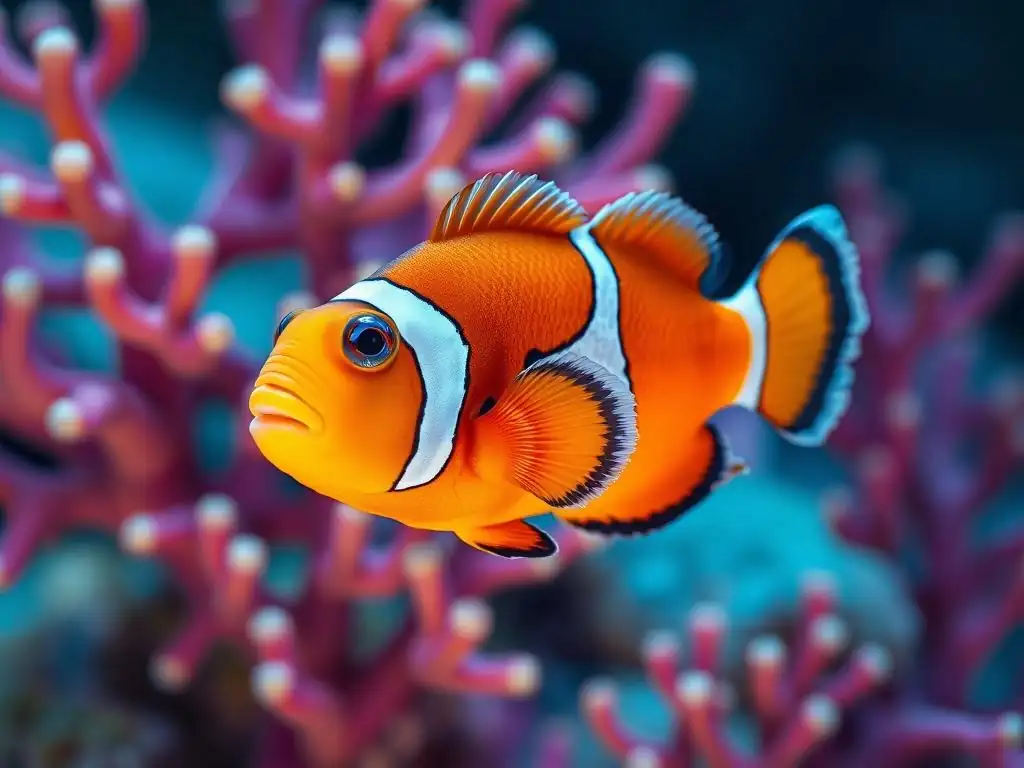
Successful clownfish breeding begins with the careful selection of parent stock. It is crucial to choose healthy, sexually mature individuals, typically at least 1.5 to 2 years old, as younger fish may not be consistent breeders. A key aspect of clownfish pairing is their protandrous hermaphroditism: all clownfish are born male, and the largest, most dominant fish in a group will transition into a female. Therefore, a successful pair usually consists of one significantly larger fish (the female) and one smaller fish (the male).
When introducing a pair, it's often best to add the smaller, presumed male first, allowing it to establish territory, and then introduce the larger, presumed female. This minimizes aggression. Alternatively, raising a small group of juveniles together and allowing them to pair naturally can be effective, though requires a larger initial tank. Observe for signs of compatibility, such as swimming together, mutual grooming, and defending a shared territory, rather than persistent aggression.
Setting Up a Breeding Tank
A dedicated breeding tank is essential for optimal clownfish breeding success. A tank size of 20 to 40 gallons is typically sufficient for a single pair, providing enough space without being excessively large or difficult to manage. The setup should be minimalistic: a bare bottom or a very thin layer of sand is often preferred for easier cleaning and egg retrieval. Crucially, a suitable spawning surface must be provided. This can be a terra cotta pot, a smooth piece of tile, or a flat rock, positioned in a low-flow area where the fish can easily access and guard it.
Essential equipment includes reliable filtration (e.g., a hang-on-back filter or small sump system), a heater to maintain stable temperatures, and gentle aeration (an air stone) to ensure good oxygen levels. Lighting should be consistent, simulating a natural day/night cycle, which can help trigger spawning. The tank should be isolated from high traffic areas to minimize stress, providing a calm environment conducive to reproduction.
Conditioning Clownfish for Spawning
Proper conditioning through diet and water quality is paramount to encourage clownfish to spawn regularly. A varied, high-quality diet rich in protein and essential fatty acids is critical. Feed the pair multiple times a day (3-5 times), offering a mix of live foods like enriched brine shrimp and mysis shrimp, high-quality frozen foods, and premium pellet or flake foods. Supplementing their diet with vitamin enrichments, such as Selcon, can further boost their nutritional intake, promoting gonad development and egg viability.
Stable and optimal water parameters are equally important. Maintain a temperature range of 78-80°F (25.5-26.7°C), salinity at 1.024-1.026, and pH between 8.0-8.4. Regular, small water changes (e.g., 10-20% weekly) are essential to keep nitrates low and replenish trace elements. Consistent water quality reduces stress and signals to the fish that conditions are favorable for reproduction, often leading to more frequent and successful spawns.
Diet and Water Quality
The diet of breeding clownfish must be exceptionally rich and varied to support the energy demands of egg production and spawning. Live foods, such as live mysis shrimp and copepods, are highly beneficial due to their natural nutritional profile and the hunting instinct they stimulate. Frozen foods, including enriched brine shrimp, bloodworms, and various marine blends, should be rotated.
High-quality dry foods, such as specialized marine pellets, can supplement these, ensuring a broad spectrum of nutrients. For added benefit, foods can be soaked in supplements like DHA/EPA-rich oils or vitamin complexes to enhance fatty acid and vitamin content, crucial for egg development.
Water quality must be pristine and consistent. Parameters such as alkalinity (8-12 dKH), calcium (400-450 ppm), and magnesium (1200-1350 ppm) should be monitored and maintained within optimal ranges, as these contribute to overall fish health and the successful development of eggs. Ammonia and nitrite must remain undetectable, and nitrates should be kept below 10-20 ppm through regular water changes and efficient filtration. Unstable or poor water conditions can lead to stress, reduced spawning frequency, and lower egg viability, undermining clownfish breeding efforts.
Spawning to Hatching: The Breeding Process
Recognizing Spawning Behavior
Observing the distinct spawning behavior of clownfish is an exciting phase for any breeder. Days before laying eggs, the pair will begin "cleaning" their chosen spawning site, meticulously mouthing and fanning a specific area on their pot, tile, or rock. The male will often become more attentive to the female, engaging in fin twitching, body quivering, and nudging behaviors. Both fish may exhibit increased aggression towards any perceived threats in the tank, even their own reflection.
During the actual spawning, the female will make repeated passes over the cleaned surface, carefully depositing rows of tiny, oval-shaped eggs. The male follows closely behind, fertilizing the eggs with each pass. A typical clutch can range from a few hundred to over a thousand eggs, appearing orange or dark brown when freshly laid. Spawning usually occurs in the late afternoon or early evening and can last for an hour or more, resulting in a neat, compact cluster of eggs.
Caring for Eggs: Incubation
Once the eggs are laid, both parent clownfish take on the vital role of caring for them during the incubation period, which typically lasts 7-10 days, depending on water temperature (warmer temperatures accelerate development). The male usually assumes primary responsibility, constantly fanning the eggs with his fins to ensure proper oxygenation and prevent fungal growth. He will also meticulously mouth and clean the eggs, removing any infertile or diseased ones, which appear opaque white or fuzzy.
Breeders should avoid disturbing the parents during this crucial time. While parents are generally diligent, occasionally a batch of eggs may become neglected or succumb to fungus if conditions are not optimal. In such cases, some breeders opt to remove the entire tile or pot with the eggs to a separate hatching tank, where controlled aeration and a low dose of antifungal medication can be applied, though this approach carries its own risks and is generally not necessary with attentive parents.
Hatching Larvae: Initial Care
The hatching of clownfish larvae is a delicate event, usually occurring after the lights go out on the final day of incubation. The tiny larvae, approximately 3-4 millimeters long, are planktonic and will drift towards any light source. Their survival in the first few hours is critical and heavily dependent on being transferred to a dedicated rearing tank immediately, as they are extremely vulnerable to predation from adult fish or being sucked into filtration systems.
To collect the larvae, breeders often use a flashlight to attract them and then gently siphon them into a separate, pre-prepared rearing tank. This tank should be bare-bottomed, with gentle aeration (an air stone) and a minimal filtration system, such as a sponge filter, to avoid harming the fragile fry. The water in the rearing tank should match the parameters of the breeding tank to prevent osmotic shock. The first few days are the most challenging, as the fry are highly susceptible to water quality issues and require immediate access to appropriate first foods.
Raising Clownfish Fry: Nurturing the Next Generation
First Foods: Rotifers and Copepods
The initial feeding of clownfish fry is the most critical and challenging aspect of clownfish breeding. Due to their incredibly small mouthparts (often less than 100 microns), newly hatched clownfish larvae require live, microscopic organisms as their first food source. L-type rotifers (Brachionus plicatilis) are the gold standard and absolute necessity for the first 7-10 days. These rotifers must be cultured in advance and fed continuously to the fry in sufficient densities, typically 10-15 rotifers per milliliter of water.
To ensure the rotifers provide adequate nutrition, they must be "gut-loaded" or enriched with high-quality phytoplankton (e.g., Nannochloropsis or Isochrysis) for several hours before being fed to the fry. This process ensures the rotifers are packed with essential fatty acids (DHA and EPA) and vitamins that are vital for the fry's development and survival. As the fry grow, usually around day 5-7, small copepods (e.g., Tisbe or Tigriopus species) can be introduced as a larger, more nutritious live food source, supplementing or eventually replacing rotifers.
Maintaining Water Quality for Fry
Clownfish fry are incredibly sensitive to water quality, making pristine and stable conditions paramount for their survival. Ammonia and nitrite are highly toxic to fry, even at very low concentrations, so daily monitoring and proactive management are essential. Small, frequent water changes (e.g., 10-20% daily) are often employed in rearing tanks to dilute waste products and maintain stability. Some breeders also utilize drip systems, constantly adding fresh, conditioned saltwater while siphoning off excess.
Filtration in fry tanks must be gentle to avoid harming the delicate larvae. Sponge filters are commonly used as they provide biological filtration without strong currents. Overfeeding, which can quickly foul the water, must be avoided, but enough food must be present to ensure all fry can eat. Maintaining consistent temperature (78-80°F or 25.5-26.7°C) and salinity (1.024-1.026) is also vital, as fluctuations can induce stress and lead to high mortality rates in the fragile fry.
Weaning Fry onto Prepared Foods
Around 10-14 days post-hatch, as clownfish fry grow and their mouthparts enlarge, they can begin the process of weaning onto prepared foods. This transition is crucial for reducing reliance on labor-intensive live food cultures. Start by introducing finely crushed, high-quality flake food or powdered pellets alongside the live rotifers and copepods. The goal is to gradually accustom the fry to non-living food sources.
Over the next 2-3 weeks, slowly reduce the amount of live food offered while increasing the quantity and size of prepared foods. Many breeders use a mix of finely ground flakes, small pellets, and even frozen cyclop-eeze or baby brine shrimp as intermediate foods. By 4-6 weeks post-hatch, most clownfish fry should be fully weaned onto prepared foods and growing rapidly, ready for larger rearing tanks or eventual sale to hobbyists. This successful transition is a major milestone in the clownfish breeding process.
Popular Clownfish Varieties
Ocellaris Clownfish Variations
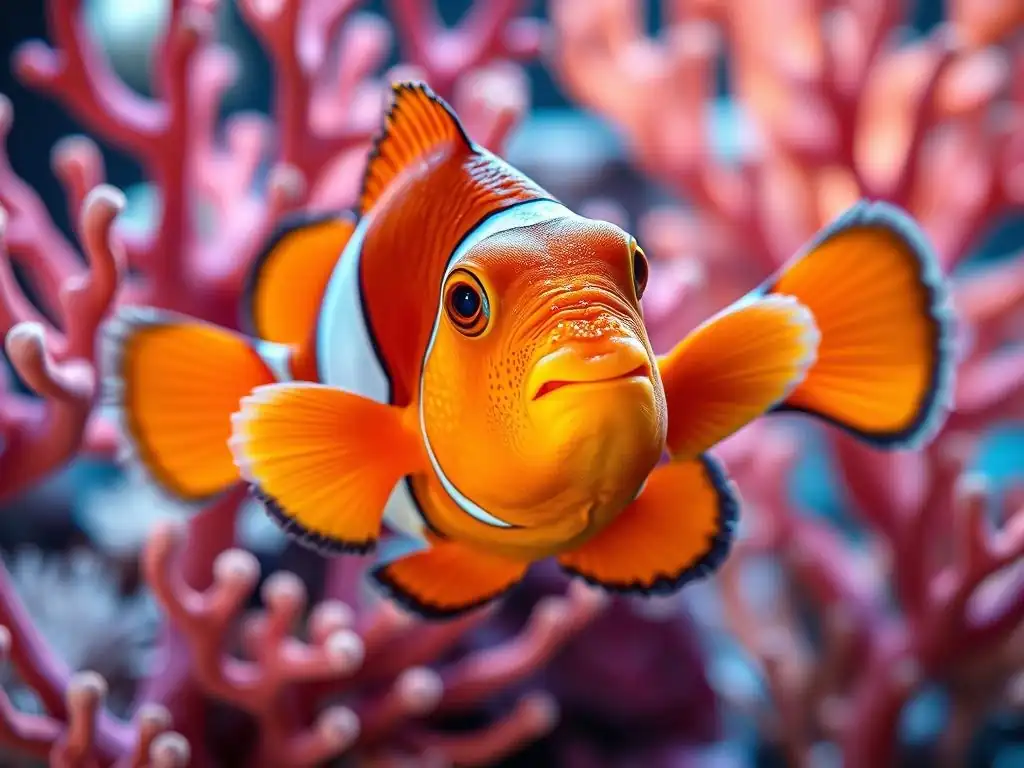
The Ocellaris Clownfish (Amphiprion ocellaris) is perhaps the most popular species for captive breeding, owing to its peaceful nature and relatively straightforward breeding habits. Beyond the standard orange with three white bars, selective clownfish breeding has produced a stunning array of variations. The 'Snowflake' Ocellaris features irregular, splotchy white patterns that can cover a significant portion of its body, often valued for the uniqueness of each individual's markings. The 'Darwin Ocellaris' is a naturally occurring black Ocellaris with white bars, originating from the Darwin region of Australia, and is highly sought after.
Other notable Ocellaris morphs include the 'Phantom' (missing one or more white bars), 'Misbar' (incomplete or broken white bars), and 'Black Ice' (a hybrid cross with a Darwin Ocellaris, resulting in a black body with extensive white patterns). These variations are typically the result of specific genetic mutations affecting pigment development or bar formation, and breeders continually strive to refine and stabilize these patterns. A high-quality 'Snowflake' can retail for $50-$150, while a 'Darwin Ocellaris' might fetch $80-$200.
Percula Clownfish Variations
The True Percula Clownfish (Amphiprion percula) shares a close resemblance to the Ocellaris but often exhibits more vibrant orange coloration, typically outlined in black. Percula variations are among the most striking designer morphs. The 'Picasso' Percula is renowned for its highly irregular, expanded white patterns that often extend into the fins, creating a unique, abstract look. Higher-grade 'Picassos' with more extensive and symmetrical white markings command premium prices, often between $100 and $300.
The 'Platinum' Percula is another stunning morph, characterized by an almost entirely white body with minimal orange, often a result of extensive white barring. 'Gladiator' Perculas combine traits of 'Picasso' with more extensive white coverage. These variations often arise from complex genetic interactions or multiple mutations, making their consistent reproduction a challenge and a testament to advanced clownfish breeding genetics strategies ethical practices. A 'Platinum' Percula can easily sell for $200-$500, reflecting its rarity and beauty.
Hybrid Clownfish
Hybrid clownfish are the offspring resulting from the cross-breeding of two different clownfish species, most commonly the Ocellaris and True Percula. While these species are closely related and can interbreed, the resulting hybrids often display unique combinations of traits from both parents, leading to novel appearances. Some breeders intentionally create hybrids to produce aesthetically distinct fish that cannot be found in purebred lines.
However, the creation of hybrid clownfish is a topic of ongoing debate within the aquarium community, raising several ethical considerations in clownfish breeding. While some hybrids are visually striking, their long-term health, fertility, and genetic stability can be unpredictable. There are concerns about potential genetic abnormalities, reduced vigor, or even sterility in later generations. Responsible breeders approach hybridization with caution, prioritizing the welfare of the fish and avoiding practices that could lead to genetic dilution or issues if these fish were ever to enter natural ecosystems.
Lightning Maroon Clownfish
The 'Lightning Maroon' Clownfish (Premnas biaculeatus) stands out as one of the most famous and highly sought-after designer morphs, originating from a single wild-caught specimen from Papua New Guinea. This stunning variation of the Maroon Clownfish is characterized by intricate, branching white patterns that resemble lightning bolts, contrasting sharply with its deep maroon body. Unlike many other designer morphs that are the result of selective breeding over generations, the 'Lightning Maroon' is a natural mutation that was then line-bred to stabilize the trait.
Its rarity and unique aesthetic contribute to its exceptionally high market value, with single specimens often selling for $1,000 to $5,000 or more, particularly for well-patterned individuals. The successful establishment of breeding lines for 'Lightning Maroons' has been a significant achievement in the field of clownfish breeding genetics, demonstrating the potential for natural mutations to create highly desirable and valuable aquarium fish, while also highlighting the importance of responsible propagation to ensure genetic diversity.
Picasso Clownfish
The 'Picasso' Clownfish is a highly popular designer morph of the True Percula Clownfish (Amphiprion percula). It is distinguished by its unique and highly irregular white bands, which often expand and break up into the orange body, creating a "painted" or "splattered" effect, hence its name. Unlike the clean, distinct bars of a standard Percula, the 'Picasso' pattern is erratic and variable, with no two fish having exactly the same markings.
This trait is typically inherited as a dominant or co-dominant gene, making it relatively straightforward for breeders to produce 'Picasso' offspring when one or both parents carry the gene. The quality of a 'Picasso' is often judged by the extent and symmetry of its white markings, with higher-grade specimens displaying more extensive and visually appealing patterns. Its popularity underscores the significant impact of clownfish breeding genetics in transforming the aesthetic landscape of marine aquariums.
Ethical Considerations in Clownfish Breeding
Impact on Wild Populations
One of the most significant ethical considerations in clownfish breeding is its profound impact on wild populations. Historically, the vast majority of clownfish in the aquarium trade were collected from coral reefs, leading to concerns about over-collection and localized depletion in certain areas. Successful captive breeding programs have dramatically shifted this dynamic. Today, a substantial portion of the clownfish available in the hobby are tank-bred, significantly reducing the demand for wild-caught specimens.
This reduction in demand directly alleviates pressure on natural reef ecosystems, allowing wild populations to recover and thrive without the constant stress of collection. By supporting reputable breeders and purchasing tank-bred fish, hobbyists contribute to conservation efforts and promote sustainable practices within the marine aquarium industry. This positive impact underscores the importance of responsible clownfish breeding genetics strategies ethical approaches.
Responsible Breeding Practices
Responsible clownfish breeding extends beyond simply producing offspring; it encompasses a commitment to the health, welfare, and genetic integrity of the fish. This involves providing optimal living conditions for broodstock, including appropriately sized tanks, pristine water quality, and a highly nutritious diet to ensure their long-term health and consistent spawning. Over-breeding, where fish are pushed to spawn too frequently without adequate recovery, should be avoided as it can compromise the health of the parent fish.
Furthermore, responsible breeders prioritize genetic diversity within their lines. This means avoiding excessive inbreeding, which can lead to inbreeding depression – a reduction in fertility, growth rates, and increased susceptibility to disease. Maintaining detailed records of lineage and occasionally introducing new, unrelated bloodlines helps ensure the vigor and resilience of future generations, upholding the ethical standards of clownfish breeding.
Addressing Deformities and Health Issues
In any captive breeding program, including clownfish breeding, genetic mutations and environmental factors can sometimes lead to undesirable traits or physical deformities in offspring. These can range from minor cosmetic imperfections to severe issues like bent spines, missing fins, or swim bladder disorders that impair a fish's ability to swim or feed normally. Addressing these issues raises significant ethical questions for breeders.
Responsible breeders have an ethical obligation to humanely manage these situations. This often involves the difficult decision of culling severely deformed or unhealthy fry, rather than allowing them to suffer or selling them to unsuspecting hobbyists. While challenging, this practice ensures that only healthy, robust fish are propagated and offered to the public, maintaining the integrity of the breeding line and upholding the ethical commitment to animal welfare within clownfish breeding.
Ethical Concerns of Hybridization
The deliberate creation of hybrid clownfish, by crossing different species (e.g., Ocellaris and Percula), presents a distinct set of ethical considerations in clownfish breeding. While some hybrids can be visually stunning and unique, there are concerns about their long-term health, genetic viability, and potential impact on natural populations. Hybrids may exhibit unpredictable traits, including reduced fertility, shorter lifespans, or increased susceptibility to specific diseases due to genetic incompatibilities.
A significant ethical concern is the potential for hybrids to dilute the gene pool of wild populations if they were ever to be released into the ocean, even accidentally. This could disrupt natural evolutionary processes and potentially threaten the genetic distinctiveness of wild species. Therefore, breeders engaging in hybridization are ethically bound to ensure their hybrids never enter natural ecosystems and to consider the overall health and well-being of these unique fish, rather than solely focusing on their aesthetic appeal.
Health Management in Clownfish Broods
Common Diseases and Treatment
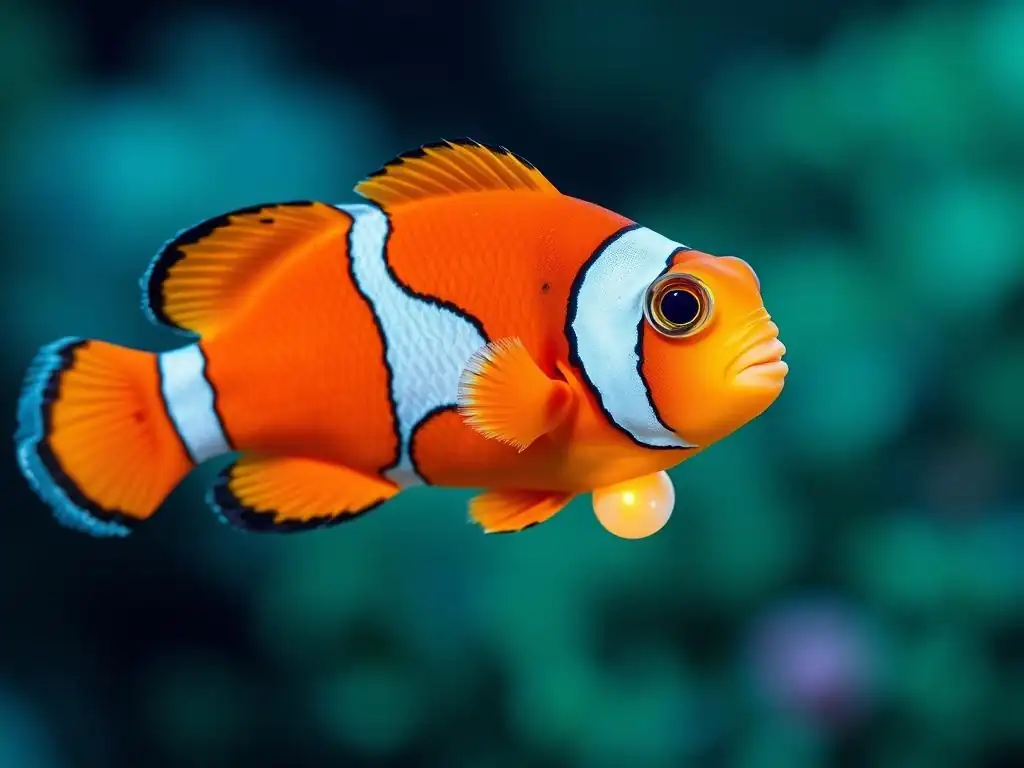
Even with meticulous care, clownfish broods can be susceptible to various diseases, especially during the vulnerable larval and juvenile stages. Common ailments include marine velvet (Oodinium), characterized by a fine, dusty coating on the fish, and marine ich (Cryptocaryon irritans), presenting as small white spots. Bacterial infections, such as fin rot or columnaris, can also occur, often stemming from poor water quality or stress. Fungal infections, though less common, can affect stressed or injured fish.
Treatment strategies vary: freshwater dips can offer temporary relief for external parasites, while copper-based medications are effective against ich and velvet in the absence of invertebrates. Antibiotics are necessary for bacterial infections, often administered through medicated food. Early detection is key; regular observation of fry for behavioral changes or physical signs of illness allows for prompt intervention, significantly increasing survival rates. Maintaining optimal water parameters and nutrition is the first line of defense in preventing these diseases in clownfish breeding.
Quarantine Protocols
Implementing robust quarantine protocols is a cornerstone of responsible clownfish breeding and health management. All new adult fish intended for a breeding program should undergo a strict quarantine period of at least 4-6 weeks in a separate tank. During this time, they can be observed for signs of disease, treated if necessary, and conditioned without the risk of introducing pathogens to the established breeding pair or fry. This prevents the devastating spread of diseases like ich, velvet, or bacterial infections into the main breeding system.
Similarly, once clownfish fry are weaned and growing, a short quarantine period before selling or transferring them to a display tank can be beneficial. This allows for observation of any stress-induced illnesses or lingering issues from the rearing process, ensuring that only healthy, robust juveniles are passed on to hobbyists. A proper quarantine setup includes separate filtration, heating, and aeration, minimizing cross-contamination and upholding the highest standards in clownfish breeding genetics strategies ethical practices.
Optimal Water Parameters
Maintaining optimal and stable water parameters is paramount for the health and productivity of both adult clownfish breeders and their delicate fry. For adult pairs, consistent salinity (1.024-1.026 specific gravity), temperature (78-80°F or 25.5-26.7°C), and pH (8.0-8.4) are crucial for inducing spawning and ensuring egg viability. Alkalinity (8-12 dKH), calcium (400-450 ppm), and magnesium (1200-1350 ppm) should also be kept within ideal ranges, as they support overall physiological health and bone development.
For fry, these parameters are even more critical. Ammonia and nitrite must remain at zero, and nitrates should be kept as low as possible, ideally below 5 ppm, as fry are extremely susceptible to waterborne toxins. Slight deviations can cause immense stress, weaken immune systems, and lead to high mortality rates. Regular testing and small, frequent water changes are essential to ensure these parameters remain stable, providing the best possible environment for the next generation of clownfish.
Advanced Breeding Techniques
Selective Breeding for Traits
Selective breeding is a sophisticated and powerful technique employed by advanced clownfish breeding enthusiasts to enhance specific desirable traits or develop entirely new designer morphs. This involves carefully choosing parent fish that exhibit the most pronounced or unique characteristics (e.g., intense coloration, symmetrical patterns, or extensive white markings) and pairing them with the goal of producing offspring that inherit and ideally exaggerate these traits. Over multiple generations, consistent selection and controlled breeding can stabilize a desired pattern, making it a reliable outcome.
For instance, to develop a 'Picasso' Percula with more extensive white coverage, a breeder might select two 'Picasso' parents that already show high-grade patterns. The offspring are then meticulously evaluated, and only those displaying the most desirable characteristics are chosen as future broodstock. This process requires patience, detailed record-keeping, and a deep understanding of clownfish breeding genetics, as it can take several generations to achieve a stable and consistent lineage for complex traits.
Avoiding Genetic Bottlenecks
A significant challenge in any closed breeding population is the risk of a genetic bottleneck, which occurs when a breeding line is established from too few individuals, leading to a severe reduction in genetic diversity. This lack of diversity makes the population more susceptible to diseases, reduces fertility, and can lead to inbreeding depression, where desirable traits diminish over time. For long-term success in clownfish breeding, avoiding genetic bottlenecks is crucial.
Strategies to mitigate this risk include starting with a diverse founder population (e.g., 6-8 unrelated individuals), maintaining multiple breeding pairs from different genetic lineages, and periodically introducing new, unrelated bloodlines into the breeding program. Detailed record-keeping of parentage and lineage helps track genetic diversity and identify when new genetic material might be needed to maintain vigor and prevent the accumulation of undesirable recessive traits.
Record Keeping for Lineage
Meticulous record-keeping is an indispensable practice for any serious clownfish breeding operation, particularly for those focused on advanced techniques and genetic development. Comprehensive records should include:
- Parentage: Identifying the specific male and female for each spawn.
- Spawning Dates: Tracking the frequency and regularity of spawns.
- Egg Counts & Hatch Rates: Quantifying productivity and fertility.
- Fry Survival Rates: Monitoring success at different developmental stages.
- Environmental Parameters: Documenting water quality, temperature, and diet during conditioning and rearing.
- Observations: Noting any unique traits, deformities, or health issues in the offspring.
These records are invaluable for tracking genetic lines, identifying successful pairings that consistently produce desired traits, and making informed decisions about future breeding strategies. They allow breeders to analyze patterns, predict outcomes, and effectively manage genetic diversity, ensuring the long-term health and quality of their clownfish lines. This systematic approach is a hallmark of ethical and successful clownfish breeding genetics strategies ethical practices.
Conclusion: Future of Clownfish Breeding
Balancing Aesthetics and Ethics
The future of clownfish breeding lies in a delicate balance between the relentless pursuit of novel and aesthetically captivating designer morphs and a steadfast commitment to ethical breeding practices. While the demand for unique patterns and vibrant colors continues to drive innovation in clownfish breeding genetics, it is paramount that breeders prioritize the health, genetic diversity, and welfare of their fish above all else. This means avoiding practices that could lead to widespread deformities, weakened immune systems, or reduced vitality for the sake of a striking appearance.
Responsible breeders understand that true success is not just measured by the beauty of the fish produced, but by their robustness, longevity, and overall well-being. By adhering to high standards of care, making informed genetic choices, and addressing potential issues like inbreeding or deformities ethically, the hobby can continue to flourish in a way that benefits both the fish and the aquarist community. The clownfish breeding genetics strategies ethical framework will guide this balance.
Breeder's Role in Conservation
Clownfish breeders play an increasingly vital role in marine conservation. By providing a sustainable source of tank-bred fish, they significantly reduce the demand for wild-caught specimens, thereby alleviating pressure on natural reef ecosystems that are already facing numerous environmental challenges. Every tank-bred clownfish sold is one less fish taken from the ocean, contributing directly to the health and resilience of wild populations.
Beyond simply supplying fish, breeders also have an opportunity to educate hobbyists about the benefits of purchasing tank-bred marine life. They can promote awareness about responsible aquaculture, highlight the ecological impact of wild collection, and advocate for sustainable practices within the industry. This active involvement positions breeders not just as producers, but as stewards of marine life and advocates for ocean health, embodying the core tenets of clownfish breeding genetics strategies ethical responsibility.
Resources for Breeders
For both aspiring and experienced clownfish breeding enthusiasts, a wealth of resources exists to support their endeavors. Online forums and dedicated social media groups provide platforms for sharing knowledge, troubleshooting challenges, and connecting with a global community of breeders. Websites like Aquarium Mastery offer detailed guides on every aspect of clownfish care and breeding, from setting up a breeding tank to advanced larval rearing techniques.
Joining local aquarium clubs or marine aquaculture associations can also provide invaluable hands-on learning opportunities, mentorship, and access to local networks for sharing broodstock, live foods, and equipment. Reputable suppliers specializing in aquaculture products, such as live rotifer cultures, phytoplankton, and specialized fry foods, are essential partners. Continuous learning, through scientific articles, online webinars, and practical experience, is key to refining techniques and adapting to new advancements in the dynamic field of clownfish breeding.
Frequently Asked Questions
How does genetics play a role in designer clownfish breeding?
Genetics are crucial in designer clownfish breeding because they determine the traits passed down to offspring, influencing color patterns, fin shapes, and overall appearance. Breeders use genetics to selectively breed for desirable traits.
What are some effective pairing strategies for breeding clownfish?
Effective pairing strategies often involve introducing a larger, more dominant female to a smaller, less dominant male. Ensuring a compatible pair by monitoring their behavior is also vital. It's important to provide a suitable environment.
What ethical considerations should breeders keep in mind when breeding designer clownfish?
Ethical considerations involve preventing overbreeding to avoid health problems and genetic defects. Responsible breeders also focus on high welfare standards for their fish and avoid breeding for extreme traits that may compromise their health.
What are the best water parameters for successful clownfish breeding?
Stable water parameters are essential for clownfish breeding. Maintaining a specific temperature range, appropriate salinity, and low levels of nitrates are vital for egg development and fry survival.
Where can I find more in-depth information about clownfish breeding and genetics?
AquariumMastery.com offers detailed articles and resources on clownfish breeding, genetics, and ethical considerations. You'll find guides on water chemistry, pairing strategies, and troubleshooting common problems.
Final Reflection: The Future of Responsible Clownfish Breeding
The intricacies of clownfish breeding, as explored in this article, are not merely academic; they represent a microcosm of our broader responsibility towards sustainable practices in the aquarium trade. The delicate balance between satisfying consumer demand for designer clownfish and upholding ethical breeding standards is a challenge we must actively confront, ensuring the long-term health and genetic diversity of these captivating creatures.
This journey into clownfish genetics and pairing strategies has illuminated the profound impact our choices have on the future of these species. It's a reminder that our actions, however small they may seem, ripple outwards, affecting the delicate ecosystems from which these fish originate. The greatness of a nation and its moral progress can be judged by the way its animals are treated.
- Mahatma Gandhi. This quote resonates deeply, urging us to consider the ethical implications of our pursuit of beauty and novelty in the aquarium hobby.
As we conclude, let us not simply admire the vibrant colors and unique patterns of designer clownfish. Instead, let us commit to becoming informed consumers, supporting breeders who prioritize ethical practices and genetic diversity. Consider the legacy you wish to leave behind. Will it be one of unsustainable exploitation, or one of responsible stewardship, ensuring that future generations can marvel at the beauty and wonder of these magnificent creatures? The choice, ultimately, is yours.
Unleash the Clownfish Breeder Within!
Thank you for diving deep into the fascinating world of designer clownfish breeding. Now that you've explored the genetics, pairing strategies, and ethical considerations, it's time to put that knowledge into action. Let's transform your passion into a vibrant, sustainable reef adventure!
Here’s what you can do right now:
- Start mapping out your clownfish breeding plan. Consider what traits you want to combine, available tank space, and potential ethical implications. A detailed plan is your roadmap to success!
- Explore the resources at your local aquarium club. Connect with experienced breeders, share your ideas, and learn from their insights. A supportive community is invaluable.
- Share this article with fellow reef enthusiasts! Spark a conversation about the responsible breeding of designer clownfish and help raise awareness.
What unique clownfish pairing will you explore, and what specific genetic traits are you hoping to enhance in the next generation?