
Gracilaria Algae: The Beautiful & Functional Macroalgae Your Reef Tank Needs

Welcome to Aquarium Mastery!
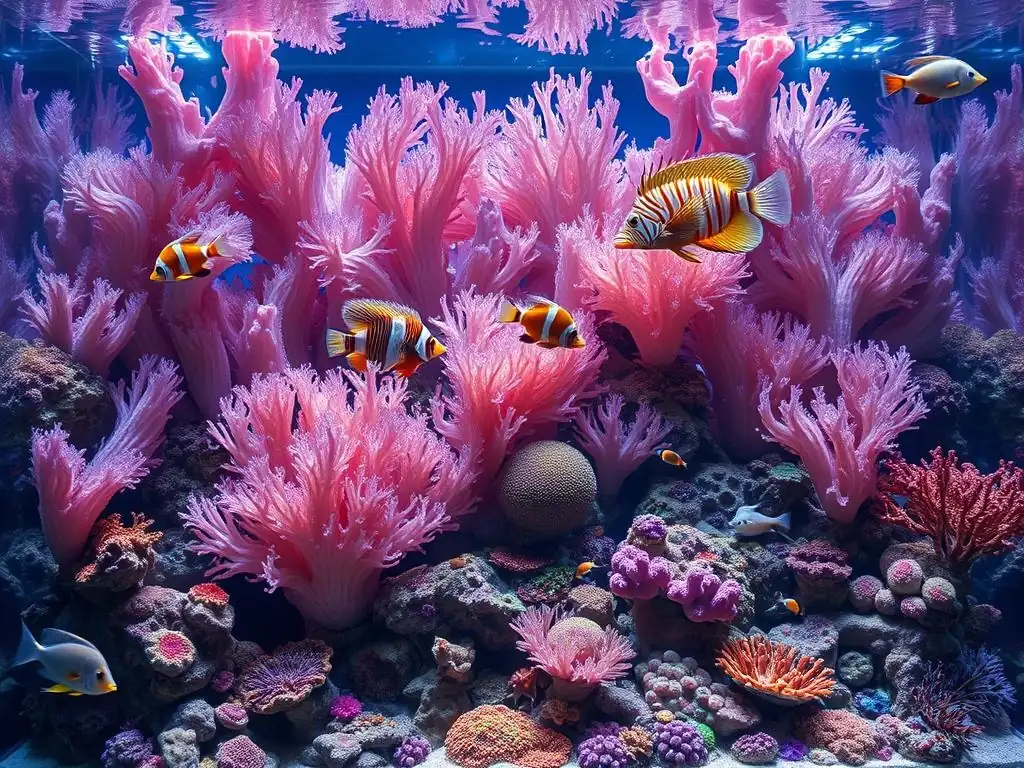
Dive into the fascinating world of reef aquariums! Ever wondered how to naturally enhance your tank's health and beauty? Then you're in the right place. We're thrilled to introduce you to the vibrant and versatile Gracilaria algae, a macroalgae that's not just stunning, but also a powerhouse for your reef ecosystem. Curious to learn how this incredible algae can transform your aquarium? Keep reading to unlock the secrets of Gracilaria and discover why it's the perfect addition to your reef tank!
- What is Gracilaria Algae and Why is it Ideal for Reef Tanks?
- Gracilaria Algae Species for Reef Tanks: A Detailed Overview
- Setting Up Your Reef Tank for Gracilaria Algae: A Comprehensive Guide
- Caring for Gracilaria Algae in Your Reef Tank: Maintenance Tips
- Benefits of Gracilaria Algae in Reef Tank Nutrient Control
- Gracilaria Algae as a Food Source for Reef Tank Inhabitants
- Propagating Gracilaria Algae in Your Reef Tank
- Where to Buy Gracilaria Algae for Your Reef Tank
- Troubleshooting Common Issues with Gracilaria Algae in Reef Tanks
- Conclusion: Embracing Gracilaria Algae for a Thriving Reef Tank
-
Frequently Asked Questions
- How does Gracilaria algae benefit my reef tank?
- Is Gracilaria algae easy to care for in a reef tank environment?
- What are the different types of Gracilaria algae suitable for reef tanks?
- Will Gracilaria algae outcompete my corals for nutrients?
- Where is the best place to position Gracilaria algae in my reef tank for optimal growth?
- Final Reflection: Embracing the Green Heart of Your Reef
- Unlock the Potential of Gracilaria!
What is Gracilaria Algae and Why is it Ideal for Reef Tanks?
Understanding Gracilaria: A Beneficial Macroalgae for Saltwater Aquariums
Gracilaria is a diverse genus of red macroalgae, comprising over 100 species found in marine environments worldwide. These fascinating organisms are typically prevalent in tropical and subtropical waters, often anchoring themselves to rocky substrates or growing free-floating in calm bays. In the context of a controlled aquarium environment, Gracilaria algae serves as a highly beneficial addition, playing crucial roles in nutrient cycling and ecosystem stability. Unlike some other macroalgae, such as certain Caulerpa species that can become invasive, Gracilaria varieties are generally well-behaved and manageable, making them a preferred choice for a well-balanced Gracilaria algae reef tank.
Their primary function in a saltwater aquarium is acting as a natural filter, absorbing excess nitrates and phosphates that can accumulate from fish waste and uneaten food. This nutrient export capability helps maintain pristine water quality, which is vital for the health of corals and other sensitive invertebrates. Additionally, Gracilaria provides a complex, three-dimensional habitat that fosters the growth of beneficial microfauna like copepods and amphipods, enriching the tank's biodiversity and providing a live food source for many inhabitants.
The Aesthetic Appeal of Gracilaria in Reef Aquariums
Beyond its functional benefits, Gracilaria algae offers significant aesthetic value, enhancing the visual appeal of a reef aquarium with its vibrant colors and unique textures. These macroalgae come in a striking array of hues, including various shades of red, pink, orange, and even green, depending on the specific species and the lighting conditions under which they are grown. This natural color palette provides a beautiful contrast to the often more muted tones of live rock and corals, adding depth and visual interest to the aquascape.
Specific species like Gracilaria Hayi, often referred to as red grape algae, are particularly prized for their distinctive, small, grape-like structures that create a bushy and intricate appearance. Similarly, Gracilaria parvispora, known as Red Ogo, forms a dense, branching bush of deep red fronds. Integrating these visually appealing forms of Gracilaria algae into your reef tank can transform it into a more natural and dynamic display, mimicking the rich biodiversity of natural reef environments.
Functional Benefits of Gracilaria Algae for Reef Tank Ecosystems
The integration of Gracilaria algae into a reef tank ecosystem provides a multitude of functional benefits that contribute to overall tank health and stability. Foremost among these is its exceptional capacity for nutrient export. As it grows, Gracilaria efficiently absorbs undesirable compounds such as nitrates and phosphates directly from the water column, acting as a powerful biological filter. This process significantly reduces the burden on mechanical and chemical filtration, leading to cleaner water and fewer issues with nuisance algae outbreaks.
Furthermore, the photosynthetic activity of Gracilaria contributes to oxygenation within the aquarium, releasing oxygen into the water during its light cycle. When placed in a refugium with a reverse photoperiod, this oxygen production can help stabilize pH levels, counteracting the natural pH drop that occurs during the main tank's dark cycle due to respiration.
The dense structure of Gracilaria also creates an ideal habitat for beneficial copepods and amphipods, which are crucial components of the reef tank food web, serving as a natural food source for fish and corals and helping to maintain a robust biological balance in any Gracilaria algae reef tank.
Gracilaria Algae Species for Reef Tanks: A Detailed Overview
Gracilaria Hayi: A Popular Choice for Reef Aquarists
Gracilaria Hayi, commonly known as Red Grape Algae, is one of the most sought-after species of Gracilaria for reef aquarists, primarily due to its distinctive aesthetic appeal and effective nutrient removal capabilities. This species is characterized by its small, spherical, grape-like structures that cluster together, forming vibrant red to purplish-red bushes. Its unique texture and color provide a beautiful contrast against the typical green macroalgae or the more subdued tones of live rock and corals, making it an excellent addition to the display section of a Gracilaria algae reef tank.
In terms of growth, Gracilaria Hayi typically exhibits a moderate growth rate, which makes it relatively easy to manage and prevent overgrowth in a mixed reef environment. It thrives under moderate to high lighting and consistent water parameters, effectively absorbing nitrates and phosphates as it grows. Its appealing appearance combined with its functional benefits make it a top choice for those looking to enhance both the beauty and the health of their saltwater aquarium.
Gracilaria Parvispora (Ogo): Nutritional Powerhouse for Herbivores
Gracilaria Parvispora, widely recognized as Ogo or Red Ogo, stands out as a highly nutritious species of macroalgae, making it an exceptional food source for herbivorous marine fish and invertebrates. This species typically forms dense, bushy, and branching structures, presenting in deep red to maroon colors. Beyond its ornamental value, its significant nutritional profile, rich in essential vitamins, minerals, and proteins, makes it a staple in the diets of many marine grazers.
Often cultivated for human consumption in regions like Hawaii, Ogo's palatability and robust nutritional content translate directly to benefits for reef tank inhabitants. When offered to herbivorous fish such as tangs, rabbitfish, and certain angelfish, Gracilaria Parvispora promotes vibrant coloration, robust health, and natural foraging behaviors. Its ability to grow relatively quickly under optimal conditions also means it can provide a continuous supply of fresh, live food, further enhancing the biological diversity and food web within your Gracilaria algae reef tank.
Gracilaria Tikvahiae: A Fast-Growing Option for Nutrient Export
Gracilaria Tikvahiae is a species particularly valued for its rapid growth rate and exceptional efficiency in nutrient export, making it an ideal candidate for use in refugiums. While perhaps less visually striking than its counterparts like Gracilaria Hayi, often appearing as a reddish-brown to green, stringy, or branching algae, its functional benefits for water quality management are paramount. Its vigorous growth allows it to quickly absorb significant amounts of nitrates and phosphates from the water column, effectively reducing the nutrient load in a reef system.
Due to its fast-growing nature, Gracilaria Tikvahiae is primarily utilized in dedicated refugium sections or sumps, where its growth can be managed without impacting the aesthetics of the main display tank. Its rapid uptake of undesirable compounds makes it a powerful tool in maintaining low nutrient levels, which is crucial for preventing nuisance algae outbreaks and promoting healthy coral growth. For aquarists aiming for maximum nutrient removal with a minimal footprint, Gracilaria Tikvahiae is an indispensable component of a highly efficient Gracilaria algae reef tank system.
Setting Up Your Reef Tank for Gracilaria Algae: A Comprehensive Guide
Ideal Water Parameters for Gracilaria Growth in a Reef Environment
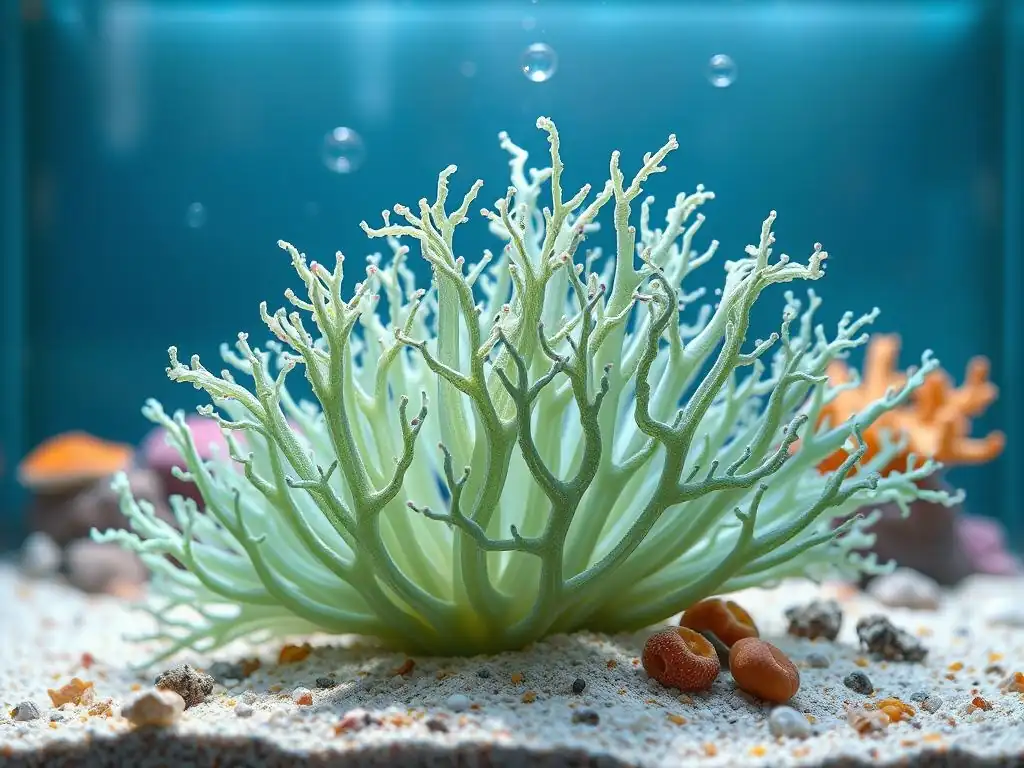
Establishing and maintaining the correct water parameters is paramount for the healthy growth and vibrant coloration of Gracilaria algae in a reef tank. These macroalgae thrive within a stable environment that mirrors natural marine conditions. Optimal water temperature should range between 72-78°F (22-26°C), while salinity levels should be consistent, typically within a specific gravity of 1.023-1.026. Maintaining a stable pH between 8.0 and 8.4 is also crucial for photosynthetic efficiency and overall algal health.
While Gracilaria is highly effective at nutrient export, it still requires detectable levels of nitrates and phosphates to sustain its growth. Ideal nitrate levels for robust growth are generally between 0.2-10 ppm, and phosphates around 0.02-0.1 ppm. If your tank runs excessively clean, with zero nitrates and phosphates, Gracilaria growth may slow or stall. Stable alkalinity (7-12 dKH) and calcium (380-450 ppm) levels, though primarily important for corals, also contribute to a stable environment that benefits Gracilaria algae in your reef tank.
Lighting Requirements for Optimal Gracilaria Algae Health
Lighting is a critical factor influencing the growth rate, color, and overall health of Gracilaria algae. While some species can tolerate lower light conditions, optimal growth and the most vibrant coloration are achieved under moderate to high light intensity. Full-spectrum LED lights are highly recommended, as they provide the complete range of wavelengths necessary for photosynthesis. Incorporating some actinic blue light can also enhance the rich red and pink pigments characteristic of many Gracilaria species, though white light is essential for robust growth.
The duration of lighting, or photoperiod, is also important. Gracilaria typically benefits from a photoperiod of 12-18 hours per day. In a refugium setting, many aquarists choose to run the refugium lights on a reverse photoperiod to the main display tank. For instance, while the main tank lights are off, the refugium lights are on. This strategy helps to stabilize the tank's pH by having photosynthesis occur during the dark hours of the main display, counteracting the natural nighttime pH dip caused by respiration in your Gracilaria algae reef tank.
Substrate and Flow Considerations for Gracilaria
When integrating Gracilaria algae into your reef tank, understanding its substrate and flow requirements is essential for successful establishment and growth. Gracilaria does not typically require a deep sand bed for rooting; instead, it can be placed directly on live rock, in a media basket, or simply allowed to float freely within a dedicated refugium section. Many aquarists find success by loosely containing Gracilaria in a mesh bag or a designated compartment within their sump, allowing for easy harvesting and preventing it from drifting into pumps or overflows.
Moderate water flow is ideal for Gracilaria. Insufficient flow can lead to detritus accumulation within the algae, potentially causing necrosis or hindering nutrient uptake. Conversely, excessively strong flow can damage the delicate fronds of the algae. In a refugium, a gentle tumbling motion created by a small powerhead or the flow from the main display can be highly beneficial, maximizing the algae's exposure to light and nutrient-rich water. This ensures that every part of the Gracilaria algae reef tank biomass is actively contributing to nutrient export and growth.
Caring for Gracilaria Algae in Your Reef Tank: Maintenance Tips
Nutrient Management: Feeding Gracilaria and Maintaining Balance
Gracilaria algae actively consumes nitrates and phosphates from the water column, making it a powerful tool for nutrient export in a reef tank. However, to ensure its vigorous growth and continued effectiveness, it's crucial to provide it with sufficient, but not excessive, nutrients. Gracilaria thrives in water that has detectable levels of nitrates and phosphates, as these are its primary food sources. Regular testing of your tank's water parameters for these compounds is essential; if levels consistently drop to zero, the Gracilaria's growth may stall or even recede, indicating your tank might be too "clean" for its needs.
In such cases, a slight increase in feeding or a reduction in other nutrient export methods (like protein skimming) might be considered to provide enough "fuel" for the algae. Conversely, if nutrient levels are consistently high, the Gracilaria will grow more rapidly, necessitating more frequent harvesting. The key is to find a balance where the Gracilaria is actively growing and consuming nutrients, contributing to the overall stability of your Gracilaria algae reef tank ecosystem.
Preventing Gracilaria Algae Overgrowth in Reef Aquariums
While the rapid growth of Gracilaria is beneficial for nutrient export, unchecked proliferation can become problematic, especially if it's in the display tank. The primary method for preventing Gracilaria algae overgrowth is regular manual trimming and harvesting. Depending on your tank's nutrient load and the species of Gracilaria, this could mean removing 10-20% of the biomass every 2-4 weeks. This not only controls its size but also ensures the export of absorbed nutrients from the system.
For Gracilaria grown in a refugium, containment is key. Utilizing a dedicated section of your sump or a hang-on refugium allows you to control its spread and makes harvesting much easier.
If Gracilaria is in the main display, ensure it's placed in an area where its growth can be easily monitored and trimmed, preventing it from shading corals or impeding water flow. Introducing appropriate herbivorous fish or invertebrates can also help manage growth if the Gracilaria is intended as a food source, though their grazing habits may not always align with your trimming schedule for the Gracilaria algae reef tank.
Dealing with Common Gracilaria Algae Problems: Bleaching and Algae Eaters
Despite its hardiness, Gracilaria algae can encounter issues such as bleaching or excessive consumption by tank inhabitants. Bleaching, where the algae loses its vibrant color and appears pale or translucent, is often a sign of stress. Common causes include too much light intensity, nutrient starvation (especially iron deficiency), or sudden, drastic changes in water parameters like salinity or temperature. If bleaching occurs, consider reducing the light photoperiod or intensity, verifying that nitrates and phosphates are detectable, and ensuring overall water stability in your Gracilaria algae reef tank.
Regarding algae eaters, while many Gracilaria varieties are highly palatable and desirable as food for herbivorous fish and invertebrates, this can sometimes lead to the algae being consumed faster than it can grow. Tangs (e.g., Yellow Tangs, Blue Tangs), rabbitfish, and certain angelfish are known grazers, as are some invertebrates like sea hares and urchins. If your Gracilaria is disappearing too quickly, consider isolating it in a refugium where it can grow undisturbed, or select a less palatable Gracilaria species for the main display if its primary purpose is aesthetic.
Benefits of Gracilaria Algae in Reef Tank Nutrient Control
Gracilaria Algae as a Natural Nitrate Reducer in Reef Tanks
One of the most significant advantages of incorporating Gracilaria algae into a reef tank is its exceptional ability to act as a natural nitrate reducer. Nitrates, a byproduct of the nitrogen cycle, can accumulate in aquariums from fish waste and uneaten food, leading to water quality issues and promoting the growth of nuisance algae. Gracilaria, through its active growth, efficiently absorbs nitrogen compounds directly from the water column, including nitrate and ammonium, converting them into biomass. This process directly removes these undesirable compounds from the system, effectively exporting them when the algae is harvested.
A healthy, actively growing bed of Gracilaria in a refugium can significantly reduce nitrate levels, providing a biological alternative or supplement to chemical filtration methods or frequent large water changes. For example, in a moderately stocked 100-gallon reef system, a 10-gallon refugium densely packed with Gracilaria can process an estimated 5-15 ppm of nitrate per week, though actual rates vary depending on species, light, and nutrient availability. This consistent removal of nitrates by Gracilaria algae helps maintain a stable, low-nutrient environment crucial for the long-term health of corals and fish in your Gracilaria algae reef tank.
Phosphate Removal with Gracilaria Algae in Saltwater Aquariums
In addition to nitrates, Gracilaria algae is highly effective at removing phosphates (PO4) from saltwater aquariums. Phosphates are another problematic nutrient that, when elevated, can fuel aggressive nuisance algae blooms and inhibit the calcification process in corals, ultimately harming their growth and health. Gracilaria actively absorbs phosphates as a vital nutrient for its cellular functions and growth, effectively sequestering these compounds within its tissues.
By continuously drawing phosphates from the water, Gracilaria helps maintain levels below critical thresholds, ideally under 0.05 ppm for most sensitive reef systems. This biological approach to phosphate removal is a sustainable and natural method that complements other nutrient control strategies, such as proper feeding practices and the use of GFO (Granular Ferric Oxide) if needed. Integrating Gracilaria into your nutrient management plan provides a robust defense against high phosphate levels, contributing to a cleaner and healthier Gracilaria algae reef tank.
Maintaining Water Quality with Gracilaria Algae: A Balanced Approach
The holistic impact of Gracilaria algae on water quality extends beyond just nitrate and phosphate removal. By consistently absorbing these excess nutrients, Gracilaria contributes to the overall stability of the entire reef ecosystem. This stability reduces stress on corals and fish, making them more resilient to disease and promoting more vigorous growth. A tank with stable water parameters is less prone to sudden shifts that can trigger problems.
Furthermore, Gracilaria's photosynthetic activity plays a role in pH stabilization. When grown in a refugium with a reverse photoperiod, the algae releases oxygen into the water during the main tank's dark cycle. This oxygen production helps to buffer the natural nighttime pH dip caused by the respiration of tank inhabitants, leading to more stable pH levels throughout the 24-hour cycle. Ultimately, a thriving Gracilaria bed outcompetes undesirable nuisance algae for available nutrients, indirectly keeping the display tank cleaner and maintaining pristine water quality in your Gracilaria algae reef tank through a balanced, biological approach.
Gracilaria Algae as a Food Source for Reef Tank Inhabitants
Feeding Herbivorous Fish with Gracilaria Algae
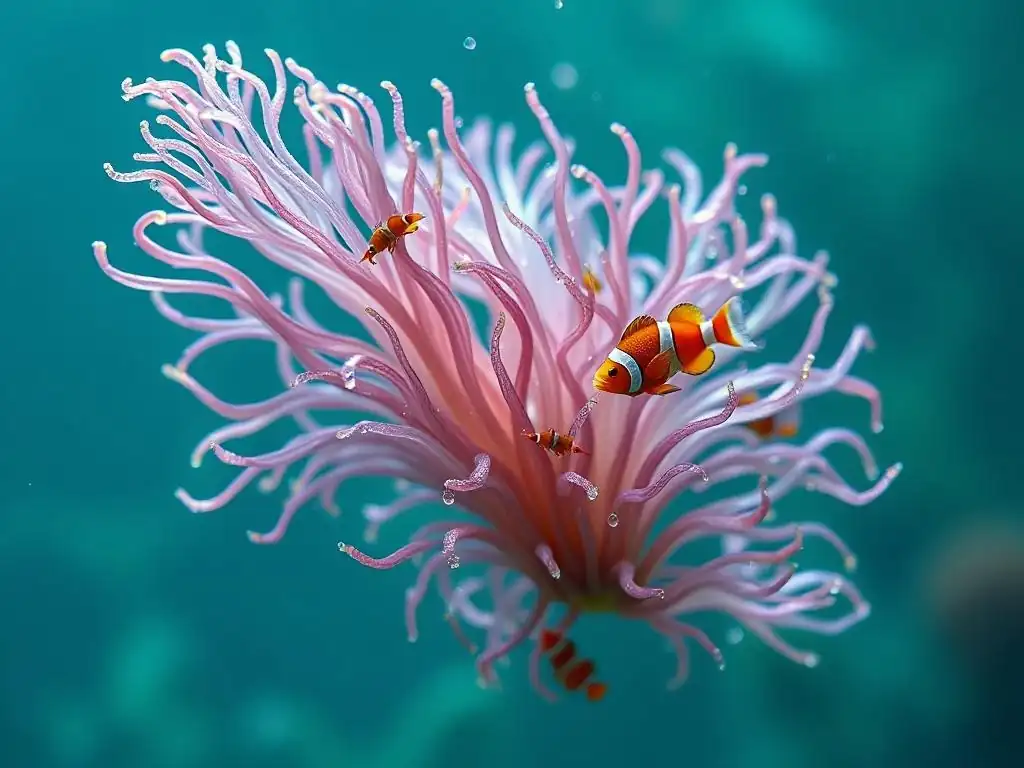
Gracilaria algae, particularly species like Gracilaria parvispora (Ogo), is an excellent natural food source for a wide array of herbivorous marine fish commonly found in reef tanks. Tangs, such as the popular Yellow Tang ( Zebrasoma flavescens) or Blue Tang ( Paracanthurus hepatus), rabbitfish, and certain angelfish readily graze on this nutritious macroalgae. Offering Gracilaria provides these fish with essential vitamins, minerals, and fiber that are crucial for their digestive health, vibrant coloration, and overall well-being.
Unlike dried nori or other prepared foods, live Gracilaria encourages natural foraging behaviors, mimicking the way these fish would graze on algae in their wild habitats. This behavioral enrichment can reduce stress and aggression in the aquarium. You can offer Gracilaria by simply placing a small clump in the tank, using an algae clip to secure it to the glass, or by allowing fish to graze on Gracilaria growing in a dedicated section of the display or refugium, providing a continuous, fresh food supply for your Gracilaria algae reef tank.
Gracilaria: A Natural Food Source for Invertebrates in Reef Tanks
The benefits of Gracilaria as a food source extend beyond fish to a variety of invertebrates that play vital roles in the reef ecosystem. Certain species of snails, such as Turbo snails ( Turbania spp.) and Trochus snails ( Trochus spp.), as well as some hermit crabs and sea hares, will actively graze on Gracilaria, contributing to the tank's cleanup crew. Their natural grazing helps keep the algae in check while providing them with a nutritious diet.
Moreover, the dense, intricate structure of Gracilaria provides an ideal habitat for the proliferation of beneficial microfauna, including copepods and amphipods. These tiny crustaceans, often referred to as "pods," are a crucial component of the reef tank's food web, serving as a live and highly nutritious food source for many corals, small fish (like mandarinfish), and other invertebrates. By fostering a thriving population of these micro-organisms, Gracilaria indirectly supports the health and diversity of the entire Gracilaria algae reef tank.
Supplementing Your Reef Tank Diet with Gracilaria: Best Practices
While Gracilaria algae is a highly beneficial and nutritious food source, it should be considered a supplement rather than the sole dietary component for your reef tank inhabitants. A varied diet is crucial for providing a comprehensive range of nutrients. Therefore, continue to offer high-quality pellets, flakes, frozen foods (such as mysis shrimp or brine shrimp), and other types of marine algae to ensure your fish and invertebrates receive a balanced diet.
If you are growing Gracilaria specifically for feeding, harvest small amounts regularly to encourage continuous growth. Before offering it to your tank inhabitants, it's a good practice to gently rinse the harvested Gracilaria in clean saltwater from the tank to remove any loose detritus or unwanted organisms. Monitor how quickly your tank inhabitants consume the Gracilaria; some fish may prefer it fresh, while others might take time to adjust. Adjust the feeding frequency based on consumption rates to ensure both efficient nutrient export and optimal nutrition for your Gracilaria algae reef tank.
Propagating Gracilaria Algae in Your Reef Tank
Simple Methods for Gracilaria Algae Propagation
Propagating Gracilaria algae in your reef tank is remarkably straightforward, making it easy to maintain a continuous supply for nutrient export or as a food source. The simplest and most common method is fragmentation. To propagate, simply cut a healthy piece of Gracilaria, ideally 2-4 inches long, from an existing clump. These fragments can then be placed in an area of your tank or refugium with good light and moderate flow. The fragments will typically begin to grow from these cut sections, forming new, independent clumps.
Gracilaria does not have complex anchoring requirements. In a display tank, you can attach fragments to live rock using reef-safe gel superglue or by securing them with fishing line until they naturally adhere. However, in a refugium, Gracilaria is often left free-floating or loosely contained within a media basket, allowing for easy expansion and harvesting. Under optimal conditions of sufficient light, nutrients, and stable water parameters, many Gracilaria species can double their biomass in 2-4 weeks, providing a rapid and efficient means of maintaining a thriving Gracilaria algae reef tank.
Creating a Gracilaria Refugium for Enhanced Growth
For aquarists serious about nutrient export and cultivating a robust population of beneficial microfauna, establishing a dedicated Gracilaria refugium is highly recommended. A refugium is a separate compartment, typically in the sump or as an external hang-on unit, designed to provide a stable, controlled environment specifically for macroalgae growth. This isolation protects the Gracilaria from grazing fish and allows for optimized lighting and flow conditions without affecting the main display.
Within the refugium, a dedicated LED grow light, often with a full-spectrum or red/blue biased spectrum, should be used for 12-18 hours daily. Many hobbyists opt for a reverse photoperiod, meaning the refugium lights are on when the main tank lights are off. This strategy helps stabilize the tank's pH by having photosynthesis occur during the main tank's dark cycle, counteracting the natural nighttime pH drop. The controlled environment of a refugium maximizes the growth rate of Gracilaria algae, leading to highly efficient nutrient absorption and a continuous supply of copepods and amphipods for your Gracilaria algae reef tank.
Scaling Up Gracilaria Production for Larger Reef Systems
For very large reef systems, or for aquarists who wish to maintain a consistent and abundant supply of Gracilaria for heavy nutrient export or as a primary food source, scaling up production beyond a standard refugium might be beneficial. This can involve establishing a separate, dedicated grow-out tank specifically for Gracilaria. Such a setup allows for the precise optimization of environmental conditions—lighting, flow, and nutrient dosing—tailored exclusively to the algae's needs, leading to significantly higher growth rates.
Within a dedicated grow-out system, incorporating a tumbling algae reactor can further enhance Gracilaria production. These reactors provide a high-flow, high-light environment that keeps the Gracilaria constantly in motion, maximizing its exposure to light and nutrient-rich water and preventing detritus buildup. Implementing a routine harvesting schedule, such as removing 20-30% of the biomass weekly or bi-weekly, ensures continuous vigorous growth and maximizes the efficiency of nutrient export, supporting the overall health and stability of your large Gracilaria algae reef tank.
Where to Buy Gracilaria Algae for Your Reef Tank
Selecting Healthy Gracilaria Algae Specimens
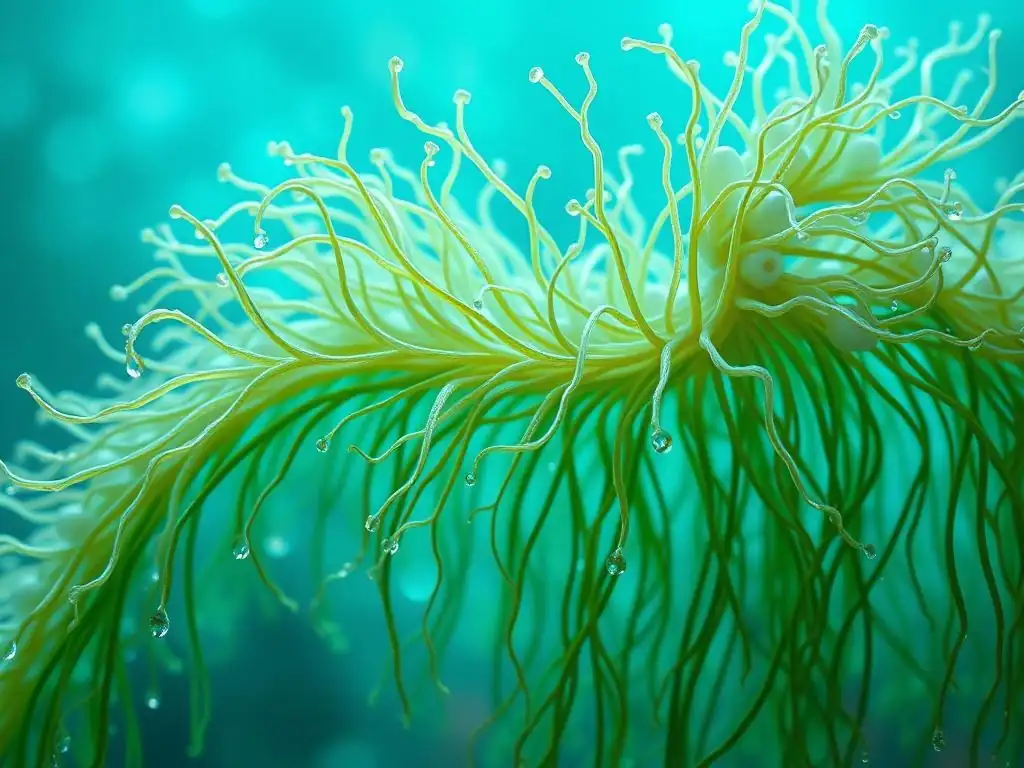
When acquiring Gracilaria algae for your reef tank, selecting healthy specimens is crucial to ensure successful establishment and prevent the introduction of unwanted pests. Visually inspect the algae for vibrant coloration, which should be consistent with the species (e.g., bright red for Gracilaria Hayi, deep maroon for Gracilaria Parvispora). Avoid any pieces that show signs of bleaching, necrosis (dead or decaying tissue), or an excessive amount of detritus trapped within their fronds. Healthy Gracilaria should have a firm, resilient texture, not feel slimy or mushy.
It's also important to carefully examine the algae for any unwanted hitchhikers, such as undesirable microalgae (like hair algae or bryopsis), small aiptasia anemones, or other pests. If possible, consider quarantining new macroalgae in a separate container or small tank for a few days to a week. During this period, you can observe for any pests and ensure the algae is acclimating well before introducing it to your main Gracilaria algae reef tank. A healthy specimen is the foundation for a thriving algae bed.
Reputable Sources for Purchasing Gracilaria
Finding reputable sources for purchasing Gracilaria algae is key to acquiring healthy, pest-free specimens. Many specialized online marine aquarium retailers offer a wide selection of live macroalgae, including various Gracilaria species. When buying online, look for vendors with strong customer reviews, clear shipping policies for live goods, and a reputation for quality control. They often package the algae carefully to ensure its survival during transit.
Local fish stores (LFS) can also be a good option, as they allow for in-person inspection of the Gracilaria before purchase. This direct observation helps you assess the algae's health and check for pests. Additionally, connecting with local reef hobbyist forums or aquarium clubs can be an excellent way to acquire Gracilaria. Often, experienced hobbyists will sell or trade excess algae from their established, healthy tanks, which can be a cost-effective and reliable source for your Gracilaria algae reef tank.
Acclimating New Gracilaria Algae to Your Reef Tank
Proper acclimation of newly acquired Gracilaria algae is important to minimize stress and ensure its successful transition into your reef tank environment. While macroalgae are generally more robust than fish or corals, sudden changes in water parameters can still be detrimental. A drip acclimation method, slowly introducing your tank water to the bag or container holding the new Gracilaria over a period of 30-60 minutes, is recommended to gradually equalize salinity and temperature.
Before adding the Gracilaria to your main display or refugium, perform a thorough visual inspection for any remaining pests or undesirable organisms that may have been missed during initial inspection. A quick, gentle rinse in a separate container of clean saltwater from your tank can help dislodge any loose detritus. Once acclimated and inspected, place the Gracilaria in its intended location, ensuring it receives adequate light and moderate flow. Monitor its condition over the first few days to confirm it is adapting well and beginning to thrive in your Gracilaria algae reef tank.
Troubleshooting Common Issues with Gracilaria Algae in Reef Tanks
Identifying and Addressing Nutrient Deficiencies in Gracilaria
One common issue that can affect Gracilaria algae in reef tanks is nutrient deficiency, particularly if the tank runs excessively clean. Symptoms of nutrient starvation often include a pale or bleached appearance, a loss of vibrant coloration, stunted growth, or even parts of the algae becoming translucent or necrotic. This typically indicates a lack of essential macronutrients like nitrates and phosphates, or vital trace elements such as iron.
To diagnose, regularly test your tank's water parameters for nitrates and phosphates. If these are consistently at undetectable levels (e.g., 0 ppm), your Gracilaria may be struggling to grow. Solutions include slightly increasing feeding to provide more organic waste, reducing protein skimming, or considering the judicious dosing of a marine-safe trace element supplement, especially iron, which is crucial for Gracilaria's pigmentation and growth. Ensuring a consistent, albeit low, supply of these nutrients is vital for a healthy, thriving Gracilaria algae reef tank.
Dealing with Pests and Predators Affecting Gracilaria Algae
While Gracilaria algae is generally robust, it can occasionally be affected by certain pests or become a target for hungry tank inhabitants. Nudibranchs, certain small snails, or undesirable microalgae can sometimes colonize Gracilaria, competing for resources or causing damage. Significant damage from such pests is relatively rare but can occur. More commonly, some fish and invertebrates, while beneficial grazers, might consume Gracilaria faster than desired.
Predators include many species of tangs, rabbitfish, and some angelfish, as well as invertebrates like sea hares and certain urchins. If your Gracilaria is rapidly diminishing, these are likely culprits. For minor pest issues, manual removal is often effective. If fish predation is a concern, consider relocating the Gracilaria to a refugium where it can grow undisturbed, or use physical barriers to protect it. Maintaining optimal water quality also helps deter nuisance algae from overgrowing and competing with your Gracilaria algae reef tank.
Strategies for Promoting Healthy Gracilaria Algae Growth
Ensuring the continuous healthy growth of Gracilaria algae involves a combination of consistent environmental conditions and proactive management. First and foremost, maintain stable water parameters, including temperature (72-78°F), salinity (1.023-1.026 specific gravity), and pH (8.0-8.4). Fluctuations in these parameters can stress the algae and inhibit growth. Secondly, provide adequate lighting. Gracilaria thrives under moderate to high PAR (Photosynthetically Active Radiation), generally in the range of 50-100 μmol/m²/s, with a full-spectrum light source and appropriate photoperiod.
Finally, ensure nutrient availability. While Gracilaria removes nutrients, it requires a consistent, albeit low, supply of nitrates and phosphates to fuel its growth. Avoid allowing these nutrients to remain at zero for extended periods. Regular harvesting is also crucial; it not only exports absorbed nutrients from the system but also stimulates new, vigorous growth in the remaining Gracilaria. By adhering to these strategies, you can cultivate a robust and beneficial Gracilaria algae reef tank.
Conclusion: Embracing Gracilaria Algae for a Thriving Reef Tank
The Long-Term Benefits of Gracilaria in Reef Aquariums
Integrating Gracilaria algae into your reef aquarium offers a wealth of long-term benefits that contribute significantly to the overall health and stability of the ecosystem. As a highly efficient biological filter, Gracilaria consistently removes excess nitrates and phosphates from the water column, mitigating the primary causes of nuisance algae outbreaks and maintaining pristine water quality. This constant nutrient export reduces the reliance on chemical filtration and lessens the need for frequent, large water changes, making tank maintenance more manageable and sustainable over time.
Beyond water purification, Gracilaria provides a dynamic living habitat that fosters the proliferation of beneficial microfauna, such as copepods and amphipods. These tiny organisms form a crucial part of the reef tank's food web, serving as a natural and continuous food source for many corals, fish, and other invertebrates. By nurturing this micro-ecosystem, Gracilaria enhances the biodiversity and resilience of your reef, promoting a more natural and self-sustaining environment that thrives for years to come in your Gracilaria algae reef tank.
Creating a Balanced and Beautiful Reef Ecosystem with Gracilaria
The judicious inclusion of Gracilaria algae allows aquarists to create a reef ecosystem that is not only functionally robust but also aesthetically captivating. Species like Gracilaria Hayi (Red Grape Algae) introduce striking reds, pinks, and purples, providing a vibrant contrast to the more common greens of other macroalgae and the diverse colors of corals. This natural ornamentation adds depth, texture, and a sense of realism to the aquascape, transforming it into a living piece of art.
More importantly, the beauty of Gracilaria is inextricably linked to its vital functions. Its active role in nutrient export, oxygenation, and providing habitat for beneficial micro-organisms directly contributes to a healthier, more stable environment for all inhabitants. By embracing Gracilaria, you are opting for a holistic approach to reef keeping, where natural biological processes are harnessed to maintain pristine conditions, resulting in a truly balanced, beautiful, and thriving Gracilaria algae reef tank.
Frequently Asked Questions
How does Gracilaria algae benefit my reef tank?
Gracilaria algae serves as a natural filtration system, consuming nitrates and phosphates. It also provides a safe haven for small invertebrates and fish.
Is Gracilaria algae easy to care for in a reef tank environment?
Yes, Gracilaria is generally easy to care for, requiring moderate lighting and flow. Regular trimming is needed to prevent it from overgrowing your tank.
What are the different types of Gracilaria algae suitable for reef tanks?
Several Gracilaria species are suitable, including Gracilaria hayi and Gracilaria parvispora. Each species has slightly different growth habits and appearances.
Will Gracilaria algae outcompete my corals for nutrients?
Gracilaria can help reduce nutrient levels, which can actually benefit corals. Proper nutrient balance is crucial for both algae and coral health.
Where is the best place to position Gracilaria algae in my reef tank for optimal growth?
Place it in an area with moderate water flow and sufficient lighting. A refugium or a low-flow area within the main display tank works well.
Okay, here's a final reflection crafted to fit your article about Gracilaria algae and its use in reef tanks, aiming for an inspiring and reflective tone, and optimized for the keyword "Gracilaria algae reef tank":
Final Reflection: Embracing the Green Heart of Your Reef
The journey through the world of Gracilaria algae reveals more than just a functional addition to a reef tank; it unveils a commitment to sustainable reef keeping and the vibrant health of our underwater ecosystems. Understanding its benefits, from nutrient control to providing a natural food source, underscores the profound impact even a single species can have on the delicate balance within a closed aquatic environment.
The allure of Gracilaria extends beyond its practical applications. It represents a conscious choice to mimic nature's elegance and efficiency within our own homes, fostering a deeper connection with the marine world. This connection is vital, reminding us of our responsibility to protect these fragile ecosystems. In nature, nothing exists alone.
- Rachel Carson. This quote perfectly encapsulates the interconnectedness that Gracilaria embodies within the reef tank, and by extension, within the larger ocean.
Now, as you consider adding Gracilaria algae to your reef tank, remember that you're not just introducing a plant; you're inviting a piece of the ocean's resilience into your life. Let the vibrant green of Gracilaria serve as a constant reminder of the beauty and fragility of our marine ecosystems, inspiring you to continue learning, adapting, and contributing to the preservation of these precious underwater worlds. Embrace the green heart of your reef, and watch as it thrives, reflecting your commitment to a healthier, more sustainable future.
Unlock the Potential of Gracilaria!
Thank you for exploring the world of Gracilaria algae with us! We hope you’ve discovered its incredible benefits for your reef aquarium. Now it's time to take action and create a thriving ecosystem.
Here are some ways to get started:
- Introduce Gracilaria to your reef tank and witness its positive impact on water quality and nutrient control.
- Explore different varieties of Gracilaria to find the perfect fit for your aquarium's aesthetic and your livestock's needs.
- Share your experiences and progress with other reef keepers in online forums and inspire them to try Gracilaria too.
Ready to transform your reef tank into a vibrant, balanced ecosystem with the power of Gracilaria?